Lorenzo



A Michelin-starred institution on the Versilian coast, Lorenzo has anchored Forte dei Marmi's seafood dining tradition for decades. The menu reads like a discipline in restraint: grand raw platters, tableside mayonnaise, and Versilia-style pasta preparations draw a global clientele season after season. With consecutive appearances in La Liste's top restaurants and OAD's Classical Europe ranking, it occupies a distinct position in the Italian seafood canon.
Pearl is the En Primeur Club membership app — saves, bookings, and concierge access live there. Same editors, same standards.
- Address
- Via G. Carducci, 61, 55042 Forte dei Marmi LU, Italy
- Phone
- +39 0584 874030
- Website
- ristorantelorenzo.com
- Directions
- Get directions
 Saves & bookings on Pearl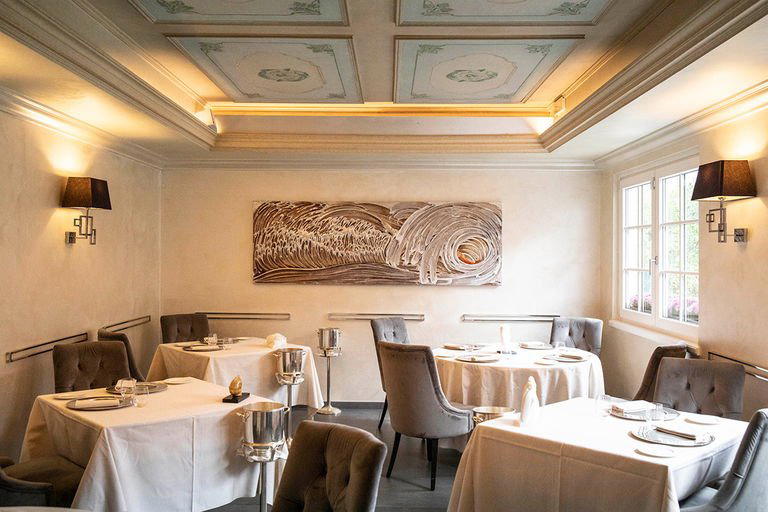
Where Versilian Seafood Sets Its Own Clock
Lorenzo is a one-Michelin-star restaurant in Forte dei Marmi serving classic Italian seafood at Via G. Carducci, 61. The Versilian season compresses life into summer months, and the restaurants that survive across decades here do so not through reinvention but through precision and consistency. Lorenzo, on Via G. Carducci, belongs to that tradition of seasonal permanence. Three dining rooms, maintained with evident care, carry the atmosphere of a room that has been doing this long enough to stop feeling the need to announce it. The service tempo, the room arrangement, the bound wine volumes on each table, these are signals of a house that settled into its identity some time ago and has not been persuaded to leave it.
Italy's coastline produces several of these classicist anchors. Uliassi in Senigallia has moved toward creative interpretation while keeping its Adriatic seafood roots. Quattro Passi in Marina del Cantone plays along similar coastline registers in the south. Lorenzo's position within that national set is one of deliberate conservatism, in the leading sense: a kitchen that has identified what it does and applies sustained craft to doing it without compromise. That posture earned it a Michelin star.
The Pasta Tradition at the Table
In much of contemporary Italian fine dining, pasta has become a vehicle for technique display. Chefs trained in the modernist tradition use pasta shapes as canvases for fermentation, dehydrated sauces, or architectural presentation. At Lorenzo, the frame of reference is different and explicitly regional. The Versilia coastline, running along the Tyrrhenian between La Spezia and Pisa, has its own idiom for pasta with seafood, and the kitchen here works within that idiom rather than transcending it.
The seafood bavette and Versilia-style spaghetti on the menu at Lorenzo are not reinventions, they are examples of a form that rewards execution over novelty. Bavette, a narrow ribbon pasta broader than linguine, holds coastal seafood preparations well: the flat surface picks up sauce without overpowering delicate fish textures, and the Ligurian-Tuscan border region has used it this way for generations. The test of this dish in any serious kitchen is in the pasta itself: the cook, the weight, the degree to which the sauce adheres rather than pools. At a kitchen operating at Michelin level, these variables are controlled rather than hoped for.
For context on what regional pasta discipline looks like elsewhere in Italy, Dal Pescatore in Runate maintains a similarly regionalist approach in Mantua. The same preservation instinct operates at Lorenzo, but applied to a coastal repertoire rather than a Po Valley one. This regional specificity is part of what Opinionated About Dining's Classical Europe category rewards: restaurants that hold a tradition in place against the pressure to modernize.
The Raw Counter Logic and Tableside Ritual
Two elements of the Lorenzo experience speak directly to the house's classical orientation. The grand raw seafood platter requires sourcing discipline above all else. Unlike cooked preparations where seasoning and technique can compensate for ingredient quality, raw service, oysters, sea urchin, crudités of fish, offers no such buffer. A kitchen confident enough to lead with a raw platter is making a claim about its supply chain. On the Versilian coast, proximity to the Tyrrhenian and established relationships with local fishing operations provide the foundation.
The tableside mayonnaise preparation is a more specific ritual. Emulsification done at the table is a performance of craft that places the technique in full view of the guest, and it functions as a statement of values: this is a house that treats foundational preparations as worthy of attention rather than delegating them to a pre-service mise en place. In the broader arc of Italian fine dining, where tableside preparation has largely retreated in favour of plated precision, Lorenzo's retention of this tradition reads as a deliberate choice rather than an oversight.
For comparison, Enoteca Pinchiorri in Florence represents Italy's other classical pole, a wine-and-food institution that has held its ground against successive waves of culinary fashion. The logic is similar even if the cuisine and city are different: institutional confidence expressed through continuity.
The Wine Library
The wine program at Lorenzo is presented in two bound volumes. The list encompasses Italian and international labels, including what the venue describes as bottles from remote wine regions alongside the expected classics. In a category where many coastal Italian restaurants default to regional whites and a modest international selection, a wine program that requires two physical volumes to document is a meaningful differentiator.
This depth positions Lorenzo alongside Italian restaurants where the dining experience extends well beyond the plate. Enoteca Pinchiorri in Florence is the extreme example of the form, where the cellar is the primary attraction. Lorenzo's program is less encyclopedic, but its two-volume format suggests a level of curation that goes substantially beyond functional food pairing. For guests who approach a meal through its wine, this is relevant intelligence.
Lorenzo in Forte dei Marmi's Restaurant Set
Forte dei Marmi's restaurant offer clusters at the premium end of the Versilian coast, with several properties operating at the €€€€ tier and distinct editorial identities. Lux Lucis represents the contemporary modernist position, creative Italian with international reference points. La Magnolia occupies a modern cuisine format. Bistrot handles seafood with a different register. Sciabola rounds out the local options at a different point on the formality spectrum.
Within this local comparable set, Lorenzo is the classicist. Its multi-decade presence, the famous clientele it has accumulated across Versilian seasons, and its consistent award recognition across three separate tracking systems (Michelin, La Liste, OAD) place it in a different conversation from its more contemporary neighbours. Michelin prizes kitchen precision and consistency; La Liste aggregates international critical consensus; OAD specifically rewards classical cooking executed at a high level. Scoring well across all three simultaneously is not common, and for a coastal Italian seafood restaurant, it is a specific kind of achievement.
For Italian seafood at this level of recognition elsewhere, Antica Osteria Cera in Lughetto and Il Marin in Genoa operate in comparable territory in the north. The broader Italian fine dining context, from Osteria Francescana in Modena to Enrico Bartolini in Milan and Atelier Moessmer Norbert Niederkofler in Brunico, makes clear how deliberately different Lorenzo's classicist orientation is from where the national conversation has moved.
Planning a Visit
Lorenzo operates Tuesday through Sunday with a single dinner service beginning at 8 PM, closing at 10 PM. Monday is closed. The Versilian season concentrates visitors into summer months, and at a Michelin-starred address with the kind of international clientele that has built around this restaurant over decades, bookings during July and August should be approached well in advance. The address is Via G. Carducci, 61, Forte dei Marmi. Chef Gioacchino Pontrelli leads the kitchen. The price range sits at €€€€, consistent with Forte dei Marmi's premium positioning and with the level of the wine program and seafood sourcing involved. For hotels in the area, our full Forte dei Marmi hotels guide covers the options within the resort town. The full dining picture is at our full Forte dei Marmi restaurants guide, and if you want to extend into experiences beyond eating and drinking, our full Forte dei Marmi experiences guide maps that out.
Cuisine Lens
Comparable venues nearby, for context on price, style, and recognition.
| Venue | Cuisine | Price | Awards | Notes |
|---|---|---|---|---|
| LorenzoThis venue — the venue you are viewing | Classic Italian Seafood | $$$$ | Michelin 1 Star | Not listed |
| Bistrot | Modern Italian Seafood Bistro | $$$$ | Michelin 1 Star | Forte dei Marmi |
| Lux Lucis | Michelin-Starred Contemporary Italian | $$$$ | Michelin 1 Star | Forte dei Marmi |
| La Magnolia | Modern Italian Fine Dining | $$$$ | Michelin 1 Star | Forte dei Marmi |
| Sciabola | Modern Mediterranean Seafood Fine Dining | $$$$ | Michelin 1 Star | Forte dei Marmi |
| Horto | Contemporary Italian Fine Dining | $$$$ | Michelin 1 Star | Brera |
Recognition history
Dated appearances from independent guides and award organizations, with the underlying list record or original source where available.
La Liste Top Restaurants
La Liste
Opinionated About Dining Classical in Europe Ranked #130
Opinionated About Dining
La Liste Top Restaurants
La Liste
Michelin 1 Star
Michelin
Opinionated About Dining Classical in Europe Ranked #121
Opinionated About Dining
Michelin 1 Star
Michelin
Opinionated About Dining Classical in Europe Ranked #133
Opinionated About Dining
Opinionated About Dining Classical in Europe Ranked #150
Opinionated About Dining
Continue exploring
More in Forte dei Marmi
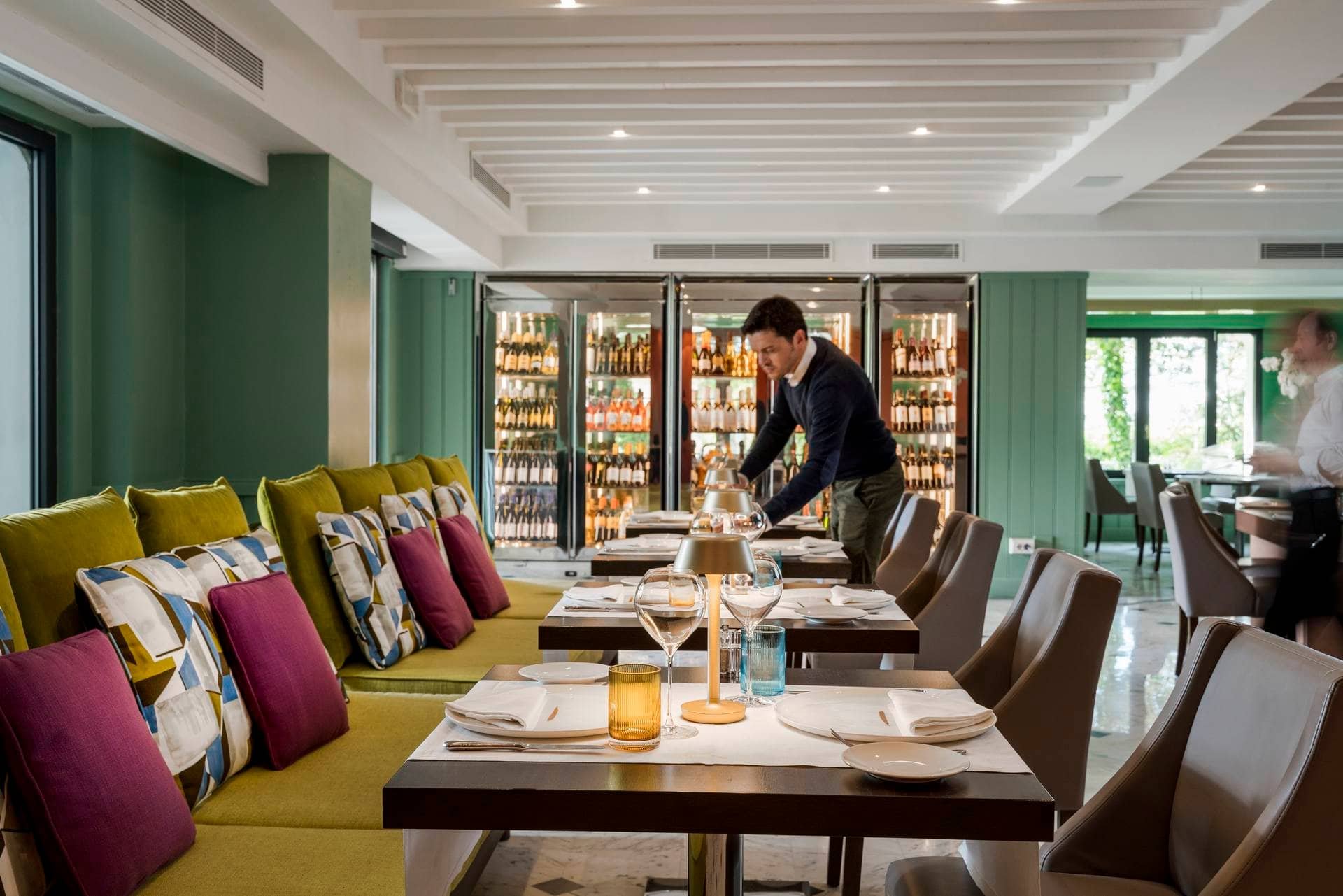
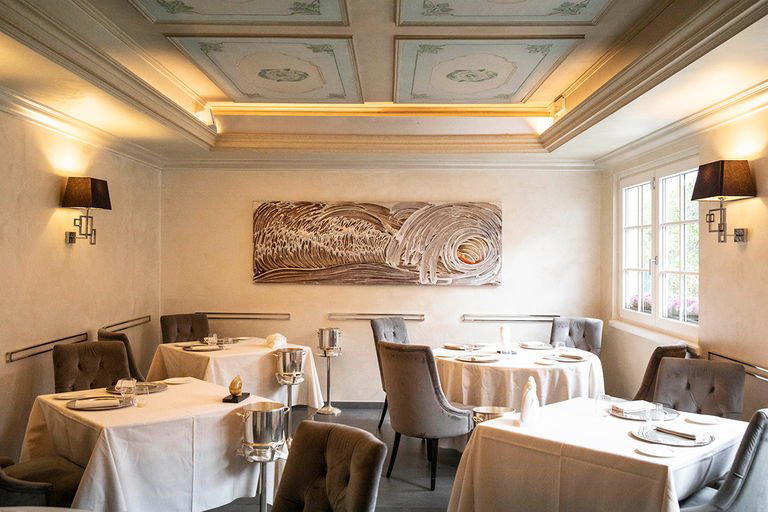
Restaurants in Forte dei Marmi
Browse all →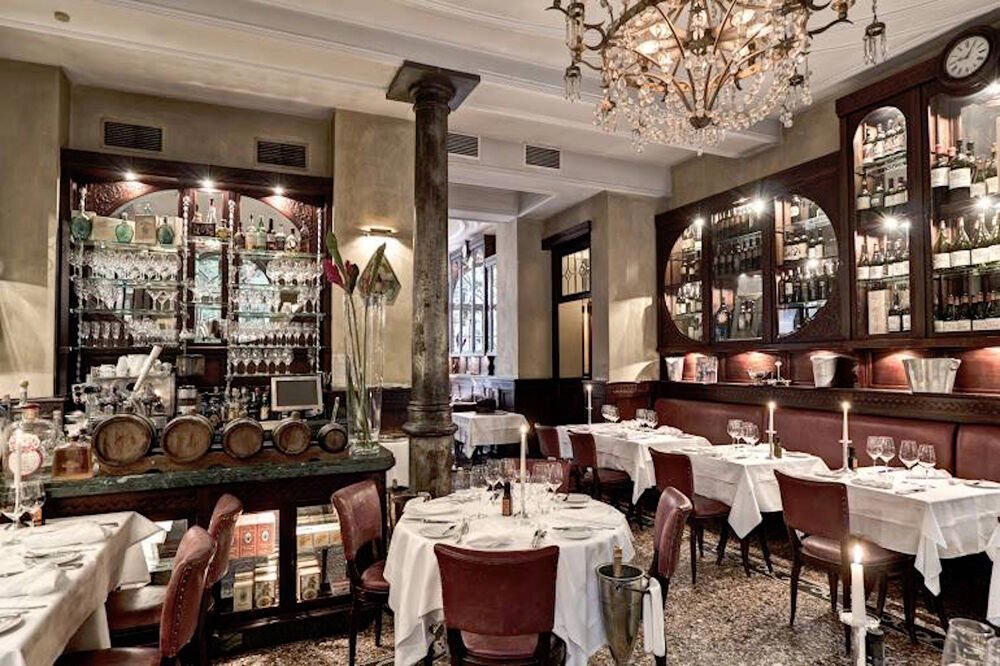
Bars in Forte dei Marmi
Browse all →
Hotels in Forte dei Marmi
Browse all →

At a Glance
- Elegant
- Classic
- Sophisticated
- Intimate
- Special Occasion
- Date Night
- Historic Building
- Extensive Wine List
- Local Sourcing
Current opening hours
- Monday
- Closed
- Tuesday
- 8–10 PM
- Wednesday
- 8–10 PM
- Thursday
- 8–10 PM
- Friday
- 8–10 PM
- Saturday
- 12:30–2 PM, 8–10 PM
- Sunday
- 12:30–2 PM, 8–10 PM
Hours can change for holidays and private events. Last verified .
Classic and timeless elegance with three small rooms filled with contemporary art, creating a welcoming yet crowded atmosphere.