Toc Toc


Toc Toc sits on the third floor of a Gangnam side street, where Chef Daechun Kim applies what he calls 'toconomy', a coined fusion of Toc Toc and gastronomy, to contemporary European and pasta-forward cooking with a distinctly Korean editorial eye. Ranked #158 on Opinionated About Dining's Asia list in 2025 and holding a Michelin Plate, it occupies a mid-premium price point that makes it one of Gangnam's more accessible serious restaurants.
Pearl is the En Primeur Club membership app — saves, bookings, and concierge access live there. Same editors, same standards.
- Address
- 3F, 41 Hakdong-ro 97-gil, Gangnam-gu, Seoul, 06072, South Korea
- Phone
- +82 2-542-3030
- Website
- restauranttoctoc.com
 Saves & bookings on Pearl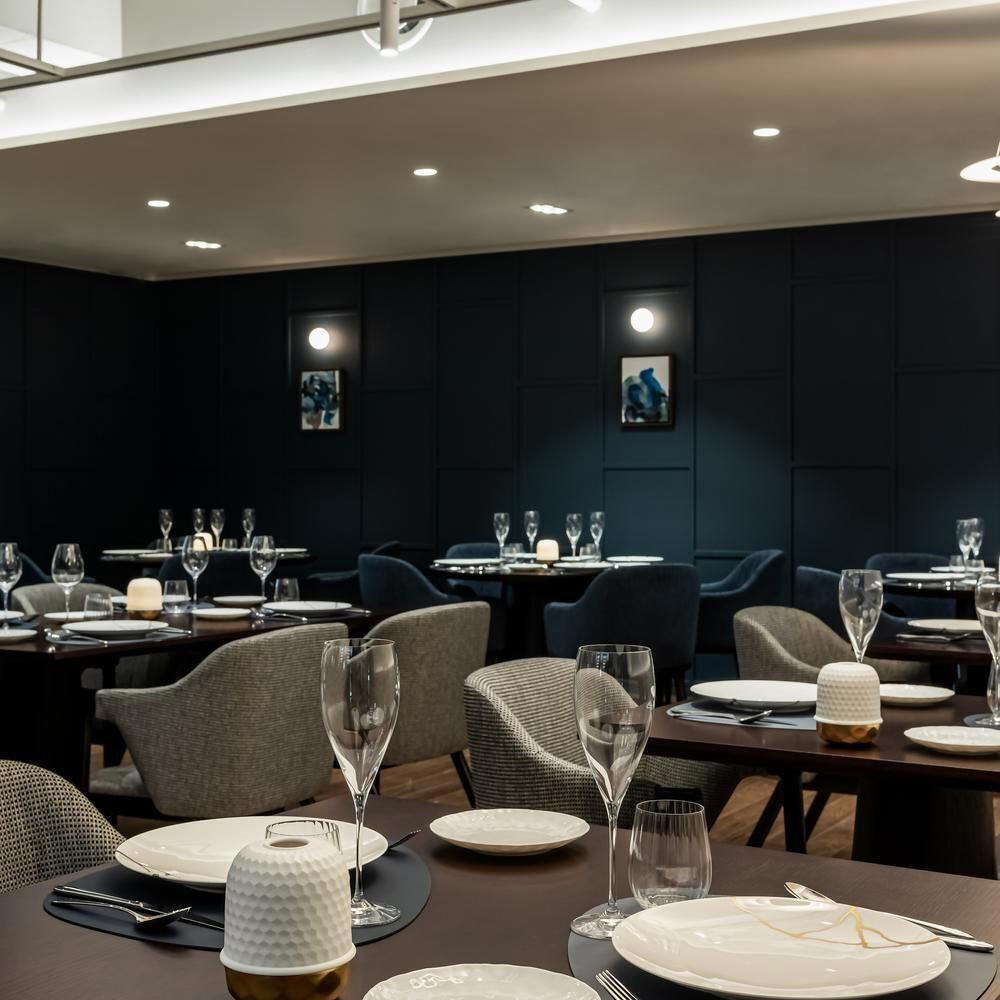
A Third-Floor Room and a Defined Point of View
Gangnam's restaurant floors above street level tend to signal one of two things: a private club atmosphere that depends on reputation to fill seats, or a serious kitchen that has outgrown its ground-floor ambitions. Toc Toc is a Seoul restaurant in Gangnam-gu at 3F, 41 Hakdong-ro 97-gil, serving Modern French-Asian Fusion at a price tier of about $40 per person. Reached via a staircase at 41 Hakdong-ro 97-gil, it operates in the second category. The address places it in a residential-commercial pocket of Gangnam-gu, quieter than Apgujeong's main drag, less scenographic than Cheongdam's jewellery-block restaurants, and that relative remove from the district's showier end suits the cooking's register. This is a room where the meal is the spectacle, not the postcode.
Contemporary dining in Seoul has bifurcated noticeably over the past decade. At the higher price tier, multi-course tasting menus with elaborate tableside theatre have become almost genre-standard; venues like Jungsik and Solbam anchor that bracket. Toc Toc operates a tier below in price, the ₩₩ bracket, while maintaining rankings that sit comfortably in the regional conversation. That positioning is relatively rare in Gangnam, where mid-range kitchens rarely sustain the kind of critical attention that produces consecutive Opinionated About Dining placements across three years.
What Toconomy Actually Means at the Table
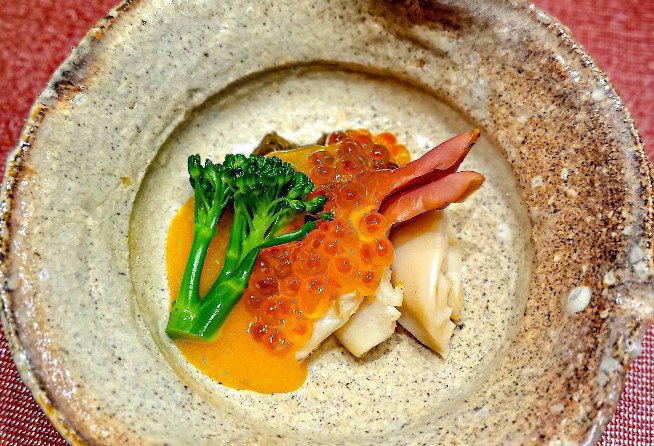
Chef Daechun Kim coined the term 'toconomy' to describe the intellectual framework behind the menu: a compression of the restaurant's name and the word gastronomy, meant to signal that the kitchen is building its own culinary grammar rather than borrowing wholesale from European or Korean convention. In practice, this translates to contemporary technique applied to ingredient selection that reflects a Korean sensibility, expressed most clearly through the pasta program. Pasta as a vehicle for Korean-inflected flavour is not a new idea in Seoul, it surfaces across the city's Italian-Korean hybrid wave, but at Toc Toc the execution is reportedly precise enough to have drawn sustained critical recognition, with OAD placements at #147 in 2023, #176 in 2024, and an improved #158 in 2025.
The menu runs both a structured course format and à la carte, which gives the room a different social rhythm from the fixed-progression tasting counters that dominate the tier above. That dual format is a deliberate choice: it keeps the table occupied with both first-timers working through a set sequence and regulars who know which à la carte dishes repay repeat ordering. For visitors arriving without a specific agenda, the course meal is the cleaner entry point. For those returning, the à la carte list is where the kitchen's evolving thinking tends to show most clearly.
The Collaborative Engine Behind the Room
The EA-GN-11 frame, team dynamic as editorial lens, is particularly relevant at a restaurant where the service register has to bridge two different dining formats simultaneously. Running à la carte and tasting menus in the same room requires a front-of-house team capable of managing divergent pacing at adjacent tables without either format feeling compromised. In Seoul's contemporary dining scene, that operational discipline is more demanding than it sounds: the city's leading rooms have largely standardised around the fixed-progression model precisely because it simplifies floor management and tightens kitchen output timing.
The restaurant's decision to maintain both formats suggests a kitchen and service team confident enough in their coordination to absorb the added complexity. The Michelin Plate recognition (2024) reflects a baseline of technical consistency and service execution, even if it sits below the starred tier occupied by peers like Eatanic Garden or Restaurant Allen. Within the ₩₩ bracket, that kind of cross-format fluency is a genuine differentiator.
At the ₩₩ price point, the pairing logic tends toward value-conscious selection rather than prestige pours, which suits the room's overall positioning.
Gangnam-gu's Contemporary Tier in Context
Gangnam-gu houses some of the densest concentration of serious restaurants in Seoul, but the competitive field is stratified sharply by price. At the ₩₩₩₩ end, you have kitchens like Kwon Sook Soo operating elaborate multi-hour formats. The ₩₩ to ₩₩₩ middle band is where the restaurant competes, alongside the more French-accented rooms and the emerging Korean-European hybrids. Exquisine occupies a nearby position in the contemporary spectrum, while Gaon operates at the fine-dining Korean end of the city's formal dining axis.
For international context, the 'toconomy' model, a chef building a named personal culinary framework applied across both à la carte and course formats, has parallels in cities where contemporary restaurants at the middle-premium tier are trying to distinguish themselves from both the casual end and the tasting-menu elite. Orfali Bros in Dubai and Alo in Toronto both occupy analogous positions in their respective markets, recognisable critical standing, distinct culinary identities, accessible relative to the starred tier above them.
Across the Korea restaurant map, the OAD Asia rankings provide a useful cross-regional calibration. Mori in Busan and Baegyangsa Temple in Jangseong-gun demonstrate the geographic spread of the list, with Seoul's Gangnam cluster remaining one of its heaviest concentrations.
Planning Your Visit
The restaurant sits at 3F, 41 Hakdong-ro 97-gil, Gangnam-gu, Seoul. Reservations: recommended. Budget: about $40 per person. Dress: smart-casual.
Recognition Snapshot
Comparable venues nearby, for context on price, style, and recognition.
| Venue | Cuisine | Price | Awards | Notes |
|---|---|---|---|---|
| Toc TocThis venue — the venue you are viewing | Modern French-Asian Fusion | $$$ | Michelin Plate | Not listed |
| Byeokje Galbi | Premium Korean BBQ (Galbi) | $$$ | Michelin Plate | 방이동 |
| A Flower Blossom on the Rice | Organic Korean Fine Dining | $$$ | Bib Gourmand | 가회동 |
| Hwa Hae Dang | Soy Marinated Crab (Ganjang Gejang) | $$$ | Bib Gourmand | 상수동 |
| Youhan | Modern Thai Bistro | $$$ | Bib Gourmand | Sajik-dong |
| Doughroom | Artisanal Italian Pasta | $$$ | Michelin Plate | 반포본동 |
Recognition history
Dated appearances from independent guides and award organizations, with the underlying list record or original source where available.
Michelin Plate
Michelin
Michelin Plate
Michelin
Opinionated About Dining Top Restaurants in Asia Ranked #158
Opinionated About Dining
Michelin Plate
Michelin
Opinionated About Dining Top Restaurants in Asia Ranked #176
Opinionated About Dining
Opinionated About Dining Top Restaurants in Asia Ranked #147
Opinionated About Dining
At a Glance
- Cozy
- Modern
- Elegant
- Intimate
- Sophisticated
- Date Night
- Special Occasion
- Open Kitchen
- Local Sourcing
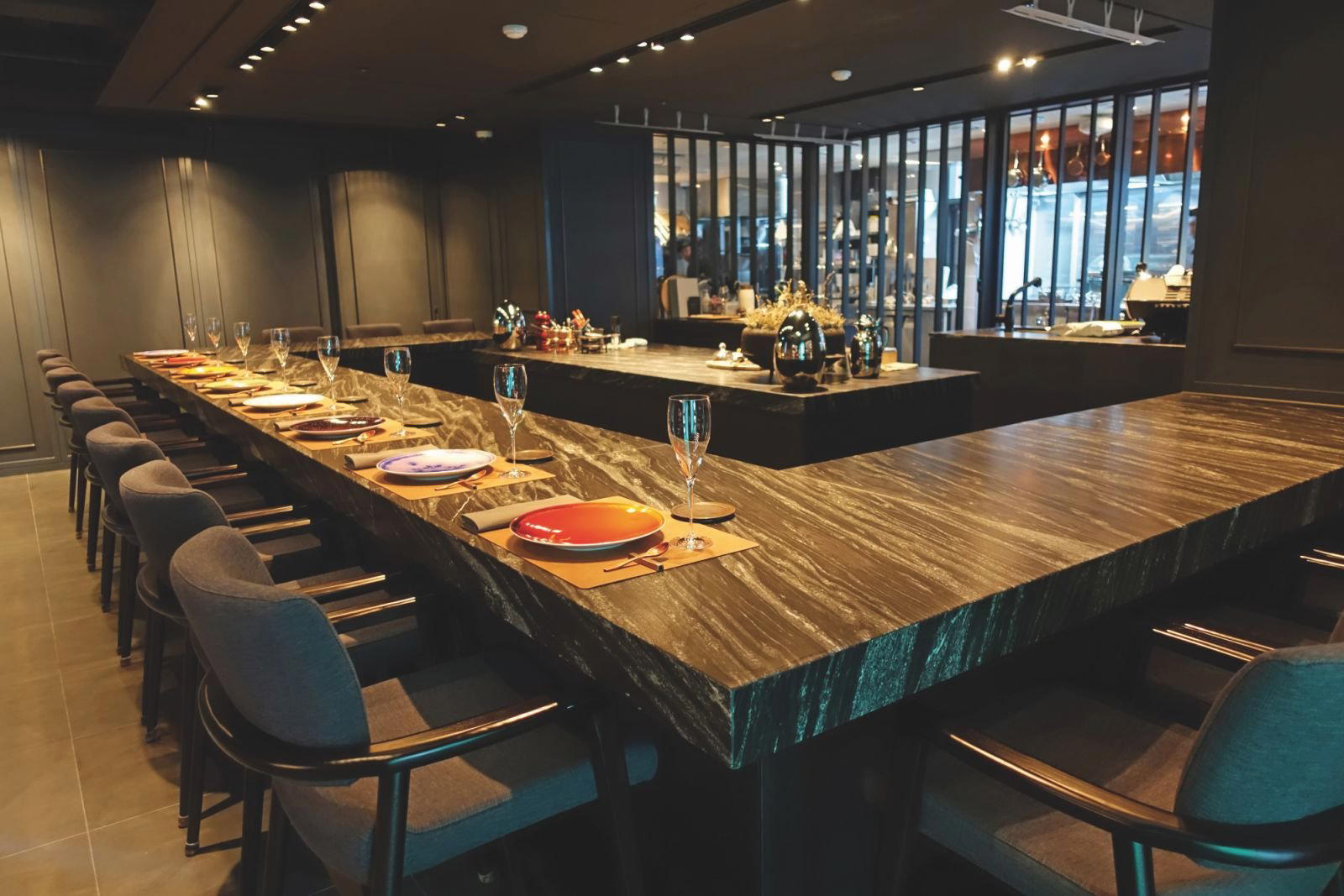
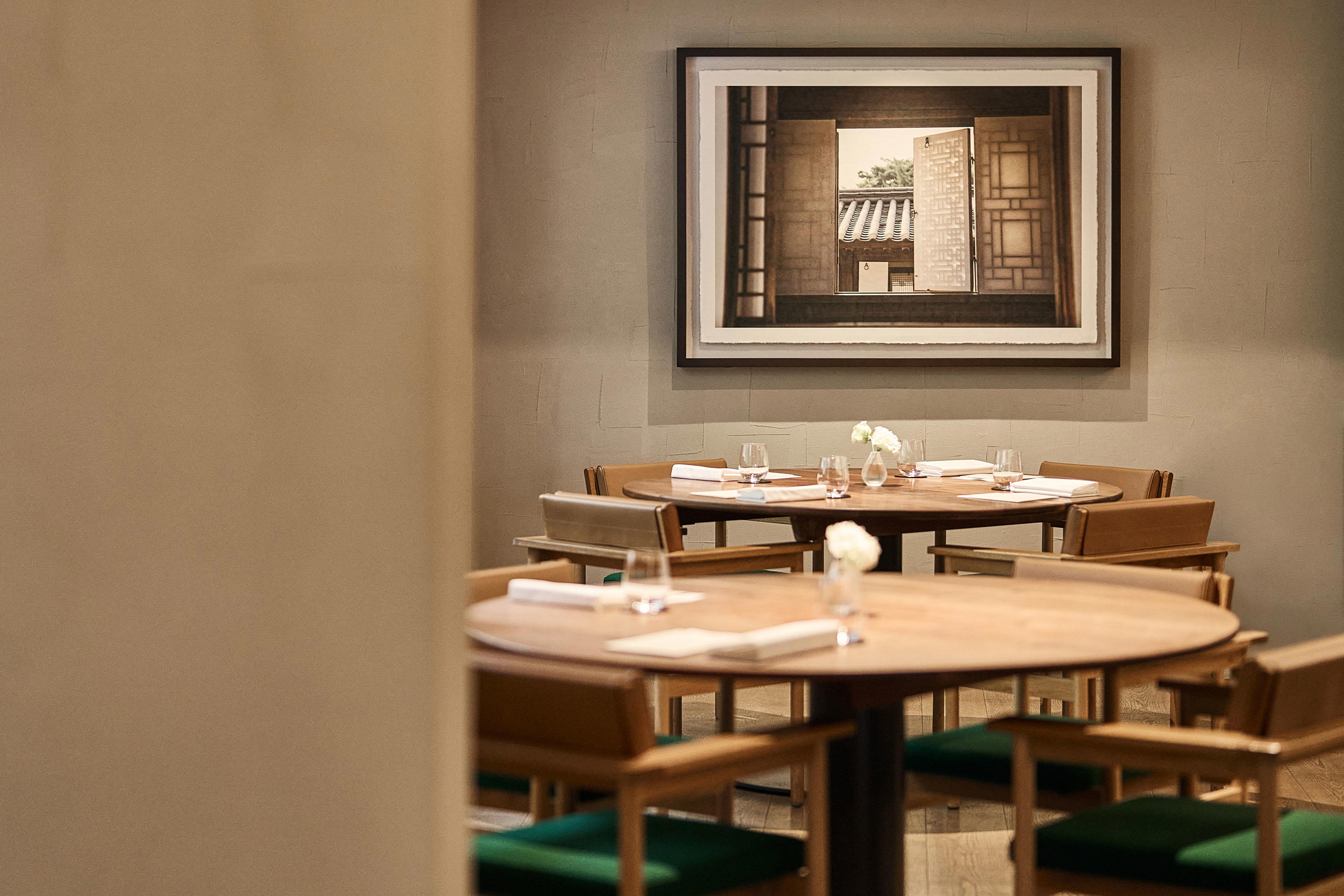
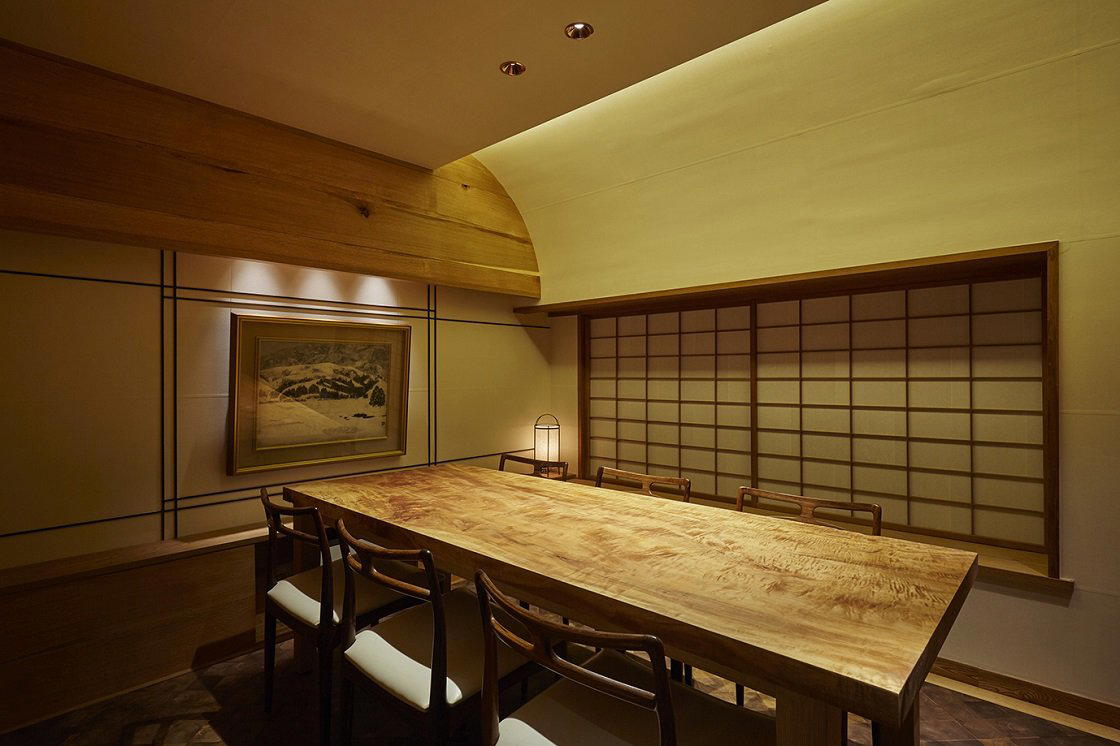
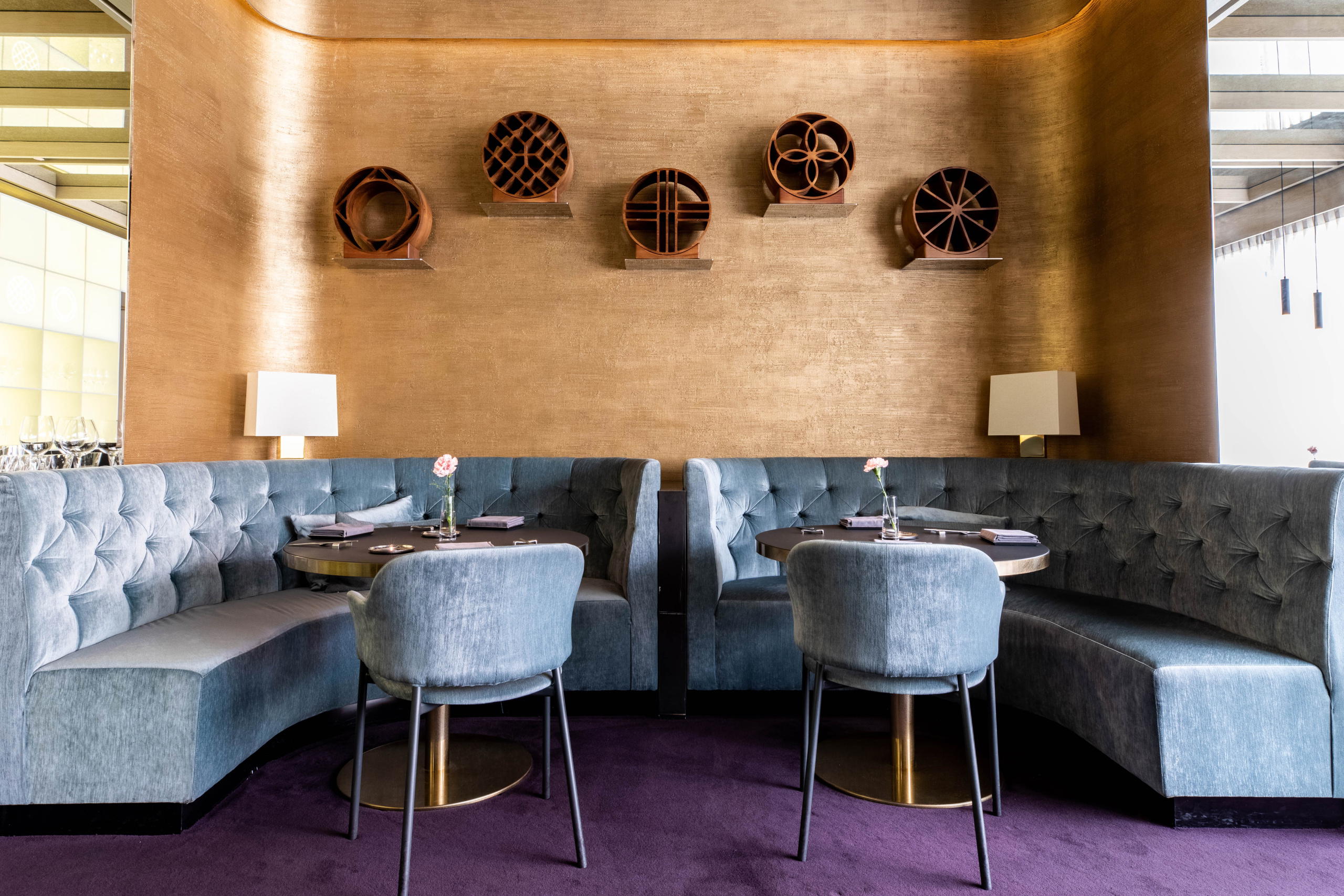
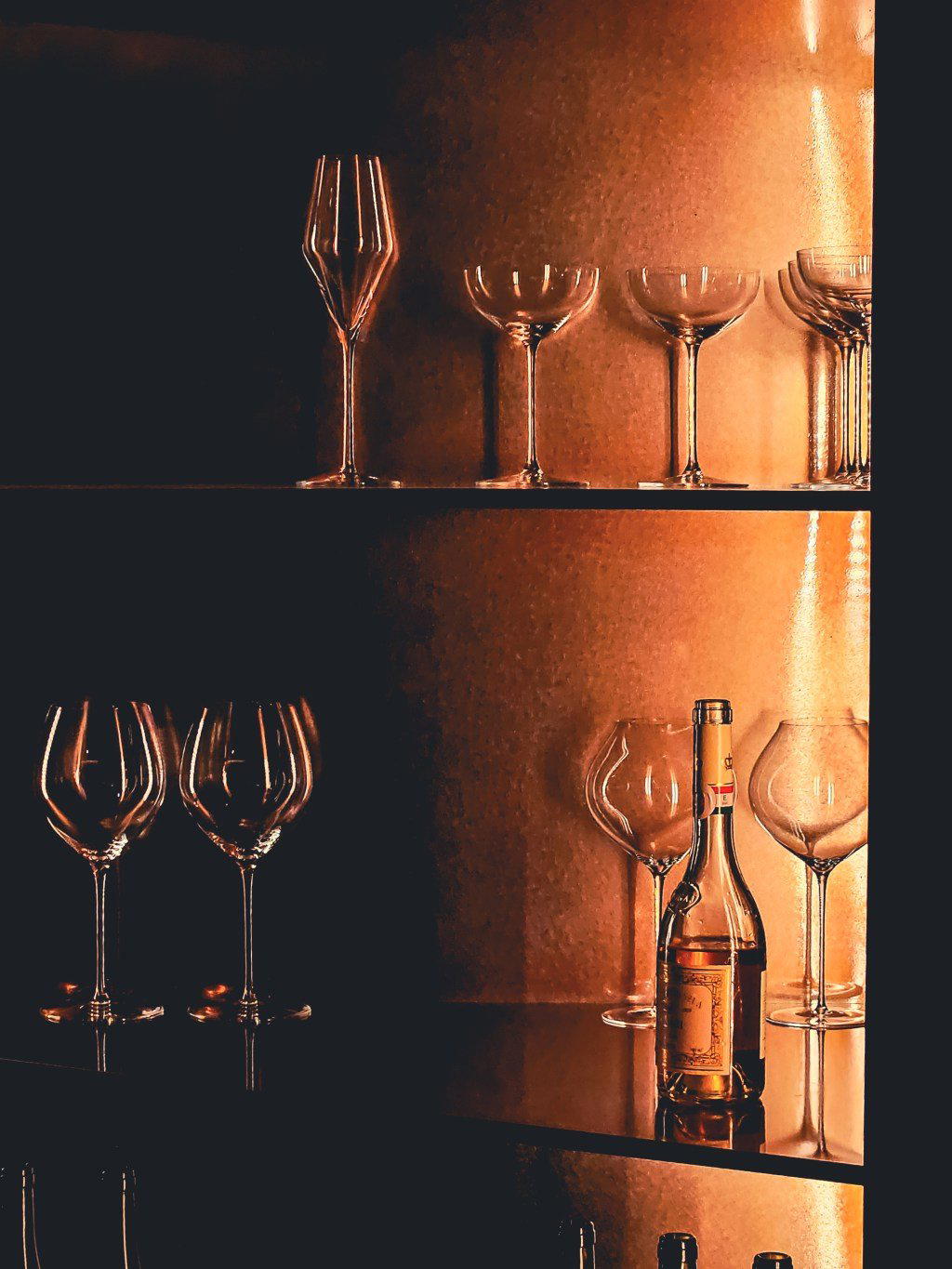
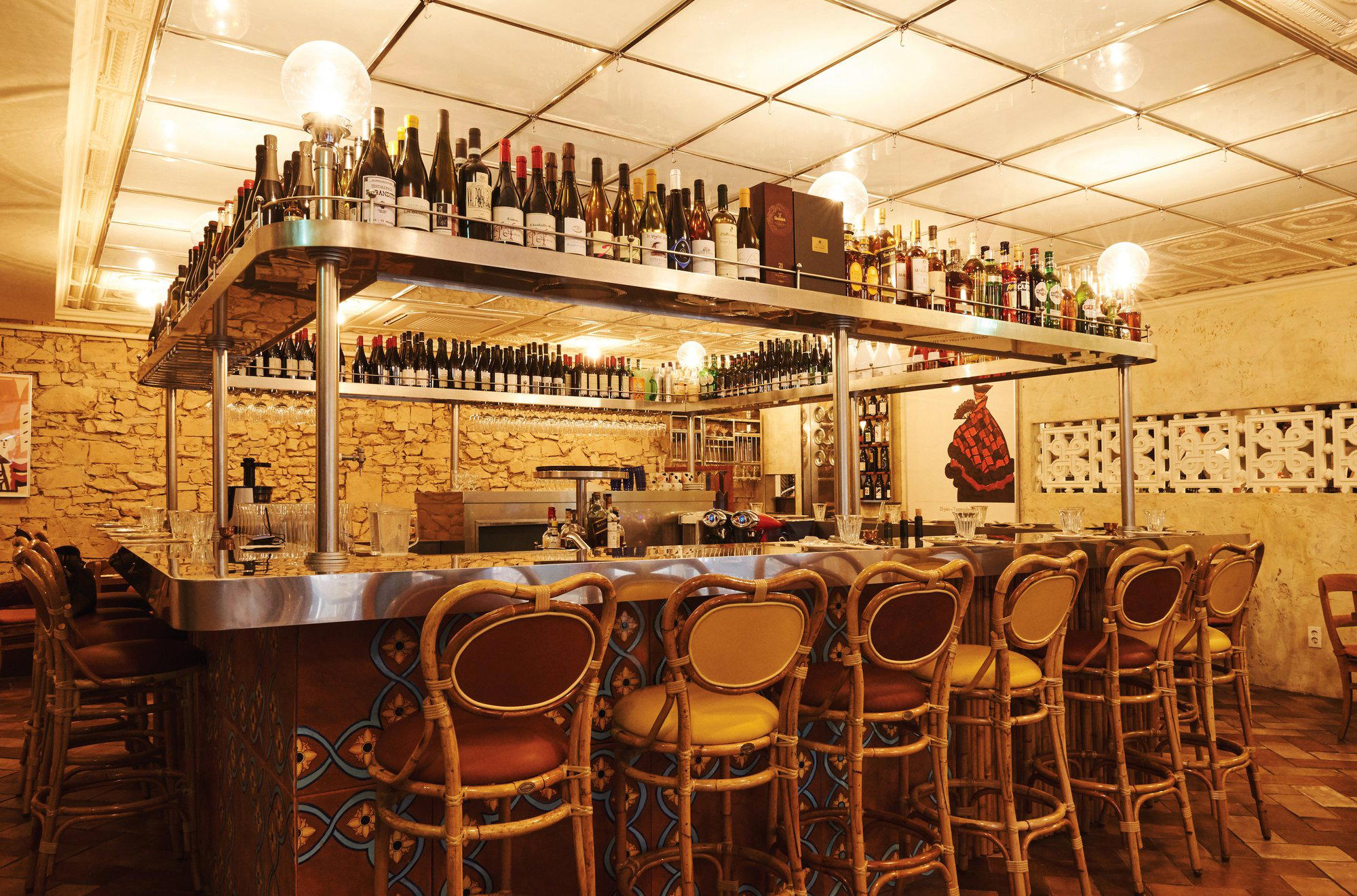
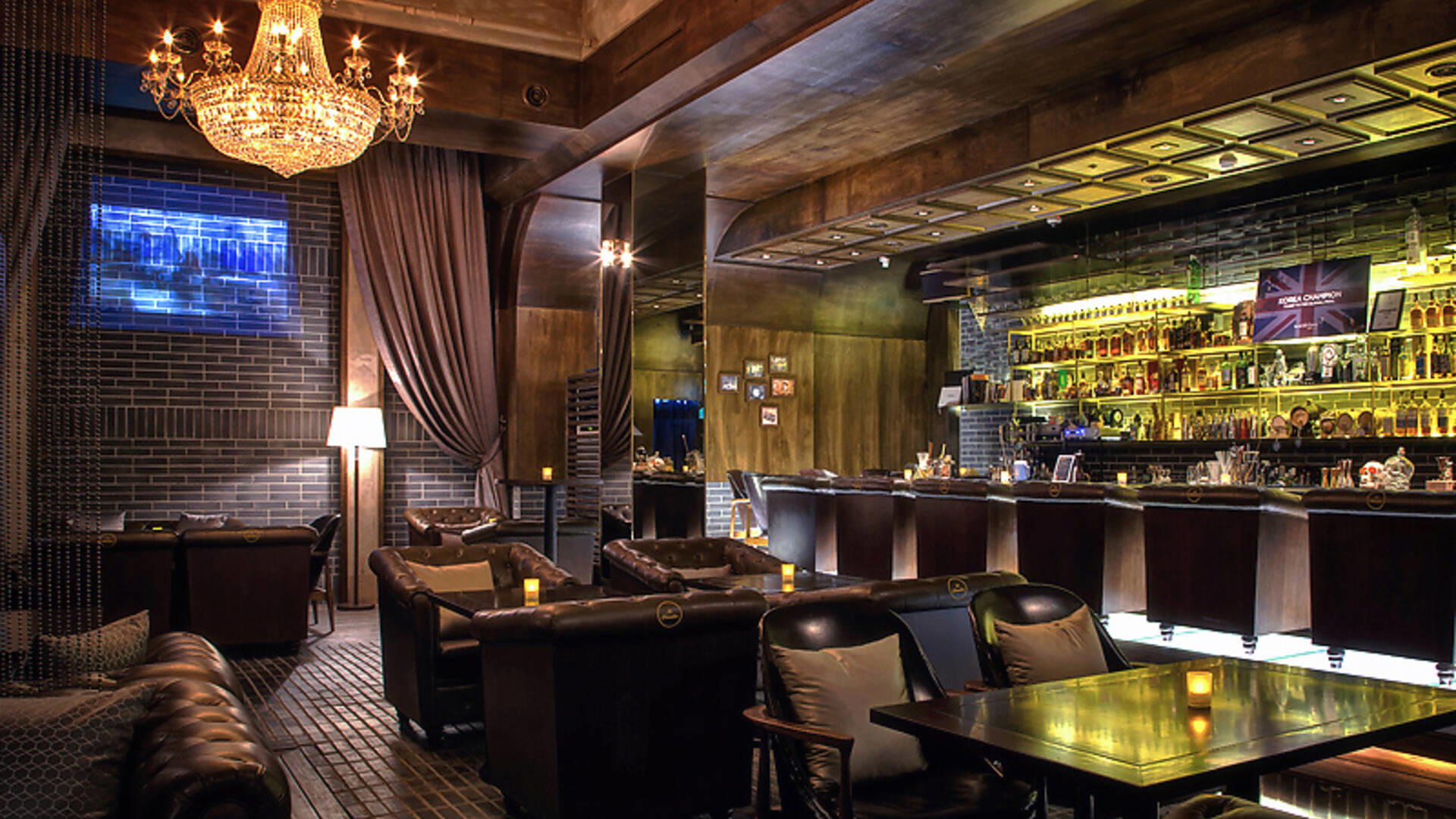
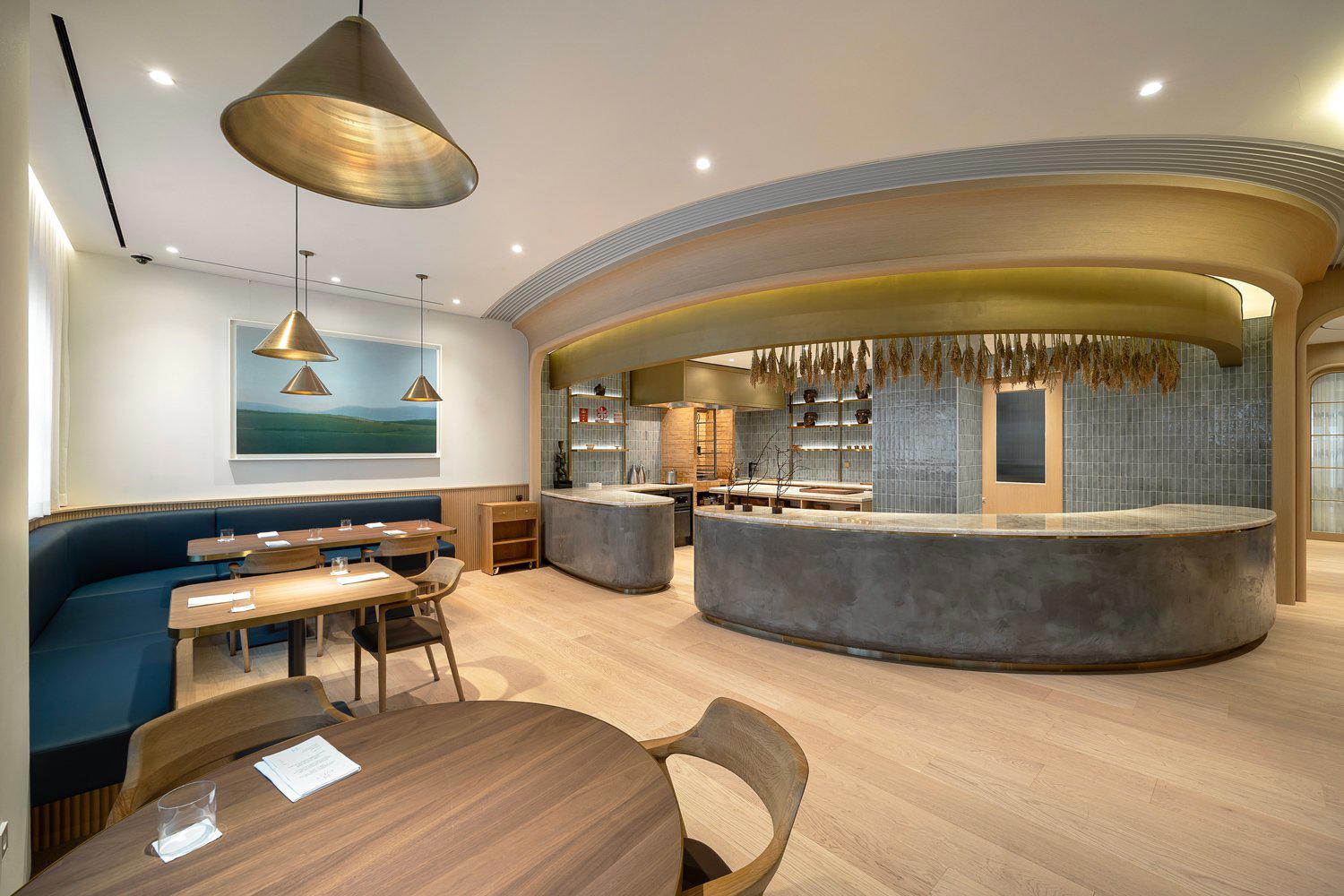
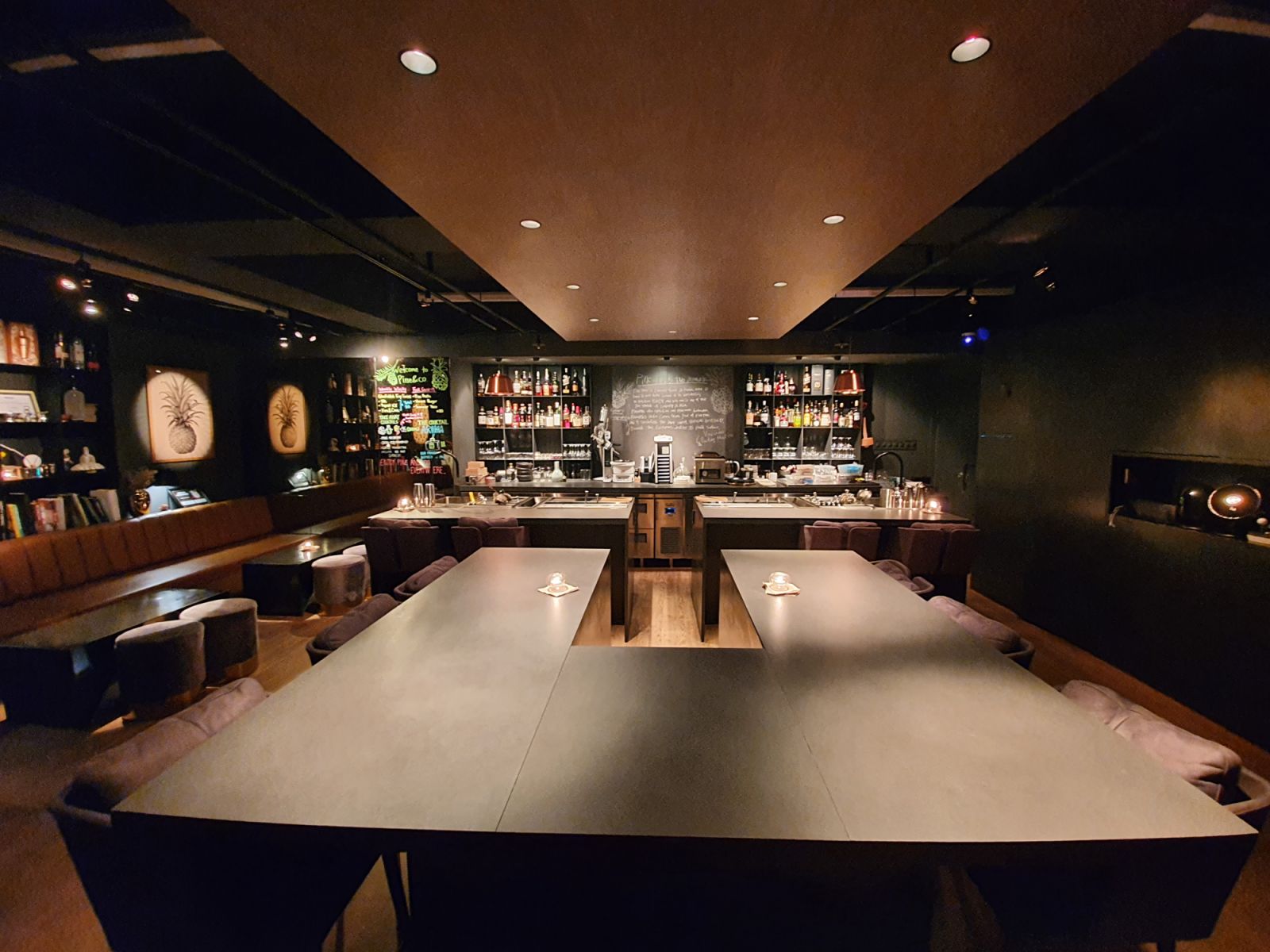
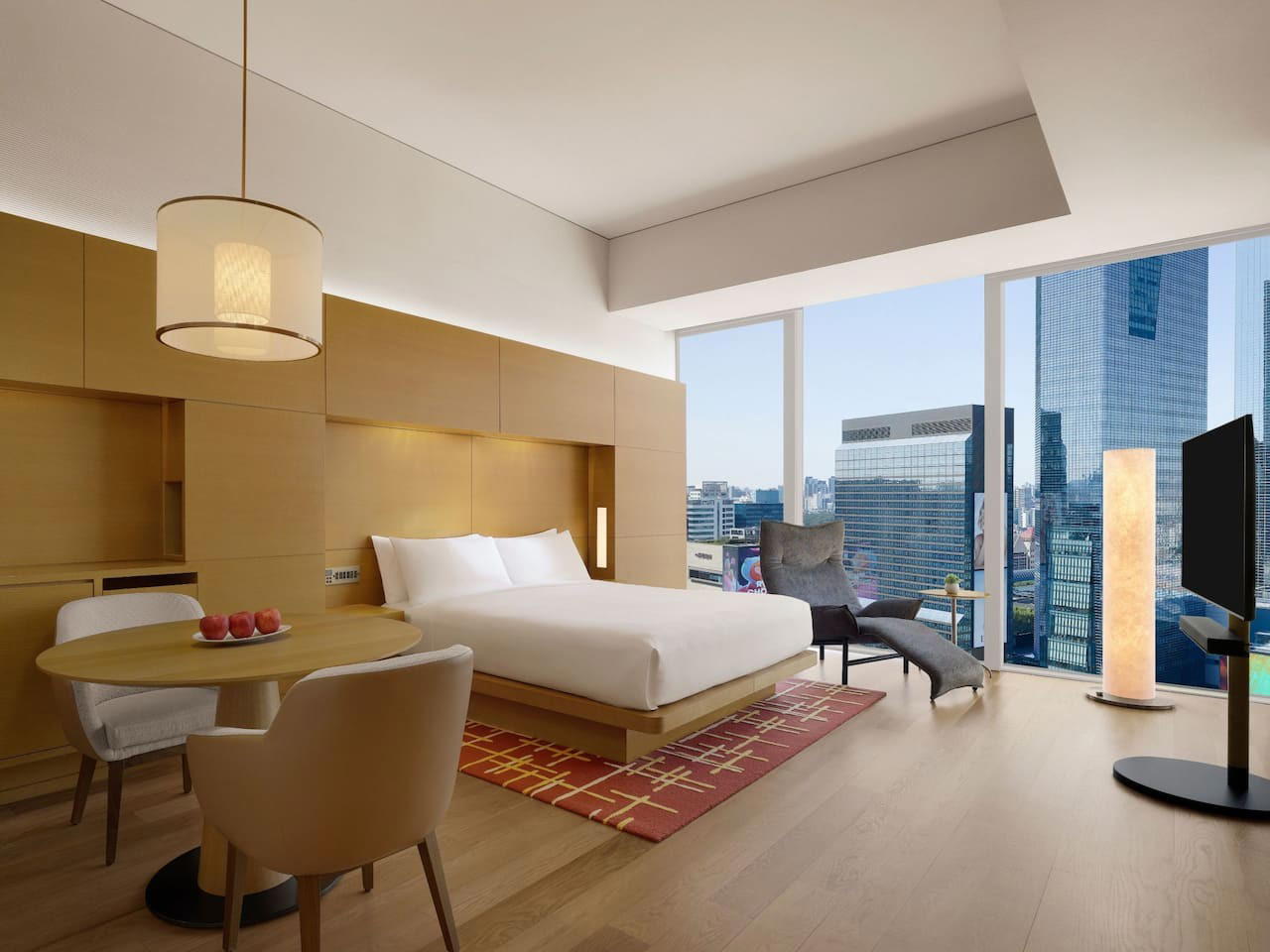
Cozy and elegant with minimalist decor, warm lighting, and wooden accents creating an intimate, sophisticated atmosphere.