

La Liste Top Restaurants · Black Pearl 2 Diamond
Our verdict
Xijiao No.5 (Maggie 5) brings fine-dining ambition to Changning's quieter western residential belt, holding dual recognition from La Liste and the Black Pearl guide. As one of Shanghai's credentialed Shanghai cuisine addresses, it operates at a tier where presentation and precision are assumed, placing it alongside the city's more studied Chinese dining rooms rather than its tourist-facing banquet halls.

Pearl is the En Primeur Club membership app, where members save venues, book tables and use the concierge.
Changning's Quieter Register
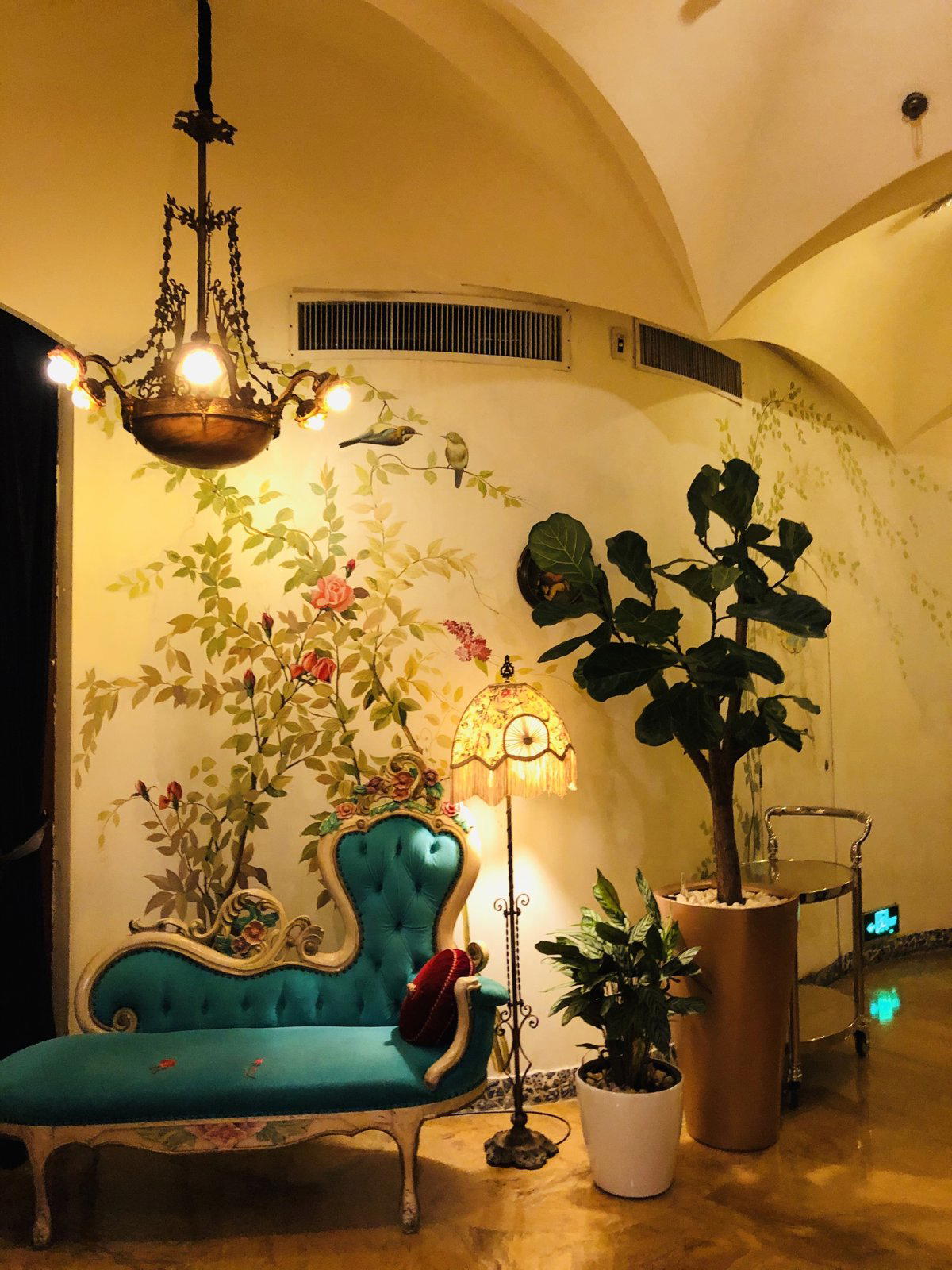
Shanghai's most-discussed restaurant addresses tend to cluster in the Former French Concession, on the Bund waterfront, or along West Nanjing Road. Changning District, by contrast, runs on a different rhythm: wider residential avenues, less foot traffic from tourists, and a dining scene oriented toward people who actually live in this part of the city. Honggu Road sits within that character. The address at No. 669 is not one you stumble upon; it draws guests who have already decided to come. That self-selecting audience shapes the room's register, calmer, more deliberate, less performative than the venues competing for visibility in the city's denser dining corridors.
That neighbourhood positioning matters because it sets expectations before a single dish arrives. Fine dining in a residential western district of Shanghai operates differently from the same calibre of cooking presented in a landmark building or hotel lobby. The context is residential rather than monumental, which tends to produce a more contained, focused experience. For a cuisine category as considered as Shanghai fine dining, that setting is not incidental, it reinforces a dining format built around attention rather than spectacle.
Where Xijiao No.5 Sits in Shanghai's Fine-Dining Spectrum
Shanghai's Chinese fine-dining market has matured considerably over the past decade. The city now supports multiple tiers of serious Chinese cooking: Michelin-tracked omakase-style counters, regional specialists with national reputations, and contemporary Shanghai cuisine addresses that sit between classical technique and modern presentation. Xijiao No.5 occupies the latter category, holding a Black Pearl 2 Diamond (2025) from Meituan-Dianping's guide, the Chinese-language fine-dining ranking that operates as the country's most widely referenced domestic benchmark, alongside consecutive La Liste placements of 83.5 points (2025) and 83 points (2026).
The La Liste scores are instructive in their context. The French-compiled ranking aggregates critical assessments globally and places Chinese restaurants against European and Japanese competition on a common scale. An 83-point score puts Xijiao No.5 in company with restaurants that receive serious international critical attention, not simply strong local word-of-mouth. For reference, La Liste's top tier runs from approximately 90 points upward; the 80–85 band contains restaurants that register as significant nationally and as credible internationally. Consecutive placements at consistent scores suggest a kitchen operating with stability rather than flash-in-the-pan momentum.
Within Shanghai specifically, this places Xijiao No.5 in a recognisable peer group: credentialed Chinese dining rooms that draw serious diners but do not necessarily occupy the city's loudest cultural real estate. Compare that positioning to something like Fu He Hui (Vegetarian), which operates at the ¥¥¥¥ tier with a distinct vegetarian philosophy, or 102 House, which brings a Cantonese sensibility to its fine-dining format. Xijiao No.5 addresses the Shanghai cuisine category specifically, a tradition with its own logic around sweetness, braising depth, and seasonal ingredient rotation that separates it from both Cantonese and northern Chinese cooking styles.
For internationally framed reference, the tier at which Xijiao No.5 operates is analogous to the serious-regional-cuisine category in other major cities: not a global headline destination, but precisely the kind of place that guests of Le Bernardin in New York City or Atomix in New York City would seek out when visiting Shanghai to eat something rooted, credentialed, and away from the international dining circuit.
Shanghai Cuisine as a Fine-Dining Category
Shanghai cuisine (本帮菜, benbang cai) is frequently underrepresented in the international fine-dining conversation relative to its Cantonese or Sichuan counterparts. Its hallmarks, red-braised pork, freshwater fish preparations, hairy crab in season, stocks built over long cooking times, do not photograph as dramatically as the chilli-red plates that dominate foreign impressions of Chinese food. What it requires, instead, is technical patience: controlling sweetness from rock sugar and Shaoxing wine across a braise, calibrating the fat rendering of dongpo pork, timing freshwater eel against its seasonal peak. These are the disciplines that a Shanghai fine-dining kitchen is expected to execute with precision, and they are the metrics against which the Black Pearl guide's assessors apply their two-diamond standard.
The fine-dining treatment of benbang cooking at addresses like Xijiao No.5 sits in a longer Shanghai tradition of taking local ingredients seriously at the upper end of the market. This is distinct from the contemporary fusion approaches visible at places like Taian Table (Modern European, Innovative), which applies European technique to local produce, or the Taizhou-rooted cooking at Xin Rong Ji (West Nanjing Road). Credentialed Shanghai cuisine restaurants operate in a different register: the ambition is to refine a local inheritance rather than cross it with outside references.
Across mainland China, similar exercises in elevating regional cooking to fine-dining format are underway in multiple cities, Ru Yuan in Hangzhou approaches Zhejiang tradition with comparable seriousness, while the Xin Rong Ji in Chengdu and Xin Rong Ji (Xinyuan South Road) in Beijing extend a comparable philosophy into different regional idioms. In broader Chinese dining contexts, addresses like Chef Tam's Seasons in Macau, Imperial Treasure Fine Chinese Cuisine in Guangzhou, and Dai Yuet Heen in Nanjing offer useful comparisons for how Chinese fine dining performs across different cities and cuisines. The Shanghai version, as represented by Xijiao No.5, keeps the local inheritance as its organizing principle rather than importing a global fine-dining template.
Planning Your Visit
Xijiao No.5 sits at 669 Honggu Road, Changning District, west of the city centre and most efficiently reached by taxi or ride-hailing app from anywhere in the Former French Concession or Jing'an in under 20 minutes depending on traffic. Reservations: Given the Black Pearl 2 Diamond standing and La Liste recognition, advance booking is advisable, particularly for weekend evenings; contact the restaurant directly or through a hotel concierge for assistance. Budget: Price range data is not currently published, but two-diamond Black Pearl restaurants in Shanghai typically operate in the ¥600–¥1,200 per person range for a full menu with beverage pairing; verify directly when booking. Leading timing: Autumn brings hairy crab season (mid-October through November), which is the calendar peak for serious Shanghai cuisine dining across the city. If the kitchen runs a seasonal hairy crab menu, this is when the genre is at its most characterful.
For broader context on how Xijiao No.5 fits within Shanghai's dining options, see our full Shanghai restaurants guide. For planning the rest of your trip, our full Shanghai hotels guide, our full Shanghai bars guide, our full Shanghai experiences guide, and our full Shanghai wineries guide cover the full spectrum. For Italian-accented fine dining in Shanghai, 8 1/2 Otto e Mezzo Bombana (Shanghai) provides a useful reference point from a different culinary tradition at a comparable prestige level.
Frequently asked questions
What kind of setting is 西郊5号 Xijiao No.5 - Maggie 5?
Xijiao No.5 occupies a residential address on Honggu Road in Changning District, one of Shanghai's less tourist-trafficked western neighbourhoods. The setting is quieter and more considered than the landmark Bund or French Concession venues that dominate the city's fine-dining headlines. With Black Pearl 2 Diamond recognition and consistent La Liste scores in the 83-point range, it operates at the level where format and execution are held to a serious standard, but the atmosphere reads as deliberate rather than theatrical. Price range data is not publicly available; expect a premium commensurate with its award standing.
What do regulars order at 西郊5号 Xijiao No.5 - Maggie 5?
What the Shanghai cuisine category suggests, however, is that a kitchen operating at Black Pearl 2 Diamond level will anchor its menu in the canon of benbang cooking: red-braised preparations, seasonal freshwater fish and shellfish, and in autumn, hairy crab in some form. The La Liste recognition adds weight to the kitchen's technical credibility in this tradition. For precise menu information, contact the restaurant directly before your visit.
Do I need a reservation for 西郊5号 Xijiao No.5 - Maggie 5?
For any Shanghai fine-dining address holding Black Pearl 2 Diamond recognition and La Liste placement, advance reservations are the practical baseline. Changning's residential location means the restaurant is not the kind of room you walk past and decide to enter on impulse, its guests plan ahead. Booking through a hotel concierge or directly via phone is the standard approach for this tier of Shanghai dining. No online booking platform is currently listed; contact details should be confirmed through the restaurant or a concierge service before your visit.
A Lean Comparison
| Venue | Cuisine | Price | Awards | Notes |
|---|---|---|---|---|
| 西郊5号 Xijiao No.5 - Maggie 5This venue (the venue you are viewing) | Modern Shanghainese Fusion | $50–100 | La Liste Top Restaurants · Black Pearl 2 Diamond | Not listed |
| Fu He Hui | Modern Seasonal Vegetarian Fine Dining | $200–300 | 2 Michelin Stars · World's 50 Best #11 | Vegetarian |
| Ming Court | Cantonese with Shanghainese Influences | $30–50 | 1 Michelin Star · Black Pearl 1 Diamond | Cantonese |
| Polux | French Bistro | $30–50 | Michelin Bib Gourmand | French |
| Royal China Club | Cantonese Dim Sum | $100–150 | Michelin Plate · The Good Food Guide GFG Good | Chinese, Cantonese |
| Scarpetta | Refined Italian Pasta & Pizza | $50–100 | Michelin Plate · Wine Spectator Best of Award of Excellence | Italian |
Recognition history
Dated appearances from independent guides and award organizations, with the underlying list record or original source where available.
La Liste Top Restaurants
La Liste
Black Pearl 2 Diamond
Black Pearl
Full recognition history (3 entries)
La Liste Top Restaurants
La Liste
Continue exploring
More in Shanghai
Restaurants in Shanghai
All restaurants in Shanghai →
Bars in Shanghai
All bars in Shanghai →
Details
- Romantic
- Elegant
- Sophisticated
- Modern
- Date Night
- Business Dinner
- Special Occasion
- Private Dining
- A La Carte
- Tasting Menu
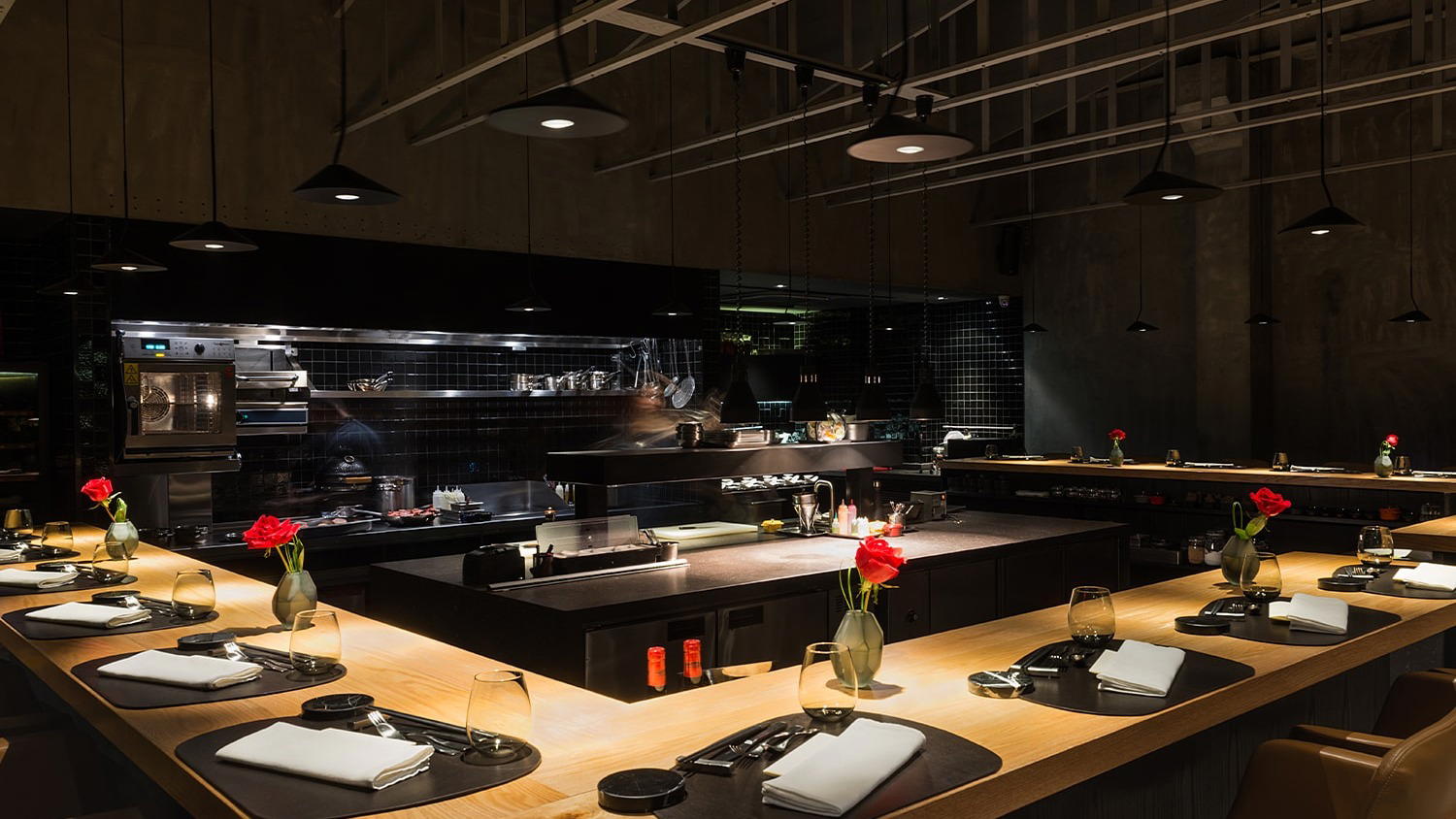
Art Nouveau motifs, large-scale murals, sculptural detailing, measured flattering lighting, tables spaced for private conversation.