The Supper Club

World's 50 Best #43
Our verdict
The Supper Club at Singel 460 occupies a specific chapter in Amsterdam's dining history: a Dutch Modern format that reached the World's 50 Best Restaurants list at number 43 in 2002. Planning a visit requires understanding both what the format offers and how to approach booking in Amsterdam's competitive restaurant scene.

Pearl is the En Primeur Club membership app, where members save venues, book tables and use the concierge.
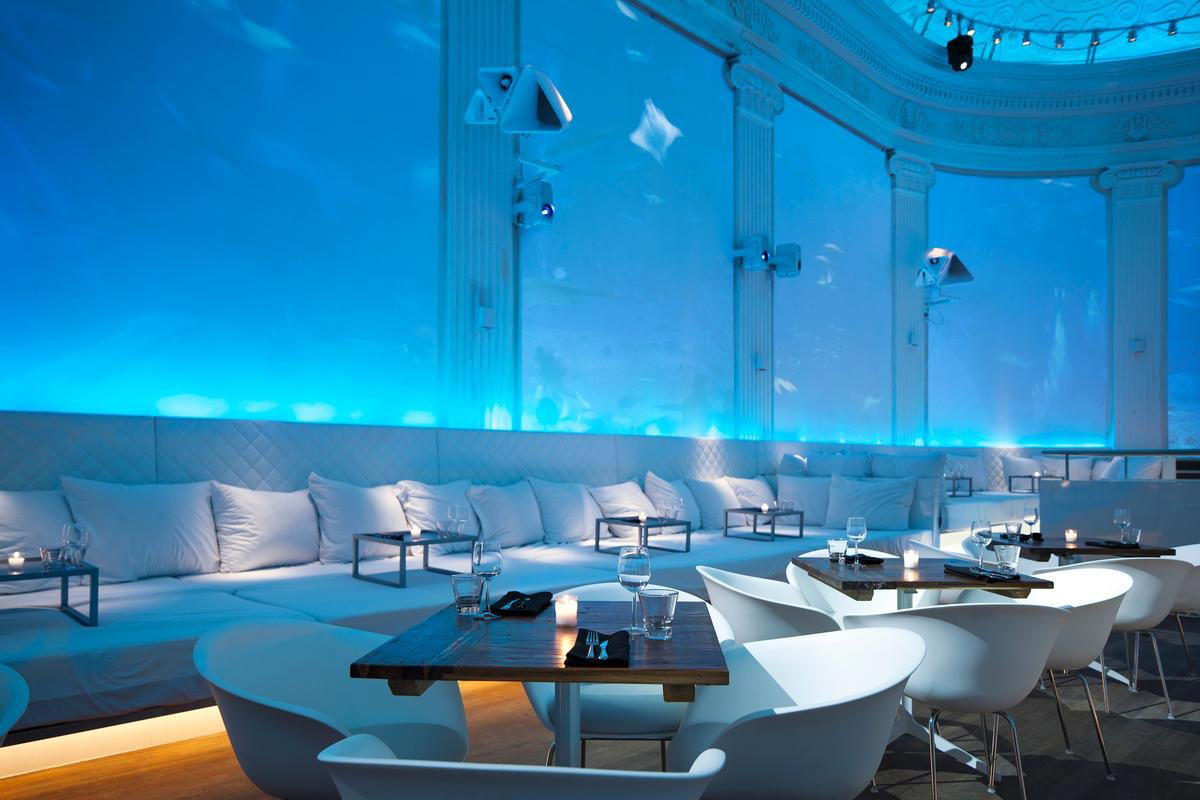
A Canal-Side Address with History Behind It
Singel 460 sits along one of Amsterdam's oldest canal rings, a stretch where the city's merchant-era architecture gives way to a more varied, lived-in character. Arriving here, the building reads as part of the canal fabric rather than apart from it, the kind of address that rewards the visitor who already knows what they're walking into. For anyone tracking where Amsterdam's Dutch Modern dining tradition has been, The Supper Club is a reference point that belongs in that conversation.
In 2002, the World's 50 Best Restaurants ranked The Supper Club at number 43, a signal, at a time when that list was still shaping how the international dining world mapped itself, that this address was doing something the industry considered worth noting. Amsterdam has always occupied a particular position in northern European dining: not as loud as Copenhagen in the New Nordic years, not as densely competitive as London, but with a serious hospitality culture that has produced consistent Michelin-starred work and the occasional format that breaks internationally. The Supper Club was one of those formats.
Where This Fits in Amsterdam's Dining Structure
Amsterdam's premium dining tier is currently anchored by a cluster of creative and contemporary restaurants operating at the €€€€ price point. Ciel Bleu and Spectrum represent the city's most formally recognised end of that range, with Michelin recognition and international press. Flore and Vinkeles sit in the same bracket, each with a distinct format and neighbourhood identity. Below that, mid-range addresses like Bistro de la Mer serve a different kind of dining decision.
The Supper Club occupies a different kind of position in this structure, not defined by its placement in the current Michelin hierarchy, but by what its 2002 World's 50 Best entry says about the format's reach during a period when Amsterdam was producing dining concepts that travelled. That spread is itself an insight. The Dutch Modern category in Amsterdam has evolved considerably since 2002, and understanding The Supper Club means placing it in that longer arc.
For Dutch fine dining outside Amsterdam, the comparison set extends across the Netherlands. De Librije in Zwolle and Aan de Poel in Amstelveen both sit within the same national conversation about what Dutch Modern cooking means at its most serious. De Bokkedoorns in Overveen, De Groene Lantaarn in Staphorst, De Lindehof in Nuenen, and De Lindenhof in Giethoorn each represent a regional expression of that tradition. Placing The Supper Club in this national map clarifies that its significance was always partly about Amsterdam's ability to produce internationally legible formats, not just technically precise cooking.
The Format and What It Asks of the Visitor
Dutch Modern as a category has rarely been about minimalist restraint in the way that Scandinavian fine dining became defined by reduction. The tradition in Amsterdam tends toward generosity of format, space, sequence, service tempo, as much as precision on the plate. The Supper Club's approach to this, in its peak years, leaned into theatrical format design: dinner as event rather than meal, the room as part of the experience rather than backdrop. That approach found a clear international parallel in venues like Le Bernardin in New York City, where format discipline shapes expectation before a single course arrives, though the aesthetic register between the two is entirely different. Similarly, the experience-driven model that Atomix in New York City has developed represents how the contemporary end of experiential dining has sharpened its execution since 2002.
What this means for the visitor today is that The Supper Club rewards a degree of preparation. Not preparation in the sense of memorising a menu, but in the sense of understanding what kind of dining event you are booking into. The format has always been better suited to a guest who is attending rather than just eating, someone who treats the evening as a structured experience rather than a meal-with-extras. That framing matters for how you plan the booking, who you bring, and what you expect when you arrive at Singel 460.
Booking This Address: What to Know Before You Go
Amsterdam's serious dining scene operates with different booking pressure depending on tier and format. At the top of the Michelin bracket, tables at addresses like Ciel Bleu can require planning weeks or months in advance, particularly for weekend slots.
For first-time visitors to Amsterdam's dining scene, The Supper Club is worth approaching with a specific question in mind: are you drawn to the historical significance of the format, or to the current iteration of Dutch Modern cooking at its most technically refined? If the latter is the priority, the city's current Michelin tier, including Flore and Vinkeles, may be the more appropriate starting point. If the former, The Supper Club's canal-side address and its 2002 milestone make it a dining-history visit with its own logic.
The practical recommendation is to approach booking through Amsterdam-based concierge services or established reservation platforms that cover the city's full dining range. For a broader map of where to eat, drink, and stay while building an Amsterdam itinerary around this visit, see our full Amsterdam restaurants guide, our full Amsterdam hotels guide, our full Amsterdam bars guide, our full Amsterdam wineries guide, and our full Amsterdam experiences guide.
Know Before You Go
- Address: Singel 460, 1017 AW Amsterdam, Netherlands
- Cuisine: Dutch Modern
- Awards: World's 50 Best Restaurants #43 (2002)
- Booking: No website or phone number currently listed, approach via concierge or third-party reservation platform
- Context: Canal-ring location on Singel; suited to visitors who understand the experiential format
Frequently asked questions
Is The Supper Club award-winning?
The Supper Club has received recognition including: World's 50 Best Best Restaurants #43 (2002).
Where is The Supper Club in Amsterdam?
The Supper Club is located at Singel 460, 1017 AW Amsterdam, Netherlands, Amsterdam.
What's the best thing to order at The Supper Club?
The Supper Club has historically operated on a set format rather than an à la carte menu, which means ordering decisions are largely made for you. That structure suits Dutch Modern cuisine, where the kitchen controls the sequence and pacing.
How hard is it to get a table at The Supper Club?
Singel 460 sits in a high-footfall canal corridor, which historically supports walk-in and shorter-lead bookings at venues of this format. Contacting the venue directly will give the clearest current picture.
What has The Supper Club built its reputation on?
The clearest public credential is a World's 50 Best Restaurants ranking at number 43 in 2002, placing it among the early cohort of venues that shaped international perception of Amsterdam dining. That ranking came during a period when the list carried significant editorial weight, before its current 120-restaurant scope. The venue's Dutch Modern positioning set it apart from the Scandinavian-influenced minimalism that would later dominate northern European fine dining discourse.
How does The Supper Club fit into Amsterdam's broader Dutch Modern dining scene?
The Supper Club's 2002 World's 50 Best ranking at number 43 places it as one of the earlier international references for Dutch Modern cuisine at a time when Amsterdam had not yet produced the density of acclaimed creative restaurants it holds today. Dutch Modern as a category draws on the Netherlands' seafood, dairy, and seasonal produce traditions without the strict reduction principles that defined Scandinavian peers. The Singel 460 address puts it within Amsterdam's historic canal ring, a stretch that has supported premium hospitality for decades.
Cost Snapshot
| Venue | Cuisine | Price | Awards | Notes |
|---|---|---|---|---|
| The Supper ClubThis venue (the venue you are viewing) | International Tasting Menu with Entertainment | $50–100 | World's 50 Best #43 | Not listed |
| Ciel Bleu | Modern French Fine Dining | $200–300 | 2 Michelin Stars · La Liste Top Restaurants | Creative |
| Bolenius | Modern Dutch Farm-to-Table | $100–150 | 1 Michelin Star · We're Smart World Top 100 #18 | Modern Dutch, Creative |
| De Kas | Seasonal Farm-to-Table Fine Dining | $50–100 | 1 Michelin Star · Star Wine List | Organic |
| Wils | Michelin-Starred Fire-Cooked Modern European | $100–150 | 1 Michelin Star · We're Smart World 4 Radishes | World Cuisine |
| Gebr. Hartering | Modern Fusion Bistro | $50–100 | Michelin Plate · Star Wine List | French |
Recognition history
Dated appearances from independent guides and award organizations, with the underlying list record or original source where available.
World's 50 Best Restaurants #43
World's 50 Best
Continue exploring
More in Amsterdam
Restaurants in Amsterdam
All restaurants in Amsterdam →
Bars in Amsterdam
All bars in Amsterdam →
Hotels in Amsterdam
All hotels in Amsterdam →
Wineries in Amsterdam
All wineries in Amsterdam →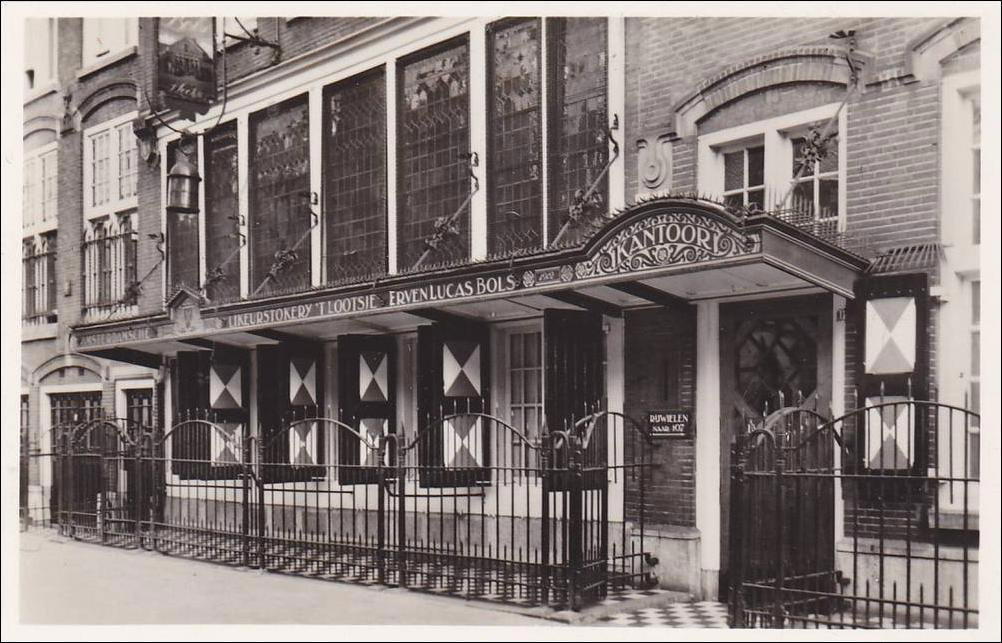
Details
- Lively
- Trendy
- Energetic
- Well Known
- Date Night
- Celebration
- Group Dining
- Special Occasion
- Live Music
- Open Kitchen
- Craft Cocktails
- Tasting Menu
Current opening hours
- Monday
- Closed
- Tuesday
- Closed
- Wednesday
- Closed
- Thursday
- 7:30 PM–4 AM
- Friday
- 7:30 PM–4 AM
- Saturday
- 7:30 PM–4 AM
- Sunday
- 7:30 PM–4 AM
Hours can change for holidays and private events. Hours as of .
Low lighting with bed-like sofas, relaxed yet dramatic atmosphere enhanced by performances and music.