A beach-adjacent family restaurant on Wasala Road in Dehiwala, The Station sits within easy reach of Colombo's southern suburbs and the coastal strip that defines this part of Sri Lanka's western seaboard. The format suggests casual, ingredient-led cooking oriented toward families dining close to the ocean, placing it in the broader tradition of Sri Lankan coastal eating that prizes proximity to the catch over formal dining codes.
Pearl is the En Primeur Club membership app — saves, bookings, and concierge access live there. Same editors, same standards.
- Address
- No 1/41, Wasala Road, Dehiwala 91311
 Saves & bookings on Pearl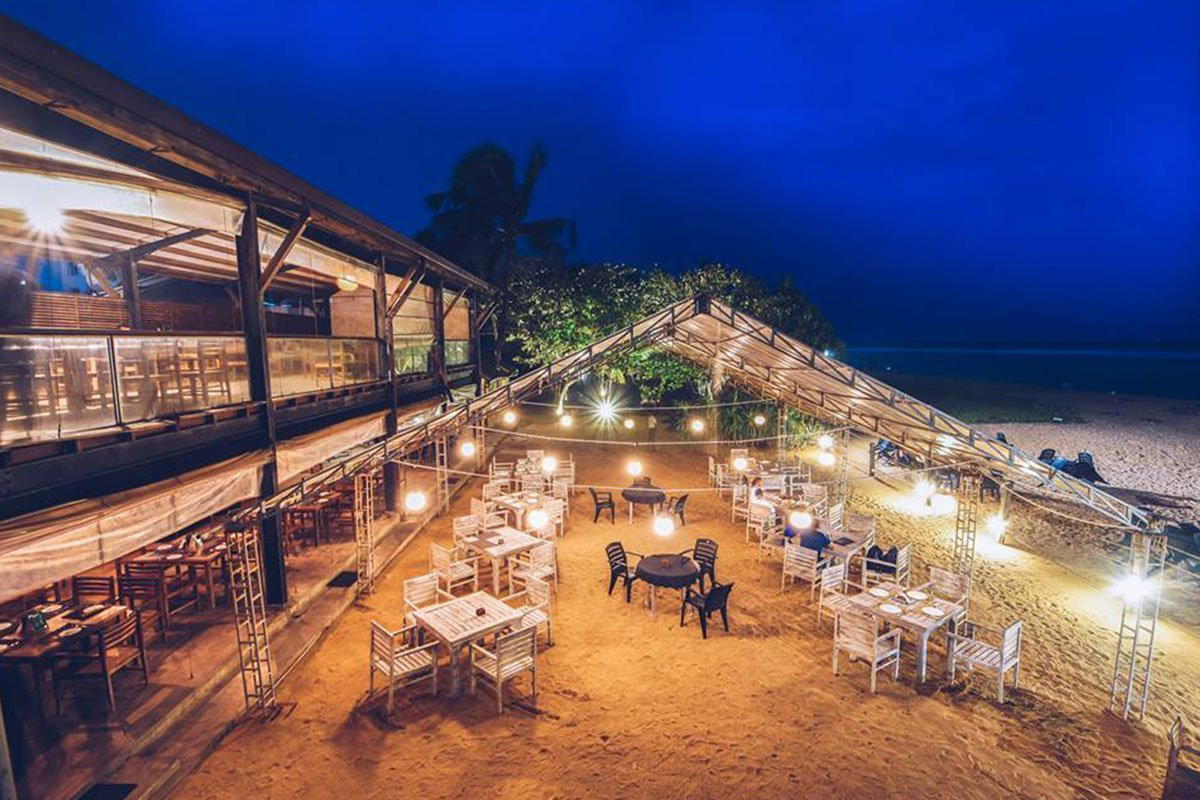
Coastal Eating on the Southern Colombo Fringe
Dehiwala occupies an odd position in Sri Lanka's dining conversation. Technically part of the greater Colombo metropolitan belt, it sits far enough south to feel coastal in character, with the Indian Ocean determining the rhythm of daily life in ways that Colombo's commercial centre does not. The dining scene here has always been shaped by that geography: fish landed locally, coconut-based preparations that trace back centuries, and a preference for casual, open-air formats over the hotel-dining polish that dominates further north. The Station, situated on Wasala Road, is a Sri Lankan seafood restaurant in Dehiwala with a casual dress code, recommended reservations, and a price point of about USD 15 per person. It fits within that tradition rather than against it. Its name and its family-restaurant designation signal something deliberate about its positioning: this is eating oriented toward the shore and toward the households that live beside it.
In Sri Lanka, the phrase "beach family restaurant" carries specific meaning. It implies a format where sourcing proximity matters, where the distance between the ocean and the plate is short enough to be felt rather than stated. Along the western coastal belt, from Negombo in the north down through Colombo and Dehiwala toward Beruwala, this model has been the backbone of local eating for generations. The more formal iterations of Sri Lankan coastal cooking, places like Ministry of Crab in Colombo, have built international reputations on the same foundational logic, scaling the sourcing story into a fine-dining argument. What Dehiwala's neighbourhood operations offer is the unmediated version of that argument: simpler rooms, shorter supply chains, and cooking calibrated for regulars rather than visitors.
What Proximity to the Ocean Means for the Plate
Sri Lanka's western coastline produces a specific roster of seafood that shapes menus across the belt. Seer fish, known locally as thalapath, is a staple of the reef-adjacent catch and appears in both grilled and curried preparations across coastal restaurants. Crab, prawn, and cuttlefish feature heavily depending on season and availability. The ingredient-sourcing logic of a beach restaurant in this corridor is direct: the catch comes from the immediate nearshore fishery, supplemented by larger wet markets in Colombo. Coconut, the other structural ingredient of Sri Lankan coastal cooking, arrives from inland smallholders and appears in everything from the base of a curry to the fresh sambol served alongside rice.
This is a cooking tradition that rewards understanding of what is in season rather than ordering by rote. The distinction matters when comparing operations along the western coast. Further south, restaurants like AQUA Forte in Galle and KAIYŌ in Weligama have built menus around coastal sourcing with an international editorial lens. In Dehiwala, the same sourcing logic operates closer to its domestic register, without the translation layer that makes those southern restaurants legible to foreign visitors. That is a meaningful difference in experience, not a quality judgment.
Dehiwala as a Dining Neighbourhood
The suburb sits between the density of Colombo's Wellawatte district and the quieter beach settlements further south. It has not attracted the concentrated restaurant investment that neighbourhoods like Colombo 3 or Colombo 7 have seen, which means eating here remains oriented toward local residents rather than the dining-out circuit that pulls visitors toward the city's northern districts. For anyone spending time on the southern coast or staying near Mount Lavinia, Dehiwala offers a cluster of coastal eating options that operate largely outside the recommendations cycle that shapes visitor behaviour in Colombo proper.
Across different parts of Sri Lanka's coastal belt,
Sri Lanka's domestic restaurant scene has been developing a more articulated middle tier over the past decade, with operators between the roadside kadé and the formal hotel restaurant finding a more defined audience. Family restaurants with a coastal orientation sit at the practical centre of that tier, serving what local households actually eat in a setting that functions across age groups. The pattern appears across the western belt: Nelum Kole Restaurant in Thimbirigasyaya and Kim's Family Korean in the Colombo District represent adjacent points on the same neighbourhood-dining spectrum, each serving a specific local community rather than a transient visitor base.
How It Fits the Broader Sri Lankan Coastal Scene
Understanding The Station requires understanding how Sri Lanka's beach restaurant category works at a structural level. The island's coastal eating is not a single tradition but several operating simultaneously: the tourist-facing menus of the south coast, the working-class fish stalls of Negombo, the suburban family restaurant of the western belt, and the high-end sourcing-story restaurants of Colombo. Each operates with its own pricing logic, sourcing network, and audience. Operations scattered across the country, from Laya Safari Restaurant in Palatupana to COAST in Yala, show how the coastal and nature-adjacent dining format diversifies once you move away from the western belt. Main Restaurant at Aavya Cove Villas in Balapitiya represents the boutique-hotel version of the same coastal sourcing argument.
For visitors whose primary frame of reference is other restaurants, the comparison with operations like Le Bernardin in New York City or Atomix in New York City is useful precisely because it clarifies what is not on offer here. This is neighbourhood eating, not destination dining. The sourcing story is geographic rather than curated, and the format serves the community rather than the visitor circuit. That is a legitimate and often more interesting category of restaurant, but it requires a different set of expectations to read correctly.
Other Sri Lankan restaurants worth cross-referencing for regional context include Coconut Sambol in Galle, Mandiya in Kandy, Crystal Jade in Colombo, Grand Thai Restaurant in Nuwara Eliya, Maara Cafe in Galewela, Petti Petti in Thalaramba, and Priyamali Gedara in Kaduruwela, each of which illustrates a different register of Sri Lankan food culture across the island's varied regions.
Planning a Visit
The Station is located at No 1/41, Wasala Road, Dehiwala 91311. As a casual neighborhood restaurant, it is best approached with a recommended booking in mind, especially for larger groups or peak hours.
Side-by-Side Snapshot
Comparable venues nearby, for context on price, style, and recognition.
| Venue | Cuisine | Price | Notes |
|---|---|---|---|
| The Station | Beach Family RestaurantThis venue — the venue you are viewing | Sri Lankan Seafood | $$ | Not listed |
| Maara Cafe | Restaurant | Traditional Sri Lankan | $$ | Galewela |
| The Bayleaf | Authentic Italian in Colonial Villa | $$ | Colombo 7 |
| Bastille | Seafood and Sri Lankan Fusion | $$ | Galle Fort |
| The Atlas | Modern Sri Lankan Seafood | $$$$ | Weligama |
| U.S. Restaurant | Sri Lankan and American Fast Food | $$ | Hospital St |
At a Glance
- Lively
- Scenic
- Cozy
- Family
- Group Dining
- Casual Hangout
- Live Music
- Waterfront
- Terrace
- Waterfront
Lively beachside atmosphere with ocean breezes, open verandah, enclosed deck for sunset views, and entertainment from Calypso and live bands.