Our verdict
On Hospital Street in the heart of Jaffna, U.S. Restaurant occupies a position in one of Sri Lanka's most culinarily distinct cities, where Tamil culinary traditions and the peninsula's agricultural abundance shape every plate. A reference point for locals and visitors seeking to understand northern Sri Lankan cooking as it actually exists day to day, rather than in its tourist-facing form.

Pearl is the En Primeur Club membership app, where members save venues, book tables and use the concierge.
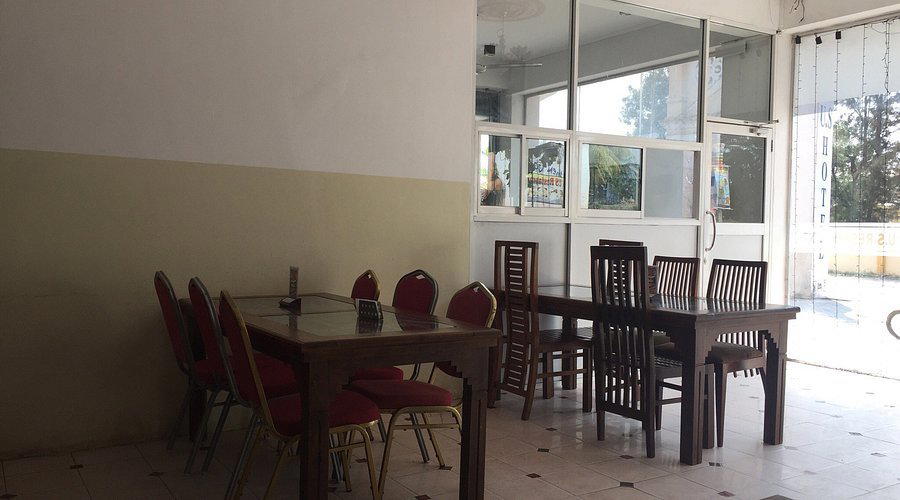
Jaffna's Culinary Identity and Where U.S. Restaurant Sits Within It
Jaffna cooking operates on different terms than the rest of Sri Lanka. The peninsula's relative isolation, its Tamil cultural fabric, and the particular produce that grows in its red-soil terrain have produced a cuisine that diverges sharply from the coconut-milk-heavy dishes of the coastal south. Palmyra palm products, dried fish, Jaffna curry powder (heavier on coriander and fennel than its southern equivalents), and the crab pulled from the Palk Strait define a regional kitchen that has its own internal logic. U.S. Restaurant, on Hospital Street in the city centre, sits within this tradition as a neighbourhood constant rather than a destination showpiece.
That distinction matters. Much of Sri Lanka's dining conversation happens further south: Ministry of Crab in Colombo anchors the upscale end of the national market, while coastal properties like Cape Weligama in Weligama and COAST in Yala operate within a resort-facing register. Jaffna's restaurant culture is a different animal entirely, shaped less by hospitality infrastructure and more by the daily rhythms of a city rebuilding its civic life after decades of conflict. Eating here is an act of reading local history as much as satisfying appetite.
The Ingredient Logic of the Jaffna Peninsula
The editorial angle that matters most for understanding any Jaffna restaurant is sourcing, because the peninsula's produce is genuinely specific to place. Jaffna's agricultural belt yields mangoes of a variety rarely found elsewhere in Sri Lanka, along with distinctive drumstick (moringa) crops, palmyrah shoots, and dried Bombay duck that has been a pantry staple for generations. The crab supply from the northern lagoons feeds into a preparation tradition that differs meaningfully from Colombo's more polished, restaurant-coded crab dishes.
This sourcing geography shapes what ends up on the table at establishments like U.S. Restaurant. Across Jaffna's eating places, the ingredients tend to be proximate and seasonal in the oldest sense: not a marketing claim, but a function of supply chains that have always been local by necessity. Restaurants in this part of the island do not source from centralised wholesale markets the way Colombo kitchens often do. The result is a direct line between what is grown or caught on or near the peninsula and what appears on the plate, a relationship that more programmatically farm-to-table operations elsewhere spend considerable effort constructing artificially.
For context on how Sri Lanka's ingredient-driven restaurants differ by region, the contrast with something like The Theva Cuisine in Kandy or AQUA Forte in Galle is instructive: those kitchens operate within a different ecological and cultural supply context, and the dishes reflect it. Jaffna's kitchen is its own category.
Hospital Street: Reading the Address
The address at No. 855 Hospital Street places U.S. Restaurant in a working part of central Jaffna, close to the institutional and commercial fabric of the city rather than in any tourism-facing precinct. In cities recovering from long periods of disruption, these midcity corridors are often where the most durable local eating culture survives: not optimised for outsiders, not packaging itself for any particular audience, just open and operating. That character, which you find in varying forms at everyday institutions across South and Southeast Asia, is part of what makes eating in Jaffna feel different from eating in the polished dining rooms further down the island.
Visitors arriving from Colombo by road or by the Yal Devi train (which connects the two cities over roughly seven hours, a journey that itself constitutes a study in changing landscape and demographic) will find that Jaffna's pace is slower and its restaurant culture correspondingly unpretentious. The city does not have a dining scene structured around reservations and tasting menus. It has places that open, serve food rooted in the local tradition, and close. U.S. Restaurant appears to function within that pattern.
What the Wider Sri Lankan Table Tells Us
Across Sri Lanka, the most interesting culinary moments are increasingly found away from the high-end set pieces. Nelum Kole Restaurant in Thimbirigasyaya represents one strand of that; places like Maara Cafe in Galewela, Petti Petti in Thalaramba, and Priyamali Gedara in Kaduruwela each anchor a regional food culture that resists the centralising pull of Colombo's hospitality market. Jaffna sits at the far northern edge of that resistance, and U.S. Restaurant occupies a position within it.
The comparison is not meant to flatten regional differences. Tamil cuisine in Jaffna draws on entirely different culinary grammar than, say, the Kandyan hill country or the Galle Fort dining room. But the structural pattern holds: local restaurants in secondary and tertiary Sri Lankan cities tend to serve food that is more directly tethered to its region than anything you'll encounter in the capital's upscale tier. For a fuller picture of the Sri Lankan dining context across the island, our full Jaffna restaurants guide maps the city's eating culture in more depth.
Beyond Sri Lanka, the phenomenon of regionally specific everyday restaurants carrying cultural weight that more celebrated kitchens do not holds across many food cultures. The neighbourhood-anchored, ingredient-proximate model that characterises places like U.S. Restaurant has more in common with the philosophy underpinning serious dining rooms internationally, from Le Bernardin in New York City to Lazy Bear in San Francisco, than the format might suggest. The ingredients-first logic is the same; the register and price point are simply different.
Planning a Visit
Hospital Street is accessible from the central Jaffna bus stand and from the main commercial thoroughfares of the city. As is common with many local restaurants in Jaffna, detailed operational information including hours, booking methods, and current pricing is best confirmed on arrival or through local inquiry rather than in advance, since much of Jaffna's eating culture operates without the formal digital infrastructure of larger Sri Lankan cities. Visitors should expect a no-frills setting in line with the neighbourhood context. Cash is the standard transaction mode across most of Jaffna's everyday dining establishments. For additional local options and neighbourhood navigation, the EP Club Jaffna guide covers the city's eating culture with current detail.
Frequently asked questions
Is U.S. Restaurant okay with children?
Hospital Street is a working, everyday part of central Jaffna rather than a formal dining destination, which generally points toward a relaxed, family-comfortable environment. Local restaurants of this type across the Jaffna peninsula routinely accommodate families as a matter of course. Confirming current arrangements directly with the restaurant before visiting is advisable, as contact details are not publicly listed.
What kind of setting is U.S. Restaurant?
The address at No. 855 Hospital Street places U.S. Restaurant in a functional, commercial stretch of central Jaffna, close to institutional and everyday city life. This is not a resort dining room or a curated heritage property, it is a street-level local restaurant operating within the rhythms of the city. That position tells you something about the format: practical, direct, and embedded in the neighbourhood rather than set apart from it.
How does U.S. Restaurant fit into Jaffna's local food culture compared to restaurants in Colombo or the south?
Jaffna occupies a different culinary register than Colombo: the Tamil cultural fabric of the peninsula, its history of relative isolation, and its specific agricultural produce produce a table that is drier, more tamarind-forward, and built around ingredients like palmyra shoots and sun-dried seafood that rarely appear further south. U.S. Restaurant at No. 855 Hospital Street sits inside that tradition as a neighbourhood fixture rather than a cross-cultural interpretation of it, the distinction that matters most when choosing where to eat in the north.
What do regulars order at U.S. Restaurant?
Jaffna cooking is shaped by specific local ingredients, palmyra palm products, dried fish, coconut-heavy curries, and the peninsula's own chilli varieties, and restaurants on this circuit tend to build their menus around exactly those elements. Without a published menu on record, the most reliable approach is to ask what is freshest or most in season when you arrive, which is standard practice at Jaffna's established local restaurants.
Where exactly is U.S. Restaurant?
U.S. Restaurant is located at M26G+G4X, No. 855 Hospital St, Jaffna 40000, Sri Lanka, Jaffna.
Do I need a reservation for U.S. Restaurant?
No phone number or online booking channel is publicly listed for U.S. Restaurant. Local restaurants in central Jaffna of this type typically operate on a walk-in basis, though arriving at off-peak hours reduces the risk of waiting. If you are travelling specifically to eat here, stopping by in advance to check current hours is the safest approach given the absence of a listed website or contact.
What makes U.S. Restaurant worth seeking out?
Its location on Hospital Street in central Jaffna puts it inside the working fabric of the city rather than on a tourist circuit, which tends to mean the cooking reflects what local residents actually eat rather than what visitors expect. The Jaffna peninsula has a culinary identity distinct from the rest of Sri Lanka, sharper, drier, and more reliant on specific regional produce, and restaurants embedded in the city's daily life are where that cooking is most accurately expressed.
Comparable Venues
Comparable venues nearby, for context on price, style, and recognition.
| Venue | Cuisine | Price | Notes |
|---|---|---|---|
| U.S. RestaurantThis venue (the venue you are viewing) | Sri Lankan and American Fast Food | $1–10 | Not listed |
| The Station | Beach Family Restaurant | Sri Lankan Seafood | $10–20 | Dehiwala |
| Main Restaurant | Seafood Fusion | $30–50 | Balapitiya |
| Upali's by Nawaloka | Authentic Sri Lankan | Not listed | Cinnamon Gardens |
| Priyamali Gedara | Traditional Sri Lankan | $1–10 | Polonnaruwa |
| Bastille | Seafood and Sri Lankan Fusion | Not listed | Galle Fort |
Details
- Lively
- Casual Hangout
- Group Dining
- Standalone
- A La Carte
- Fresh Juices
- Vegetarian Friendly
Current opening hours
- Monday
- 11 AM–12 AM
- Tuesday
- 12–10:30 AM, 11 AM–12 AM
- Wednesday
- 12–10:30 AM, 11 AM–10:30 PM
- Thursday
- 11 AM–10:30 PM
- Friday
- 11 AM–10:30 PM
- Saturday
- 11 AM–10:30 PM
- Sunday
- 11 AM–10:30 PM
Hours can change for holidays and private events. Last verified .
Casual and lively with a welcoming vibe for dining and gatherings.