Nelum Kole Restaurant - Slvar Junction
Our verdict
Nelum Kole Restaurant at Silver Junction sits in Thimbirigasyaya, a residential district south of Colombo's commercial core, where neighbourhood-facing dining operates at a different register than the city's hotel-restaurant circuit. The address places it inside a community that prizes everyday cooking over performance, and the name, nelum kole meaning lotus leaf in Sinhala, anchors it to a distinctly Sri Lankan culinary vocabulary.

Pearl is the En Primeur Club membership app, where members save venues, book tables and use the concierge.
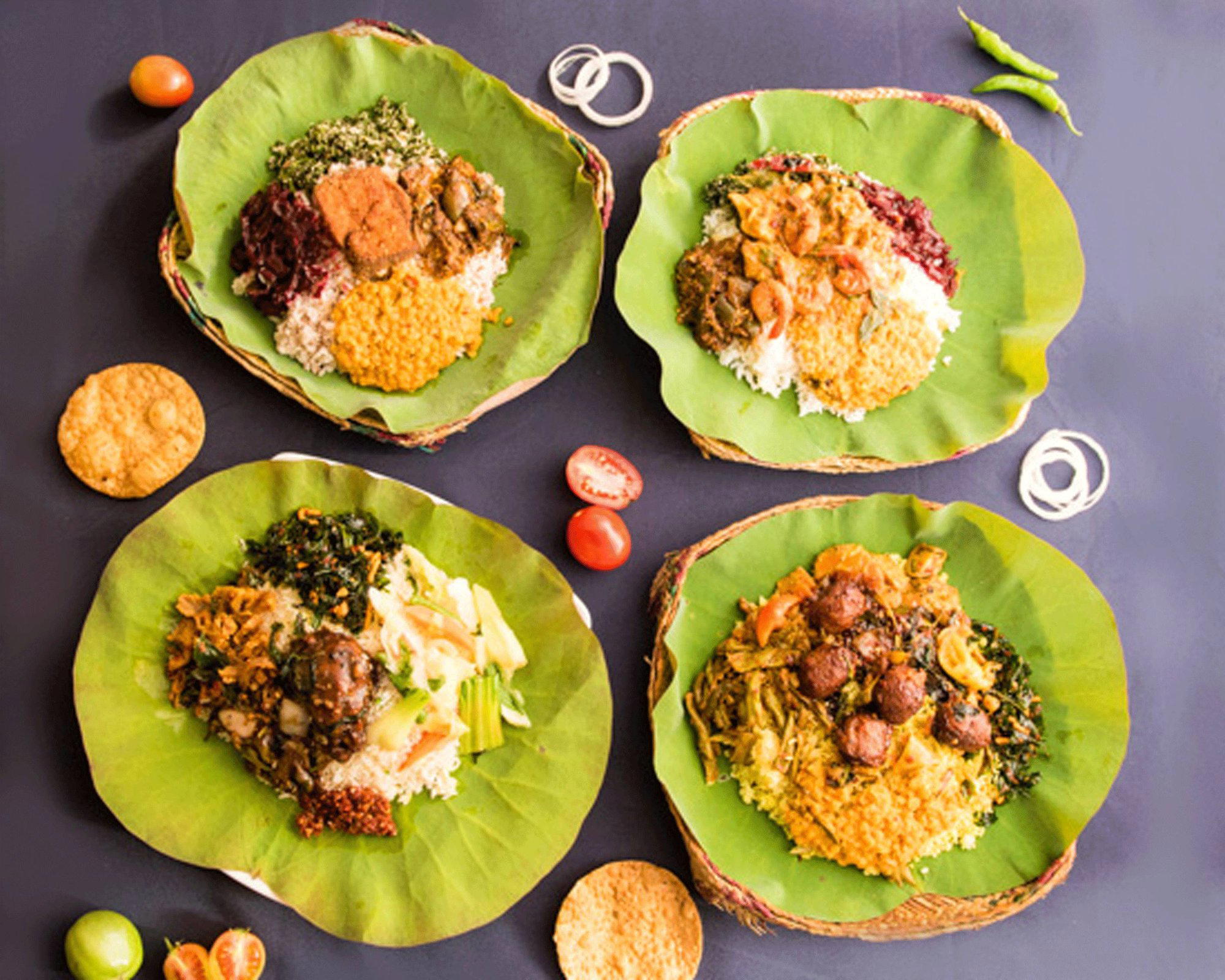
The menu
What to order
- Yellow Rice - Chicken Curry
- Dhal Curry
Where Thimbirigasyaya Eats on Its Own Terms
The residential quarters south of Colombo Fort have a different culinary rhythm than the hotel corridors of Kollupitiya or the brunch strips of Colombo 7. In Thimbirigasyaya, the dining room that earns repeat custom tends to be one that knows its neighbourhood: the office workers on a lunch window, the families rotating through on weekends, the regulars who have a preferred seat without needing to ask. Nelum Kole Restaurant at Silver Junction operates inside that logic. It is not positioned against Ministry of Crab in Colombo or the coastal resort tables of Cape Weligama in Weligama.
The name itself carries weight. Nelum kole, the lotus leaf, is not decorative terminology in Sri Lankan food culture. Lotus leaves are used as natural wrapping for rice and curries in certain regional preparations, functioning the way banana leaves do across much of the island: as a vessel that imparts a faint botanical quality to the food it holds. The choice of that name as an identifier says something about how the kitchen wishes to be understood, grounded in local material, locally meaningful, not translating itself for an outside audience.
Sri Lanka's Ingredient Logic and What It Means at the Neighbourhood Scale
Sri Lankan cooking is structured around sourcing in a way that much of the island's dining commentary undervalues. The backbone of a good rice and curry spread, whether served in a high-design restaurant or a neighbourhood room like this one, is the quality of its coconut milk, the freshness of its curry leaves, the precision of its spice ratios, and the provenance of its fish or meat. These are not luxury variables. They are the difference between a plate that tastes alive and one that merely fills a gap.
At the neighbourhood level across Colombo's residential districts, the sourcing chain tends to be shorter than at destination restaurants. The produce market, the local fish supplier, the coconut scraper at the corner, these are the infrastructure of everyday cooking, and restaurants embedded in residential areas often have more direct access to them than venues serving tourists or hotel guests. That proximity does not guarantee quality, but it creates the conditions for it in a way that larger, more logistically complex operations sometimes cannot match.
Across Sri Lanka, this dynamic plays out from Jaffna to Galle. U.S. Restaurant in Jaffna operates on a similar neighbourhood-embedded logic in the north, where Tamil culinary tradition shapes the sourcing and the format. AQUA Forte in Galle works within a coastal sourcing context that is entirely different in character. The point is that Sri Lanka's dining value is not concentrated in its award-tracked or press-recognised venues. It distributes through the residential fabric of its cities, and Thimbirigasyaya is part of that fabric. See our full Thimbirigasyaya restaurants guide for a broader map of where the district eats.
The Atmosphere: What Silver Junction Suggests
The Silver Junction address in Thimbirigasyaya places Nelum Kole in a part of Colombo that moves at a pace distinct from the commercial districts to the northwest. The streets here are residential in character, with the kind of foot traffic that peaks at predictable times, school hours, the lunch rush, evening commute, rather than the diffuse tourist flow that shapes dining rooms in Fort or Pettah. A restaurant positioned at a junction in this area functions more like a fixed point in a community's daily movement than a destination venue. You pass it because you live nearby, not because you planned a visit around it.
That physical context tends to shape interior atmosphere in predictable ways: rooms oriented toward efficiency and comfort over theatrical presentation, service calibrated to regulars rather than first-timers, and a pace that accommodates the lunch window without rushing it. This is not a criticism. It is a description of a category of dining room that does something specific well, and does it without the overhead, financial or aesthetic, of venues built for another purpose. For comparison, The Theva Cuisine in Kandy operates at a higher register of design and ambition in the hill country, while COAST in Yala works in an entirely different spatial register shaped by its wilderness setting. Nelum Kole belongs to neither of those categories. It belongs to the city, to the junction, to the neighbourhood.
Related Dining Across Sri Lanka
Sri Lanka's dining circuit has broadened considerably in the past decade. Beyond Colombo's recognisable names, places like Laya Safari Restaurant in Palatupana, Maara Cafe in Galewela, and Priyamali Gedara in Kaduruwela represent the island's appetite for locally rooted dining at different scales and in different regions. Within Colombo itself, Crystal Jade and Kim's Family Korean in Colombo District illustrate how the city's dining has absorbed international influences alongside its Sri Lankan core. For those tracking coastal and resort-adjacent formats, the Main Restaurant at Aavya Cove Villas in Balapitiya and Petti Petti in Thalaramba offer different points of comparison. Coconut Sambol and Mandiya round out the Sri Lankan regional picture. Further afield, if you are benchmarking format and kitchen discipline against international references, Le Bernardin in New York City and Lazy Bear in San Francisco represent the kind of ingredient-sourcing rigour at the high end that, translated into a Sri Lankan context, informs what the leading neighbourhood kitchens do with far simpler means.
Planning a Visit
Nelum Kole Restaurant is located at the Silver Junction in Thimbirigasyaya, Colombo, with a plus code address of WR6X+6RW for navigation. As a neighbourhood-facing dining room in a residential district, it is leading approached as a local option rather than a reservation-led destination. The surrounding district is accessible from central Colombo by tuk-tuk or the city's rideshare services in under twenty minutes depending on traffic.
Frequently asked questions
Would Nelum Kole Restaurant - Slvar Junction be comfortable with kids?
Residential junction restaurants in districts like Thimbirigasyaya are built around family traffic, particularly at lunch. The Silver Junction location in Colombo places Nelum Kole within a neighbourhood where multi-generational dining is routine rather than an accommodation. Expect a setting calibrated to everyday local use, not a curated family-dining concept.
What is the atmosphere like at Nelum Kole Restaurant - Slvar Junction?
Silver Junction in Thimbirigasyaya sits away from Colombo's hotel strips and tourist corridors, which sets the register here. The atmosphere follows the rhythm of a working residential district: practical, direct, oriented toward the people who live within walking distance. This is not a destination dining room but a functioning part of the neighbourhood's daily routine.
Is Nelum Kole Restaurant a good option for an authentic local meal near central Colombo?
The Silver Junction address in Thimbirigasyaya puts Nelum Kole within reach of central Colombo while sitting firmly outside the tourist dining circuit. Restaurants at this type of junction in residential Colombo districts serve the food that the surrounding community eats regularly, which tends to reflect Sri Lankan cooking more accurately than venues oriented toward hotel guests. The plus code WR6X+6RW is the most reliable navigation reference for the address.
What do regulars order at Nelum Kole Restaurant - Slvar Junction?
Sri Lankan rice and curry in its full spread form is the structural backbone of this category of restaurant in Colombo. At a Thimbirigasyaya junction venue, that typically means a selection of curries alongside dhal, sambol, and a protein, all served with rice. The combination is priced for daily repetition by locals, not occasional visitors.
Comparison Snapshot
Comparable venues nearby, for context on price, style, and recognition.
| Venue | Cuisine | Price | Notes |
|---|---|---|---|
| Nelum Kole Restaurant - Slvar JunctionThis venue (the venue you are viewing) | Sri Lankan Rice & Curry | $1–10 | Not listed |
| Priyamali Gedara | Traditional Sri Lankan | $1–10 | Polonnaruwa |
| Upali's by Nawaloka | Authentic Sri Lankan | $10–20 | Colombo 7 |
| Mandiya | Traditional Sri Lankan Rice & Curry | Not listed | Gangawata Korale |
| The Station | Beach Family Restaurant | Sri Lankan Seafood | $10–20 | Dehiwala |
| Menya Hanabi | Original Nagoya Mazesoba | Not listed | Colombo 02 |
Continue exploring
More in Thimbirigasyaya
Restaurants in Thimbirigasyaya
All restaurants in Thimbirigasyaya →
Bars in Thimbirigasyaya
Browse all →
Details
- Cozy
- Casual Hangout
- A La Carte
Current opening hours
- Monday
- 7 AM–9:30 PM
- Tuesday
- 7 AM–9:30 PM
- Wednesday
- 7 AM–9:30 PM
- Thursday
- 7 AM–9:30 PM
- Friday
- 7 AM–9:30 PM
- Saturday
- 7 AM–9:30 PM
- Sunday
- 10 AM–8 PM
Hours can change for holidays and private events. Last verified .
Casual local spot with home-style cooking atmosphere.