
The Atlas in Weligama earns recognition for creative cooking that repositions Sri Lankan cuisine through a technically considered lens. it represents a strand of the south coast dining scene where international technique meets local ingredient traditions. Find it on Abimanagama Road, away from the main surf-town strip.
Pearl is the En Primeur Club membership app — saves, bookings, and concierge access live there. Same editors, same standards.
- Address
- Abimanagama Rd, Weligama, Sri Lanka
- Phone
- +94 412 253 000
- Website
- resplendentceylon.com
- Directions
- Get directions
 Saves & bookings on Pearl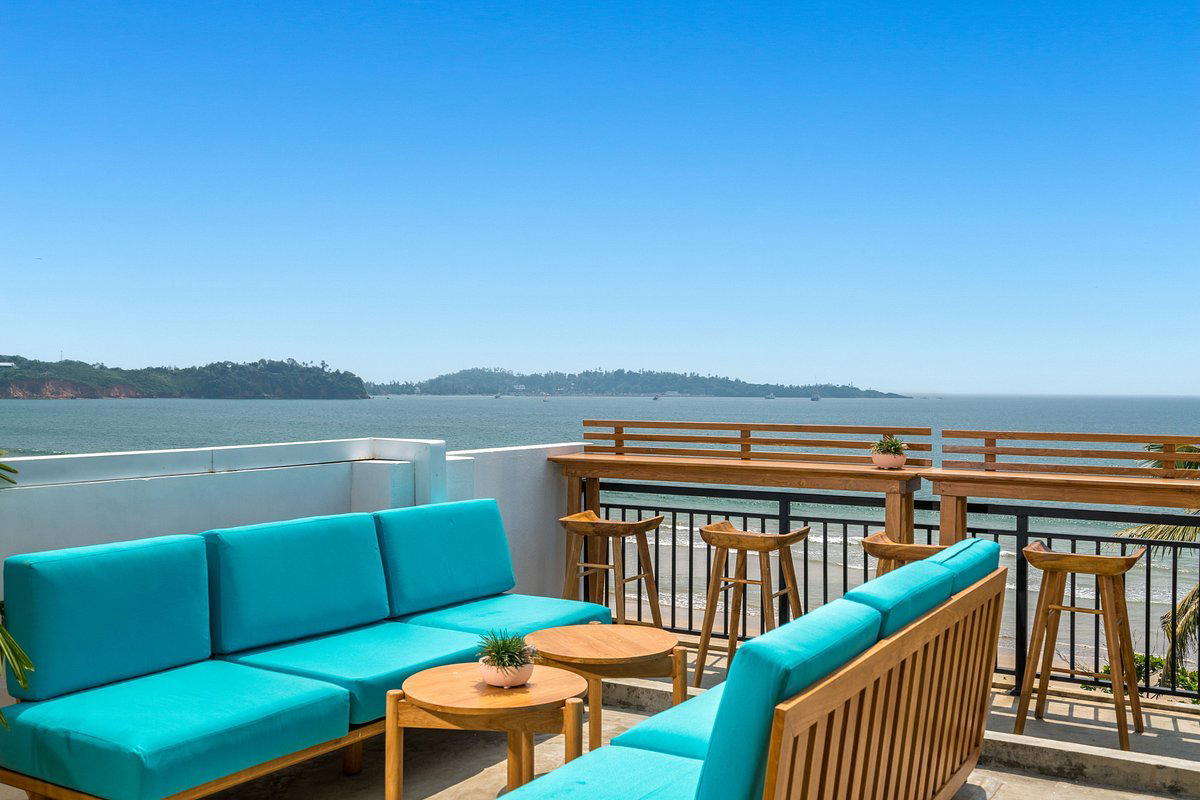
Where the South Coast Kitchen Gets Serious
Weligama has spent the better part of a decade being defined by its surf breaks and budget guesthouses, which makes the arrival of a restaurant with genuine culinary ambition worth paying attention to. The south coast of Sri Lanka is producing a more varied dining scene than the coastal clichés suggest: Cape Weligama anchors the upper end of resort dining, while a smaller group of independent kitchens is starting to address the gap between beachside rice-and-curry and the kind of cooking that draws guests specifically to a table. The Atlas sits in that emerging middle tier, and its creative cooking recognition signals an ambition that separates it from the surrounding tourist-trade operations.
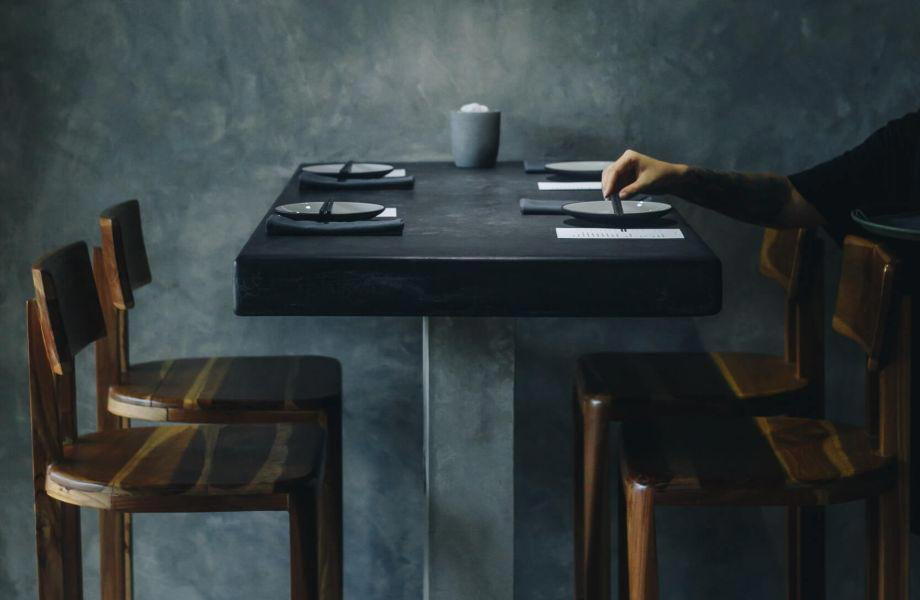
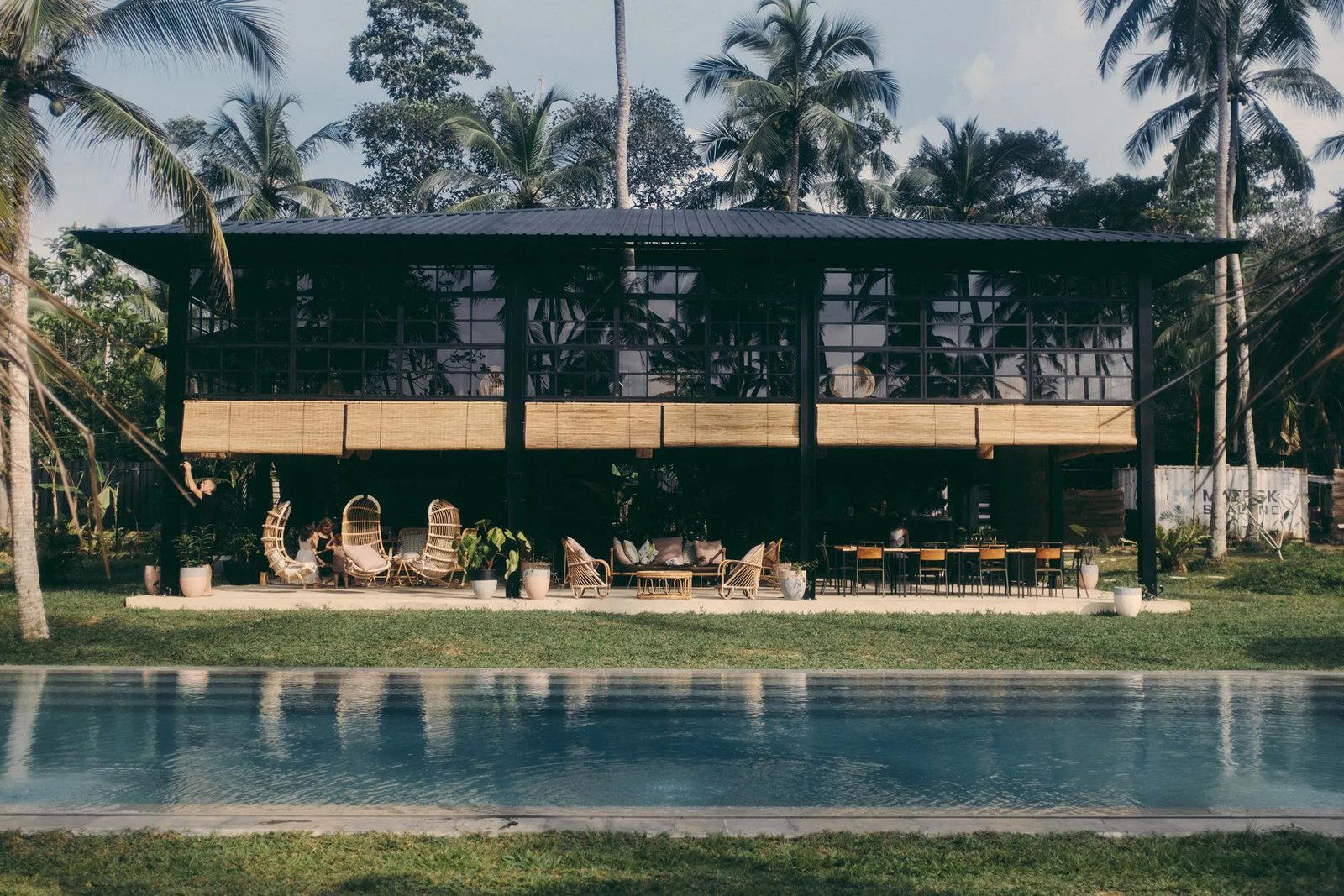
The address on Abimanagama Road places it off the main coastal drag, which in Weligama means you are already operating on different terms from the seafront spots chasing walk-in surf traffic. That spatial distance from the beach economy tends to filter the room toward guests who have made a deliberate choice rather than a convenient one, and the atmosphere in kitchens that attract deliberate guests tends to differ accordingly. The physical setting reinforces the editorial point: this is a room that asks something of you before you arrive.
The Case for Flame and Clay in Sri Lankan Cooking
Sri Lankan cuisine has always had fire at its centre, though the fire is more often the steady burn of a wood-hearth or the concentrated heat of a clay vessel than the dramatic theatre of an open grill. The logic of radiant heat cooking, which Indian subcontinental tradition carried into the tandoor and which Sri Lanka adapted through its own vessel and technique vocabulary, produces a specific set of results: proteins with a sealed outer crust and a moist interior, flatbreads with irregular char and a slight spring, spiced marinades that carbonise at the surface before the heat penetrates. These are physical outcomes, not stylistic choices, and they require a kitchen that understands temperature management as a discipline rather than an instinct.
The "Creative Cooking" designation at The Atlas points toward a kitchen engaged with those fundamentals and willing to extend them. In a Sri Lankan context, creative cooking can mean several things: applying modernist technique to local spice traditions, sourcing ingredients from producers not typically feeding the restaurant trade, or restructuring familiar preparations so that their underlying logic becomes visible. Chef Marcos Saenz holds that remit, and the international name attached to a Sri Lankan coastal kitchen is itself a data point about the kind of operation this is. Cross-cultural kitchens working inside a strong regional cuisine tradition have produced some of the more interesting cooking of the past decade, from Ministry of Crab in Colombo, which built a national reputation by taking a single Sri Lankan ingredient with absolute seriousness, to the coastal-influenced format at COAST in Yala. The Atlas appears to occupy a different register from either, smaller in profile and focused on what happens when the southern coast's ingredient base meets a technically trained hand.
Creative Cooking as a Category Signal
The award highlight for Creative Cooking functions as a meaningful category signal nonetheless. It places The Atlas in a distinct comparable set from the region's more straightforwardly executed operations. For context on what creative recognition at this level looks like globally: establishments like Lazy Bear in San Francisco or Atomix in New York City built early reputations through exactly this kind of specialist designation before broader critical attention followed. The comparison is not in scale or price tier but in the pattern: a recognition of technical and conceptual seriousness before the room fills with the mainstream audience.
3 across 36 reviews is a limited but directionally useful data point. Thirty reviews in Weligama suggests a kitchen that is still building its audience, which is consistent with a restaurant operating with genuine ambition in a town not yet known for that kind of dining. Early-stage ratings from a self-selecting group of engaged diners tend to be more reliable as quality signals than large-volume ratings built on tourist traffic. For reference, Le Bernardin in New York City or Alain Ducasse at Louis XV in Monte Carlo accumulated critical consensus through exactly the same accumulation of serious early attention. The dynamic at the restaurant is local and much smaller in scale, but the structural pattern of a technically ambitious kitchen earning early loyalty from a particular kind of diner is recognisable.
Within the Sri Lankan dining context, the restaurant fits into a broader shift that the country's leading kitchens are navigating: how to honour a cuisine with deep regional specificity, from the fish preparations of the south coast to the spice architecture of the hill country, while bringing technical rigour that makes the food interesting to a travelling audience with broad reference points. 8½ Otto e Mezzo Bombana in Hong Kong and Arzak in San Sebastián represent what happens when regional identity and technical ambition operate at full maturity. The restaurant is at an earlier stage of that trajectory, operating in a far less saturated market, and that is part of what makes the Weligama south coast interesting to watch right now.
Planning a Visit
The restaurant is on Abimanagama Road in Weligama, which puts it within reach of the main coastal accommodation strip but requires a deliberate trip rather than a passing encounter. Weligama sits between Mirissa to the east and Unawatuna to the west, and is reachable from Colombo by road in roughly two to two and a half hours depending on conditions on the Southern Expressway. For those combining the restaurant with a broader south coast stay, the Weligama hotels guide covers the accommodation range, and the Weligama bars guide maps the evening options around the area.
Confirm hours and reservations directly with the restaurant before arrival, particularly outside peak season when smaller independent kitchens adjust their schedules. The south coast high season runs roughly from November through April, when the southwest monsoon has cleared and the coastal roads are at their most navigable. For those planning a wider south coast itinerary, the Weligama restaurants guide provides the broader picture, and the Weligama experiences guide and the Weligama wineries guide round out the category coverage for the town.
For travellers using Sri Lanka's dining scene as the frame for a wider trip, the contrast between what the restaurant is doing in Weligama and the more established creative cooking operations in Colombo and the national park belt is worth holding in mind. The south coast is producing restaurants with genuine ambition, and the restaurant is among the earlier markers of that.
What Should I Order at The Atlas?
Specific dish recommendations would be speculation. What the "Creative Cooking" recognition and the Sri Lankan cuisine classification together suggest is a kitchen oriented toward local ingredient traditions reworked through technical precision rather than a direct rice-and-curry format. Chef Marcos Saenz's international background points toward a kitchen comfortable with cross-cultural technique. For current menu information, contacting the restaurant directly before visiting is the practical approach, particularly given how seasonal availability shapes Sri Lankan coastal cooking. For broader context on what creative Sri Lankan kitchens are doing with the country's ingredient base, Ministry of Crab in Colombo provides a useful comparison point for how serious local kitchens treat a single flagship ingredient with discipline and focus.
Cost and Credentials
Comparable venues nearby, for context on price, style, and recognition.
| Venue | Cuisine | Price | Notes |
|---|---|---|---|
| The AtlasThis venue — the venue you are viewing | Weligama, Modern Sri Lankan Seafood | $$$$ | Not listed |
| The Society | Not listed | $$$ | Weligama, International and European bar bites & lounge fare |
| Cape Weligama | Not listed | $$$$ | Weligama, Modern Sri Lankan Fine Dining with Seafood Focus |
| KAIYŌ | Weligama, Modern Japanese Sushi | $$$ | Not listed |
| COAST | Not listed | $$$$ | Palatupana, Modern Sri Lankan Fine Dining |
| The Station Restaurant & Bar | Dehiwala, Sri Lankan Seafood | $$$ | Not listed |
Recognition history
Dated appearances from independent guides and award organizations, with the underlying list record or original source where available.
Relais Chateaux Award
Relais Chateaux
Relais Chateaux Award
Relais Chateaux
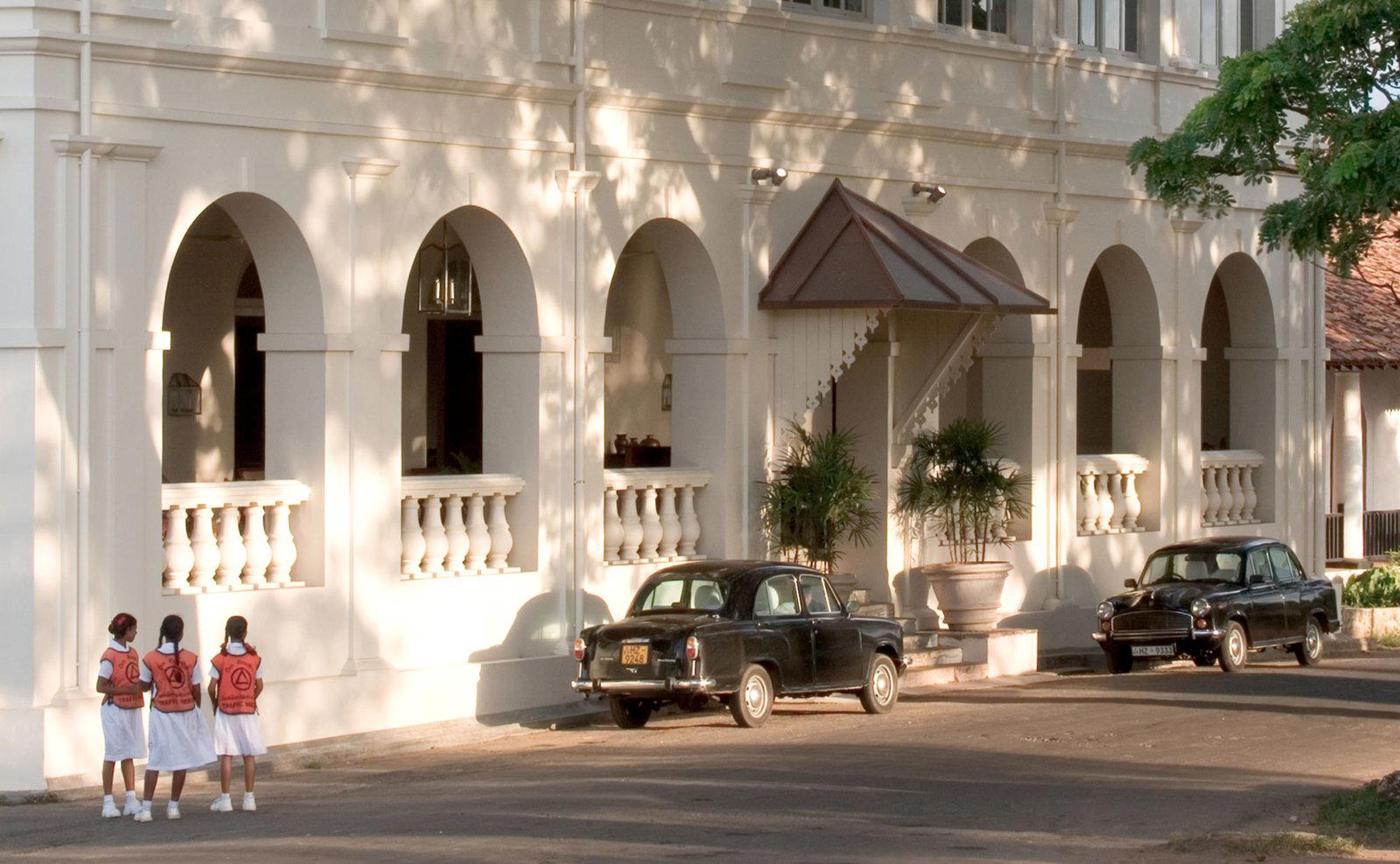
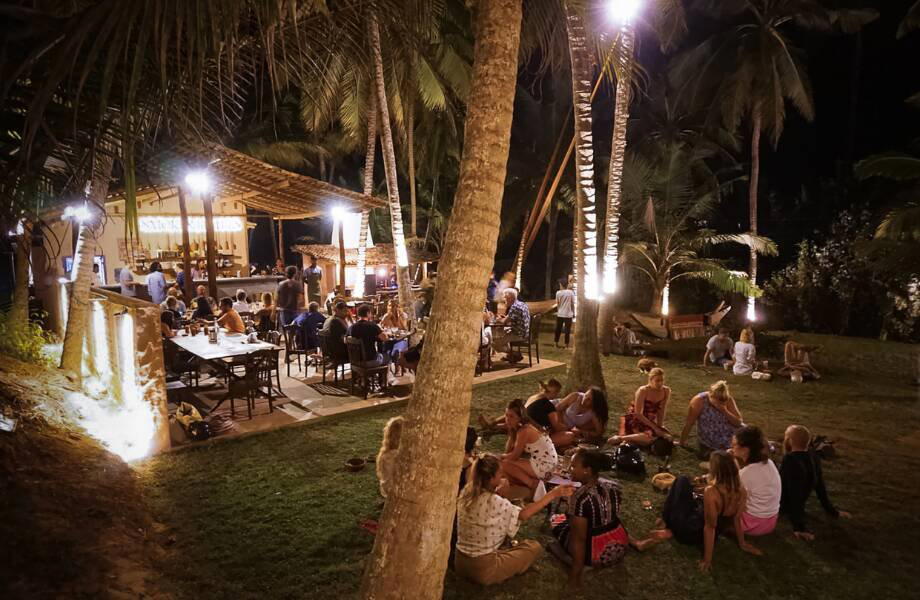
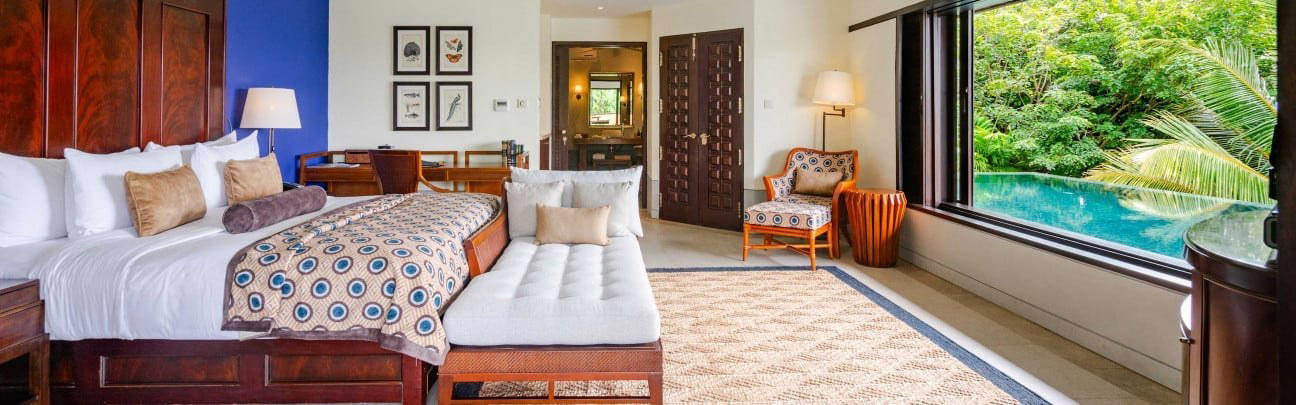
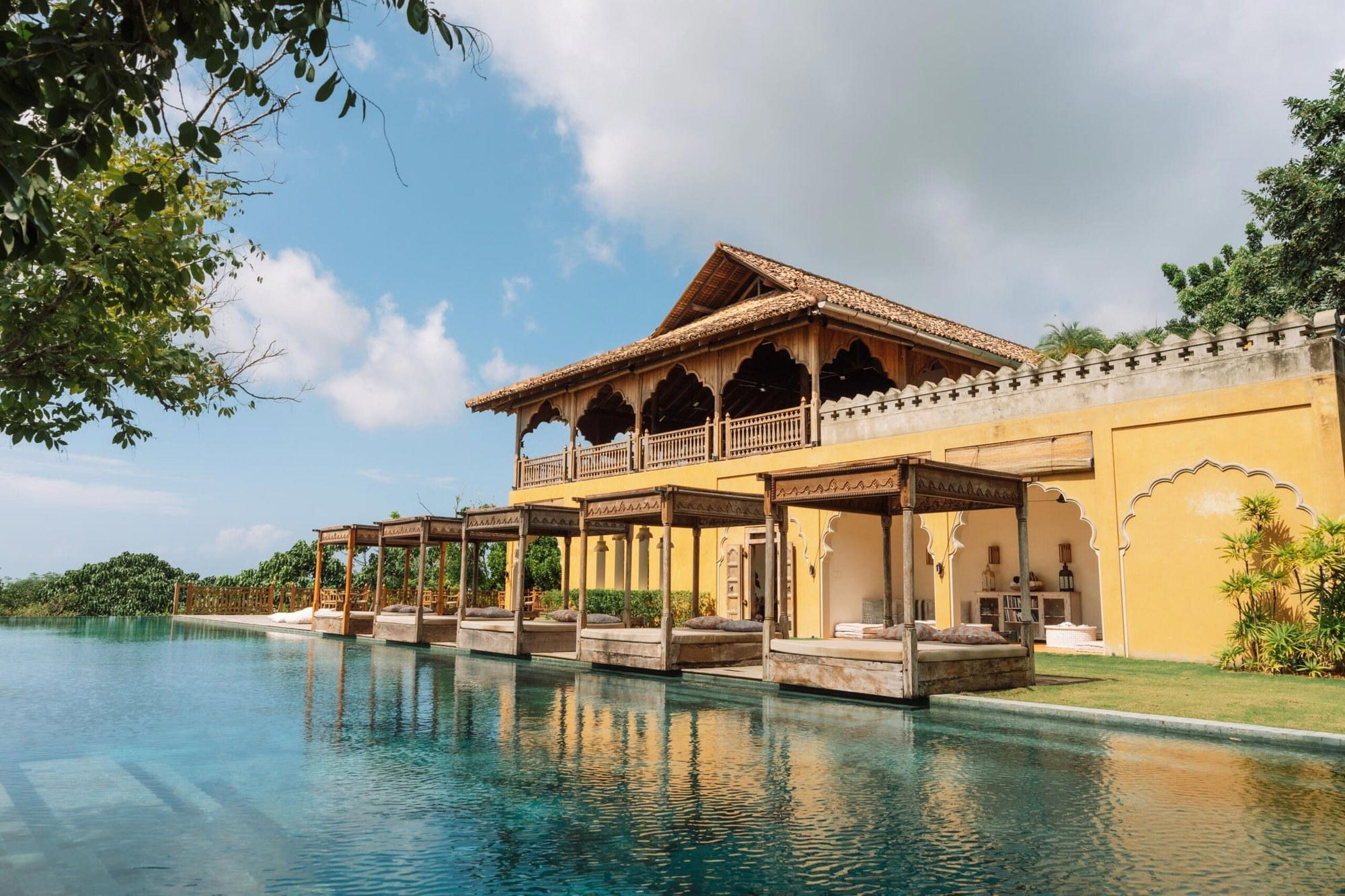
At a Glance
- Elegant
- Scenic
- Sophisticated
- Special Occasion
- Date Night
- Waterfront
- Hotel Restaurant
- Local Sourcing
- Waterfront
Current opening hours
- Monday
- 7 AM–10:30 PM
- Tuesday
- 7 AM–10:30 PM
- Wednesday
- 7 AM–10:30 PM
- Thursday
- 7 AM–10:30 PM
- Friday
- 7 AM–10:30 PM
- Saturday
- 7 AM–10:30 PM
- Sunday
- 7 AM–10:30 PM
Hours can change for holidays and private events. Last verified .
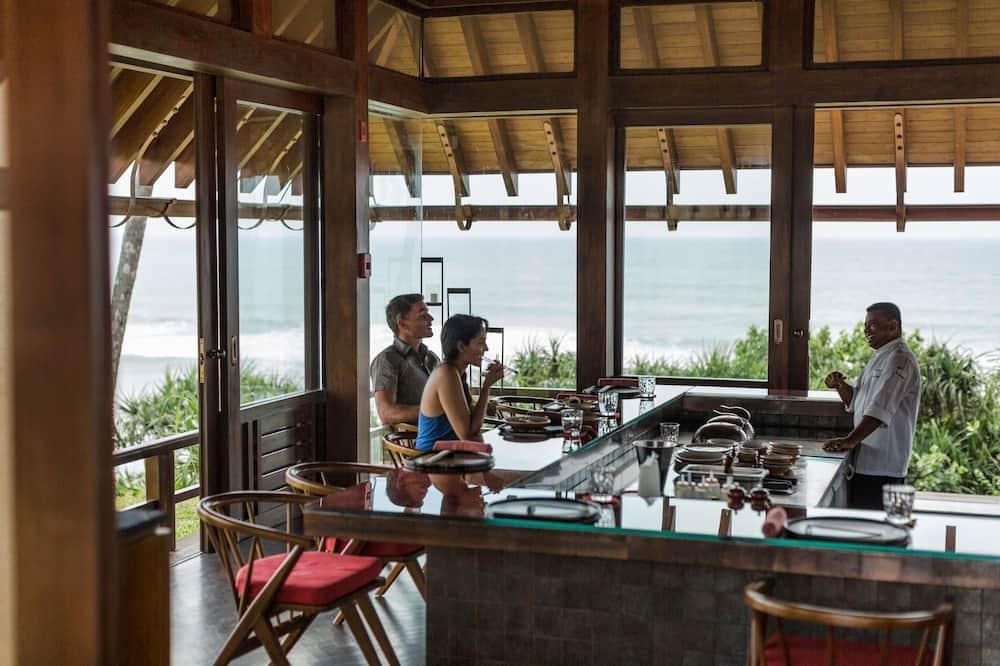
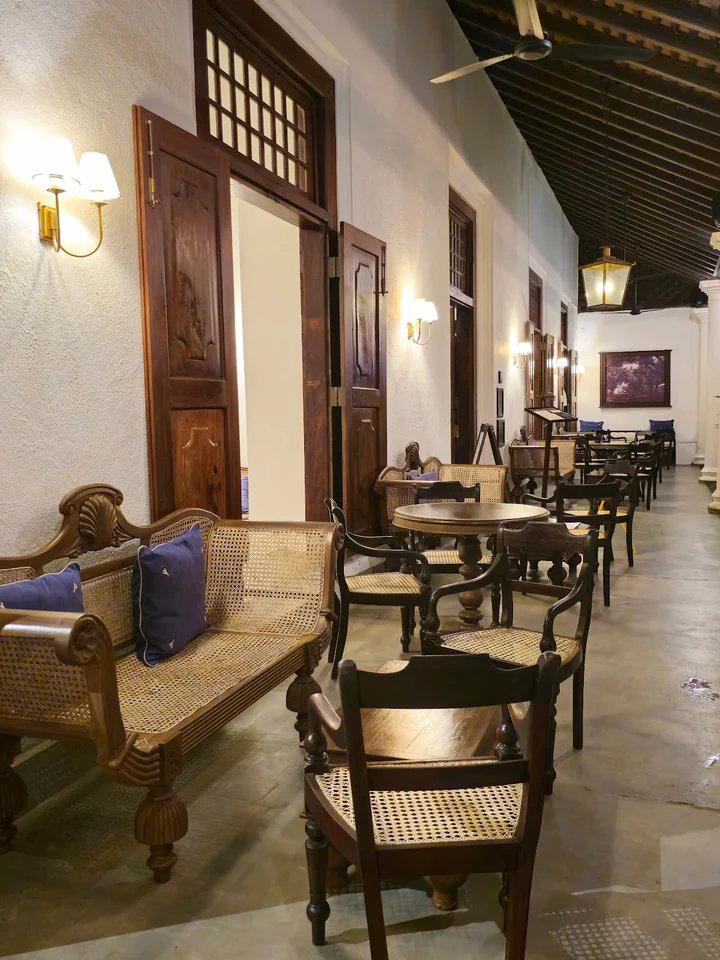
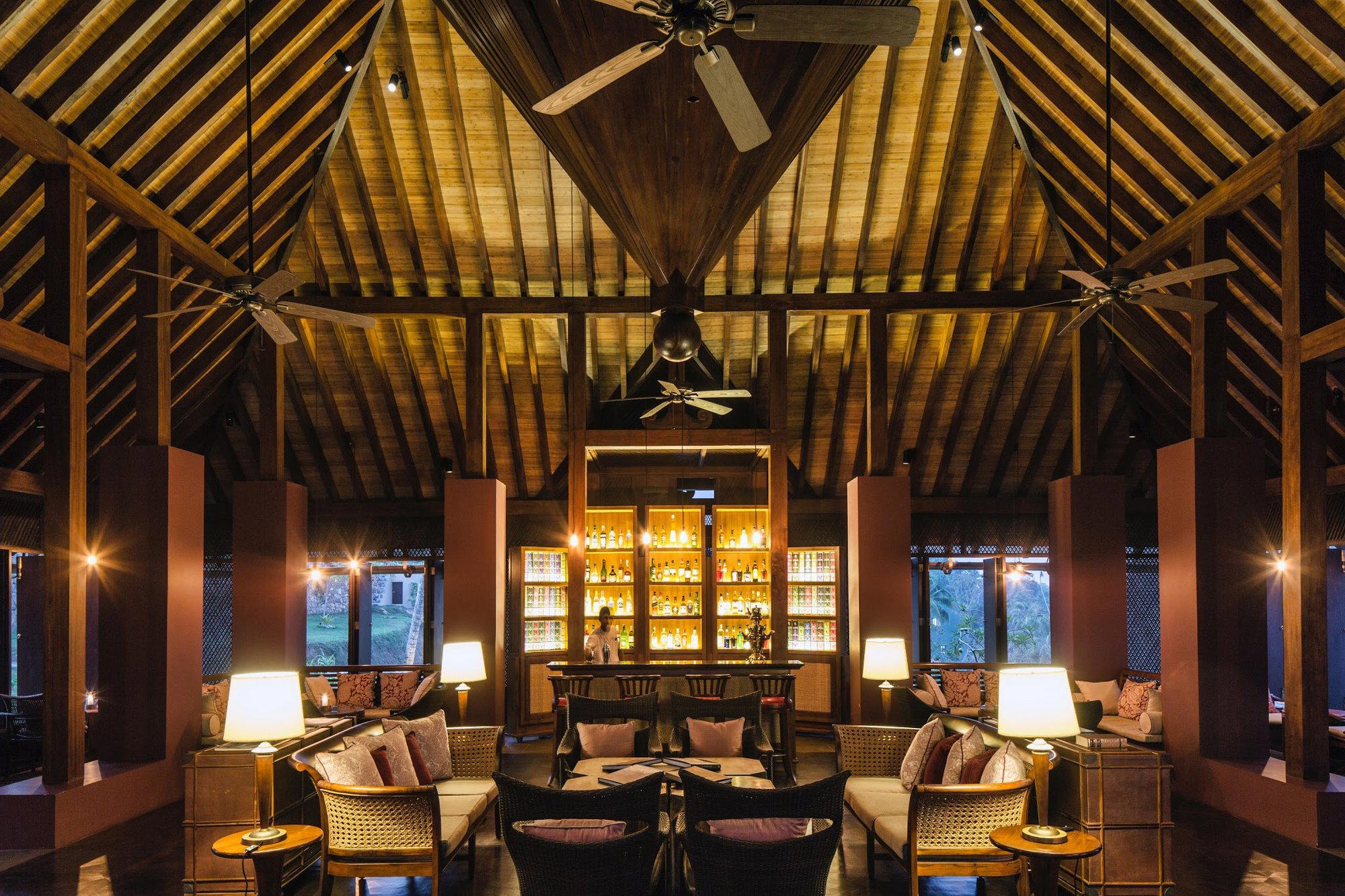
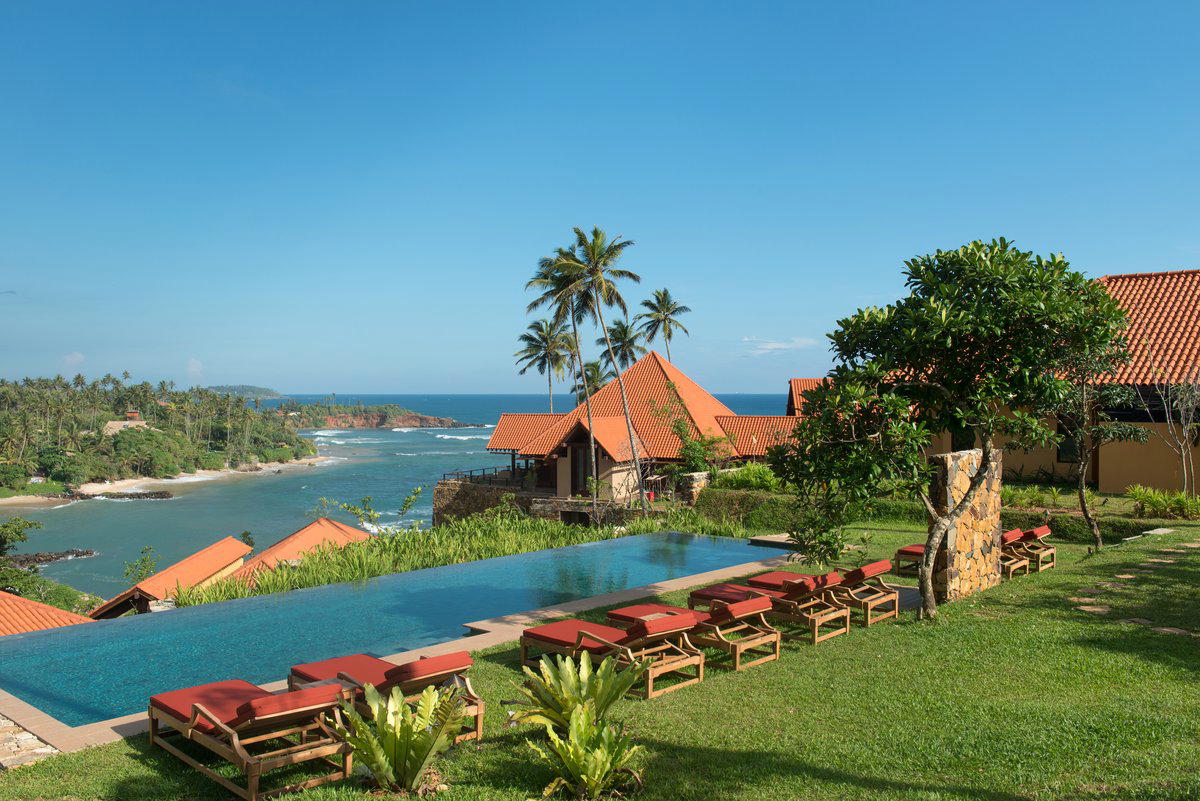
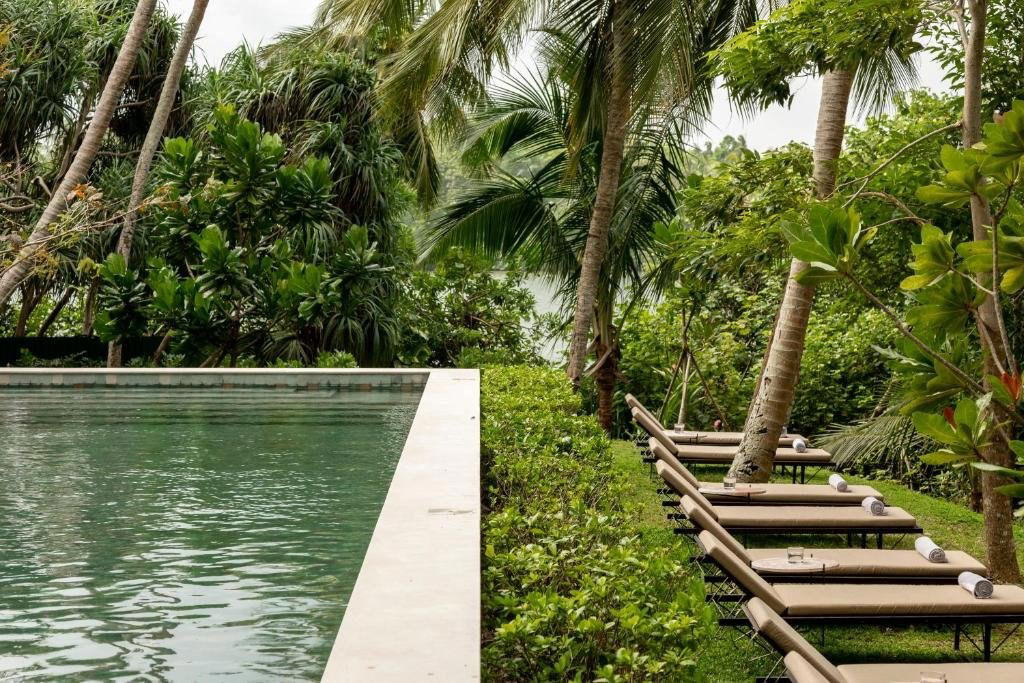
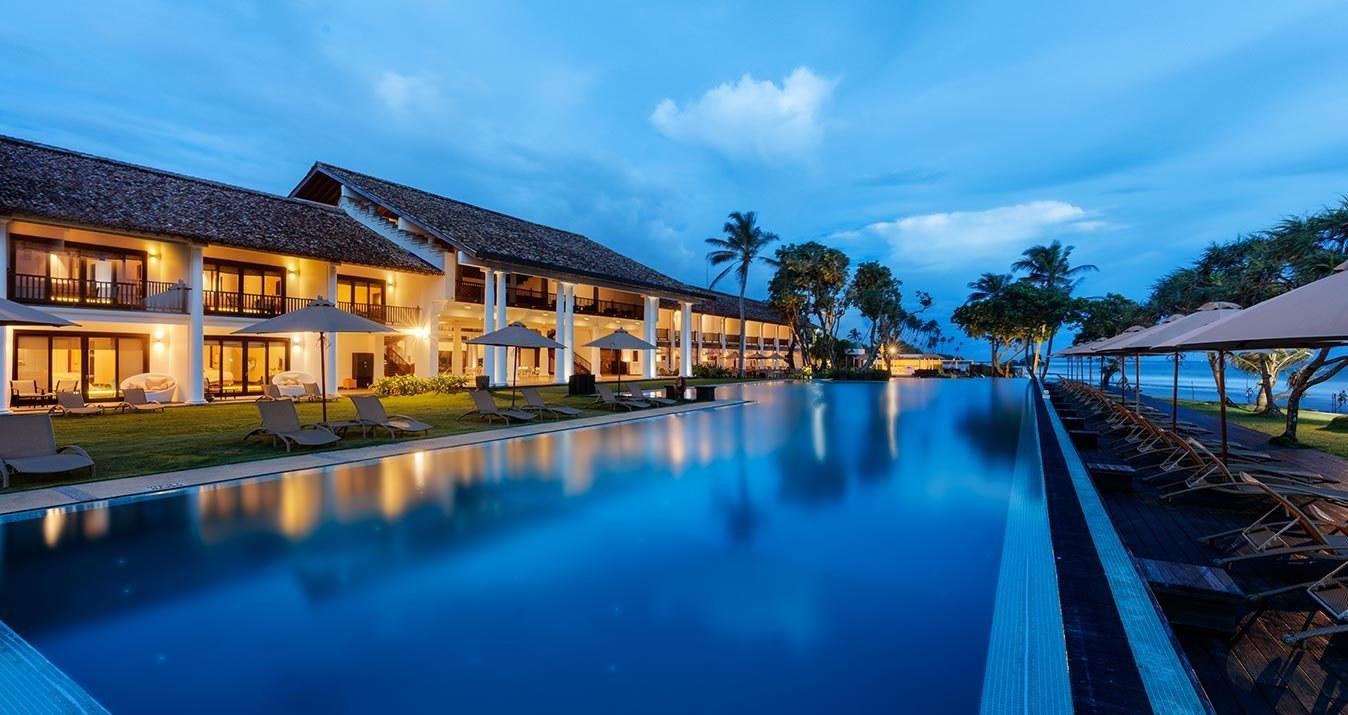
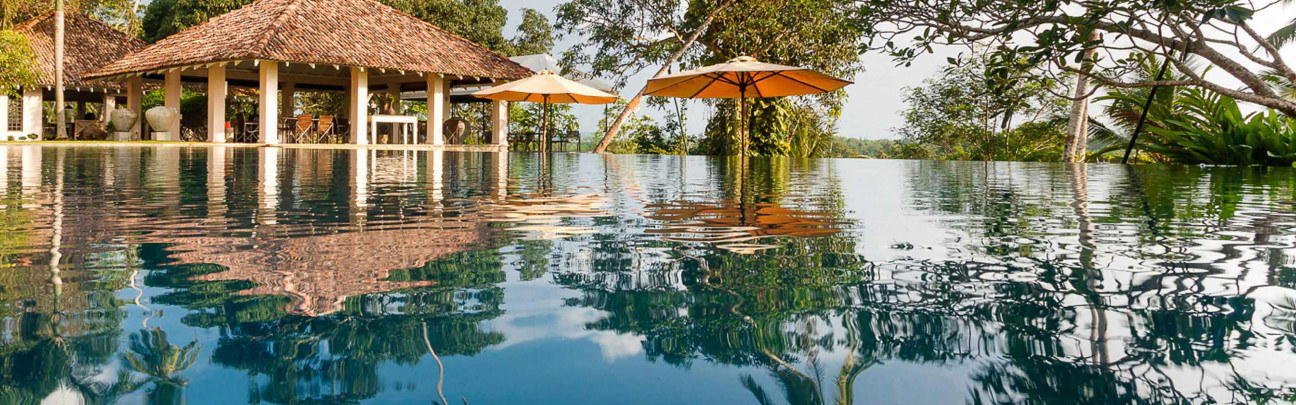
Beautiful open-air setting facing the sea with carefully selected service and serene, luxurious atmosphere.