
A Nagoya Station-area yakiniku room with Korean and tripe strands in the mix, THE SEJONG GEMS meieki ten belongs to the city’s higher-attention grilled beef tier rather than its casual barbecue bracket. Its 2025 Tabelog 100 Yakiniku EAST selection gives the address a clear trust signal, while the menu architecture points toward a polished, group-friendly interpretation of tabletop grilling.
Pearl is the En Primeur Club membership app — saves, bookings, and concierge access live there. Same editors, same standards.
- Address
- Japan, 〒450-0002 Aichi, Nagoya, Nakamura Ward, Meieki, 3 Chome−18−19 GEMS名駅三丁目 10F
- Phone
- +81 52-462-1561
- Website
- the-sejong-mei3.com
 Saves & bookings on Pearl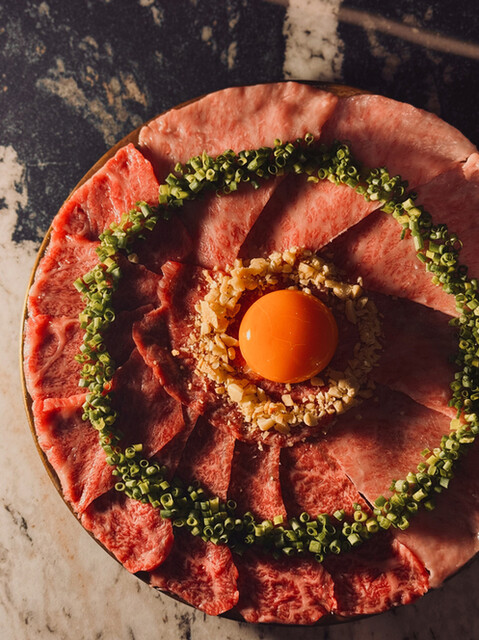
Nagoya Station dining often begins with vertical buildings, elevator banks, and the quick shift from street noise to sealed dining rooms. In that setting, yakiniku is one of the area’s sharpest formats: fast enough for business dinners, flexible for groups, and serious enough to carry regional beef culture without kaiseki formality. THE SEJONG GEMS meieki ten fits that station-side grammar, placing Japanese barbecue, tripe, and Korean cooking in a controlled urban room rather than a smoky backstreet.
That distinction matters in Nagoya. The city’s dining identity is often reduced to miso katsu, hitsumabushi, and kishimen, but its beef restaurants tell a parallel story of expense-account meals, private-room demand, and grill-at-the-table formats that move between lunch, dinner, and celebration. Selection for Tabelog 100 Yakiniku EAST 2025 places this address in a wider eastern Japan conversation, not merely a local station-area list. For readers comparing Nagoya options, Our full Nagoya restaurants guide gives the broader map.
Yakiniku here is built as a structured beef dinner, not a casual grill session
The menu logic is the point. Yakiniku can collapse into abundance when every cut, sauce, and side competes for attention; stronger rooms impose sequence. Here, the publicly listed categories, yakiniku, tripe, and Korean, suggest beef is central but not the whole argument. Offal broadens texture and pacing, while Korean elements add fermentation, heat, and shared-table rhythm to a Japanese barbecue frame. Familiar across Japan, that combination in Nagoya’s station district reads as a practical answer to mixed groups: diners stay within beef while changing intensity through the meal.
The Meieki competitive set is broad. Shoya Meieki sits at a lower dinner bracket, Taishu Korean Korean Chudoku Nagoya Eki Ten occupies a more casual Korean lane, and Shokudo chisan pushes into a higher dinner range with a different register. THE SEJONG GEMS meieki ten sits between casual station dining and high-spend beef rooms, with the Tabelog 100 Yakiniku EAST 2025 selection as the clearest external marker. That matters because yakiniku awards tend to reward consistency across procurement, cut handling, ventilation, room comfort, and service rhythm, not one plated dish.
There is useful contrast with Nagoya’s other dining modes. Tonkatsu joni represents the city’s appetite for focused, lower-priced specialist meals; Setsugekka Nagoya points to the more rarefied beef end. A middle-to-upper yakiniku room must justify itself through breadth and control rather than ceremony. The question is not whether the room feels grand, but whether the format can hold a dinner with different appetites: lean cuts, richer cuts, offal, Korean side notes, drinks, and a pace that keeps the grill from becoming work.
Meieki rewards restaurants that solve logistics without diluting the meal
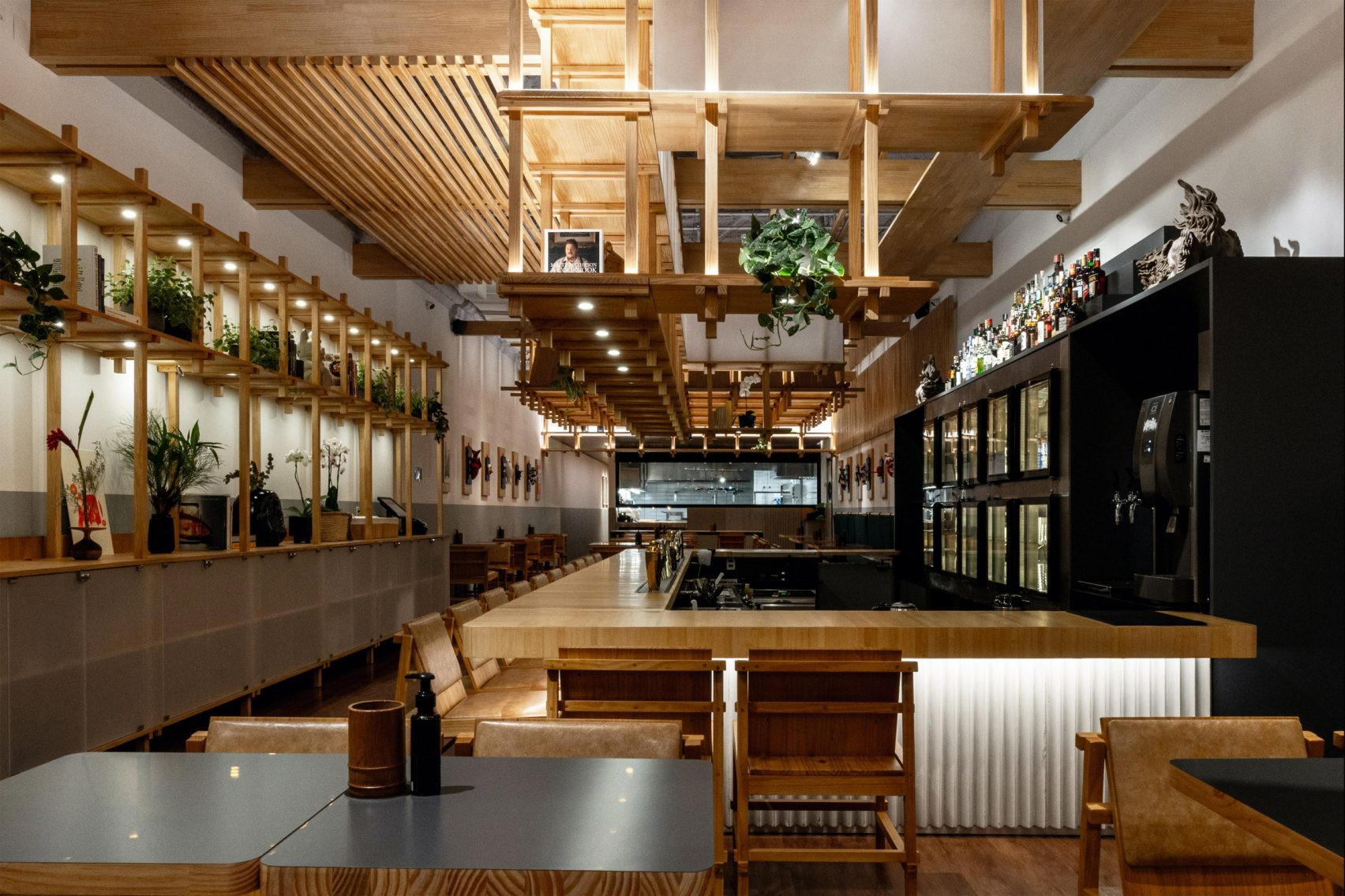
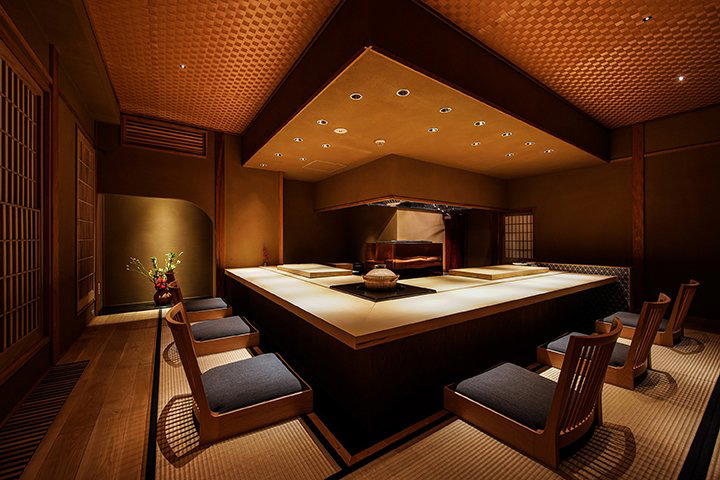
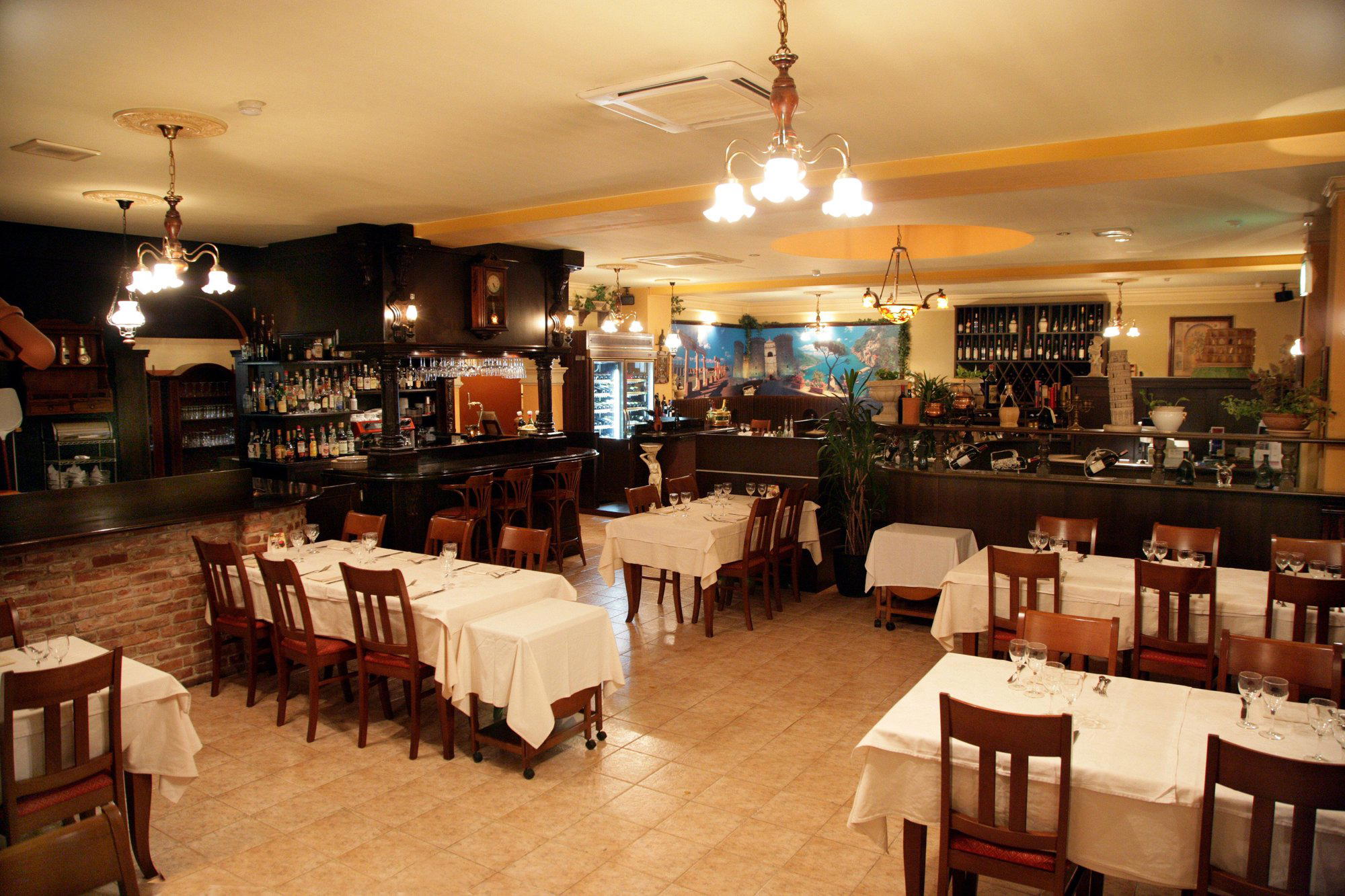
Station districts can flatten restaurants. Convenience brings volume, and volume often brings menus designed for speed rather than judgment. Better Meieki dining rooms resist by making the format legible: guests understand why they are there within the first order. Yakiniku suits this because the table becomes both kitchen and pacing device. The restaurant supplies cuts, condiments, drink structure, and room; the diner controls tempo. That makes a 44-seat room with private and semi-private table formats more than an operational note. It shapes the meal’s social use.
For business travelers, the setup has value. A counter-led restaurant can be thrilling but rigid; a private-room barbecue format absorbs late arrivals, mixed drinking habits, and varied appetites. For couples, it can feel more relaxed than a tasting menu because the meal is built around selection rather than submission. For groups, the listed private-use range gives the address a function beyond ordinary dinner, especially in a city where station proximity often determines whether a meal happens at all.
The drinks listing places the restaurant in a broader Japanese barbecue pattern. Sake, shochu, wine, and cocktails cover several drinking cultures rather than forcing one pairing language. Yakiniku rarely needs the solemnity of a sommelier-led progression; it needs drinks that move between fat, salt, char, spice, and rice. That range says the room is built for actual Nagoya dining behavior, not a narrow performance of luxury.
How to read this Nagoya choice against the city around it
THE SEJONG GEMS meieki ten is for travelers who want a serious grilled-beef meal without turning dinner into a destination pilgrimage across town. It is also for diners who prefer menu architecture over chef mythology. No public chef narrative is needed: external recognition, beef-led category, offal component, Korean register, and station-area format already explain its role more usefully than a biographical paragraph would.
Readers building a full Nagoya itinerary should treat it as one node in a wider city plan. Pairing a beef dinner near the station with hotel decisions is easier through Our full Nagoya hotels guide, while late-evening drinking belongs in Our full Nagoya bars guide. For a broader regional lens, Our full Nagoya experiences guide and Our full Nagoya wineries guide help separate station convenience from deeper trip structure.
Within EP Club’s restaurant coverage, useful comparisons are not limited to cuisine. The compact, decision-driven appeal of 1022, 451, Aaron, Alan., and All Day Dining Montmartre shows how Nagoya rewards restaurants with a clear use-case. Across Japan, category specialists such as -Grilled beef Sukiyaki- KAMAKURA TANUKIAN 鎌倉 たぬき庵 in Kamakura. 鮪と炭火焼き うお炭 秋葉原店 in Tokyo.cafe in Osaka.know in Kumamoto, (Shoku) Vietnam in Kawasaki, and [Curry Senmon Ten] Maruyama Kyoju. in Sapporo make the same point in different registers: a narrow promise often travels better than a sprawling menu. Even outside Japan, focused formats such as Jōdo Saké Bar in Los Angeles and Onigiri Time in Pasadena show why specificity has become a luxury signal.
The editorial read is simple: choose this address when the night calls for beef, privacy, and station convenience, but avoid judging it by counter-dining or chef-led tasting-menu rules. Nagoya has plenty of meals built around a single local dish. This one belongs to another tradition: the polished yakiniku dinner where sequence, room format, and drinking flexibility do as much work as the grill.
Similar Picks
Comparable venues to anchor price and recognition.
| Venue | Cuisine | Price | Notes |
|---|---|---|---|
| THE SEJONG GEMS meieki tenThis venue — the venue you are viewing | Modern Korean Yakiniku | $$$ | Not listed |
| Atsuta Houraiken Matsuzakaya ten | Traditional Nagoya eel (hitsumabushi) restaurant | $$$ | Naka |
| Reconnaissance | Natural French, fully customized course dining | $$$ | Naka |
| L'atelier K | French Teppanyaki | $$$ | Higashi |
| Tori Ryori Masa | Yakitori & Chicken Cuisine | $$$ | Higashi |
| LE PIGNON | Seasonal French fine dining in a traditional Japanese courtyard house | $$$ | Higashi |
Recognition history
Dated appearances from independent guides and award organizations, with the underlying list record or original source where available.
Tabelog 100 #67 · No. 67
Tabelog · Tabelog 100 - Yakiniku - EAST - 2025
Continue exploring
More in Nagoya
Restaurants in Nagoya
Browse all →
At a Glance
- Modern
- Elegant
- Sophisticated
- Intimate
- Quiet
- Date Night
- Business Dinner
- Group Dining
- Celebration
- Private Event
- Private Dining
- Design Destination
- Standalone
- Beer Program
- Sake Program
- Extensive Wine List
- Skyline
- Street Scene
Current opening hours
- Monday
- 11:30 AM–2 PM, 5–11 PM
- Tuesday
- 11:30 AM–2 PM, 5–11 PM
- Wednesday
- 11:30 AM–2 PM, 5–11 PM
- Thursday
- 11:30 AM–2 PM, 5–11 PM
- Friday
- 11:30 AM–2 PM, 5–11 PM
- Saturday
- 11:30 AM–2 PM, 5–11 PM
- Sunday
- 11:30 AM–2 PM, 5–10 PM
Hours can change for holidays and private events. Last verified .
Modern, calm, and sophisticated, with fully private and semi-private rooms designed for a special-occasion dining experience.