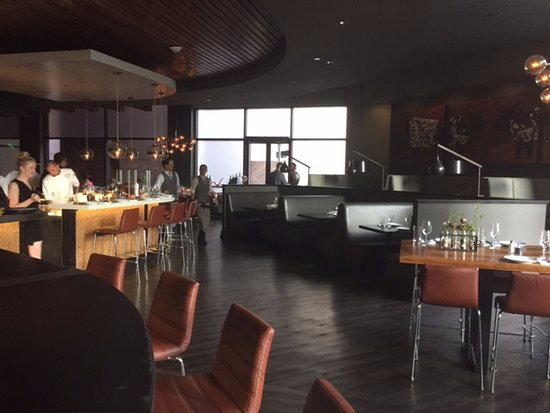
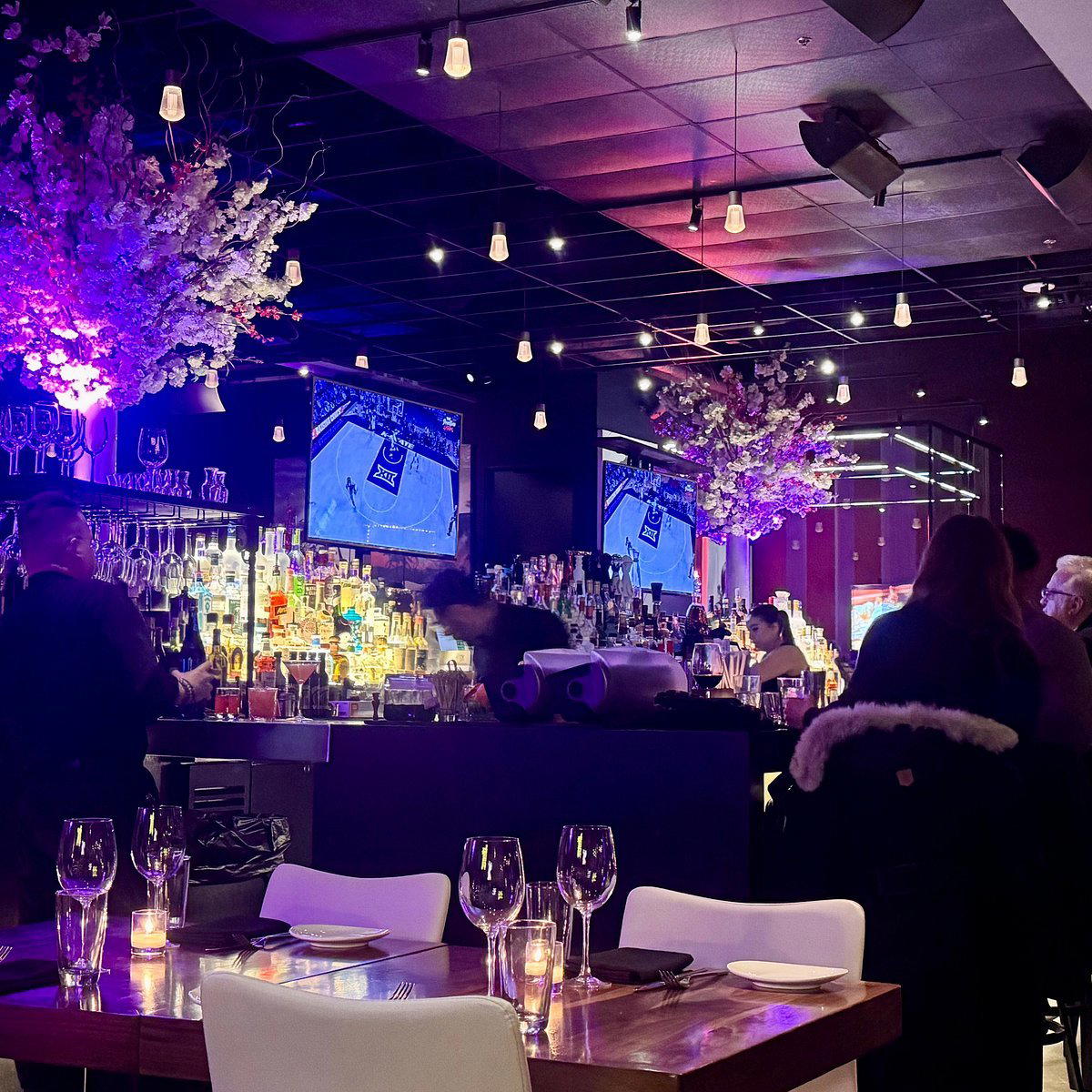
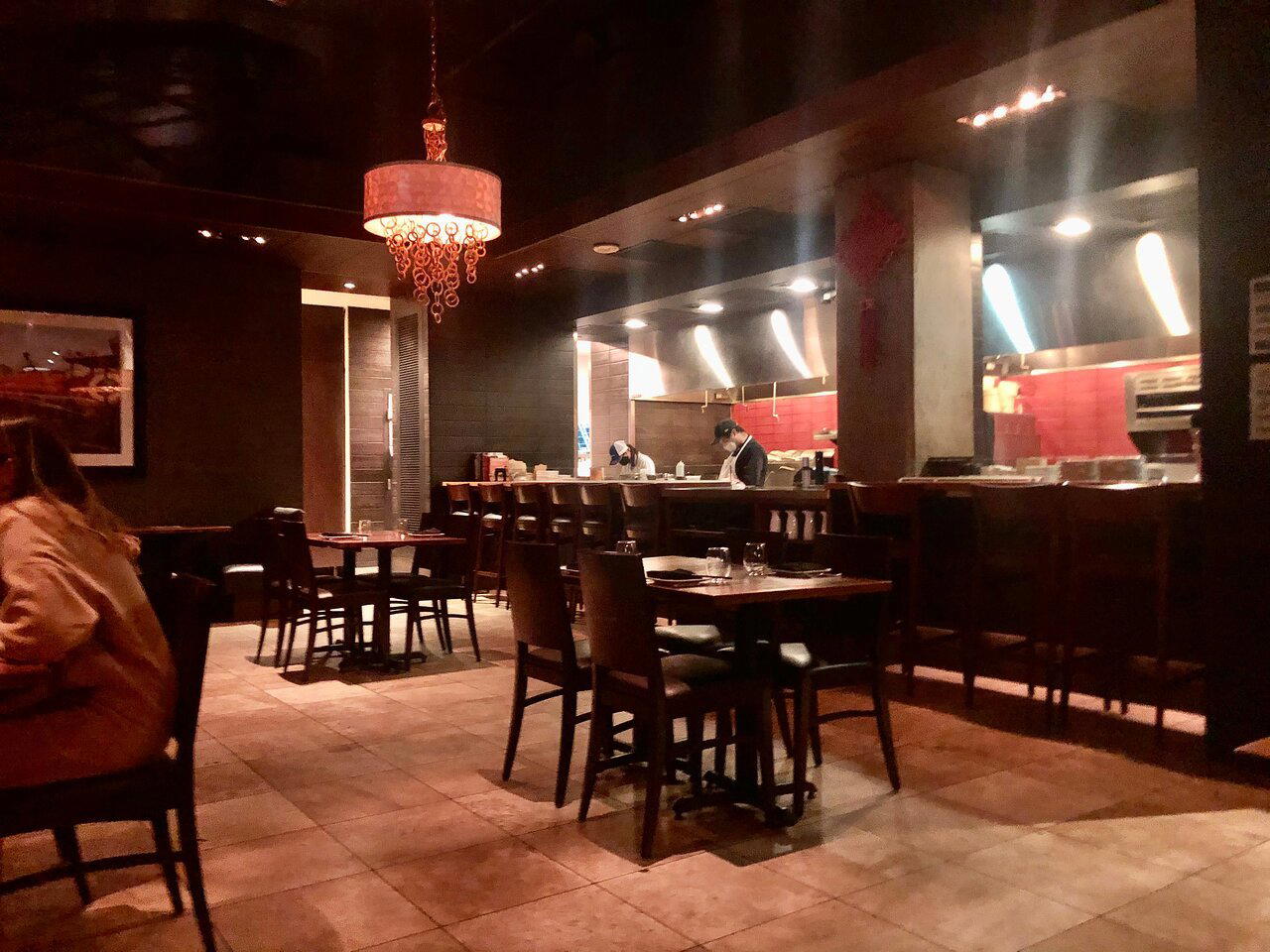
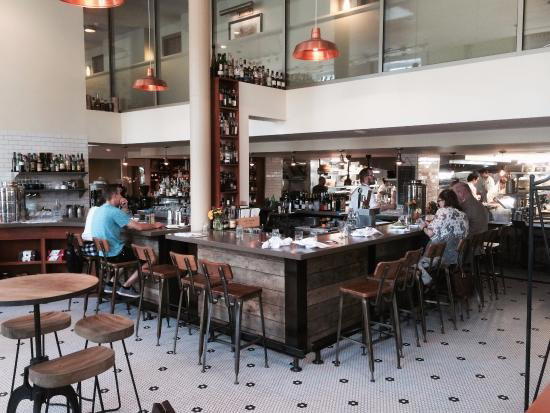
The Nickel
Our verdict
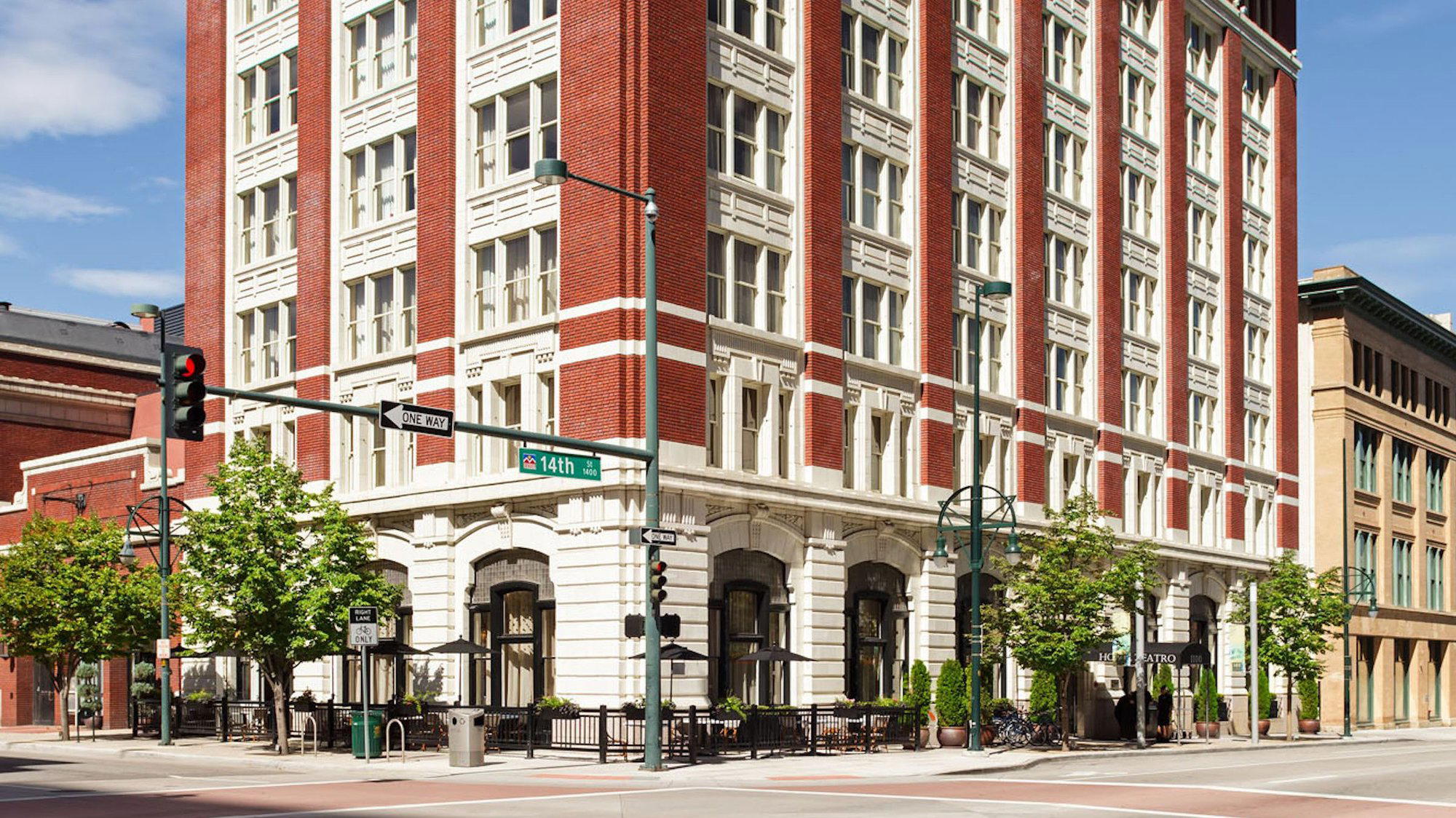
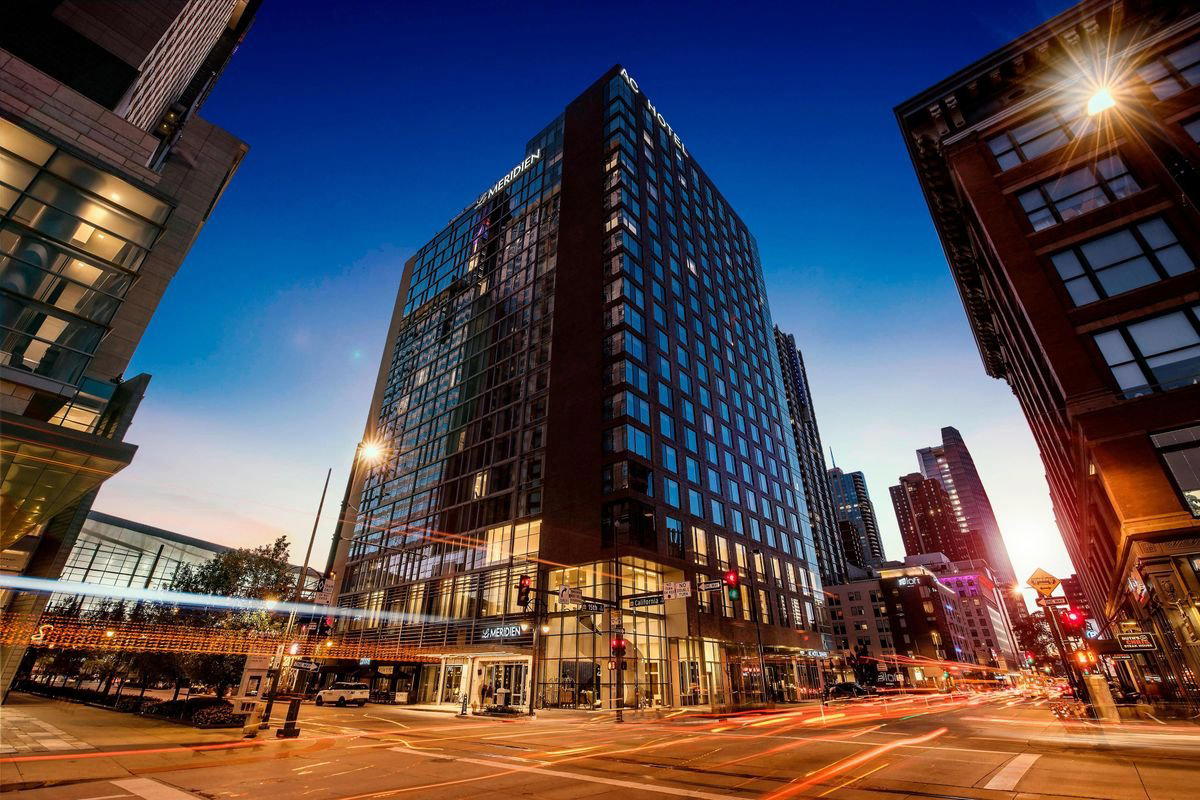
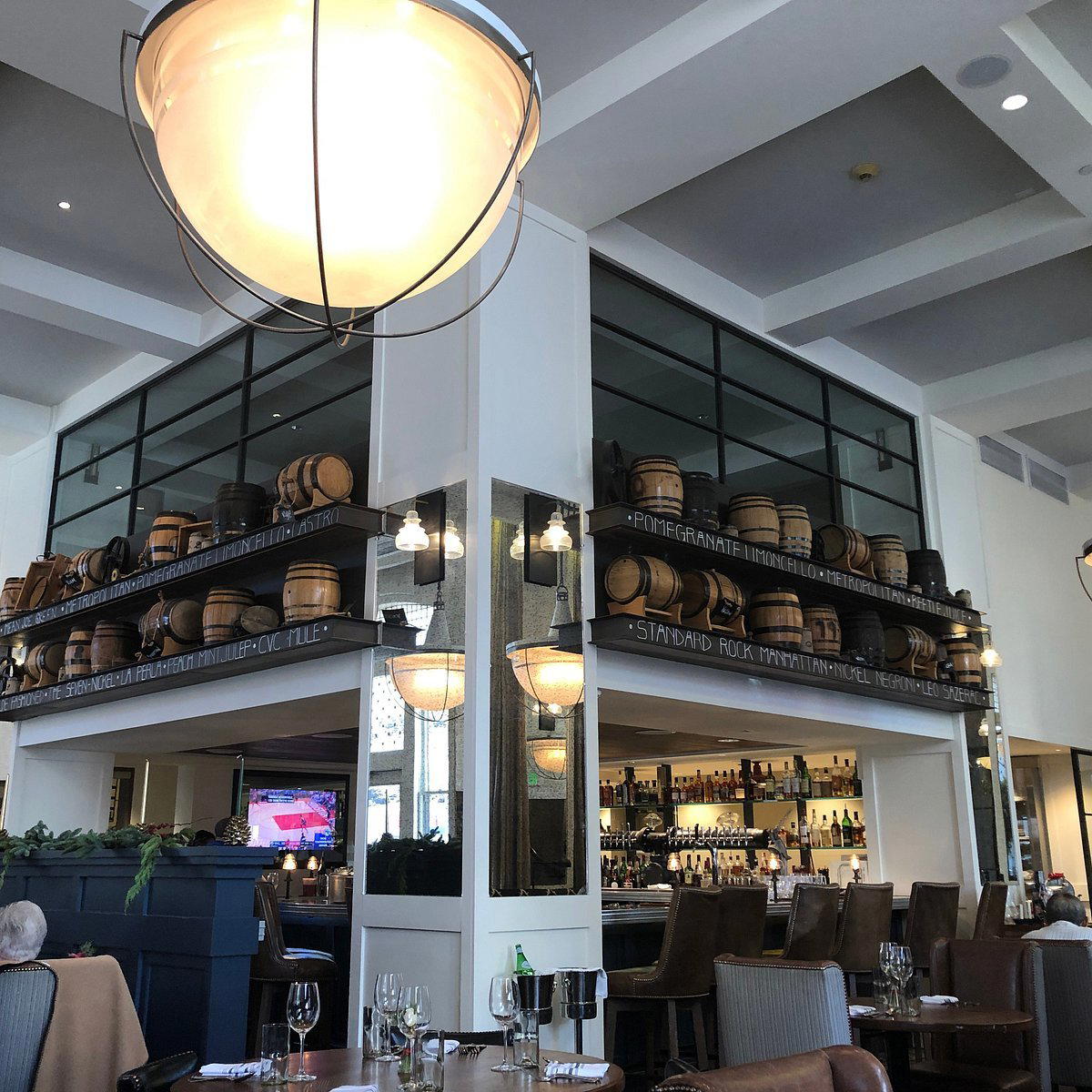
The Nickel occupies a considered position within Denver's evolving downtown dining scene, where hotel restaurants have steadily closed the gap on standalone destinations. Located at 1100 14th St, it draws a clientele that expects more than lobby convenience, and delivers through a program shaped by sourcing discipline and a kitchen sensibility attuned to Colorado's agricultural calendar.

Pearl is the En Primeur Club membership app, where members save venues, book tables and use the concierge.
Downtown Denver's Shifting Hotel Restaurant Standard
Hotel dining in American cities spent most of the 2000s in a holding pattern: reliable enough, rarely worth seeking out on its own terms. Denver's downtown corridor has been part of a broader correction over the past decade, with a cluster of properties betting that a serious kitchen could anchor a hotel's identity rather than merely service its guests. The Nickel, at 1100 14th St in the heart of downtown, belongs to that corrective wave. It sits in a neighborhood where LoDo's converted warehouse blocks give way to the Civic Center's administrative weight, and where foot traffic from the Colorado Convention Center and the 16th Street Mall creates a dining public with highly varied expectations, expectations the better hotel restaurants have learned to sort through rather than simply accommodate.
The broader peer conversation in Denver runs through a small group of restaurants that have redefined what the city's dining scene can sustain at a serious level. Brutø and The Wolf's Tailor have established a $$$$-tier benchmark for contemporary tasting-menu formats, while Beckon has carved a more intimate counter-service niche. The Nickel operates from a different vantage, a hotel address that brings with it structural advantages in scale and visibility, alongside the obligation to serve a broader cross-section of guests than a standalone destination might choose to face.
The Sourcing Framework That Shapes the Menu
Across American fine dining, the gap between restaurants that gesture at local sourcing and those that build operational infrastructure around it has become one of the more reliable quality differentiators. Properties like Single Thread Farm in Healdsburg and Blue Hill at Stone Barns in Tarrytown have demonstrated that a farm-to-kitchen model, when taken seriously, reorganizes the entire menu calendar rather than simply decorating it with seasonal vocabulary. The Nickel's positioning within Denver reflects that same discipline operating at a different scale and price tier.
Colorado's agricultural profile is more varied than the state's mountain-landscape image suggests: the San Luis Valley produces significant volumes of potatoes and quinoa; the Western Slope carries stone fruit orchards; the Front Range supports a network of cattle, sheep, and heritage grain producers that has grown considerably since the early 2010s. A restaurant serious about Colorado sourcing isn't working with a thin ingredient palette, it's managing relationships with a distributed supply chain that shifts meaningfully by season. The kitchen's ability to translate that supply chain into a coherent menu, rather than a list of provenance name-drops, is the operative test. Waste reduction is the unsentimental corollary: a kitchen that sources whole animals and seasonal volumes has to use them fully, or the economics and the ethics both break down.
This framing matters for how The Nickel reads against its downtown peers. Where Alma Fonda Fina builds its identity around Mexican culinary tradition and Annette anchors itself to a neighborhood scale in Aurora, The Nickel occupies the hotel-restaurant tier where volume, consistency, and sourcing ethics have to coexist, a harder operational problem than it appears from the dining room.
Environmental Consciousness as Operational Discipline
The sustainability conversation in American restaurants has matured past the point where a composting program or a farm name on the menu counts as a meaningful statement. The more demanding version of the conversation involves purchasing decisions that support regenerative agriculture, kitchen processes that minimize protein and produce waste, and supply relationships stable enough that farmers can plan around them. Restaurants at the level of The French Laundry in Napa or Le Bernardin in New York City have demonstrated that environmental rigor and technical ambition aren't in tension, they tend to reinforce each other, because a kitchen that wastes little also tends to think carefully about every component on the plate.
For a downtown Denver hotel restaurant operating at The Nickel's volume, the sustainability question is partly one of procurement systems: who supplies the kitchen, how frequently, and with what degree of specificity about growing and raising practices. It's also a question of menu architecture. A kitchen designed around seasonal and regional availability structures its offerings differently from one that treats sourcing as a marketing overlay on a fixed menu. The evidence most worth watching, for guests who care about these questions, is whether the menu changes substantively across seasons or merely swaps a few garnish references.
The broader American hotel-restaurant tier has a mixed record here. Properties like Addison in San Diego have made sourcing ethics central to their formal identity; others treat it as a communications strategy. The Nickel's address on 14th Street places it among Denver's higher-visibility dining options, which means its sourcing claims carry more scrutiny than a quieter neighborhood spot might face.
Where The Nickel Fits in the Denver Dining Hierarchy
Denver's dining scene has developed a clearer internal structure over the past several years. The $$$$-tier tasting-menu format, exemplified by restaurants like Brutø, now competes in a national conversation that also includes Alinea in Chicago, Atomix in New York City, and Providence in Los Angeles. Below that tier, a mid-range layer of serious-but-accessible restaurants has expanded to serve a dining public that has grown more sophisticated but not necessarily more willing to commit to long tasting menus on a regular basis. Hotel restaurants like The Nickel occupy a structurally distinct position: they service guests who may not have made a deliberate dining choice, alongside locals who have. Satisfying both audiences without flattening the kitchen's ambition is the defining challenge of the format.
That challenge is visible in how comparable properties have evolved nationally. Emeril's in New Orleans and The Inn at Little Washington each represent a model in which a restaurant's identity precedes and outlasts its hotel context. The Nickel's trajectory within Denver's scene, whether it moves toward that kind of standalone cultural authority or remains principally a very good hotel restaurant, will depend on how consistently its sourcing commitments translate into what arrives at the table.
For the full picture of where The Nickel sits within Denver's current dining options, our full Denver restaurants guide maps the city by neighborhood, price tier, and format. 8 1/2 Otto e Mezzo Bombana in Hong Kong offers a reference point for what hotel-adjacent fine dining can achieve at its ceiling internationally.
Know Before You Go
- Address: 1100 14th St, Denver, CO 80202
- Neighborhood: Downtown Denver, between LoDo and the Civic Center
- Format: Hotel restaurant with downtown accessibility; suited to both hotel guests and walk-in locals
- Getting There: Accessible via the 16th Street Mall Free MallRide; the Colorado Convention Center is one block away
- Leading Timing: Weekday evenings tend to draw a local crowd alongside hotel guests; weekend lunch sees heavier convention-center traffic
Frequently asked questions
What dish is The Nickel famous for?
The Nickel's kitchen anchors its identity in Colorado-sourced ingredients, so the dishes that tend to define its reputation are those built around regional producers and seasonal supply rather than a fixed signature. The strongest evidence of the kitchen's range comes from its ability to shift menu focus as the Front Range and Western Slope agricultural calendar turns. For current dish specifics, check directly with the restaurant, as the menu reflects what's available rather than a static list.
Do they take walk-ins at The Nickel?
As a hotel restaurant in downtown Denver, within a block of the Colorado Convention Center and the 16th Street Mall, The Nickel maintains a degree of walk-in accessibility that standalone tasting-menu destinations like Beckon or Brutø do not. That said, availability will vary significantly by day of week and convention-center scheduling. Confirming directly before arriving is advisable, particularly on weekends or during large downtown events.
What has The Nickel built its reputation on?
The Nickel's position in Denver's dining conversation rests on its sourcing discipline and its ability to operate at hotel-restaurant volume without defaulting to the generic comfort-food format that characterizes most properties in its category. Its address at 1100 14th St places it among the city's higher-visibility dining options, which means its kitchen decisions carry weight in the local dining conversation, particularly its commitment to Colorado agricultural networks at a scale few downtown hotel restaurants attempt.
How does The Nickel approach sustainability differently from other Denver hotel restaurants?
Where many hotel restaurants treat sustainability as a sourcing footnote, The Nickel's program is oriented around Colorado's regional agricultural supply chains, including Front Range producers and Western Slope seasonal goods, which requires the kitchen to build menus around what's available rather than what's convenient. This operational approach, when applied consistently, reduces waste structurally rather than as an add-on initiative. It places The Nickel closer to the sourcing model practiced by farm-anchored destinations like Single Thread Farm than to the standard hotel-restaurant procurement pattern.
Recognition, Side-by-Side
Comparable venues nearby, for context on price, style, and recognition.
| Venue | Cuisine | Price | Notes |
|---|---|---|---|
| The NickelThis venue (the venue you are viewing) | Modern American Bistro | $30–50 | Not listed |
| Highland Tap & Burger | American Gastropub | $20–30 | Highland |
| The Original | Modern American Neighborhood Eatery | $20–30 | Ballpark |
| The Lobby | Southern-Inspired American Brunch | $20–30 | Ballpark |
| All Is Well | American Lobby Bar | Not listed | City Park |
| HashTAG - Denver | Modern American Brunch | $20–30 | Central Park |