The Kunjip
The Kunjip occupies a central position on West 32nd Street, the corridor that defines Korean dining in Manhattan. Operating within Koreatown's most competitive block, it draws a mixed crowd of neighborhood regulars and visitors seeking grilled meats and traditional Korean staples in a setting that trades ambition for consistency. For the Korean-American dining experience at its most direct, this is a reliable reference point on 32nd Street.
Pearl is the En Primeur Club membership app — saves, bookings, and concierge access live there. Same editors, same standards.
- Address
- 32 W 32nd St, New York, NY 10001
- Phone
- (212) 564-8238
- Website
- kunjip.nyc
- Directions
- Get directions
 Saves & bookings on Pearl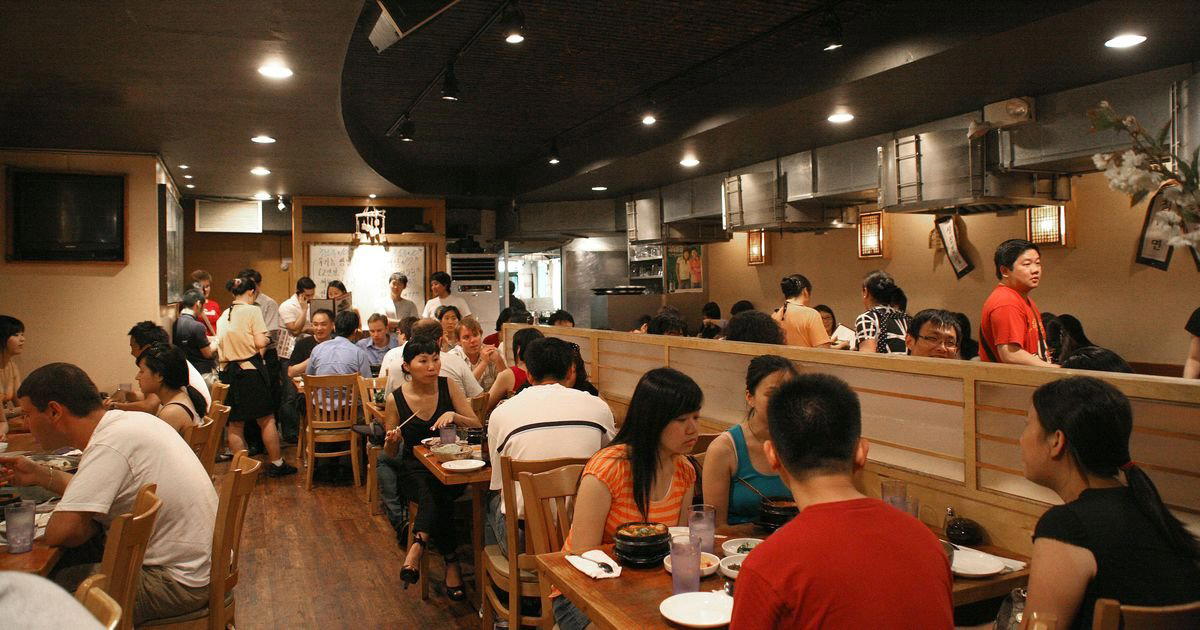
Koreatown's 32nd Street and the Logic of a Crowded Block
West 32nd Street between Broadway and Fifth Avenue is among the more concentrated dining corridors in Manhattan. In a city where Korean restaurants have split between two distinct tiers, the high-concept progressive kitchens like Atomix and Jungsik New York, which operate as tasting-menu destinations with sommeliers and carefully curated wine lists, and the traditional communal formats that anchor neighborhood life, The Kunjip sits firmly in the second camp. It is an Authentic Korean BBQ restaurant with tableside grills, banchan in small shared dishes, and a menu organized around shared eating rather than individual courses.
That positioning matters. The debate about where to eat on 32nd Street is almost always a debate about what kind of meal you want, not which restaurant does something nobody else does. The Kunjip earns its place on the block through consistency and format fidelity, not differentiation. In a neighborhood where the restaurant on the next door can offer nearly the same menu, that kind of reliability carries weight with a repeat customer base.
The Service Structure Behind Communal Eating
In traditional Korean dining formats, the division of labor between front-of-house and kitchen operates differently from Western tasting-menu templates, and understanding that structure is part of understanding how places like The Kunjip actually function. The editorial angle of team dynamic, typically applied to restaurants where a sommelier navigates a wine program or a maître d' manages pacing, looks different here. The tableside grill server is effectively a production role: timing the cook on galbi, managing the turn of samgyeopsal, knowing when to add coals. That interaction is not incidental; it is the meal.
This stands in contrast to the model at restaurants like Le Bernardin or Per Se, where the collaboration between chef, sommelier, and front-of-house is invisible to the diner and expressed through choreography. In Koreatown's traditional restaurants, the collaboration is the visible center of the meal. The server who manages your grill is doing what a chef de rang does at a European service table, translating kitchen knowledge into tableside execution in real time.
For visitors more familiar with destination-format Korean dining, or with American fine dining structures like those at Masa, this is a useful recalibration. The format at the restaurant rewards engagement with the service rather than passive reception of it.
What the 32nd Street Format Delivers
Korean barbecue at the neighborhood level in Manhattan is a format that has remained largely stable while much of the city's dining culture has shifted toward tasting menus, chef's counter formats, and ingredient-sourcing narratives. West 32nd Street has not moved far from the model established when the block first concentrated in the 1980s and 1990s. The restaurant operates within that continuity.
The practical read: this is a restaurant for groups. The communal format, the tableside grill, the banchan spread, these are all optimized for shared eating with multiple people. Solo dining or couples who want a quiet, considered meal are better served by the tasting-menu tier of New York's Korean dining scene. For the full communal experience of the format, a group of four or more is the functional unit.
The 32nd Street corridor also operates later into the night than much of Manhattan's restaurant scene, which positions it usefully for post-theater or late-evening meals. That temporal accessibility is part of what sustains its foot traffic in a neighborhood where competition is close and margins are tight.
How The Kunjip Sits Within New York's Korean Dining Spectrum
New York's Korean dining has developed two distinct and largely non-competing tracks. At the progressive end, Atomix represents the global benchmark for what Korean cuisine looks like when built around wine pairing, tasting-card narratives, and Michelin recognition. Jungsik New York occupies similar territory with a French-technique-meets-Korean-ingredient approach. These restaurants draw a different customer, require advance booking, and operate on a different price logic entirely.
The restaurant does not compete with that tier and does not try to. Its competitive set is the other traditional restaurants on the same block, restaurants where the decision often comes down to availability, queue length, and individual familiarity. That is a different competitive dynamic from the booking-window logic that governs a restaurant like Masa or the planning required to secure a table at The French Laundry in Napa.
For travelers coming from other American cities with strong dining programs, those who have eaten at Alinea in Chicago, Lazy Bear in San Francisco, or Providence in Los Angeles, a meal at the restaurant represents a different kind of reference point: what the neighborhood-format backbone of a major cuisine looks like when it operates at scale and over time in a single concentrated block.
Planning a Visit
The restaurant sits at 32 West 32nd Street, between Broadway and Fifth Avenue in Manhattan's Koreatown. The format is well suited to groups; the communal grill and shared banchan structure reward tables of three or more. Walk-in access is generally possible on the 32nd Street corridor, though peak hours on weekend evenings generate queues across all restaurants on the block. Hours are Monday through Friday from 12 to 1 a.m. and 9 a.m. to 12 a.m. with Saturday and Sunday service from 12 to 6 a.m. and 9 a.m. to 12 a.m.; reservations are recommended, and the price is about $25 per person. Koreatown sits adjacent to Midtown South, walkable from Penn Station, Herald Square, and the Empire State Building.
For other American dining destinations operating at the upper end of the national scene, Blue Hill at Stone Barns in Tarrytown, Single Thread Farm in Healdsburg, Addison in San Diego, Bacchanalia in Atlanta, The Inn at Little Washington, and Emeril's in New Orleans. For international comparisons in the fine dining register, see 8½ Otto e Mezzo Bombana in Hong Kong and Alain Ducasse at Louis XV in Monte Carlo.
Quick reference: 32 W 32nd St, Manhattan, authentic Korean barbecue format, group dining optimized, reservations recommended, and about $25 per person.
Price Lens
Comparable venues nearby, for context on price, style, and recognition.
| Venue | Cuisine | Price | Notes |
|---|---|---|---|
| The KunjipThis venue — the venue you are viewing | Not listed | $$ | Not listed |
| Unidentified Flying Chickens - JH | Elmhurst, Korean Fried Chicken | $$ | Not listed |
| Okdongsik | Not listed | $$ | Midtown South-Flatiron-Union Square, Southern Korean Pork Bone Soup |
| Soju Haus | Not listed | $$ | Midtown South-Flatiron-Union Square, Korean Pub |
| DDOBAR by Joomak NYC | Not listed | $$$ | Chelsea-Hudson Yards, Modern Korean Omakase with Yubutarts |
| Jongro BBQ | Not listed | $$ | Midtown South-Flatiron-Union Square, Korean BBQ |
Continue exploring
More in New York City
Restaurants in New York City
Browse all →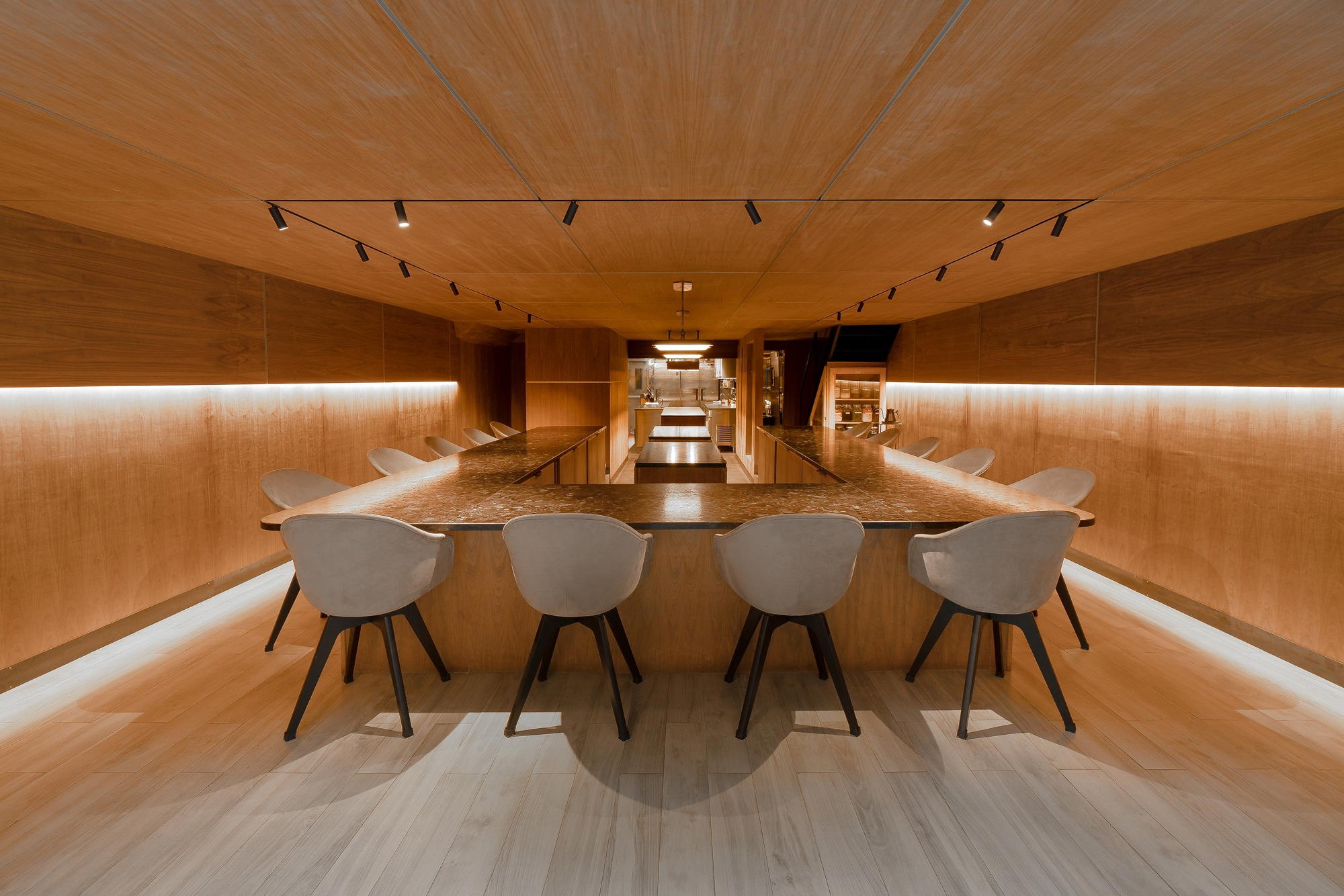
Bars in New York City
Browse all →

Hotels in New York City
Browse all →




At a Glance
- Lively
- Cozy
- Group Dining
- Casual Hangout
- Late Night
- Open Kitchen
- Sake Program
- Local Sourcing
- Street Scene
Current opening hours
- Monday
- 12–1 AM, 9 AM–12 AM
- Tuesday
- 12–1 AM, 9 AM–12 AM
- Wednesday
- 12–1 AM, 9 AM–12 AM
- Thursday
- 12–1 AM, 9 AM–12 AM
- Friday
- 12–1 AM, 9 AM–12 AM
- Saturday
- 12–6 AM, 9 AM–12 AM
- Sunday
- 12–6 AM, 9 AM–12 AM
Hours can change for holidays and private events. Last verified .
Busy and lively with a homey, welcoming feel across two floors, standard Korean restaurant decor, and city views from the upstairs for people-watching.