KOKUM
Our verdict
The Kokum London operates on East Dulwich Road in SE22, sitting within a south London neighbourhood that has developed a credible independent dining scene over the past decade. The name references kokum, the Konkan coast souring agent that distinguishes Goan and Mangalorean cooking from the tandoor-dominated register most London diners associate with Indian cuisine. For regulars who make the trip south, the draw is consistency and specificity rather than spectacle.

Pearl is the En Primeur Club membership app, where members save venues, book tables and use the concierge.

The menu
What to order
- Sticky pork ribs
- Lamb biryani
- Tandoori roast cauliflower
- Lamb chops
If You're Going to Cross the River for Indian Food in London, Make It This One
London's Indian restaurant conversation has long been anchored to a handful of postcodes: Mayfair's destination dining tier, the Drummond Street lunch circuit, Southall's regional specialists. The emergence of South Indian and coastal cooking as a serious category outside those corridors is a more recent shift, and East Dulwich sits at an interesting edge of it. The Kokum London, at 58–60 East Dulwich Road, addresses a gap that the central London market has been slow to fill: the Konkan coast's souring traditions, built around kokum fruit rather than the tamarind or tomato base that dominates most British-Indian menus.
That specificity is what brings regulars back. Not the occasion, not the room, but the fact that the kitchen is working from a narrower, more defined culinary vocabulary than most Indian restaurants operating at a comparable neighbourhood level in the city.
The Draw of a Defined Register
Kokum, the dried rind of Garcinia indica, produces a tartness that is softer and more floral than tamarind. It is the backbone of Goan fish curries, Malvani seafood preparations, and the sol kadhi digestif served along the western coast of India. These are not dishes that travel well into generic Indian restaurant menus, because they require sourcing discipline and a kitchen that understands the flavour architecture of the Konkan rather than improvising toward it.
The restaurant's name makes the editorial point for itself: this is a kitchen positioning against the broad-church approach to Indian cuisine that most London operators default to. Regulars who know Goan or Mangalorean cooking from source recognise what that positioning implies. Those who don't tend to arrive via recommendation and leave with a significantly recalibrated sense of what coastal Indian cooking can be outside the subcontinent.
South London's independent dining scene has matured considerably since the mid-2010s. East Dulwich, in particular, has developed a neighbourhood character built around local repeat custom rather than destination tourism, which shapes the kind of restaurant that thrives here. The dynamic is different from the central London tier occupied by CORE by Clare Smyth, Sketch, The Lecture Room and Library, or Restaurant Gordon Ramsay, where the operating logic is destination dining at ££££ price points. Here, the restaurant lives or dies on neighbourhood loyalty, and that changes what the kitchen optimises for.
What Keeps the Regulars Coming Back
The regulars at a restaurant like The Kokum are calibrated differently from the crowd at a headline tasting menu venue. They are not chasing a new chapter in a chef's career arc or ticking a recognition list. They are returning because the food does something specific that nowhere nearby does as well, and because familiarity with the menu has taught them where the kitchen's strengths concentrate.
In coastal Indian cooking, that tends to mean the fish preparations and the sourcing decisions behind them. Kokum's acidity interacts differently with seafood than with meat or lentil-based dishes; regulars at this kind of restaurant learn which dishes showcase that interaction most clearly, and they order accordingly. This is the unwritten menu dynamic that defines loyal neighbourhood patronage: the knowledge of what to order that doesn't appear in any formal recommendation but circulates through the local dining community.
The neighbourhood context matters here more than it would at a destination venue. East Dulwich regulars are often within walking or cycling distance; the relationship between kitchen and customer is iterative in a way that's structurally harder to sustain at a high-turnover central London address. That iterative quality, when it works, produces a more confident, less performative kitchen. The comparison isn't to The Ledbury or Dinner by Heston Blumenthal in terms of register; it's to the class of neighbourhood specialist that develops real authority within a narrow culinary lane rather than broad appeal across many.
For reference points further afield, the closest parallel in terms of coastal Indian specificity would be found in cities like Mumbai or Mangalore themselves, or in the handful of UK operators who have built menus around Konkan and Goan sourness rather than north Indian spice architecture. In the broader context of what premium independent dining looks like outside London, operators like L'Enclume in Cartmel and Moor Hall in Aughton demonstrate what deep regional specificity can produce when a kitchen commits to a single culinary territory. The ambition at The Kokum is similar in disposition, even if the context and price tier are different.
Getting There and Planning the Visit
The address at 58–60 East Dulwich Road places the restaurant on a stretch of SE22 that functions as a local high street with a cluster of independent food and drink operators. East Dulwich overground station (London Overground) is the most practical arrival point for those coming from central London. The journey from London Bridge takes approximately 15 minutes.
For broader context on eating and drinking in the capital, our full London restaurants guide covers the full range of the city's dining. Our London bars guide and our London hotels guide are useful for building a broader itinerary. For visitors using London as a base to reach celebrated countryside operations, The Fat Duck in Bray, Gidleigh Park in Chagford, Hand and Flowers in Marlow, and Le Manoir aux Quat' Saisons in Great Milton are within reasonable reach. For international comparison in coastal and precision-led cooking, Le Bernardin in New York City and Atomix in New York City represent the level at which regional specificity becomes international benchmark. Our London wineries guide and our London experiences guide round out the picture for visitors building a full itinerary around the city.
Address: 58–60 East Dulwich Road, London SE22 9AX. Getting there: East Dulwich Overground station is the closest rail point; the venue is on the main road and walkable from the station in under five minutes. Dress: No formal dress code specified; the neighbourhood setting suggests casual to smart-casual. Budget:
Frequently asked questions
Where exactly is The Kokum London?
The Kokum London is located at 58-60 E Dulwich Rd, London SE22 9AX, United Kingdom, London.
Is The Kokum London worth travelling across the city for, or is it primarily a neighbourhood restaurant?
The SE22 address puts it on a local high street stretch rather than a destination dining postcode, but the kitchen's Goan-specific focus, particularly its use of kokum as a defining souring agent, gives it a regional register that is not widely represented in London's Indian restaurant scene. That specificity is what tends to pull diners from outside the neighbourhood. How far you travel should depend on how much that Goan coastal register matters to you relative to the more established options in Mayfair or Drummond Street.
What do people recommend at The Kokum London?
The restaurant's identity is built around Goan coastal cooking, with kokum, the dried rind of Garcinia indica, appearing as a souring agent in fish-based dishes. That ingredient distinction is what draws repeat visitors from outside SE22.
What's the best way to book The Kokum London?
Searching the restaurant's name on Google Maps or a reservations platform like OpenTable or Resy will surface live booking options. Walk-ins may be viable for off-peak sittings, but this is worth confirming ahead of a special visit.
What's the signature at The Kokum London?
The name itself points to the answer: kokum, a souring agent used in Goan and coastal Maharashtrian cooking, distinguishes the kitchen's approach from the tamarind-led profiles common across much of London's Indian restaurant offering. It produces a softer, more floral acidity that shapes the character of fish curries in particular. That regional specificity is the clearest marker of what the kitchen is doing.
Can The Kokum London adjust for dietary needs?
The Goan coastal focus means fish and shellfish feature prominently, but Goan cooking also has a documented tradition of vegetable and lentil preparations. Contacting the restaurant directly at 58–60 East Dulwich Road, SE22 9AX, before your visit is the practical step.
Cuisine and Awards Snapshot
Comparable venues nearby, for context on price, style, and recognition.
| Venue | Cuisine | Price | Notes |
|---|---|---|---|
| The Kokum LondonThis venue (the venue you are viewing) | Modern Indian | $50–100 | Not listed |
| Salloos | Traditional Pakistani and North Indian | $50–100 | Belgravia |
| Porte des Indes | French-Creole Indian Fusion | Not listed | Marble Arch |
| Tsaretta Spice | Modern Indian Tapas | Not listed | Twickenham |
| The India - City Road | Authentic Indian | $20–30 | St Luke's |
| Gaylord | Traditional Mughlai Indian | Not listed | Cubitt Town |
Continue exploring
More in London
Restaurants in London
All restaurants in London →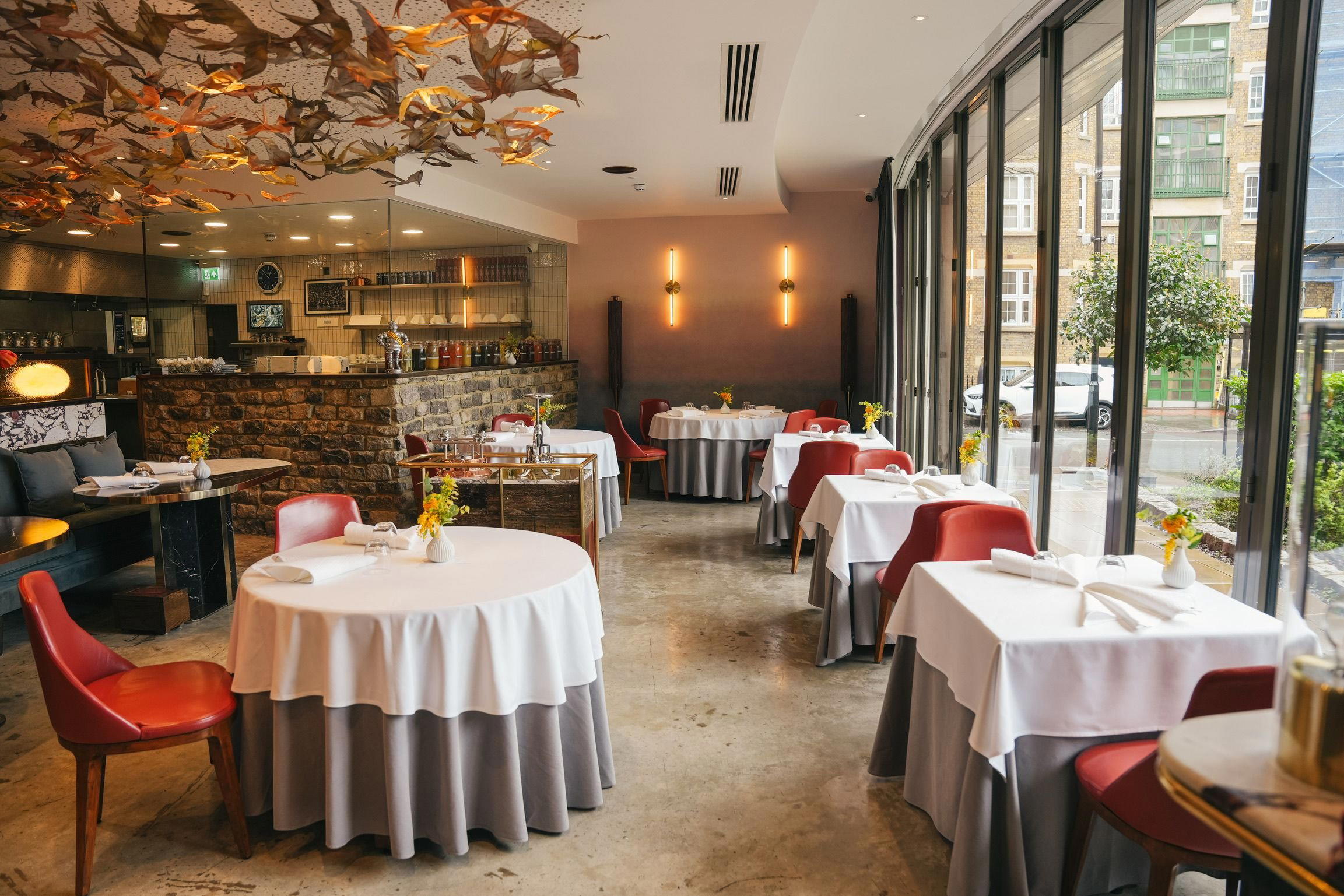
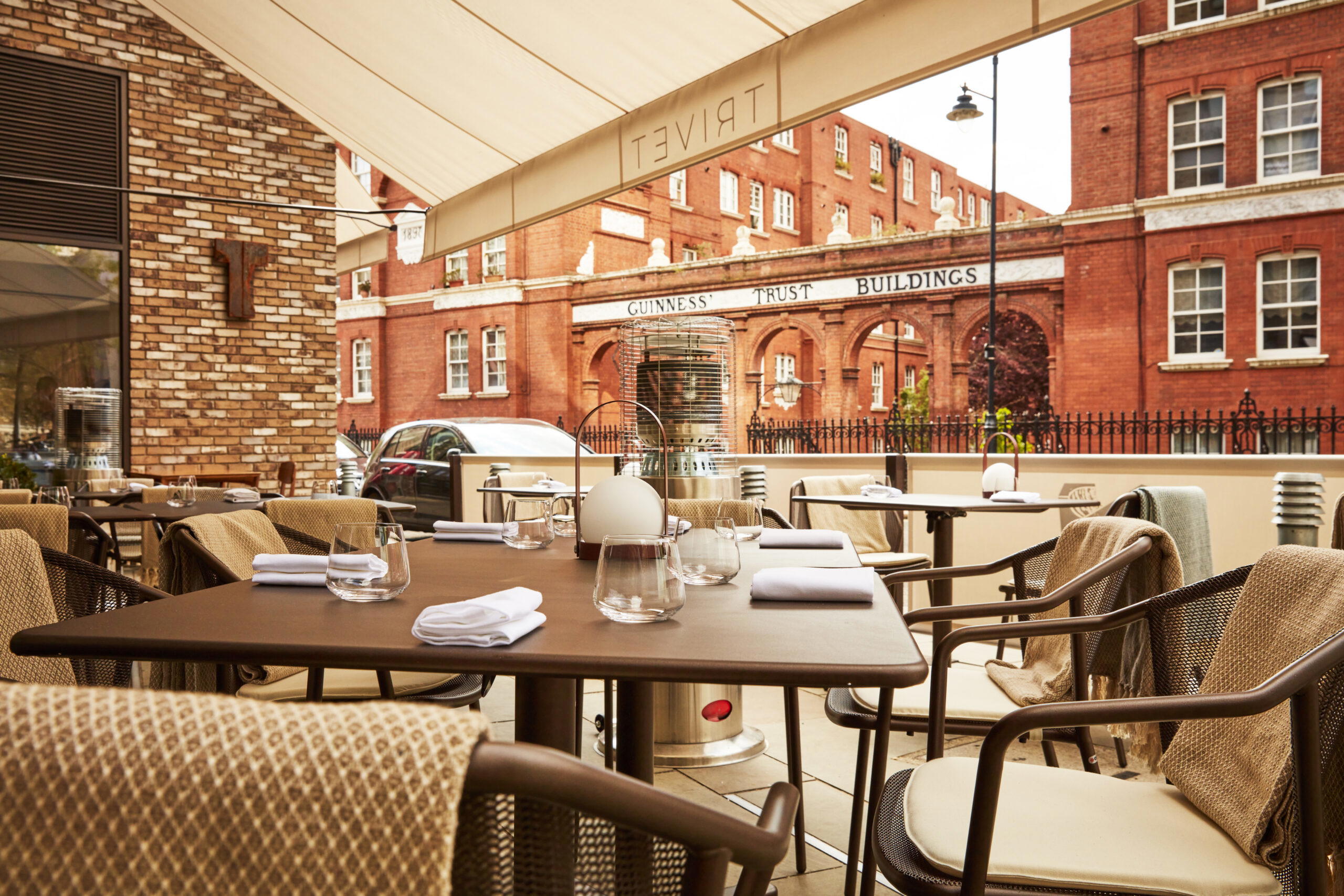
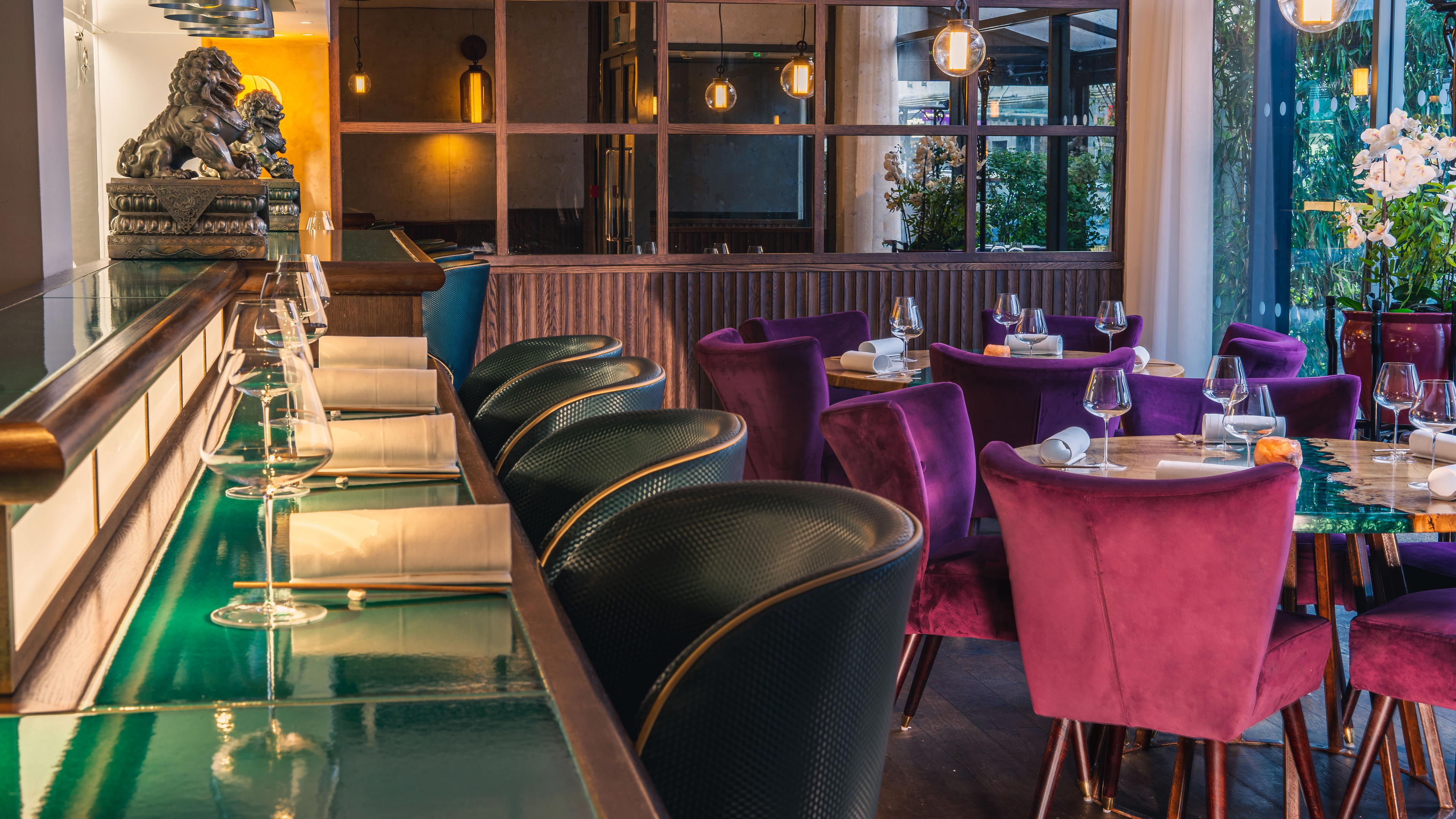
Bars in London
All bars in London →
Hotels in London
All hotels in London →

Details
- Modern
- Elegant
- Trendy
- Date Night
- Group Dining
- Special Occasion
- Open Kitchen
- Craft Cocktails
- Small Plates
- A La Carte
- Vegetarian Friendly
Current opening hours
- Monday
- Closed
- Tuesday
- 5–10:30 PM
- Wednesday
- 5–10:30 PM
- Thursday
- 5–10:30 PM
- Friday
- 5–10:30 PM
- Saturday
- 12–10:30 PM
- Sunday
- 12–8:30 PM
Hours can change for holidays and private events. Hours as of .
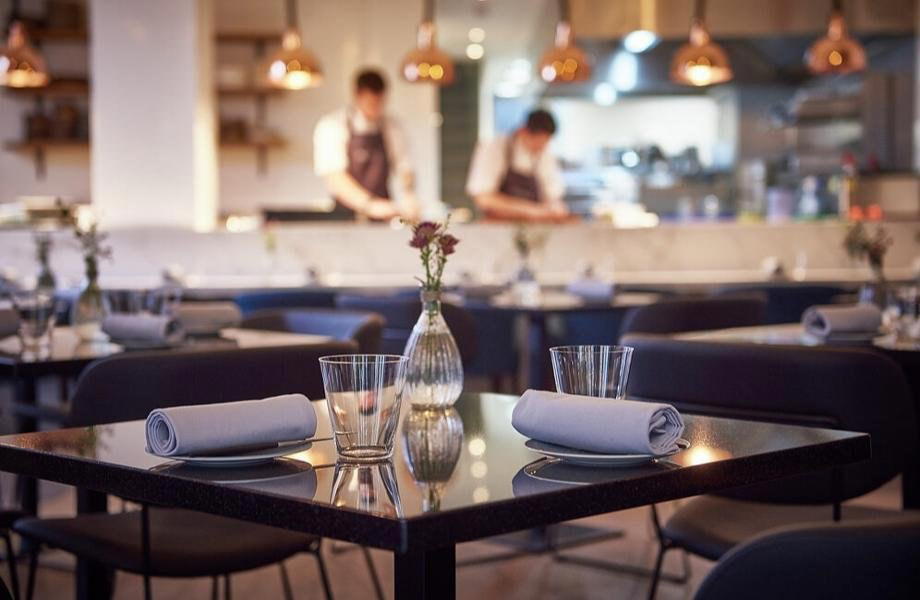
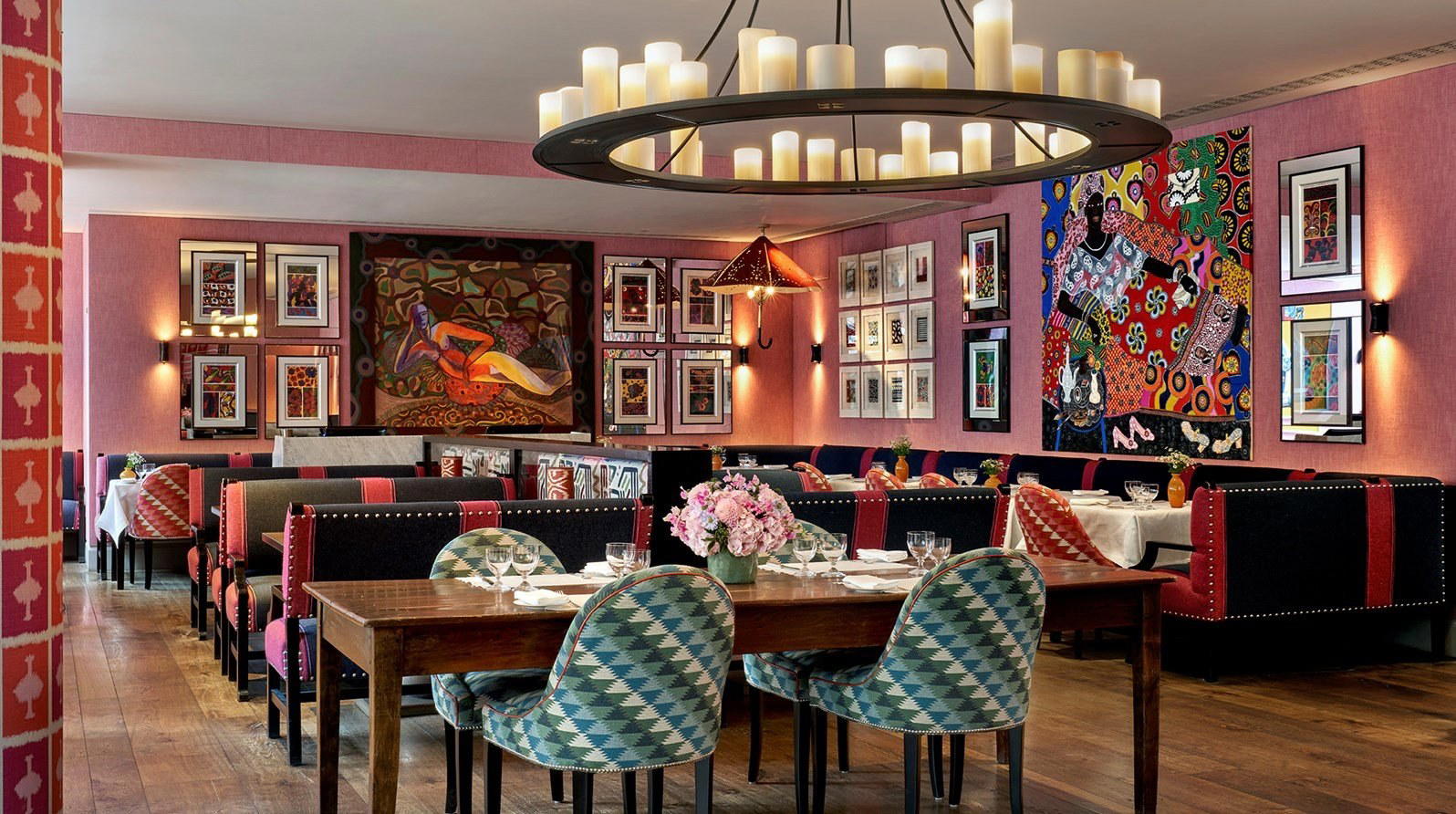
Modern industrial space with white brick walls, leather booths, lantern lighting, high ceilings, and a stylish bar area creating a relaxed yet sophisticated atmosphere.