The Devonshire






A three-storey Soho pub restored to working-pub form, The Devonshire at 17 Denman Street pairs a ground-floor Guinness counter with an upstairs Grill Room built around a wood ember open-fire grill and Scottish dry-aged beef butchered on-site. Michelin Plate recognition in both 2024 and 2025 confirms its place in London's tighter tier of serious gastropubs. Booking well ahead is advisable.
Pearl is the En Primeur Club membership app — saves, bookings, and concierge access live there. Same editors, same standards.
- Address
- The Devonshire, 17 Denman St, London W1D 7HW, United Kingdom
- Website
- devonshiresoho.co.uk
- Directions
- Get directions
 Saves & bookings on Pearl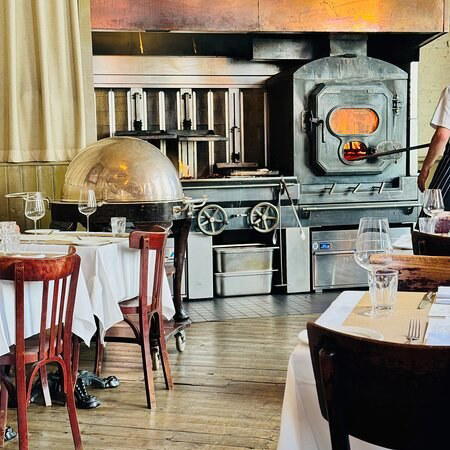
The Pub as an Ethical Sourcing Argument
Soho's dining scene has spent two decades moving away from the traditional British pub format, replacing it with small-plate wine bars and high-concept tasting menus. The Devonshire, on Denman Street in Soho, is a floor-by-floor public house built around genuine sourcing rigour and open-fire cookery. Michelin awarded it a Plate in both 2024 and 2025, which in practical terms means the inspectors judged the cooking worth seeking out, not merely acceptable for the format.
The ethical core of what happens here sits in the supply chain before anything reaches the grill. The kitchen sources Scottish beef, dry-ages it in-house, and runs an on-site butchery operation under a dedicated head butcher. That vertical integration, where the provenance is verified, the aging is controlled, and the trim and secondary cuts stay within the building, is a more considered approach to waste and traceability than most London restaurants at four times the price point manage. It also means the kitchen is working with beef at a stage of preparation most grill restaurants outsource entirely.
Wood Embers, Not Charcoal
The decision to build around a three-metre wood ember grill rather than a conventional charcoal setup carries both practical and environmental implications. Wood embers, sourced from specific timber, burn at a different temperature profile than charcoal briquettes and impart a flavour that varies with the wood used. The choice also signals a deliberate position: this is not a steakhouse operating off the same infrastructure as a hundred other London grill rooms. Open-fire cookery of this kind demands more attention from the cook and more consistency from the sourcing team, since the fuel itself is part of the flavour. For a Soho pub at the ££ price tier, that represents a significant operational commitment.
Cooking style this produces sits within a wider British tradition of letting quality produce define the dish rather than technique obscure it. Dishes are described as traditional in style with the produce doing the primary work. Bone-in ribeye, dry-aged to concentrate flavour, and a beef chop running up to 1.6kg are the anchor cuts. Classic accompaniments, duck fat chips, creamed leeks, reinforce that the kitchen is working within a clearly defined register rather than reaching for novelty. In a London grill market crowded with fusion inflections and international beef imports, that restraint reads as a deliberate stance.
Three Floors, Three Registers
Devonshire's architecture gives it a range of uses that a single-room restaurant cannot replicate. The ground floor operates as a proper pub, with drinkers at the bar and pints of Guinness as the primary business. That is not a staging area for the restaurant above; it is a functioning pub space, and the distinction matters. It means the building carries the social logic of a British public house, a place where you do not need a reservation to belong, while the floors above operate to a different, more structured dining rhythm.
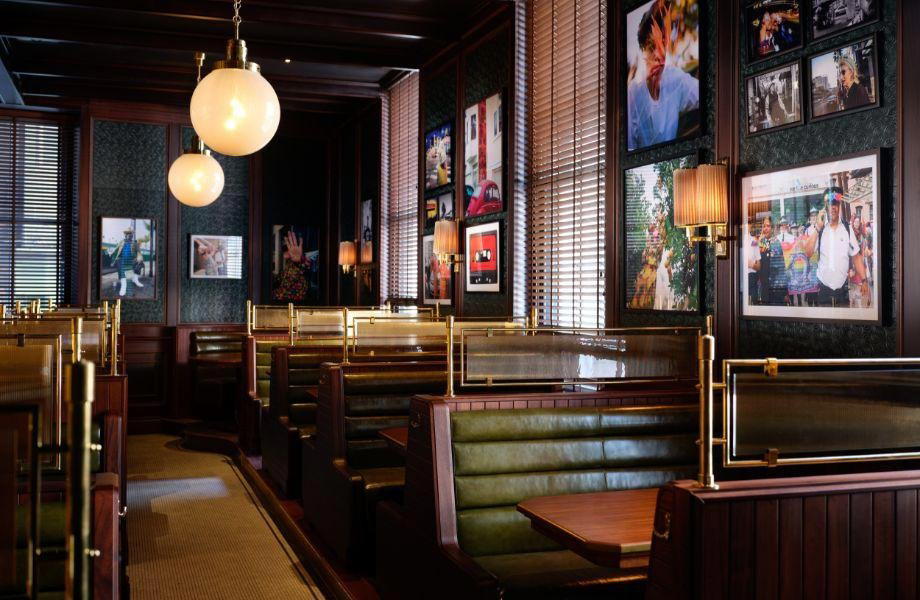
Grill Room on the first floor is where most of the cooking happens, with wood-panelled walls, white tablecloths, and period lighting creating an atmosphere closer to a classic British dining room than a contemporary restaurant interior. The Claret Room on the leading floor offers a quieter register again, suited to occasions where the ambient energy of the floors below would be distracting. This vertical layering, from casual pub to formal dining room within a single building, reflects how the better end of the London gastropub tradition has developed: not by abandoning the pub format but by building serious food operations inside it.
Where The Devonshire Sits in the London Grill Conversation
London's grill and traditional British dining tier spans a wide price range. At the upper end, rooms like Dinner by Heston Blumenthal and 45 Jermyn St operate at price points that frame the meal as an event. Bob Bob Ricard Soho, a near neighbour, pitches itself at theatrical occasion dining with a premium-heavy drinks list. The Devonshire operates at ££, which in the context of its sourcing model and Michelin recognition represents a meaningful value position. You are paying a midrange price for beef that has been dry-aged and butchered on-site, cooked on a wood ember grill by a kitchen led by Ashley Palmer-Watts and Jamie Guy.
Ashley Palmer-Watts's connection to The Fat Duck in Bray is especially relevant credential here, not as a biographical detail but as a signal about the kitchen's baseline standards. Ashley Palmer-Watts brings a pedigree in technical cooking and ingredient discipline. Head Chef Jamie Guy's background at Hix Restaurants adds a different thread: Hix's project was always about celebrating British provenance, seasonal British ingredients, and a kind of unfussy patriotism about the food of these islands. Together, those influences shape a kitchen that is interested in doing traditional British cooking well rather than reimagining it.
Hand and Flowers in Marlow occupies a similar space philosophically, a pub format carrying serious culinary ambition. Pipe and Glass in South Dalton operates on the same principle in Yorkshire. L'Enclume in Cartmel, Moor Hall in Aughton, and Gidleigh Park in Chagford sit further up the formality and price scale, but share the same underlying commitment to British sourcing as a foundation. Le Manoir aux Quat' Saisons in Great Milton represents what happens when that sourcing ethic is pushed to its most elaborate expression. The Devonshire applies those values at a pub price point in Soho.
What Regulars Order
The cuts from the wood ember grill are the reason regulars return. The bone-in ribeye and the beef chop anchor the menu, and both reflect the kitchen's investment in the dry-aging and butchery program: these are not steaks that would taste the same if the sourcing were changed. The classic British sides, duck fat chips and creamed leeks among them, are ordered because they work with aged beef cooked over wood, not as afterthoughts. Michelin Plate recognition in 2025 signals consistency.
The service is highly personable, reading as pub-warm rather than restaurant-formal even upstairs. For a Soho crowd that tends to arrive expecting to relax rather than perform, that calibration matters as much as what arrives on the plate.
Planning Your Visit
Devonshire is at 17 Denman Street, London W1D 7HW, a short walk from Piccadilly Circus. Michelin Plate recognition in both 2024 and 2025 places it within a verified tier of London cooking. Booking the Grill Room upstairs ahead of time is strongly advisable; the ground-floor pub operates on a walk-in basis. Price range sits at ££.
Credentials Lens
Comparable venues nearby, for context on price, style, and recognition.
| Venue | Cuisine | Price | Awards | Notes |
|---|---|---|---|---|
| The DevonshireThis venue — the venue you are viewing | British Gastropub Grill | $$$ | Michelin Plate | Not listed |
| Sael | Modern British Brasserie | $$$ | Michelin Plate | St. James's |
| Rules | Traditional British Fine Dining | $$$$ | Michelin Plate | Covent Garden |
| Counter 71 | Modern British Tasting Menu | $$$ | Michelin Plate | Hoxton |
| Cloth | Modern British Bistro | $$$ | Michelin Plate | Smithfield |
| Stanley's | Seasonal British Small Plates | $$$ | Michelin Plate | Chelsea |
Recognition history
Dated appearances from independent guides and award organizations, with the underlying list record or original source where available.
Michelin Plate
Michelin
National Restaurant Awards Top 100 #18 · No. 18
National Restaurant Awards · 2026 National Restaurant Awards Top 100
National Restaurant Awards Gastropub of the Year
National Restaurant Awards · 2026 National Restaurant Awards - Gastropub of the Year
Opinionated About Dining Casual in Europe Ranked #134
Opinionated About Dining
Top 50 Gastropubs 2026 Estrella Damm Top 100 Gastropubs #1
Top 50 Gastropubs
World's Best Steaks 101 Best Steak Restaurants #45
World's Best Steaks
Michelin Plate
Michelin
National Restaurant Awards Gastropub of the Year
National Restaurant Awards
National Restaurant Awards Top 100 #12
National Restaurant Awards
The Good Food Guide GFG Good
The Good Food Guide
World's Best Steaks 101 Best Steak Restaurants #70
World's Best Steaks
Michelin Plate
Michelin
Continue exploring
More in London
Restaurants in London
Browse all →
Bars in London
Browse all →
Hotels in London
Browse all →

At a Glance
- Lively
- Classic
- Energetic
- Group Dining
- Casual Hangout
- After Work
- Open Kitchen
- Historic Building
- Craft Cocktails
- Beer Program
Current opening hours
- Monday
- 11 AM–11 PM
- Tuesday
- 11 AM–11 PM
- Wednesday
- 11 AM–11 PM
- Thursday
- 11 AM–11 PM
- Friday
- 11 AM–11 PM
- Saturday
- 11 AM–11 PM
- Sunday
- 11 AM–10 PM
Hours can change for holidays and private events. Last verified .
Busy and atmospheric with a crowded bar downstairs and grill-focused dining rooms upstairs, though tables are tightly packed creating a loud environment.