Gaylord
Gaylord in Island Gardens, East London, occupies a corner of the city where the Indian restaurant tradition runs deeper than most visitors expect. The address on Manchester Road places it in a neighbourhood that rewards those who look beyond the centre, where the cooking tends to be less performative and more focused on the plate. For context on how this fits within London's broader dining map, our full city guide covers the wider scene.
- Address
- 141 Manchester Rd, Island Gardens, London E14 3DN, United Kingdom
- Phone
- +442075380393
- Website
- thegaylord.co.uk
- Directions
- Get directions
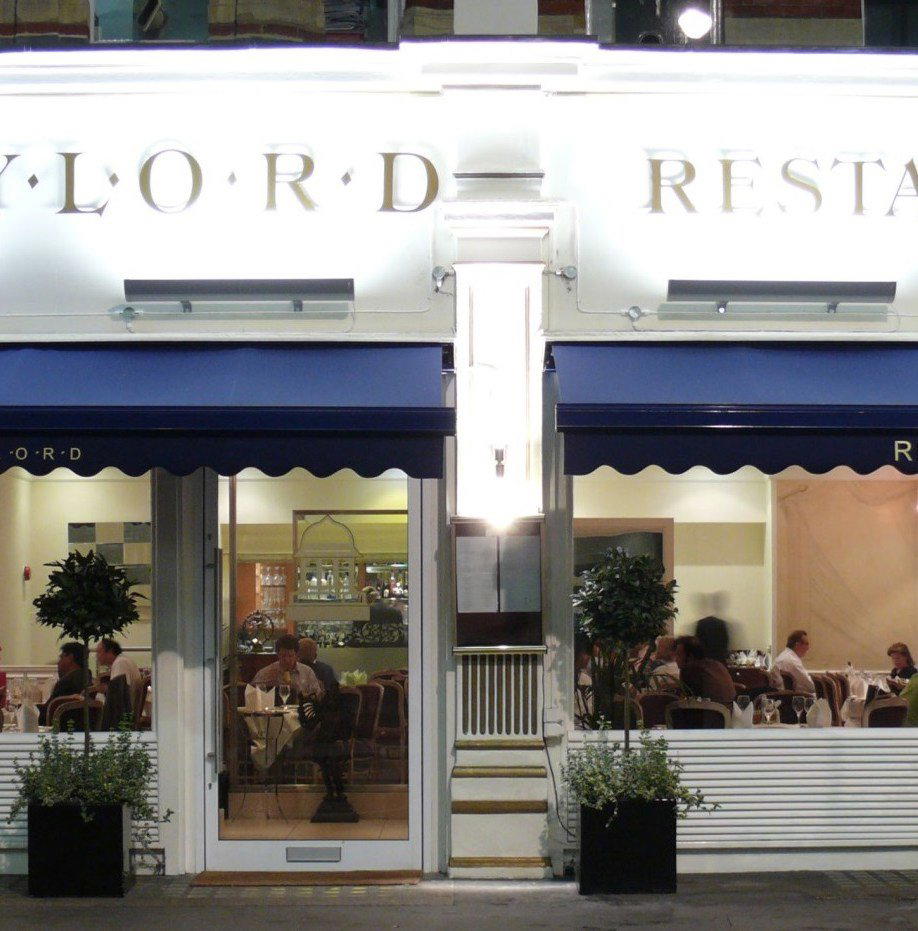
Island Gardens and the Indian Restaurant Tradition in East London
East London's relationship with Indian cooking is long and layered. The concentration of South Asian communities across the borough of Tower Hamlets and surrounding areas has produced a restaurant culture that operates at a different register from the polished subcontinental dining rooms of Mayfair or Marylebone. Where the West End tends toward theatrical tasting menus and carefully lit interiors designed for a particular kind of occasion, the eastern corridor of the city has historically been where the cooking itself carries more weight than the room. Island Gardens, tucked at the southern tip of the Isle of Dogs and overlooking the Thames toward the Cutty Sark, sits at the quieter, less trafficked end of that tradition.
The address on Manchester Road puts Gaylord in a residential pocket that most London dining coverage passes over entirely. The DLR station at Island Gardens is a short walk away, making the journey direct from Canary Wharf or the City, but the neighbourhood itself feels removed from the financial district's pace. This is not a destination strip with queues and social media visibility. It is the kind of address where a restaurant's longevity depends on the regulars rather than the tourists, and where the cooking has to justify a return visit rather than simply a first one.
What the Neighbourhood Asks of Its Restaurants
Across London, the strongest Indian restaurants outside the centre tend to share certain characteristics: menus that do not feel calibrated for a nervous outsider audience, spice levels that are negotiated rather than pre-emptively reduced, and a kitchen that has been cooking the same dishes long enough to have developed a point of view on them. These are not universal rules, but they describe a pattern that holds across East and South London more often than it does in the tourist corridors of the West End.
Gaylord on Manchester Road occupies that kind of space. The venue's record does not list awards or a chef profile. In the London restaurant economy, that absence tends to signal one of two things, either a kitchen that has not yet attracted attention, or one that has built its audience quietly over years without needing it. For a restaurant in Island Gardens, the latter is the more plausible reading. The neighbourhood is not a launching pad for ambition-driven openings. It is where restaurants that work tend to persist.
The Sensory Register of an East London Indian Dining Room
The sensory experience of eating at the better-established Indian restaurants in this part of the city tends to follow a particular grammar. The approach is rarely minimalist. Warmth dominates, in the lighting, in the temperature of the room, in the way dishes arrive trailing fragrance ahead of themselves. The repertoire in kitchens like this one typically draws on North Indian and Mughal influences: slow-cooked braises, clay oven breads, dishes built around layers of dry-roasted spice rather than fresh herb brightness. The smell of a functioning tandoor at service pace is distinct from almost anything else in a dining room, an accumulation of heat, smoke, and charred dough that registers before you reach your table.
What can be said is that Indian restaurants operating at this kind of community-facing address in East London are often most confident in their bread programme and in the slower-cooked meat dishes, the places where technique is cumulative and time is the primary ingredient. The cooking that tends to travel least well in translation, and therefore tends to be most honestly represented in neighbourhood kitchens rather than in central London showcase rooms, is precisely this kind of food.
Placing Gaylord Against the Broader London Dining Map
London's premium dining tier, concentrated in the West End and Kensington, operates on a different axis entirely. Restaurants like CORE by Clare Smyth, Restaurant Gordon Ramsay, Sketch, The Lecture Room and Library, The Ledbury, and Dinner by Heston Blumenthal occupy the Michelin-decorated tier of the city's restaurant economy, where booking lead times run to months and the price-per-head signals intention before the meal begins. Gaylord in Island Gardens is positioned at a completely different point in the market. The comparison is not competitive, it is contextual. Understanding where a neighbourhood Indian restaurant sits relative to the city's flagship dining rooms helps clarify what kind of meal you are choosing and what you are paying for.
The gap between those two poles is where the city's most interesting eating often happens.
Further afield in the UK, the decorated restaurant tier includes destinations that operate under different conditions from a London neighbourhood dining room: Waterside Inn in Bray, L'Enclume in Cartmel, Moor Hall in Aughton, Gidleigh Park in Chagford, and Hand and Flowers in Marlow all require travel and planning of a different order. In the midlands and the regions, kitchens like Opheem in Birmingham show what contemporary Indian cooking at a Michelin-decorated level looks like when it operates with serious intent and a defined point of view. Hide and Fox in Saltwood, Midsummer House in Cambridge, Ynyshir Hall in Machynlleth, and Restaurant Andrew Fairlie in Auchterarder each represent a specific regional context and cooking tradition worth understanding separately. Internationally, the contrast is even more pronounced: Le Bernardin in New York City and Lazy Bear in San Francisco define what the American fine dining tier looks like when it operates at its most technically demanding.
Planning a Visit
Island Gardens DLR station serves the address directly. The neighbourhood is quieter in the evenings than the surrounding Canary Wharf area, and the restaurant sits in a residential stretch of Manchester Road rather than a commercial cluster. Reservations are recommended.
A Credentials Check
Comparable venues nearby, for context on price, style, and recognition.
| Venue | Cuisine | Price | Notes |
|---|---|---|---|
| GaylordThis venue — the venue you are viewing | Traditional Mughlai Indian | $$$ | Not listed |
| Black Salt | Modern Indian | $$$ | Mortlake |
| Annayu | Modern Indian Fine Dining | $$$ | Harlington |
| The India | Traditional North Indian Cuisine | $$$ | Holborn |
| Gunpowder Soho | Modern Regional Indian | $$$ | Soho |
| Chourangi | Calcutta Indian Cuisine | $$$ | Marble Arch |
Continue exploring
More in London
Restaurants in London
Browse all →
Bars in London
Browse all →
Hotels in London
Browse all →



At a Glance
- Classic
- Elegant
- Date Night
- Group Dining
- Special Occasion
- Historic Building
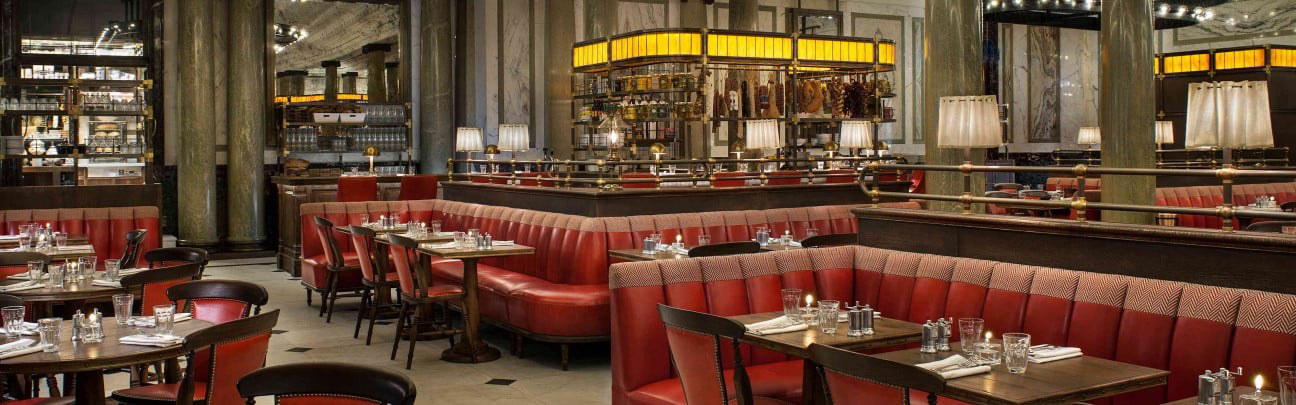
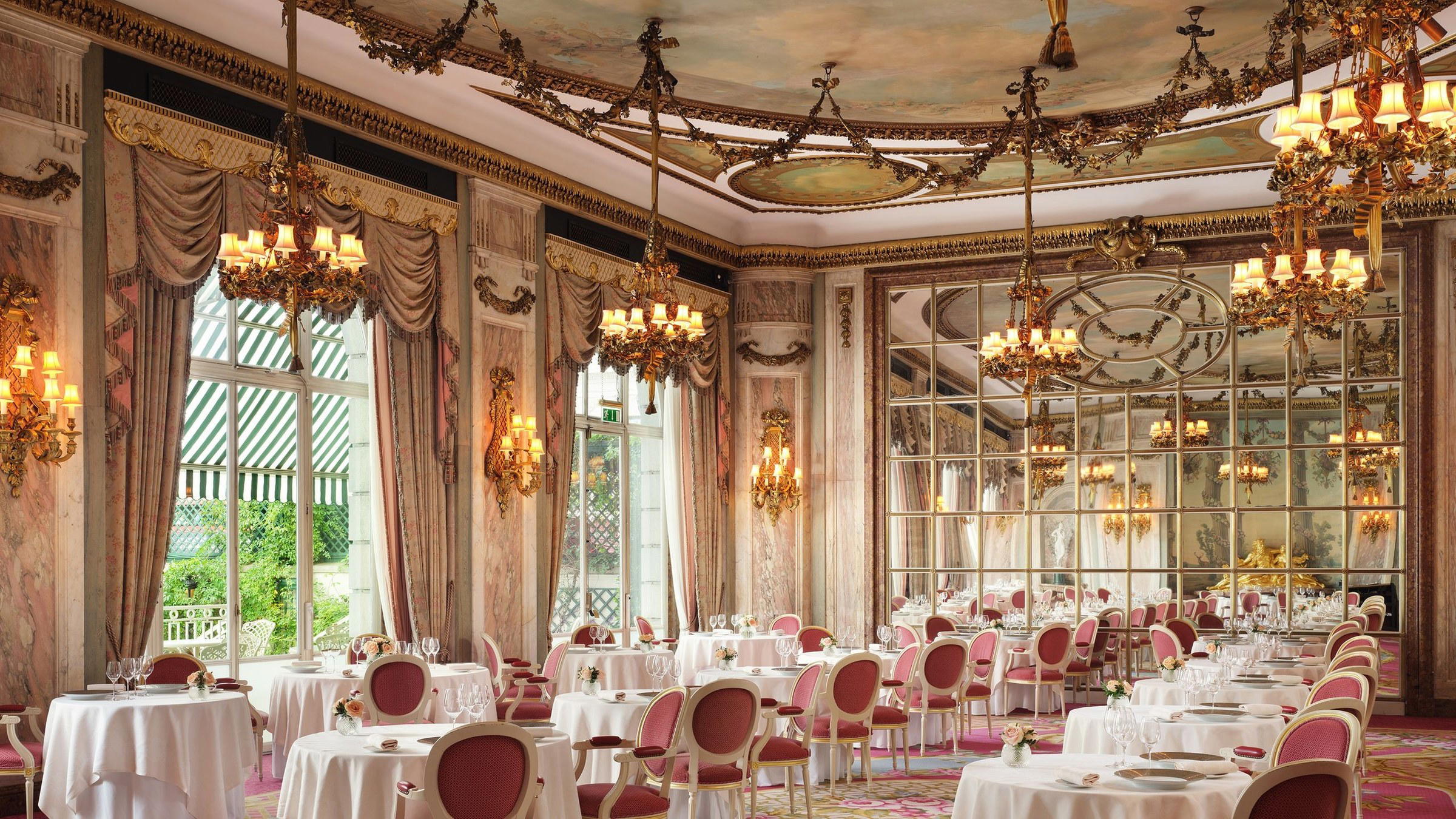
Smart minimalist interior with white tablecloths, focusing on warm and friendly traditional dining atmosphere.