The Kitchen American Bistro
The Kitchen American Bistro has been part of Denver's LoDo dining conversation long enough to have weathered multiple shifts in what the city expects from a neighbourhood restaurant. Anchored on Wazee Street in the lower downtown corridor, it occupies the middle ground between casual and considered, a register that has become harder to sustain as Denver's dining ambitions have climbed.
 Discover on Pearl
Pearl is the En Primeur Club membership app — saves, bookings, and concierge access live there. Same editors, same standards.
- Address
- 1560 Wazee St, Denver, CO 80202
- Phone
- +1 303 623 3127
- Website
- thekitchen.com
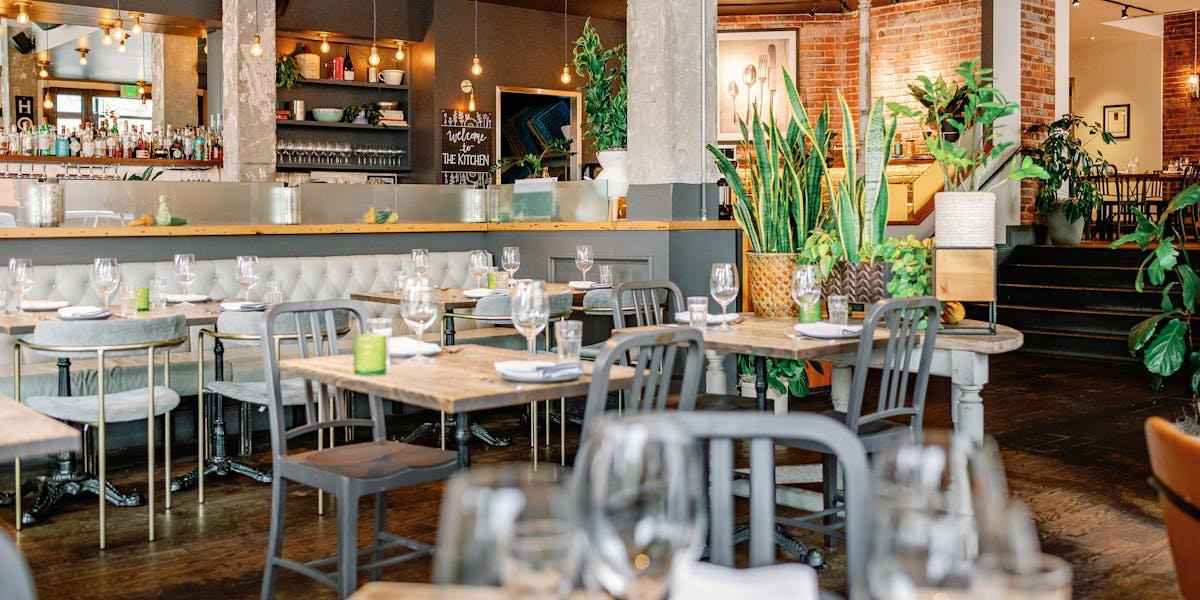
Wazee Street and the Changing Weight of 'Bistro'
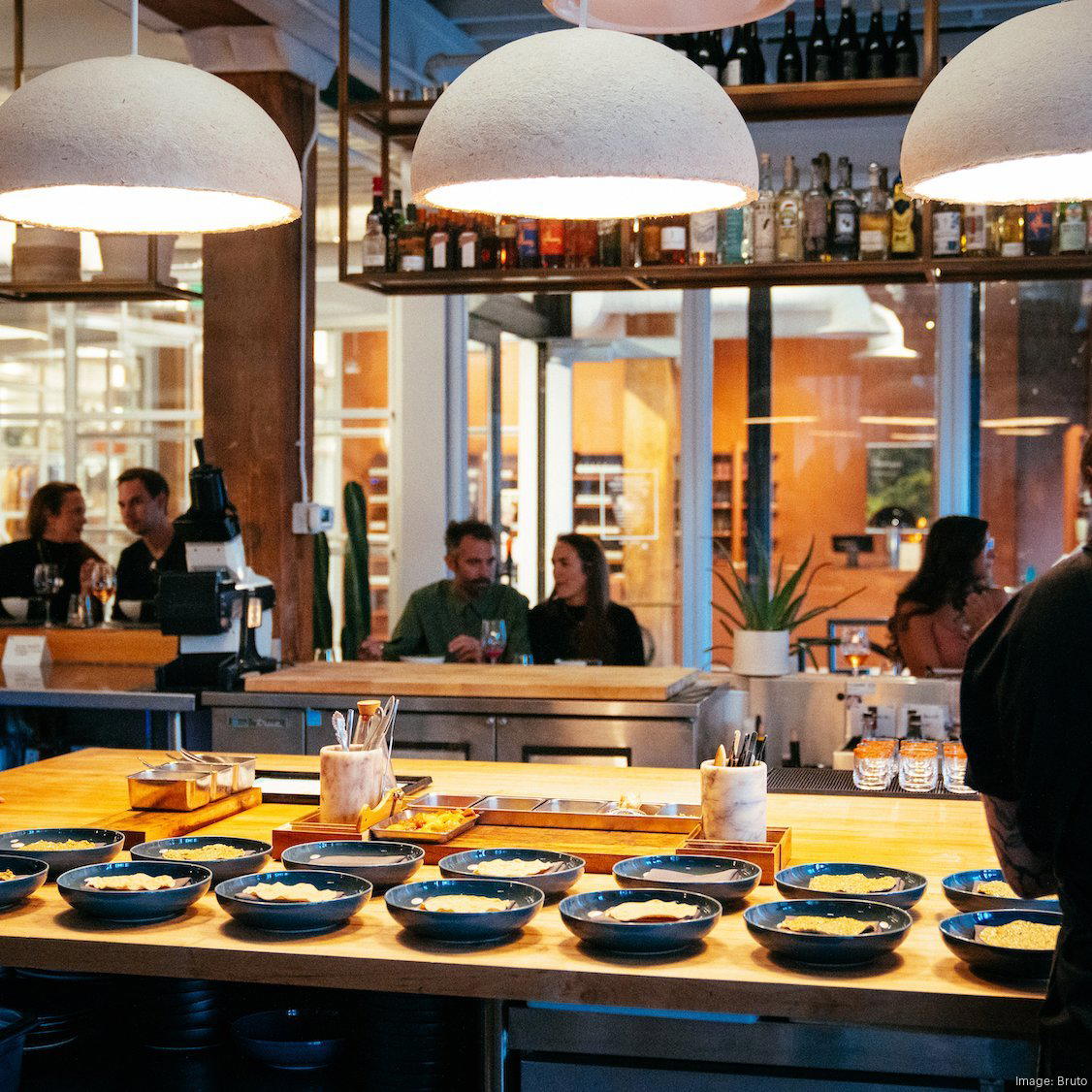
Lower downtown Denver has gone through at least two distinct personalities in the past twenty years. The first was post-reclamation grit: repurposed brick warehouses, sports-bar overflow from Coors Field, and a handful of early independents banking on neighbourhood momentum. The second is the version that exists now, a corridor where a $$$$ tasting counter like Brutø (Contemporary) and a technically precise New American room like The Wolf's Tailor set the reference points for ambition. Into that context, The Kitchen American Bistro is a restaurant in Denver's LoDo district, serving American Bistro with Global Influences at a smart casual, reservation-recommended address on Wazee Street.
In American restaurant culture, it has historically signalled approachability without casualness, a room where the cooking is deliberate but the atmosphere doesn't demand ceremony. That positioning held comfortably in the 2000s and early 2010s, when Denver's dining scene was still consolidating. It became a more contested space as the city's restaurant culture matured and the distance between a neighbourhood staple and a destination room began to collapse.
The Bistro Format Under Pressure
What has happened to the American bistro category nationally is worth understanding before assessing any single example of it. At one end, fast-casual formats absorbed the "approachable and good" space with lower price points and higher throughput. At the other end, New American tasting menus colonised the "serious but not French" space with chef-driven precision. The bistro, sitting in the middle, had to decide whether it was moving toward one pole or the other, or finding a third definition for itself.
Across American cities, the restaurants that have navigated this most successfully tend to share a few traits: consistent execution on a tight, seasonally adjusted menu; a beverage program that earns its own following; and a room that feels purposeful rather than merely functional. Comparable trajectories can be seen at Lazy Bear in San Francisco, which pivoted from supper club to structured tasting room, or in the way Smyth in Chicago refined its format over successive seasons. Even the most formally ambitious American rooms, Le Bernardin in New York City, The French Laundry in Napa, The Inn at Little Washington, arrived at their current identities through iteration, not stasis.
For The Kitchen American Bistro, the evolution question is whether its Wazee Street address has kept pace with the neighbourhood's appetite, or whether it functions as a counterpoint to the more maximalist restaurants now surrounding it, deliberately lower-key in a corridor trending upward.
Denver's Mid-Market and Where The Kitchen Sits
Denver's restaurant scene now has a clearer upper tier than it did a decade ago. Rooms like Beckon (Contemporary) operate on reservation-only, fixed-menu models that price well above the bistro bracket. Alma Fonda Fina (Mexican) and Annette represent the neighbourhood-driven, ingredient-focused middle tier, restaurants where the cooking is chef-led but the format stays accessible. That is the competitive set The Kitchen American Bistro most directly occupies, and it is a set that has become significantly more crowded and more technically accomplished since the restaurant opened.
The LoDo corridor specifically draws a mix of visitors staying in the area's hotels, pre-event diners from the Coors Field and Ball Arena catchment, and local regulars who prioritise reliability over novelty. A bistro format serves all three audiences reasonably well, it is the kind of room that doesn't require prior research to enter comfortably, which gives it a floor of demand that more format-specific restaurants don't share. What it sacrifices in exchange is the kind of singular identity that generates destination travel. You don't find The Kitchen American Bistro referenced in the same breath as Blue Hill at Stone Barns in Tarrytown or Single Thread Farm in Healdsburg, rooms where format, sourcing, and chef vision have fused into something that draws visitors from other cities. Nor is it trying to. Its comparable set is local, which is not a criticism; it simply defines what kind of restaurant this is.
American Bistro Cooking and What It Demands
The American bistro, at its most coherent, draws on European bistro logic, reliable French or broadly Continental cooking technique applied to American ingredients and proportions, while adapting to local seasonal supply. The category's leading examples tend to anchor around a few dishes that demonstrate real technique: a properly executed braise, a composed salad that respects its components, proteins treated with patience rather than shortcuts. The cooking doesn't need to be revelatory, but it needs to be honest about what it is. The worst examples of the format are the ones that dress up pedestrian execution in bistro vocabulary, calling something a "cassoulet" or a "steak frites" when the ambition stops at the menu description.
For Denver specifically, the American bistro format connects to a broader regional conversation about Rocky Mountain produce and the cattle ranching traditions of the Front Range. The city has been building a locavore infrastructure, small farms, regional cheesemakers, craft producers, that gives kitchens at this tier access to ingredients that would have required considerably more effort or expense a decade ago. How a restaurant in this format uses that infrastructure says something about where its cooking is actually pointing.
Planning a Visit
The Kitchen American Bistro is located at 1560 Wazee Street in LoDo, within walking distance of Union Station and the lower downtown hotel cluster, which makes it logistically convenient for visitors staying in that corridor.
- Crispy Cauliflower
- Carrots with Whipped Feta
- Cast Iron Roasted Chicken
- Lobster Roll
- Pork Chop with Rye Spaetzle
- Mousse Dome
A Credentials Check
Comparable venues nearby, for context on price, style, and recognition.
| Venue | Cuisine | Price | Awards | Notes |
|---|---|---|---|---|
| The Kitchen American BistroThis venue — the venue you are viewing | American Bistro with Global Influences | $$$ | , | |
| Corridor 44 | Modern American Champagne Bar | $$$ | , | LoDo |
| Corinne Denver | Contemporary American Bistro | $$$ | , | Central Business District |
| Former Saint Craft Kitchen and Taps | Contemporary Colorado American | $$$ | , | Central Business District |
| The Bindery | New American Fine Dining | $$$ | , | Highland |
| Madeline | Seasonal American Bistro | $$$ | , | Country Club |
Continue exploring
More in Denver
Restaurants in Denver
Browse all →
Bars in Denver
Browse all →
Hotels in Denver
Browse all →
Wineries in Denver
Browse all →
At a Glance
- Modern
- Elegant
- Lively
- Sophisticated
- Date Night
- Business Dinner
- Group Dining
- Casual Hangout
- Brunch
- After Work
- Private Dining
- Terrace
- Open Kitchen
- Design Destination
- Craft Cocktails
- Beer Program
- Extensive Wine List
- Farm To Table
- Local Sourcing
- Street Scene
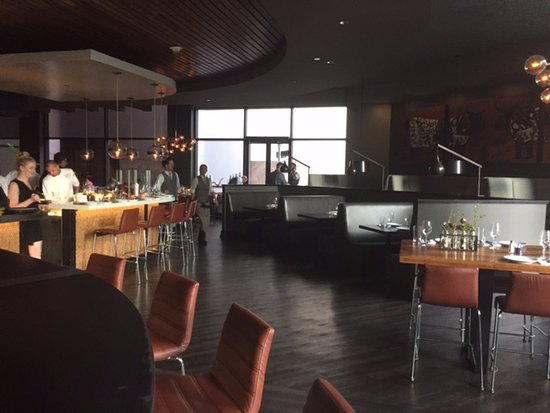
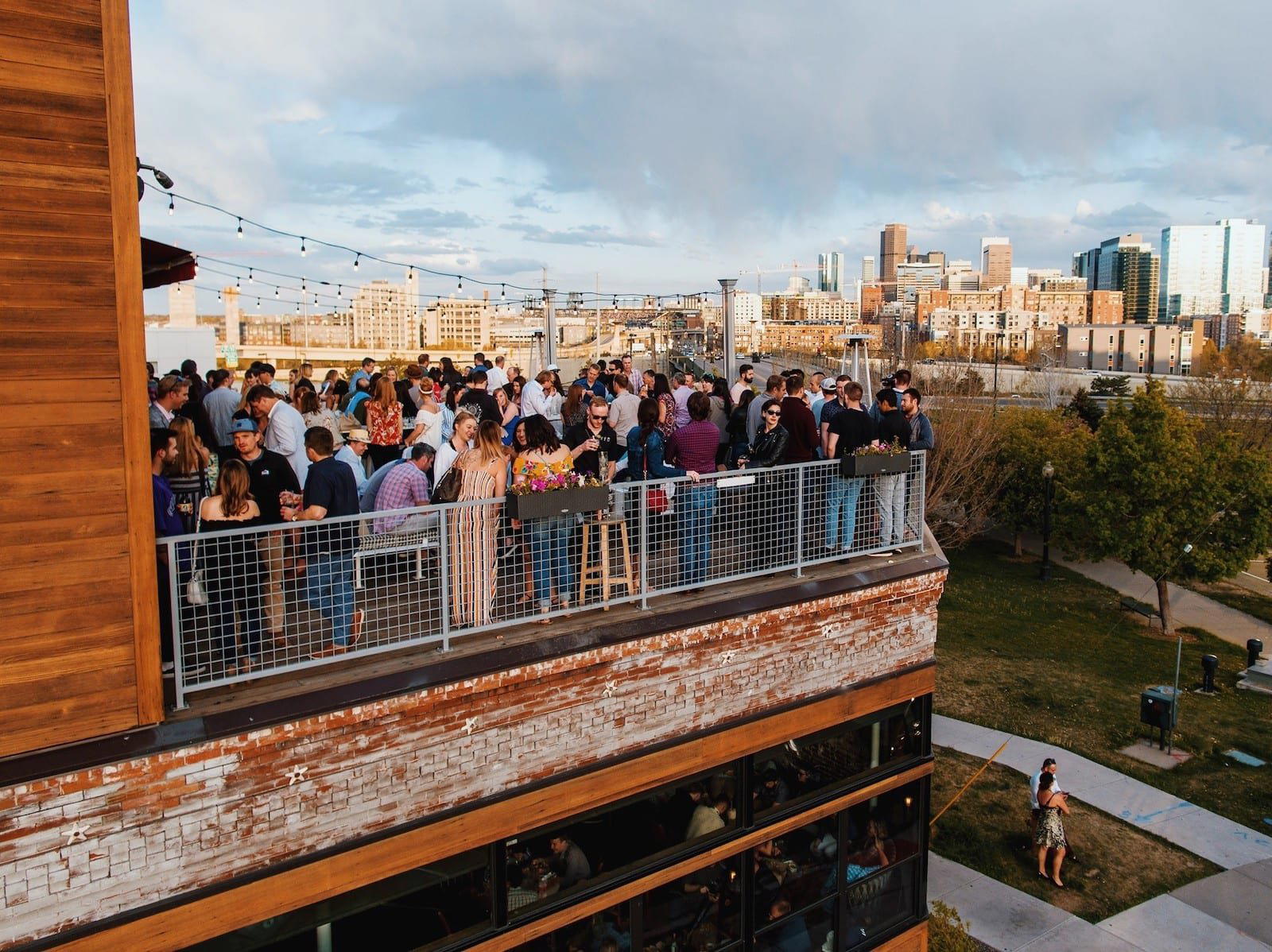
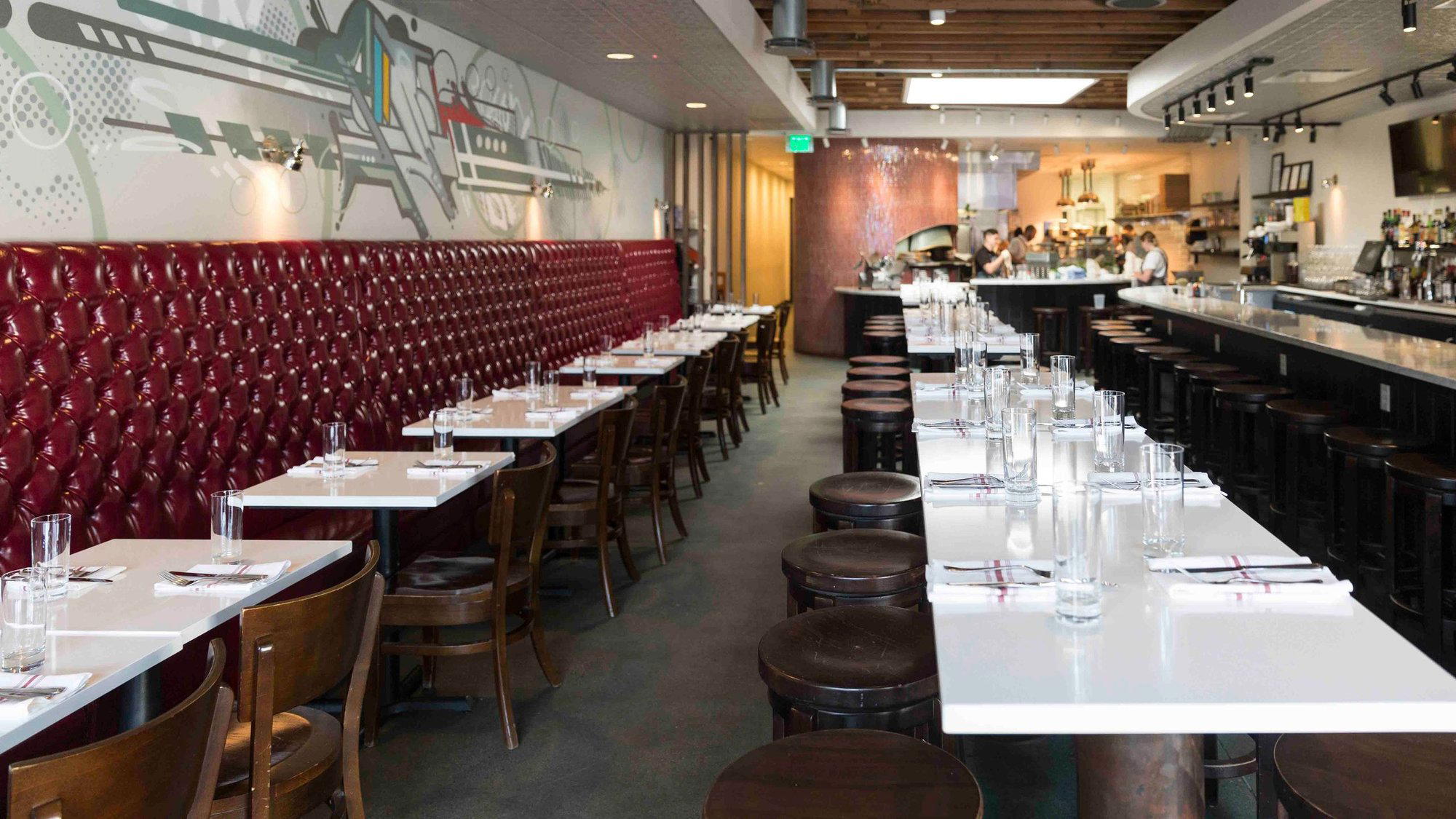
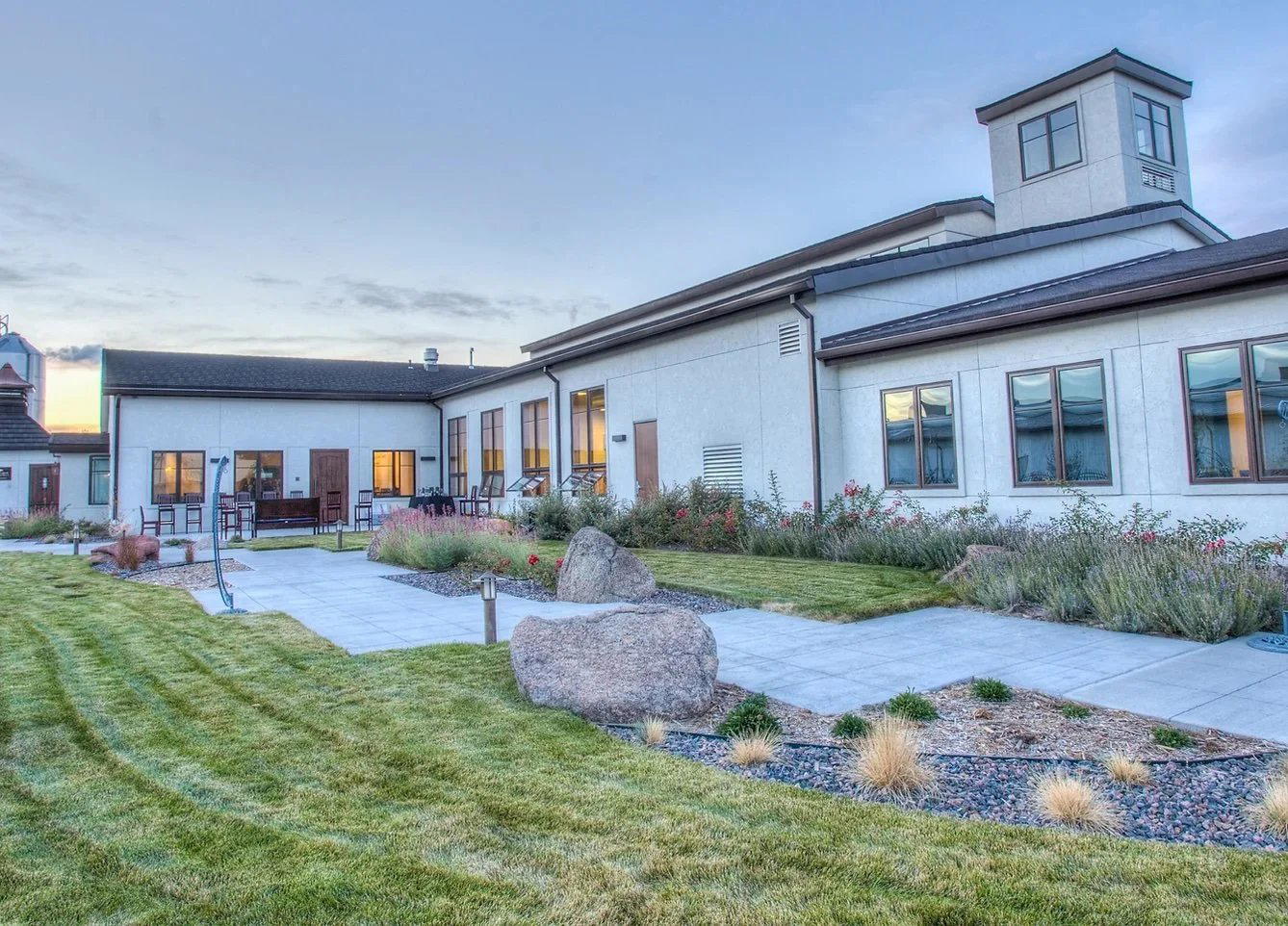
Bright, modern, and energetic with nicely decorated interiors, large first-floor windows overlooking the street, and a welcoming patio atmosphere that feels both upscale and approachable.
- Crispy Cauliflower
- Carrots with Whipped Feta
- Cast Iron Roasted Chicken
- Lobster Roll
- Pork Chop with Rye Spaetzle
- Mousse Dome