Madeline
Madeline occupies a precise position in Denver's technique-driven dining scene: a seasonal, bistro-format restaurant that draws on the discipline of the grand brasserie tradition without the institutional weight. The cooking is structured around the calendar rather than a fixed signature, placing it among a tier of Denver restaurants where the menu shifts faster than the reputation.
Pearl is the En Primeur Club membership app — saves, bookings, and concierge access live there. Same editors, same standards.
- Address
- 1313 E 6th Ave, Denver, CO 80218
- Phone
- (720) 866-9919
- Website
- restaurantmadeline.com
- Directions
- Get directions
 Saves & bookings on Pearl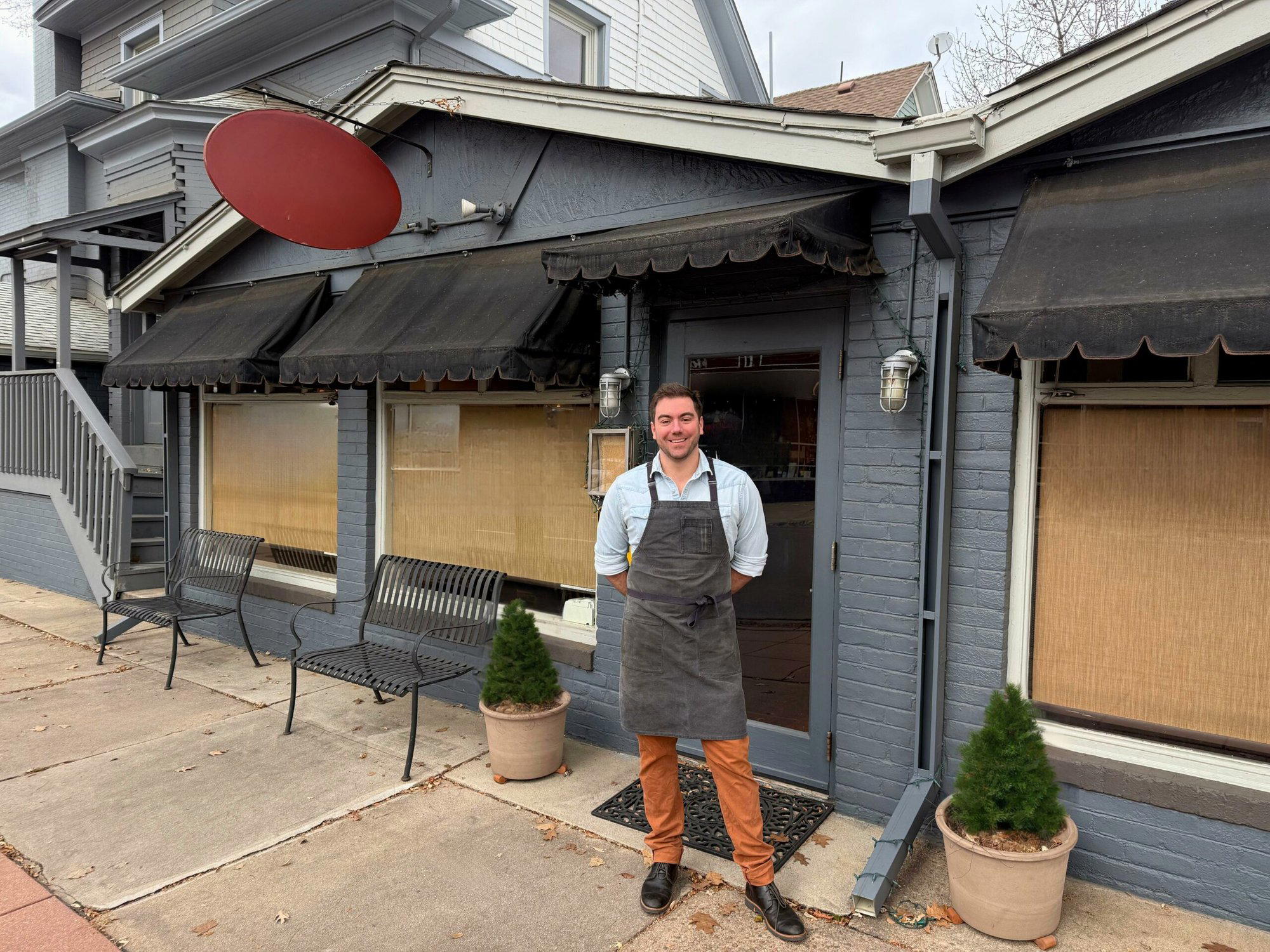
Madeline is a Seasonal American Bistro in Denver, priced at about $65 per person. The brasserie format, refined over a century of European dining culture, communicates through posture as much as produce: the quality of ambient light, the distance between tables, the moment a server adjusts the pace of service to match the room's energy rather than the kitchen's convenience. Denver has spent the better part of a decade building a serious restaurant culture, and Madeline lands inside that development as a seasonal, technique-driven bistro rooted in brasserie tradition.
The Brasserie Tradition in a Mountain City
The grand brasserie was never about a single dish or a single chef. It was an institution: a place where the format itself carried authority, where all-day relevance was built into the architecture of the menu and the room. That model migrated unevenly across American cities. In New York, restaurants like Le Bernardin absorbed the technical rigour of French dining and made it local. In New Orleans, Emeril's showed how that tradition could be remade through regional ingredient logic. In Denver, the brasserie influence appears less in direct citation and more in approach: a commitment to technique as the governing principle, seasonal sourcing as the constraint, and a room that functions across occasions rather than optimising for a single dining moment.
Madeline operates in that space. Its cuisine type, seasonal, technique-driven bistro-style, positions it at the intersection of French structural influence and Colorado's ingredient calendar. Brutø and The Wolf's Tailor both operate at the $$$$ tier of Denver's contemporary set, anchored by tasting-menu formats and a commitment to chef-driven progression. Madeline's bistro framing suggests a different contract with the guest: more flexible, more repeat-visit friendly, and more attuned to the rhythms of a neighbourhood room than to the ceremony of a destination tasting menu.
Where Madeline Sits in Denver's Dining Tier
Denver's restaurant scene has split clearly over the past several years. On one side, you have the high-commitment tasting formats: Beckon, which operates a prix-fixe counter experience in the RiNo district, and Annette, whose seasonal-American focus in Aurora has expanded the map of where serious cooking happens in the metro area. On the other side, the city has seen the development of a more accessible tier where technique and seasonality are present without the tasting-menu price or time commitment. Alma Fonda Fina occupies that position for Mexican cooking; Madeline appears to claim it for the bistro-brasserie register.
The bistro format supports both a quick weeknight dinner and a longer, more deliberate meal. The menu changes with the season, so a repeat visitor in April may encounter a different menu than in November. The identity lives in the approach rather than in a single dish. For diners accustomed to the more structured formats at places like Lazy Bear in San Francisco or Alinea in Chicago, Madeline offers a different register entirely, one where the cooking is serious but the frame is more relaxed.
Technique as the Constant
In the brasserie tradition, technique is the thread that holds the menu together across seasons. The Escoffier-derived kitchen brigade model was built precisely to ensure that execution remained consistent regardless of what the season provided. Contemporary bistro cooking in America has absorbed that logic and applied it to a more ingredient-forward vocabulary: the technique is in service of what's available, not a performance for its own sake. Madeline's self-description as technique-driven places it in that lineage. Compare it to the technical ambition visible at the highest tier of American seasonal cooking, The French Laundry in Napa or Single Thread Farm in Healdsburg, and the bistro format reads as the more democratic expression of the same underlying discipline.
Colorado's ingredient calendar is a genuine constraint and a genuine asset for any kitchen working in this register. The growing season is compressed by altitude and climate, which pushes kitchens either toward intensive local sourcing during peak months or toward a broader regional net during winter. How a bistro resolves that tension reveals a lot about its priorities. The technique-first framing suggests Madeline treats the constraint as generative rather than as a problem to be papered over with imported product.
Denver as Context
Denver has earned its place on serious dining itineraries over the past decade, and the city's food culture now reflects both the cosmopolitan ambition of a growing metro area and the specific character of its mountain-state geography. For a city of its size, the range is notable: from the precision of its contemporary tasting-format restaurants to neighbourhood bistros working in well-established European registers. Madeline occupies a position in that ecosystem that complements rather than duplicates the tasting-format venues. Its bistro-brasserie framing gives it a different role in a visitor's week than a single-seating prix-fixe experience would.
For reference points further afield, the kind of all-occasion, technique-anchored bistro that Madeline represents has a long history in cities like Paris and Lyon. American cities have built their own versions of that tradition at varying levels of rigour. Denver's version is younger and less codified than its European counterpart, which means that venues like Madeline are still, to some extent, writing the terms of the category locally. That is both an opportunity and a responsibility. The international tier, restaurants like 8½ Otto e Mezzo Bombana in Hong Kong or Alain Ducasse at Louis XV in Monte Carlo, represents one end of the technique-and-institution spectrum; the neighbourhood bistro represents the other. Madeline's value is in being the latter with actual conviction.
Planning a Visit
Given the seasonal-menu model, particularly useful timing consideration is to check what part of Colorado's ingredient year you are visiting in. Spring and early summer bring particularly dynamic ingredient windows; late autumn and winter tend to push kitchens toward preserved, braised, and root-forward cooking that suits the bistro register well. Madeline takes reservations, and booking ahead is recommended.
Comparable Options
Comparable venues nearby, for context on price, style, and recognition.
| Venue | Cuisine | Price | Notes |
|---|---|---|---|
| MadelineThis venue — the venue you are viewing | Seasonal American Bistro | $$$ | Not listed |
| Pasque | Seasonal American Fine Dining | $$$ | Central Business District |
| Ajax Downtown | Contemporary American Live-Fire | $$$ | Central Platte Valley |
| Table 6 | American Bistro | $$$ | Alamo Placita |
| The Plimoth | Modern American with European Influences | $$$ | Skyland |
| The Velvet Cellar | New American Steakhouse with Southern Gulf Coast Influences | $$$ | LoDo |
Continue exploring
More in Denver
Restaurants in Denver
Browse all →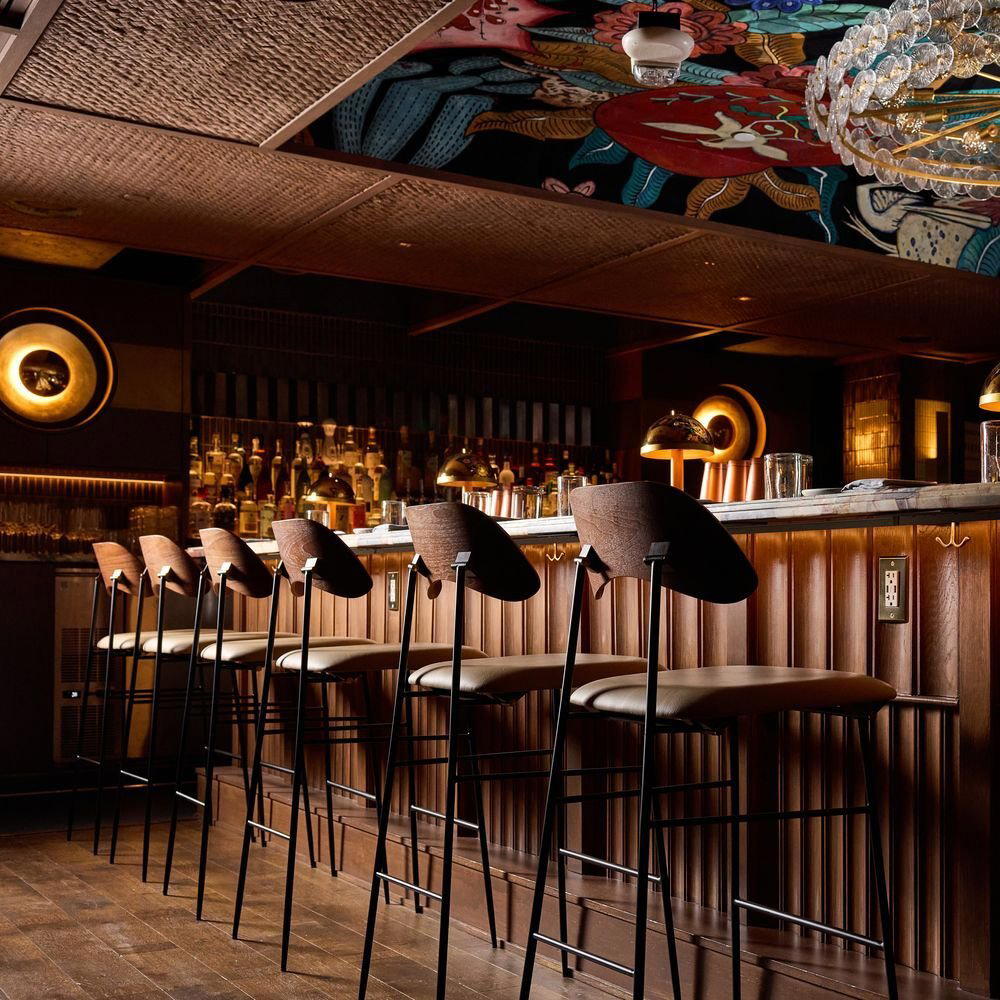
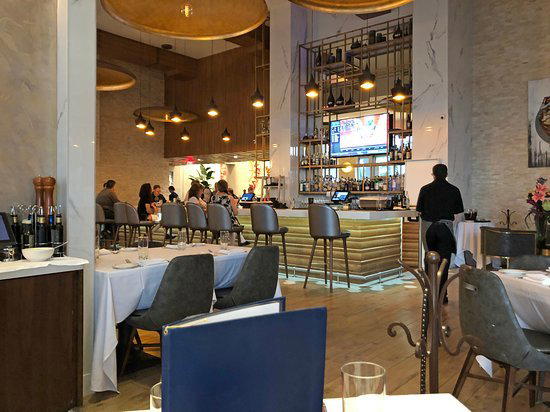
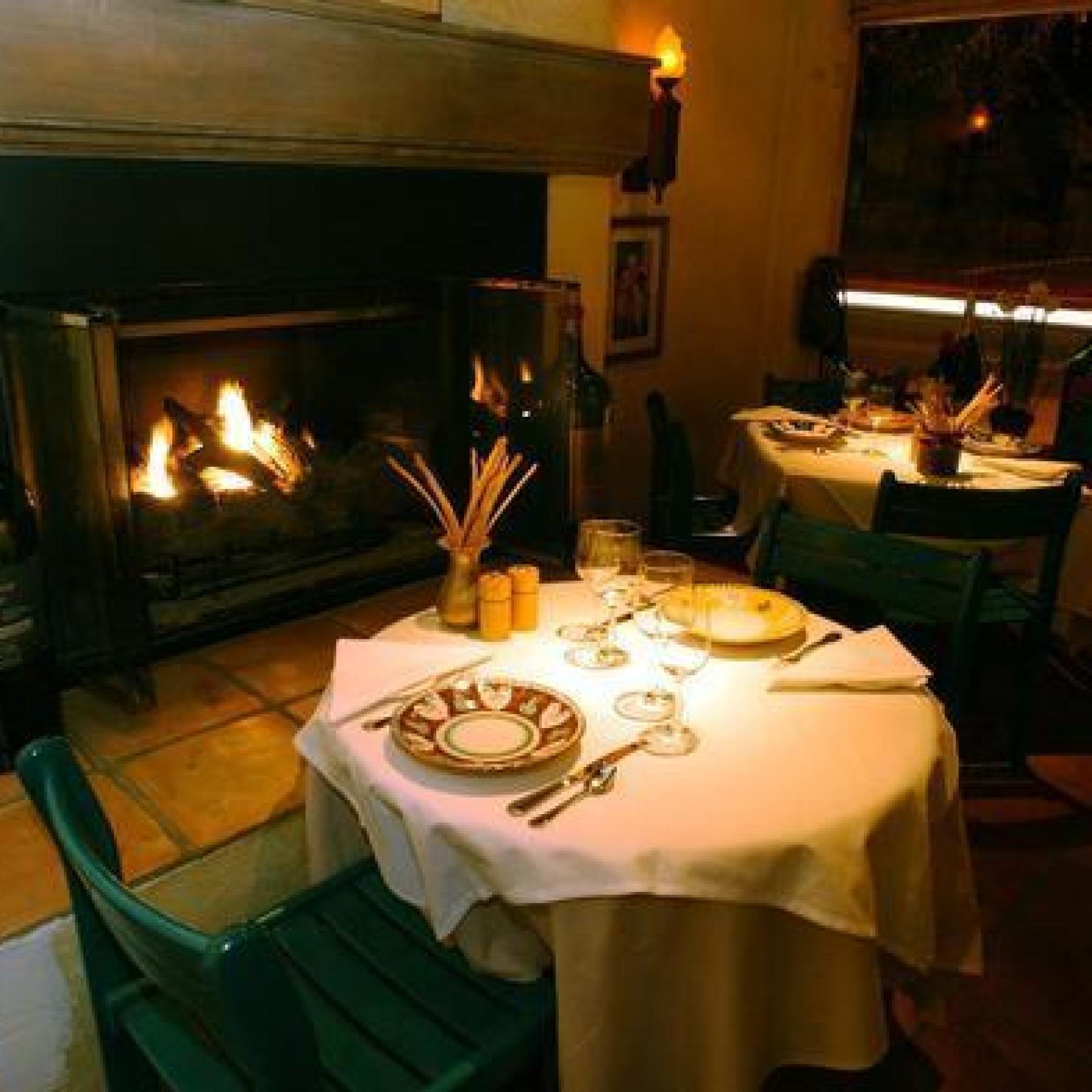
Bars in Denver
Browse all →
Hotels in Denver
Browse all →

At a Glance
- Elegant
- Sophisticated
- Cozy
- Romantic
- Date Night
- Special Occasion
- Casual Hangout
- Business Dinner
- Standalone
- Open Kitchen
- Extensive Wine List
- Craft Cocktails
- Farm To Table
- Local Sourcing
Current opening hours
- Monday
- Closed
- Tuesday
- 5–9 PM
- Wednesday
- 5–9 PM
- Thursday
- 5–9 PM
- Friday
- 5–10 PM
- Saturday
- 5–10 PM
- Sunday
- Closed
Hours can change for holidays and private events. Last verified .
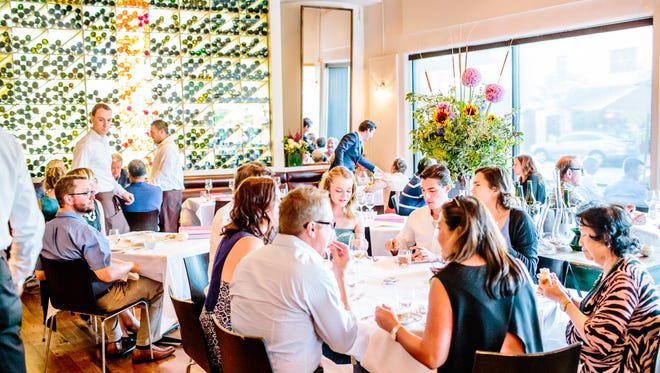
Warm, welcoming atmosphere designed for both casual weeknight dinners and special occasions, prioritizing genuine hospitality and thoughtful pacing with a sense of familiarity and comfort.