Our verdict
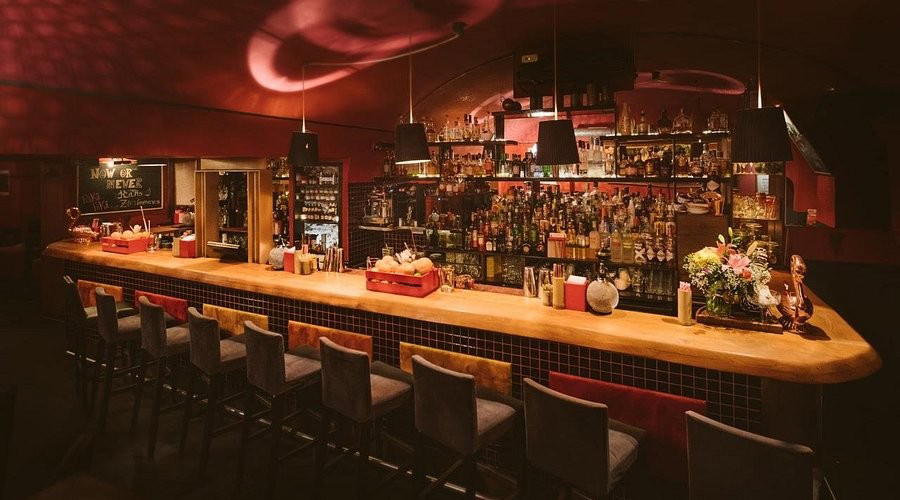
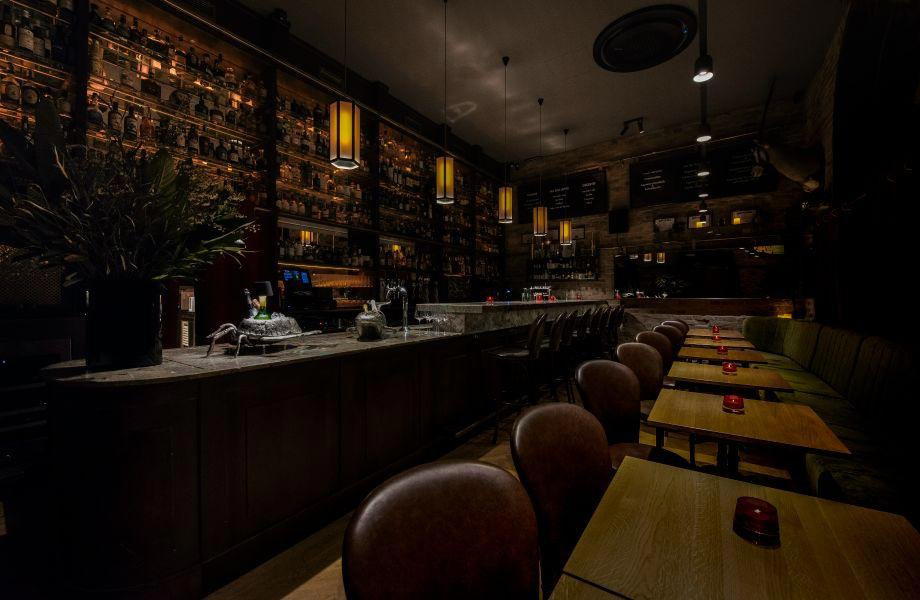
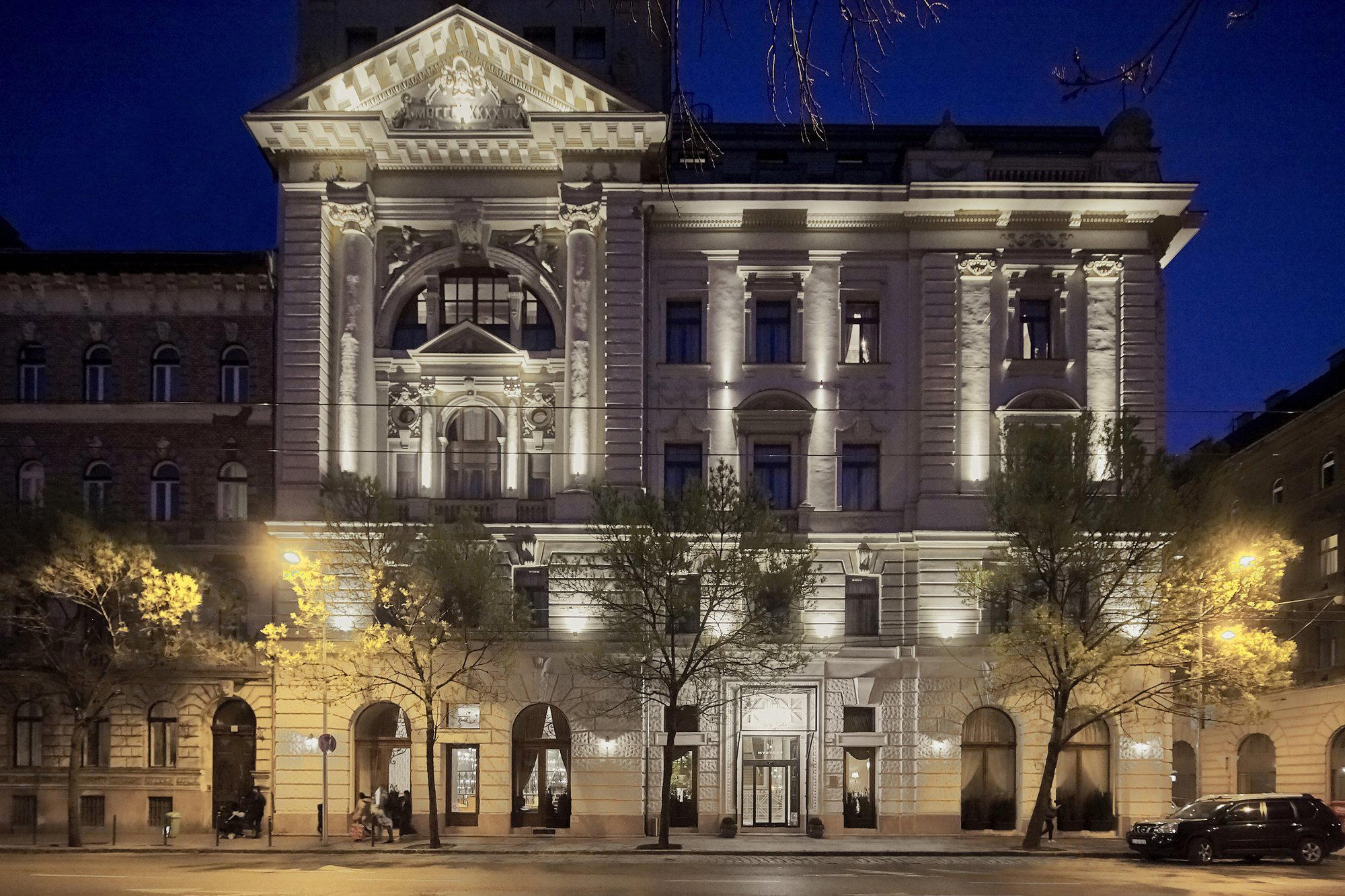
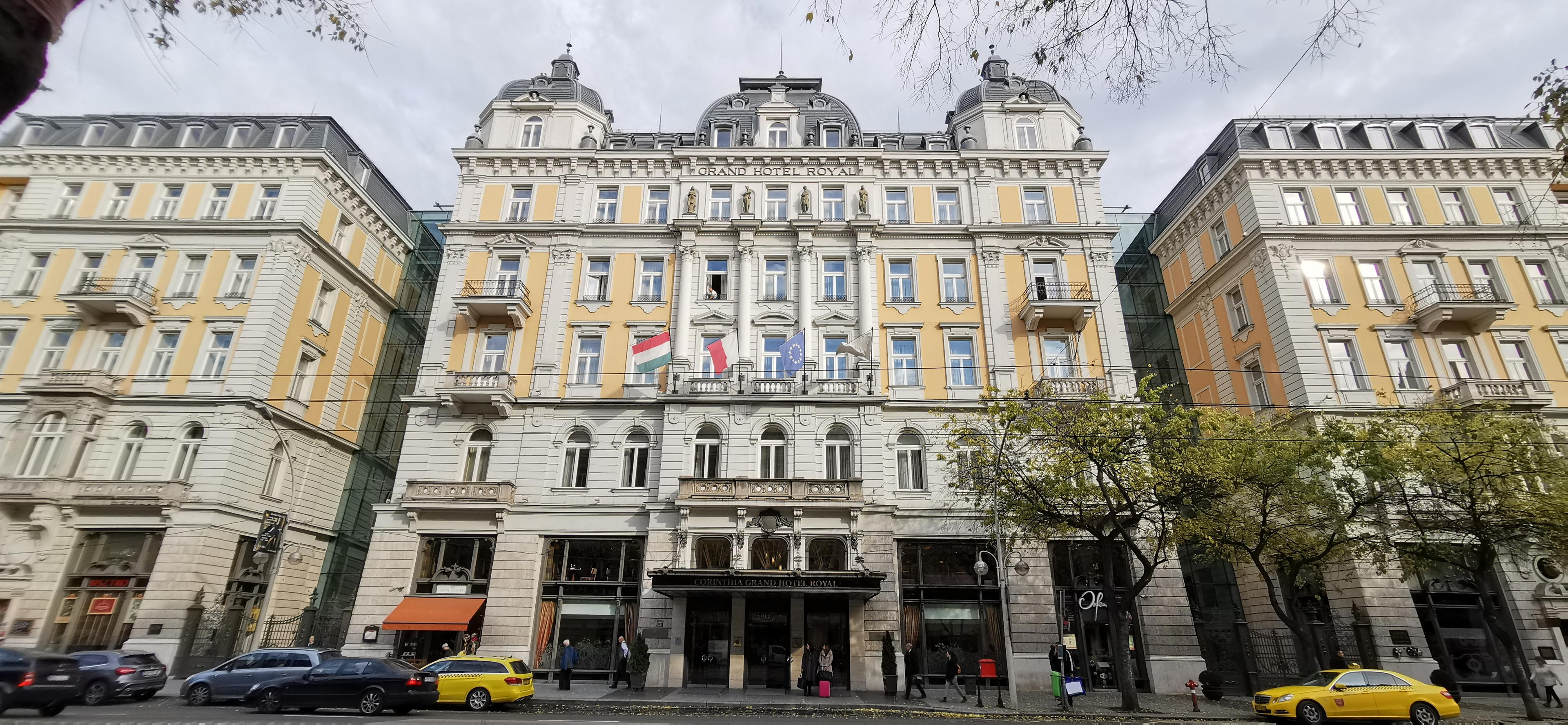
On Podmaniczky utca in Budapest's sixth district, The Great Hall occupies a stretch of the city where grand 19th-century architecture and a working neighbourhood's daily rhythms overlap. The address places it within walking distance of several of Budapest's most discussed restaurants, making it a reference point for understanding how the city's dining scene maps onto its historic inner districts.

Pearl is the En Primeur Club membership app, where members save venues, book tables and use the concierge.

Podmaniczky Utca and the Sixth District's Dining Identity
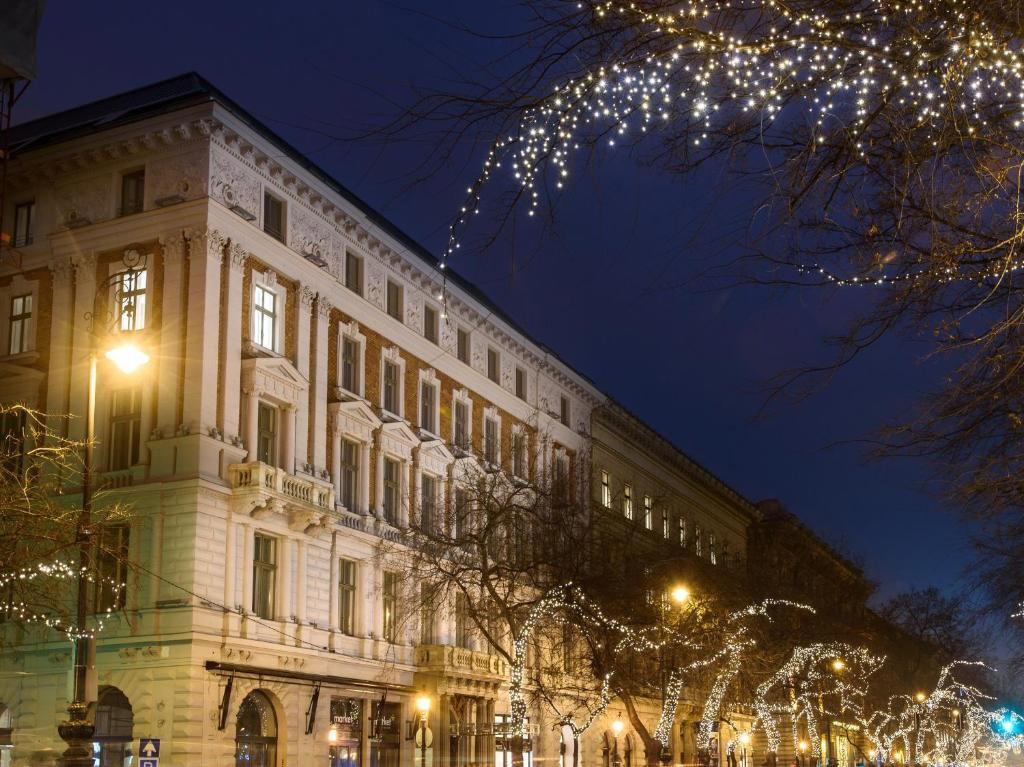
Budapest's sixth district does not announce itself the way the Castle District does. Terézváros earns attention through accumulation: the broad Andrássy út corridor, the New York Palace's faded grandeur a district over, and the quieter cross-streets where restaurants, wine bars, and cafés have been consolidating for the better part of a decade. Podmaniczky utca sits in this territory, running parallel to the western edge of the neighbourhood and connecting the bustle of Nyugati tér to the calmer blocks further south. It is the kind of address that rewards knowing rather than stumbling upon.
The Great Hall at Podmaniczky u. 45 sits inside this context. The street's character is mixed in the way that makes Budapest interesting to eat in: grand 19th-century apartment blocks with ornate facades stand alongside everyday shopfronts, and the dining options range from neighbourhood regulars to places drawing visitors from across the city. Understanding The Great Hall means understanding this neighbourhood first, because Terézváros is precisely the type of inner-Budapest district where a venue's address says as much as its menu.
Budapest's Fine Dining Geography
Budapest's premium restaurant tier has concentrated, over the past decade, in a relatively compact geography. The city's Michelin-starred and critically recognised restaurants cluster inside the inner districts: Lipótváros, Erzsébetváros, and Terézváros form the core, with a handful of recognised addresses reaching into Buda. This concentration means that the sixth district competes directly with some of the city's most discussed tables.
Costes and Babel, both operating at the €€€€ tier with serious critical recognition, anchor the city's fine dining map. Borkonyha Winekitchen works the middle ground at €€€, pairing wine-forward modern cuisine with a format that has held Michelin recognition for years. Stand and essência both occupy the €€€€ bracket and signal how seriously Budapest now competes within the Central European fine dining conversation. Terézváros, with its density of residential blocks and visitor traffic, sits at the centre of this geography.
For visitors working through Budapest's dining options, the sixth district offers a practical advantage: the concentration of good restaurants within walkable distance means that a dinner at one address can be paired with drinks or a meal at another without significant travel. This is a city where the evening can move between venues in a way that few European capitals with comparable dining ambitions can match on foot.
What the Address Signals
In Budapest, as in most cities with a strong 19th-century urban fabric, address carries meaning beyond postcode. Podmaniczky utca is a working street rather than a showcase boulevard, which in Budapest's dining culture tends to mean something: restaurants on these streets compete on substance rather than tourist footfall. The visitor base skews toward residents and informed travellers rather than first-time sightseers following a map.
This matters for understanding how venues in this part of Terézváros price and position themselves. The nearby comparison points, from the bistro tier represented by places like Stand25 Bisztró at €€ to the higher creative registers of the €€€€ addresses, create a layered market where a restaurant at Podmaniczky u. 45 must define its position clearly. The neighbourhood does not carry the automatic cachet of, say, a Belgrád rakpart address on the Danube, which places more pressure on the restaurant's own credentials to do the positioning work.
Budapest in a Broader Central European Frame
Positioned against Central Europe's other major dining cities, Budapest occupies an interesting place. Prague and Warsaw have both developed serious fine dining tiers in recent years, but Budapest retains a distinct advantage in the depth of its mid-market: the city has more restaurants operating credibly at the €€€ level, with proper wine programs and genuine culinary ambition, than most comparable capitals. This makes it a more interesting city to eat across rather than simply at the leading.
The Hungary beyond Budapest also contributes to the city's dining context. Producers from wine regions like Villány, Eger, and Tokaj supply the city's better restaurants, and regional addresses such as Halasi Pince Panzió in Villány, Forst-Ház Étterem és Kávézó in Eger, and Aranysárkány Vendéglő in Szentendre reflect a dining culture that extends well beyond the capital. Budapest restaurants that draw on this regional supply chain tend to operate with a stronger sense of terroir than those importing from further afield.
For broader regional context, Hungary's dining scene also includes addresses like Platán Gourmet in Tata, Pajta in Őriszentpéter, BoriMami in Gyöngyös, and Almalomb in Hosszúhetény, each representing the way serious culinary ambition has dispersed beyond the capital in the past decade. Budapest visitors with time to spare beyond the city limits will find these regional addresses worth the journey.
For those cross-referencing Budapest against international fine dining benchmarks, the city's premium tier now competes in the same conversation as serious urban restaurants elsewhere in Europe, even if it does not yet draw the global recognition of addresses like Le Bernardin in New York City or Atomix in New York City. The trajectory is upward, and the sixth district is part of where that story is being written.
See our full Budapest restaurants guide for a broader map of the city's dining options across districts and price tiers.
Planning Your Visit
Know Before You Go
- Address: Podmaniczky u. 45, 1064 Budapest, Hungary
- District: Sixth district (Terézváros), within walking distance of Nyugati tér and Andrássy út
- Nearby references: Borkonyha Winekitchen, Costes, and Stand are all within the inner districts and useful for calibrating expectations across price tiers
Frequently asked questions
What's The Great Hall's location?
The Great Hall is located at Budapest, Podmaniczky u. 45, 1064 Hungary, Budapest.
How does The Great Hall fit into Budapest's broader Central European dining scene?
Budapest occupies a distinct position among Central European cities with a developed premium restaurant tier, and the sixth district has become a focal point of that concentration. The Great Hall's address on Podmaniczky utca places it within Terézváros, the neighbourhood that has accumulated critical dining attention without the tourist-facing visibility of the Castle District. For visitors comparing Budapest with Prague or Warsaw's restaurant offerings, the sixth district addresses are where local critical opinion tends to land.
What's the signature dish at The Great Hall?
Should I book The Great Hall in advance?
Budapest's serious dining tier, concentrated in districts like Terézváros where The Great Hall sits on Podmaniczky utca, has seen demand grow steadily over the past decade. Securing a reservation ahead of your visit is sensible, particularly on weekends or during the city's peak travel months.
City Peers
Comparable venues nearby, for context on price, style, and recognition.
| Venue | Cuisine | Price | Notes |
|---|---|---|---|
| The Great HallThis venue (the venue you are viewing) | Modern Hungarian Fine Dining | $30–50 | Not listed |
| Hemingway | Hungarian and International Lakeside Dining | $30–50 | Kis-Gellerthegy |
| KIOSK Budapest | Modern Hungarian | $30–50 | Belvaros |
| New York Café | Hungarian Café | $30–50 | Terézváros |
| Százéves Étterem | Traditional Hungarian | Not listed | Belvaros |
| ÉS Bisztró | Modern Hungarian-Viennese Bistro | $30–50 | Belvaros |