Our verdict
The Grand Grill pairs Colombian and American steakhouse plates with craft cocktails, sommelier-led pours, and skyline views from a rooftop setting in Cartagena.

Pearl is the En Primeur Club membership app, where members save venues, book tables and use the concierge.

The menu
What to order
- American beef
- Ice cold martinis
- Steakhouse classics
Where the Caribbean Meets the Grill
Cartagena's walled city arrives at you in layers: salt air off the Bocagrande shore, the particular heat that radiates off sixteenth-century stone after noon, and the low percussion of cumbia drifting from somewhere a street away. The dining scene that has grown inside this architecture operates on a similar principle of layered inheritance. The Grand Grill enters that context as a dual-format proposition, anchoring its menu in two of Colombia's most defensible sourcing traditions: the cattle culture of the interior savanna and the coastal seafood pulled from the Caribbean directly offshore.
That combination is less obvious than it sounds. Cartagena's restaurant ecosystem has historically leaned toward one or the other. A number of the city's most-discussed addresses, including the modern Colombian room at 1621 The Restaurant and the Colombian fusion approach at AniMare, draw their identity from coastal produce and contemporary technique. The traditional parrilla format, by contrast, tends to ground itself in cuts from the Colombian interior, where cattle ranching has a centuries-long history in regions like the Llanos and Córdoba. The Grand Grill operates across both registers, which places it in a distinct position relative to its neighbours.
Sourcing at the Intersection of Land and Sea
Colombia's protein geography is worth understanding before you sit down anywhere serious in Cartagena. The country's beef supply draws predominantly from departments in the interior and Caribbean lowlands, where the climate and grazing conditions produce cattle adapted to tropical heat. That provenance matters at a grill-focused address because the aging, butchering, and handling norms that apply to grass-fed Colombian cattle differ considerably from those used for grain-finished South American imports common in higher-volume steakhouse formats across Latin America.
On the seafood side, Cartagena's position on the northern coast gives it direct access to the Caribbean basin's haul: red snapper, pargo, and cazón appear regularly in coastal kitchens, alongside shrimp from the Gulf of Morrosquillo and lobster from the archipelago waters further out. The logistical advantage that coastal Cartagena restaurants hold over their inland Colombian counterparts, including the acclaimed Debora Restaurante in Bogota, is proximity: the supply chain between boat and kitchen can be measured in hours rather than days.
This dual-protein format also separates The Grand Grill from the more explicitly conceptual restaurants now attracting attention in Cartagena. Celele and Casa Pestagua both operate in a territory defined by Colombian ingredients filtered through international technique and chef-driven narrative. A steakhouse-and-seafood format makes a different argument: that direct execution of quality product is itself the proposition, without the mediation of a tasting menu or a regional-identity concept. For a certain kind of traveller in Cartagena, that directness is exactly the point.
The Cartagena Steakhouse Context
Colombia's steak culture has a somewhat uneven reputation abroad, partly because the country's export infrastructure historically prioritised volume over premium positioning. The domestic premium tier has been growing, particularly in Bogotá and Medellín, where addresses like 37 Park in Medellín have established what a refined Colombian grill format can look like. Cartagena has followed that trajectory more slowly, with its dining identity shaped more by seafood and coastal fusion than by parrilla tradition.
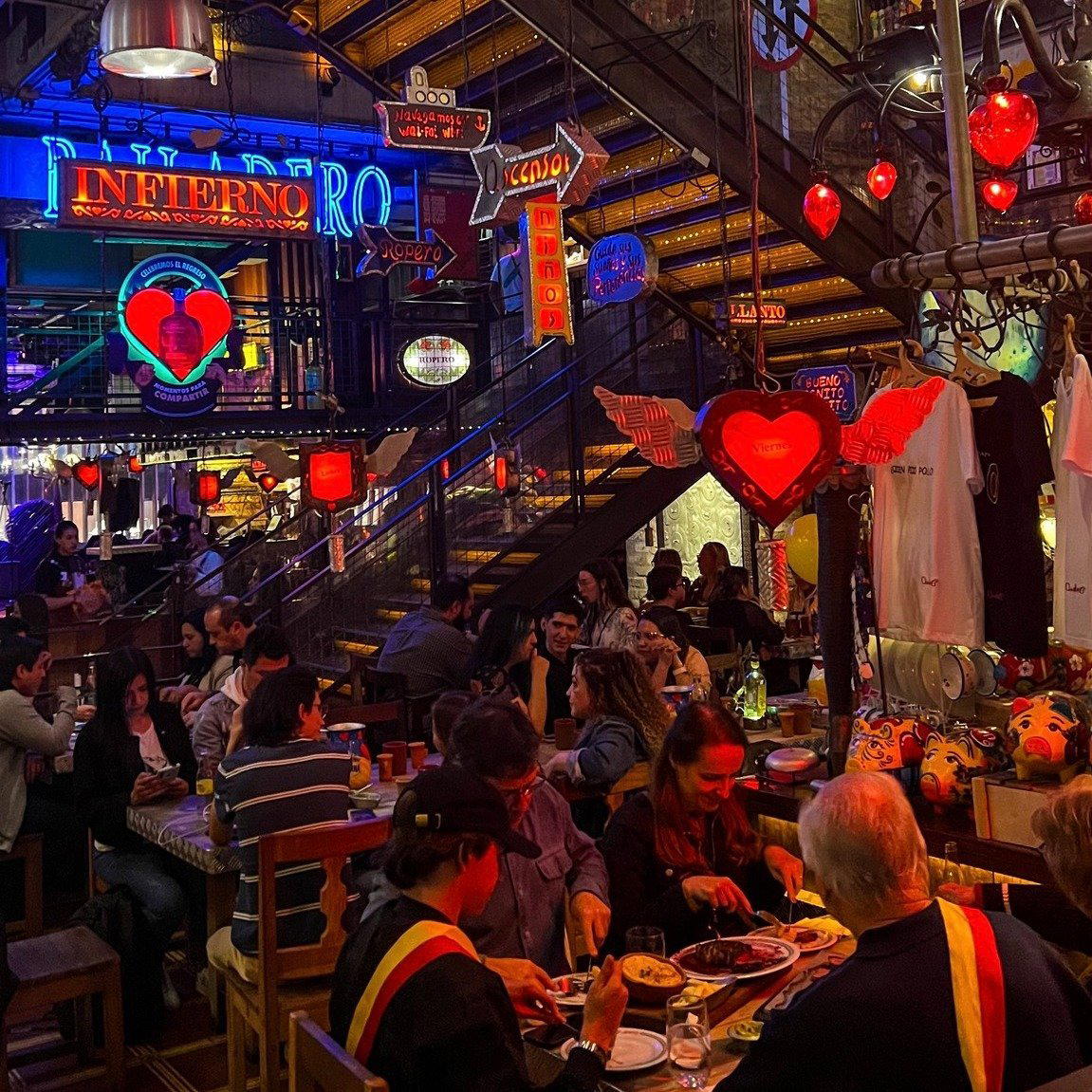
That relative scarcity gives a grill-anchored address in Cartagena a clearer lane than it might occupy in Bogotá, where steakhouse competition is more developed. It also sets up an interesting comparison with the Andres Carne de Res (Colombian) outpost in Cartagena, which operates at a very different register: high volume, theatrical, and rooted in a national folklore of excess. The Cartagena branch carries lineage from the original Andrés Carne de Res in Chia, one of Colombia's most-visited restaurant operations, but it functions as spectacle as much as dining destination. A format like The Grand Grill reads as the quieter counter-argument: focused product, grill technique, and a seafood component that acknowledges where the restaurant actually sits geographically.
The Broader Cartagena Dining Picture
Cartagena's restaurant scene has matured considerably over the past decade, moving from a tourist-service model toward addresses that hold their own by regional and in some cases international standards. The city now sustains a range of formats: the modern brasserie register of Canales 5 Brasserie Moderne, the specialty coffee and pastry end represented by Café Rialto, and the growing number of destination restaurants drawing visitors who otherwise fly to New York for a serious meal. Addresses like Le Bernardin in New York City and Atomix in New York City define what the best of the global seafood and tasting-menu tiers look like; Cartagena's better addresses now operate with awareness of those benchmarks even when they're not competing directly with them.
Within that expanding context, a steakhouse-and-seafood address occupies the more accessible end of the serious-dining register: fewer barriers to entry than an omakase or chef's-table format, a menu structure that rewards a single visit rather than requiring return trips to understand the concept. For travellers moving through the Caribbean coast region, this format also integrates more naturally with a multi-stop itinerary than a highly specialised restaurant does. The coast between Cartagena and Santa Marta, where BK - BURUKUKA Restaurante Bar operates at the sunset-spot end of the market, supports enough dining diversity that visitors can plan a week of meals without repeating a format.
For a fuller picture of where The Grand Grill sits within Cartagena's current dining options, the EP Club Cartagena restaurants guide maps the full field. Nearby on the coast, LA BRIOCHE Bocagrande covers the lighter end of the Bocagrande dining strip. Further inland across Colombia, Cardinal Comida Peruana de Autor in Pereira, Bulgatta restaurante in Retiro, and Le Brunch Express in Envigado represent the breadth of Colombia's emerging regional dining identity beyond the major cities. Even at the casual end, addresses like Los Tacos Del Gordo and La B Hamburgers in Sincelejo show the range of formats now operating across Colombia's Caribbean and Andean corridors.
Planning Your Visit
As with most Cartagena restaurants in the mid-to-upper tier, reservations are advisable during the high-season months of December through March and around the Cartagena Film Festival in late February, when the city's hotel occupancy and restaurant demand both peak sharply. Dress codes in Cartagena's more established dining rooms tend toward smart casual rather than formal, reflecting the coastal heat and the city's generally relaxed social register. Confirming current details directly with the venue before visiting is recommended.
Frequently asked questions
Is The Grand Grill a family-friendly restaurant?
Colombia's dining culture skews inclusive, and Cartagena's steakhouse-and-seafood format sits comfortably within that tradition. A dual menu of grilled beef and coastal fish tends to give families a wider range of options than single-concept kitchens.
What should I expect atmosphere-wise at The Grand Grill?
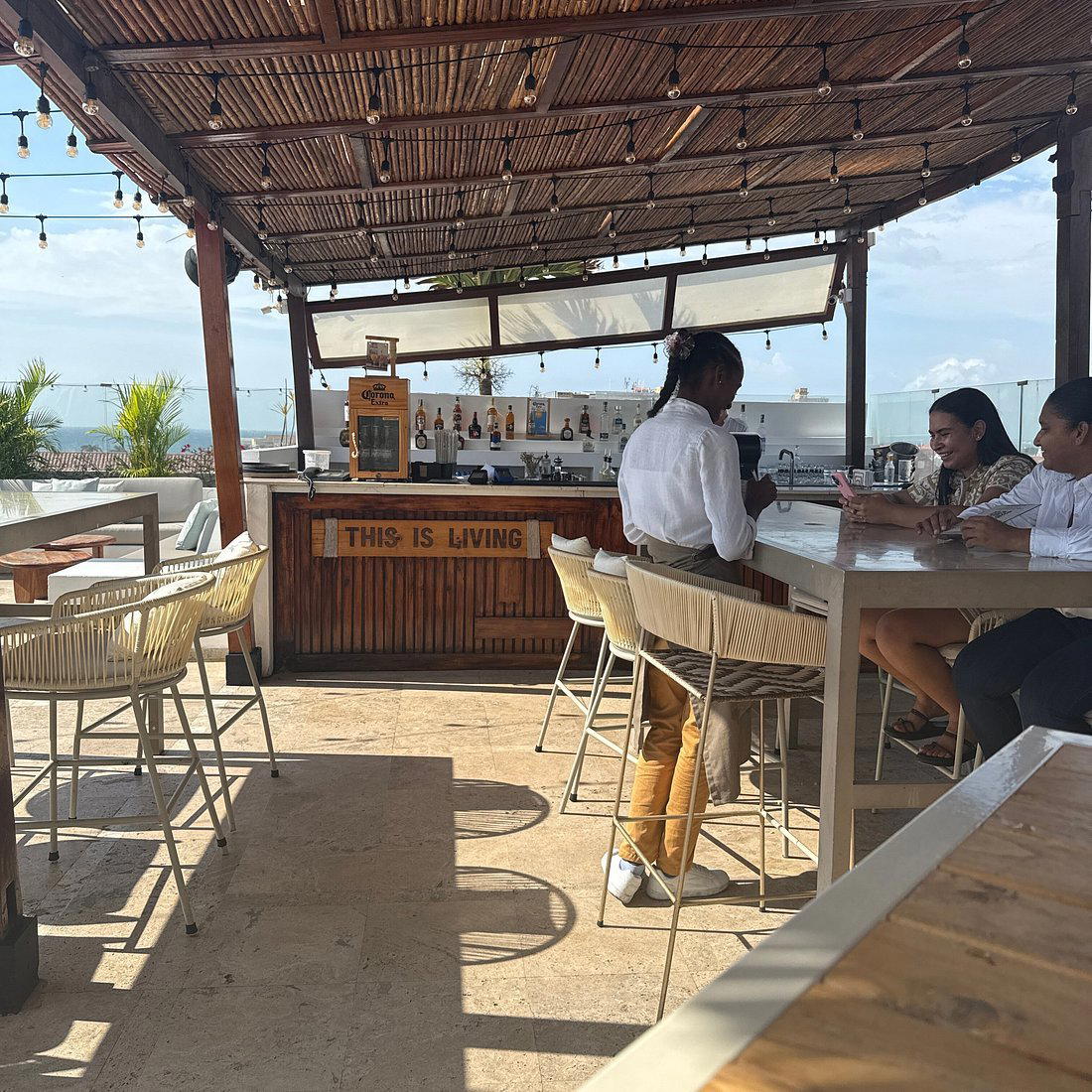
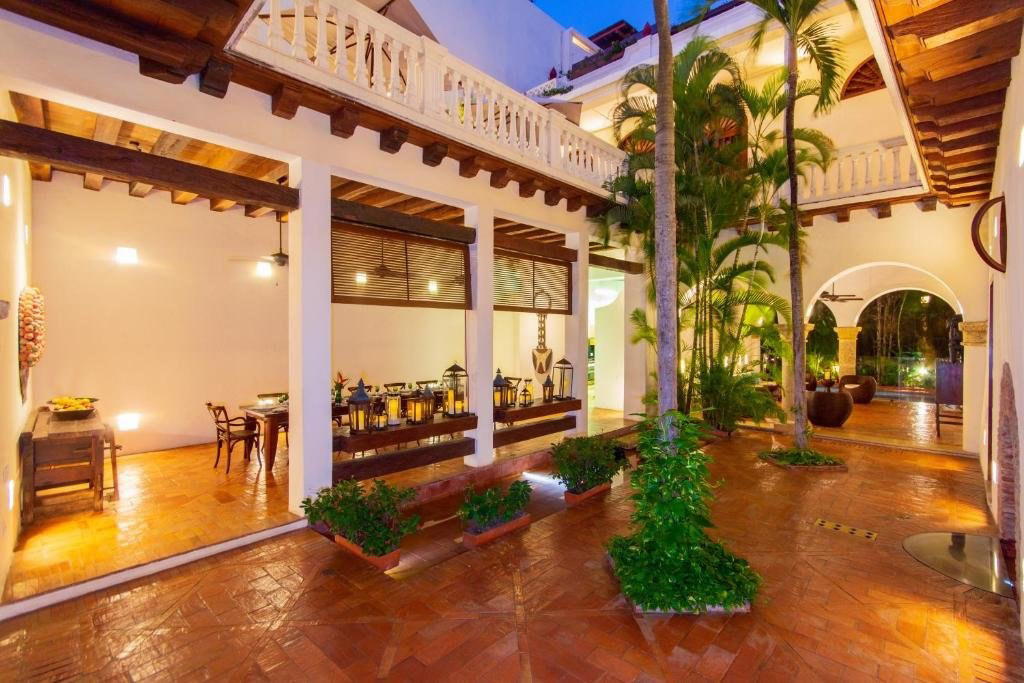
Cartagena's physical fabric does most of the atmospheric work regardless of address: colonial stonework, salt-humid air, and a particular quality of evening light that the city holds longer than most ports. A steakhouse-and-seafood operation in this setting typically runs toward open or semi-open dining rooms that acknowledge the climate rather than seal it out.
Does The Grand Grill combine both steakhouse and seafood on a single menu, and how does that work in practice?
The dual cuisine category of steakhouse and seafood is relatively uncommon along the Colombian Caribbean corridor, where most addresses anchor to one side or the other. Colombia's beef supply draws from interior cattle regions while Cartagena's port position gives kitchens direct access to Caribbean coastal catch, meaning both halves of that menu can draw on geographically distinct, locally sourced protein.
What's the signature dish at The Grand Grill?
The dual cuisine designation, steakhouse and seafood, points toward a kitchen that moves between Colombian interior beef traditions and the Caribbean coast's fish and shellfish supply, which in Cartagena means access to species like pargo and langostino alongside domestically raised cuts. For confirmed menu specifics, contacting the venue directly is the reliable route.
Standing Among Peers
Comparable venues nearby, for context on price, style, and recognition.
| Venue | Cuisine | Price | Notes |
|---|---|---|---|
| The Grand GrillThis venue (the venue you are viewing) | Colombian & American Steakhouse | $50–100 | Not listed |
| Pizzeria Della Chiesa | Authentic Neapolitan Pizza | Not listed | Getsemaní |
| Mar Y Zielo | Modern Caribbean Gastro Bar | Not listed | Centro Historico |
| Dragon de la Marina | Chinese with Caribbean Twist | $10–20 | Old City (Cartagena de Indias) |
| San Valentín Restaurante Bar | Caribbean Seafood & Local Fare | $20–30 | Centro |
Continue exploring
More in Cartagena
Restaurants in Cartagena
All restaurants in Cartagena →
Bars in Cartagena
All bars in Cartagena →
Details
- Elegant
- Sophisticated
- Classic
- Romantic
- Date Night
- Business Dinner
- Special Occasion
- Celebration
- Rooftop
- Panoramic View
- Historic Building
- Hotel Restaurant
- Craft Cocktails
- Sommelier Led
- Local Sourcing
- Skyline
- A La Carte
- Martinis
- Cocktails
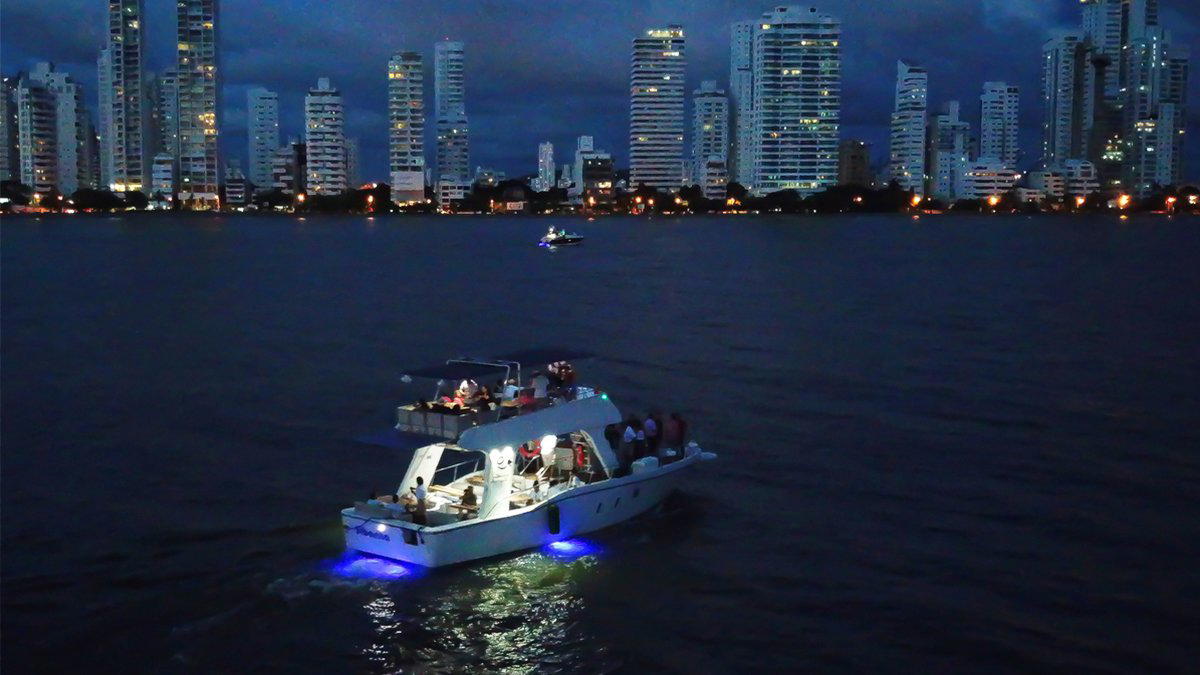
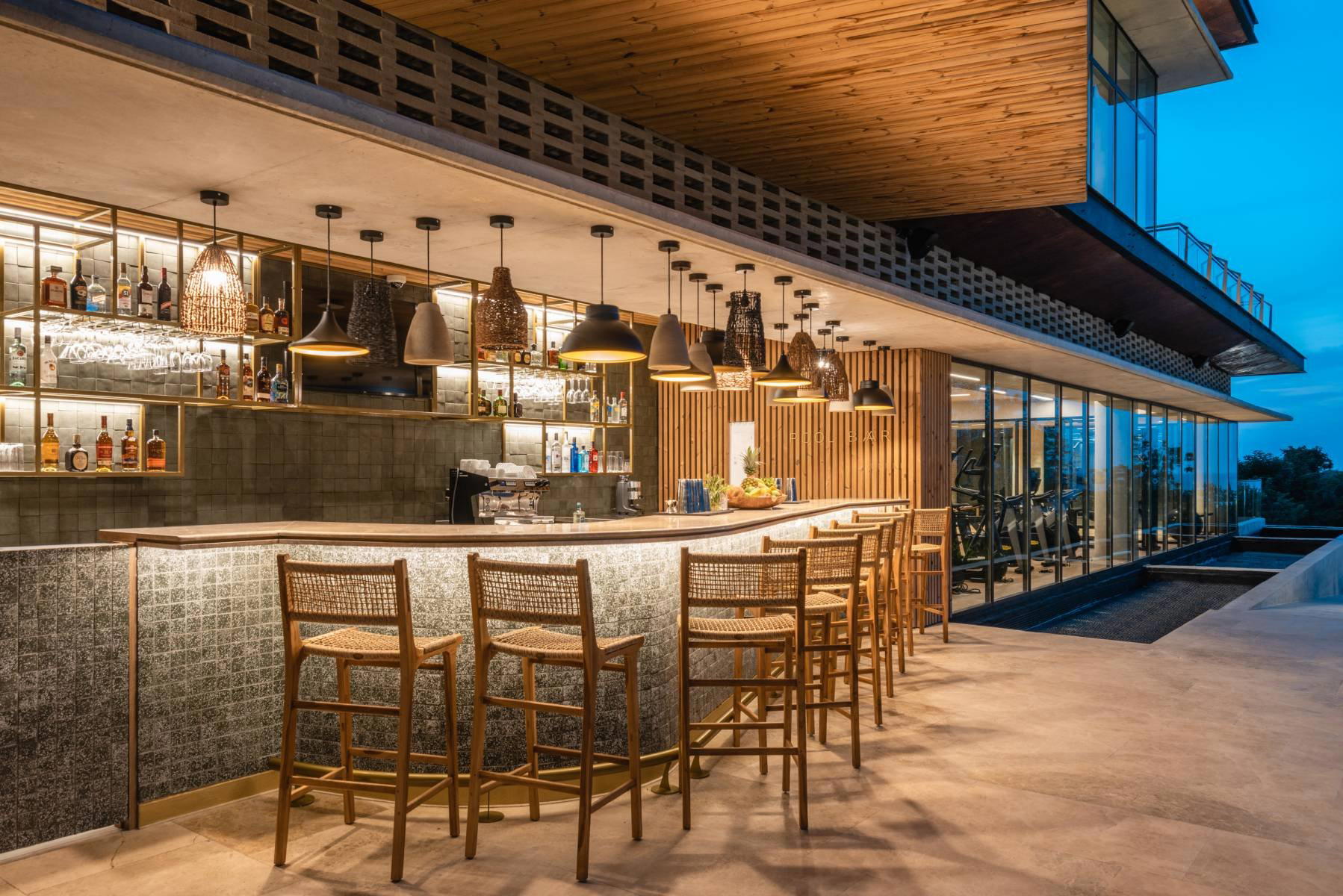
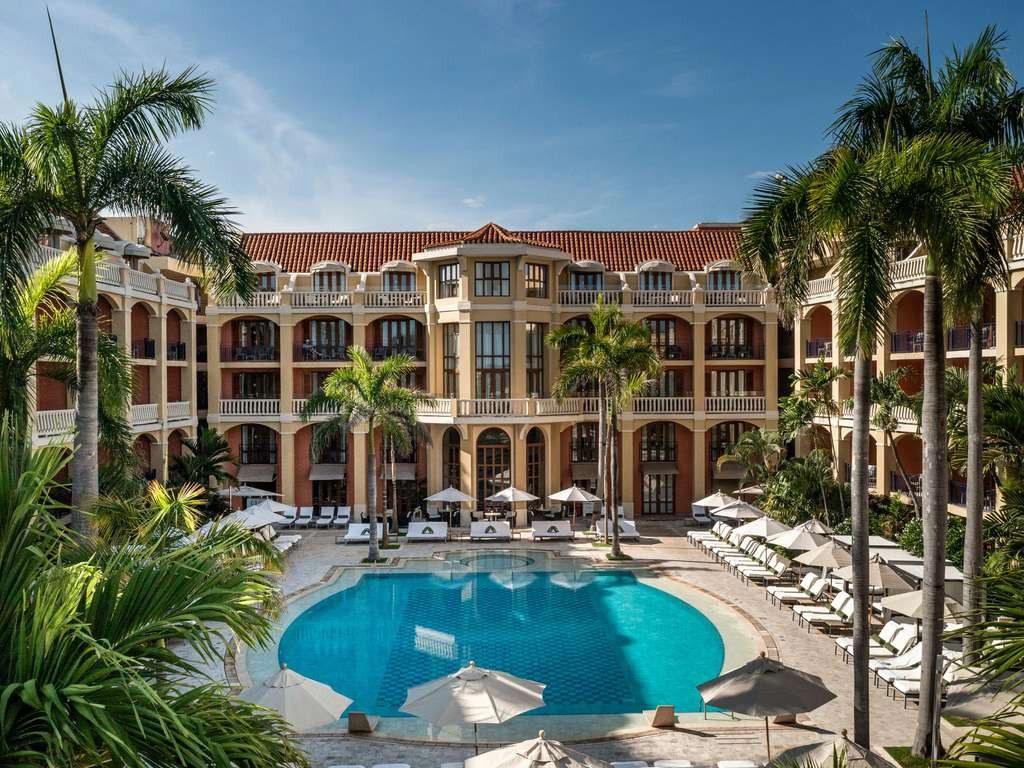
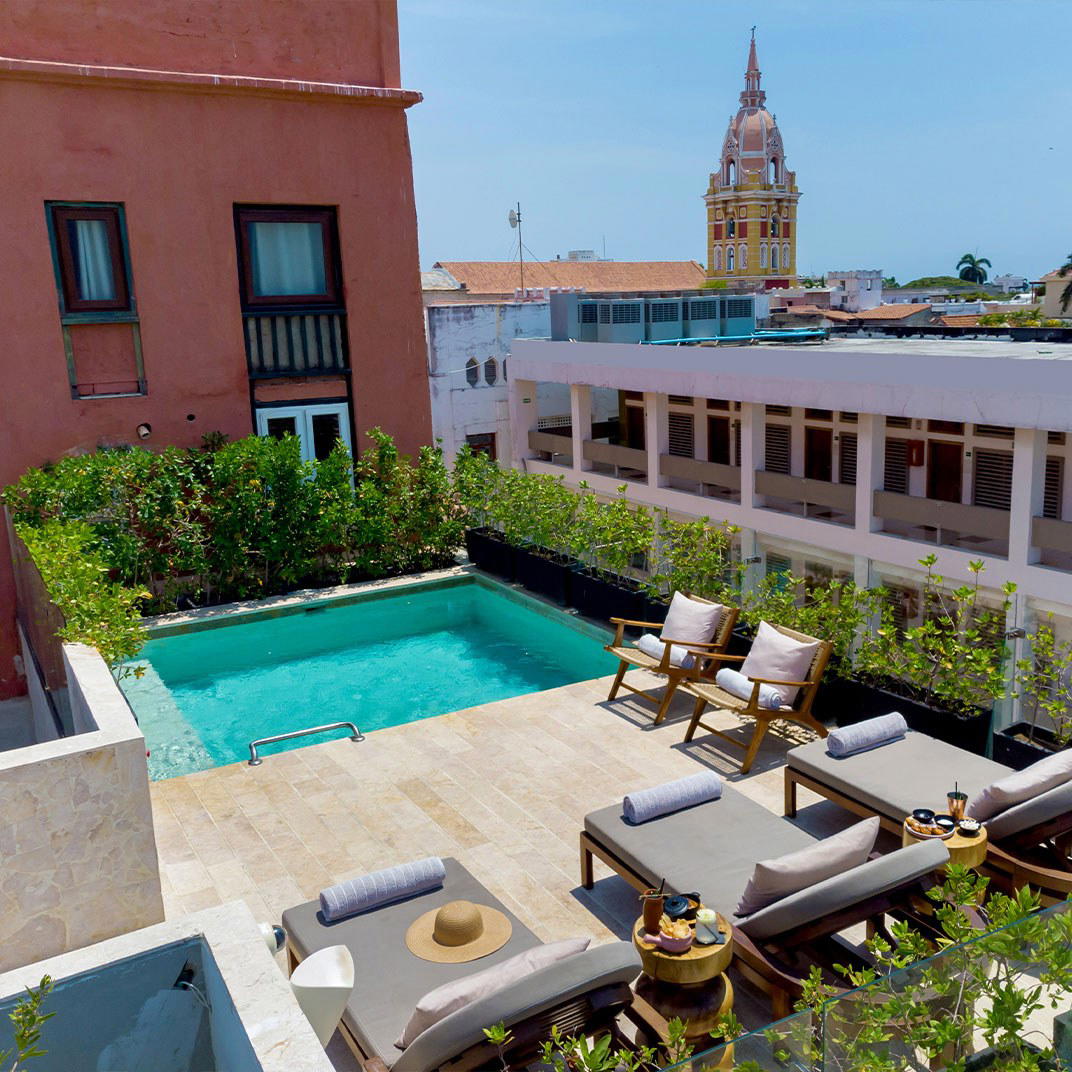
Mid-century glamour with contemporary sophistication, featuring a tranquil rooftop setting with panoramic views of Cartagena's historic cityscape.