
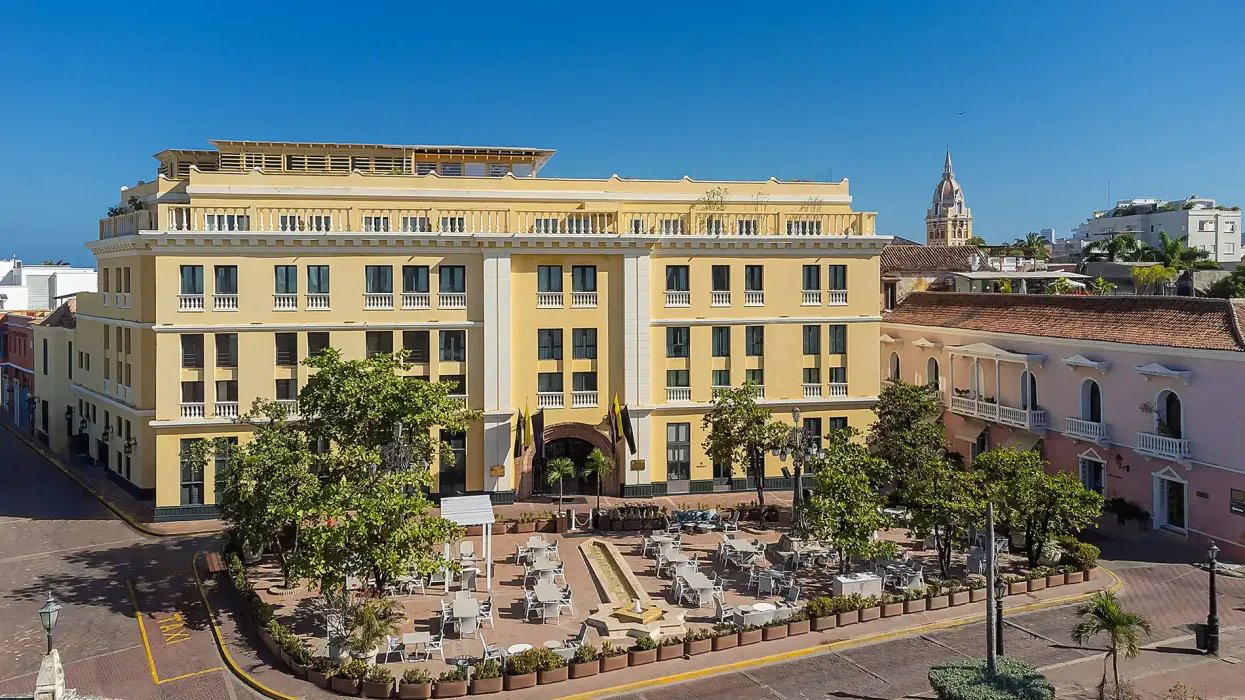
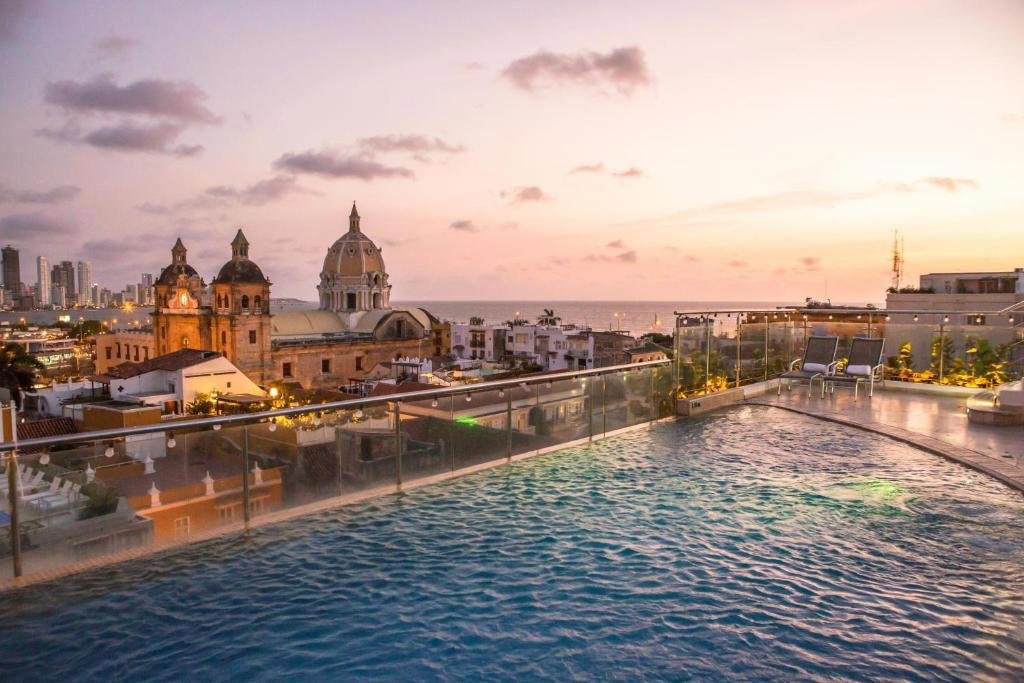
A Moorish-inspired colonial palace on Calle Santo Domingo places Casa Pestagua among Cartagena's most architecturally considered addresses — a boutique property with a rooftop Jacuzzi, a Colombian Fusion kitchen under Chef Heberto Eljach, and a location at the precise centre of the walled city.
Pearl is the En Primeur Club membership app — saves, bookings, and concierge access live there. Same editors, same standards.
- Address
- Centro histórico, Calle Santo Domingo, Cra. 3 #33-63, El Centro, Cartagena de Indias, Bolívar, Colombia
- Phone
- +57 605 6649510
- Website
- casapestagua.com
- Directions
- Get directions
 Saves & bookings on Pearl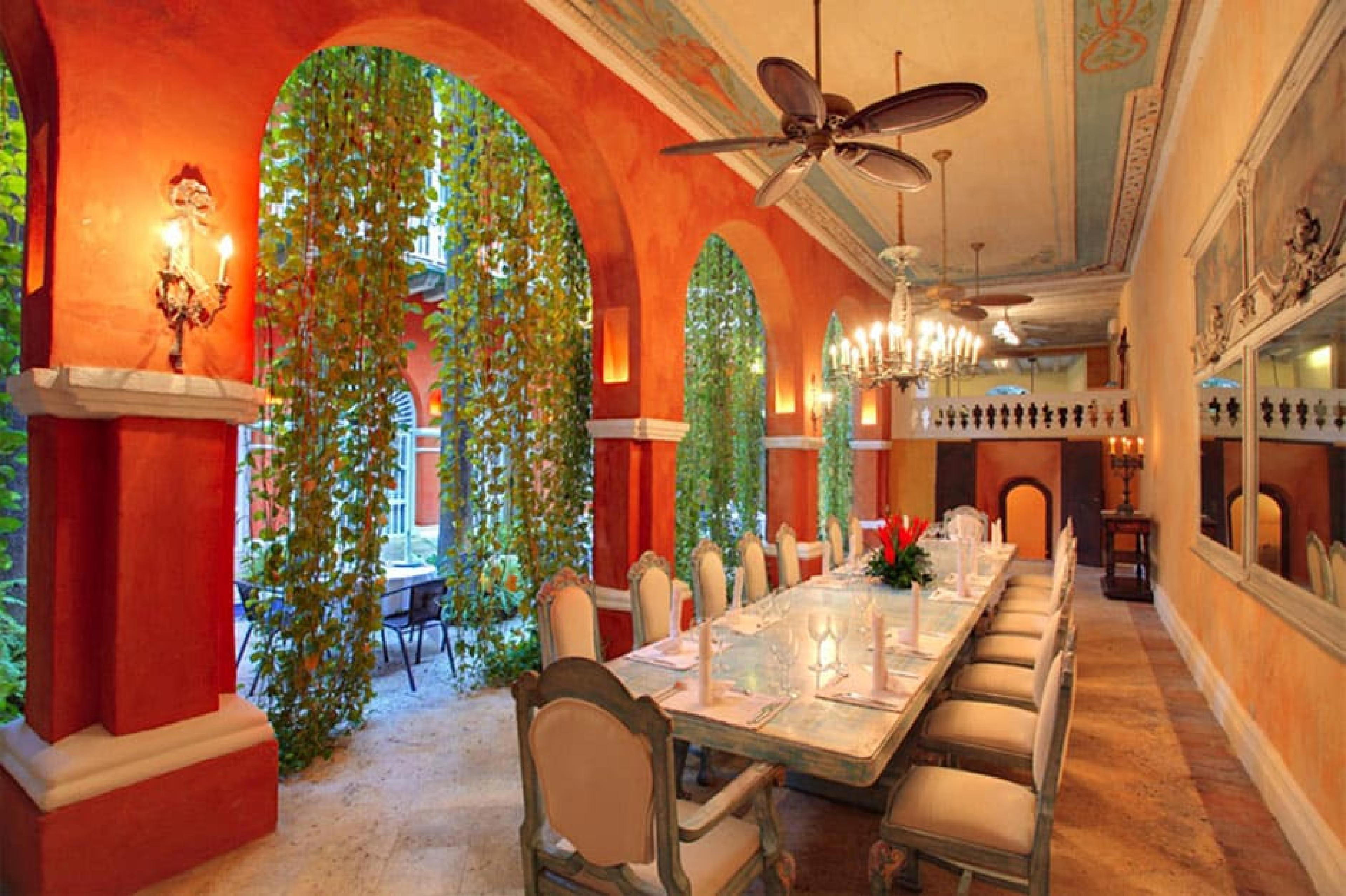
A Colonial Address at the Heart of Cartagena's Walled City
The walled city of Cartagena splits its premium hospitality between two distinct formats: large, internationally branded hotels with rooftop pools and high-volume restaurant programmes, and smaller, palace-conversion boutique properties where architecture does most of the storytelling. Casa Pestagua is a restaurant in Cartagena serving Colombian Fusion with Lebanese influences, with a $75 per person price point. Positioned on Calle Santo Domingo — the historic street that anchors Cartagena's most concentrated cluster of colonial architecture — the property occupies a Moorish-inspired palace whose proportions and detailing signal a different era entirely. Approaching from the cobblestones of El Centro, the facade reads as a piece of urban heritage before it reads as a hotel.
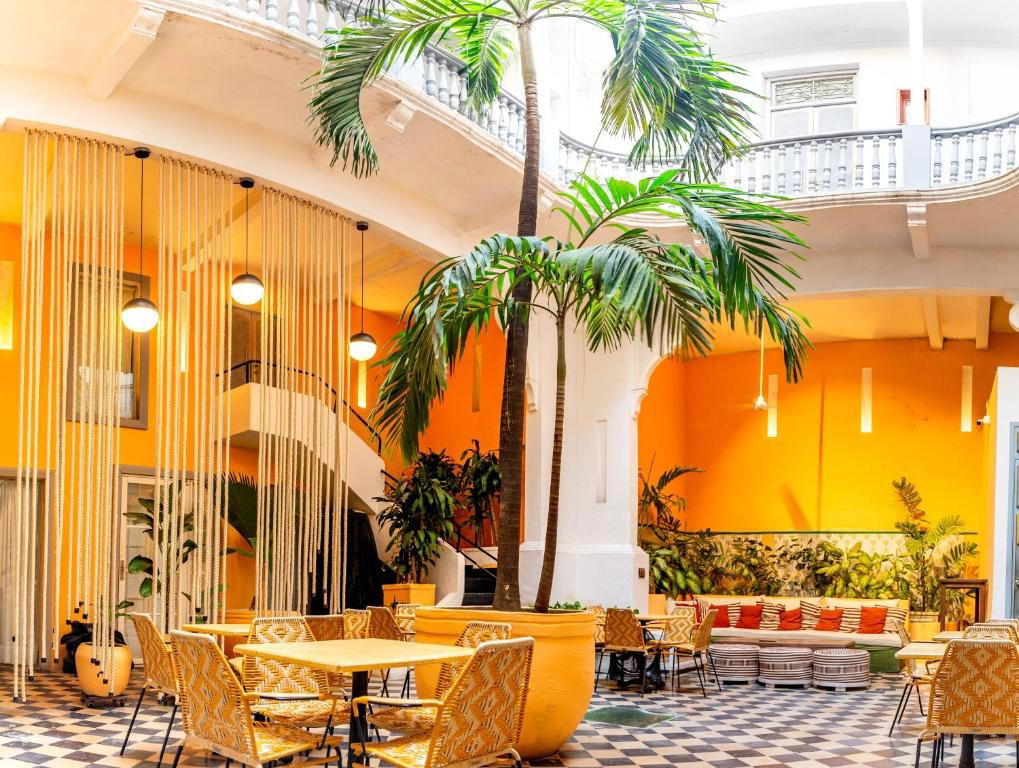
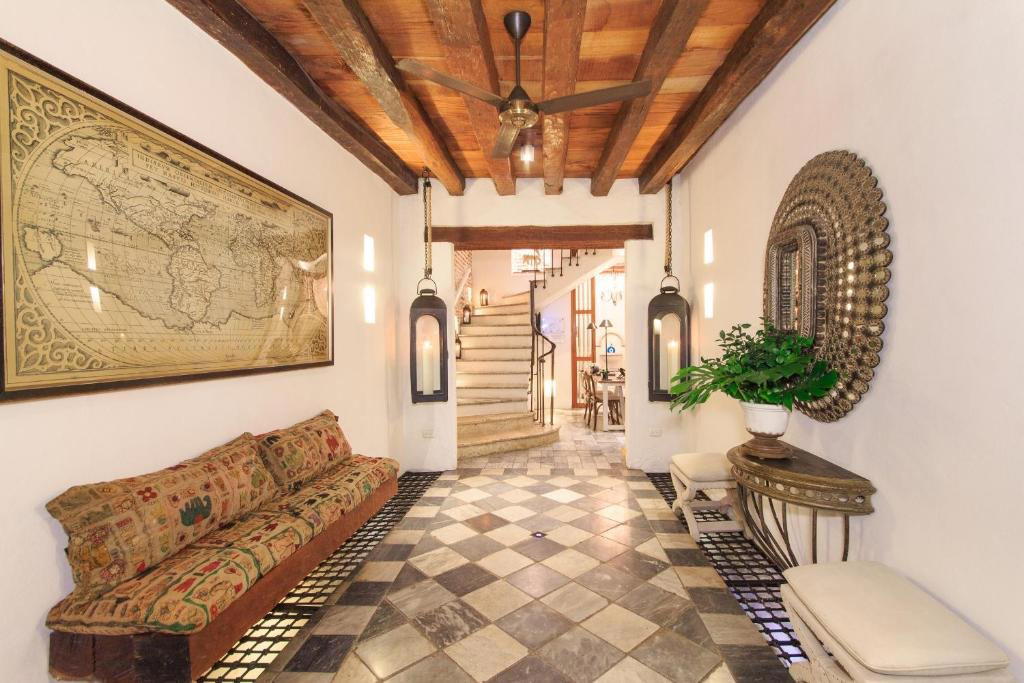
That physical context matters for how dining here works. Colombian Fusion cuisine, as practised in the walled city's upper tier, draws meaning from its setting. Chef Heberto Eljach's kitchen operates inside a building whose spatial logic, courtyards, galleries, layered interior volumes, shapes the pace of a meal before a dish arrives. This is a dining format where environment and plate are read together, and the colonial setting is not incidental to the food programme.
Colombian Fusion in Cartagena's Current Dining Context
Cartagena's fine-dining scene has matured considerably over the past decade, and Colombian Fusion now occupies a defined position within it. The category sits between traditional coastal cooking, fried fish, coconut rice, patacones, and the more aggressively modernist programmes emerging from Bogotá and Medellín. In Cartagena specifically, fusion at the upper end tends to anchor in Caribbean coastal ingredients: fish from the nearby market at La Boquilla, plantains in various preparations, local citrus, and the earthy heat of ají amarillo and ají chombo. The technique may reference European or Asian training, but the ingredient vocabulary stays coastal.
Within this tier, Casa Pestagua sits alongside AniMare and 1621 The Restaurant as addresses where setting and kitchen programme reinforce each other. Celele, widely referenced as the city's most research-driven Modern Colombian kitchen, sits in a slightly different lane, more explicitly focused on indigenous ingredient recovery and ethnobotanical sourcing. Andres Carne de Res represents the other extreme: high-energy, high-volume Colombian hospitality as spectacle. Casa Pestagua's positioning is quieter and more architectural, closer to what you'd call considered luxury than theatrical dining.
For comparison across Colombia's major cities, the Colombian Fusion format at this tier appears at Carmen in Medellín, Debora Restaurante in Bogota, Harry Sasson in Bogotá, Domingo in Cali, and Manuel in Barranquilla, each shaped by local ingredient culture and urban dining norms. Cartagena's version, including what Casa Pestagua represents, is most distinctly influenced by the Caribbean coast's heat and humidity, which dictates both ingredient selection and the physical rhythm of a long meal.
Spirits, Agave, and the Case for Mezcal in a Coastal Setting
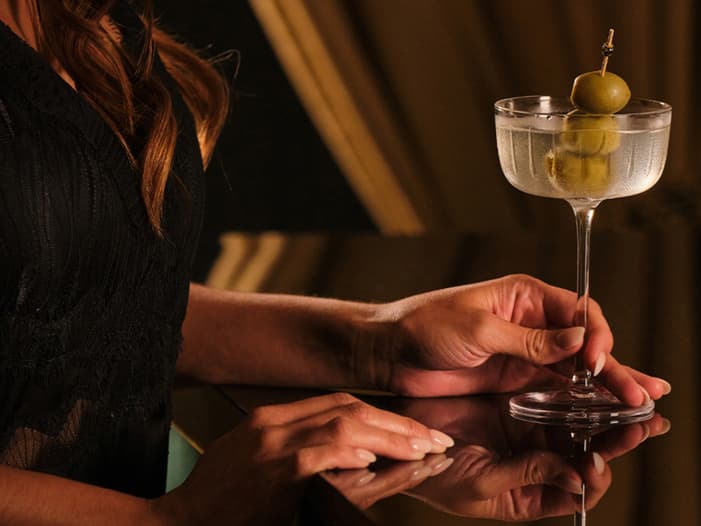
Colombia's cocktail culture has shifted in the last several years, and premium properties in Cartagena's historic centre have registered that shift. Mezcal and artisanal agave spirits, long associated with Mexico's Oaxacan highlands, have moved into serious cocktail programmes across Latin American capitals and, increasingly, into the Caribbean-facing cities. The logic is partly about flavour compatibility: the smoke and mineral depth of a good mezcal sits well against the acidity of coastal Colombian citrus and the sugar-forward profile of tropical fruit. A mezcal paloma built on fresh maracuyá or costeño lemon has a structural coherence that gin-based alternatives sometimes lack in this climate.
For a Colombian Fusion kitchen operating in a colonial courtyard setting, an agave-anchored spirits programme also functions as a regional coherence signal. The cuisines of coastal Colombia and southern Mexico share a pre-colonial ingredient vocabulary, corn, chiles, stone-ground preparations, fermented drinks, and mezcal at the bar extends that conversation rather than disrupting it. Internationally, the parallel shift has been well-documented at addresses like Le Bernardin in New York City and Atomix in New York City, where cocktail programmes have evolved to track the serious-spirits movement. In Cartagena's upper tier, the trajectory follows a similar arc, albeit calibrated to a market that is still building its agave literacy.
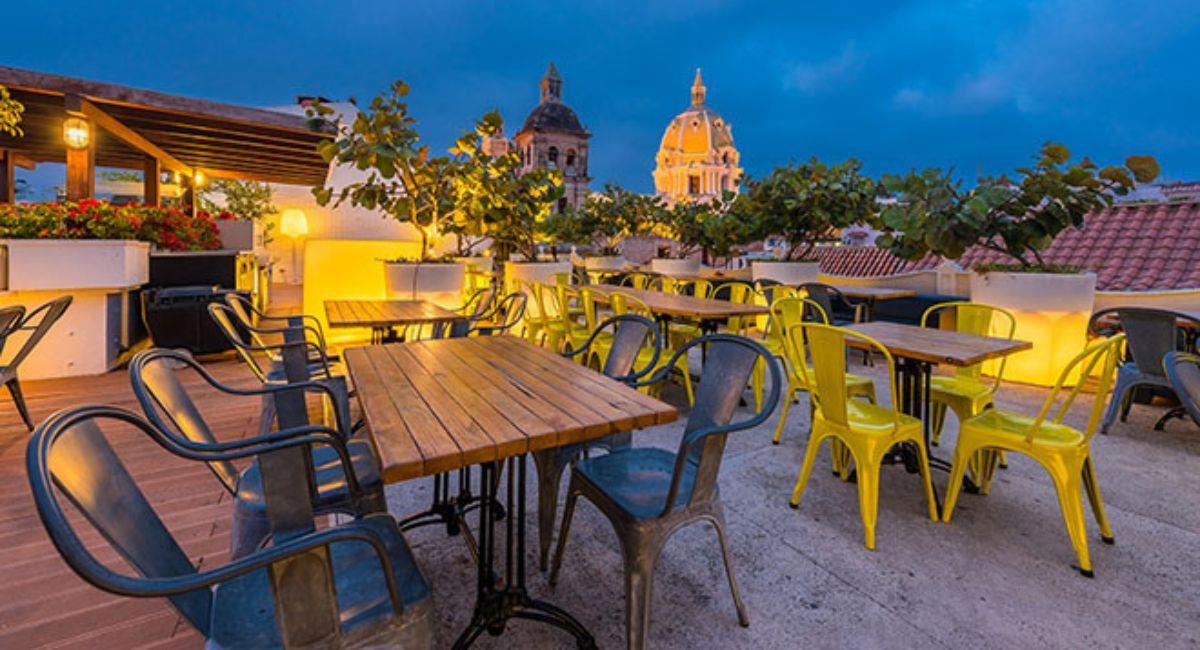
The rooftop at the restaurant, a Jacuzzi terrace above the walled city's roofline, is the obvious setting for spirits service at the end of an evening. At altitude above the colonial streets, with the Caribbean humidity softened by elevation and breeze, a well-poured mezcal or a cocktail built on artisanal tequila closes a Cartagena evening more convincingly than a standard rum serve. The property's position at the centre of El Centro, coordinates 10.3910, -75.4794, means the surrounding city is visible in every direction from the terrace.
Ratings and the Boutique Palace Category
The restaurant carries. In the boutique palace category, properties operating in converted colonial or Moorish structures with limited keys and high architectural integrity, ratings at this level tend to reflect the coherence of the overall offering rather than any single outstanding element. Guests are generally scoring the combined experience of setting, service, and cooking.
The airport serves direct connections from major Colombian hubs as well as select international routes, and the transfer time to Calle Santo Domingo at standard traffic is short enough that the property is reachable within the first hour of landing.
Planning a Visit
The restaurant sits on Calle Santo Domingo in El Centro, Cartagena's walled historic centre, at Carrera 3 #33-63. The address is walkable from the majority of the walled city's key landmarks and from the cluster of premium restaurants and bars that have consolidated around the Plaza Santo Domingo and the Getsemaní neighbourhood just beyond the walls.
Rooms and dining reservations at properties of this calibre book ahead during that window; approaching in the shoulder months of April or October offers the same architecture and kitchen with fewer scheduling constraints.
The Essentials
Comparable venues nearby, for context on price, style, and recognition.
| Venue | Cuisine | Price | Notes |
|---|---|---|---|
| Casa PestaguaThis venue — the venue you are viewing | Colombian Fusion | $$$$ | Not listed |
| 1621 The Restaurant | Not listed | $$$$ | Centro Historico, Modern French-Colombian Fusion |
| Lobo de Mar | Not listed | $$$ | Centro, Caribbean-Mediterranean Seafood Fusion |
| El Patio del Limonar | Getsemaní, Colombian Breakfast Buffet | $$$$ | Not listed |
| The Grand Grill | Not listed | $$$$ | Getsemani, Colombian & American Steakhouse |
Recognition history
Dated appearances from independent guides and award organizations, with the underlying list record or original source where available.
Relais Chateaux Award
Relais Chateaux
Continue exploring
More in Cartagena
Restaurants in Cartagena
Browse all →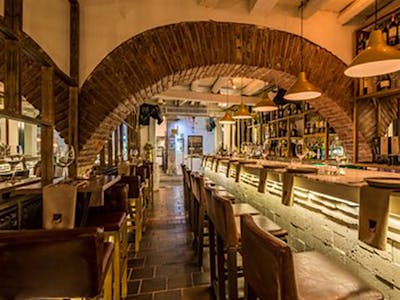
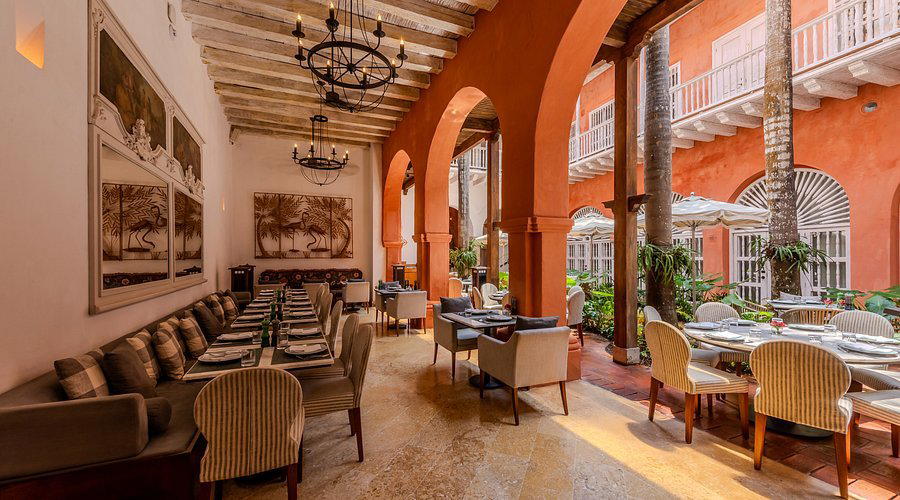
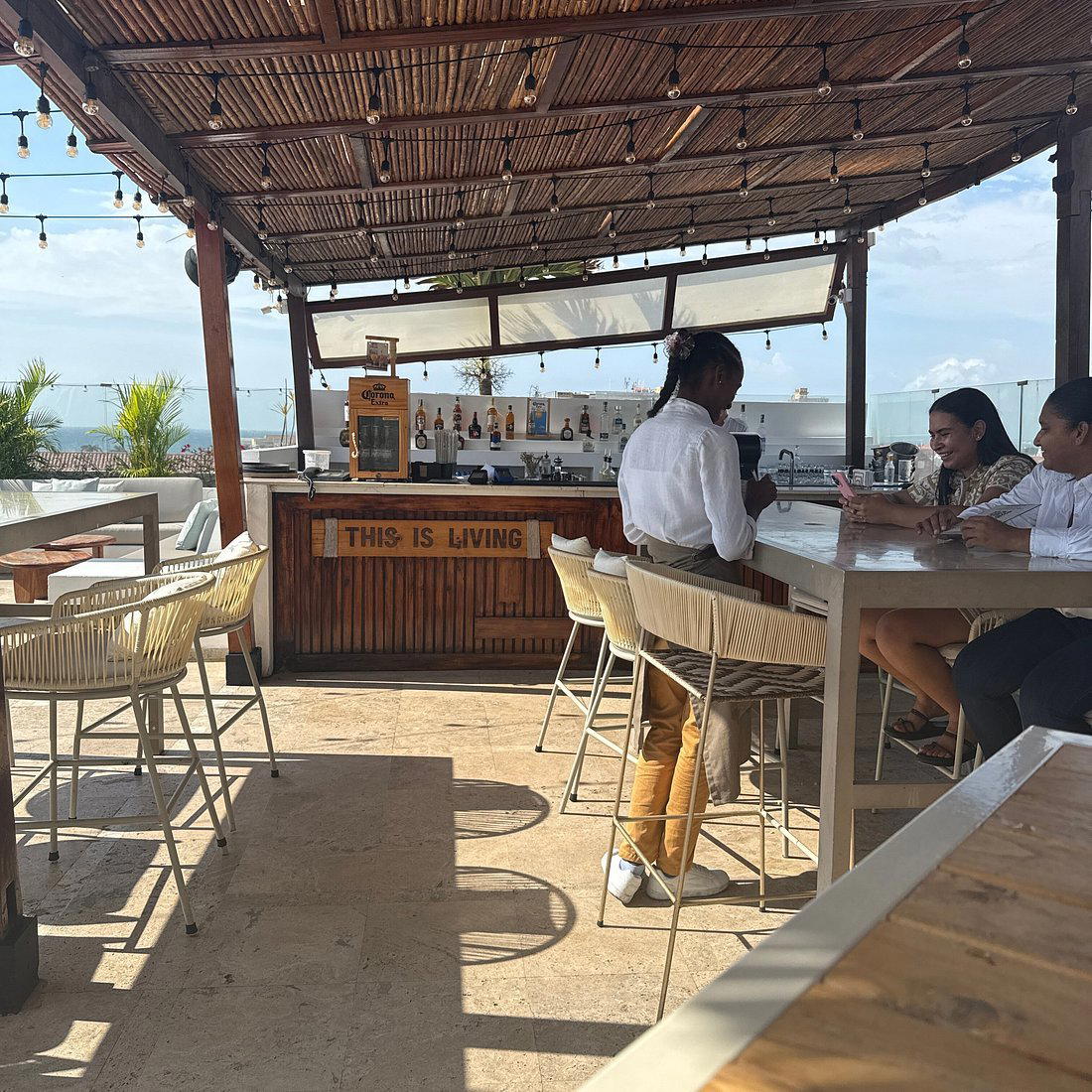
Bars in Cartagena
Browse all →
At a Glance
- Romantic
- Elegant
- Classic
- Intimate
- Sophisticated
- Date Night
- Special Occasion
- Celebration
- Courtyard
- Terrace
- Historic Building
- Hotel Restaurant
- Private Dining
- Craft Cocktails
- Local Sourcing
- Garden
- Street Scene
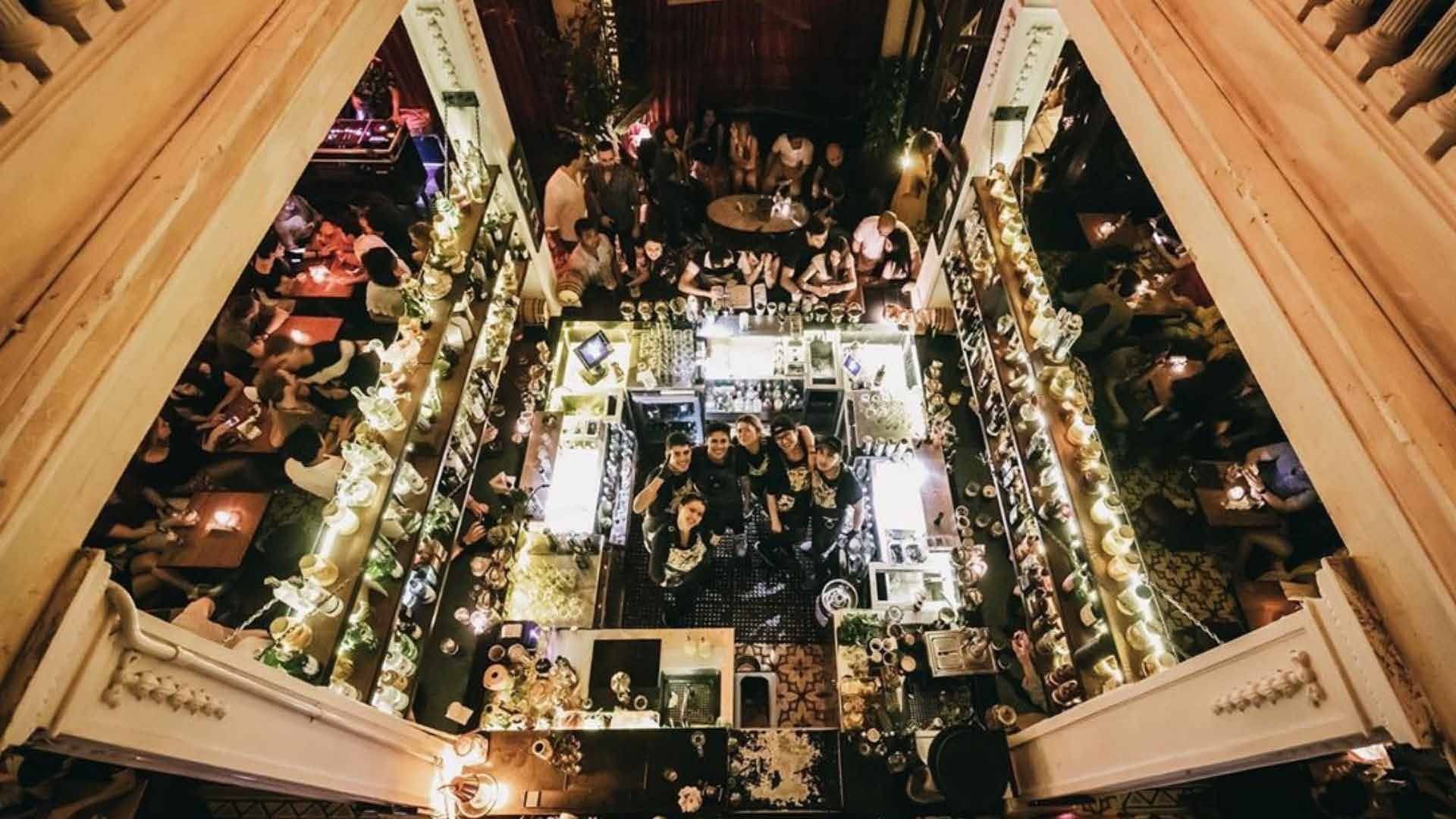
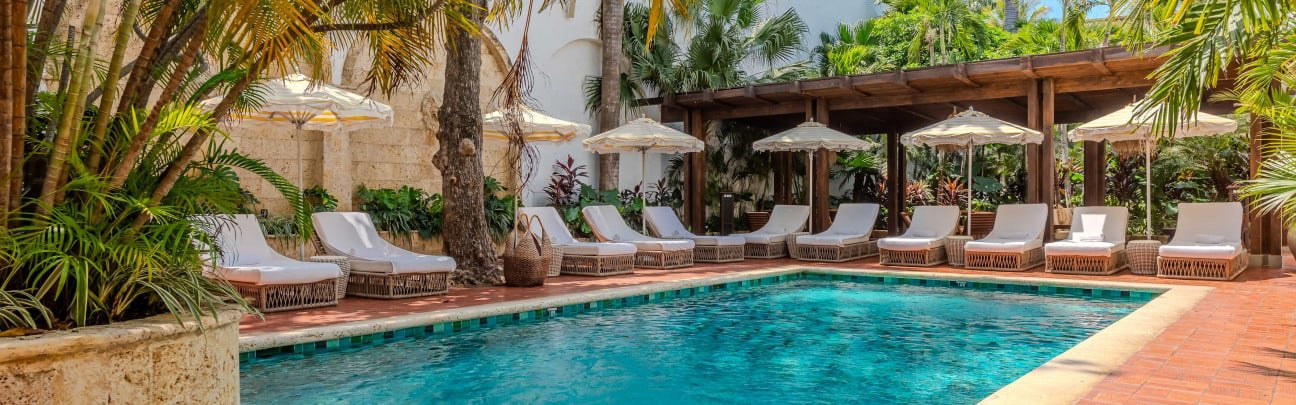
Tropical colonial leisure with high ceilings, graceful arches, palm-dotted courtyard, and soft parasol-shaded tables by day and star-lit by night; relaxed yet refined atmosphere.