Mar Y Zielo occupies a colonial address in El Centro, Cartagena's historic walled city, placing it inside one of Latin America's most architecturally charged dining districts. The name, sky and sea, gestures at the Caribbean identity that defines Cartagena's food culture. For context on where it sits in the city's broader restaurant scene, see our full Cartagena guide.
Pearl is the En Primeur Club membership app — saves, bookings, and concierge access live there. Same editors, same standards.
- Address
- Cra. 5 #34-63, El Centro, Cartagena de Indias, Bolívar, Colombia
- Phone
- +57 317 6911393
- Website
- maryzielo.com
- Directions
- Get directions
 Saves & bookings on Pearl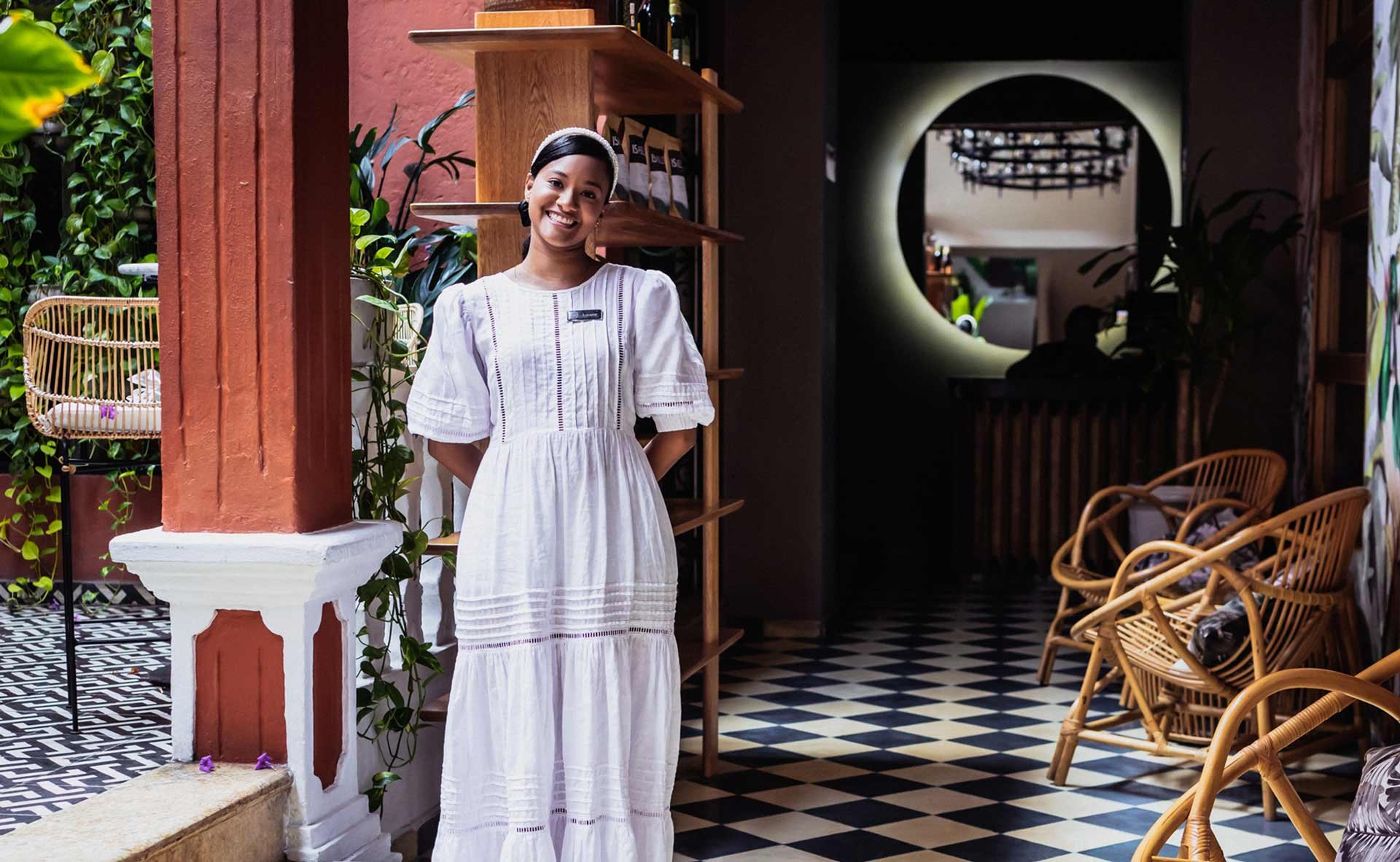
El Centro and the Weight of Cartagena's Cooking Tradition
Cartagena's walled city, El Centro, is one of the few places in Latin America where the built environment and the food culture are genuinely inseparable. The district's colonial courtyards, iron-balconied streets, and proximity to the Caribbean coast have shaped a dining scene that draws equally on African, Spanish, and Indigenous coastal traditions. It is a cuisine of ceviche and patacones, of slow-cooked stews and fresh-caught fish arriving from the same waters that surround the city walls. Mar Y Zielo, located on Cra. 5 in the heart of El Centro, sits inside that tradition at a Cartagena address that places it alongside some of the city's most established dining rooms.
The name itself is a declaration of intent. Mar (sea) and zielo (an archaic or stylised rendering of cielo, sky) frames the restaurant inside the elemental geography of the Caribbean coast. In a city where the horizon is perpetually split between water and sky, that framing is less a marketing choice than a statement about provenance and place.
The Caribbean Table: What Cartagena's Food Culture Actually Means
To understand where a restaurant like Mar Y Zielo operates, it helps to understand what Colombian Caribbean cooking has become in the past decade. Cartagena has moved from being a colonial heritage destination with decent but unremarkable food into a city with a serious and self-aware restaurant scene. The shift mirrors what happened in Bogotá and Medellín earlier: local ingredients and traditional techniques reassessed through a more technically confident kitchen vocabulary.
The Caribbean coast's pantry is unusually rich. Coconut rice, fried fish, plantain in its many forms, yuca, coastal herbs, and seafood drawn from both the Caribbean Sea and inland rivers form the base. The leading kitchens in the city now treat these ingredients with the same rigour applied to Andean produce in Bogotá or to Amazonian foraging in Peru. For a sense of how that coastal-to-contemporary arc plays out elsewhere in Colombia, Debora Restaurante in Bogotá and 37 Park in Medellín offer useful reference points from the country's two other major dining cities.
Within Cartagena specifically, the competitive set now includes AniMare, which works the Colombian Fusion register, and Canales 5 Brasserie Moderne, which imports a French brasserie framework into the coastal context. The longer-established 1621 The Restaurant operates at the premium end, while Andres Carne de Res represents the high-energy, celebratory end of Colombian dining, its Chia original, Andrés Carne de Res, remains one of the country's most visited restaurants. Mar Y Zielo occupies a different register: an El Centro address with a name grounded in Caribbean geography.
The El Centro Address
Cra. 5 in El Centro is a colonial-quarter street running through among the more preserved historic districts in the Americas, a UNESCO World Heritage Site since 1984. Dining in this district carries physical context that few other Latin American cities can match. The neighbourhood's density of restaurants means competition is direct and constant; venues here are assessed against an unusually high base of expectation from international visitors who have come to Cartagena specifically for its cultural weight.
That same foot traffic also creates opportunity. El Centro draws a mix of Colombian domestic travellers, international tourists, and the kind of regional food press attention that Cartagena has attracted increasingly since the city's culinary profile rose in the late 2010s. Nearby, Café Rialto handles the speciality coffee and pastry end of the El Centro offer, while LA BRIOCHE in Bocagrande covers bakery-forward dining in the adjacent coastal district.
The broader Colombian coast beyond Cartagena is also developing its dining identity. BURUKUKA in Santa Marta represents how the sunset-bar-restaurant format is taking hold further along the coast, while Los Tacos Del Gordo shows the casual end of the Cartagena street-food tradition finding a more formalised home.
Placing Mar Y Zielo in Its comparable set
The restaurant sits in Cartagena's upper price tier, with a modern Caribbean gastro bar identity. What the address and name together signal is a restaurant oriented toward El Centro's mainstream dining audience rather than the budget street-food tier or the premium tasting-menu bracket. That middle register in Cartagena is competitive: it serves both the city's international visitor base and Colombians dining out in a heritage context, and it demands a clear sense of identity to hold attention.
For comparison, Cardinal Comida Peruana de Autor in Pereira illustrates how Latin American restaurants at this level are increasingly building identity around a defined regional or national culinary reference, Peruvian in that case, Caribbean Colombian here. The reference-point approach, naming the sea and sky of a specific coast, positions a restaurant more precisely in the market than a generic fine-dining or fusion label would.
Planning Your Visit
The restaurant is located at Cra. 5 #34-63, El Centro, Cartagena de Indias, a walkable position within the walled city and accessible from most El Centro hotels on foot. Reservations are recommended.
Cost Snapshot
Comparable venues nearby, for context on price, style, and recognition.
| Venue | Cuisine | Price | Notes |
|---|---|---|---|
| Mar Y ZieloThis venue — the venue you are viewing | Not listed | $$$$ | Not listed |
| Restaurante Carmen Cartagena | Walled City, Modern Caribbean Seafood | $$$$ | Not listed |
| La Vitrola | Not listed | $$$ | Centro (Old City), Traditional Cuban & Caribbean |
| Lobo de Mar | Not listed | $$$ | Centro, Caribbean-Mediterranean Seafood Fusion |
| San Valentín Restaurante Bar | Centro, Caribbean Seafood & Local Fare | $$ | Not listed |
| 1621 The Restaurant | Not listed | $$$$ | Centro Historico, Modern French-Colombian Fusion |
Continue exploring
More in Cartagena
Restaurants in Cartagena
Browse all →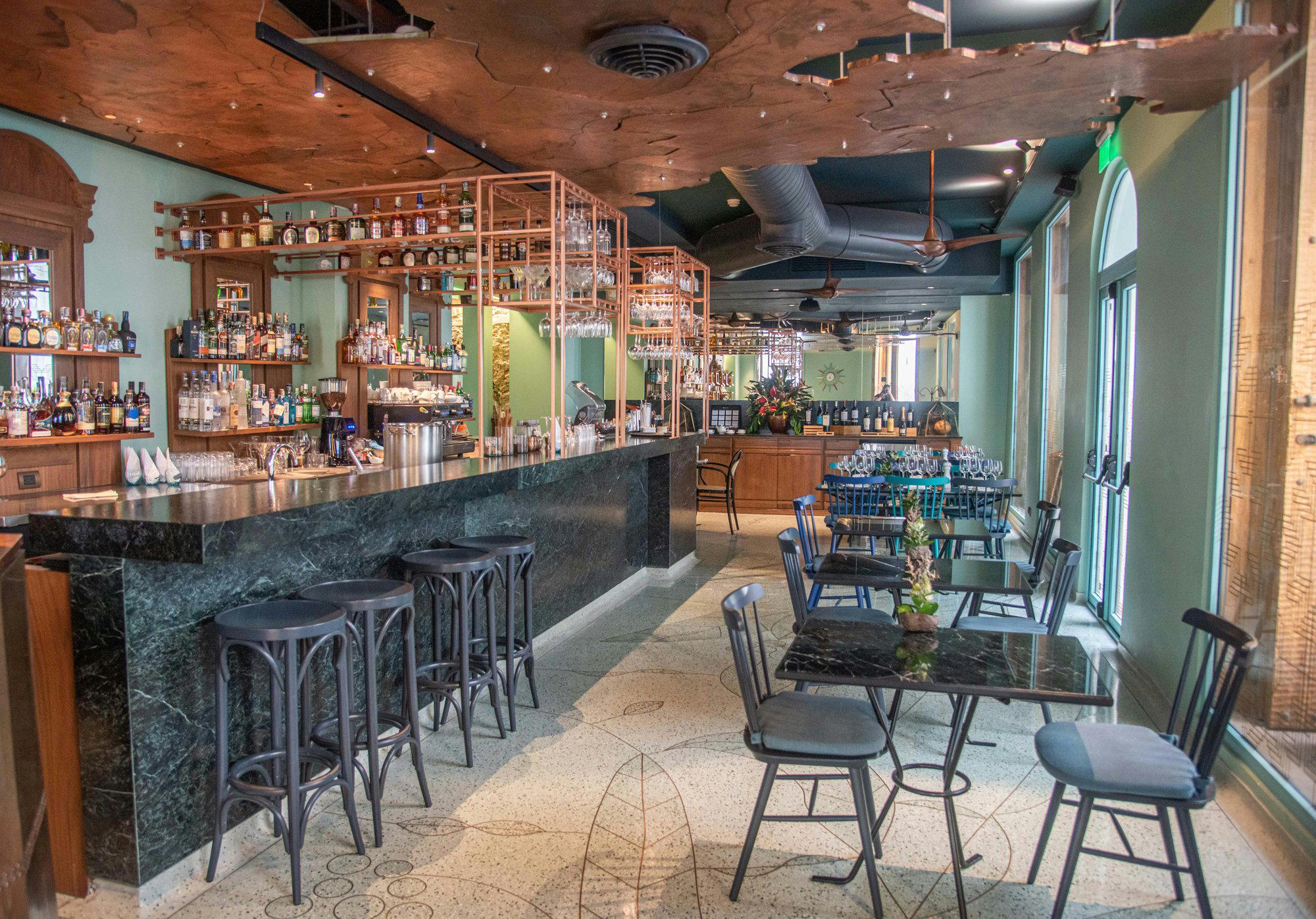
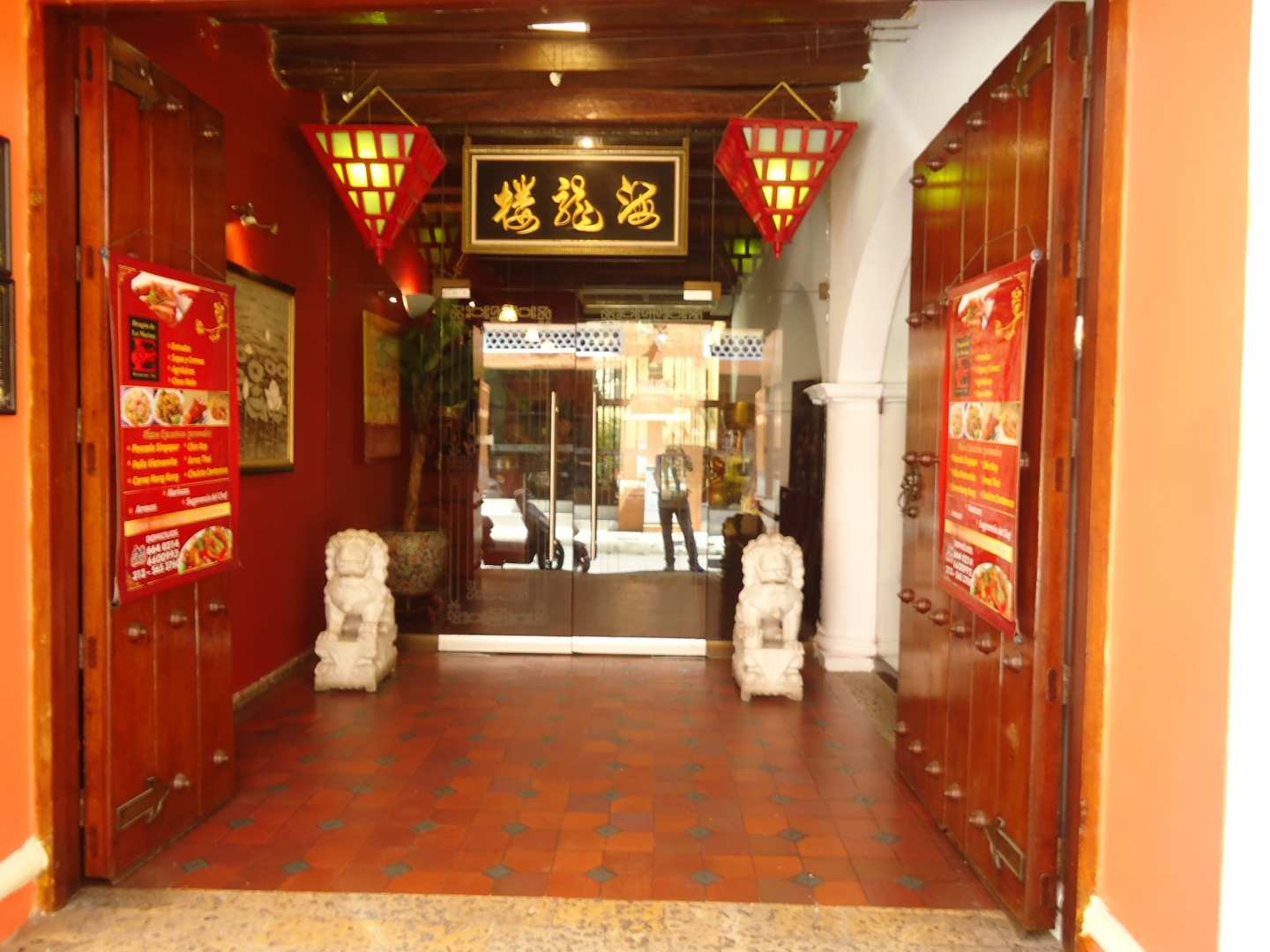
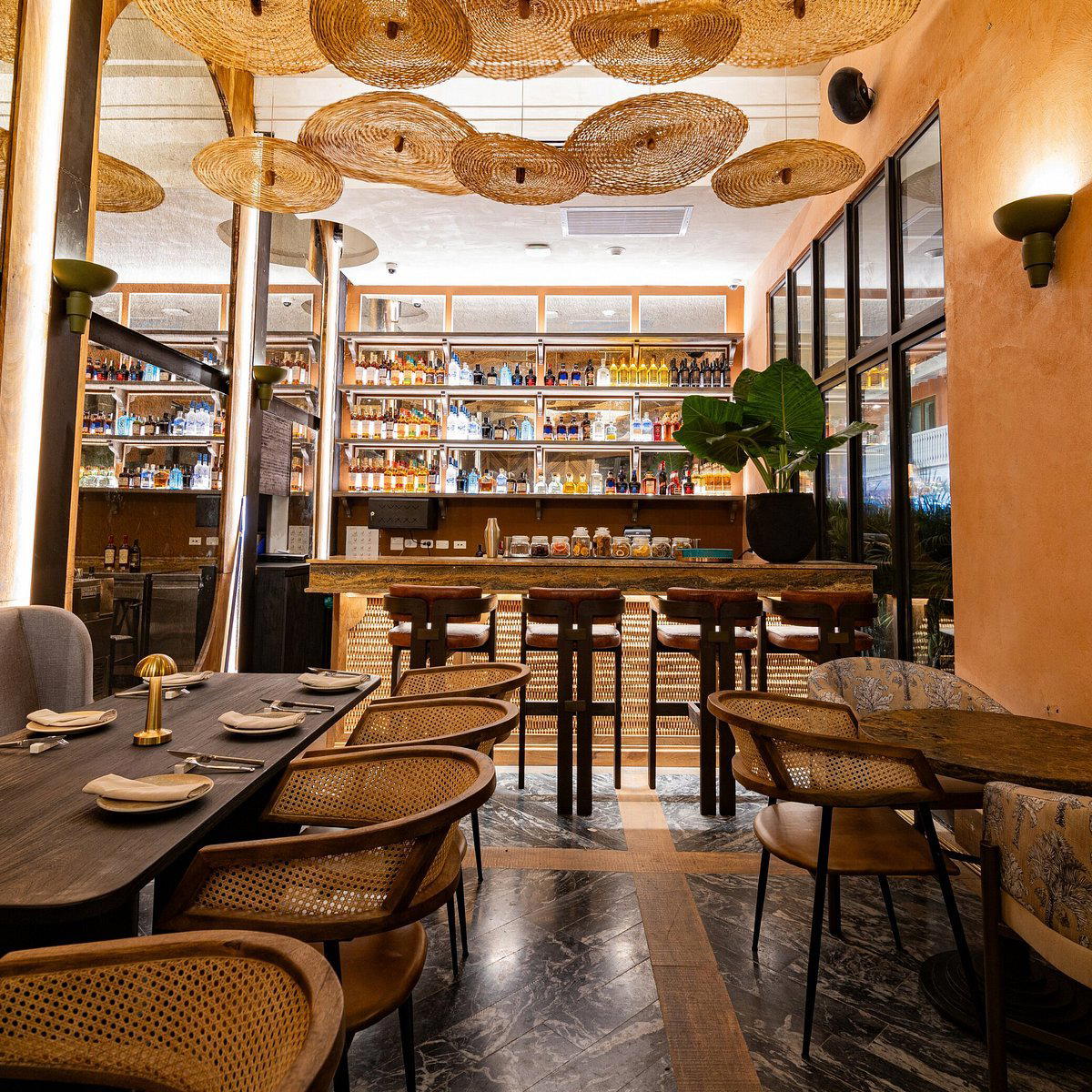
Bars in Cartagena
Browse all →
At a Glance
- Elegant
- Romantic
- Cozy
- Sophisticated
- Trendy
- Date Night
- Special Occasion
- Group Dining
- Rooftop
- Historic Building
- Terrace
- Craft Cocktails
- Extensive Wine List
- Local Sourcing
- Skyline
- Street Scene
Current opening hours
- Monday
- 12–4 PM, 6–10:30 PM
- Tuesday
- 6:30–10:30 PM
- Wednesday
- 12–4 PM, 6–10:30 PM
- Thursday
- 12–4 PM, 6–10:30 PM
- Friday
- 6 AM–11 PM
- Saturday
- 12–4 PM, 6–11 PM
- Sunday
- 12–4 PM, 6–10:30 PM
Hours can change for holidays and private events. Last verified .
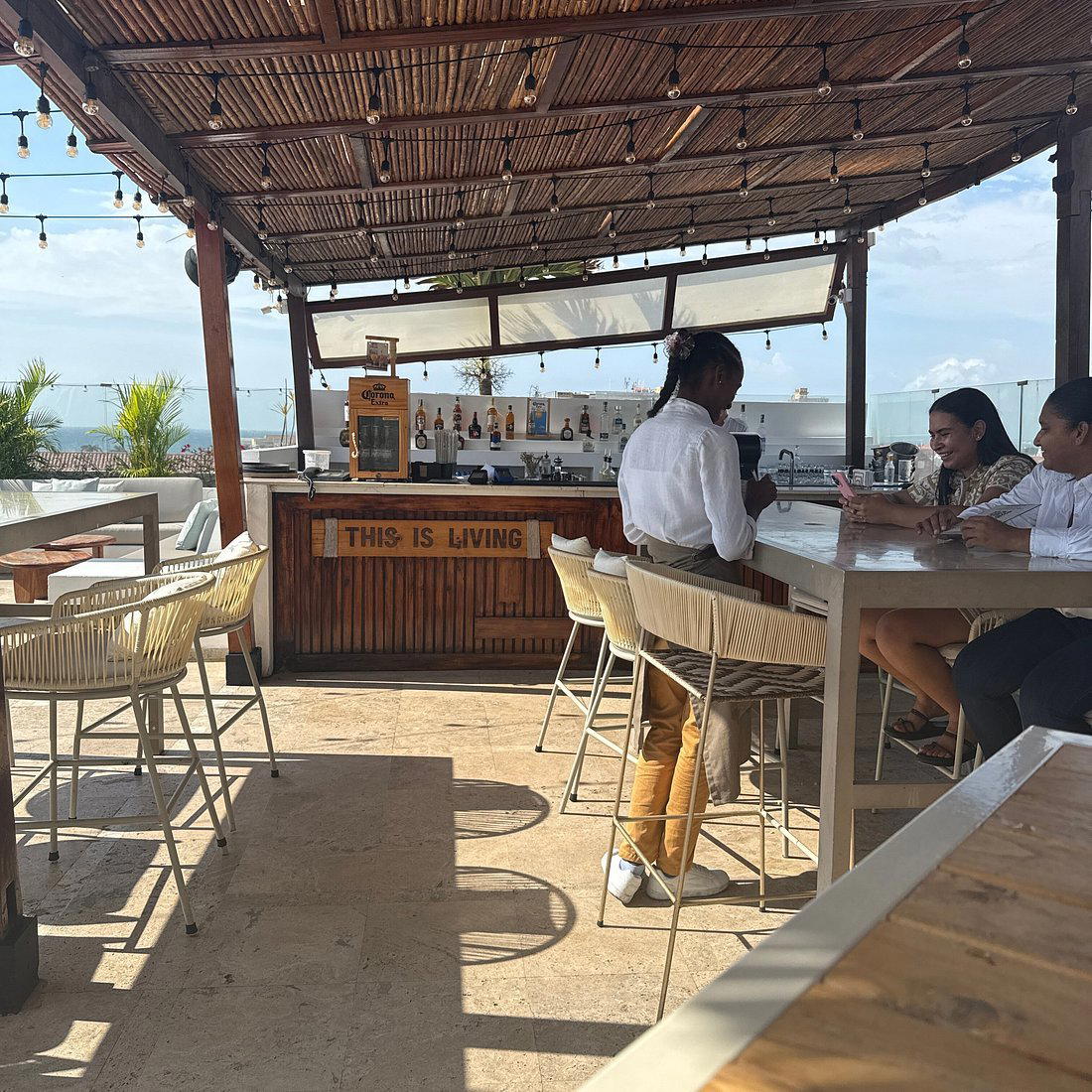
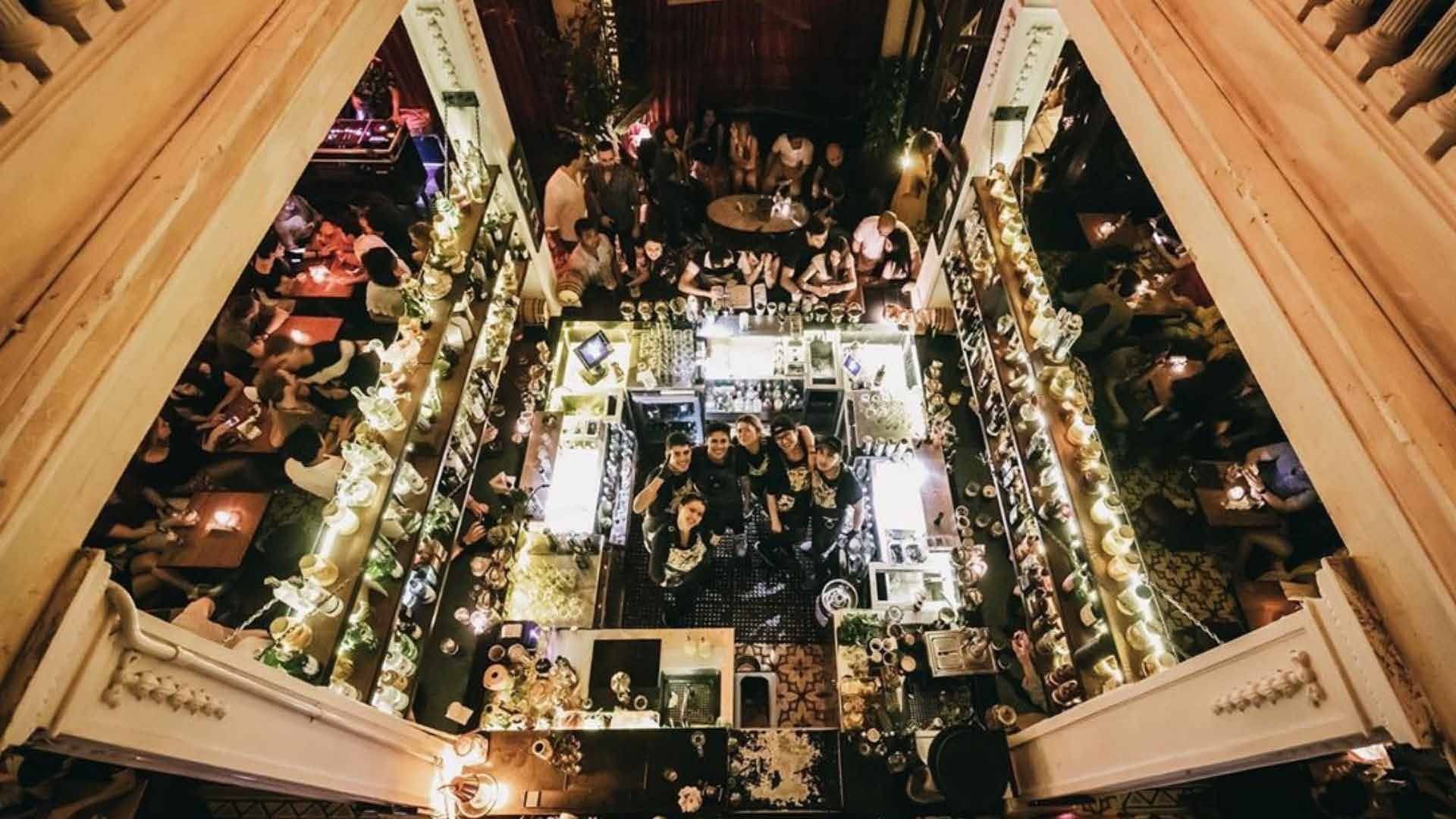
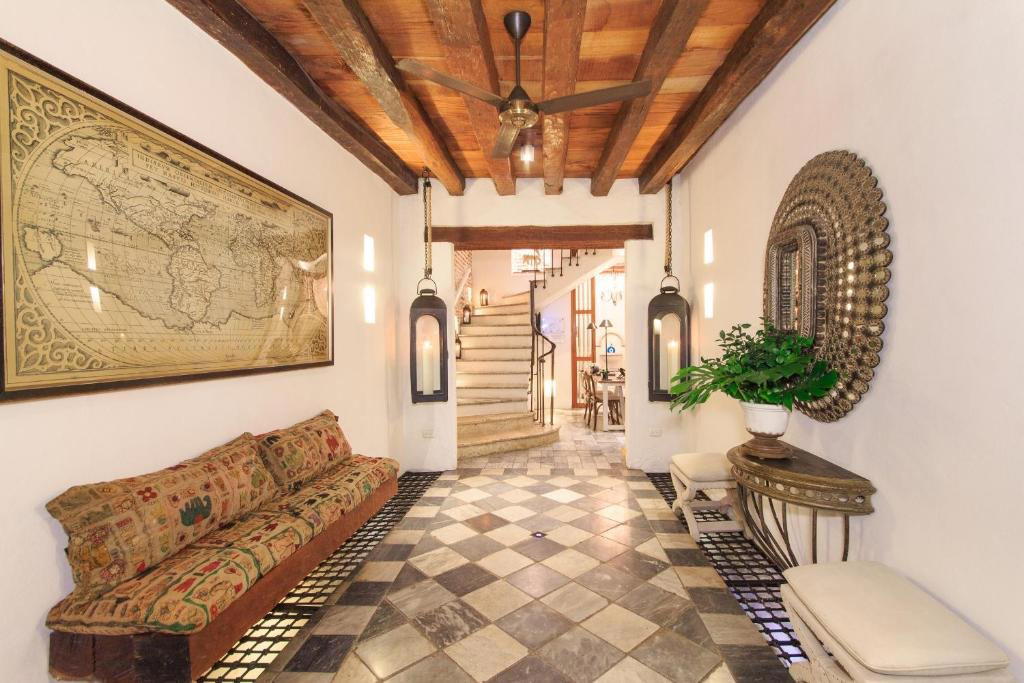
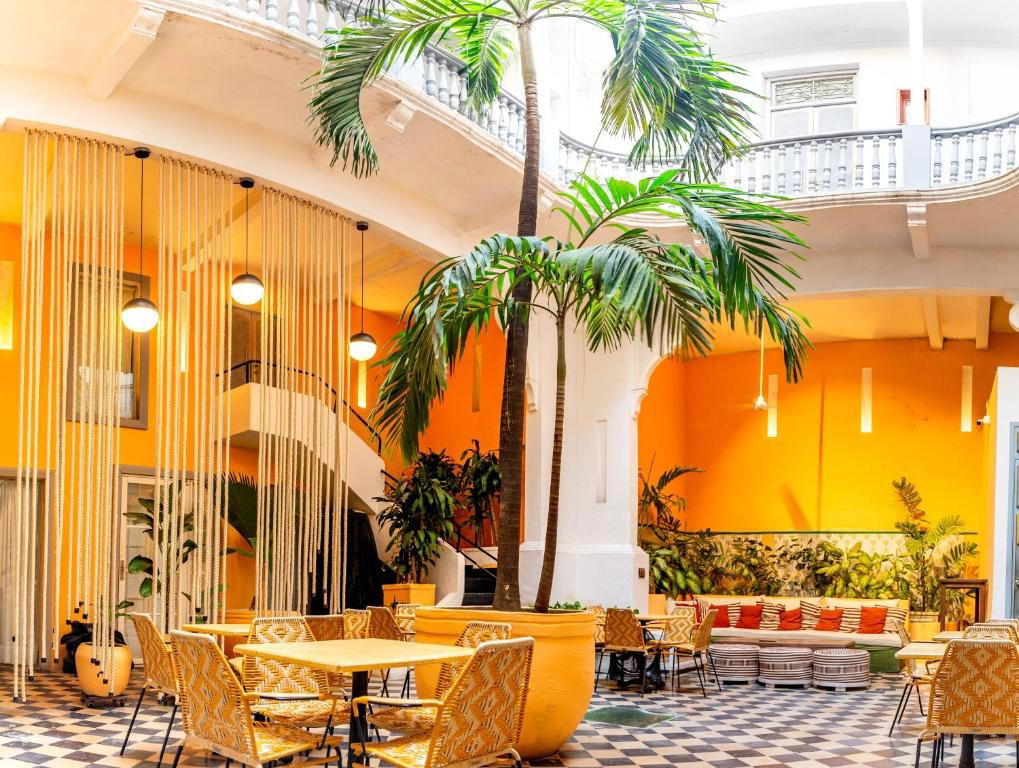
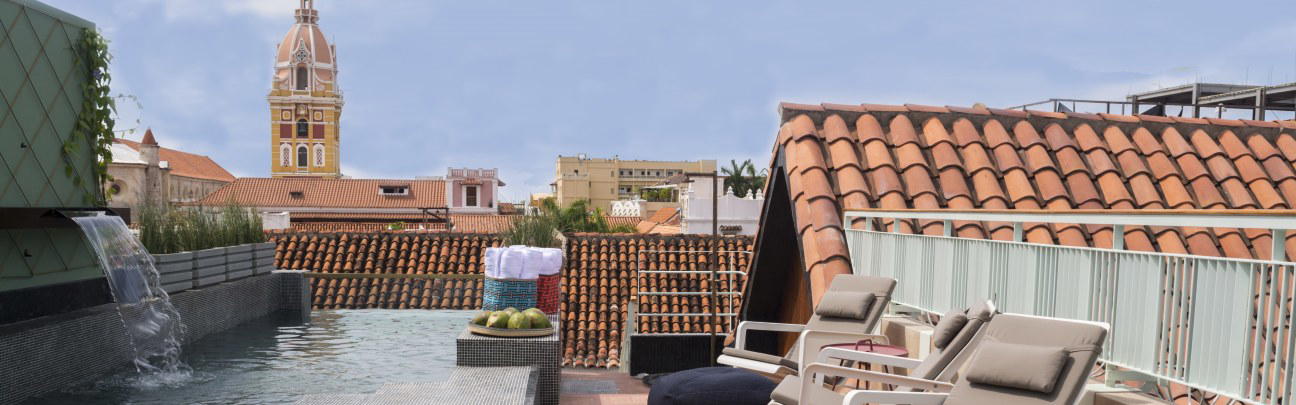
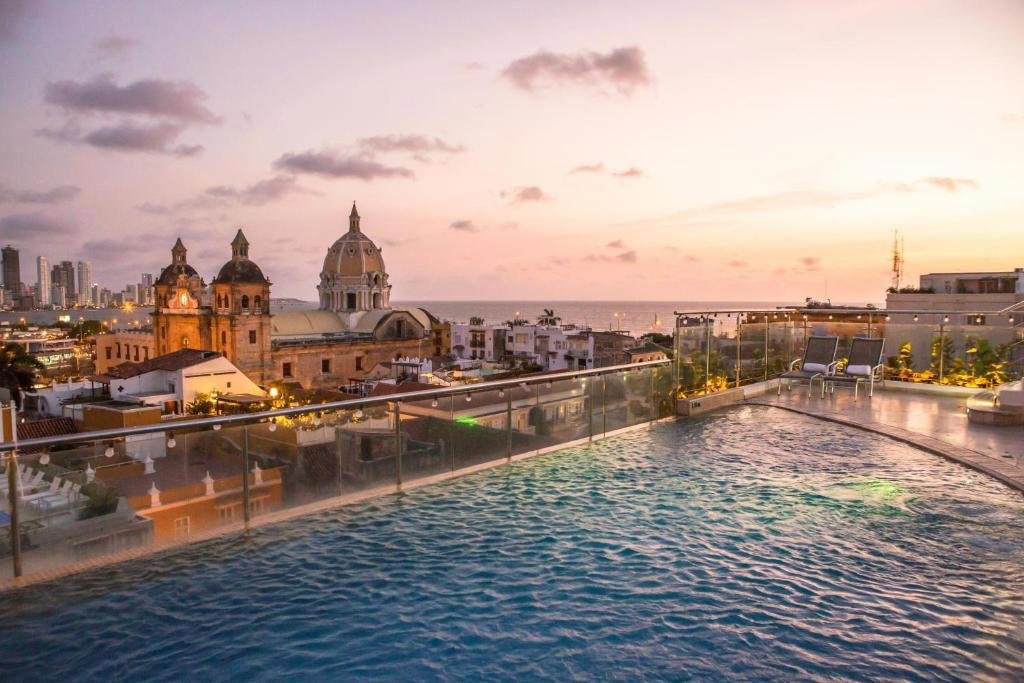
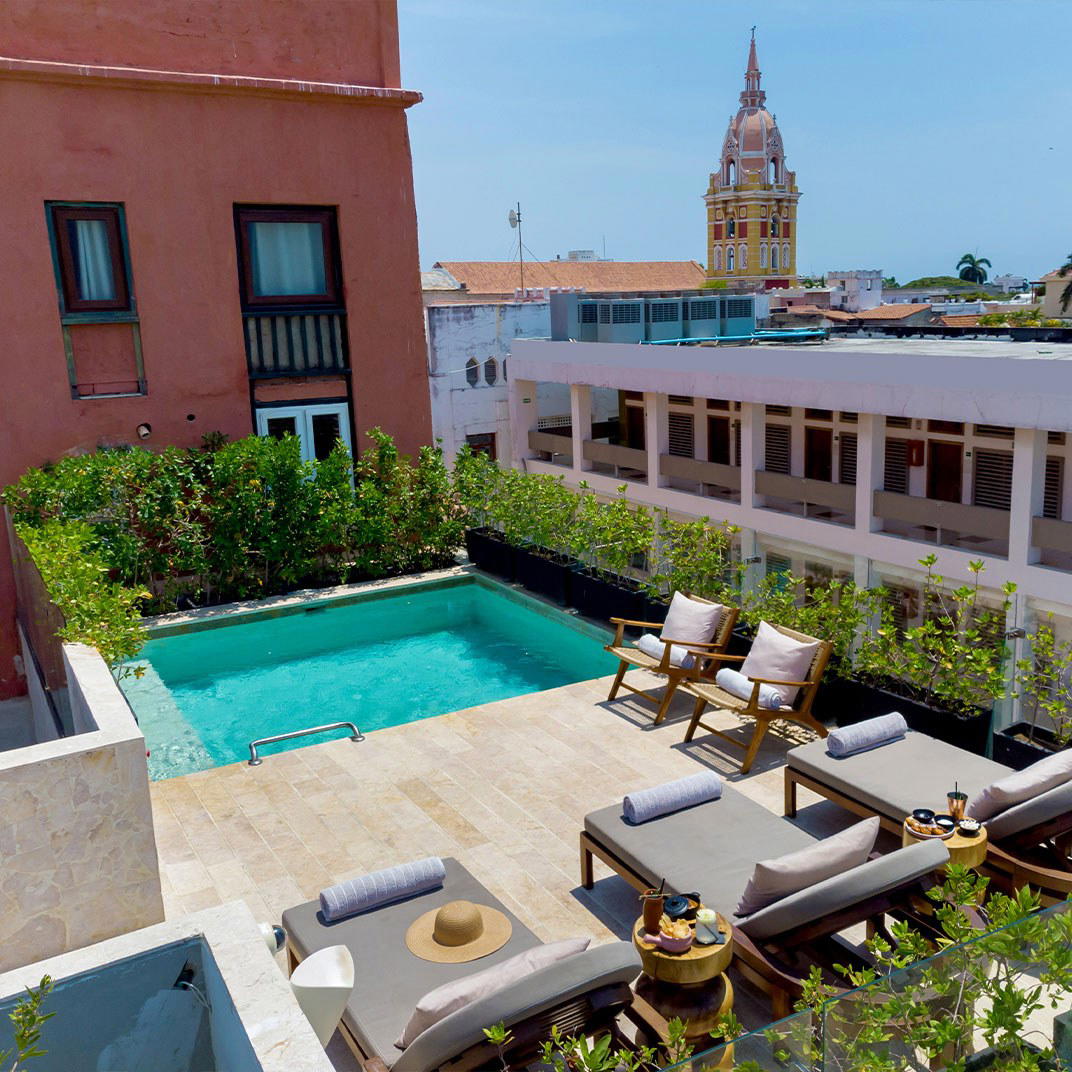
Elegant and relaxed atmosphere across stylish dining room, intimate cava, and lush tropical rooftop with historical rooftop views and soft house beats.