Bar Lelarge sits inside Cartagena's cocktail scene as a address shaped by local and seasonal fruits, with a Cuban-influenced approach to mixing that sets it apart from the city's more internationally formatted bars. The drinks program draws on the Caribbean fruit pantry that defines the region, placing it in a specific niche within a city whose bar culture has matured considerably over the last decade.

Pearl is the En Primeur Club membership app — saves, bookings, and concierge access live there. Same editors, same standards.
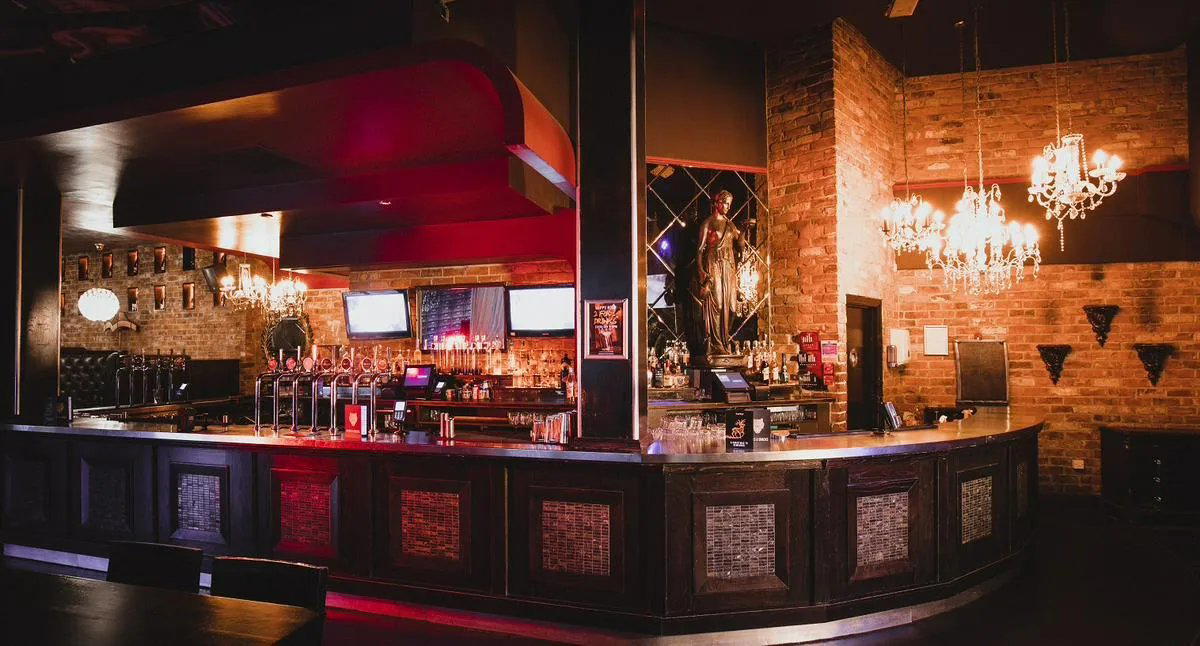
What the Room Tells You Before the First Drink Arrives
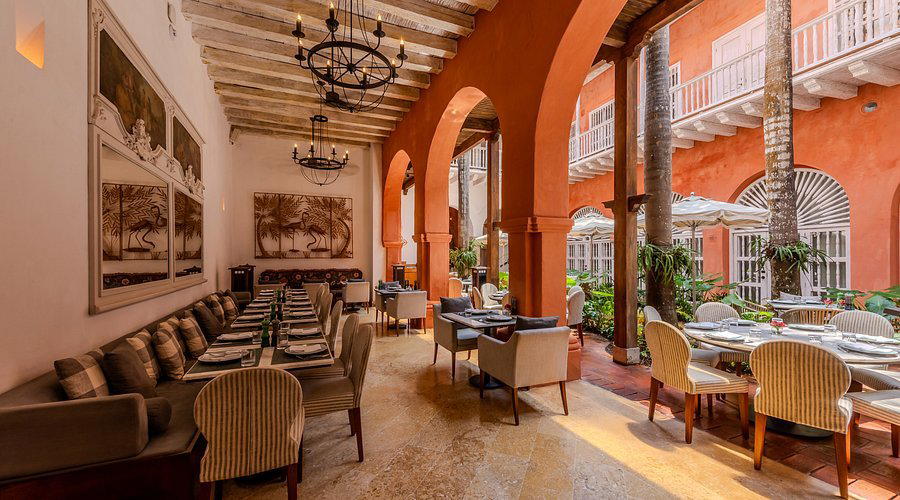
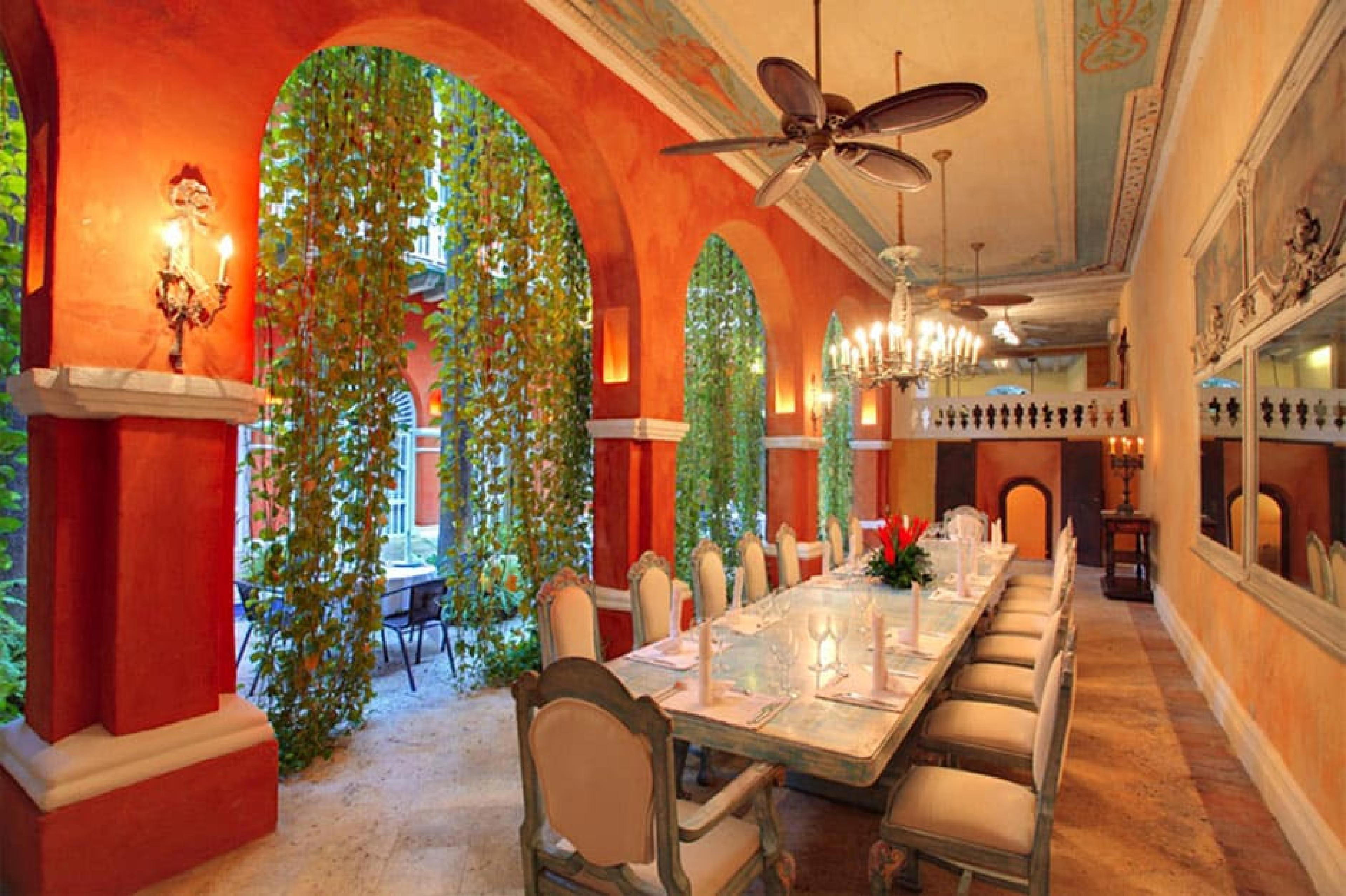
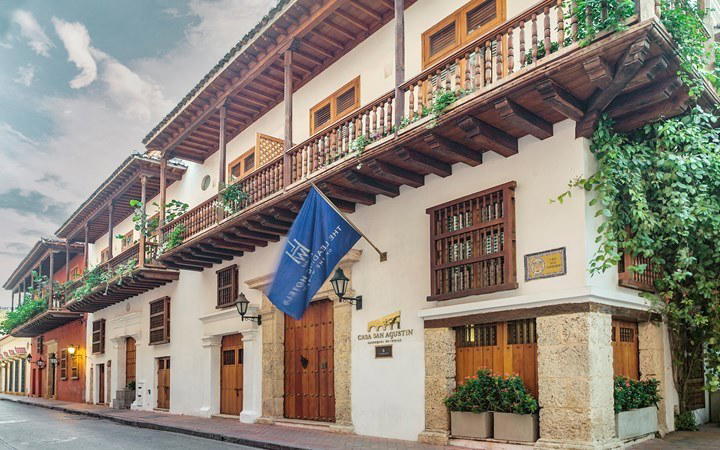
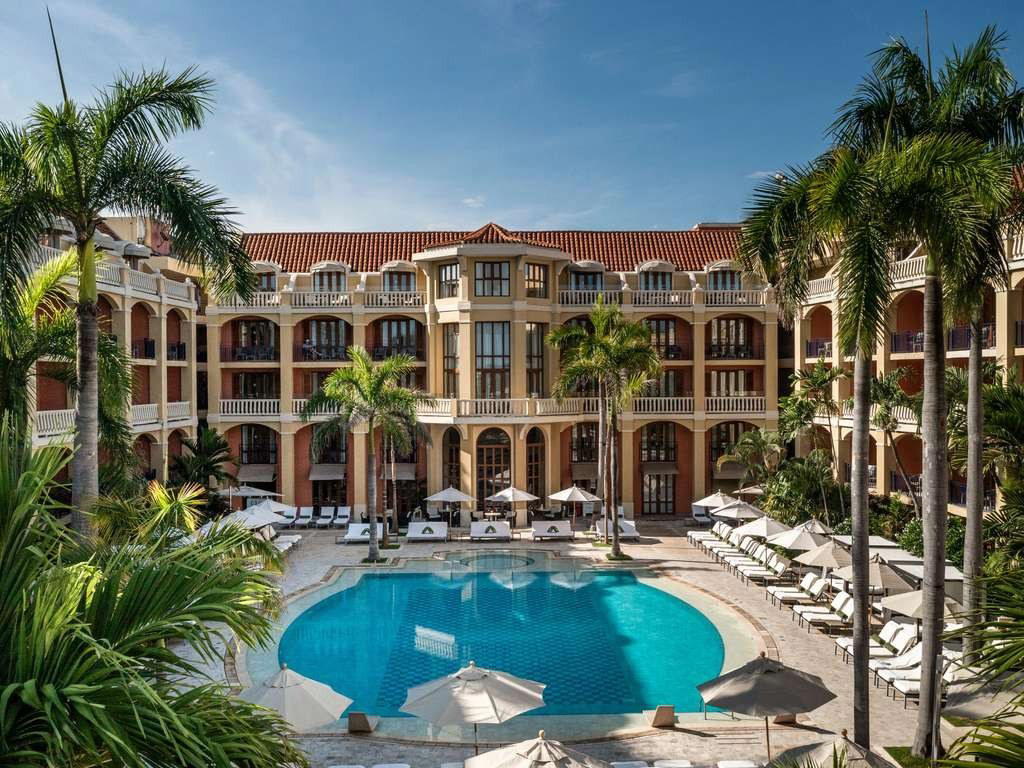
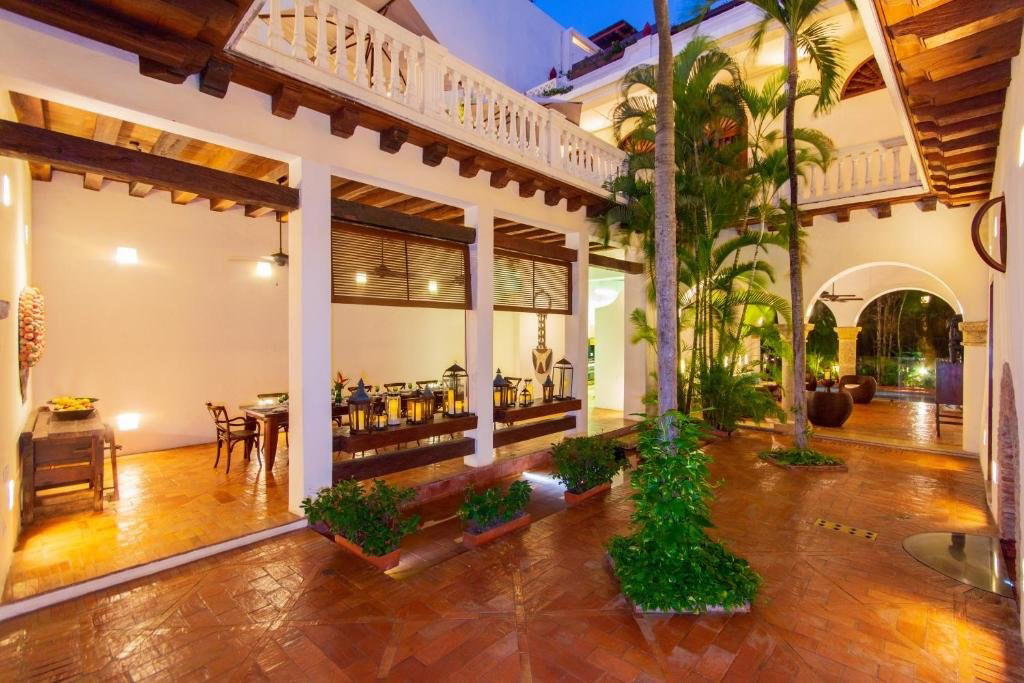
Cartagena's bar culture has a particular rhythm to it. The city's walled-centre bars operate inside colonial architecture, where thick stone walls drop temperatures by several degrees the moment you step off the street, and ceiling heights that were built for equatorial heat do much of the atmospheric work before a single bottle is opened. Bar Lelarge fits inside this tradition, a space where the physical envelope of the building shapes the drinking experience as much as anything on the menu. Cartagena's cocktail rooms increasingly understand this, using the city's architectural inheritance as a setting rather than fighting it with imported design language.
The broader shift in Colombian bar culture over the last decade has moved toward programs that take the country's extraordinary fruit biodiversity seriously. Where earlier premium bars leaned on European spirits categories and imported formats, a newer generation of Cartagena drinking rooms has turned toward local and seasonal ingredients as the organising principle of their menus. Bar Lelarge sits in that current, with a program built around local and seasonal fruits and a Cuban influence that connects it to the Caribbean drinking tradition that geographically and culturally surrounds the city.
The Cuban Thread in a Colombian City
The Cuban cocktail tradition and Colombian coastal culture share more DNA than casual observers might expect. Havana's bar culture, developed across the early twentieth century, gave the Caribbean a vocabulary of rum-forward, fruit-integrated cocktails that filtered through islands and coastlines over generations. Cartagena, facing the same Caribbean sea, absorbed those influences alongside its own Spanish colonial inheritance and the indigenous and Afro-Colombian culinary traditions of the coast. A bar program that folds Cuban influence into a Colombian fruit-forward approach is not grafting something foreign onto local culture. It is acknowledging how the Caribbean works as a drinking region, where borders have always been more porous than political maps suggest.
Cocktail bars that have earned sustained recognition in Cartagena tend to cluster into two broad types: those that operate as international-facing prestige venues, and those that anchor more specifically to place. Alquímico has occupied a position near stronger examples from Latin America's bar rankings and represents the former. El Aljibe operates with craft cocktails and gourmet bites, similarly positioning itself within a polished format. Bar Lelarge's local-and-seasonal-fruit identity suggests an approach that grounds itself more deliberately in what the Caribbean coast actually produces rather than in what the global cocktail conversation is currently focused on.
Seasonal Fruit as a Structural Choice
Using local and seasonal fruits as a cocktail program's backbone is a more demanding commitment than it appears from the outside. Caribbean coastal Colombia produces corozo, tamarind, maracuya, guanabana, nispero, and dozens of other fruits that exist largely outside the international bar canon. Building drinks around seasonal availability means the menu shifts, bartenders must know the market cycles, and the program cannot simply be locked in and left. This is a different operational philosophy from bars that work with standardized imported ingredients and fixed menus year-round.
The practical effect for the drinker is a menu that reflects what is actually growing and ripening in the region at a given moment. This is increasingly common in fine dining, where seasonal menus have been standard practice for years, but it remains less common in cocktail programs at this level. Bars in other Colombian cities have started to move in this direction: Bar Carmen in Medellín and La Sala de Laura in Bogota each represent the country's broader cocktail ambition, though with different regional ingredient palettes. On Colombia's northern Caribbean coast, the fruit pantry is distinct from both Bogota's high-altitude sourcing and Medellín's Antioquian produce, giving a Cartagena bar with serious seasonal commitments a genuinely different raw material base to work from.
Where Bar Lelarge Sits in the City's Drinking Map
Cartagena's bar scene is not uniform. The walled city concentrates the highest density of premium drinking rooms, with properties ranging from rooftop sunset bars like El Palmar to lobby-adjacent international lounges such as Atrio to more conceptually driven rooms like Demente BAR TAPAS. Each of these occupies a different position in terms of format, ambition, and target drinker. The bar's Cuban-influenced, locally anchored fruit program places it in a distinct category within this set, closer to a regional-identity bar than to an internationally formatted cocktail venue.
For visitors moving along Colombia's Caribbean coast, the regional bar context extends beyond Cartagena. LA TROJA in Barranquilla has nearly six decades of cultural history behind it, and BK Burukuka in Santa Marta represents the coastal bar format further east. The bar fits into this coastal drinking corridor, where rum, fruit, and Caribbean rhythm recur as constants across different cities and formats.
For those comparing Cartagena's fruit-forward cocktail approach to programs elsewhere in the Americas, the reference points extend further. Bar Leather Apron in Honolulu operates in a similarly fruit-rich environment with a different Pacific register, while Jewel of the South in New Orleans and Julep in Houston each represent regional-identity cocktail programs rooted in American South traditions. The comparison is useful: bars that commit to a specific regional ingredient identity tend to develop a coherence that purely technique-led programs can lack.
Planning a Visit
Cuisine-First Comparison
Comparable venues nearby, for context on price, style, and recognition.
| Venue | Cuisine | Price | Notes |
|---|---|---|---|
| Bar LelargeThis venue — the venue you are viewing | cocktail_bar | $$$$ | Not listed |
| El Aljibe | speakeasy | $$$$ | Getsemaní |
| Atrio | lounge | $$$ | Getsemaní |
| Demente BAR TAPAS | cocktail_bar | $$ | Getsemaní |
| El Palmar | rooftop_bar | $$$$ | Getsemaní |
| El Barón Café | cocktail_bar | $$ | El Centro |
Continue exploring
More in Cartagena
Bars in Cartagena
Browse all →

Restaurants in Cartagena
Browse all →
At a Glance
- Elegant
- Sophisticated
- Intimate
- Classic
- Date Night
- Special Occasion
- Historic Building
- Lounge Seating
- Craft Cocktails
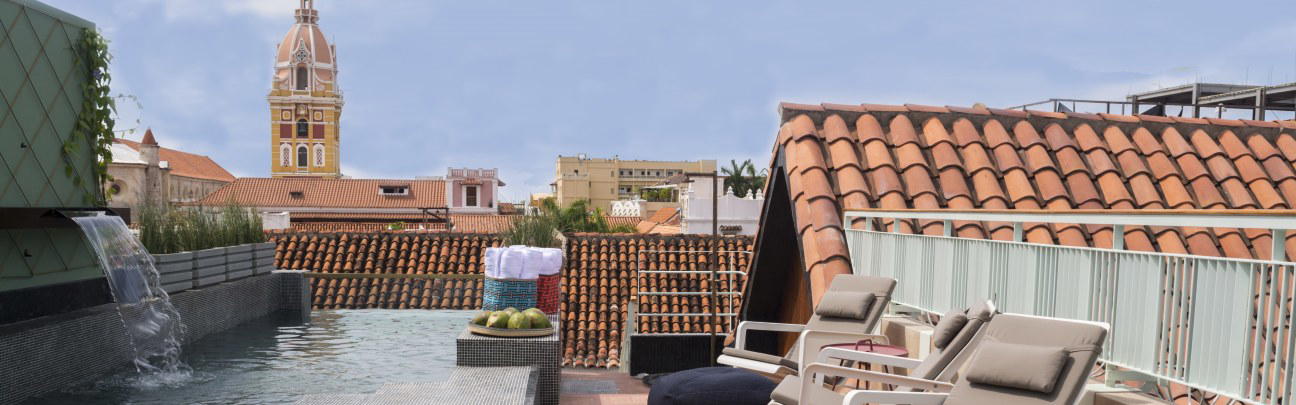
Timeless elegance and modern comfort with handcrafted cocktails, soft music, and fresh views evolving at sunset.