On Bayview Avenue in Toronto's Leaside neighbourhood, The Daughter occupies a small dining room that draws on the intersection of Canadian produce and globally trained technique. The kitchen's approach places it within a growing cohort of Toronto restaurants rethinking what local-ingredient cooking looks like when filtered through international methods. Reservations are advisable, particularly on weekends.
Pearl is the En Primeur Club membership app — saves, bookings, and concierge access live there. Same editors, same standards.
- Address
- 1560A Bayview Ave, Toronto, ON M4G 3B8, Canada
- Phone
- +16473489928
- Website
- thedaughter.ca
- Directions
- Get directions
 Saves & bookings on Pearl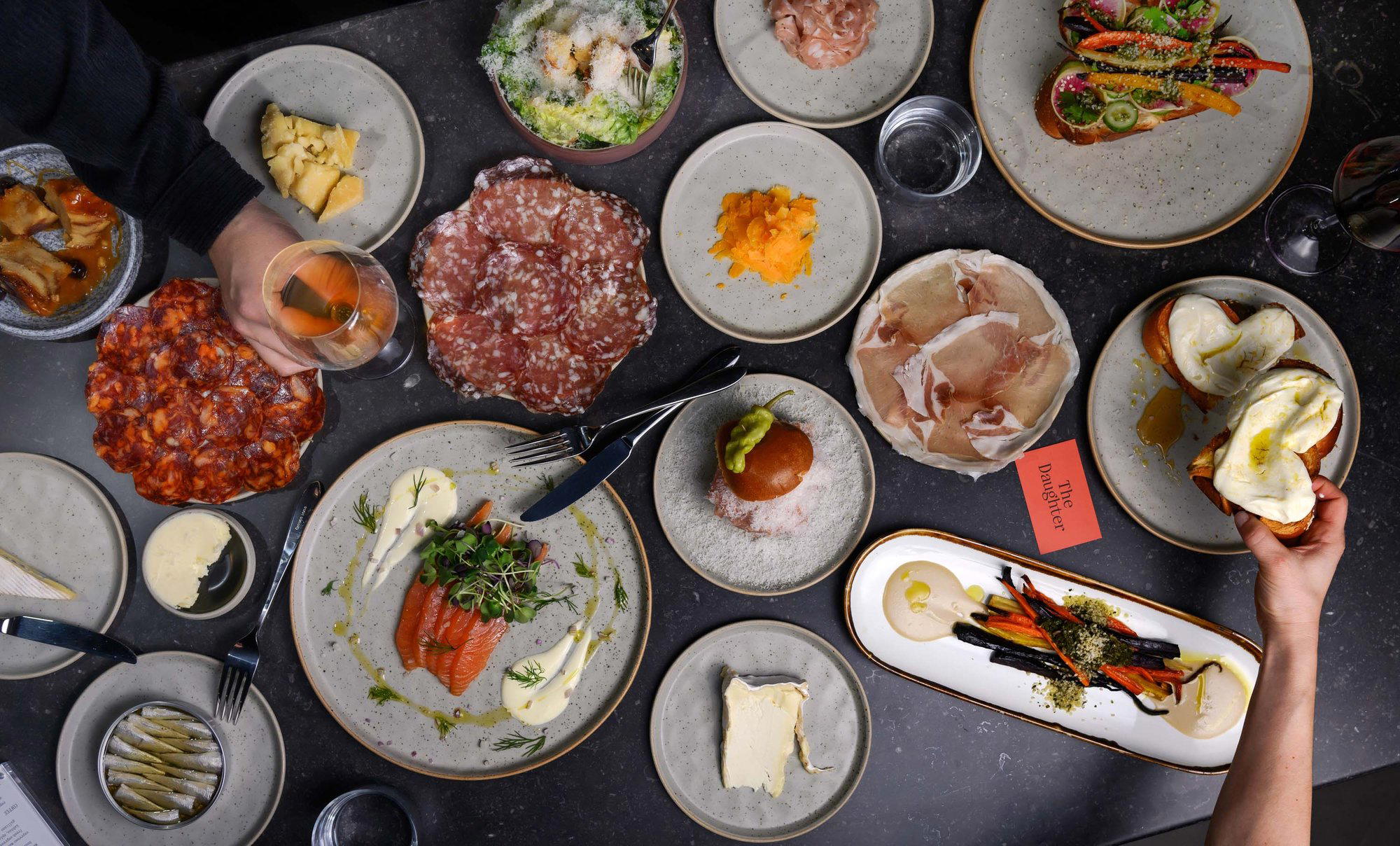
Bayview Avenue and the Neighbourhood It Feeds
Leaside sits far enough from Toronto's downtown dining corridor that restaurants here succeed on neighbourhood loyalty rather than tourist spillover. Bayview Avenue, the strip's main artery, has historically run toward comfort-driven independents and longstanding Italian-Canadian staples rather than the kind of technically ambitious cooking that dominates Yorkville or the Financial District. The Daughter, at 1560A Bayview, represents a different register for this stretch: a room that draws from a wider culinary vocabulary while remaining grounded in the rhythms of a residential neighbourhood.
That positioning matters in Toronto's current dining moment. The city's most-discussed restaurants — Alo in the Entertainment District, Sushi Masaki Saito and Aburi Hana in the luxury Japanese tier, DaNico and Don Alfonso 1890 among the Italian-inflected — are clustered in areas built around destination dining. A neighbourhood restaurant that holds its own against that competitive set does so by offering something the destination tier cannot easily replicate: genuine local rootedness paired with genuine technical ambition.
The Technique-Terroir Question in Canadian Cooking
Across Canada's serious restaurant scene, interesting work happening right now sits at the crossing point between imported culinary methods and the agricultural specificity of Canadian regions. Tanière³ in Quebec City has made that intersection its defining project, focusing on pre-colonial and regional ingredients processed through modern technique. AnnaLena in Vancouver pursues a similar logic from the Pacific coast. In Montreal, Jérôme Ferrer - Europea filters European classical training through Quebec's seasonal produce calendar. Further afield, Restaurant Pearl Morissette in Lincoln and The Pine in Creemore have built reputations on marrying Ontario's agricultural output to kitchen approaches shaped by time spent abroad.
This is the broader editorial context in which The Daughter should be read. The question the kitchen is implicitly answering is the same one its Canadian peers are wrestling with: how much does a local-ingredient commitment change when the techniques used to process those ingredients originate from Kyoto, Lyon, or Copenhagen? The answer, in every case, is that the technique shapes the story the ingredient tells. Applied intelligently, it reveals flavour and texture that a more conservative approach would leave unexplored. Applied carelessly, it obscures the produce under borrowed aesthetics. Toronto diners who move between Eigensinn Farm in Singhampton, where Michael Stadtlander has spent decades refining a hyper-local framework, and the city's global-technique restaurants understand the spectrum intuitively.
What the Room Signals
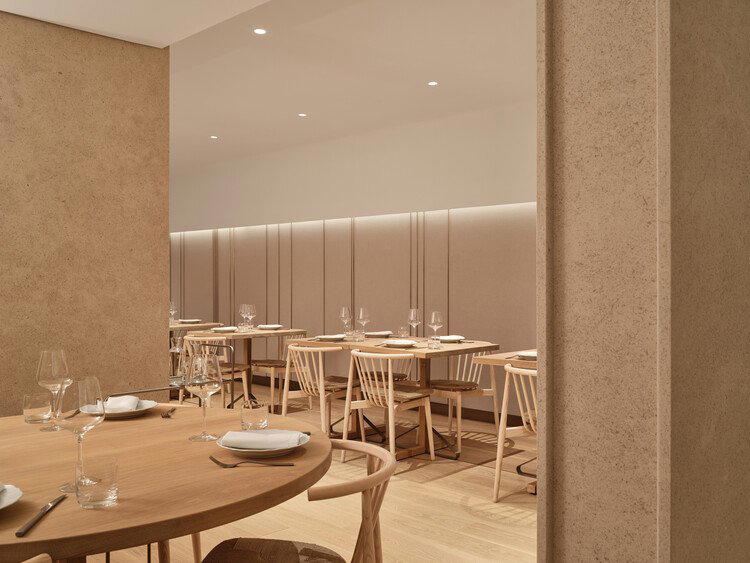
Arriving at 1560A Bayview, the address itself sets expectations before the door opens. This is not a poured-concrete-and-exposed-ductwork space designed for social media circulation. Leaside's residential character filters into the room's atmosphere: the scale is human, the noise level (in a city where large open-plan dining rooms often run loud) is manageable, and the pacing reflects a kitchen cooking for a room that has arrived to eat rather than to be seen eating. That distinction, increasingly rare in Toronto's more publicised rooms, is its own form of editorial argument about what a dining room is for.
The format here aligns with what has become a recognisable tier in Toronto's independent restaurant category: a focused menu, a room sized for deliberate hospitality rather than throughput, and a price point calibrated to the neighbourhood's expectations rather than the premium extraction model that operates at the summit of the city's dining hierarchy. For comparison, the full-tasting-menu tier in Toronto, Alo being the clearest benchmark, operates at a different price ceiling and books weeks or months ahead. The Daughter occupies a more accessible register without abandoning the seriousness of intent that separates it from casual neighbourhood dining.
Local Ingredients, Global Technique: The Editorial Lens
The editorial angle through which The Daughter reads most clearly is one that Toronto's dining scene has been developing for several years: the application of globally trained technique to Ontario's seasonal and regional produce. This approach has parallels in other Canadian cities. Narval in Rimouski applies refined method to the Gulf of St. Lawrence's marine output. Aux Anciens Canadiens in Quebec takes the opposite route, prioritising historical tradition over imported technique. Barra Fion in Burlington demonstrates how the technique-terroir balance plays out at a smaller urban scale. Internationally, the conversation connects to what Le Bernardin in New York City has done with classical French rigour applied to American waters, and what Atomix in New York City demonstrates about the dialogue between Korean culinary tradition and contemporary fine dining infrastructure.
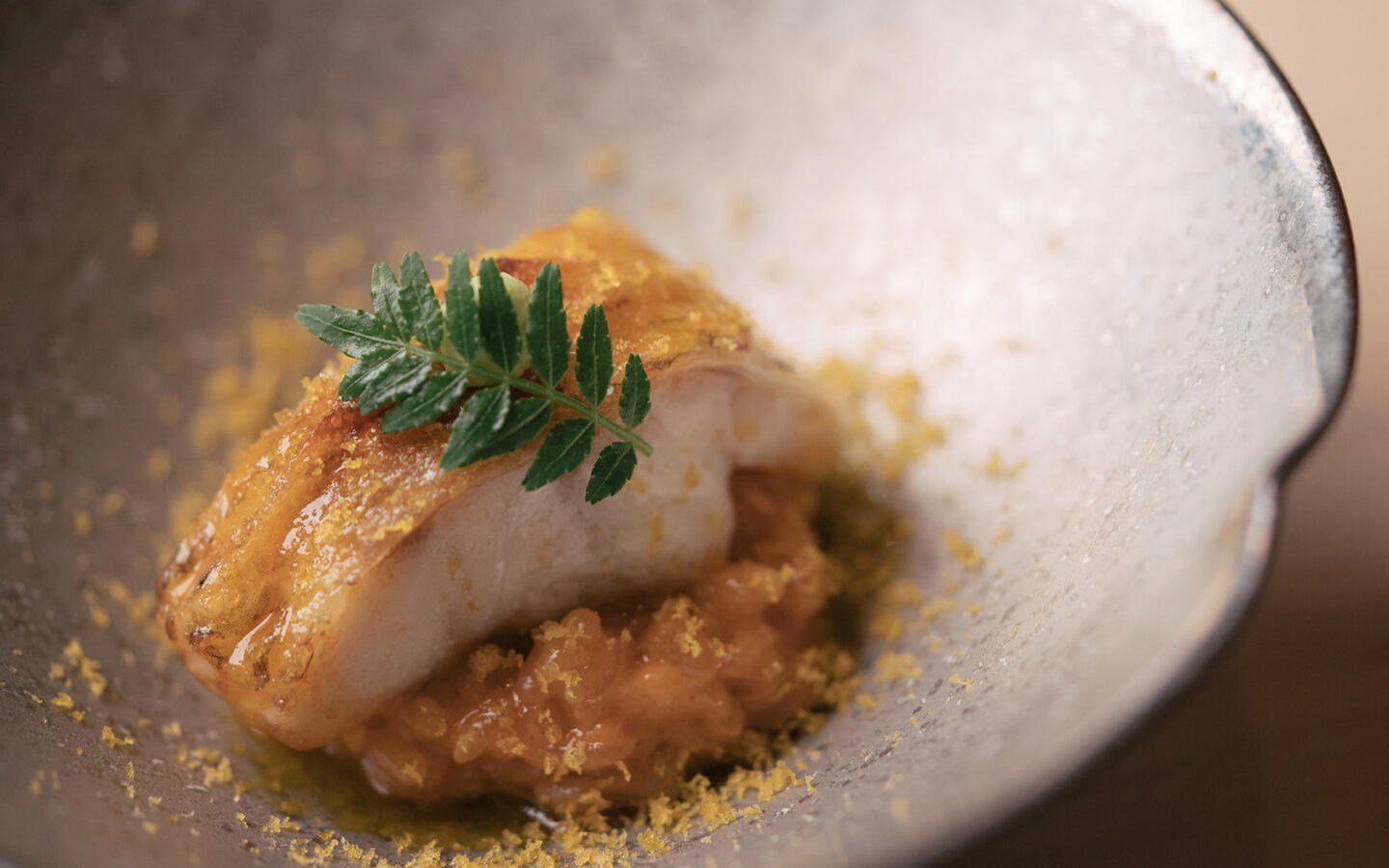
In this context, a Toronto restaurant that applies serious technique to Ontario ingredients is not simply cooking well. It is participating in a longer argument about what Canadian cuisine means when it moves beyond the folk-heritage frame, maple syrup, poutine, butter tarts, and starts asking what the country's agricultural and seasonal specificity looks like through a more technically sophisticated lens. That argument is where interesting Canadian cooking is currently happening, and Leaside, through venues like The Daughter, is contributing to it from a residential postcode rather than a downtown flagship address.
For readers who follow this thread across the country, Bearspaw Golf Club in Calgary offers a western Canadian counterpoint, while our full Toronto restaurants guide maps the broader city context across price tiers and neighbourhood character.
Planning Your Visit
Address: 1560A Bayview Ave, Toronto, ON M4G 3B8. Neighbourhood: Leaside, reachable via the Eglinton Crosstown LRT (Laird station) or by car with street parking available along Bayview. Reservations: Recommended for weekend evenings; the room's scale means availability tightens quickly on Friday and Saturday nights. Dress: Smart casual suits the room and neighbourhood register. Budget: Budget: approximately $35 per person. Hours: Mon: Closed; Tue: 12–10 PM; Wed: 12–11 PM; Thu: 12–11 PM; Fri: 12 PM–12 AM; Sat: 12 PM–12 AM; Sun: Closed.
Budget Reality Check
Comparable venues nearby, for context on price, style, and recognition.
| Venue | Cuisine | Price | Notes |
|---|---|---|---|
| The DaughterThis venue — the venue you are viewing | Leaside, Natural Wine Bar Snacks | $$ | Not listed |
| SOMA chocolatemaker | Not listed | $$ | Waterfront Communities-The Island, Bean-to-Bar Chocolatier |
| Ketodelia Keto Restaurant | Danforth Village, Keto Low-Carb | $$ | Not listed |
| Parts & Labour | Not listed | $$ | North Parkdale, Contemporary French-Canadian Gastropub |
| Stefano's Diner | Little Italy, Plant-Based Vegan Diner | $$ | Not listed |
| Jumbo Empanadas | Kensington, Authentic Chilean Empanadas | $ | Not listed |
Continue exploring
More in Toronto
Restaurants in Toronto
Browse all →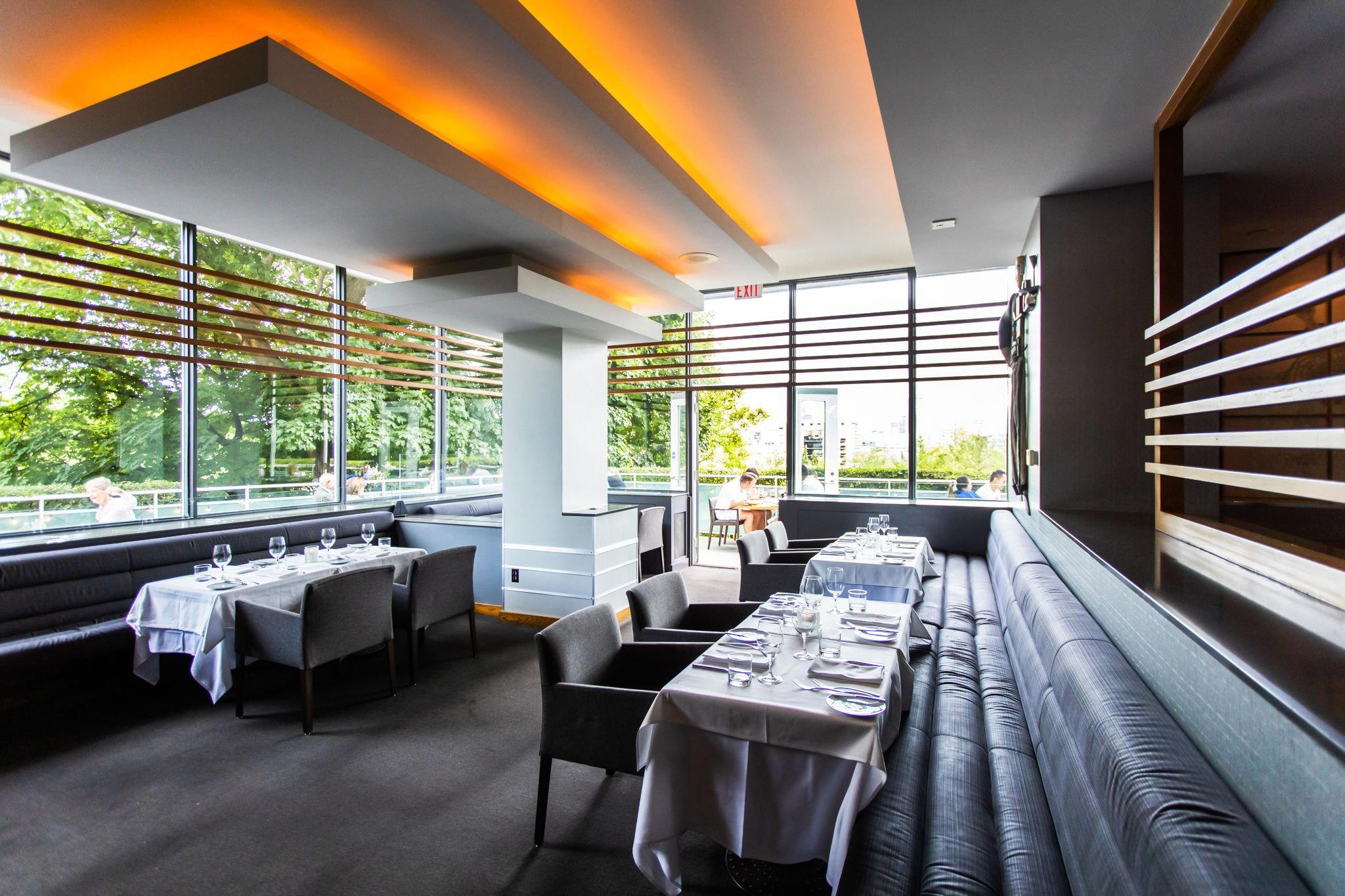
Bars in Toronto
Browse all →
Hotels in Toronto
Browse all →


At a Glance
- Romantic
- Elegant
- Trendy
- Intimate
- Date Night
- Casual Hangout
- Late Night
- Wine Cellar
- Natural Wine
- Natural Wine
Current opening hours
- Monday
- Closed
- Tuesday
- 12–10 PM
- Wednesday
- 12–11 PM
- Thursday
- 12–11 PM
- Friday
- 12 PM–12 AM
- Saturday
- 12 PM–12 AM
- Sunday
- Closed
Hours can change for holidays and private events. Last verified .
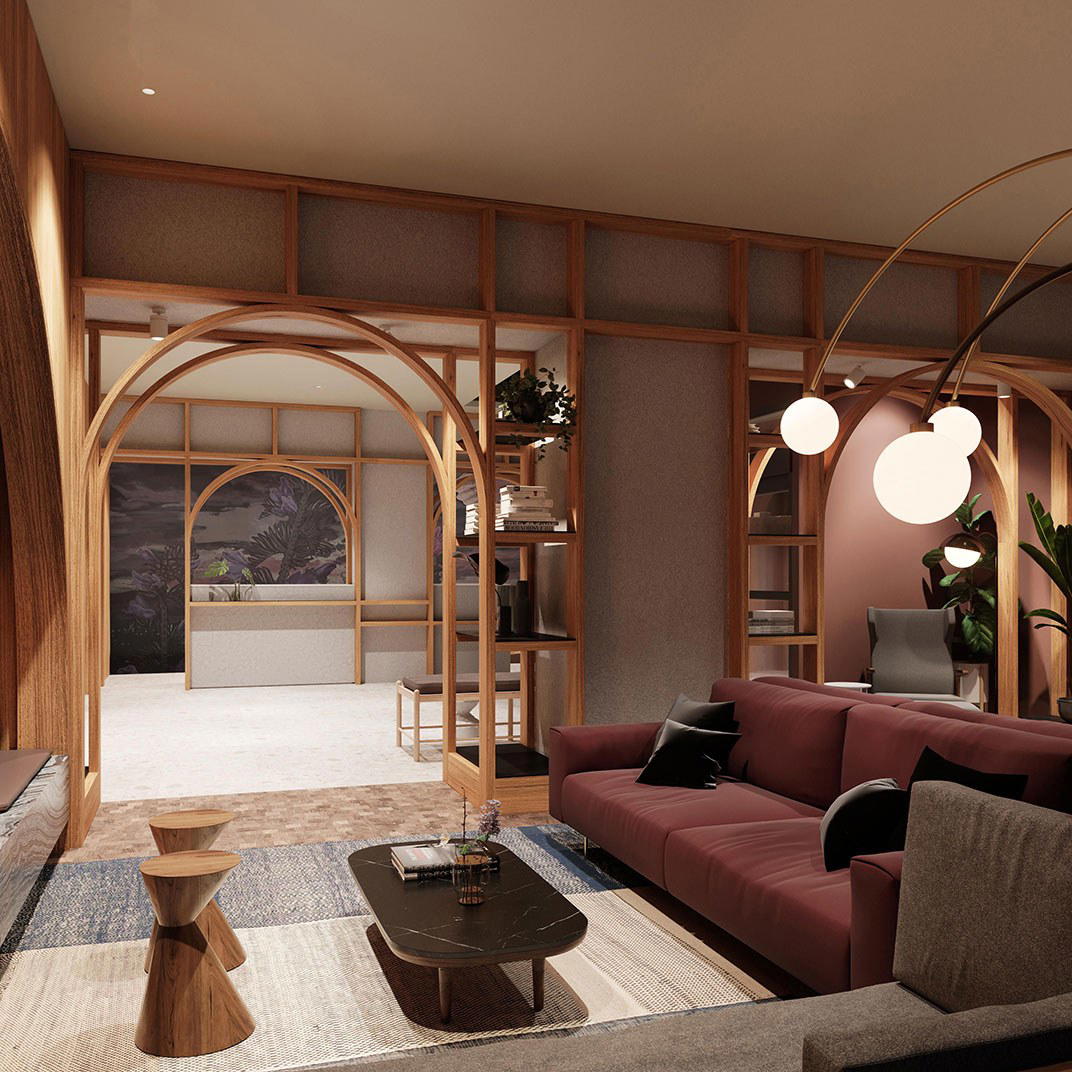
Elegant and romantic atmosphere with a long marble bar well-suited for wine enthusiasts.