
THE CONDER HOUSE places Chinese and broader Asian cooking inside Nagoya’s polished Nishiki dining circuit, with a 2026 Tabelog 100 Chinese EAST selection giving it a clear quality signal. The interest here is the meal’s progression: a flexible restaurant format that can move from café rhythm to multi-course dining without adopting the hushed posture of a small counter.
Pearl is the En Primeur Club membership app — saves, bookings, and concierge access live there. Same editors, same standards.
- Address
- Japan, 〒460-0003 Aichi, Nagoya, Naka Ward, Nishiki, 2 Chome−20 25号
- Phone
- +81 52-684-7522
- Website
- theconderhouse.com
 Saves & bookings on Pearl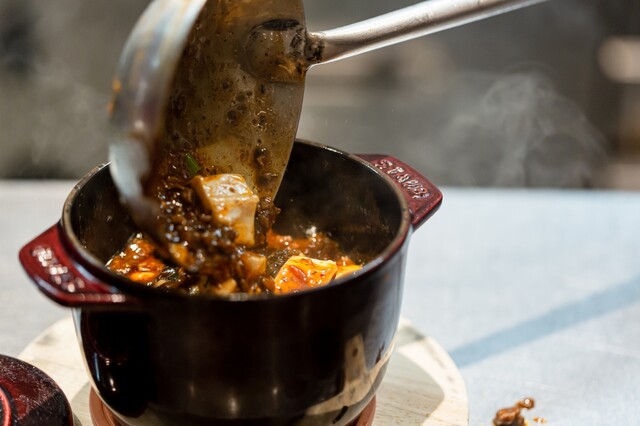
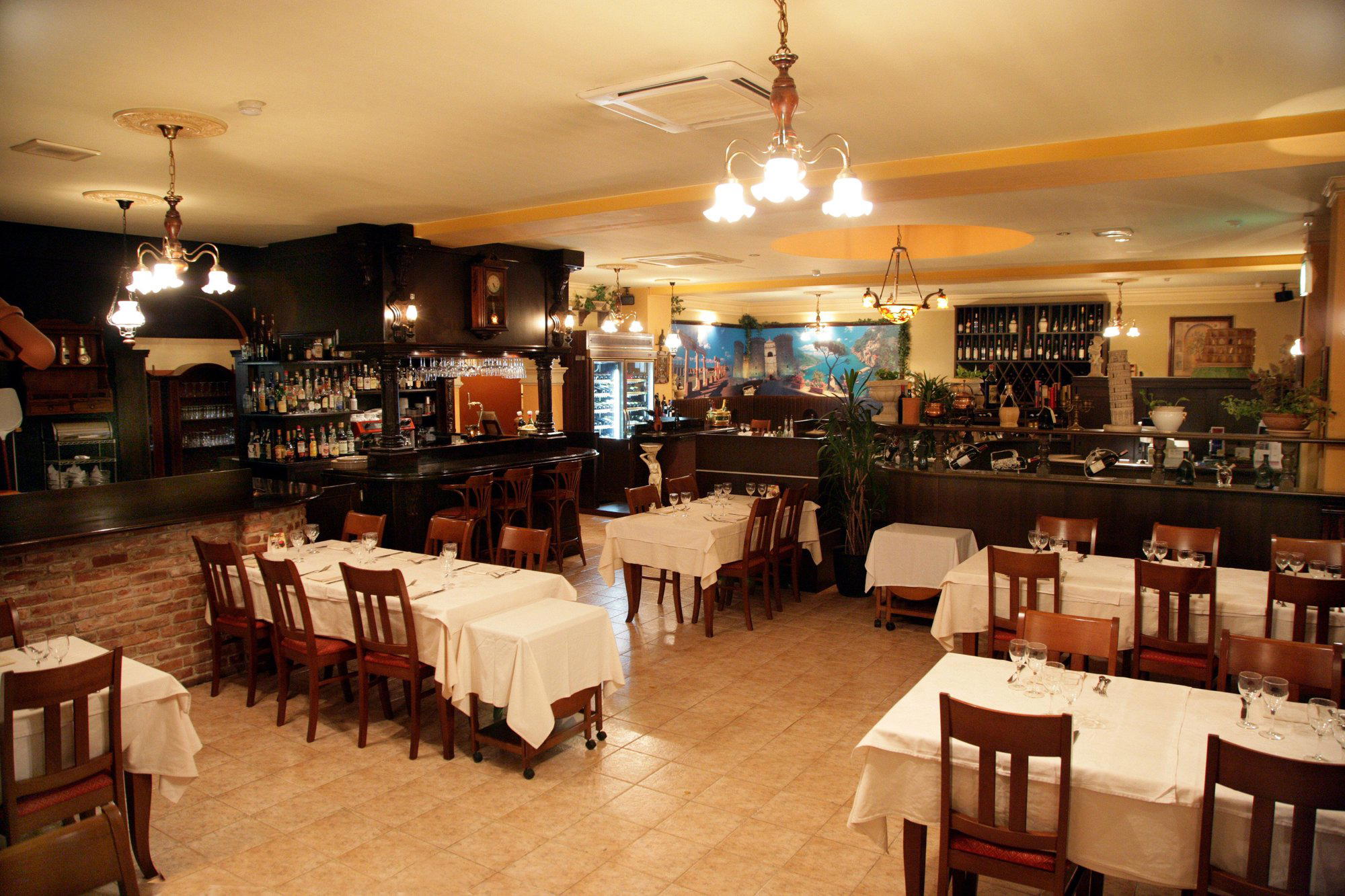
Approach in Nishiki and the first read is scale rather than secrecy: a house-restaurant format with enough room for private dining, family tables, counter seating, and a drink-led evening. That matters in Nagoya, where serious dining is often split between compact specialist rooms and larger venues built for corporate meals. THE CONDER HOUSE belongs to the latter camp, but its 2026 Tabelog 100 Chinese EAST selection places it in a more demanding conversation than a standard banquet address.
The city’s Chinese dining scene does not follow Tokyo’s narrow luxury script. Nagoya has a practical streak: business districts, station-area entertaining, family occasions, and celebratory rooms all shape how restaurants are used. A venue with 140 seats, private rooms for smaller parties, and banquet rooms that can scale far beyond a normal dinner party is not trying to mimic an eight-seat counter. Its argument is different: Chinese and Asian cooking as a staged meal for groups, dates, lunches, and late-week drinks, with enough structure to hold a progression rather than simply feed a crowd.
Chinese and Asian courses built for progression, not counter theatre
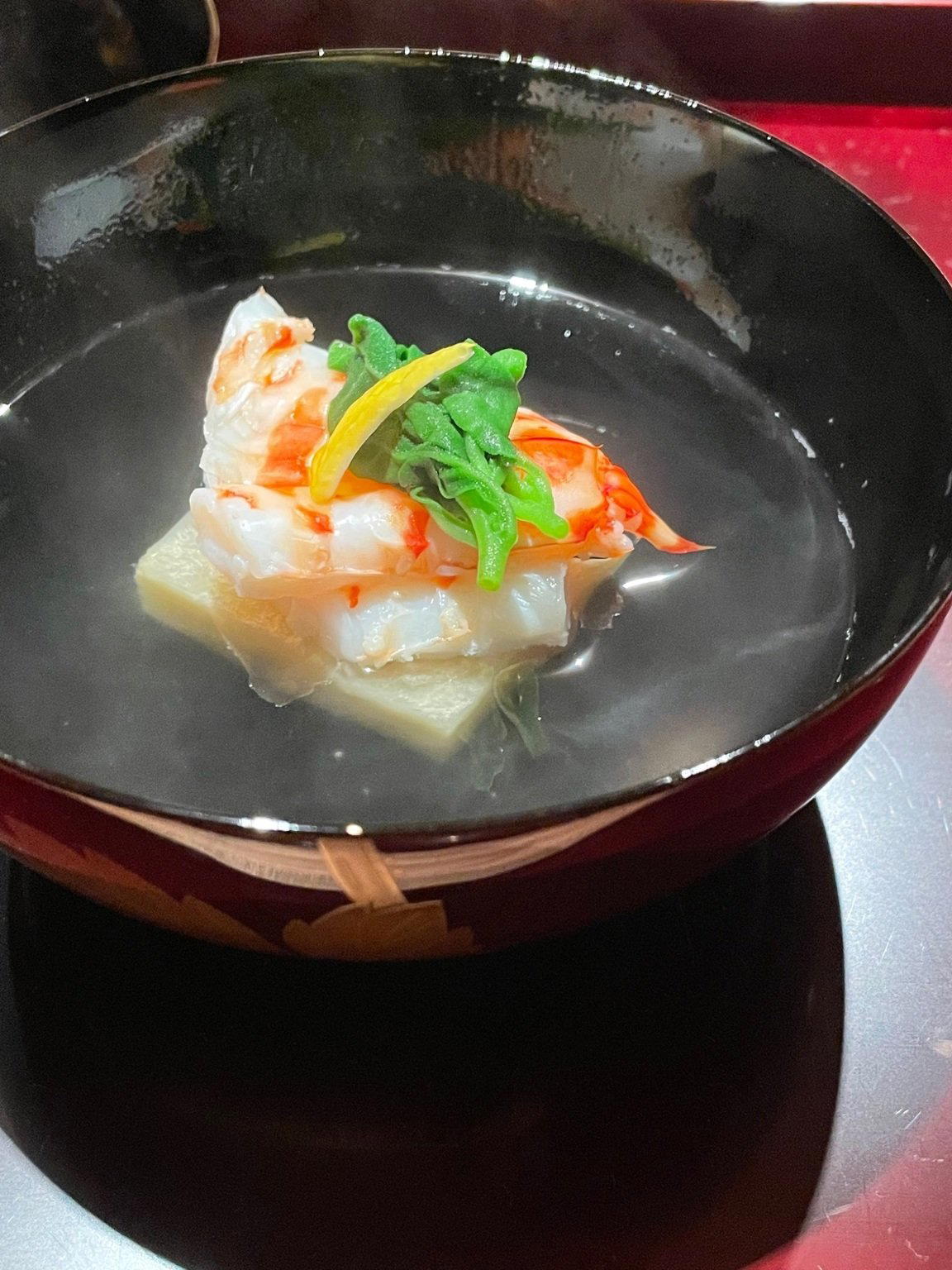
The useful way to read the menu is through sequencing. Chinese restaurants with broad Asian reach can go wrong when they behave like encyclopedias; the meal becomes a list of categories instead of an arc. Here, the stronger logic is a course-by-course build: lighter opening dishes, shared plates with texture and heat, then richer final courses that suit a room where wine, cocktails, and all-you-can-drink formats are part of the offer. The categories listed for the restaurant, Chinese, Asian, Ethnic, and Cafe, signal range rather than doctrinal purity.
That range is also why the Tabelog recognition carries weight. The 2026 Chinese EAST Tabelog 100 list is not a Michelin-style star system, but in Japan it functions as a meaningful diner-facing filter, especially for categories where local regulars matter. A Tabelog score of 3.63 puts the restaurant in the zone where consistency and repeat utility are as important as peak-menu fireworks. It is not just chasing destination-dinner drama; it is built for multiple kinds of use across the week.
Compared with Nagoya peers, the positioning is instructive. Sugimoto Honten sits in a beef-led bracket with a dinner budget around JPY 8,000 to JPY 9,999, while Udon Ryori Sen operates at a leaner noodle-house price tier. BAR BARNS belongs to the city’s drinking culture rather than its dining-room tradition. THE CONDER HOUSE occupies a broader middle ground: more formal than a casual specialist, more flexible than a tasting-only room, and more useful for mixed groups than a chef-counter format. For a wider sweep of the city, see Our full Nagoya restaurants guide.
Nishiki's group-dining logic shapes the experience
Nishiki is often discussed through nightlife, business entertaining, and central-city convenience, but its restaurant character is more nuanced. The area rewards places that can handle different tempos: lunch meetings, early dinners, family celebrations, and later drinks. A house restaurant with English menu availability, a sommelier, wine and cocktail focus, and child-friendly facilities fits that pattern. It is less about theatrical scarcity than about a controlled room that can absorb several dining occasions without losing its frame.
The private-room structure is part of the editorial point, not a side note. In Japanese urban dining, private rooms can change the meal’s grammar: shared dishes become easier, service cadence slows, and the table’s hierarchy matters more. Here, smaller private rooms and larger banquet capacities push the restaurant toward the kind of Chinese meal that works as a progression for groups. That makes it especially relevant for travelers who want Japanese urban hospitality without being locked into sushi, kaiseki, or yakiniku as the default premium choices.
There is also a practical culinary reason the format works. Chinese and pan-Asian dining benefits from breadth: multiple textures, heat levels, sauces, and drinks can appear without the rigidity of a single-genre tasting menu. The risk is dilution; the upside is a meal that can accommodate different appetites at the same table. THE CONDER HOUSE is strongest as a social dining choice, where the room, the drinks program, and the kitchen’s range support a full evening rather than a narrow specialist pilgrimage.
How to place it within a Nagoya itinerary
For travelers building a Nagoya dining run, this is a useful counterweight to the city’s more singular addresses. A trip can pair specialist meals with broader rooms: French dining such as ル・レストラン シンジ コガ or ラ・フロレゾン・ドゥ・タケウチ, beef-focused dining at Sugimoto Honten, and drinks at BAR BARNS each answer a different question. This restaurant answers the group-dinner question with Chinese and Asian cooking, central-city polish, and enough recognition to justify choosing it over a generic large-format room.
Its appeal is clearest when the meal needs rhythm. Lunch can be relatively contained; dinner can stretch with wine, cocktails, private rooms, or a celebratory plate. Families also get better support than they would in many smaller high-end rooms, with children welcomed, kids’ menu availability, stroller accommodation, and wheelchair access listed among the facilities. The absence of a formal dress code also tells the truth about the format: polished, but not ceremonious.
Use it when the brief is a composed group meal rather than a chef-worship evening. The Tabelog 100 Chinese EAST 2026 selection gives the credibility marker; the room supplies the reason to go. For parallel planning, EP Club also covers Our full Nagoya hotels guide, Our full Nagoya bars guide, Our full Nagoya wineries guide, and Our full Nagoya experiences guide.
Related restaurant reading includes 1022, 451, Aaron, Alan., All Day Dining Montmartre, -Grilled beef Sukiyaki- KAMAKURA TANUKIAN 鎌倉 たぬき庵 in Kamakura. 鮪と炭火焼き うお炭 秋葉原店 in Tokyo.cafe in Osaka.know in Kumamoto, (Shoku) Vietnam in Kawasaki, [Curry Senmon Ten] Maruyama Kyoju. in Sapporo, Jōdo Saké Bar in Los Angeles, and Onigiri Time in Pasadena.
Quick Comparison
Comparable venues at a glance for context.
| Venue | Cuisine | Price | Notes |
|---|---|---|---|
| THE CONDER HOUSEThis venue — the venue you are viewing | Modern Chinese & Pan‑Asian in a historic bank building | $$$ | Not listed |
| China Hanten Shunju | Modern Shanghai Chinese with Chubu regional ingredients | $$$ | Naka |
| MASA'S KITCHEN Nagoya JR geeto tawaa | Modern Chinese & Sichuan | $$$ | Nakamura |
| Yaba Misen | Spicy Taiwan Ramen & Taiwanese-Chinese | $$ | Naka |
| toraneko | Cantonese-inspired Creative Chinese | $$$ | Higashi |
| Joe's Kitchen | Traditional Chinese | $$ | Naka |
Recognition history
Dated appearances from independent guides and award organizations, with the underlying list record or original source where available.
Tabelog 100 #83 · No. 83
Tabelog · Tabelog 100 - Chinese cuisine - EAST - 2026
Continue exploring
More in Nagoya
Restaurants in Nagoya
Browse all →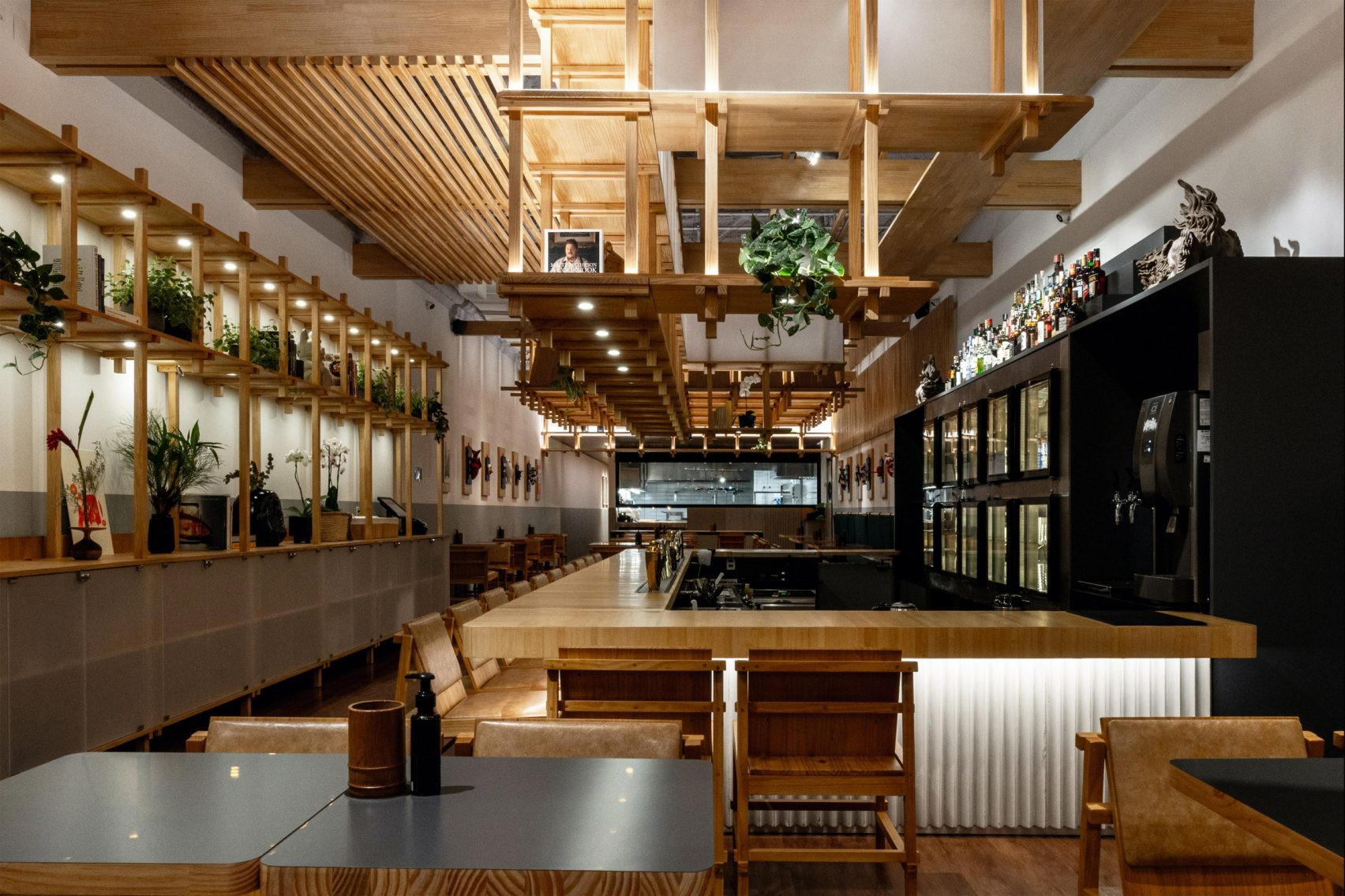

At a Glance
- Elegant
- Classic
- Sophisticated
- Romantic
- Date Night
- Business Dinner
- Group Dining
- Family
- Celebration
- Special Occasion
- After Work
- Private Event
- Historic Building
- Design Destination
- Private Dining
- Open Kitchen
- Standalone
- Craft Cocktails
- Extensive Wine List
- Street Scene
Current opening hours
- Monday
- 11 AM–10 PM
- Tuesday
- 11 AM–10 PM
- Wednesday
- 11 AM–10 PM
- Thursday
- 11 AM–10 PM
- Friday
- 11 AM–11 PM
- Saturday
- 5–10 PM
- Sunday
- Closed
Hours can change for holidays and private events. Last verified .
Housed in a renovated 1926 bank building, the restaurant features high ceilings, classic architectural details, and a sense of history, combined with warm lighting, a lively open kitchen, and polished service to create an elegant yet relaxed social-dining atmosphere.