
Yaba Misen belongs to Nagoya’s pragmatic end of Chinese-Taiwanese dining: fast, spicy, communal, and tied to the city’s own Taiwan ramen culture rather than luxury restaurant ritual. Its selection for Tabelog Chinese EAST “Tabelog 100” 2026 gives the room a serious credential, while the price band keeps it closer to everyday Osu eating than destination tasting-menu dining.
Pearl is the En Primeur Club membership app — saves, bookings, and concierge access live there. Same editors, same standards.
- Address
- 愛知県名古屋市中区大須3-6-3
- Phone
- +81522387357
- Website
- yabamisen.jp
 Saves & bookings on Pearl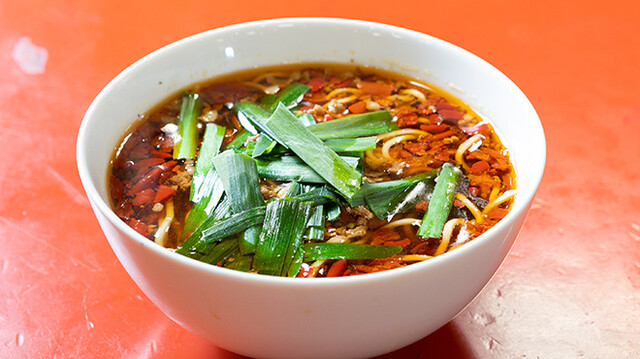
Osu compresses Nagoya’s appetite into a few blocks: shopping arcades, temple traffic, snack counters, late dinners, and group-built restaurants rather than hushed ceremony. Here, Taiwan ramen makes sense. It is not Taiwanese in the strict culinary-history sense, but a Nagoya creation: a local answer to Chinese-style noodles, chile heat, minced meat, garlic, and drinking-food urgency. Yaba Misen sits inside that tradition, not above it, which makes the address useful for reading the city through what it eats.
Nagoya's Taiwan ramen culture, seen through a high-volume Osu room
Nagoya dining is often framed through hitsumabushi, miso katsu, kishimen, and tebasaki, but Taiwan ramen is the sharper, later-night counterpoint. The dish belongs to postwar adaptation: Chinese and Taiwanese references filtered through local taste, repeated until the borrowed name became part of Nagoya’s food grammar. Its appeal is direct, not delicate. Heat, mince, noodles, and broth carry the bowl; pleasure comes from pace and intensity, not tasting-menu progression.
That context explains why a 364-seat restaurant can be a serious food address. Scale in Japan often suggests compromise, but in Nagoya’s popular Chinese-Taiwanese category it can also signal demand, repetition, and operational confidence. Yaba Misen’s selection for Tabelog Chinese EAST “Tabelog 100” 2026 places it in a curated regional group rather than a casual noodle list. Its Tabelog score of 3.66 is another useful signal: a broad-appeal restaurant that has reached award-recognised territory without leaving its everyday format.
The sourcing angle is less about named farms than the urban supply chain behind Nagoya comfort food. Taiwan ramen needs ingredients that carry force at speed: durable noodles, immediate aromatics, minced meat or offal preparations that turn a bowl into a meal, and chilli heat clear enough for a busy room. The restaurant’s retail arm follows the same logic. Souvenir versions include Taiwan Ramen, Hormone Ramen, and Misen Senbei, extending the house style beyond the table into the gift economy around Japanese regional food culture.
That matters because Nagoya is good at turning specific flavours into portable civic identity. Miso, chicken wings, eel, and spicy noodles become edible shorthand. In a city with strong manufacturing instincts, repeatability is not an insult; it is craft. A bowl recognised across visits, carried home as a souvenir, and discussed as a local marker has a different authority from a chef-led seasonal plate.
Where it sits among Osu's casual dining choices
Osu is not a single-note restaurant district. It can move from low-priced bakery runs to group izakaya dinners in the same afternoon. Nearby, Su Zu Ya Akamon ten sits in a similar JPY 2,000 to JPY 2,999 dinner range, while Solo Pizza Yabaten, Suzume Odori Sohonten, and Oosu Bakery occupy cheaper snack-and-light-meal territory. Izakaya Ooedo is higher, around JPY 5,000 to JPY 5,999, putting it in another evening category. Against that spread, Yaba Misen reads as a full-meal, group-friendly Chinese-Taiwanese option, not a quick bakery stop or higher-spend izakaya night.
The comparison clarifies the decision. This is for diners who want Nagoya’s spicy noodle vocabulary in a room that can absorb families, friends, and larger parties. It is not for the intimacy of an eight-seat counter or the pacing of a chef’s menu. The format is democratic, loud in spirit even when orderly, and best understood as part of the city’s social eating infrastructure.
For travellers building a Nagoya food itinerary, place this meal alongside the city’s other strong categories rather than treating it as a standalone trophy. EP Club’s full Nagoya restaurants guide is the broader map; nearby and citywide restaurant references such as 1022, 451, Aaron, Alan., and All Day Dining Montmartre show how broad the city’s dining register has become. Hotels, bars, wineries, and experiences are separate planning layers, covered in the Nagoya hotels guide, the Nagoya bars guide, the Nagoya wineries guide, and the Nagoya experiences guide.
The ordering logic is regional, spicy, and practical
The anchor is Taiwan Ramen, named by the restaurant as its signature dish. That term matters because it is not menu theatre; it names the bowl linking the restaurant to Nagoya’s localised Chinese-Taiwanese tradition. Treat the ramen as centre of gravity and build around it by appetite, spice tolerance, and group size. Drinks in the public profile, including sake and shochu, also show how the meal functions: noodles and Chinese-Taiwanese plates can sit inside a casual drinking dinner, not just a ramen-only stop.
The format helps mixed groups. Children are welcomed, take-out is offered, and the third floor can be divided with partitions for semi-private use. Credit cards and QR code payments are accepted; electronic money is not. Parking is unavailable, typical for a central Nagoya food stop but worth planning around. The room is non-smoking, with a smoking space available, suiting the broad family-and-friends audience without removing the category’s informality.
Reservations are available, and matter more after the Tabelog 100 selection than at an ordinary noodle restaurant. Award recognition can turn a local staple into a traveller target, especially in a district busy with shopping and weekend foot traffic. Treat it as a recognised casual restaurant, not a spontaneous fallback. The payoff is Nagoya dining that is forceful, affordable by the city’s premium-restaurant standards, and grounded in a dish the city has made its own.
For readers comparing Japanese regional casual dining beyond Nagoya, useful contrasts include -Grilled beef Sukiyaki- KAMAKURA TANUKIAN 鎌倉 たぬき庵 in Kamakura. 鮪と炭火焼き うお炭 秋葉原店 in Tokyo.cafe in Osaka.know in Kumamoto, (Shoku) Vietnam in Kawasaki, and [Curry Senmon Ten] Maruyama Kyoju. in Sapporo. For overseas Japanese-leaning formats, Jōdo Saké Bar in Los Angeles and Onigiri Time in Pasadena show how narrower Japanese categories translate when removed from their regional base.
How It Stacks Up
Comparable venues at the same tier.
| Venue | Cuisine | Price | Notes |
|---|---|---|---|
| Yaba MisenThis venue — the venue you are viewing | Spicy Taiwan Ramen & Taiwanese-Chinese | $$ | Not listed |
| Shaotsai Iedie | Authentic Sichuan Chinese | $$ | Higashi |
| Joe's Kitchen | Traditional Chinese | $$ | Naka |
| Nanohana | Cozy Neighborhood Chinese | $$ | Chikusa |
| Chinese Sai Tanaka | Chinese Tantan-men & noodle shop | $$ | Midori |
| toraneko | Cantonese-inspired Creative Chinese | $$$ | Higashi |
Recognition history
Dated appearances from independent guides and award organizations, with the underlying list record or original source where available.
Tabelog 100 #96 · No. 96
Tabelog · Tabelog 100 - Chinese cuisine - EAST - 2026
Continue exploring
More in Nagoya
Restaurants in Nagoya
Browse all →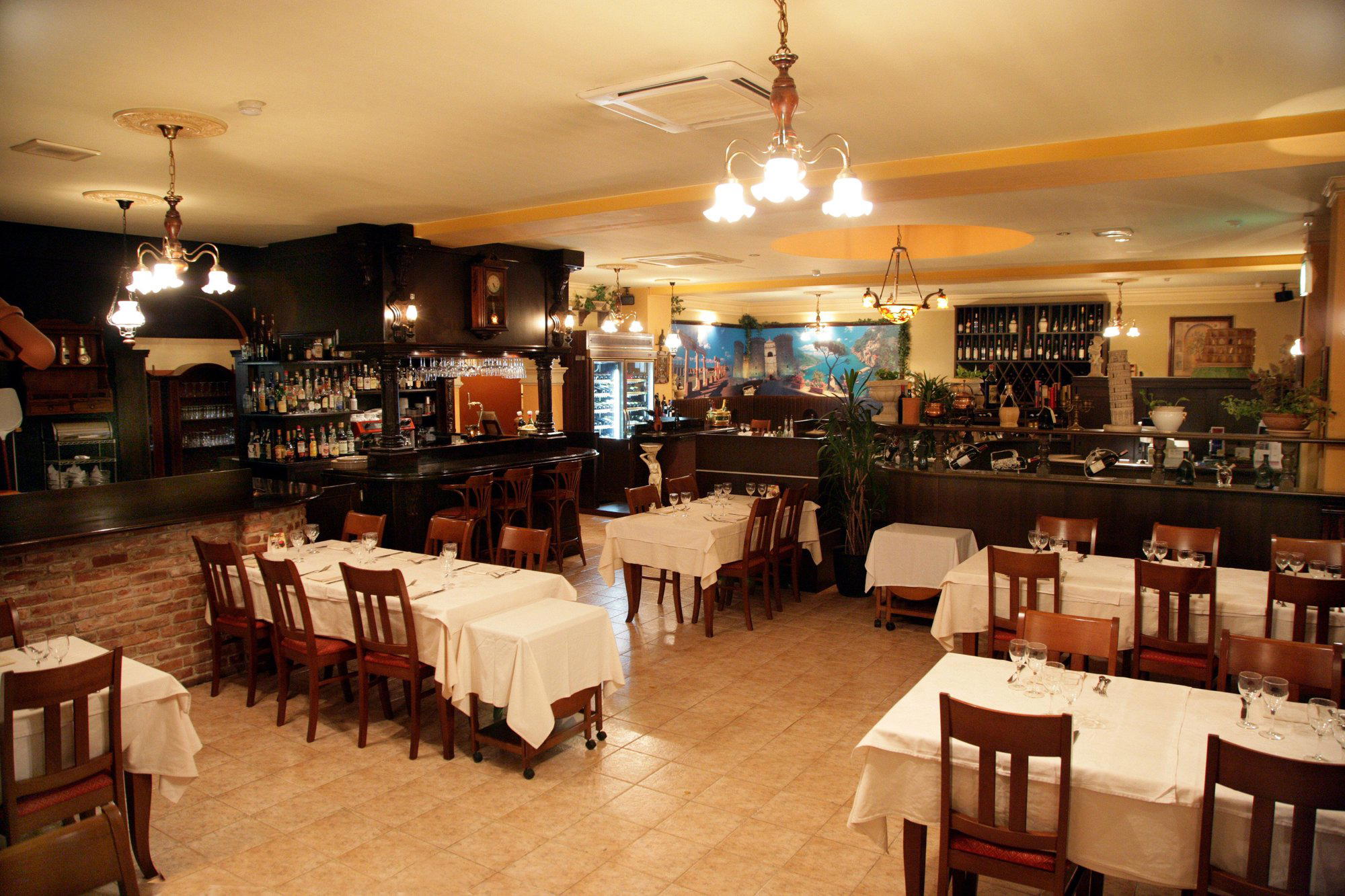


At a Glance
- Lively
- Energetic
- Casual
- Classic
- Casual Hangout
- After Work
- Group Dining
- Late Night
- Solo
- Family
- Standalone
- Beer Program