
A Nagoya Station Chinese dining room with Tabelog 100 Chinese EAST recognition in 2026, MASA'S KITCHEN Nagoya JR geeto tawaa sits in the city’s polished rail-tower dining tier. The appeal is its hybrid register: Chinese technique, Sichuan references, individual-course pacing, wine, counter seating, and semi-private rooms rather than the banquet-only model.
Pearl is the En Primeur Club membership app — saves, bookings, and concierge access live there. Same editors, same standards.
- Address
- Japan, 〒450-6612 Aichi, Nagoya, Nakamura Ward, Meieki, 1 Chome−1−3 プラザレストラン街 内
- Phone
- +81 52-756-2737
- Website
- masas-kitchen.com
 Saves & bookings on Pearl
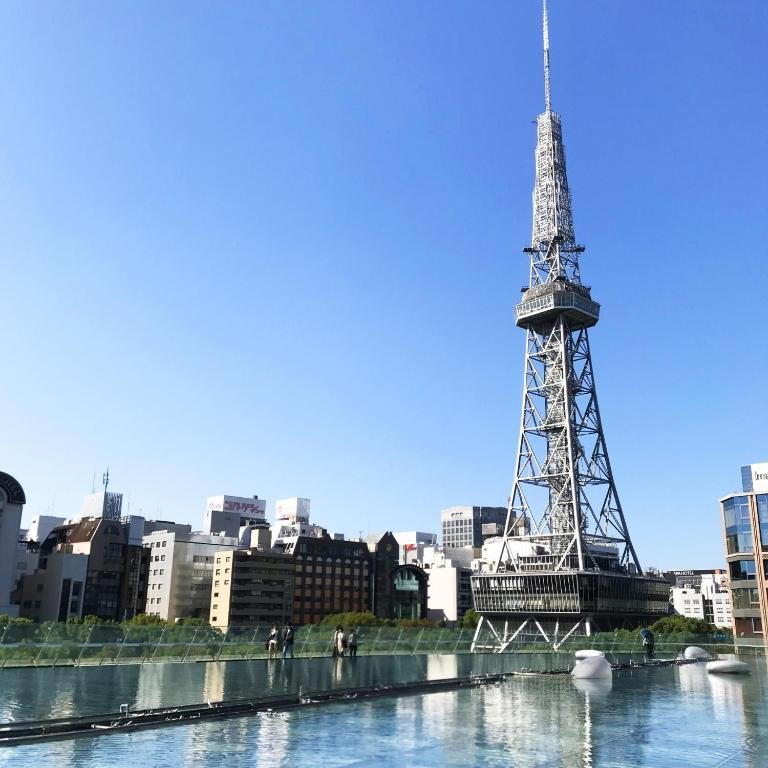
The approach is pure Nagoya Station: vertical, efficient, rail-linked serious dining without a destination detour. Inside the JR Gate Tower restaurant floors, Chinese cooking takes a polished urban form, with counter seats, tables, and semi-private rooms replacing assumptions of large shared platters and formal banquet pacing. MASA'S KITCHEN Nagoya JR geeto tawaa makes Chinese cuisine workable for a solo counter meal, family table, or wine-led dinner.
Nagoya’s station dining is a compressed map of the city’s eating habits. Department-store patisserie, spice-driven casual rooms, tonkatsu specialists, and higher-budget Chinese restaurants compete within minutes of the platforms. Against nearby station-area names such as Michel Belin JR nagoya takashimaya, Echire Patisserie au Beurre Jeiāru nagoya takashimaya ten, ERICK SOUTH KITTE nagoya ten, and Cutlet Matsumura, this address occupies a dinner-weighted Chinese bracket, closer in spend to Szechuan Restaurant Chin Nagoya than to casual lunch counters around the towers.
Chinese technique shaped for Nagoya's station dining culture
The useful lens is adaptation, not authenticity theatre. Japanese Chinese dining has long absorbed regional Chinese techniques, local product expectations, and Western service habits, creating rooms where mapo-style heat, noodle culture, wine, and composed plates coexist. This kitchen’s stated category covers Chinese, tantan-men, and Sichuan, while its positioning points to creative Chinese cooking with Western influence. The combination says more about contemporary station dining than any dish name: diners get recognisable Chinese foundations with a service rhythm closer to modern Japanese restaurant culture.
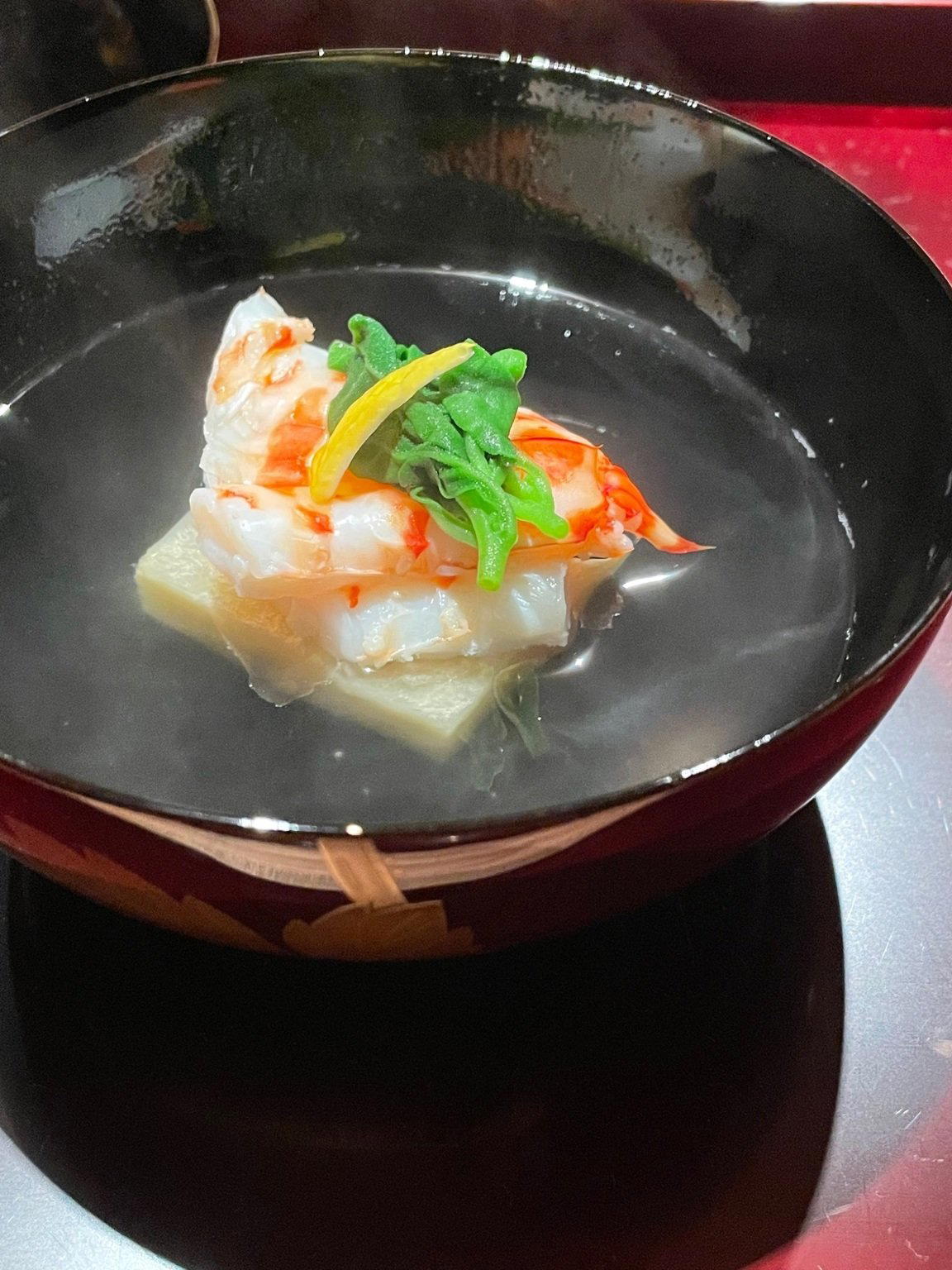
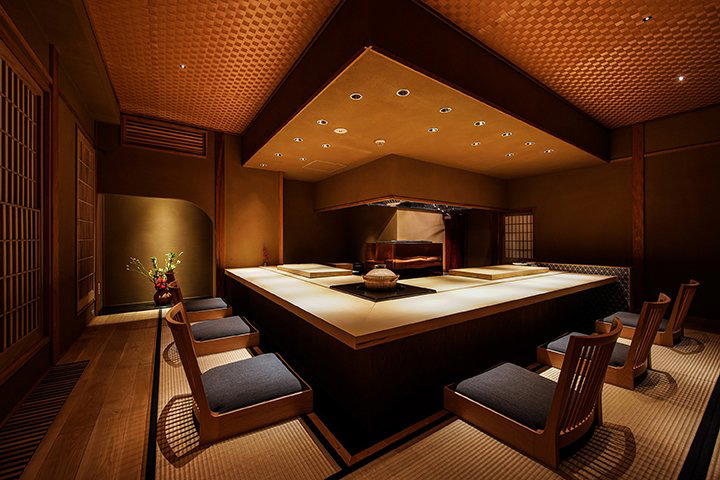
The individual-portion course format matters. In Japan, Chinese restaurants often split between communal banquet service and compact noodle-driven meals; a plated progression changes the social contract. Seasoning, temperature, and portion control can behave more like a dégustation while keeping Chinese grammar intact. For travellers, it is easier to read: no need to gather a group around a large table or decode a banquet order. The 47-seat layout, including 11 counter seats, 22 table seats, and three semi-private rooms, reinforces that middle position between flexible urban dining and occasion use.
Recognition gives the room firmer critical context. Selection for Tabelog 100 Chinese cuisine EAST in 2026 places it within a curated field of Chinese restaurants across eastern Japan, where repeat appearances matter because the list tracks category-specific reputation rather than general popularity. The history also includes 2024, 2023, and 2021 selections. For Nagoya, sometimes flattened into miso-katsu and hitsumabushi shorthand, that is a useful corrective: the station district is also a credible zone for polished Chinese technique.
Sichuan references, wine, and the local-global bargain
The local-ingredient, global-technique conversation in Nagoya is less about rural provenance slogans than how imported culinary systems are disciplined by Japanese expectations of seasonality, portioning, and service. Sichuan cooking brings heat, aroma, and fermented depth; Japanese restaurant culture asks for clarity, pacing, and controlled finish. Add Western influence and wine, and the result is not novelty fusion but a practical grammar for a city where business dinners, family meals, and Shinkansen travellers share the same dining floors.
Tantan-men is the clearest signal. In Japan, it has its own life beyond the Sichuan dan dan noodle ancestor, shifting with broth, sesame, chilli, and noodle texture preferences. Listing tantan-men beside Chinese and Sichuan tells informed diners to expect both the comfort-food pull of Japanese-style spicy noodles and the broader regional reference. That is the station-dining bargain at its strongest: recognisable enough for lunch, serious enough for dinner.
Wine changes the read. Chinese restaurants in Japan increasingly treat wine as structural rather than an afterthought, especially where dishes arrive individually instead of family-style. That does not make the food Western; it changes the tempo. Spice, oil, vinegar, and aromatic sauces become pairing problems, and the dining room moves toward the international language of composed courses while retaining a Chinese base.
The city context explains why this works. Nagoya is a business city with a large commuter core, and Meieki dining rewards reliability, speed of access, and range of format. The same visitor may want a structured dinner after arrival, a counter seat before a train, or a semi-private room for a family meal. The restaurant’s family-friendly note, non-smoking policy, wheelchair accessibility, and private-room options are more than amenities; they describe the Chinese dining Nagoya Station can sustain.
How to read it against the Nagoya field
Within the station orbit, the choice is rarely just “Chinese or not Chinese.” It is about use case. Patisserie names such as Michel Belin JR nagoya takashimaya and Echire Patisserie au Beurre Jeiāru nagoya takashimaya ten serve the department-store side of Nagoya’s appetite. ERICK SOUTH KITTE nagoya ten speaks to the city’s comfort with spice in a faster, lower-spend format. Cutlet Matsumura sits in the deep Japanese comfort lane. Szechuan Restaurant Chin Nagoya is the closer comparison for diners seeking Chinese cooking at dinner. MASA'S KITCHEN Nagoya JR geeto tawaa is for the diner who wants Chinese technique in a composed, multi-use urban setting.
The editorial call is simple: this is a strong station-district choice when access, category credibility, and service flexibility matter as much as culinary ambition. The Tabelog 100 Chinese EAST 2026 selection supplies the external signal; the counter-table-private-room structure supplies the practical reason to consider it over a narrower specialist. Do not approach it as a chef-mythology story. Read it as evidence of how Nagoya’s rail-tower dining has matured: Chinese cooking can be polished, wine-compatible, family-usable, and critically recognised without leaving the station complex.
For broader planning, see Our full Nagoya restaurants guide, plus the city guides to Nagoya hotels, Nagoya bars, Nagoya wineries, and Nagoya experiences. Other restaurant pages in the wider EP Club index include 1022, 451, Aaron, Alan., All Day Dining Montmartre, -Grilled beef Sukiyaki- KAMAKURA TANUKIAN 鎌倉 たぬき庵 in Kamakura. 鮪と炭火焼き うお炭 秋葉原店 in Tokyo.cafe in Osaka.know in Kumamoto, (Shoku) Vietnam in Kawasaki, [Curry Senmon Ten] Maruyama Kyoju. in Sapporo, Jōdo Saké Bar in Los Angeles, and Onigiri Time in Pasadena.
Pricing, Compared
Comparable venues to calibrate price, style, and recognition.
| Venue | Cuisine | Price | Notes |
|---|---|---|---|
| MASA'S KITCHEN Nagoya JR geeto tawaaThis venue — the venue you are viewing | Nakamura, Modern Chinese & Sichuan | $$$ | Not listed |
| Chinese Ryori Ryujo | Not listed | $$$ | Naka, Modern Cantonese Chinese in a luxury Nagoya hotel |
| toraneko | Not listed | $$$ | Higashi, Cantonese-inspired Creative Chinese |
| Szechuan Restaurant Chin Nagoya | Not listed | $$$ | Nakamura, Modern Sichuan Chinese with city views |
| 1022 | Nishi, Modern Chinese Fine Dining | $$$$ | Not listed |
| Yakiniku & Teuchi Korean Cold Noodles Jiro Yanagibashi ten | Not listed | $$$ | Nakamura, A5 Wagyu Yakiniku & Handmade Korean Cold Noodles |
Recognition history
Dated appearances from independent guides and award organizations, with the underlying list record or original source where available.
Tabelog 100 #45 · No. 45
Tabelog · Tabelog 100 - Chinese cuisine - EAST - 2026
Continue exploring
More in Nagoya
Restaurants in Nagoya
Browse all →
At a Glance
- Modern
- Lively
- Trendy
- Business Dinner
- Group Dining
- Family
- Casual Hangout
- After Work
- Private Dining
- Design Destination
- Standalone
Current opening hours
- Monday
- 11 AM–3 PM, 5–10 PM
- Tuesday
- 11 AM–3 PM, 5–10 PM
- Wednesday
- 11 AM–3 PM, 5–10 PM
- Thursday
- 11 AM–3 PM, 5–10 PM
- Friday
- 11 AM–3 PM, 5–10 PM
- Saturday
- 11 AM–3 PM, 5–10 PM
- Sunday
- 11 AM–3 PM, 5–10 PM
Hours can change for holidays and private events. Last verified .
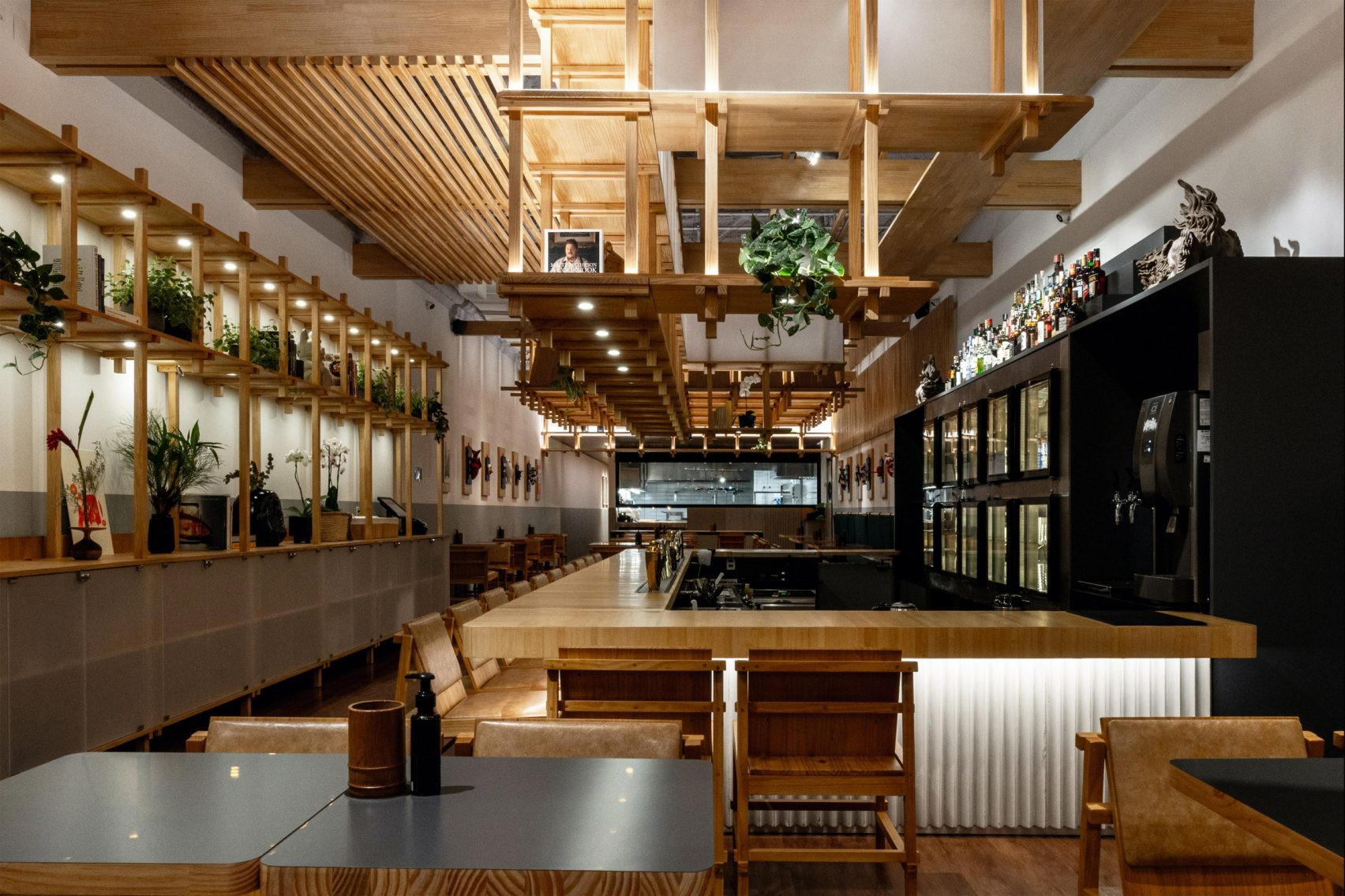
Bright, contemporary restaurant-floor space inside JR Gate Tower with a clean modern design and a busy, energetic atmosphere typical of a popular station mall restaurant.