Situated inside Hotel Wood at Mariahilfer Gürtel 33 in Vienna's 15th district, Thailanna X Mae Aurel brings Thai culinary tradition into dialogue with Central European produce and technique. The dual-identity concept reflects a broader shift in Vienna's dining scene away from European-only fine dining toward cross-cultural kitchens that take both sides of the equation seriously. Advance planning is recommended for this Rudolfsheim-Fünfhaus address.
Pearl is the En Primeur Club membership app — saves, bookings, and concierge access live there. Same editors, same standards.
- Address
- Hotel Wood, Mariahilfer Gürtel 33, 1150 Wien, Austria
- Phone
- +431361555333
- Website
- thailanna-wien.at
- Directions
- Get directions
 Saves & bookings on Pearl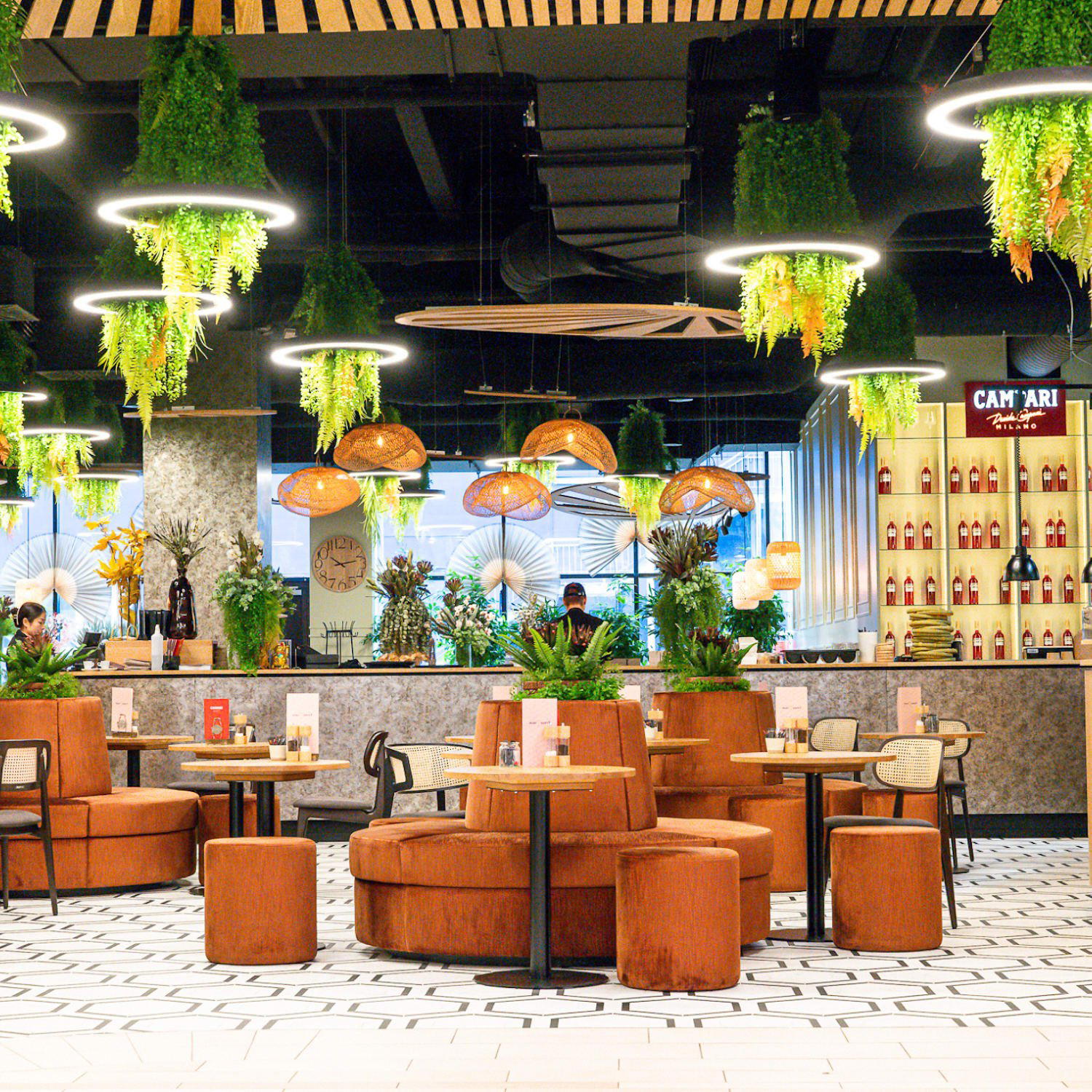
Where Thai Tradition Meets the Central European Larder
Vienna's fine dining conversation has long been dominated by a tight cluster of creative Austrian and modern European kitchens: places like Steirereck im Stadtpark, Amador, and Mraz & Sohn have defined the city's upper tier for years, each operating within a broadly European framework of technique and sourcing. Against that backdrop, Thailanna X Mae Aurel occupies a structurally different position: a kitchen that imports the grammar of Thai cooking into a Central European city and runs it against local seasonal produce rather than imported pantry staples.
That intersection, of Southeast Asian technique applied to an Austrian larder, is not merely a marketing proposition. Across global dining, particularly credible cross-cultural kitchens are distinguished by the rigour of both sides: the imported method must be as disciplined as the sourcing intelligence. Restaurants like Atomix in New York City have demonstrated that this dual fluency, when executed at a high level, produces something categorically different from fusion cooking. The question Thailanna X Mae Aurel poses to Vienna is whether that standard can be met in a city whose hospitality infrastructure is deeply rooted in Austrian and Central European tradition.
The 15th District and What It Signals
The address at Mariahilfer Gürtel 33, inside Hotel Wood, places the restaurant in Vienna's 15th district, Rudolfsheim-Fünfhaus. This is not the Innere Stadt, and it is not the 1st-district circuit of established fine dining names. The 15th is a working district with one of Vienna's most ethnically mixed populations, and its food culture reflects that: Turkish bakeries, Vietnamese grocers, and Balkan butchers operate within blocks of each other along Mariahilfer Gürtel. For a Thai-influenced kitchen, this neighbourhood context is more than incidental. The district's everyday ingredient diversity gives a kitchen genuine sourcing options that a strictly tourist-facing address would not.
Hotel-embedded restaurants in Vienna operate in a specific register. They must serve hotel guests with predictable schedules while also making a case to destination diners who have no particular loyalty to the property. The more successful examples, including several in Austria's wider fine dining geography such as Griggeler Stuba in Lech and Ikarus in Salzburg, have resolved this tension by building a culinary identity strong enough to draw diners independently of the hotel affiliation. Whether Thailanna X Mae Aurel has reached that point is something that visit frequency and booking lead times would indicate more reliably than any other metric.
The Editorial Case for Local-Ingredient Thai Cooking
Thai cuisine's canonical building blocks, galangal, lemongrass, kaffir lime leaf, fresh turmeric, and long peppers, are not grown in Austria. Any kitchen operating in this tradition outside Southeast Asia faces a sourcing decision early: import the aromatics whole and fresh from Thailand, substitute with European-grown equivalents, or develop relationships with specialist growers in southern Europe who produce some of these ingredients at small scale. Each choice produces a different flavour outcome and signals a different level of commitment to the original tradition.
One intellectually coherent approach, and the one that produces interesting food, is to distinguish between what must be imported for authenticity (certain fermented pastes, specific dried spices) and what can be sourced locally without compromise (proteins, leaf vegetables, some roots). This is the same sourcing logic that operates in Austria's broader fine dining scene: kitchens like Landhaus Bacher in Mautern an der Donau and Obauer in Werfen have long built their identity around granular local sourcing within a European culinary framework. Applying equivalent rigour to a Thai framework is harder, because the tradition is less mapped onto Austrian producers, but it is the only version of this concept worth taking seriously.
For context on how high the bar has been set internationally, Le Bernardin in New York City demonstrates what happens when a non-native culinary tradition, in that case French classical technique, is transplanted and maintained with absolute discipline over decades. The standard of evidence required to claim that level of cross-cultural fidelity is high, and it is exactly that standard that a kitchen like Thailanna X Mae Aurel implicitly invites assessment against.
Vienna's Asian-Inflected Kitchens in Context
Vienna's restaurant scene has diversified considerably over the past decade, but the city's prestige dining tier remains European-dominant. Kitchens drawing on Asian traditions occupy a narrower slice of the recognised fine dining conversation compared to cities like London, Paris, or Berlin. This is partly a function of the city's culinary history and partly a function of the critical infrastructure: Michelin's Vienna guide, the local food press, and the dining habits of the city's professional class have all calibrated around a European reference frame.
That calibration is shifting, albeit slowly. Konstantin Filippou and Doubek represent different points on the spectrum of how Vienna's kitchens are incorporating non-European influences within recognisably European structures. A kitchen that commits to a non-European tradition as its primary frame, rather than as an accent within a European base, is a different proposition entirely. That distinction matters when positioning the restaurant: it is not a European kitchen with Asian inflections, but a Thai-tradition kitchen operating in a European city. The implications for sourcing, technique, and the critical framework applied to it are different in each case.
Planning Your Visit
The restaurant is located at Hotel Wood, Mariahilfer Gürtel 33, 1150 Wien, Austria. Contact and booking details should be confirmed directly with Hotel Wood.
| Venue | Cuisine Type | Price Tier | Location | Reservation Policy |
|---|---|---|---|---|
| The restaurant | Thai (cross-cultural) | Recommended | 15th district, hotel-embedded | Confirm directly |
| Steirereck im Stadtpark | Creative | €€€€ | 3rd district (Stadtpark) | Weeks to months ahead |
| Mraz & Sohn | Modern Austrian, Creative | €€€€ | 20th district | Weeks ahead |
| Konstantin Filippou | Modern European | €€€€ | 1st district | Weeks ahead |
For those extending a visit into Austria's wider fine dining geography, Döllerer in Golling an der Salzach, Gourmetrestaurant Tannenhof in Sankt Anton am Arlberg, Kräuterreich by Vitus Winkler in Sankt Veit im Pongau, Ois in Neufelden, Restaurant 141 by Joachim Jaud in Mieming, and Schwarzer Adler in Hall in Tirol each offer a distinct register of the country's regional fine dining.
Price and Positioning
Comparable venues nearby, for context on price, style, and recognition.
| Venue | Cuisine | Price | Notes |
|---|---|---|---|
| Thailanna X Mae AurelThis venue — the venue you are viewing | Not listed | $$ | Not listed |
| Mamamon Thai Eatery | Josefstadt, Authentic Home-Style Thai | $$ | Not listed |
| PUMPUI | Wien-Mitte, Authentic Thai Street Food | $$ | Not listed |
| Coconut Curry | Not listed | $$ | Praterstern Wien Nord, Asian Fusion (Thai, Sushi, Vietnamese) |
| Le Burger | Neubau, American Smash Burgers | $$ | Not listed |
| Bangkok Vienna | Mariahilf, Authentic Thai | $$ | Not listed |
Continue exploring
More in Vienna
Restaurants in Vienna
Browse all →![[aend] restaurant in Vienna](https://cdn.enprimeurclub.com/storage/v1/object/public/images/locations/recsVyRkMfzCxPmp0/hero2.jpg?width=3840&quality=75)
Bars in Vienna
Browse all →

Hotels in Vienna
Browse all →
At a Glance
- Cozy
- Modern
- Lively
- Brunch
- Casual Hangout
- Family
- Group Dining
- Hotel Restaurant
- Terrace
- Craft Cocktails
Current opening hours
- Monday
- 8 AM–10 PM
- Tuesday
- 8 AM–10 PM
- Wednesday
- 8 AM–10 PM
- Thursday
- 8 AM–10 PM
- Friday
- 8 AM–10 PM
- Saturday
- 8 AM–10 PM
- Sunday
- 8 AM–10 PM
Hours can change for holidays and private events. Last verified .
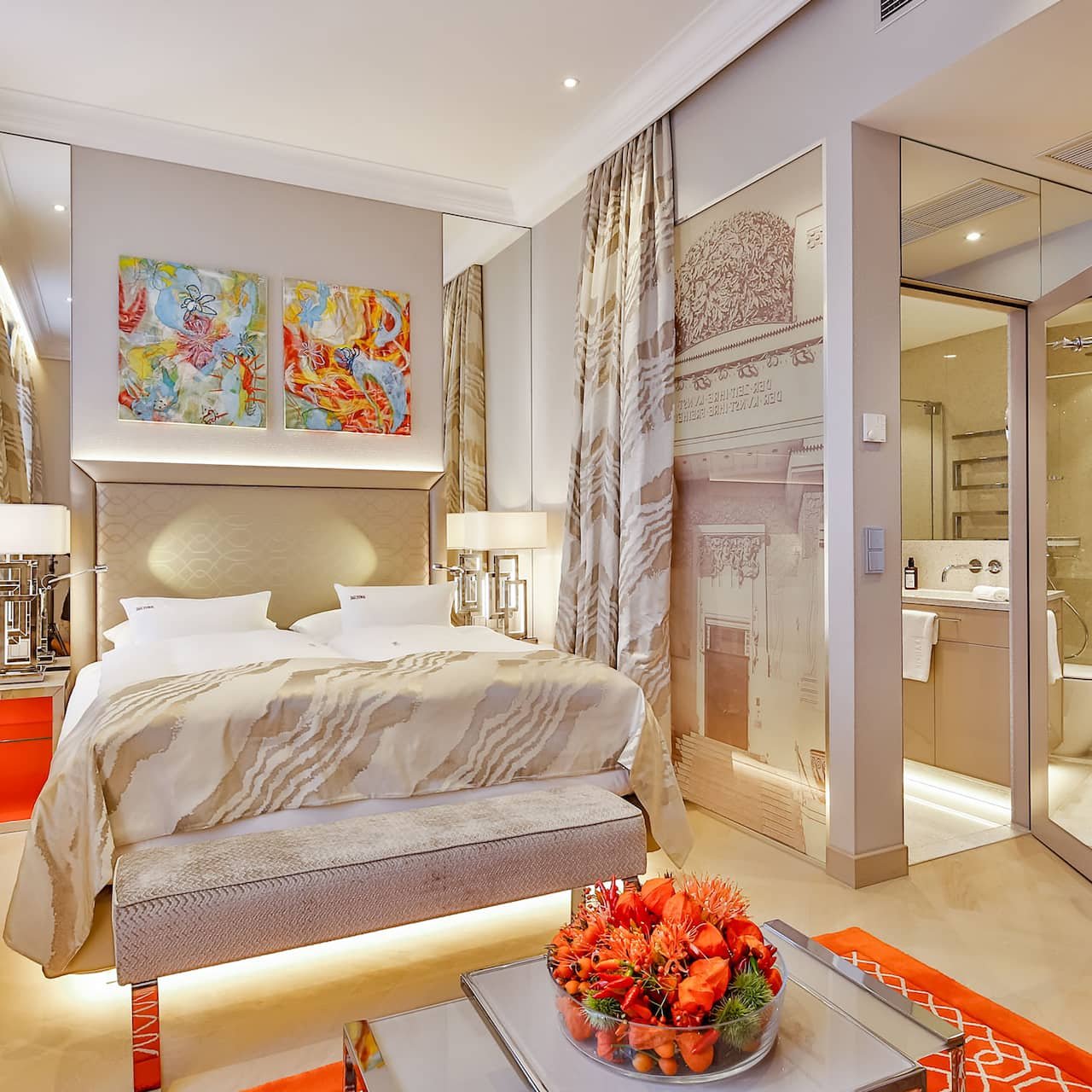
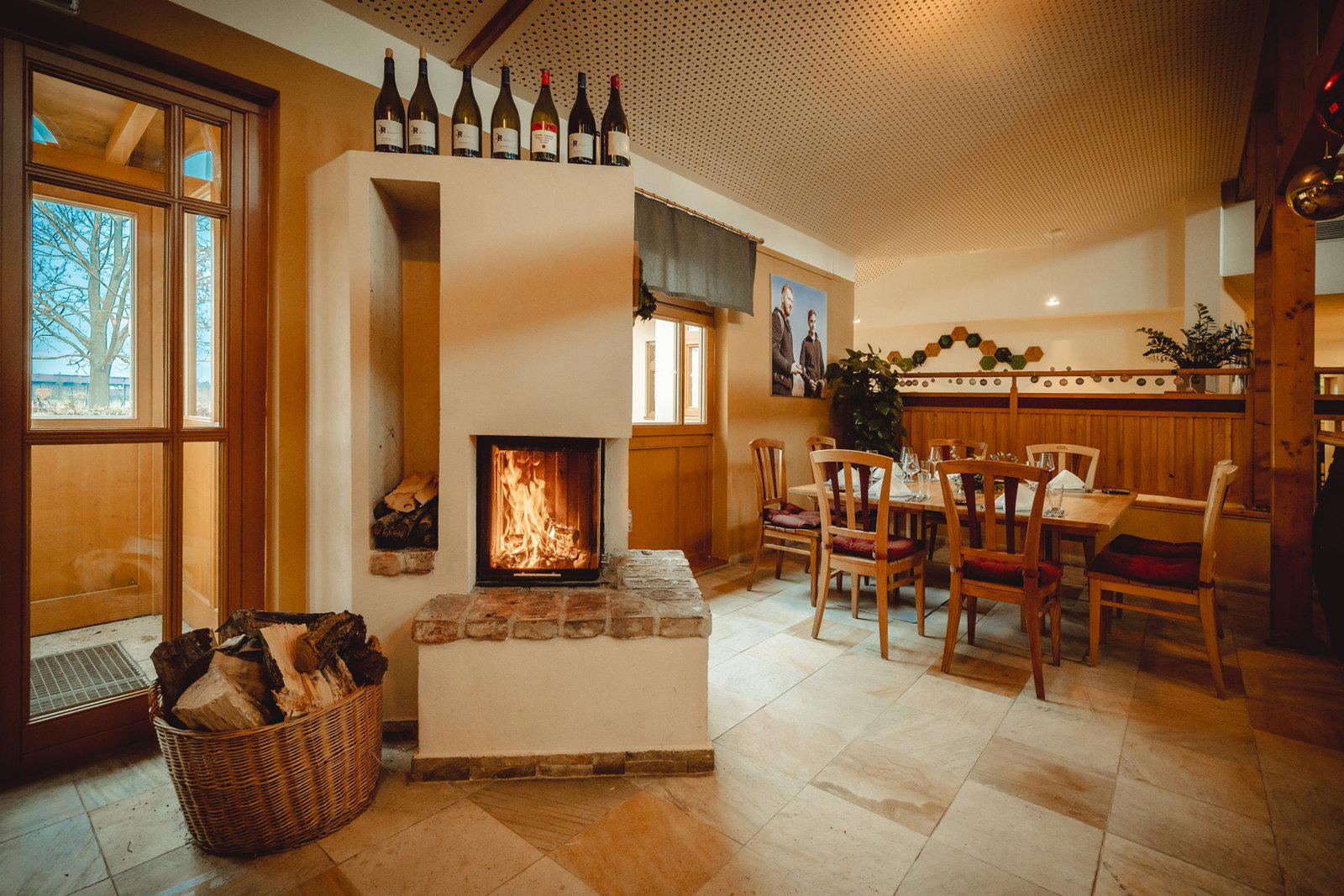
Warm and welcoming with a relaxed lounge area at the entrance; friendly service creates a comfortable environment for both casual dining and leisurely meals.