Our verdict
PUMPUI sits on Obere Weißgerberstraße in Vienna's 3rd district, operating in a city where Southeast Asian cooking has historically occupied the margins of the restaurant conversation. The address places it away from the inner-ring tourist circuit, in a neighbourhood where a younger, more locally-oriented dining culture has taken hold over the past decade.

Pearl is the En Primeur Club membership app, where members save venues, book tables and use the concierge.

The menu
What to order
- Pad Karpow
- Pad Thai
- Tom Kha
- Gaeng Panang
- Fried Rice with Pork Belly and Shrimp
A Street in the Third, and What It Tells You About Vienna's Shifting Appetite
Obere Weißgerberstraße runs through Vienna's 3rd district at a remove from the Ringstrasse grandeur that defines most visitors' mental map of the city. The street is residential in character, with the kind of ground-floor storefronts that serve a neighbourhood rather than perform for it. When a restaurant called PUMPUI opened here, it signalled something about where Vienna's more exploratory dining culture was actually forming, not in the 1st district's polished dining rooms, but in the quieter streets where rents allow for a different kind of ambition.
Vienna's fine-dining establishment remains largely European in orientation. The city's most decorated tables Steirereck im Stadtpark, Amador, Konstantin Filippou, and Mraz & Sohn, all operate at the €€€€ tier and frame themselves through a broadly European culinary inheritance. Against that backdrop, a restaurant drawing from Southeast Asian traditions occupies a distinct position, competing less on the formal tasting-menu circuit and more on the strength of a specific culinary point of view.
The Evolution: From Neighbourhood Curiosity to Recognised Address
Restaurants in emerging city quarters tend to follow a recognisable arc. They open with limited visibility, build a local following through word of mouth, then either consolidate into something more defined or fade as the neighbourhood changes around them. PUMPUI's position on Obere Weißgerberstraße places it in that trajectory, a restaurant whose reputation, if it has solidified, did so through consistency rather than the kind of PR infrastructure that surrounds openings in the first district.
The evolution of Southeast Asian cooking in European capitals over the past fifteen years has generally moved in one direction: away from the cheap-and-cheerful register that defined the category through the 1990s and toward a more considered engagement with regional specificity. Cities like London and Amsterdam led that shift early, with restaurants beginning to distinguish between Thai, Vietnamese, Lao, and Burmese culinary traditions rather than collapsing them into a single generic category. Vienna arrived at this conversation later, and PUMPUI's address in the 3rd district is part of that later chapter.
That shift matters because it changes what a restaurant in this category is actually doing. The question stops being whether the food is authentic in some essentialist sense and starts being whether the kitchen understands regional variation, ingredient sourcing, and the balance of heat, acid, and aromatics that makes Southeast Asian cooking technically demanding to execute well. Those are the standards against which PUMPUI would be measured by anyone paying close attention.
The 3rd District Context
Vienna's 3rd district, the Landstraße, has seen meaningful change in its dining and drinking character over the past decade. It sits between the 1st district's historic core and the more aggressively gentrified 2nd, and it has absorbed some of the creative spillover from both. The area around Rochusmarkt and the streets running toward the Belvedere has accumulated a collection of independent operators, wine bars, smaller restaurants, cafés with serious food programs, that collectively give the neighbourhood a dining identity distinct from the tourist-heavy inner ring.
PUMPUI's location on Obere Weißgerberstraße places it at the northern edge of that neighbourhood cluster, closer to the Danube Canal. That geography tends to attract a local clientele rather than visitors working from a hotel concierge list, which shapes both the atmosphere and the operational model of the restaurants that succeed there.
Southeast Asian Cooking in a European Fine-Dining City
The broader context for any Southeast Asian restaurant in Vienna is a city where the premium dining conversation is dominated by European frameworks. The comparison set for PUMPUI is not Doubek or the Austrian regional tradition represented by places like Döllerer in Golling an der Salzach or Obauer in Werfen. It is not the Alpine fine-dining circuit that runs through Griggeler Stuba in Lech, Gourmetrestaurant Tannenhof in Sankt Anton am Arlberg, or Schwarzer Adler in Hall in Tirol. And it is not the creative Austrian format explored by places like Kräuterreich by Vitus Winkler, Restaurant 141 by Joachim Jaud, or Ois in Neufelden.
The more instructive comparison is with how Southeast Asian restaurants have carved out serious reputations in other major cities. In New York, the trajectory runs from neighbourhood Thai through to technically ambitious Korean tasting menus like Atomix, or the sustained precision of a seafood-focused kitchen like Le Bernardin, which has maintained three Michelin stars across decades by refusing to drift from its core discipline. The lesson those examples offer is that clarity of purpose tends to outlast novelty. Restaurants that know exactly what they are doing, and keep doing it with rigour, tend to build durable reputations. That principle applies regardless of cuisine category.
For Vienna specifically, the gap in serious Southeast Asian dining has historically been wide. The city has strong Turkish, Balkan, and Central European immigrant food traditions, but the Southeast Asian category has developed more slowly. A restaurant that occupies that space with genuine intention, and that holds its position through a period of neighbourhood evolution, ends up filling a gap that the city's more celebrated dining addresses do not cover. Whether PUMPUI has done that consistently is something the record on Obere Weißgerberstraße would need to demonstrate.
For broader regional dining context, the Ikarus in Salzburg and Landhaus Bacher in Mautern an der Donau represent the kind of longevity and consistency that earn lasting reputations in the Austrian context, a useful benchmark for any restaurant building its identity over time.
Planning a Visit
PUMPUI is located at Obere Weißgerberstraße 16 in Vienna's 3rd district. The address is accessible from the city centre by tram or on foot from the Stadtpark area. As with most independent restaurants in this part of the city, booking ahead is advisable, particularly for weekend evenings when neighbourhood restaurants of this type tend to operate at capacity. Our full Vienna restaurants guide covers the broader dining landscape across the city's districts.
Quick reference: Obere Weißgerberstraße 16, 1030 Wien, 3rd district, accessible by tram from the Ringstrasse.
Frequently asked questions
How do I find PUMPUI?
PUMPUI is located at Obere Weißgerberstraße 16, 1030 Wien, Austria, Vienna.
Is PUMPUI worth visiting if you're staying in central Vienna rather than the 3rd district?
Obere Weißgerberstraße 16 is reachable from the city centre by tram, putting it within practical distance of visitors based in the 1st or adjacent districts. The 3rd district's Landstraße quarter has developed a genuine neighbourhood dining character over the past decade, and PUMPUI represents the kind of address that draws guests out of the centre rather than simply serving those already nearby.
What's the signature dish at PUMPUI?
What the restaurant's position in Vienna's dining scene does indicate is a kitchen operating in a Southeast Asian register that goes beyond the generic pan-Asian format common elsewhere in the city.
What's the best way to book PUMPUI?
PUMPUI sits at Obere Weißgerberstraße 16 in Vienna's 3rd district, outside the first-district tasting-menu corridor where most international booking platforms concentrate.
What has PUMPUI built its reputation on?
PUMPUI's standing in Vienna derives from occupying a position the city's dining scene has historically left underdeveloped: Southeast Asian cooking treated with the same seriousness as the European frameworks that dominate premium restaurant conversation here. Operating in the 3rd district rather than the 1st places it within a neighbourhood audience that tends to reward consistency and specificity over spectacle.
Can PUMPUI accommodate dietary restrictions?
Southeast Asian kitchens commonly build foundational flavour from fish sauce, shrimp paste, and peanuts, which makes blanket allergen accommodation structurally harder than in European fine-dining formats.
Recognition, Side-by-Side
Comparable venues nearby, for context on price, style, and recognition.
| Venue | Cuisine | Price | Notes |
|---|---|---|---|
| PUMPUIThis venue (the venue you are viewing) | Authentic Thai Street Food | $10–20 | Not listed |
| Thailanna X Mae Aurel | Authentic Thai with Asian Brunch | $10–20 | Westbahnhof |
| Rossini | Traditional Italian Trattoria | $20–30 | Innere Stadt |
| Shoyu Ramen | Authentic Japanese Ramen | $10–20 | Staatsoper |
| Café Schwarzenberg | Traditional Viennese Café | $10–20 | Staatsoper |
| Patara | Modern Thai Fine Dining | $50–100 | Innere Stadt |
Continue exploring
More in Vienna
Restaurants in Vienna
All restaurants in Vienna →
Bars in Vienna
All bars in Vienna →
Hotels in Vienna
All hotels in Vienna →
Details
- Trendy
- Cozy
- Modern
- Casual Hangout
- Group Dining
- After Work
- Standalone
- Open Kitchen
- Beer Program
- A La Carte
- Family Style
- Thai Beer
- Craft Beer
- Vegetarian Friendly
- Vegan Options
Current opening hours
- Monday
- 11:30 AM–9:30 PM
- Tuesday
- 11:30 AM–9:30 PM
- Wednesday
- 11:30 AM–9:30 PM
- Thursday
- 11:30 AM–9:30 PM
- Friday
- 11:30 AM–9:30 PM
- Saturday
- 5:30–9:30 PM
- Sunday
- Closed
Hours can change for holidays and private events. Hours as of .
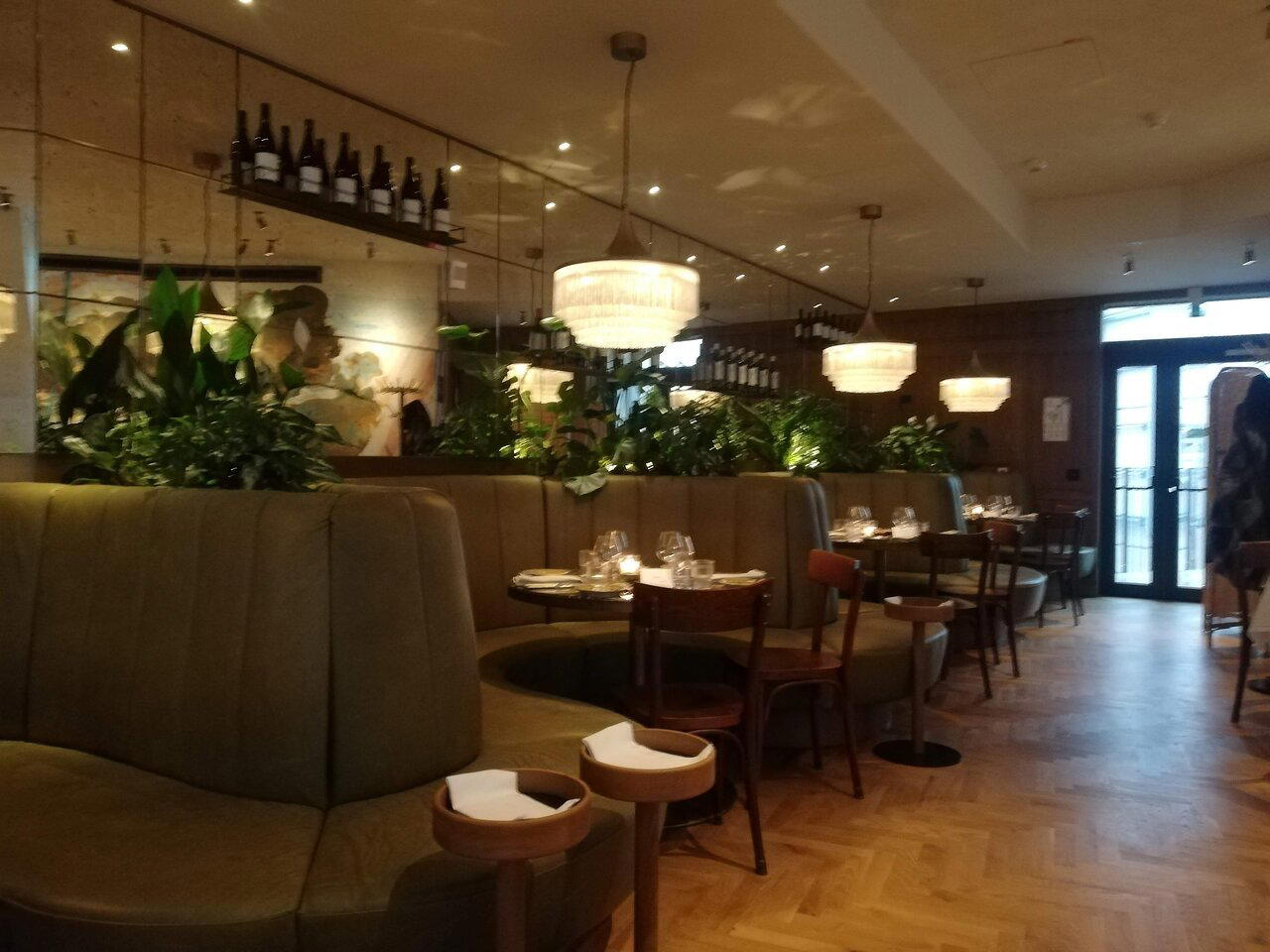
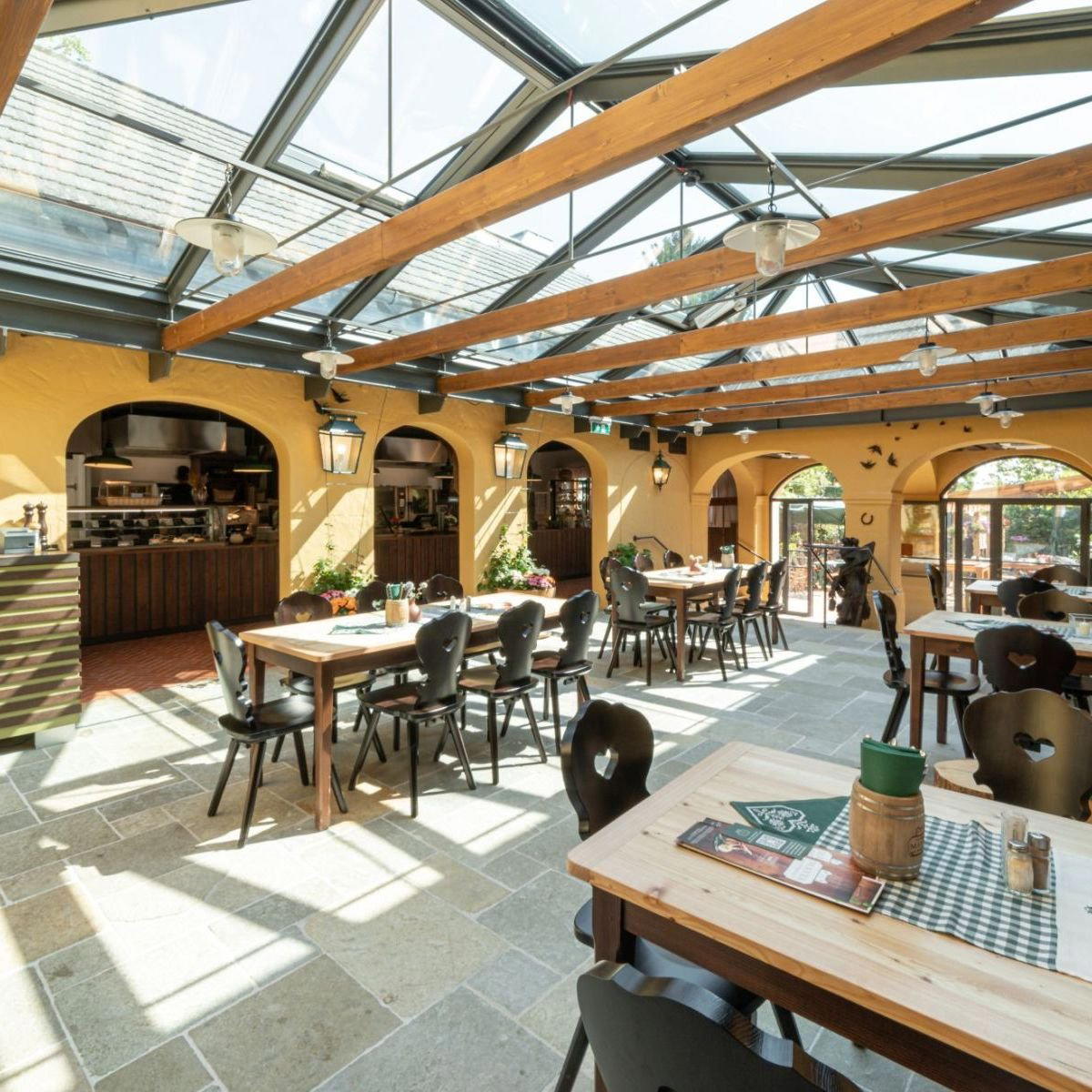
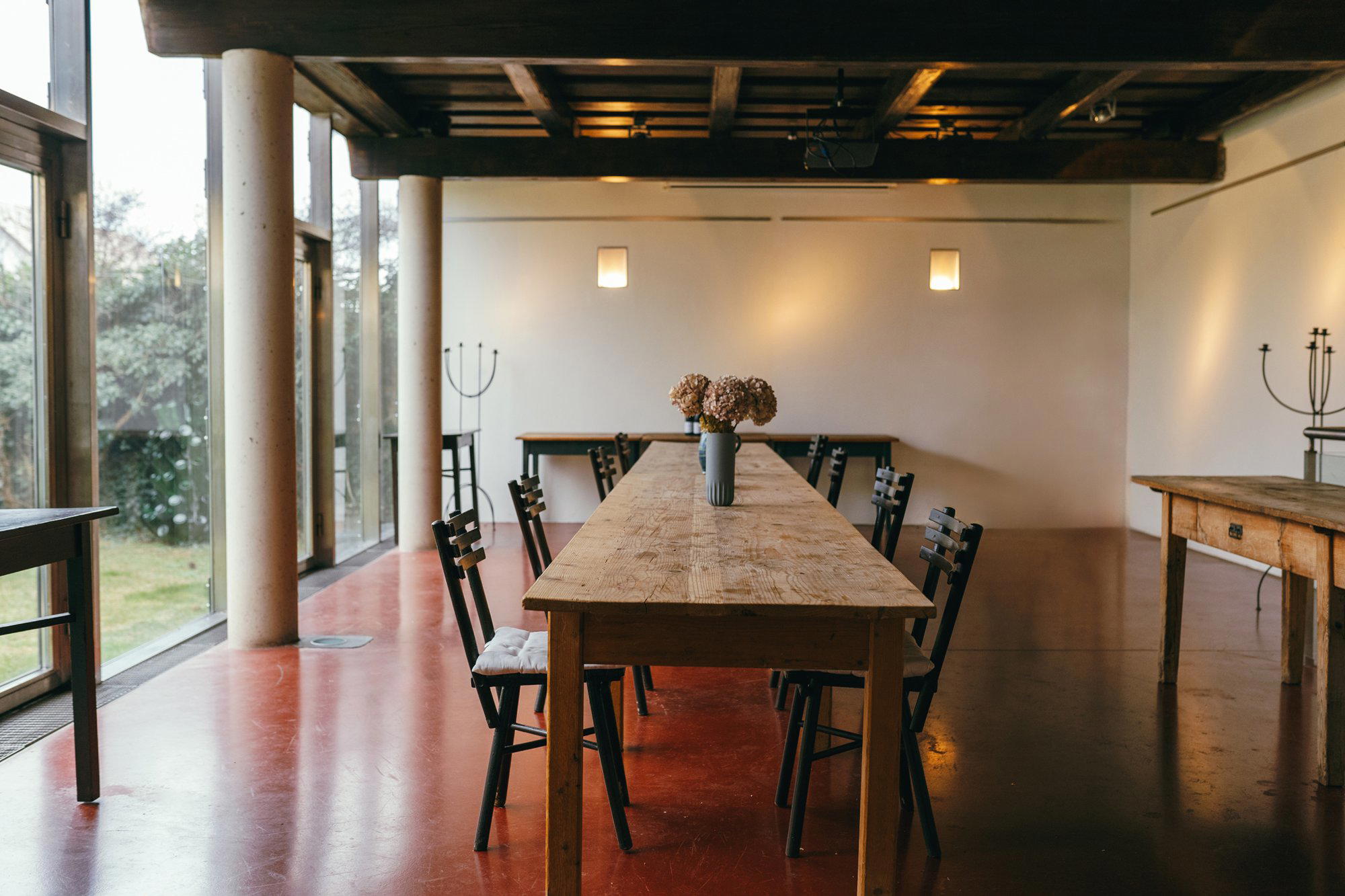
Bright, colorful, and stylish interior with an industrial aesthetic; compact and intimate space that transports diners to Thailand through authentic aromatic dishes.