
Tabelog 100 #85
Our verdict
Goryouriya Ito is a compact Yamagata Japanese restaurant in Nanukamachi, selected for Tabelog 100 Japanese Cuisine EAST 2025. Its small counter-and-table format, fish-led cooking, sake focus, and reservation-only structure place it in the city’s serious washoku tier rather than the casual regional-dining circuit.

Pearl is the En Primeur Club membership app, where members save venues, book tables and use the concierge.
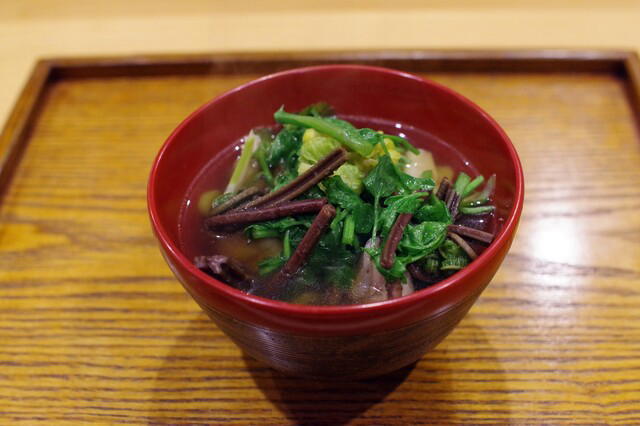
Yamagata is not the Japan of hotel-lobby sushi counters or theatrical tasting rooms. The signal here is quieter: a measured room, a dining culture shaped by Yamagata’s seasons, inland cold, mountain vegetables, rice, sake, and a long habit of treating Japanese cuisine as something rooted in place rather than spectacle. Goryouriya Ito belongs to that register. Its selection for Tabelog 100 Japanese Cuisine EAST 2025 matters because regional washoku is often judged less by spectacle than by consistency, sourcing discipline, and how naturally a meal fits its place.
Yamagata washoku with a regional centre of gravity
Yamagata’s food identity is easy to misread from outside the prefecture. Beef, soba, fruit, pickles, mountain produce, and sake all compete for attention, but the stronger dining rooms tend to be defined by restraint rather than abundance. Japanese cuisine here does not need Tokyo-style gloss to be serious. The better question is whether the cooking makes sense in a city where local regulars understand seasonality and where visitors arrive expecting regional clarity rather than imported luxury signals.
Within that frame, Goryouriya Ito reads as a focused washoku address. The restaurant is classified as Japanese cuisine, which places it in a more deliberate register than Yamagata’s casual noodle and izakaya addresses, but not in the anonymous luxury bracket where the room could be anywhere. Its appeal is less about decorative scale than about the logic of a planned Japanese meal in Yamagata: pacing, balance, and a sense that the restaurant belongs to its city.
The Tabelog 100 Japanese Cuisine EAST 2025 selection gives the restaurant a regional credential beyond local familiarity. Tabelog’s Hyakumeiten lists are not Michelin stars, and they should not be read that way. They are useful in a different sense: they surface restaurants with sustained user attention and category-specific recognition across a defined region. For a Yamagata washoku room, that selection puts Goryouriya Ito in conversation with serious Japanese-cuisine addresses across eastern Japan, while its identity keeps the experience local rather than ceremonial.
A focused format in a city of sharper choices
Yamagata dining rewards travellers who sort by occasion rather than by fame. A bowl-focused stop answers a different need from a sweets counter like Eigyoku Do, while other local drinking-and-sharing rooms sit closer to the casual end of the spectrum. Goryouriya Ito occupies the more deliberate middle: a Japanese restaurant for a planned meal, not a casual fallback between station transfers.
That distinction also matters against the city’s higher-spend choices. Kanazawa Ya Gyuniku Ten points toward beef-led dining, while JAY serves a different price-and-format purpose altogether. The point is not hierarchy; it is specificity. In Yamagata, a strong itinerary might combine soba, wagashi, izakaya cooking, and one composed washoku meal. This restaurant is the washoku anchor in that mix.
The restaurant’s contained feeling is also part of the argument. In focused Japanese restaurants, the pleasure is not merely what arrives on the plate; it is the way the meal’s rhythm, service, and sequence create a defined occasion. For solo diners, that format can feel more purposeful than a broader casual stop because the meal has its own structure. For friends, the appeal is a quieter occasion without losing the intimacy that makes regional Japanese dining compelling.
How to place it in a Yamagata itinerary
Goryouriya Ito is best understood as the planned Japanese-cuisine meal in a Yamagata stay. Lunch and dinner occupy different levels of commitment, with the published budget indicating dinner at JPY 8,000 - JPY 9,999 and lunch at JPY 3,000 - JPY 3,999. That makes it practical to place either as a fuller evening or as a tighter daytime expression of the same category, depending on how much of the city’s food culture the trip needs to cover.
The location in Yamagata gives the meal a clear city logic without needing to turn the booking into a destination detour. It pairs naturally with a stay that gives Yamagata more than a single transit night, especially for travellers also mapping the city’s broader food culture through Our full Yamagata restaurants guide. For lodging context, use Our full Yamagata hotels guide; for evenings beyond dinner, Our full Yamagata bars guide helps separate sake-led drinking from standard hotel-bar convenience. Regional depth can extend further through Our full Yamagata wineries guide and Our full Yamagata experiences guide, particularly for travellers trying to connect the table to the prefecture’s agriculture and craft traditions.
Japan’s broader dining map is full of category specialists, and that context helps sharpen the choice. A traveller chasing beef, a night built around charcoal, a casual cafe stop, or a contemporary regional dining room all answer different questions from the one Goryouriya Ito poses. Even outside Japan, the appetite for Japanese formats can make the category feel globally familiar. Those comparisons underline what Yamagata offers here: not a generic Japanese meal, but a regional washoku room with a recognized place in the eastern Japan conversation. For travellers building a broader Japan route, other unnamed city specialists show how sharply category and place can define a meal. Goryouriya Ito belongs to that same logic of precision: choose it when Yamagata’s Japanese-cuisine tradition, not variety for its own sake, is the reason for the reservation.
Frequently asked questions
Would Goryouriya Ito be comfortable with kids?
Goryouriya Ito is best approached as a focused Japanese-cuisine meal in Yamagata, so it suits children who can handle a quiet, seated dining setting. Families should judge it less as a casual drop-in and more as a planned restaurant visit.
How would you describe the vibe at Goryouriya Ito?
It feels contained and deliberate: a Yamagata Japanese-cuisine restaurant with a serious regional profile. The Tabelog 100 Japanese Cuisine EAST 2025 selection gives it the sort of credibility that usually comes with a focused, low-noise dining room.
Is Goryouriya Ito expensive?
Pricing at Goryouriya Ito is listed as dinner at JPY 8,000 - JPY 9,999 and lunch at JPY 3,000 - JPY 3,999.
Is Goryouriya Ito open every day?
Check directly with Goryouriya Ito for current opening days and hours before planning a visit.
How do I find Goryouriya Ito?
Yamagata.
What makes Goryouriya Ito worth seeking out?
Its 2025 Tabelog 100 Japanese Cuisine EAST selection is the clearest signal. Add the published budget of lunch at JPY 3,000 - JPY 3,999 and dinner at JPY 8,000 - JPY 9,999, and it reads as a serious Yamagata stop rather than a casual dinner.
A Pricing-First Comparison
Side-by-side context: comparable cuisine and price.
| Venue | Cuisine | Price | Awards | Notes |
|---|---|---|---|---|
| Goryouriya ItoThis venue (the venue you are viewing) | Seasonal Japanese Kaiseki | $50–100 | Tabelog 100 #85 | Not listed |
| Tsukumo | Tempura and soba | $30–50 | Tabelog 100 #82 | Narisawanishi, Tempura and soba |
| Izakaya Denshichi | Traditional Japanese Izakaya | $30–50 | Tabelog 100 #22 | near Yamagata Station (east exit), Traditional Japanese Izakaya |
| レストラン横倉 | Yoshoku and Ski Resort Comfort Food | $10–20 | Not listed | Zao Onsen, Western-Japanese Ski Resort Fare |
| Chuka Soba Dokoro Konpiraso | Traditional Japanese ramen (chuka soba) | $1–10 | Tabelog 100 #12 | Sanze, Yamagata Chuka Soba |
| Yakiniku Meisho Yamagyu Yamagata ten | Yamagata Beef Yakiniku | $30–50 | Tabelog 100 #22 | Hatagomachi, Yamagata Beef Yakiniku |
Recognition history
Dated appearances from independent guides and award organizations, with the underlying list record or original source where available.
Tabelog 100 #85 · No. 85
Tabelog · Tabelog 100 - Japanese cuisine - EAST - 2025
Continue exploring
More in Yamagata
Restaurants in Yamagata
All restaurants in Yamagata →
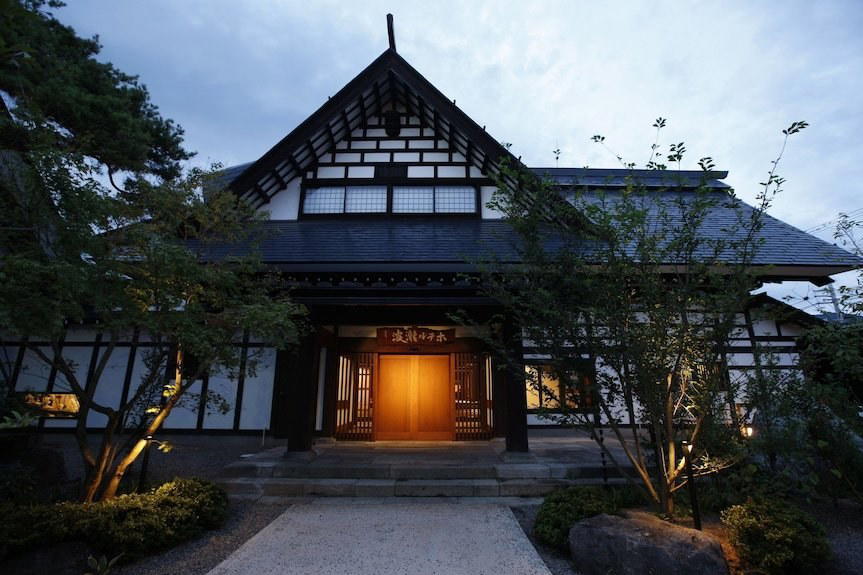
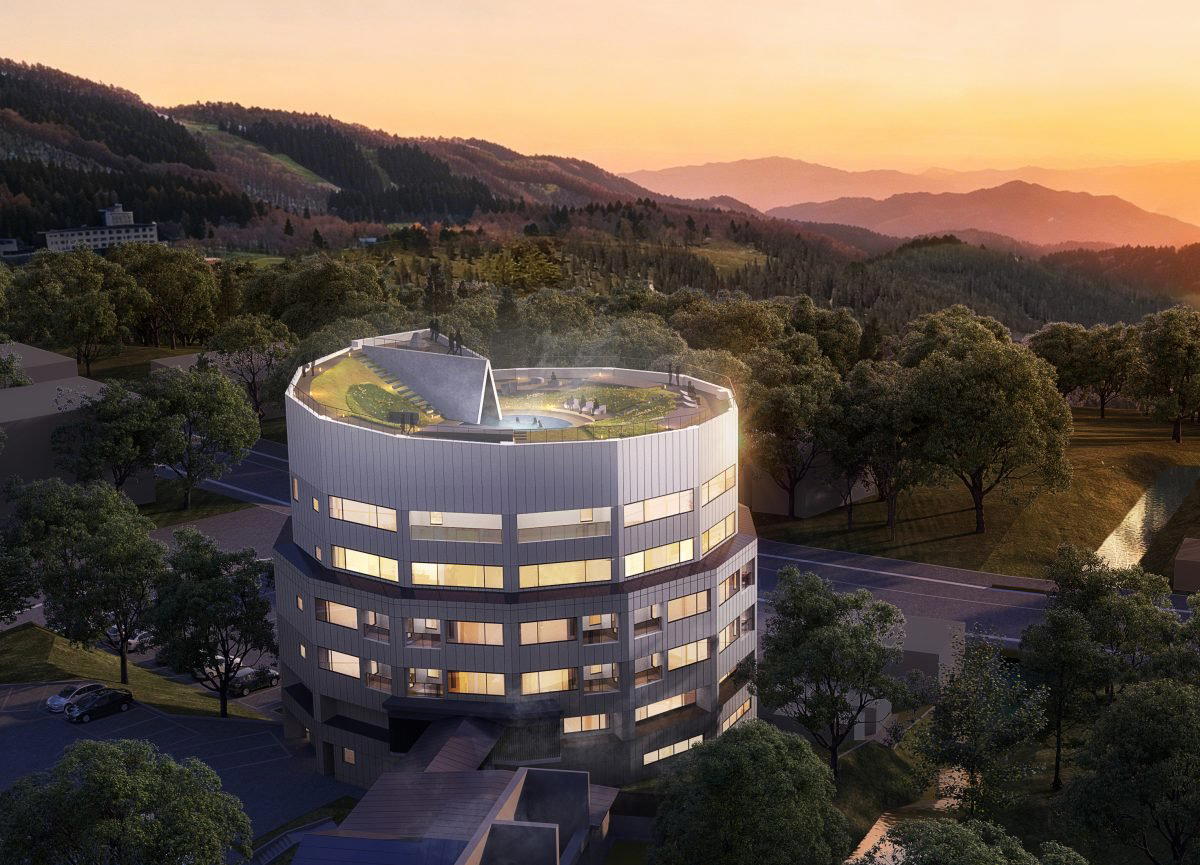
Hotels in Yamagata
Browse all →
Wineries in Yamagata
Browse all →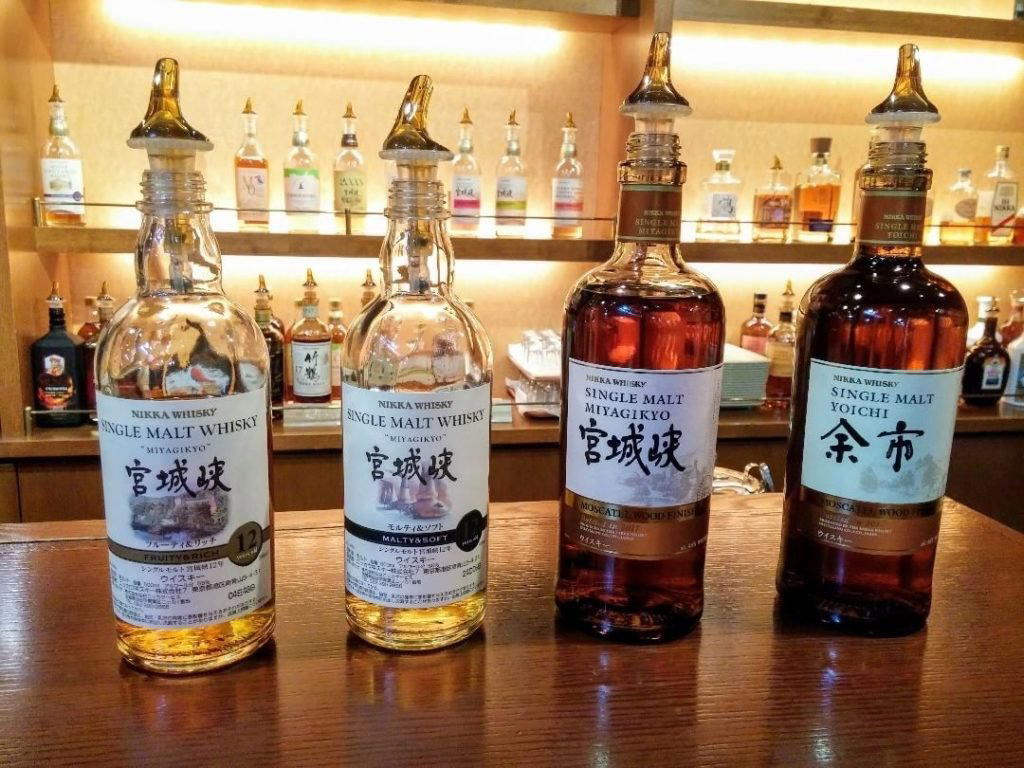
Details
- Intimate
- Cozy
- Classic
- Date Night
- Special Occasion
- Business Dinner
- Solo
- Standalone
- Sake Program
- Tasting Menu
- Set Menu
- Sake Program
Current opening hours
- Monday
- Closed
- Tuesday
- 6–11 PM
- Wednesday
- 12–1 PM, 6–11 PM
- Thursday
- 12–1 PM, 6–11 PM
- Friday
- 12–1 PM, 6–11 PM
- Saturday
- 12–1 PM, 6–11 PM
- Sunday
- 12–1 PM, 6–11 PM
Hours can change for holidays and private events. Hours as of .
A small, quiet Japanese restaurant with a classic, understated interior focused on the food and attentive service rather than decor, creating a calm, intimate atmosphere suited to relaxed course dining.