
Tachinomi En puts Yamagata’s stand-up drinking culture in a compact, low-friction frame: sake-bar habits, izakaya pacing, and the quick turnover of tachinomi rather than a drawn-out dinner format. Its 2025 Tabelog 100 selection for tachinomi gives it a useful signal for travelers reading the city through casual counters rather than formal restaurants.
Pearl is the En Primeur Club membership app — saves, bookings, and concierge access live there. Same editors, same standards.
- Address
- 1 Chome-6-1 Kasumicho, Yamagata, 990-0039, Japan
- Phone
- +81 90-6222-1474
- Website
- instagram.com
 Saves & bookings on Pearl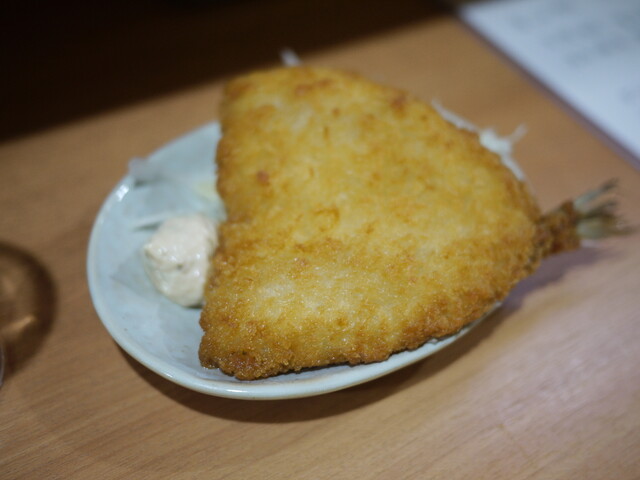
Kasumicho’s evening rhythm favors short distances and quick decisions: station-area drinkers, small counters, and rooms where the first round matters more than ceremony. Tachinomi fits that grammar, stripping away destination-dining architecture to focus on sourcing, pour, snack, and pace. In Yamagata, that matters because the prefecture’s food identity is agricultural before theatrical: rice, sake, mountain vegetables, fruit, beef, and preserved flavors shape how casual drinking rooms read to locals and travelers.
Tachinomi En sits in the city’s stand-up bar and izakaya lane, with Japanese sake bar cues rather than cocktail-bar polish. Its selection for Tabelog 100 - Tachinomi - 2025 places it in a national conversation about compact drinking formats, not just a local night-out list. That distinction helps: a Tokyo stand-up bar often competes on density and speed; in a regional capital such as Yamagata, the format becomes a sharper lens on local produce and everyday sake culture.
Stand-up drinking as a serious Yamagata format
Japan’s tachinomi tradition rewards discipline. There is less room for long menus, elaborate service choreography, or architectural drama. The counter must carry the evening through short-order food, drink compatibility, and a social temperature that lets solo guests and small groups share the same narrow space. Tachinomi En’s category listing, stand-up bar, izakaya, and Japanese sake bar, signals that hybrid zone: not a restaurant trying to be casual, and not a bar detached from food.
The ingredient-sourcing angle is not about named luxury products; it is about how Yamagata’s pantry behaves in informal rooms. The prefecture is one of Japan’s defining rice and sake regions, changing the value equation at a sake bar. A traveler does not need a tasting-menu frame to understand the local food system. In tachinomi, regional identity appears through what is easy to pour, replenish, and eat with alcohol. That seriousness differs from fine dining, but can be more revealing.
Within Yamagata’s casual spectrum, price tier also matters, even when the night is decided by appetite and rounds rather than a fixed menu. Compared with Izakaya Denshichi, which occupies a higher izakaya spending band, Tachinomi En reads as a lighter stop: lower commitment, faster tempo, and better suited to a night with more than one address. Against lower-priced snack or sweets stops such as Eigyoku Do, it belongs to a different category, built around alcohol and standing-room conviviality rather than daytime grazing.
What the Tabelog 100 signal means here
Tabelog’s Hyakumeiten lists are useful for formats that do not always translate well in English-language travel planning. Michelin language can flatten the difference between a formal counter, noodle shop, and standing bar; a tachinomi-specific selection points to a narrower peer group. The restaurant’s 2025 inclusion says the venue has earned notice within that compact drinking category, where benchmarks are consistency, local pull, and the ability to make a short visit feel complete.
Yamagata is not a city where every strong meal needs to become a destination dinner. Build a circuit by format. Ramen can anchor the day at Chuka Soba Dokoro Konpiraso, a more formal local meal can sit with Goryouriya Ito, and a bar-format stop can handle early or late evening. The restaurant fits that last role cleanly, especially for travelers who want to understand how sake and izakaya food function outside the polished tasting-menu vocabulary of larger cities.
The comparison should not be stretched. A stand-up sake bar is not competing with yakiniku, yakitori, ramen, or confectionery on the same terms. Its value is compression: a brief drinking session can carry local signals without requiring a full dinner slot. That is why Yamagata’s station-adjacent eating map benefits from variety. A visitor can read the city through noodles, sweets, izakaya cooking, and standing-bar sake culture rather than chasing one grand meal.
How to place it in a Yamagata itinerary
Use the restaurant as part of an evening sequence, not as a substitute for every meal in the city. Stand-up bars work well before a later booking, after a train arrival, or as the final informal stop when a full izakaya table feels excessive. The format favors decisiveness: order, drink, eat, move. For travelers used to Tokyo’s micro-bars, the appeal in Yamagata is less novelty than regional translation. The same compact structure absorbs a different food culture because the surrounding prefecture supplies different rice, sake, produce, and drinking habits.
Travelers mapping a broader stay should treat it as one node, not the whole story. [Our full Yamagata restaurants guide]() is better for comparing dinner formats, while [Our full Yamagata bars guide]() helps separate sake-led rooms from cocktail or beer-led nights. For hotel planning, [Our full Yamagata hotels guide]() keeps logistics grounded; [Our full Yamagata wineries guide]() and Our full Yamagata experiences guide widen the trip beyond the station-area meal map.
For readers comparing Japanese casual dining across cities, the lesson is format discipline. A tachinomi bar in Yamagata should not be judged by the same criteria as JAY, a Kamakura beef specialist such as -Grilled beef Sukiyaki- KAMAKURA TANUKIAN 鎌倉 たぬき庵 in Kamakura, or Tokyo charcoal-and-tuna rooms such as. 鮪と炭火焼き うお炭 秋葉原店 in Tokyo. Nor should it be folded into the café or snack logic of.cafe in Osaka.know in Kumamoto, (Shoku) Vietnam in Kawasaki, [[Curry Senmon Ten] Maruyama Kyoju. in Sapporo](https://www.enprimeurclub.com/restaurants/curry-senmon-ten-maruyama-kyoju-1054392), [Jōdo Saké Bar in Los Angeles](), or [Onigiri Time in Pasadena](). Match the room to the assignment: the restaurant is for a concise, sake-adjacent read on Yamagata’s everyday drinking culture, backed by 2025 national tachinomi recognition rather than luxury signals.
A Quick Peer Check
Comparable venues by cuisine and price in the same metro.
| Venue | Cuisine | Price | Notes |
|---|---|---|---|
| Tachinomi EnThis venue — the venue you are viewing | Japanese tachinomi standing bar | $ | Not listed |
| Teuchi Soba Umesoba | Traditional Hand‑made Soba | $ | / Yamagata Station area |
| Kenchan Ramen Yamagata | Kenchan-style niboshi ramen with hand-cut extra-thick noodles | $ | Nishida |
| Soneta Yakitoriya | Traditional Yakitori | $$ | Kasumicho |
| Yakiniku Meisho Yamagyu Yamagata ten | Yamagata Beef Yakiniku | $$ | Hatagomachi |
| Yamada Ya | Japanese traditional sweets | $ | Honcho |
Recognition history
Dated appearances from independent guides and award organizations, with the underlying list record or original source where available.
Tabelog 100 #86 · No. 86
Tabelog · Tabelog 100 - Tachinomi - 2025
Continue exploring
More in Yamagata
Restaurants in Yamagata
Browse all →

Hotels in Yamagata
Browse all →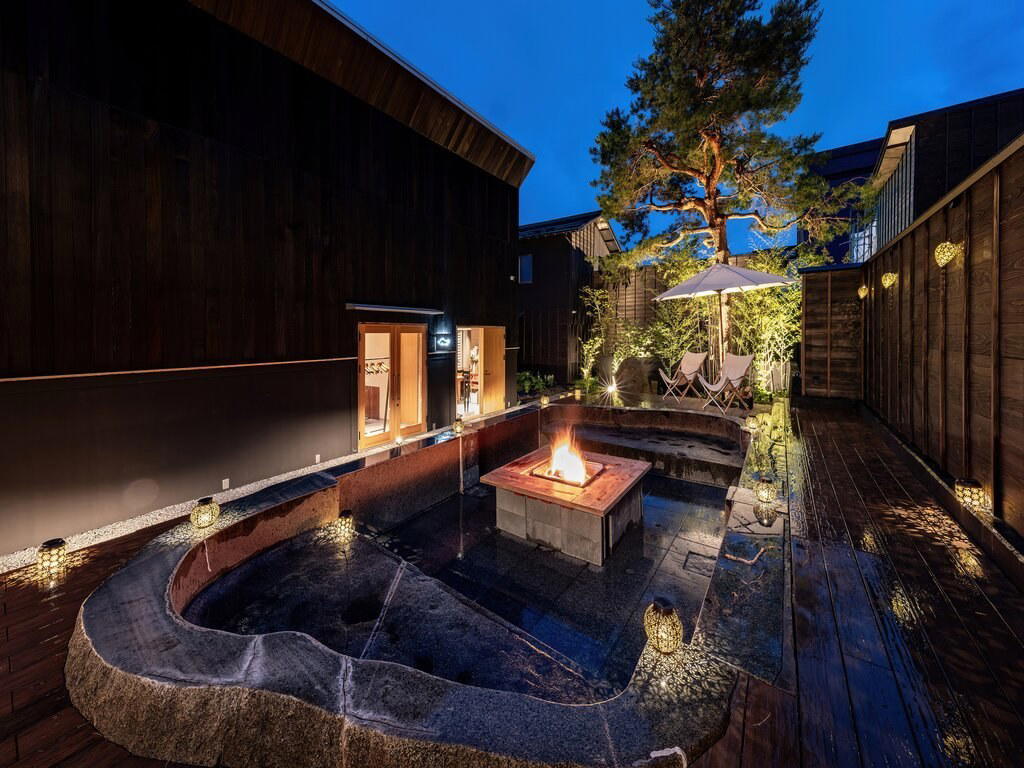
Wineries in Yamagata
Browse all →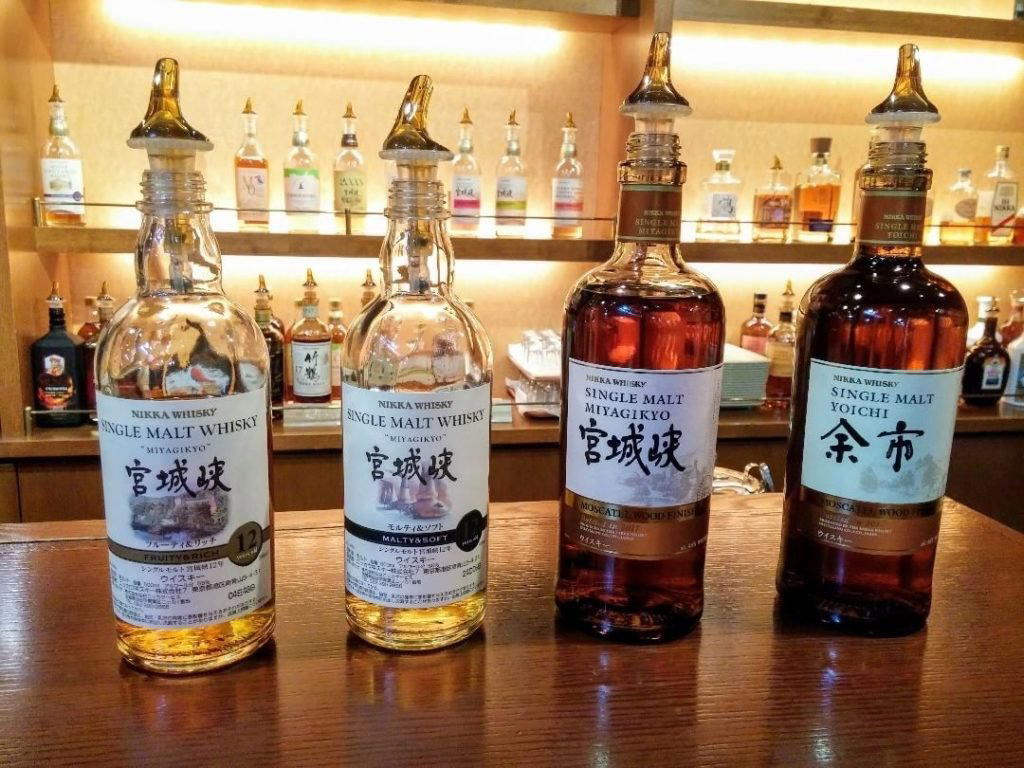
At a Glance
- Lively
- Casual
- After Work
- Casual Hangout
- Solo
- Late Night
- Standalone
- Sake Program
- Beer Program
Current opening hours
- Monday
- 5:30–11 PM
- Tuesday
- 5:30–11 PM
- Wednesday
- 5:30–11 PM
- Thursday
- 5:30–11 PM
- Friday
- 5:30–11 PM
- Saturday
- 5:30–11 PM
- Sunday
- Closed
Hours can change for holidays and private events. Last verified .
Typical tachinomi standing bar vibe: a compact, no‑frills space where guests stand at the counter, creating a lively, casual atmosphere focused on quick drinks and simple bites rather than lingering meals.