Terrasse Belvu occupies a central address in downtown Montreal at 1010 Rue De la Gauchetière, positioning it within reach of the city's dense concentration of lunch-trade professionals and hotel guests. Where Montreal's evening dining scene tilts toward destination restaurants with long tasting formats, Terrasse Belvu operates in the space between occasion dining and functional daytime service, a distinction that shapes how the room reads at noon versus eight o'clock.
Pearl is the En Primeur Club membership app — saves, bookings, and concierge access live there. Same editors, same standards.
- Address
- 1010 Rue De la Gauchetière O, Montréal, QC H3B 4C9, Canada
- Phone
- +14388217928
- Website
- terrassebelvu.com
- Directions
- Get directions
 Saves & bookings on Pearl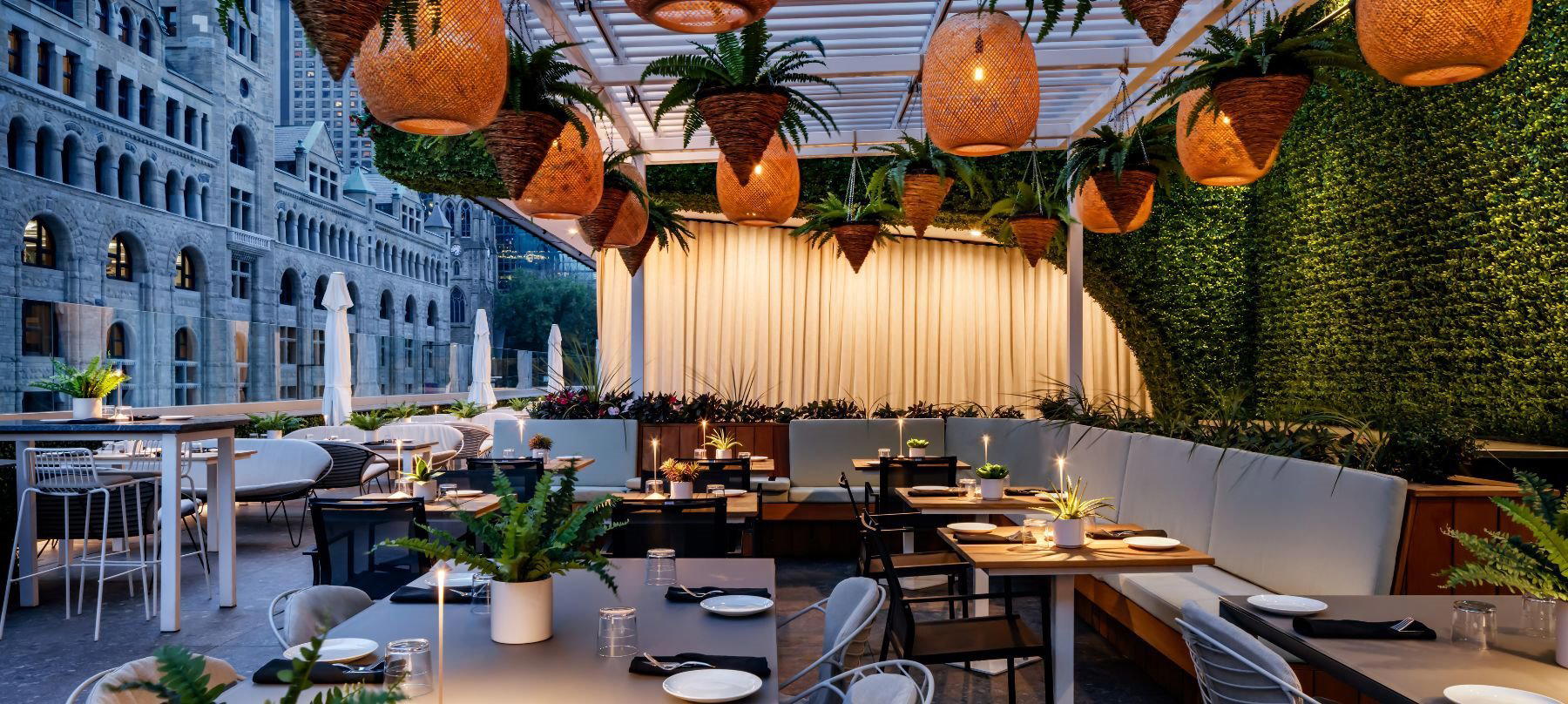
Downtown Montreal's Lunch-to-Dinner Shift, and Where Terrasse Belvu Fits
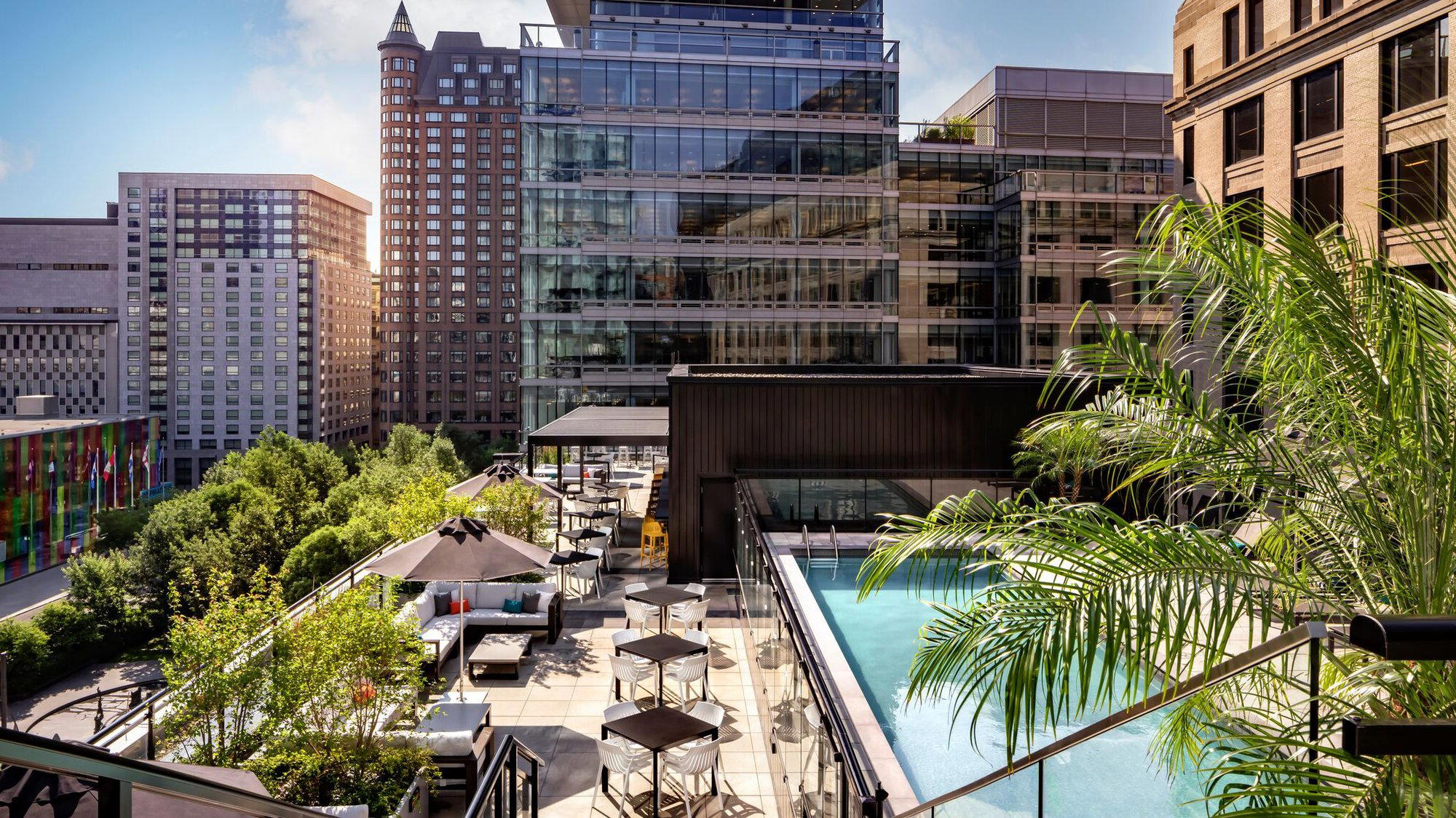
Terrasse Belvu is a restaurant in Montreal, Quebec, with a Mediterranean Fusion Rooftop focus and a price tier around USD 60 per person. Montreal's restaurant scene has long operated on a split personality. Terrasse Belvu, at 1010 Rue De la Gauchetière Ouest, sits squarely in the downtown grid, which means it inherits both the advantages and the expectations of that position.
The lunch-versus-dinner divide in Montreal is not merely a question of menu length. It reflects how the city uses its restaurants. Midday downtown service tends toward faster pacing, more pragmatic wine choices, and tables that turn. Evening service, by contrast, is where Montreal's reputation for serious food culture asserts itself most clearly, longer sittings, more deliberate kitchen output, and a room that fills later than most North American cities would expect.
The Address and What It Signals
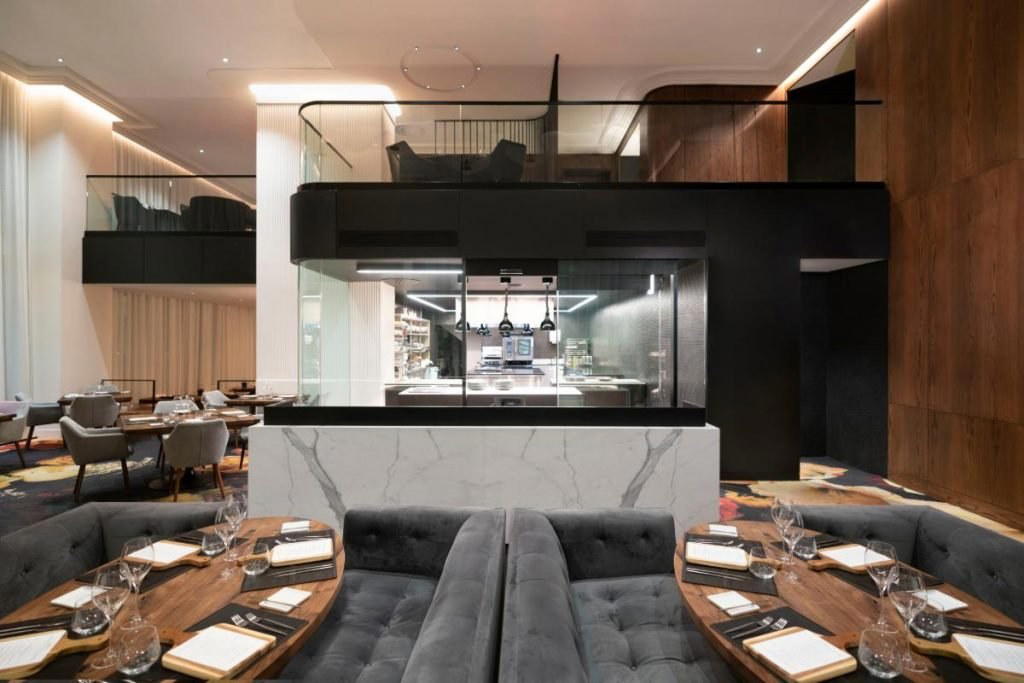
The Rue De la Gauchetière address places the restaurant in the heart of Montreal's central business district, within walking distance of the Palais des congrès convention centre and the hotels that cluster around the CBD. This geography has practical consequences for the dining room. Convention traffic, hotel guests, and office workers at lunch create a different clientele profile than the self-selecting destination diner who crosses town on a Tuesday evening for a tasting menu. Montreal venues at this address tend to run accessible formats, à la carte menus, flexible timing, and service calibrated for guests who may be eating on expense accounts or between meetings.
The pressure to be consistent at scale is different from the pressure to be notable for a single nightly seating, and both demand craft. Comparable dynamics appear at terrasse-style venues across Quebec City and in the dining rooms attached to Montreal's larger hotel properties, places where the room must read differently at noon and at eight without changing the kitchen's fundamental approach.
The Terrasse Format in Montreal's Context
The word terrasse in Montreal carries specific seasonal weight. The city's outdoor dining culture is compressed into roughly five months, and terrasse spaces become social infrastructure in a way that has no equivalent in cities with gentler winters. When a restaurant names itself partly after its terrasse, it is making a claim about how the outdoor component functions, not as an overflow area, but as a primary draw.
Across Montreal's dining scene, terrasse dining at lunch skews casual and social, while evening terrasse use takes on more of a see-and-be-seen quality. This mirrors broader patterns in French-influenced dining culture, the tradition of the long outdoor lunch has deep roots in Quebec, reinforced by the cultural weight of Parisian café dining that threads through the province's restaurant vocabulary. Venues like Sabayon and 3 Pierres 1 Feu represent the city's range of approaches to this same question of how indoor and outdoor space interact across service periods.
Montreal's Broader Dining Geography
Placing the restaurant in the wider Canadian dining conversation requires some calibration. Montreal operates at a different register than Alo in Toronto or Tanière³ in Quebec City, both of which have built sustained reputations around destination tasting formats with significant critical recognition. Montreal's downtown venues serve a different function in that ecosystem, they are often the entry point for visitors staying nearby, or the practical choice when the evening's primary plan is theatre, a convention, or a hotel check-in rather than a two-hour dinner. That role is worth more than it is usually given credit for.
Further afield, the contrast with rural Quebec dining, represented by places like Narval in Rimouski, illustrates how dramatically Quebec's food culture varies by geography and intent. Urban downtown venues and remote destination restaurants are not competing; they are answering different questions for different trips. For travellers whose itinerary places them in Montreal's CBD, understanding which downtown venues can carry an evening as well as a lunch sitting is the relevant decision.
For context on how Canadian fine dining has evolved beyond the major cities, Restaurant Pearl Morissette in Lincoln, The Pine in Creemore, and Eigensinn Farm in Singhampton each represent distinct approaches to serious cooking outside metropolitan centres. Montreal's downtown scene sits at the opposite end of that spectrum, dense, urban, and built for volume as much as occasion.
Among Montreal's more accessible neighbourhood options, Abu el Zulof represents the city's range of culinary registers, while the longstanding traditions of Quebec table culture are documented at venues like Aux Anciens Canadiens in Quebec City. For international reference points in the fine dining tier, Le Bernardin and Atomix in New York set the standard against which serious Canadian restaurants are increasingly measured. Vancouver's AnnaLena and Calgary's Bearspaw Golf Club complete a cross-country picture of how Canada's dining geography has matured. Burlington's Barra Fion adds another Ontario data point to that national spread.
Know Before You Go
Know Before You Go
- Address: 1010 Rue De la Gauchetière Ouest, Montréal, QC H3B 4C9
- Neighbourhood: Downtown Montreal / Centre-Ville
- Nearby transit: Bonaventure Métro station (Orange Line) is the closest point of entry from the Montreal Métro network
- Leading for: Business lunch, hotel-adjacent dining, summer terrasse sittings
- Booking: Specific booking details not confirmed, contact directly or check current reservation platforms
- Pricing: About USD 60 per person
- Seasonal note: Terrasse access is subject to Montreal's climate; outdoor seating is typically viable from late May through September
A Minimal comparable set
Comparable venues nearby, for context on price, style, and recognition.
| Venue | Cuisine | Price | Notes |
|---|---|---|---|
| Terrasse BelvuThis venue — the venue you are viewing | Not listed | $$$ | Not listed |
| Bazart | Not listed | $$$$ | Griffintown, Mediterranean Mezze & Charcoal Grill |
| Kava | Not listed | $$$ | Griffintown, Mediterranean Seafood & Tapas |
| Moretti Griffintown | Griffintown, Authentic Italian Pizzeria | $$$ | Not listed |
| Lumi | Not listed | $$$ | Vieux Montréal, Contemporary Seasonal Fine Dining |
| Tiamo | Not listed | $$$ | Milton-Parc, Traditional Italian with Wood-Fired Pizza |
At a Glance
- Elegant
- Lively
- Scenic
- Sophisticated
- Trendy
- Date Night
- Group Dining
- Celebration
- Casual Hangout
- After Work
- Rooftop
- Terrace
- Panoramic View
- Hotel Restaurant
- Craft Cocktails
- Zero Proof
- Skyline
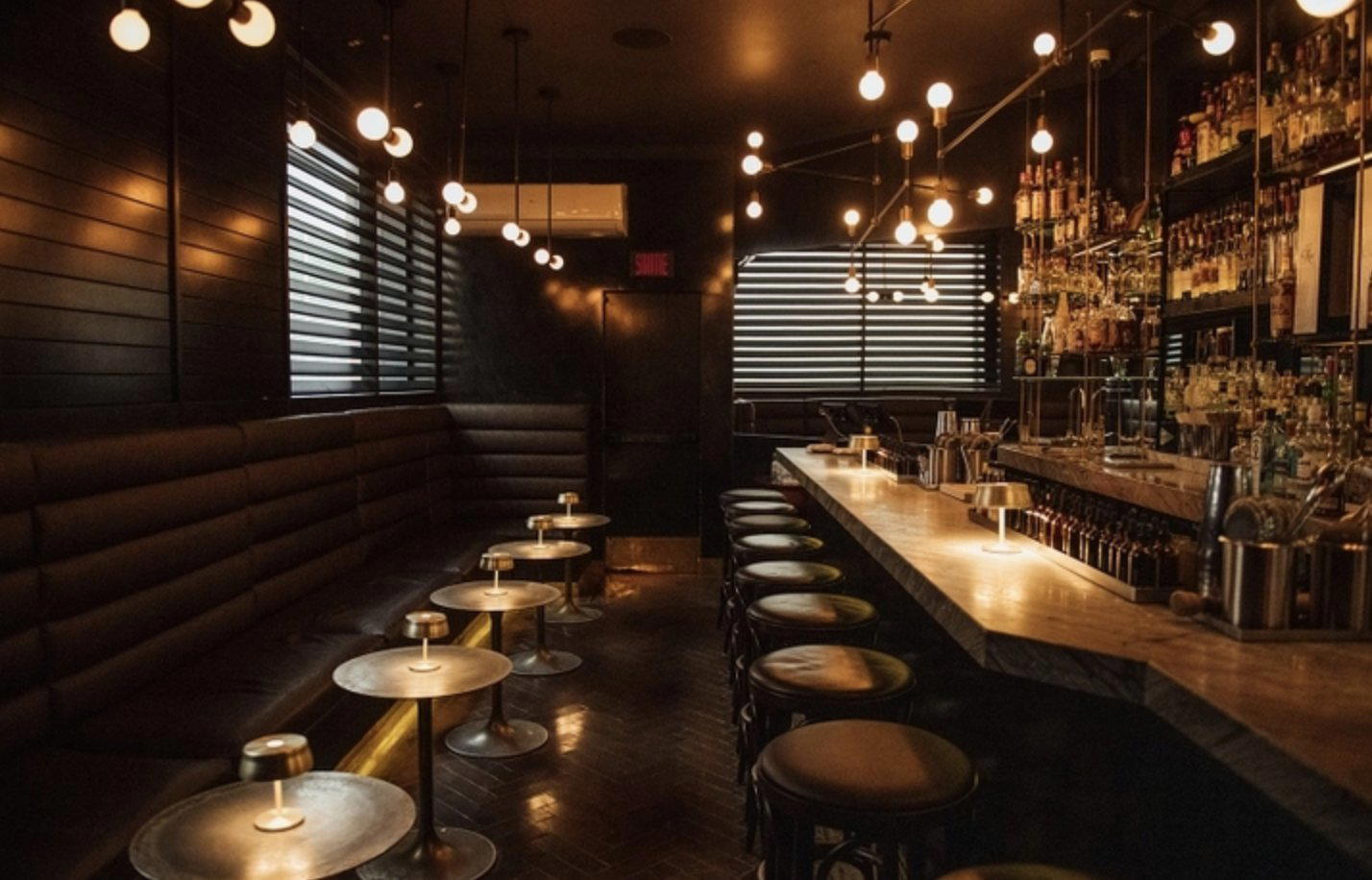
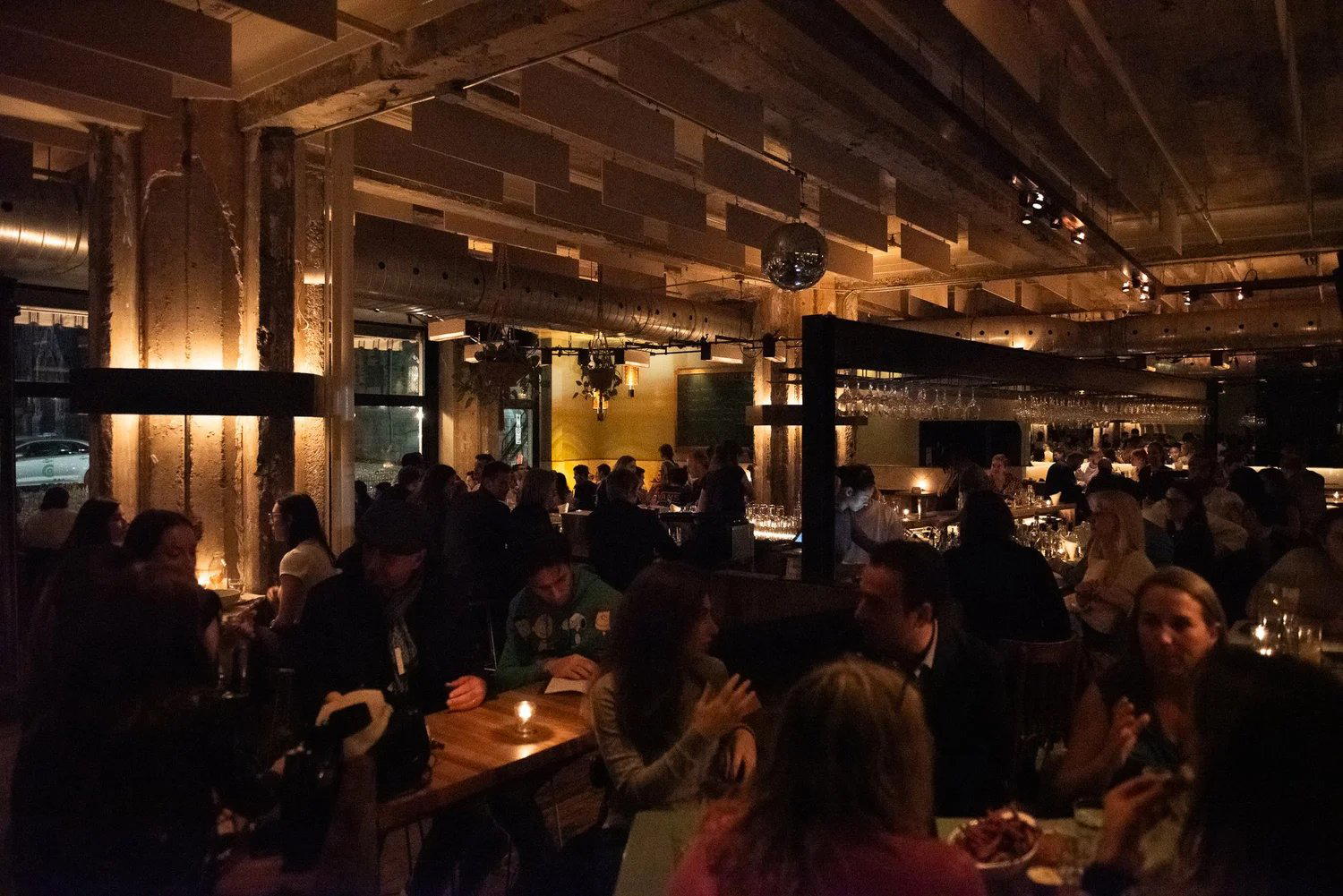
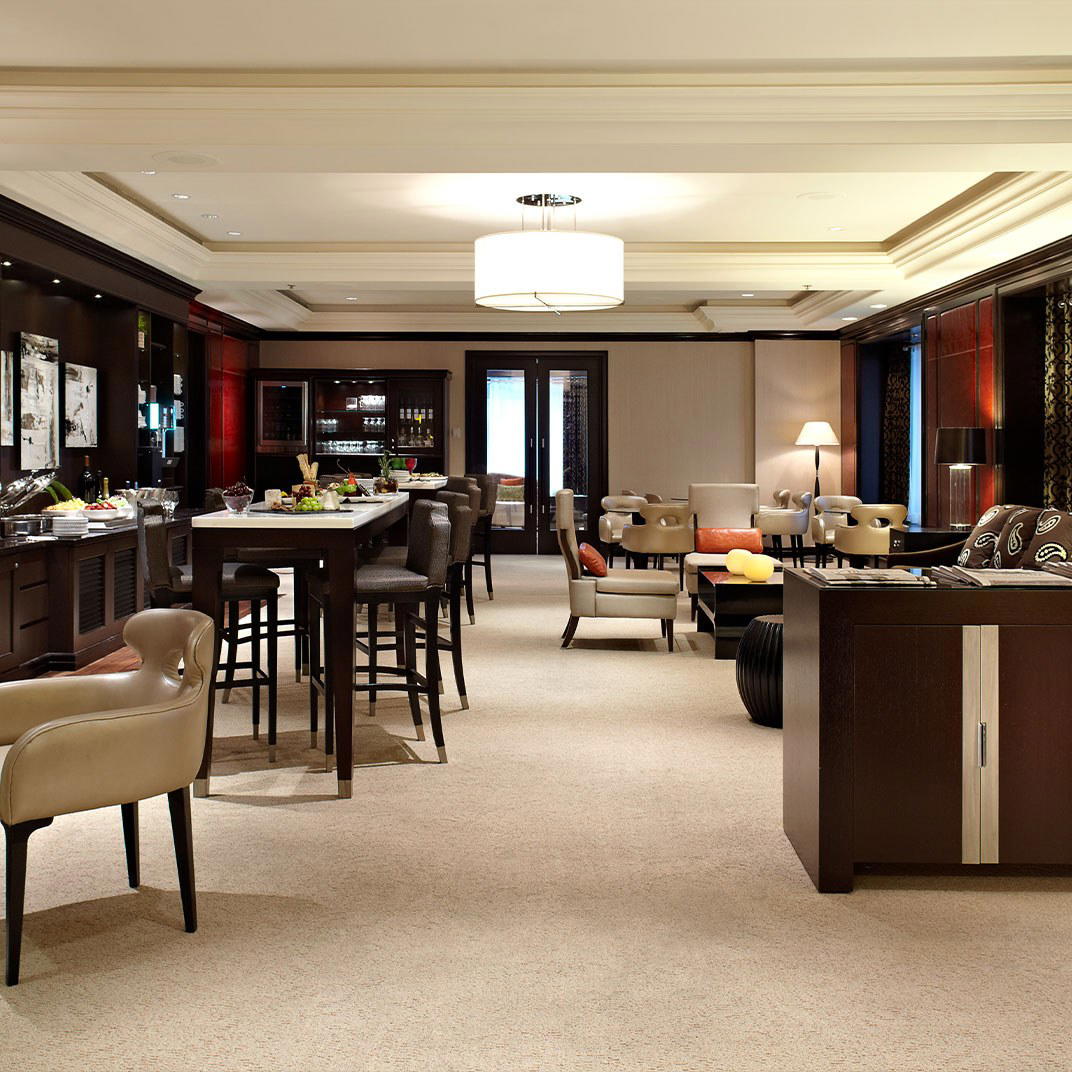
Elegant and convivial with sunny terrace setting, French Riviera decor, and festive DJ evenings.