Our verdict
On Crescent Street, one of Montreal's most recognisable drinking and dining corridors, Abu el Zulof occupies a address that places it squarely in the city's Middle Eastern dining conversation. The room and its atmosphere reward those who seek out the address directly. For context on where it sits relative to the broader Montreal scene, the full guide below maps the surrounding options.

Pearl is the En Primeur Club membership app, where members save venues, book tables and use the concierge.

Crescent Street and the Architecture of a Night Out
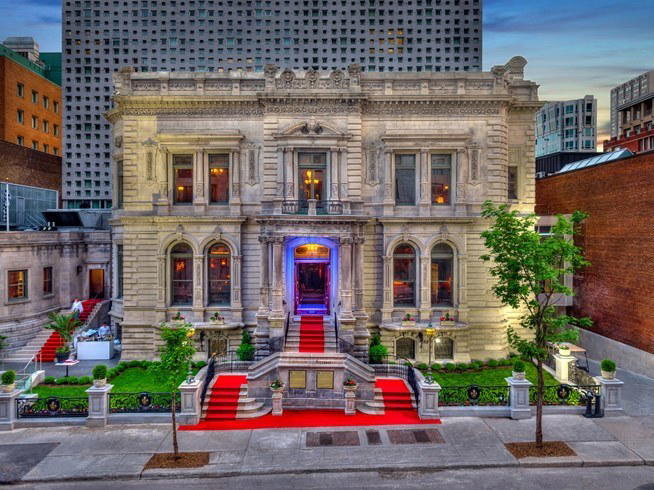
Crescent Street has long functioned as Montreal's most legible social axis, a stretch where the city's appetite for gathering is expressed in brick facades, ground-floor terraces, and rooms stacked above bars. The street runs south from Sherbrooke through the downtown core, and the buildings along it carry the layered character of a city that has always taken its nights seriously. Abu el Zulof sits at 2125 Crescent, inside a corridor where the physical container of a room matters as much as what is served inside it. In a neighbourhood built for spectacle and movement, the space a restaurant claims, and what it does with that claim, is the first statement it makes.
Montreal's Middle Eastern dining tradition is older and more rooted than many visitors expect. The city's Lebanese and Syrian communities established themselves in significant numbers through the latter half of the twentieth century, and that presence produced a restaurant culture with genuine depth rather than surface-level novelty. Establishments like Alep, long regarded as a reference point for Aleppo-style cooking in the city, demonstrate what happens when a cuisine settles into a place with enough time to develop its own local register. Abu el Zulof on Crescent operates in a different register, one shaped by the street's energy as much as by the kitchen's origins.
The Room as Argument
In the design vocabulary of Crescent Street, rooms tend toward either the declarative or the atmospheric. The declarative style announces itself with high ceilings, open sightlines, and materials that read from across the room. The atmospheric style works inward, pulling attention toward the table rather than the space. These are not categories of quality but of intent, and the choice between them shapes the entire experience of an evening. A room designed atmospherically rewards slower meals, longer conversations, and dishes that arrive without theatre. A declarative room rewards arrival and the first impression.
The address at 2125 Crescent places Abu el Zulof within walking distance of the city's downtown hotel cluster and the McGill precinct to the north, meaning the room draws from a broad cross-section: locals who know the street, visitors staying nearby, and the after-work crowd that treats Crescent as a default gathering point. This is a different guest profile from the destination-driven diner who plans weeks ahead for a counter seat at Jérôme Ferrer's Europea or books the tasting menu format at Mastard. Crescent's rooms compete on atmosphere and accessibility as much as on cooking.
Where Abu el Zulof Sits in Montreal's Broader Dining Map
Montreal's restaurant scene has a well-documented split between its high-formality French-influenced tier, represented by Toqué and Europea at the leading end, and a middle tier of independently operated rooms that draw on the city's immigrant communities for both produce and technique. The latter tier is where much of the city's daily eating life happens, and it is where Middle Eastern kitchens, from Lebanese grills to Syrian pastry counters, have historically punched well above their price point.
That context matters for how to read any new or lesser-documented entry on Crescent. The street's social character can obscure kitchens that merit attention on their own terms. Visitors who approach the neighbourhood with the same seriousness they bring to Sabayon or 3 Pierres 1 Feu will find that the Middle Eastern addresses reward that attention. For the broader picture of how Montreal's dining tiers connect, the full Montreal restaurants guide maps the competitive set in detail.
Across Canada, the restaurants drawing the most sustained critical attention tend to be those that commit to a specific culinary position rather than trying to occupy every price point simultaneously. Tanière³ in Quebec City built its reputation on a particular relationship with terroir. Alo in Toronto holds its position through formal consistency. AnnaLena in Vancouver operates within a clearly defined neighbourhood-scale ambition. The lesson from those examples is that editorial recognition follows clarity of intent, and Crescent Street rooms that develop a genuine point of view, rather than relying solely on location, tend to build the more durable reputations.
For travellers moving between Montreal and other Canadian dining destinations, the range of options across the country is wider than the major-city concentration suggests. Eigensinn Farm in Singhampton, Fogo Island Inn's dining room, and Narval in Rimouski all demonstrate that serious cooking happens well outside the urban cores. Closer to Montreal, Restaurant Pearl Morissette in Lincoln shows what happens when a kitchen commits to a regional agricultural identity. These are reference points worth holding when assessing what any given city address is actually attempting.
Know Before You Go
Planning Notes
- Address: 2125 Crescent St, Montreal, Quebec H3G 2C1
- Neighbourhood: Downtown Montreal, Crescent Street corridor
- Contact:Europea and Mastard anchor the upper end of Montreal dining; the Montreal guide maps the middle tiers where most Crescent addresses compete.
How does Abu el Zulof compare to other Middle Eastern restaurants in Montreal?
Montreal's Middle Eastern dining scene is anchored by long-established addresses in neighbourhoods like the Plateau and Mile End, where community roots have produced kitchens with decades of accumulated technique. An address on Crescent Street sits in a different context, one where the dining room's social function and the street's character play a larger role in the overall experience. For a direct comparison with one of the city's most respected Middle Eastern references, Alep provides a useful benchmark against which Crescent-area options can be measured.
Frequently asked questions
Is Abu el zulof worth it?
What the 2125 Crescent St address does establish is consistent foot traffic and a room that operates inside Montreal's most active nightlife corridor, context that tends to keep kitchens sharp and service attentive across the week.
How It Stacks Up
Comparable venues nearby, for context on price, style, and recognition.
| Venue | Cuisine | Price | Notes |
|---|---|---|---|
| Abu el zulofThis venue (the venue you are viewing) | Authentic Lebanese & Syrian | Not listed | Not listed |
| Brocard | Authentic Syrian | $30–50 | Saint-Louis |
| Maison Inja | Authentic Persian | Not listed | Golden Square Mile |
| La Belle & La Boeuf | Gourmet Burgers & Craft Cocktails | $20–30 | Centre-Ville |
| L'Gros Luxe Plateau | Canadian Comfort Food | Not listed | La Fontaine Park |
| Kouzina Niata | Authentic Greek Phyllo Pies & Comfort Food | Not listed | Mile End |
Continue exploring
More in Montréal
Restaurants in Montréal
All restaurants in Montréal →
Bars in Montréal
All bars in Montréal →
Details
- Trendy
- Cozy
- Lively
- Date Night
- Casual Hangout
- Live Music
- A La Carte
Current opening hours
- Monday
- Closed
- Tuesday
- 4–11 PM
- Wednesday
- 4–11 PM
- Thursday
- 4–11 PM
- Friday
- 1 PM–1 AM
- Saturday
- 1 PM–1 AM
- Sunday
- 1–11 PM
Hours can change for holidays and private events. Hours as of .
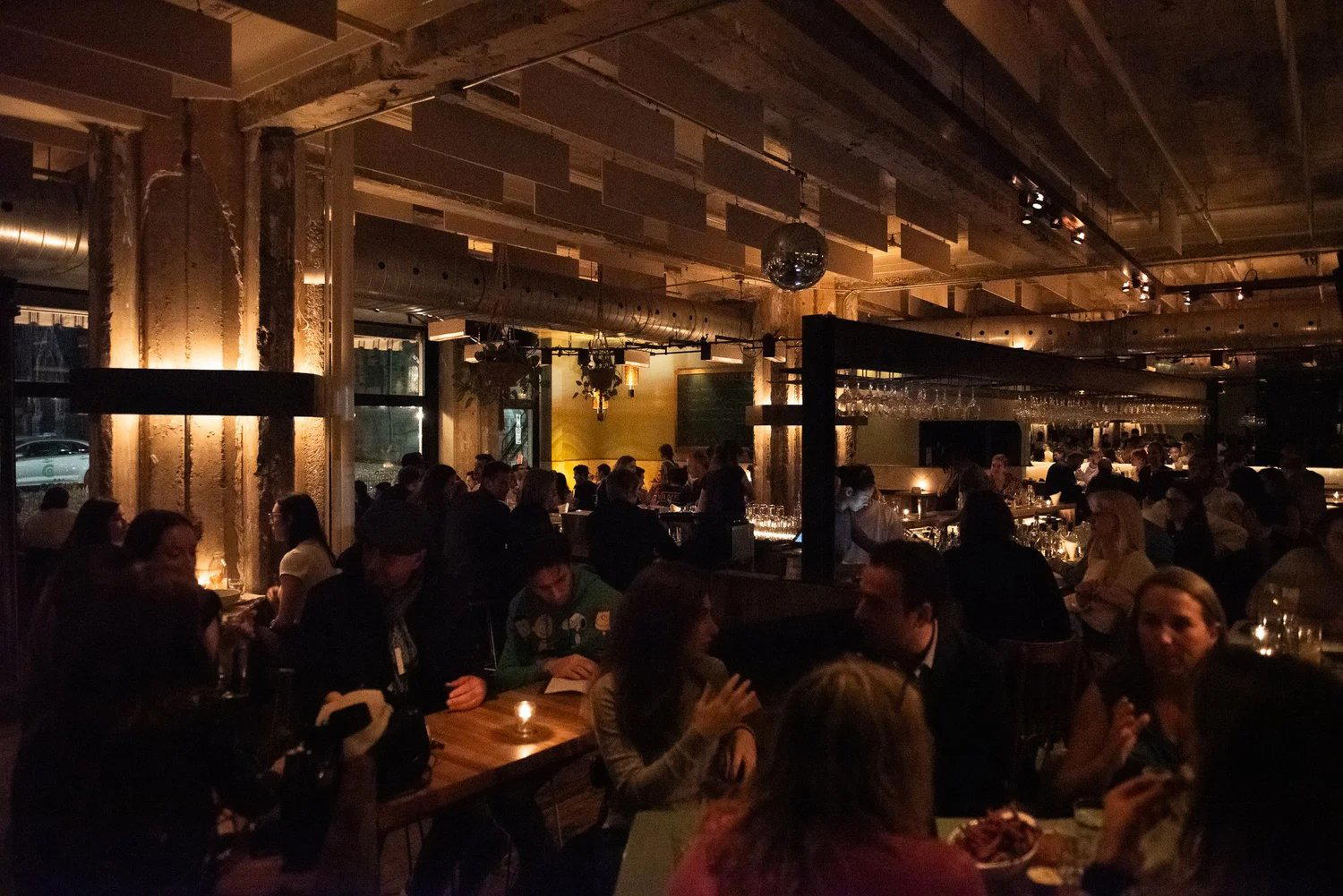
Trendy and cozy with lively energy from live music performances.