


Michelin Plate · Star Wine List · Canada's 100 Best Restaurants #61
Our verdict
A 175-seat French brasserie in Old Montreal holding a Michelin Plate and back-to-back Opinionated About Dining recognition, Monarque operates across three distinct dining registers under the same roof: a 20-stool bar, a brasserie floor, and a formal salle à manger. Chef Jérémie Bastien applies contemporary technique to classic French frameworks, with fish, shellfish, and dry-aged P.E.I. beef anchoring both menus.

Pearl is the En Primeur Club membership app — saves, bookings, and concierge access live there. Same editors, same standards.
- Address
- 406 Rue Saint-Jacques, Montréal, QC H2Y 1S1, Canada
- Phone
- (514) 875-3896
- Hours
- Mon–Wed 11:30 AM–10 PMThu–Fri 11:30 AM–10:30 PMSat 5–10:30 PMSun 5–10 PM
- Website
- restaurantmonarque.ca
- Directions
- Get directions
- Booking
- Book on Resy
The menu
What to order
- Bone marrow with escargots
- Bouillabaisse
- Duck confit
Old Montreal's French Brasserie Tradition, Restated
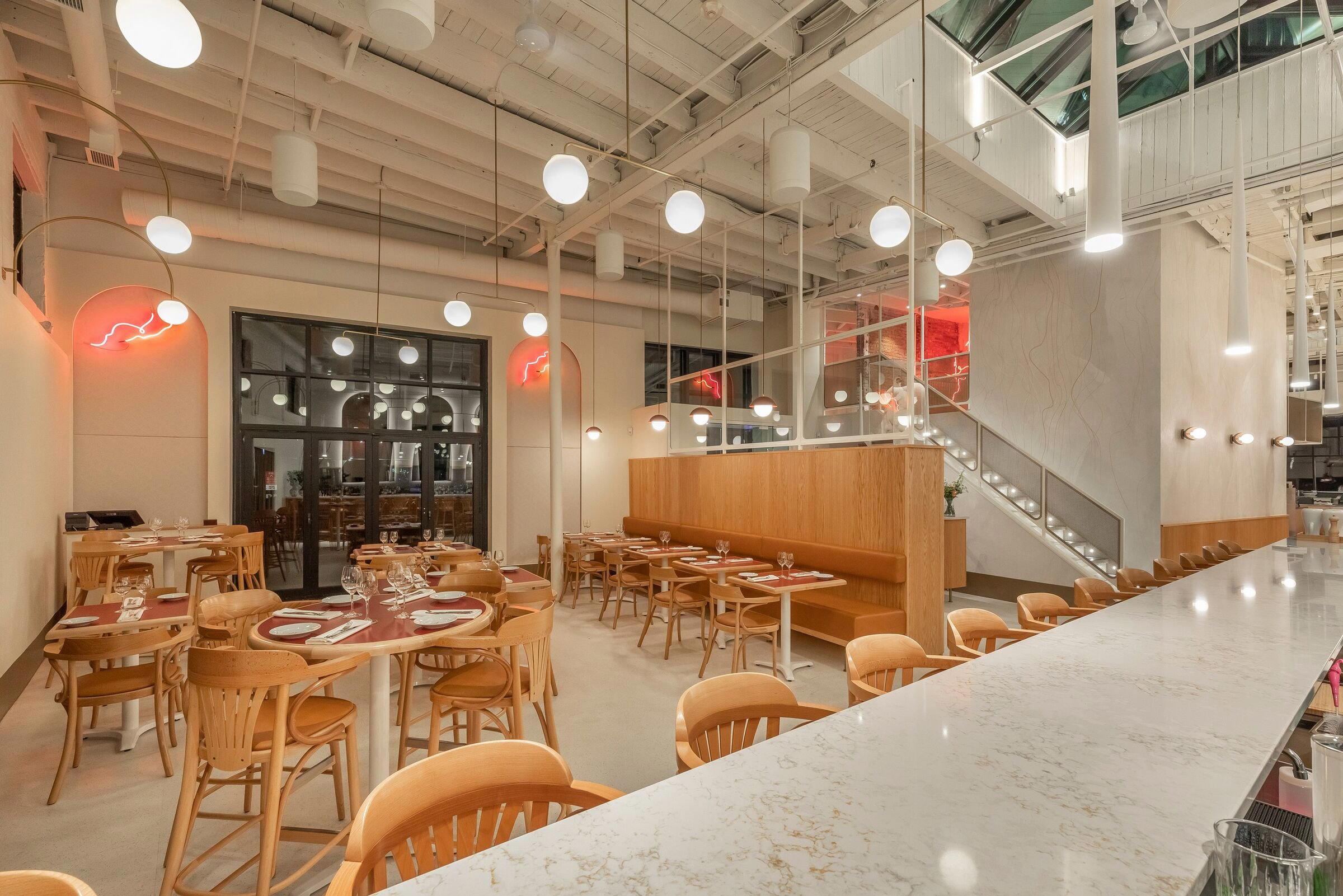
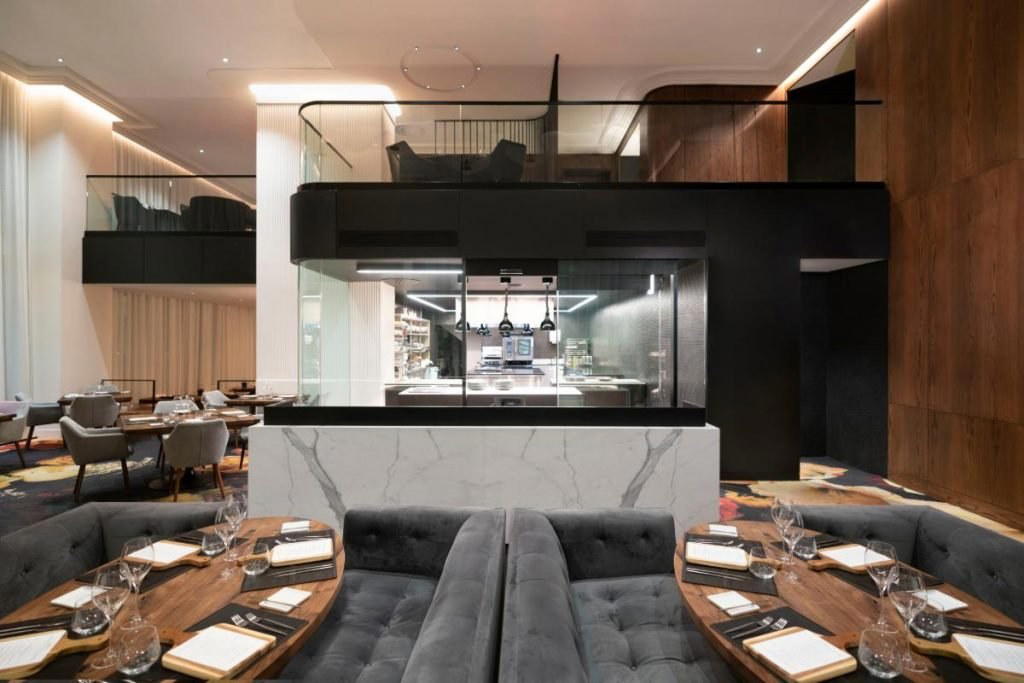
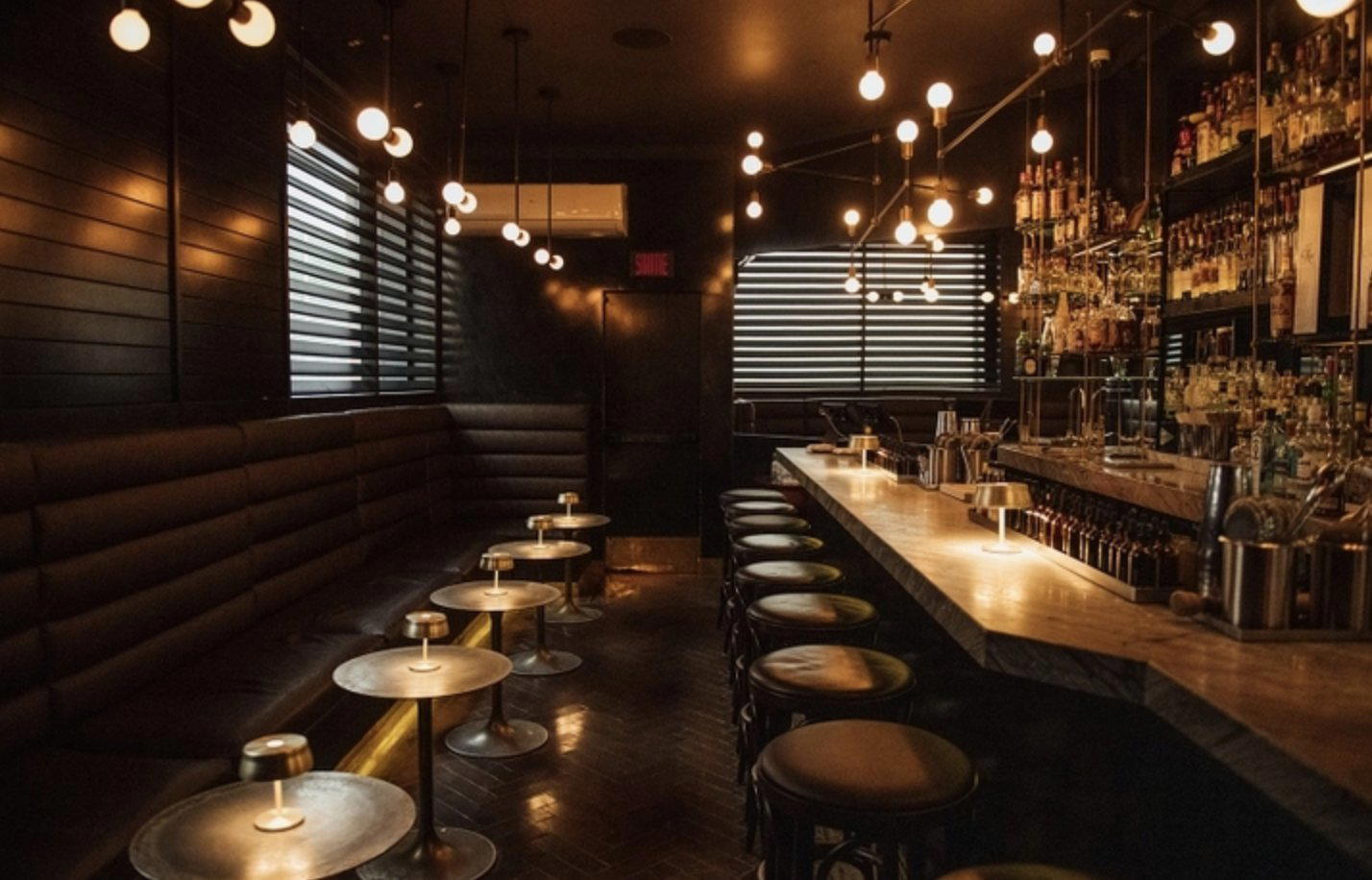
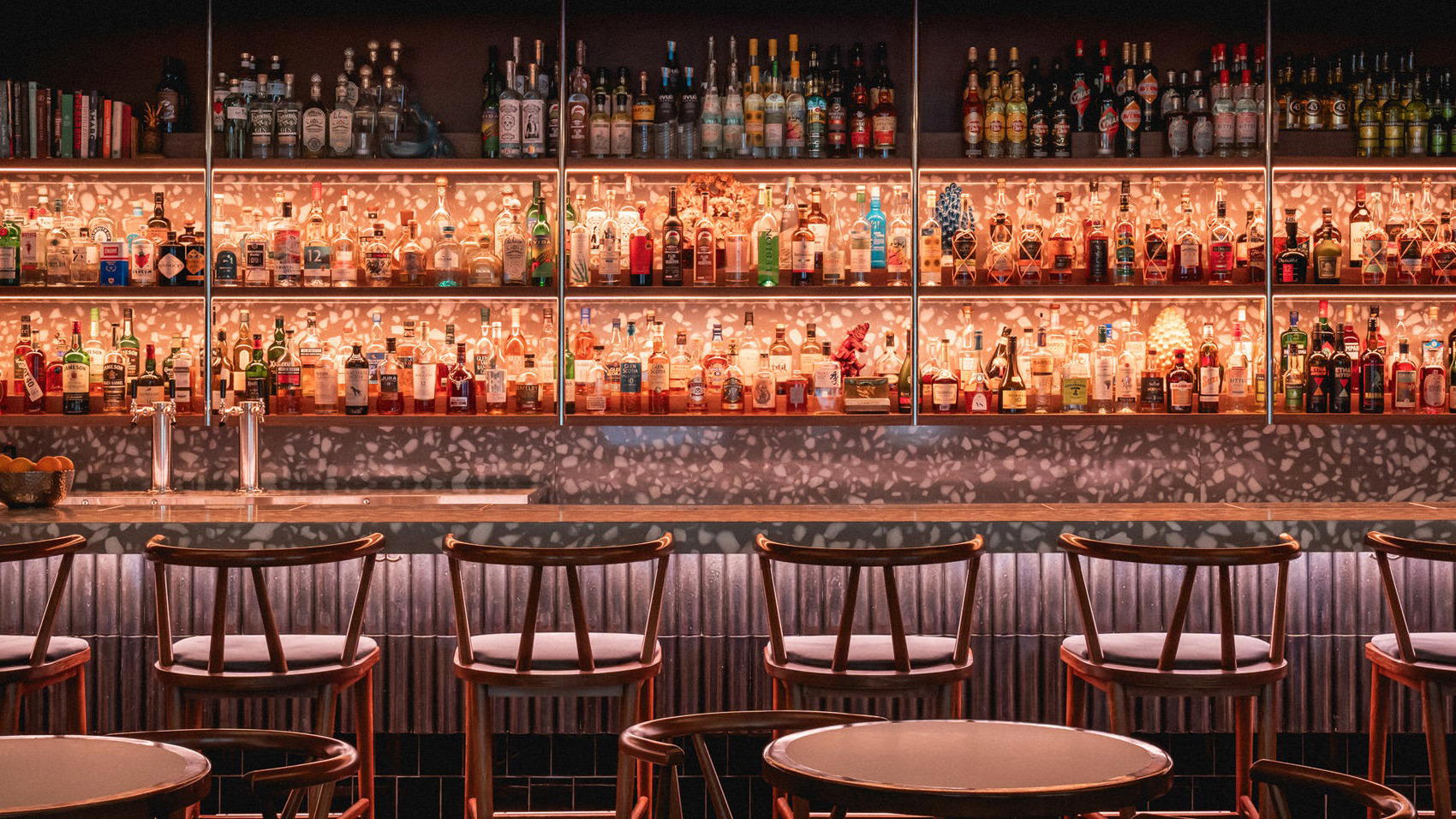
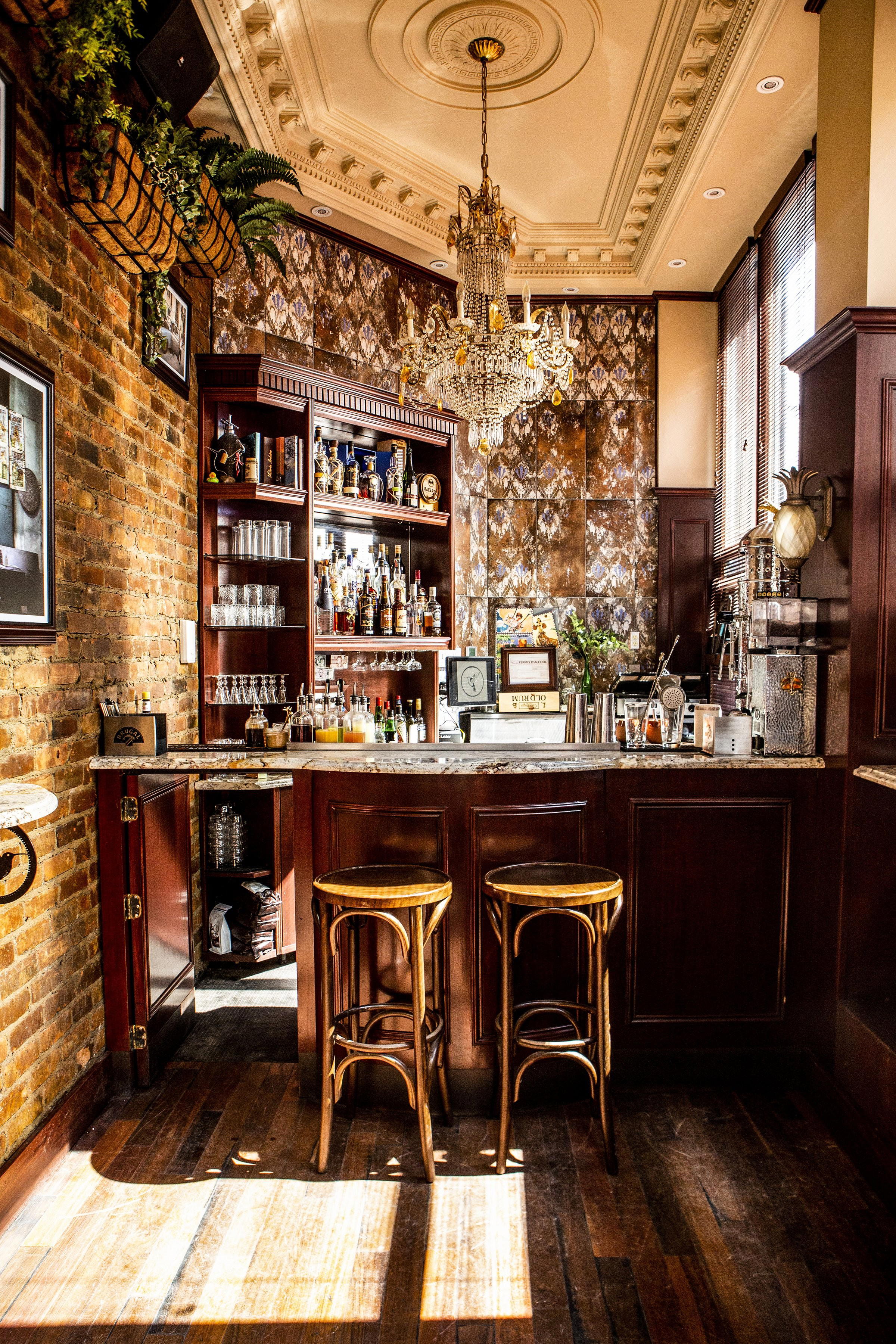
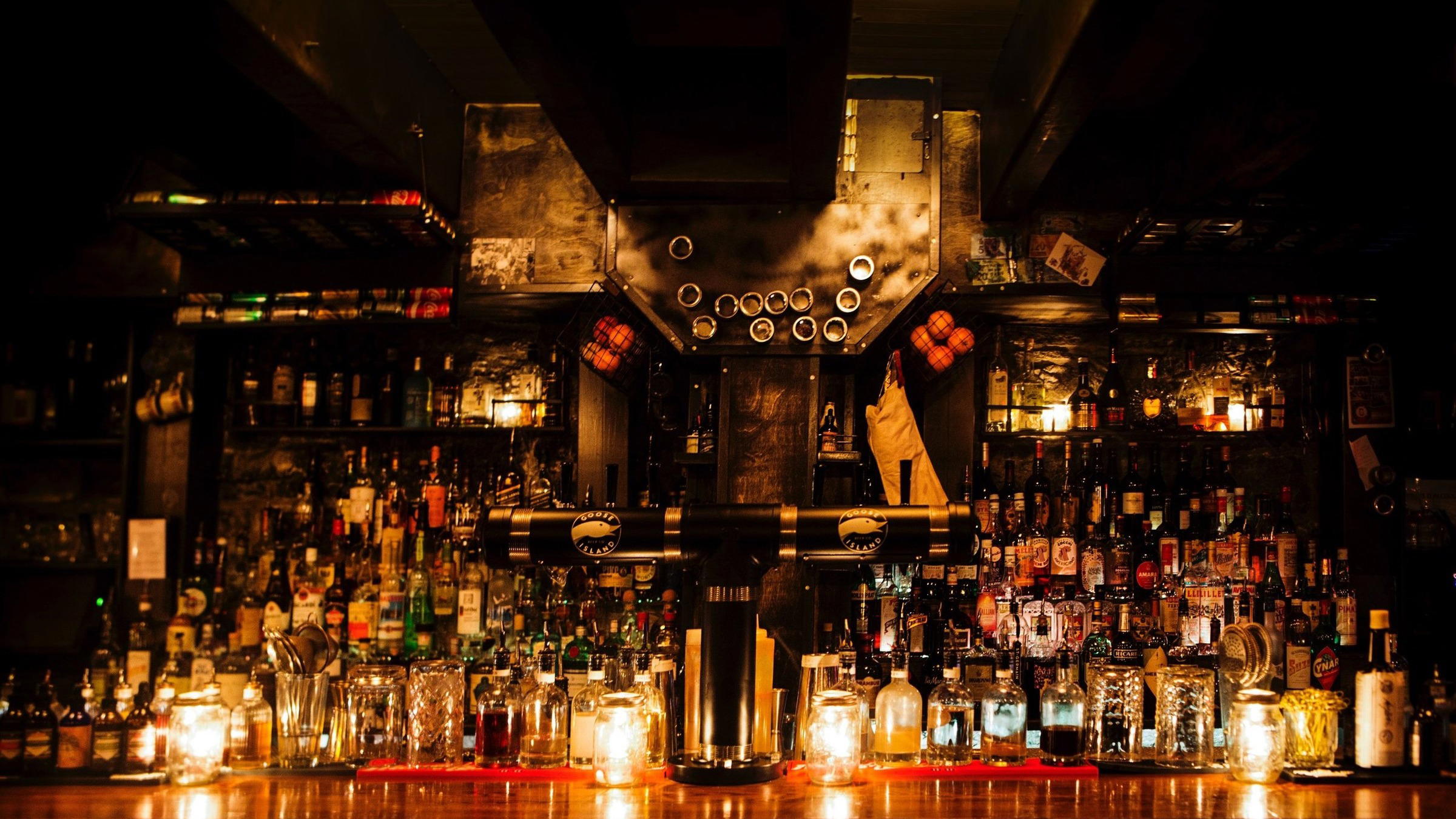
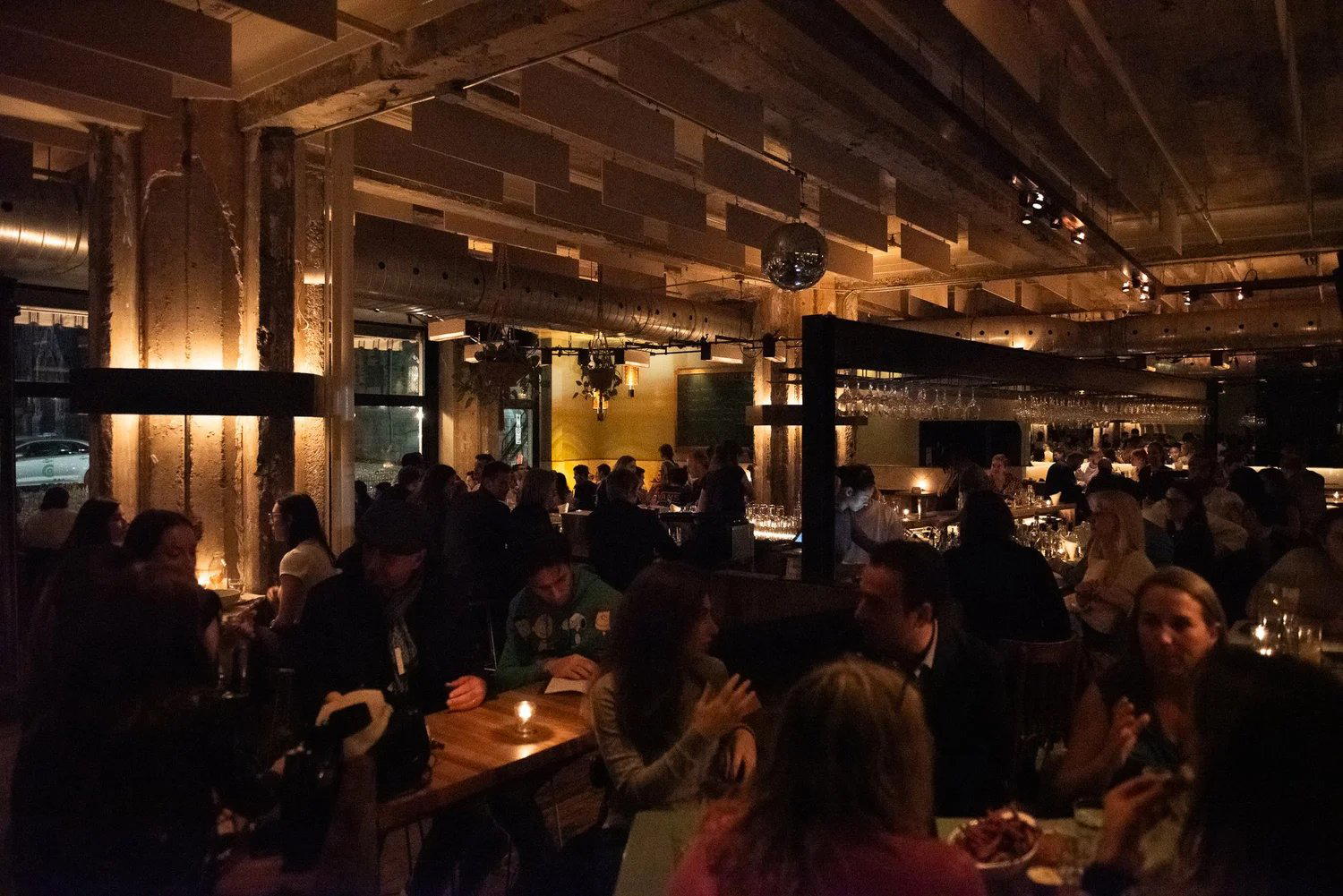
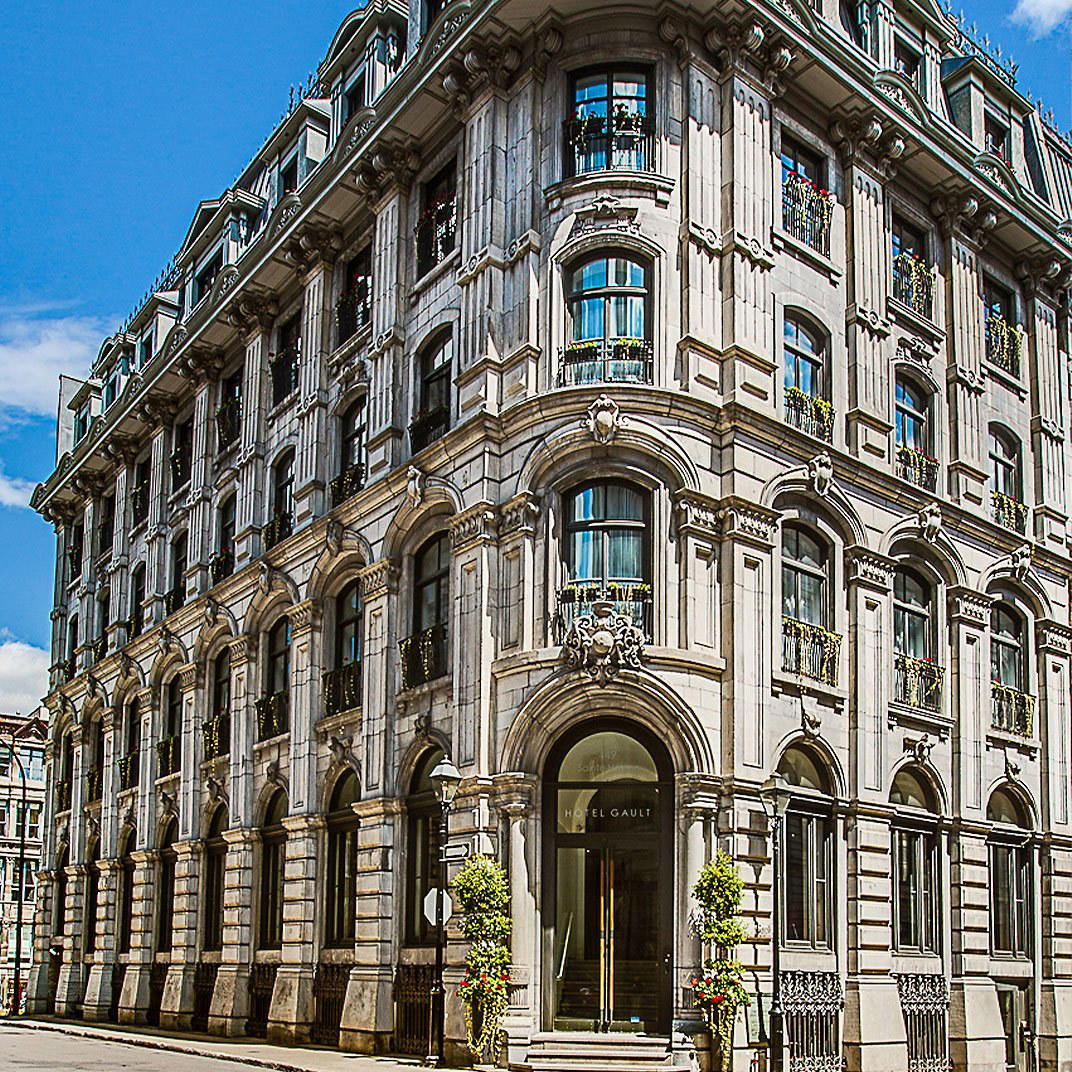
Arrive at 406 Rue Saint-Jacques and the building sets an expectation before you step inside. Old Montreal's financial district streets carry a particular architectural weight, and Monarque's interior, designed by Alain Carle with deliberate reference to the late local architect Luc Laporte's work (L'Express, Lux), channels that same seriousness. The tiled expanse reads as decisively modern, with industrial flourishes that ground the space in Montreal's specific design heritage rather than in generic Parisian nostalgia. At 175 seats, it should feel cavernous; instead, the floor plan's delineated zones — a 20-stool bar up front, the brasserie proper in the middle, and a back salle à manger with black banquettes and white tablecloths — give each section its own acoustic and social temperature.
That spatial intelligence is not incidental. The French brasserie format has always depended on a room doing several things at once: feeding the after-work crowd at the bar, accommodating families in the main dining room, and hosting occasions that warrant a more considered pace. Few North American restaurants that adopt the label actually manage the choreography. Monarque has earned a Michelin Plate in 2025 and consecutive Opinionated About Dining Casual rankings (No. 475 in 2024, climbing to No. 401 in 2025) precisely because the format is taken seriously rather than treated as décor.
A Kitchen That Reads French, Written in a Contemporary Hand
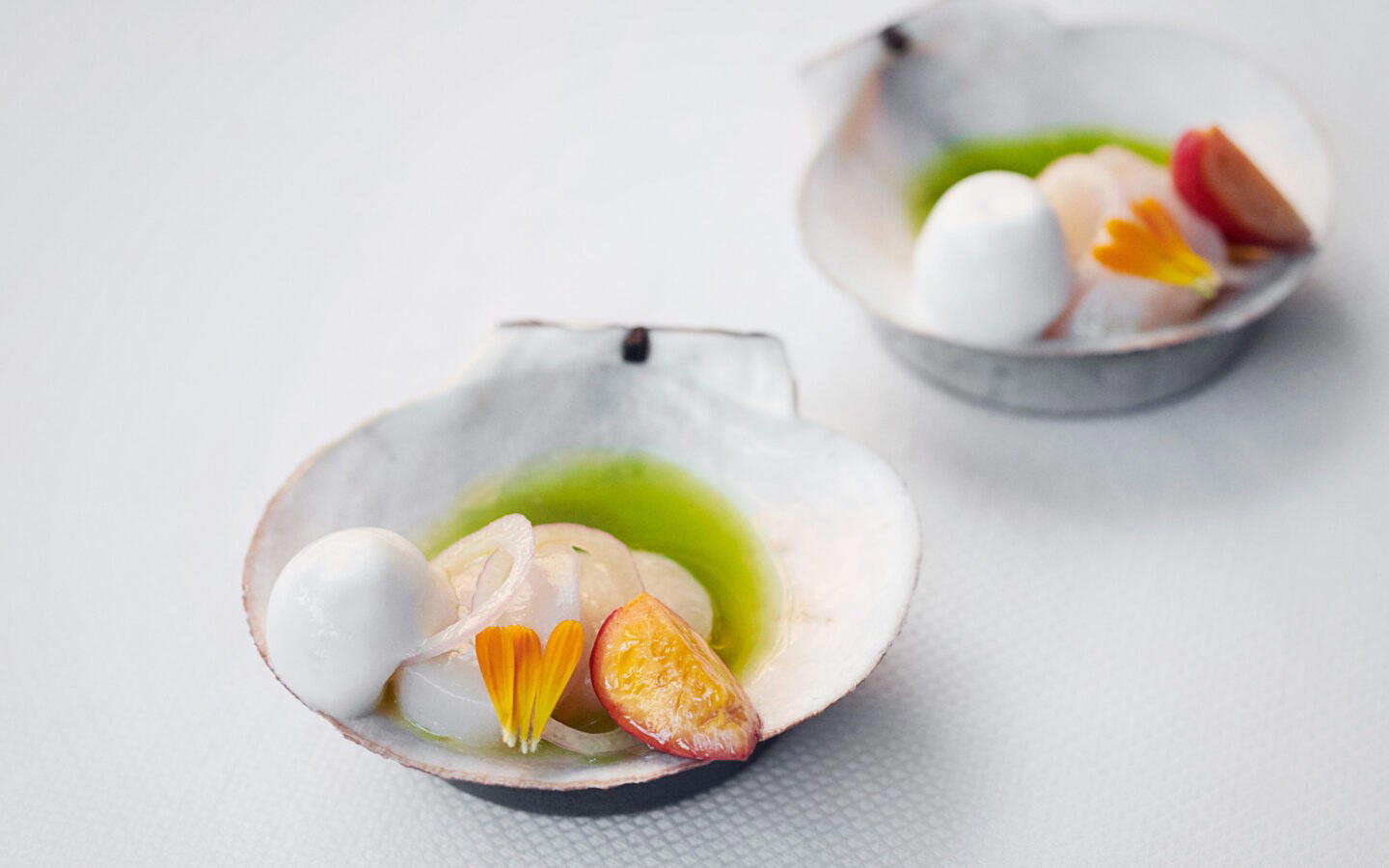
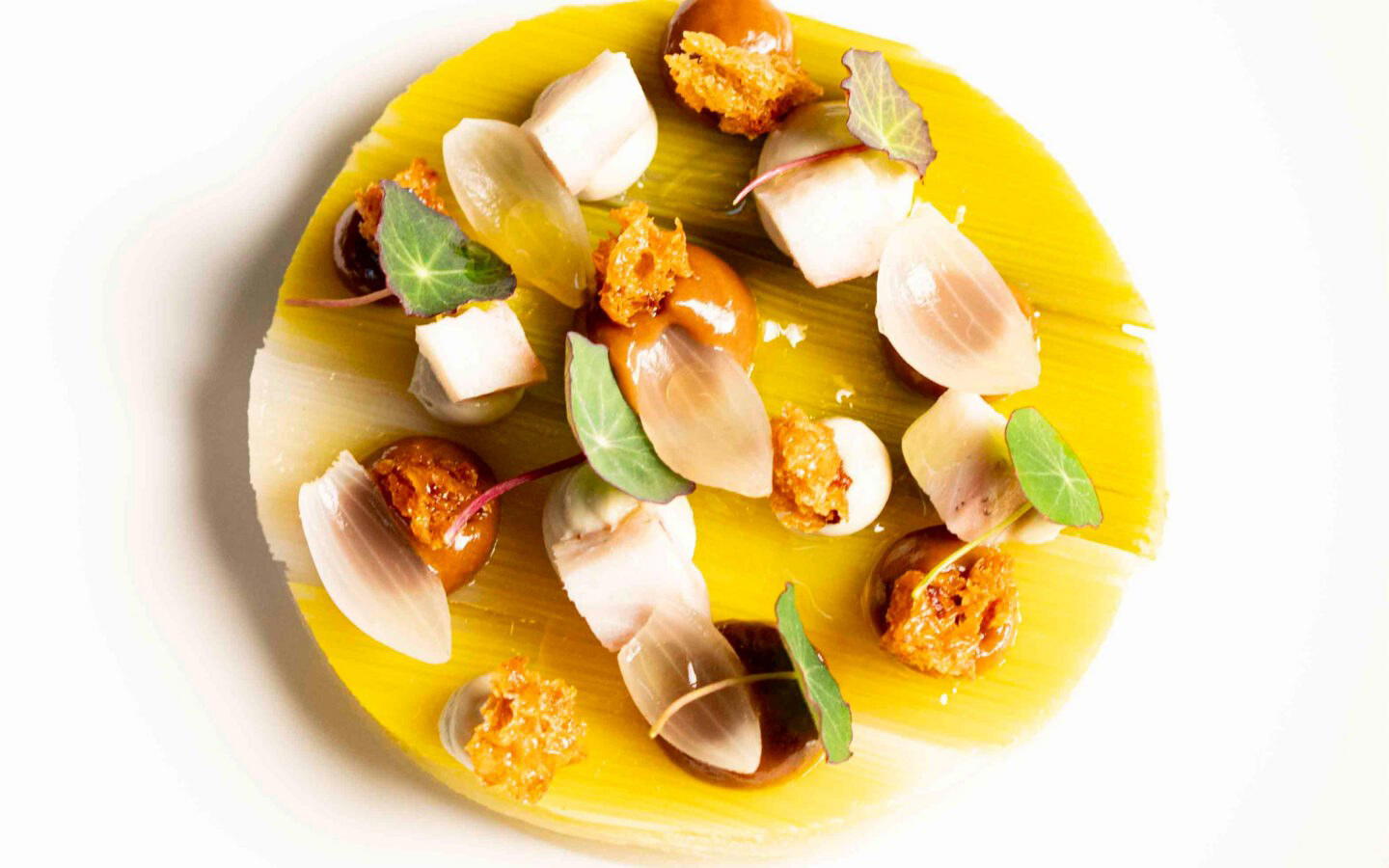
The brasserie's culinary identity sits at a specific intersection: classic French flavour profiles, updated through contemporary technique, with recurring Asian reference points that function as seasoning rather than concept. In the brasserie section, seared tuna arrives with ginger, carrot, and shiitake; roast bone marrow is paired with snails; boudin comes with pommes purées. The à la minute bouillabaisse signals that this kitchen is not cutting corners on labour-intensive preparation. These are not fusion gestures, they are adjustments to weight and brightness within established French frameworks.
The salle à manger operates on an entirely different register. A multi-course menu gives the kitchen space for longer compositions: foie gras royale served with dashi and yuzu, striped bass with sauce vin jaune. The use of dashi alongside foie gras is the same move as the Asian inflections in the brasserie, applied to a more formal context. It reads as a consistent kitchen-wide sensibility rather than a dish-by-dish flourish. Fish and shellfish carry particular emphasis across both menus, supplemented by a dry-aged P.E.I. beef program that gives the meat section a comparable level of attention.
Pastry work often reveals whether a kitchen's ambitions are evenly distributed. Here, pastry chef Lisa Yu maintains the same dual register: a rich, flaky tarte Tatin in the brasserie tradition alongside a light mango pavlova that shows range. The wine list is described as both extensive and contemporary, aligning with Montreal's broader move toward lists that look outside the Burgundy-Bordeaux defaults without abandoning them entirely.
The Floor as the Third Leg
Montreal's stronger French restaurants tend to compete on service as much as cooking. The city's hospitality culture inherits something from Quebec's French-language tradition: an expectation that the floor team is as technically literate as the kitchen, and that the exchange between diner and server carries its own intelligence. At a 175-seat operation with three distinct dining formats running simultaneously, this is logistically demanding. The described service standard at Monarque is deft, a word that implies precision and calibration rather than warmth deployed as a substitute for knowledge.
The front-of-house challenge in a multi-zone room is that guests at the bar, in the brasserie, and in the salle à manger are having fundamentally different evenings. A guest seated at the 20-stool bar à la carte and a guest working through a multi-course menu in the back room require different pacing, different menu guidance, and a different relationship with the wine list. That the room functions across all three contexts speaks to floor management rather than to any single element of the guest experience. The team dynamic here, between a kitchen running two menu formats, a pastry program operating at the same level of seriousness, and a floor team managing distinct service rhythms, is the operational core of what makes Monarque function as a proper brasserie rather than a large restaurant borrowing the name.
Where Monarque Sits in Montreal's French Dining Tier
Montreal's French restaurant spectrum runs from the old-guard bistro format anchored by places like L'Express at one end, through mid-tier contemporary French, to the $$$$ bracket occupied by Toqué and Jérôme Ferrer's Europea. Monarque operates at a point along that spectrum where serious cooking and a broadly accessible format overlap. The Michelin recognition and OAD ranking place it in recognized company nationally: Bouillon Bilk and Le Club Chasse et Pêche represent the city's broader commitment to cooking that earns external validation without the $$$$ price architecture.
Across Canada, the peer conversation includes Alo in Toronto at the formal French end and AnnaLena in Vancouver at the chef-driven contemporary register. Within Quebec, Tanière³ in Québec City and Narval in Rimouski show that serious French-influenced cooking is not confined to Montreal. Other Montreal options worth considering alongside Monarque include La Chronique, Le Mousso, and Casavant. For broader context on the French restaurant tradition at altitude, Hotel de Ville Crissier and Sézanne in Tokyo represent the upper bracket of the same lineage Monarque draws on.
Within Old Montreal specifically, the neighbourhood's evolution from tourist infrastructure toward serious dining has been real but uneven. Monarque represents the more grounded version of that shift: a restaurant that could operate credibly in any serious city, located in a neighbourhood that gives it a particular physical setting.
Planning a Visit
Monarque opens Monday through Friday at 11:30 am, making it one of the few serious French tables in the city that runs a full lunch service across the week. Thursday and Friday service extends to 10:30 pm; Saturday and Sunday are dinner-only, starting at 5 pm. For a Saturday dinner in the salle à manger, forward booking is advisable given the room's reputation and recognition. Weekday lunch at the bar is a more flexible entry point and one of the more practical ways to experience the brasserie menu without the dinner-hour demand. Monarque is at 406 Rue Saint-Jacques in Old Montreal, accessible from the Square-Victoria-OACI metro station.
For further planning across the city, see [our full Montreal restaurants guide](), [our full Montreal hotels guide](), [our full Montreal bars guide](), [our full Montreal wineries guide](), and our full Montreal experiences guide. For restaurants with a comparable approach to French sourcing and technique, The Pine in Creemore and Restaurant Pearl Morissette in Lincoln offer different-scale but philosophically adjacent experiences.
What Do People Recommend at Monarque?
The dishes most consistently referenced across the menu are the roast bone marrow with snails, the à la minute bouillabaisse, and the dry-aged P.E.I. beef program, all from the brasserie menu. In the salle à manger, the foie gras royale with dashi and yuzu draws particular attention as the dish that most clearly illustrates Chef Jérémie Bastien's French-with-Asian-inflection approach. On the pastry side, Lisa Yu's tarte Tatin has been singled out by Michelin reviewers as representative of the kitchen's technical range. The 20-stool bar is recommended by OAD reviewers as a viable à la carte option in its own right, not merely a waiting area.
Frequently asked questions
Where exactly is Monarque?
Monarque is located at 406 Rue Saint-Jacques, Montréal, QC H2Y 1S1, Canada, Montreal.
What days is Monarque closed?
Hours at Monarque: Hours: Monday 11:30 am–10 pm Tuesday 11:30 am–10 pm Wednesday 11:30 am–10 pm Thursday 11:30 am–10:30 pm Friday 11:30 am–10:30 pm Saturday 5–10:30 pm Sunday 5–10 pm.
Is Monarque Michelin-listed?
Monarque has received recognition including: Many restaurants claim the title of ‘brasserie’ but few truly embody it. Here you'll find a classic French establishment with a menu inspired by bistro classics, served all day: bone marrow, beef tart...; Opinionated About Dining Casual in ….
What do people recommend at Monarque?
The dishes most consistently referenced are the roast bone marrow with snails, the à la minute bouillabaisse, and the dry-aged P.E.I. beef program. In the back-room salle à manger, the foie gras royale with dashi and yuzu draws regular attention, as does pastry chef Lisa Yu's tarte Tatin. Monarque holds a Michelin Plate (2025) and ranked #401 on Opinionated About Dining's North America Casual list the same year.
What kind of cuisine does Monarque serve?
In Context: Similar Options
| Venue | Cuisine | Price | Awards | Notes |
|---|---|---|---|---|
| MonarqueThis venue — the venue you are viewing | Modern French Brasserie | Not listed | Michelin Plate · Star Wine List | Not listed |
| L’Express | Classic French Bistro | $50–100 | Michelin Plate · Star Wine List | French Bistro |
| Schwartz’s | Montreal Smoked Meat Deli | $20–30 | Michelin Plate | Delicatessen |
| Toqué | Modern Quebecois Fine Dining | $100–150 | Michelin Plate · La Liste Top Restaurants | French |
| Jérôme Ferrer - Europea | Modern French Fine Dining with Quebec Influences | $150–200 | 1 Michelin Star · Relais Chateaux Award | Modern Cuisine |
| Mastard | Modern Quebec Terroir Fine Dining | $50–100 | 1 Michelin Star · Canada's 100 Best Restaurants #63 | Modern Cuisine |
Recognition history
Dated appearances from independent guides and award organizations, with the underlying list record or original source where available.
Michelin Plate
Michelin
Star Wine List
Star Wine List
Canada's 100 Best Restaurants #61
Canada's 100 Best
Opinionated About Dining Top Restaurants in North America Recommended
Opinionated About Dining
Full recognition history (8 entries)
Canada's 100 Best Restaurants #17
Canada's 100 Best
Michelin Plate
Michelin
Opinionated About Dining Casual in North America Ranked #401
Opinionated About Dining
Opinionated About Dining Casual in North America Ranked #475
Opinionated About Dining