Our verdict
Lumi sits on Rue Saint-Jacques in Old Montreal, a neighbourhood where heritage architecture and a growing appetite for produce-driven cooking have reshaped the dining conversation over the past decade. The address places it inside a competitive tier of modern Canadian restaurants where ingredient sourcing functions as both culinary method and editorial statement. Visitors looking for context on where Lumi fits within Montreal's broader fine-dining circuit will find useful orientation here.

Pearl is the En Primeur Club membership app, where members save venues, book tables and use the concierge.
Old Montreal and the Sourcing Imperative
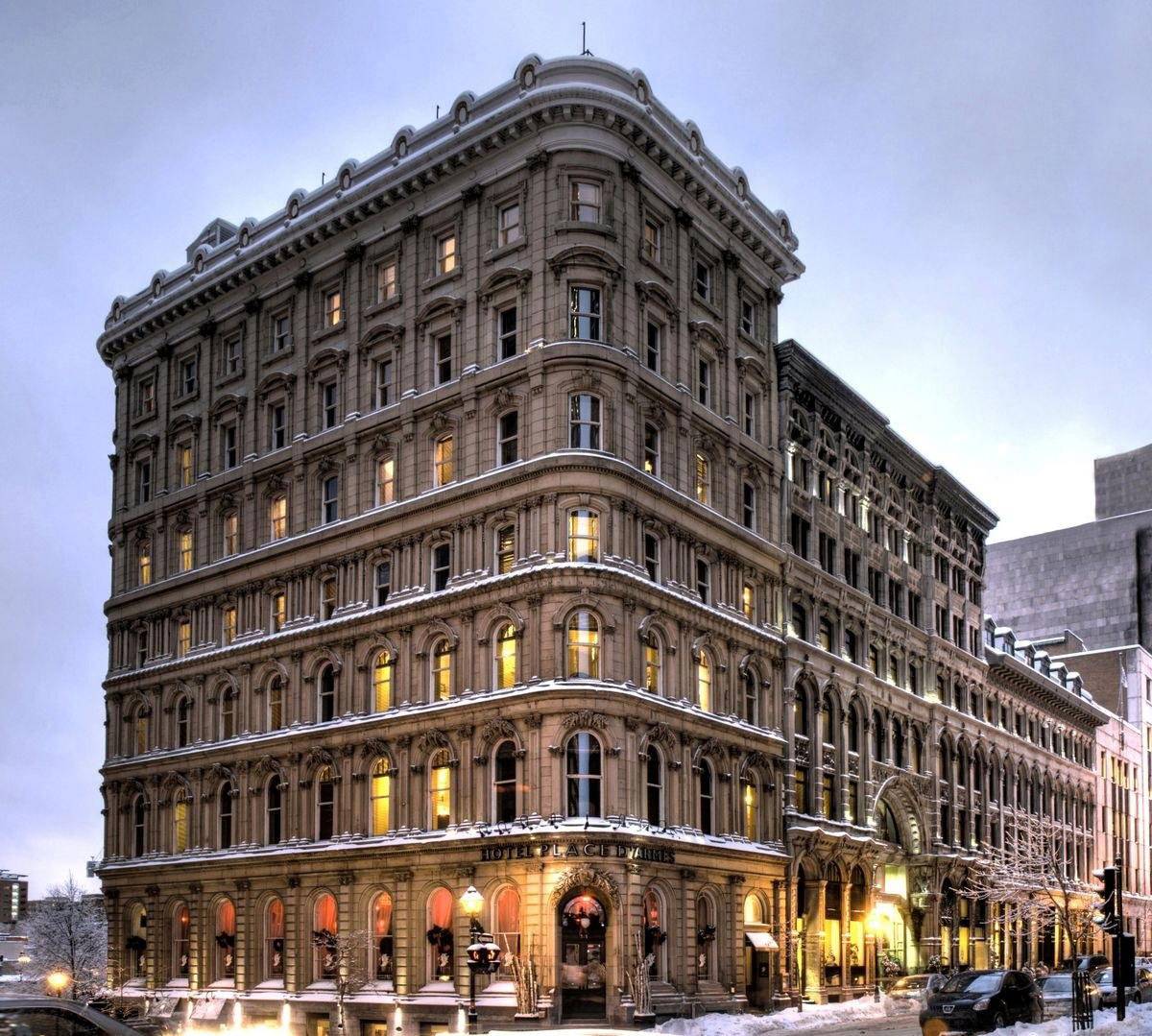
Rue Saint-Jacques cuts through the financial district of Old Montreal, a corridor of nineteenth-century stone facades that has been quietly accumulating serious restaurant addresses for the better part of two decades. The neighbourhood's transition from weekday-lunch territory to a destination for considered evening dining mirrors a shift happening across Canadian cities: kitchens are increasingly defining themselves not by culinary nationality or technique school, but by the provenance of what arrives at the back door each morning.
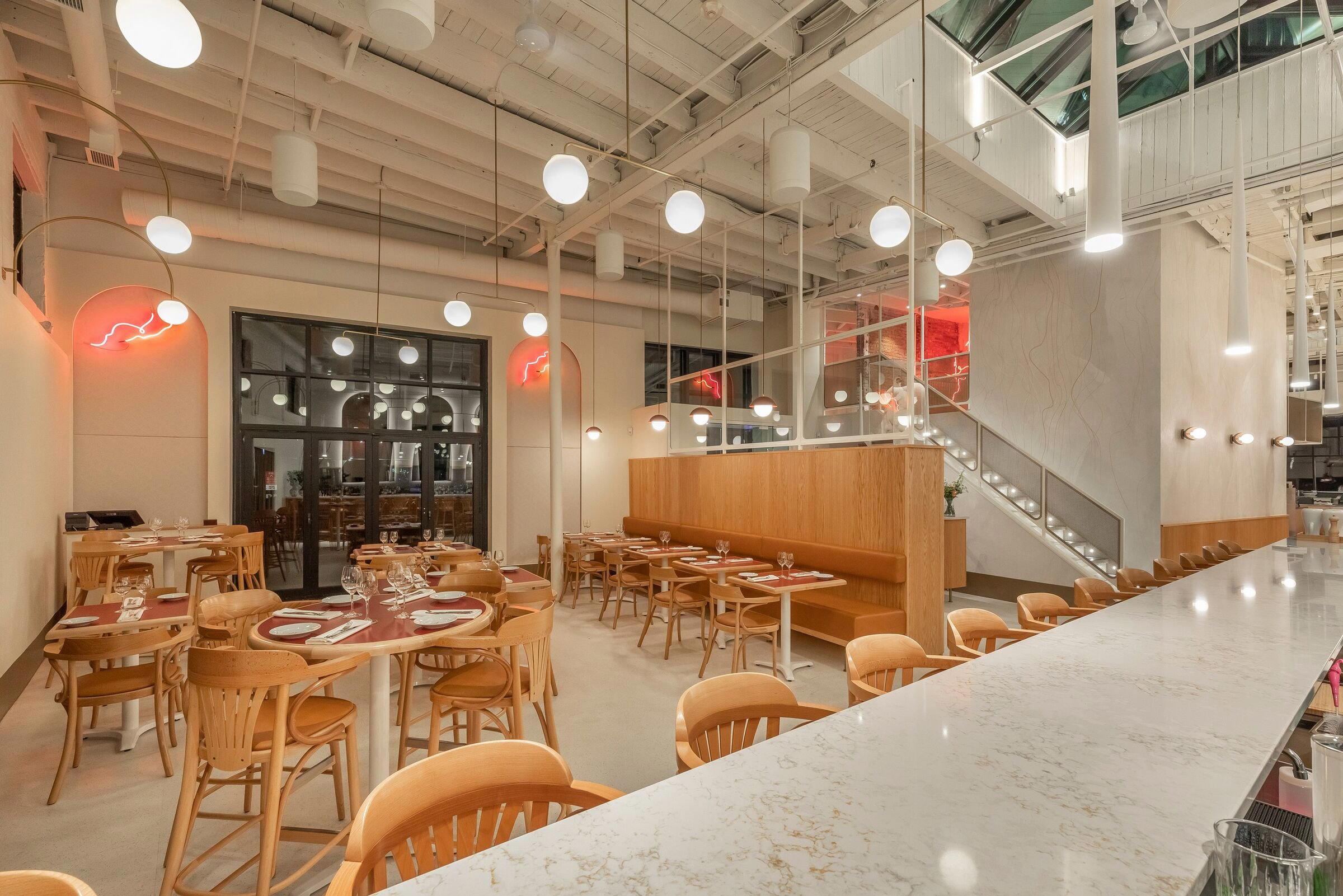
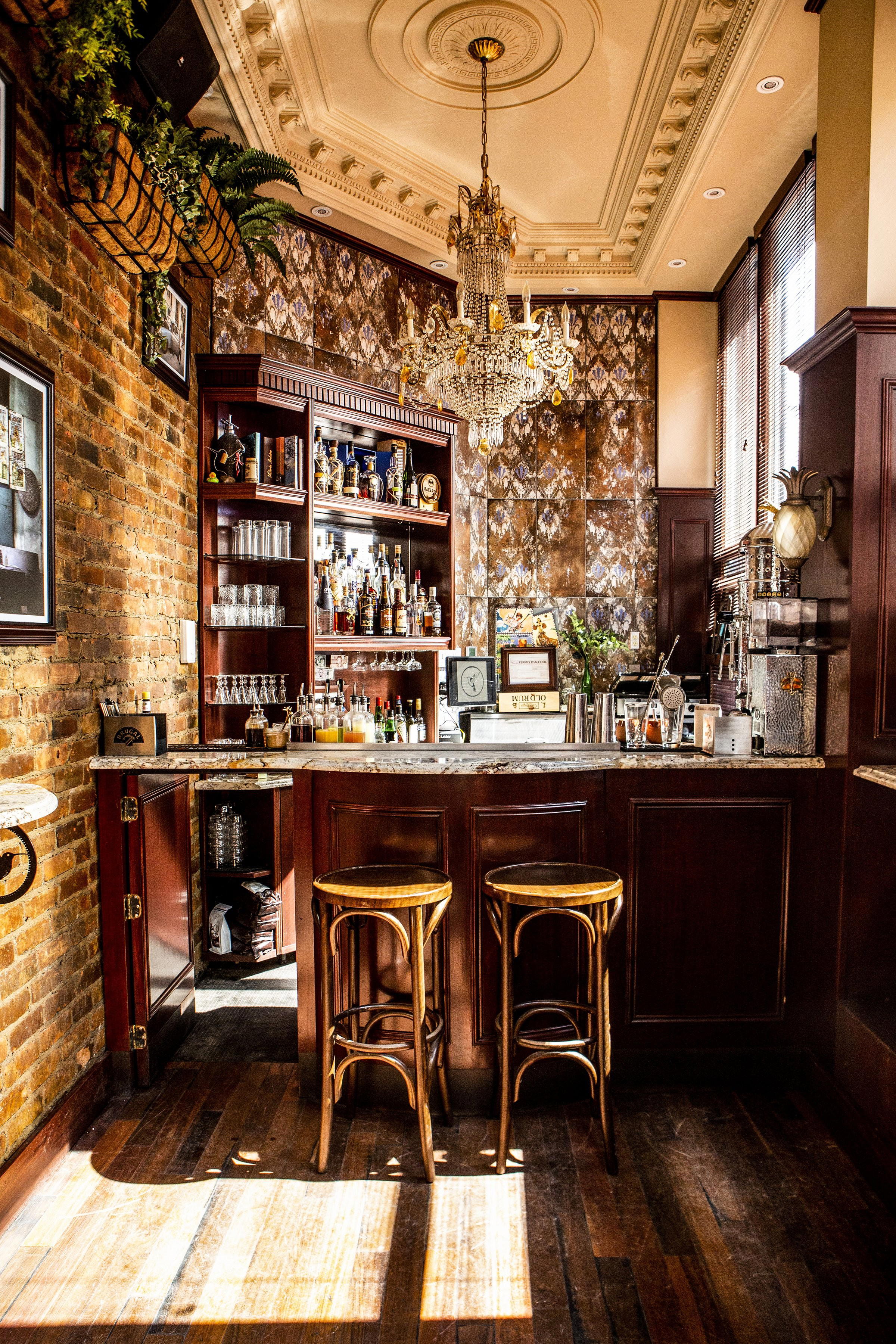
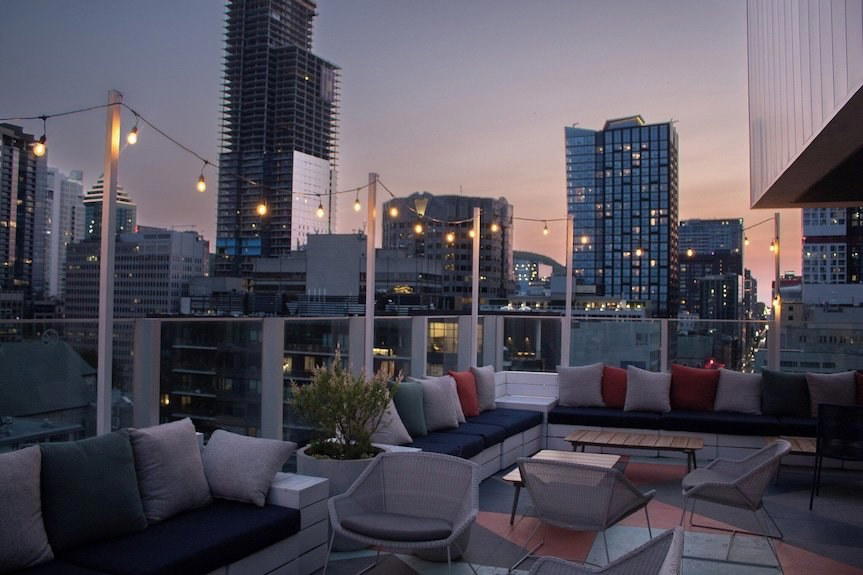
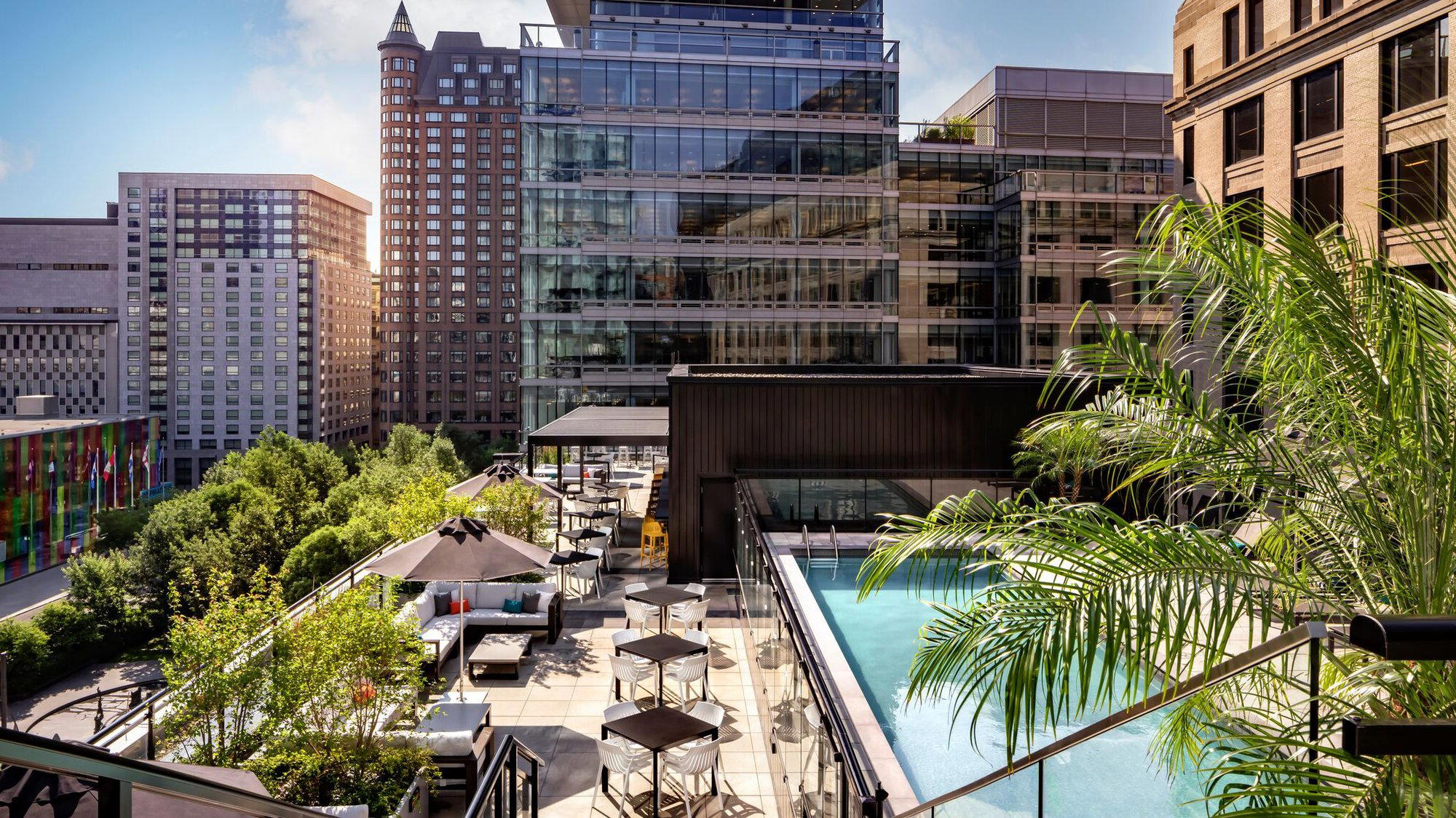
Lumi, at 225 Rue Saint-Jacques, occupies that moment in Montreal's dining evolution. The address alone signals intent. Old Montreal's built environment, high ceilings, exposed masonry, natural light filtered through tall windows, tends to reward restaurants that match the architectural seriousness with an equally deliberate approach to the plate. In this part of the city, the room does a portion of the work; the kitchen has to earn the rest.
Quebec's Ingredient Geography
To understand what a sourcing-led restaurant in Montreal is actually working with, it helps to map the supply geography. The St. Lawrence River valley, the Eastern Townships, and the Laurentians collectively produce some of the most varied agricultural output in eastern Canada: heritage grain from small mills, aged cheeses from fromageries that have been refining technique for generations, foraged mushrooms and fiddleheads from boreal margins, and market-garden vegetables that carry the intensity of a short but intense growing season.
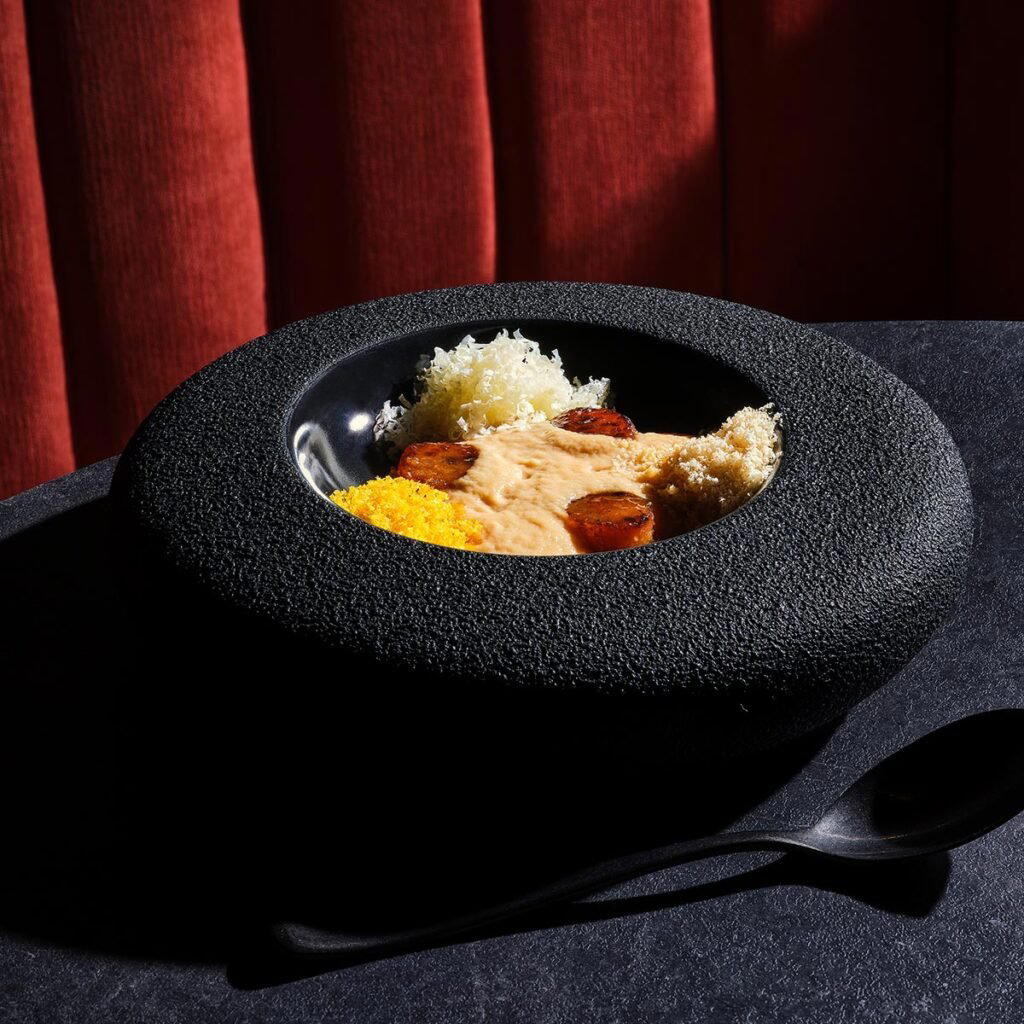
This is the raw material context that shapes ambitious Montreal menus. Restaurants operating in the modern Canadian idiom, which increasingly means a close, documented relationship with named farms and producers, are drawing on a pantry that changes sharply between April and November, then contracts to root vegetables, preserved goods, and what can be sourced through winter. That seasonal compression is not a limitation; for kitchens serious about it, it becomes the structural logic of the menu itself.
The comparison is instructive when set against peers in the city. Jérôme Ferrer - Europea operates at the top of Montreal's modern cuisine bracket at a $$$$ price point, with a formal register and a classical French foundation. Mastard sits one tier lower at $$$, with a more casual format but the same underlying commitment to seasonal produce. Sabayon represents another angle on the modern cuisine conversation in the city. Lumi's position within or adjacent to this grouping suggests a kitchen working within the same sourcing tradition, even if the specific format and price register require direct confirmation.
The Broader Canadian Context
Montreal does not exist in isolation as a sourcing-serious dining city. The conversation about ingredient provenance in Canadian fine dining is now national, with clear regional expressions. Tanière³ in Quebec City has built one of the country's most documented cases for boreal and Indigenous ingredient sourcing, working with materials that most urban kitchens never encounter. Alo in Toronto operates in a French-influenced tasting menu format with Ontario supply relationships as a structural backbone. AnnaLena in Vancouver draws on Pacific Northwest producers in ways that parallel what Quebec kitchens are doing with the St. Lawrence corridor.
Further afield, the sourcing argument becomes even more pointed at places like Eigensinn Farm in Singhampton, where the farm-to-table relationship is literal and the distance between field and plate is measured in steps rather than kilometres. Restaurant Pearl Morissette in Lincoln anchors the same philosophy in Ontario wine country. These are useful calibration points: they define the upper register of what ingredient-led Canadian cooking looks like when the sourcing relationship is total and uncompromised.
Closer to home in Montreal, restaurants like 3 Pierres 1 Feu and Abu el zulof represent different entry points into the city's broader dining offer, the former grounded in fire-cooking traditions, the latter in Middle Eastern influence, both operating in a city where the baseline expectation for ingredient quality has risen steadily over the past decade.
For a longer view into Quebec's culinary heritage, Aux Anciens Canadiens in Quebec City provides the historical frame against which all this modern sourcing work is implicitly in dialogue.
What the Address Tells You
A restaurant at 225 Rue Saint-Jacques is making a specific kind of claim on Old Montreal's dining real estate. The neighbourhood now supports a range of price points and formats, from tourist-facing brasseries to rooms that compete directly with the city's established fine-dining names on Laurier or in the Plateau. The Saint-Jacques address positions Lumi in the more serious half of that range, where the clientele tends to arrive with prior knowledge of where they are and what they expect.
For broader orientation on how this address fits into the city's dining geography, the full Montreal restaurants guide maps the key neighbourhoods and the category leaders within each. Useful comparisons for price-tier benchmarking also exist outside Montreal: Narval in Rimouski shows what sourcing-led ambition looks like at a smaller regional scale, while international reference points like Le Bernardin in New York City and Atomix in New York City define the upper ceiling of what ingredient-forward fine dining looks like at global scale.
Other Canadian comparators worth noting for peer-set calibration: The Pine in Creemore and Barra Fion in Burlington both represent the kind of regional, produce-anchored cooking that is reshaping expectations outside major urban centres, while Bearspaw Golf Club in Calgary illustrates how western Canadian kitchens are engaging with the same sourcing conversation from a different agricultural base.
Know Before You Go
Address: 225 Rue Saint-Jacques, Montréal, QC H2Y 1M6, Canada
Neighbourhood: Old Montreal (Vieux-Montréal), financial district corridor
Booking: No confirmed online booking method available at time of publication, check current availability directly with the venue
Price range: Not confirmed in, budget for the mid-to-upper tier standard for Old Montreal modern cuisine addresses
Dress code: Not specified, the neighbourhood and format suggest smart casual as a reasonable baseline
Dietary requirements: Confirm directly with the restaurant ahead of your visit; sourcing-led kitchens typically have flexibility but menus are often produce-driven and seasonal
Frequently asked questions
What part of town is Lumi in?
Lumi is located at 225 Rue Saint-Jacques, Montréal, QC H2Y 1M6, Canada, Montreal.
What makes Lumi different from other Old Montreal restaurants on Rue Saint-Jacques?
Lumi occupies a specific address, 225 Rue Saint-Jacques, in a neighbourhood where the restaurant offer has shifted noticeably toward ingredient-serious kitchens over the past decade. While much of Old Montreal's dining still targets the tourist corridor, the financial district end of Saint-Jacques has attracted operators more focused on Quebec's regional supply chain, and Lumi's positioning places it within that peer group rather than the heritage-facade tourist trade.
What do people recommend at Lumi?
Given Lumi's address at 225 Rue Saint-Jacques in Old Montreal, the kitchen's approach appears oriented around Quebec's seasonal supply geography, the St. Lawrence valley, local producers, and ingredient provenance.
What's the best way to book Lumi?
Lumi is located at 225 Rue Saint-Jacques, Montréal, QC H2Y 1M6.
What's Lumi best at?
Based on its position in Old Montreal's evolving dining corridor, Lumi appears to anchor its identity in sourcing discipline, a commitment to Quebec's ingredient geography that distinguishes the more serious restaurants on this stretch of Rue Saint-Jacques from the neighbourhood's tourist-facing options. That focus on provenance is what draws the attention of Montreal's dining community.
How does Lumi handle allergies?
At sourcing-led restaurants in this category, kitchens typically accommodate dietary requirements when notified at booking, contacting Lumi directly at 225 Rue Saint-Jacques before your visit is the practical step.
Is Lumi good value for money?
Old Montreal's Rue Saint-Jacques corridor spans a wide range, from mid-tier bistros to tasting-menu rooms running CAD $150–$200 per person before wine, where Lumi sits within that range is best confirmed directly with the venue.
Where It Fits
A quick peer list to put this venue’s basics in context.
| Venue | Cuisine | Price | Awards | Notes |
|---|---|---|---|---|
| LumiThis venue (the venue you are viewing) | Creative Seasonal Global Cuisine | Not listed | Not listed | Not listed |
| L’Express | Classic French Bistro | $50–100 | Michelin Plate · Star Wine List | French Bistro |
| Schwartz’s | Montreal Smoked Meat Deli | $20–30 | Michelin Plate | Delicatessen |
| Toqué | Modern Quebecois Fine Dining | $100–150 | Michelin Plate · La Liste Top Restaurants | French |
| Jérôme Ferrer - Europea | Modern French Fine Dining with Quebec Influences | $150–200 | 1 Michelin Star · Relais Chateaux Award | Modern Cuisine |
| Mastard | Modern Quebec Terroir Fine Dining | $50–100 | 1 Michelin Star · Canada's 100 Best Restaurants #63 | Modern Cuisine |