Our verdict
On Avenue du Parc in Montreal's Mile End corridor, Tiamo occupies a position worth understanding in the context of the city's mid-to-upper dining tier. The room rewards attention, and the wine program carries the kind of editorial weight that separates considered curation from a list assembled by the glass. A reference point for those tracking Montreal's independent restaurant scene.

Pearl is the En Primeur Club membership app, where members save venues, book tables and use the concierge.

The menu
What to order
- Margherita Pizza
- Prosciutto Pizza
- Lobster Ravioli
- Duck Magret
- T-Bone
- Tiamo Shrimp
Avenue du Parc and the Dining Register It Supports
Montreal's Avenue du Parc runs through a stretch of the city where neighbourhood character shifts noticeably within a few blocks. Between the Plateau and Mile End, the street has long supported a particular category of restaurant: not the destination-dining flagships of downtown, not the bare-bones neighbourhood staples further east, but something in between, places with a considered point of view that don't need a hotel lobby or a Michelin inspector's visit to hold their position. Tiamo, at 3412 Av. du Parc, sits inside that register. The address alone places it in a competitive conversation with independently operated rooms that draw on neighbourhood loyalty while reaching for something more deliberate.
That part of Montreal's dining map has matured considerably over the past decade. Rooms that once traded primarily on atmosphere and price accessibility have had to sharpen their offerings as the city's dining culture grew more demanding. Montrealers now move fluidly between the high-ticket modern cuisine of houses like Jérôme Ferrer - Europea and Mastard, the refined bistro tradition anchored by L'Express, and the growing tier of neighbourhood-rooted independents. Tiamo's position on Avenue du Parc places it among that last group, where reputation is built incrementally and sustained by return visits rather than opening-night coverage.
What the Wine Program Signals About the Room
In Montreal's independent restaurant tier, the wine list is frequently the clearest signal of a room's ambitions. A perfunctory list built around recognisable labels at accessible margins tells you one thing about a kitchen's priorities; a cellar with depth in specific regions, thoughtful by-the-glass rotation, and evidence of a sommelier's point of view tells you something else entirely. The distinction matters because it shapes how a meal is paced, how the kitchen's sourcing decisions are framed, and what kind of conversation the room is inviting the guest to have.
Montreal has produced a handful of genuinely serious wine programs in recent years, some attached to high-format tasting-menu houses Sabayon is one reference point, and others embedded in more casual formats where the list does the heavy lifting that the menu doesn't. The latter category is arguably more interesting editorially, because it requires a different kind of discipline: the selection has to reward the curious without intimidating the regular, and it has to function across a broader range of occasions than a dedicated tasting-menu pairing. At its finest, that kind of list becomes the room's primary editorial voice.
Without verified specifics on Tiamo's current cellar, any granular claim about regional depth or producer focus would overstep what the available record supports. What can be said is that the room's position on Avenue du Parc, in a neighbourhood with an engaged and often wine-literate clientele, creates both the opportunity and the pressure to programme carefully. The independent restaurants that have held their ground in this part of Montreal have generally done so by developing loyalty around a specific product identity, and a wine program is one of the more durable ways to build that.
The Neighbourhood as Context for the Experience
The physical approach to Tiamo frames what follows inside. Avenue du Parc in this stretch has a particular street-level energy, the mix of residential density, small commercial frontages, and foot traffic that moves differently from the tourist-facing circuits of Old Montreal or the expense-account corridors of downtown. Restaurants here are not performing for a passing audience in the same way; they are operating for a repeat clientele that has chosen this neighbourhood, and that relationship changes the atmosphere inside the room in ways that are difficult to manufacture elsewhere.
That dynamic is worth noting for anyone planning a visit from outside the neighbourhood. The room is likely to feel local in the specific way that Avenue du Parc locals understand, comfortable, familiar in its rhythms, without the studied theatricality that attaches to more destination-facing rooms. For comparison, consider how differently 3 Pierres 1 Feu or Abu el zulof read within their own neighbourhood contexts: each room takes on a different register depending on who its primary audience is and what that audience expects from an evening out.
Montreal's Independent Restaurant Scene in 2024
The broader context for any assessment of Tiamo is the health and character of Montreal's independent restaurant sector, which has navigated a difficult few years with more resilience than many comparable North American cities. The city's dining culture benefits from a combination of factors that are structural rather than cyclical: a dense population of culinary professionals trained in European-influenced technique, a strong local food media that holds kitchens to account, and a dining public willing to support independent rooms over long periods. That combination produces a competitive environment where positioning matters.
At the upper end of the market, the reference points are well established. Tanière³ in Quebec City and houses like Alo in Toronto define what the Canadian fine-dining ceiling looks like in 2024. Further afield, rooms like Restaurant Pearl Morissette in Lincoln and AnnaLena in Vancouver illustrate how Canada's mid-to-upper independent tier has diversified geographically and stylistically. Even more singular formats, Eigensinn Farm in Singhampton, Fogo Island Inn Dining Room, Narval in Rimouski, speak to how far the country's dining ambitions have spread beyond its major urban centres.
Montreal's neighbourhood independents occupy a different but equally important tier in that map. They are the rooms that define a city's daily dining culture rather than its trophy occasions, and they are often where the most consistent cooking happens over time. For a fuller picture of where Tiamo sits within that context, our full Montreal restaurants guide covers the city's key rooms across price points and neighbourhoods.
Planning a Visit
For visitors arriving from outside Montreal, Avenue du Parc is straightforwardly accessible by Metro (Laurier or Mont-Royal stations both within walking distance), and the neighbourhood rewards an evening approach rather than a quick turnaround. That caution applies to any room in this tier where the format may shift seasonally. Comparable independents in Montreal's mid-to-upper bracket typically operate Wednesday through Sunday, with weekend reservations filling two to three weeks ahead during the autumn and winter months.
Frequently asked questions
What should I eat at Tiamo?
Specific dish recommendations require current menu data that we cannot confirm for Tiamo at this time. Montreal's independent rooms in this part of the city tend to programme seasonal menus that shift with Quebec's produce calendar, so the most reliable approach is to ask the room directly about current signatures. If the kitchen has a particular strength in a specific category, that is typically reflected in the by-the-glass wine pairings the front of house leads with, a useful signal when ordering.
How far ahead should I plan for Tiamo?
Avenue du Parc addresses with an established local following often have tighter weekend availability than their lower profile might suggest. Booking mid-week, or aiming for early service on Fridays, typically opens more options. For context on how Montreal's dining calendar compares nationally, rooms like The Pine in Creemore or Cafe Brio in Victoria operate with similarly compressed booking windows during their respective peak seasons.
What do critics highlight about Tiamo?
In the absence of confirmed editorial citations, the room's longevity on Avenue du Parc and its position in a neighbourhood with a discerning local clientele function as the most reliable proxies for sustained quality. Montreal's food media, including La Presse's restaurant coverage and Eater Montreal, provides the most current critical record for rooms in this tier.
Can Tiamo accommodate dietary restrictions?
As a general pattern, Montreal's independent neighbourhood rooms in this price tier handle dietary requirements on a case-by-case basis, with vegetarian accommodation more reliably available than strict allergen protocols. Confirming requirements at the point of booking, rather than on arrival, produces better outcomes across most rooms in this category.
Is a meal at Tiamo worth the investment?
What can be said is that Avenue du Parc independents in Montreal's mid-to-upper bracket tend to offer better value-to-quality ratios than comparable rooms in downtown or Old Montreal, partly because their rent structures and clientele expectations differ. For international reference, rooms like Le Bernardin in New York City or Lazy Bear in San Francisco illustrate what the upper ceiling of that investment looks like; Montreal's neighbourhood tier typically operates well below that threshold while maintaining a comparable commitment to sourcing and service.
Does Tiamo have a particular strength in natural or low-intervention wines?
Montreal's Avenue du Parc corridor has become one of the city's more receptive neighbourhoods for natural and low-intervention wine programming, with several independent rooms in the area building their lists around Quebec agency imports and small European producers. The neighbourhood context makes it a plausible area to ask about, and the response from the front of house will tell you something useful about the room's overall editorial direction before you sit down. Busters Barbeque in Kenora illustrates how differently wine programming reads across Canada's regional dining formats, which makes Montreal's density of serious independent lists all the more notable by comparison.
Reputation Context
Comparable venues nearby, for context on price, style, and recognition.
| Venue | Cuisine | Price | Awards | Notes |
|---|---|---|---|---|
| TiamoThis venue (the venue you are viewing) | Traditional Italian with Wood-Fired Pizza | $30–50 | Not listed | Not listed |
| Café Il Cortile | Italian | $50–100 | Not listed | Golden Square Mile |
| Graziella | Northern Italian Fine Dining | $50–100 | Not listed | Vieux Montréal |
| Le Richmond | Northern Italian Fine Dining | $50–100 | Not listed | Griffintown |
| Moretti Griffintown | Authentic Italian Pizzeria | $30–50 | Not listed | Griffintown |
| Restaurant Elena | Contemporary Italian Pizza & Wine Bar | $30–50 | Canada's 100 Best Restaurants #93 | Saint-Henri |
Continue exploring
More in Montréal
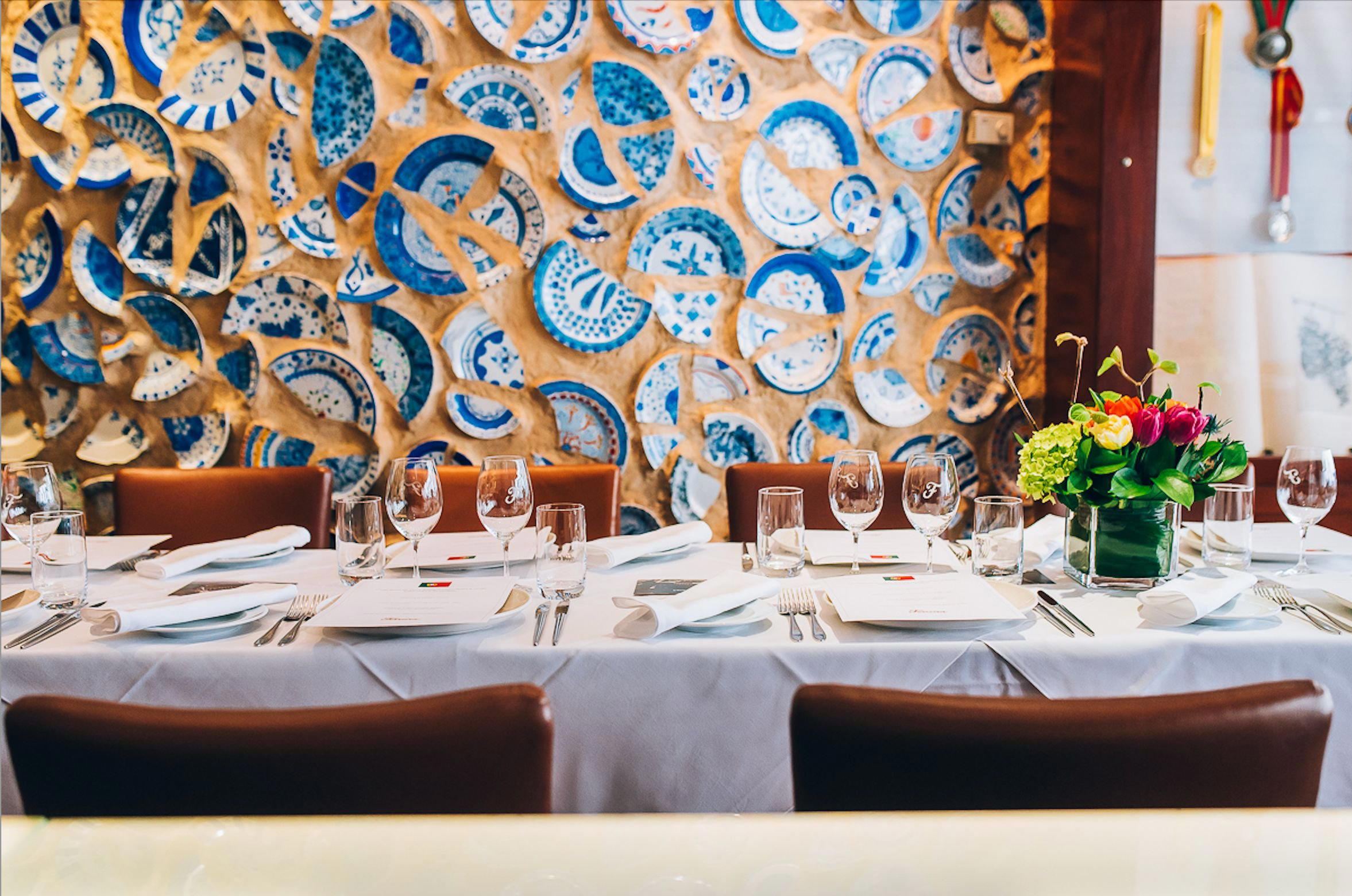
Restaurants in Montréal
All restaurants in Montréal →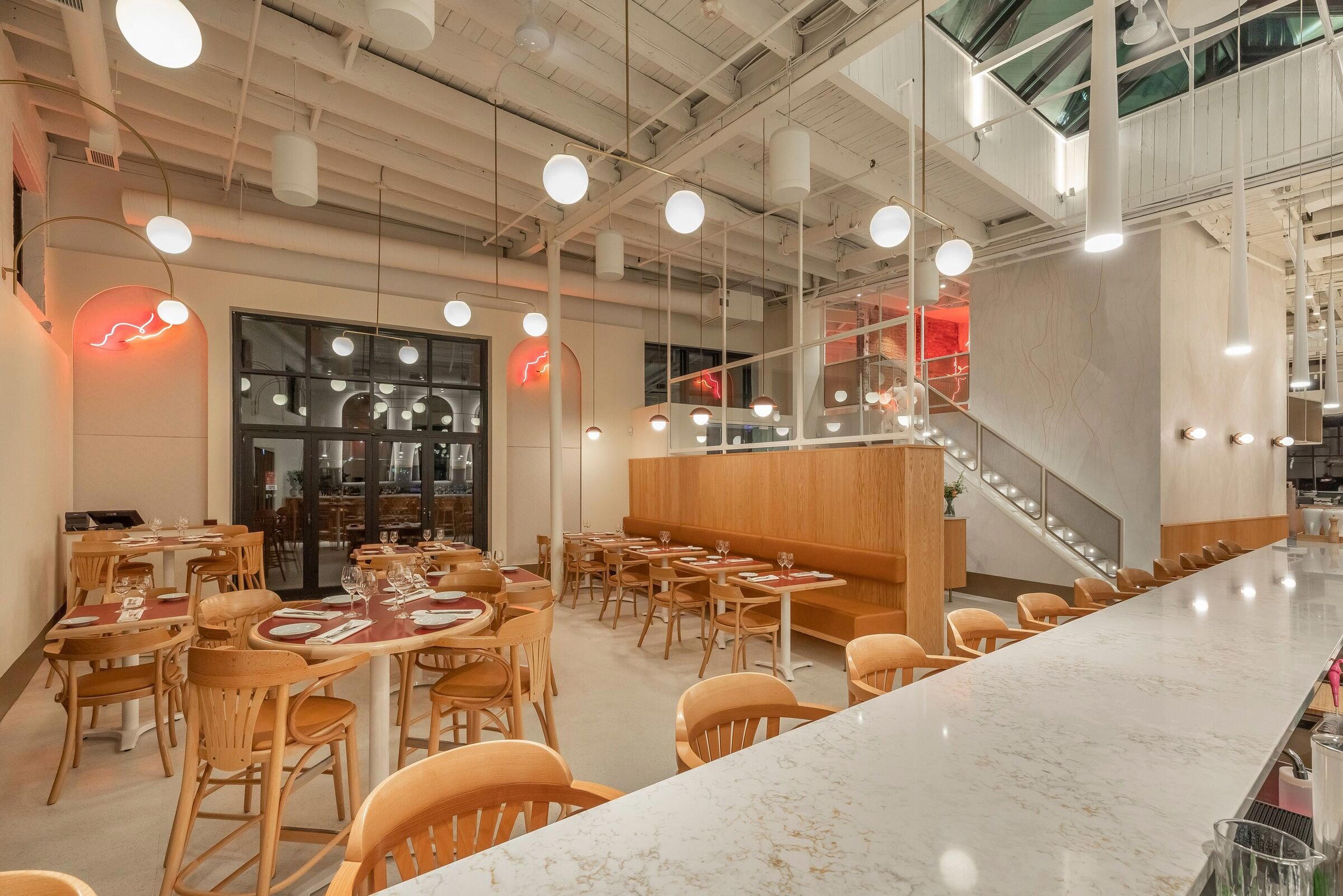
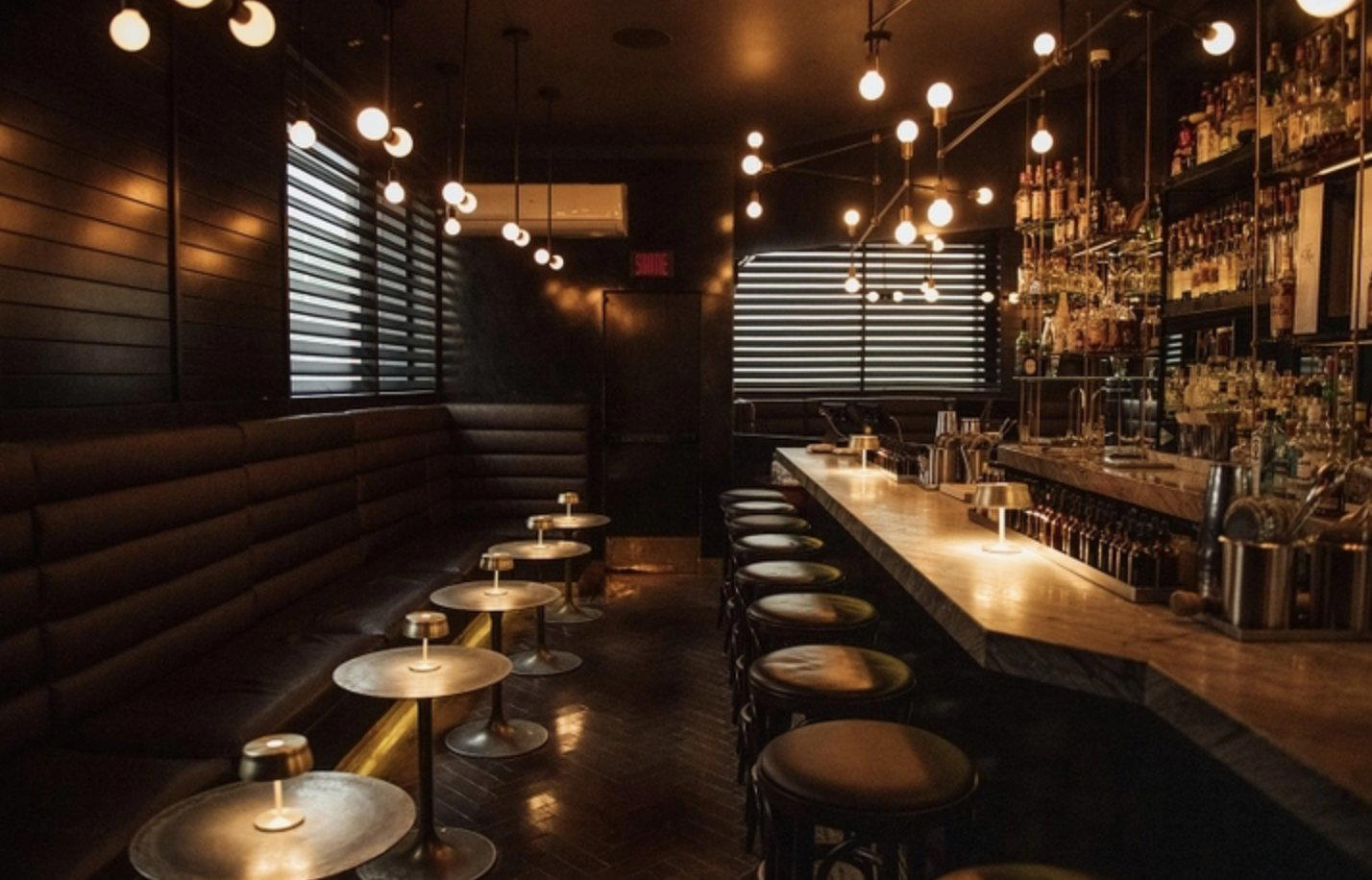
Bars in Montréal
All bars in Montréal →
Details
- Elegant
- Bohemian
- Cozy
- Intimate
- Date Night
- Group Dining
- Family
- Brunch
- Casual Hangout
- Open Kitchen
- Standalone
- Beer Program
- Local Sourcing
- A La Carte
- Family Style
- Wine
- Beer
- Vegetarian Friendly
- Pescatarian Friendly
Current opening hours
- Monday
- 12–10 PM
- Tuesday
- Closed
- Wednesday
- 12–10 PM
- Thursday
- 12–10 PM
- Friday
- 12–11 PM
- Saturday
- 12–11 PM
- Sunday
- 12–10 PM
Hours can change for holidays and private events. Hours as of .
Baroque decor combining elegant modernity with rustic elements; ground floor casual and bright, mezzanine intimate and cozy.