
Humaniti Hotel Montreal sits at 340 Rue De la Gauchetière, positioning guests at the intersection of downtown's financial core and the Quartier des spectacles, a location that functions as a base for both the city's performing arts circuit and its most concentrated stretch of restaurants. As part of Marriott's Autograph Collection, the property occupies a mixed-use tower that is among the more ambitious urban development projects in recent Montreal history.
Pearl is the En Primeur Club membership app — saves, bookings, and concierge access live there. Same editors, same standards.
- Address
- 340 Rue De la Gauchetière O O, Montreal, Quebec H2Z 0C3, Canada
- Phone
- +1 514 657 2595
- Website
- marriott.com
- Directions
- Get directions
 Saves & bookings on Pearl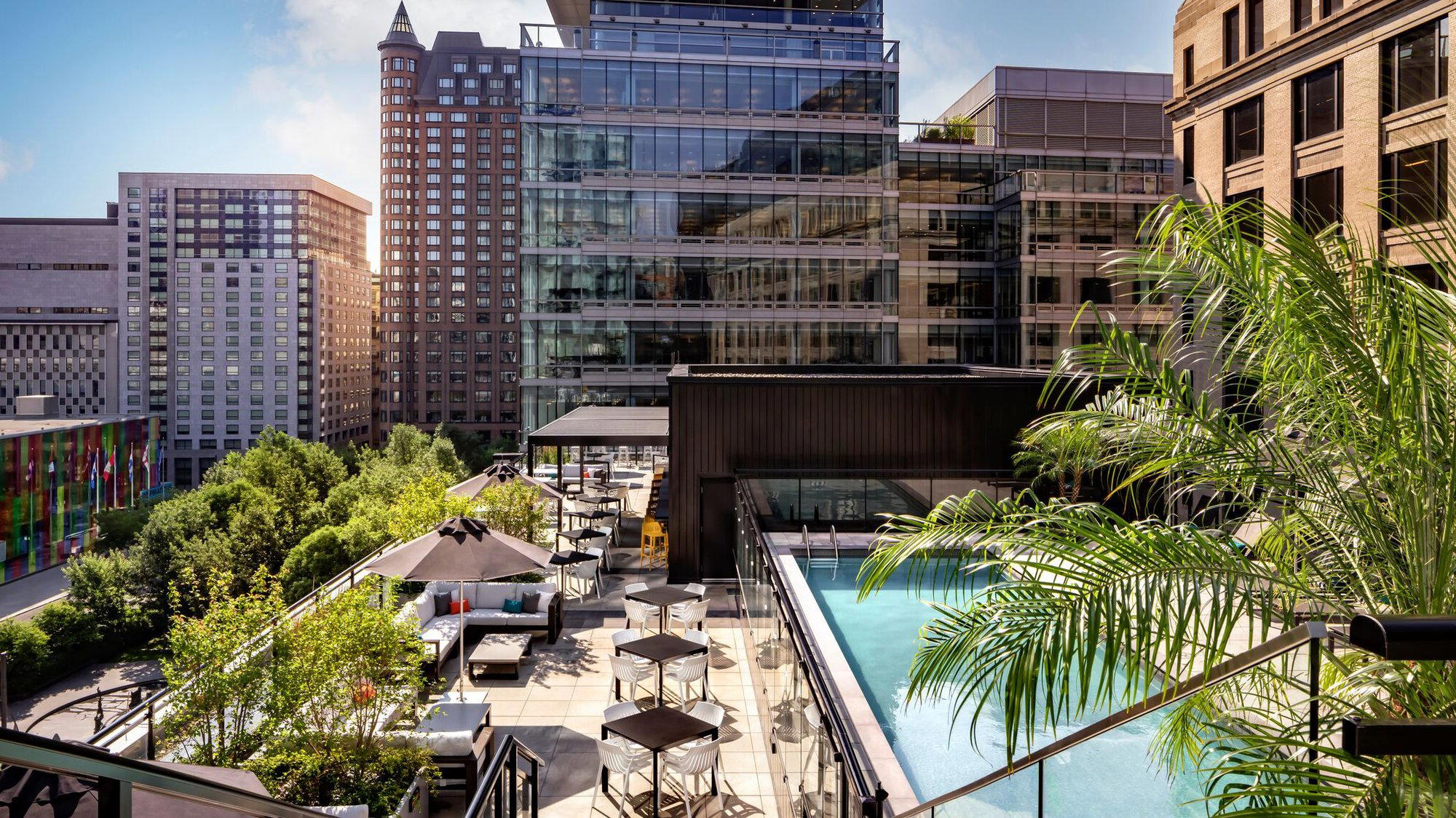
A Downtown Address That Does Real Work
Montreal's hotel geography has always rewarded specificity. The old-port properties, like Auberge du Vieux-Port, trade on waterfront character and cobblestone proximity. The Golden Square Mile properties, including Le Mount Stephen and Hotel Le Germain Montreal, sell heritage architecture and a particular kind of residential quietude. Humaniti Hotel Montreal Autograph Collection is a 4-star hotel at 340 Rue De la Gauchetière O O, Montreal, Quebec H2Z 0C3, Canada. Humaniti Hotel Montreal Autograph Collection is a 4-star hotel at 340 Rue De la Gauchetière O O, Montreal, Quebec H2Z 0C3, Canada. For a city that functions on foot and by corridor, this is not a trivial advantage.
The property sits inside Humaniti, one of the more ambitious mixed-use developments completed in Montreal in recent years, a tower that combines residential units, hotel rooms, and commercial space in a format that has become increasingly common in North American city cores. This typology has specific implications for hotel guests: amenity pools are larger (shared with residential), common spaces feel less transient, and the building operates around the clock rather than on hotel rhythms alone. Whether that trade-off suits a traveller depends heavily on what they're in Montreal to do.
What the Address Actually Unlocks
The Gauchetière address places Humaniti in an interesting middle territory. To the east, within walking distance, lies Chinatown, one of the few surviving inner-city Chinatowns in Canada, compact but active, with a cluster of restaurants that operate largely outside the tourist infrastructure. To the north, the Quartier des spectacles anchors Montreal's performing arts programming: the Maison symphonique, the Place des Arts complex, and the Festival International de Jazz de Montréal's main stage are all reachable without hailing transport. To the west, the financial district's connections to the RÉSO, Montreal's underground pedestrian network, mean that in winter, the hotel's position translates into genuine climatic shelter, letting guests move across a significant portion of downtown without surfacing.
This matters more in Montreal than in most comparable cities. The RÉSO connects roughly 80 buildings across 33 kilometres of pathways, including major shopping centres, the Bell Centre, and several metro stations. For visitors arriving in January or February, when temperatures regularly drop below -15°C, proximity to the underground network shifts from convenience to practical necessity. Hotels like the Fairmont The Queen Elizabeth, directly above Gare Centrale, have long traded on this connection. Humaniti's Gauchetière address puts it in comparable territory.
Autograph Collection in the Montreal Context
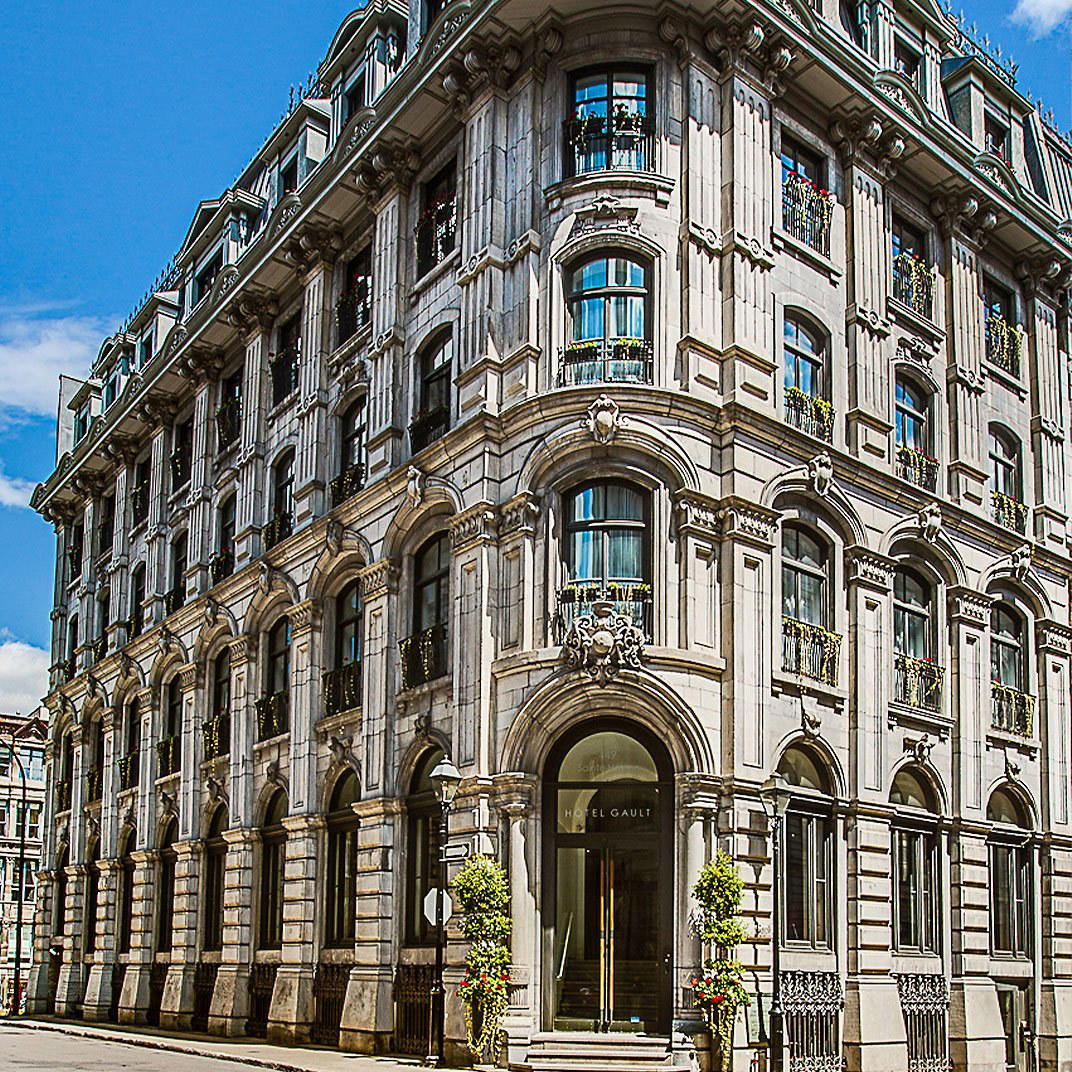
Montreal's premium hotel market has stratified considerably over the past decade. At one end, the Four Seasons Hotel Montreal, which opened in 2019, brought a level of amenity spend and room scale that repositioned the ceiling of the local market. At the other end, design-led independents like Hotel Gault and Le Petit Hotel hold positions built on intimacy and neighbourhood specificity. Autograph Collection properties, by Marriott's own framing, are intended to sit between those poles: independent in design and programming philosophy, with the distribution and loyalty infrastructure of a global chain behind them.
In practice, Autograph Collection is a varied portfolio globally. Comparable Canadian properties include The Dorian in Calgary, which occupies a similar role as a design-conscious alternative to full-service luxury flagships in its city. What positions these properties is less about amenity count and more about architectural specificity and location intelligence, both areas where Humaniti's mixed-use format and central address provide a reasonable foundation.
Travellers comparing within Montreal's mid-to-upper tier should also weigh properties like Le Place d'Armes Hotel and Suites, which sits at a comparable price position with a stronger Old Montreal character. The decision between those two options is largely about neighbourhood priority: Old Montreal's visual drama versus downtown's functional connectivity.
Montreal as a Base: What the Surrounding Scene Delivers
The hotel's value proposition is inseparable from what Montreal itself offers at this price point. The city's restaurant density in the downtown and Plateau-Mont-Royal corridor gives visitors more usable options per walking kilometre than almost any other Canadian city, a fact that makes central accommodation disproportionately valuable. For context on what the dining and neighbourhood scene delivers,
Beyond the city, Quebec's broader hospitality circuit is worth factoring into trip planning. Manoir Hovey in North Hatley and Hôtel Quintessence in Mont-Tremblant both represent the province's strong tradition of lakeside resort hospitality, reachable as extensions of a Montreal-anchored trip. For those extending across Canada, the range runs from Le Germain Charlevoix in Baie-St-Paul to Fogo Island Inn on the Atlantic coast, Clayoquot Wilderness Lodge in Tofino on the Pacific, and Fairmont Banff Springs in the Rockies. Montreal functions well as a start or end point for any of those itineraries given its international air connections.
For urban properties elsewhere, the peer conversation extends to Rosewood Hotel Georgia in Vancouver and Four Seasons Hotel Toronto as Canadian city-centre benchmarks, or internationally to The Fifth Avenue Hotel in New York City and Aman New York for a sense of where the premium urban format sits in the wider North American market.
Planning Considerations
Montreal's event calendar has a significant bearing on both availability and ambient energy throughout the central districts. The Jazz Festival runs across late June into early July and draws its largest crowds within blocks of this address. The Just for Laughs festival follows in July. During those windows, the neighbourhood around the Quartier des spectacles operates at a higher pitch than the rest of the year, which is either an asset or a liability depending on what a traveller is seeking. September and October offer a calmer operating environment while Montreal's culinary scene remains at full capacity, making that window particularly productive for a food-focused visit. Winter travel, though climatically demanding, comes with the compensation of reduced hotel pricing across most of the market and a local dining culture that shifts noticeably toward heartier, more considered cooking.
The Short List
Comparable venues nearby, for context on price, style, and recognition.
| Venue | Price | Notes |
|---|---|---|
| Humaniti Hotel Montreal Autograph CollectionThis venue — the venue you are viewing | $$$$ | Not listed |
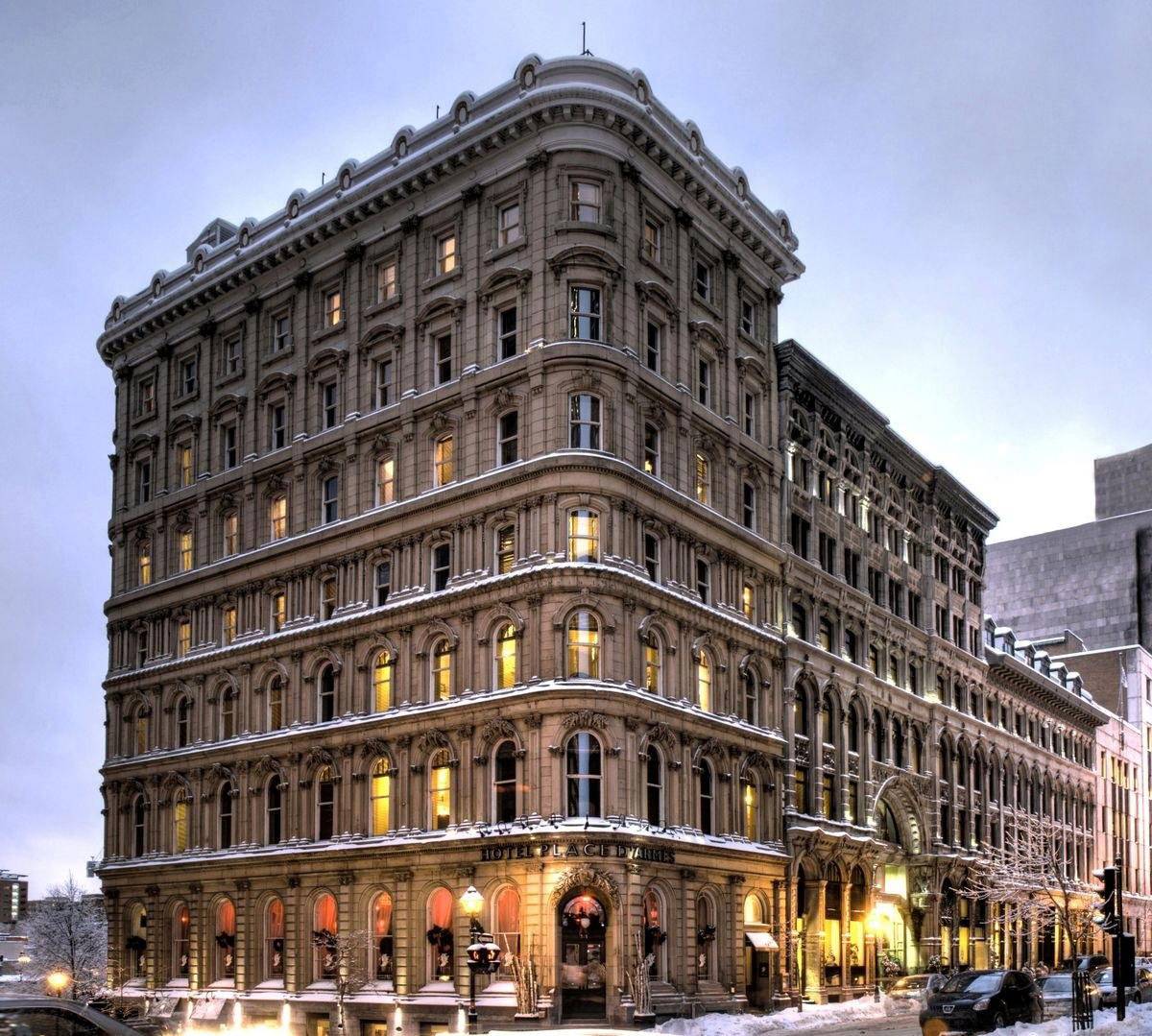
| Hôtel Place d'Armes | $$$$ | Old Montreal, Luxury boutique hotel in a restored historic building ensemble |
| Metcalfe Montréal | $$$ | Downtown Montreal, Downtown boutique hotel offering quiet luxury behind a historic façade with contemporary interiors and locally rooted touches. |
| Warwick Le Crystal | $$$$ | Golden Square Mile, Urban boutique condo-style suites with kitchenettes |
| Hôtel William Gray | $$$$ | Vieux Montréal, Modern luxury in historic setting with glass atrium |
| Hotel St. Paul | $$$ | Vieux Montréal, Luxury boutique hotel in a heritage building with modern serene interiors. |
Recognition history
Dated appearances from independent guides and award organizations, with the underlying list record or original source where available.
Michelin Selected
Michelin
At a Glance
- Modern
- Sophisticated
- Trendy
- Elegant
- Business Trip
- Weekend Escape
- Family Vacation
- Rooftop Pool
- Design Destination
- Panoramic View
- Destination Spa
- Wi Fi
- Rooftop Pool
- Spa
- Fitness Center
- Room Service
- Concierge
- Business Center
- Valet Parking
- Restaurant
- Sauna
- Skyline
- Wi Fi
- Rooftop Pool
- Spa
- Fitness Center
- Room Service
- Concierge
- Business Center
- Valet Parking
- Restaurant
- Sauna
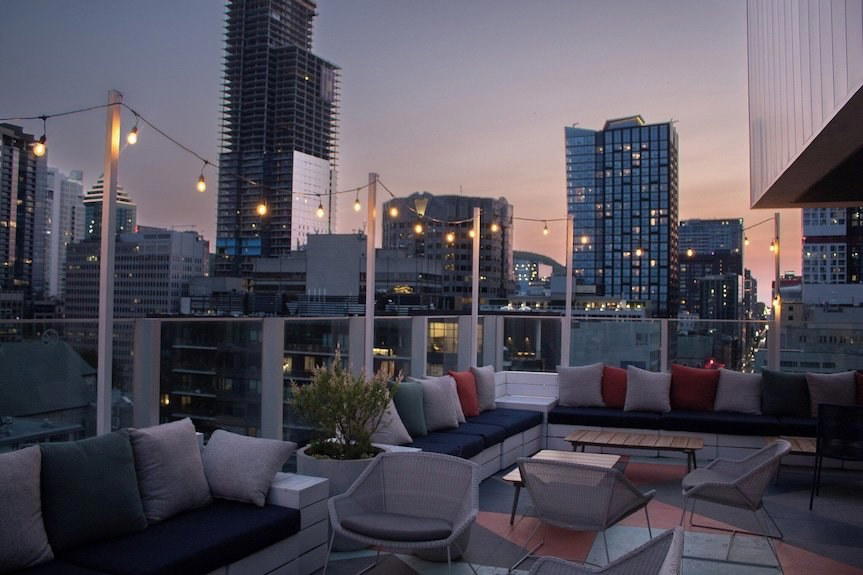
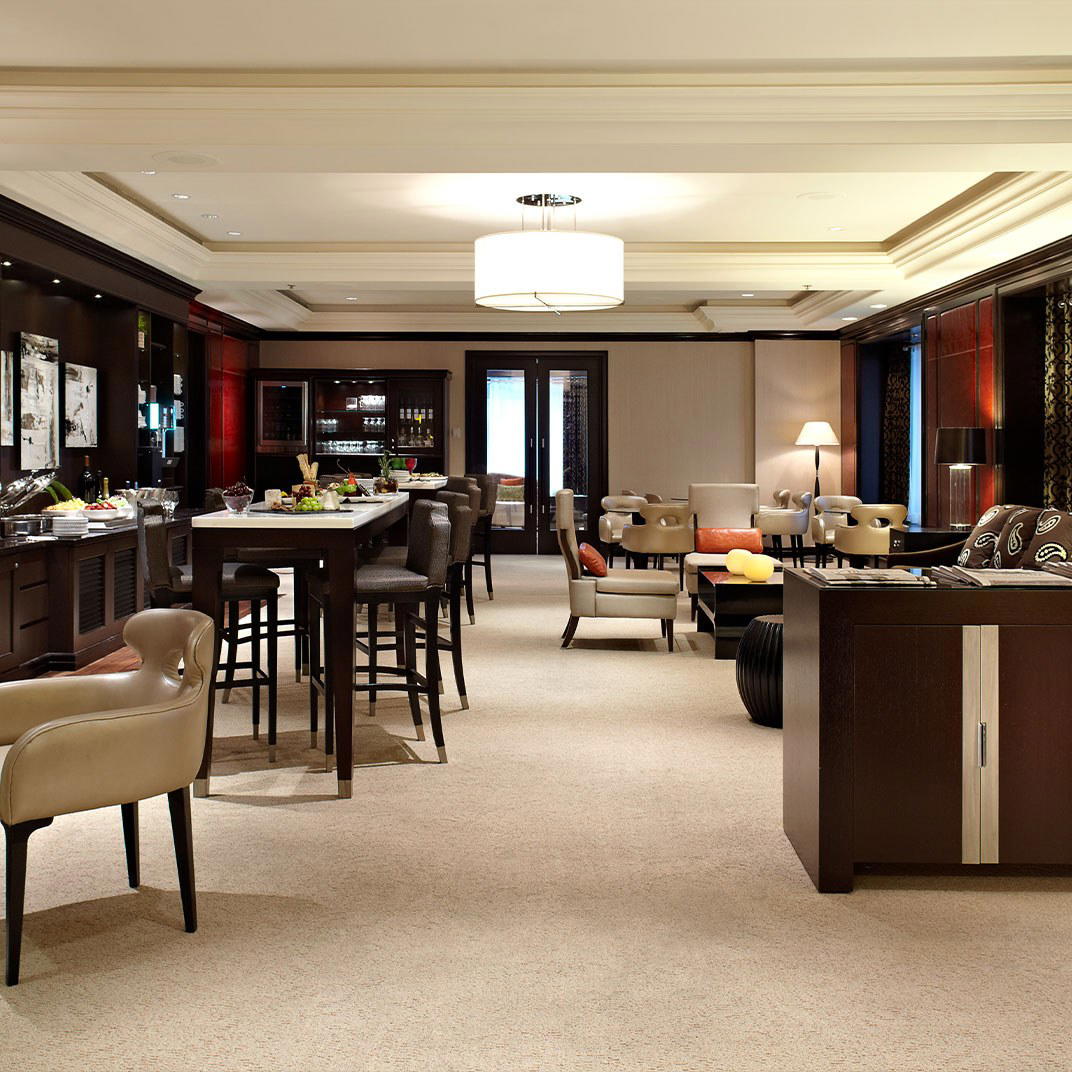
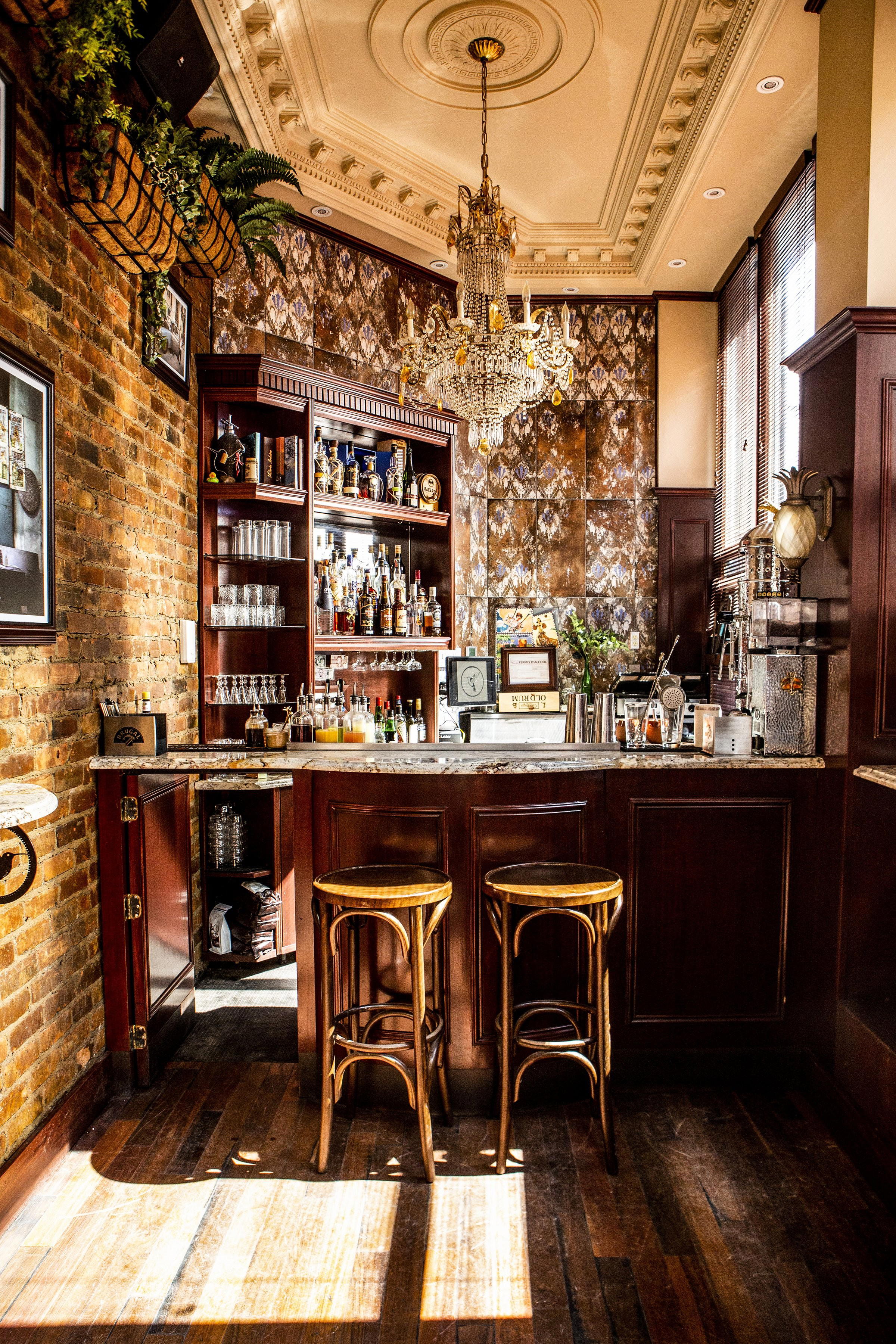
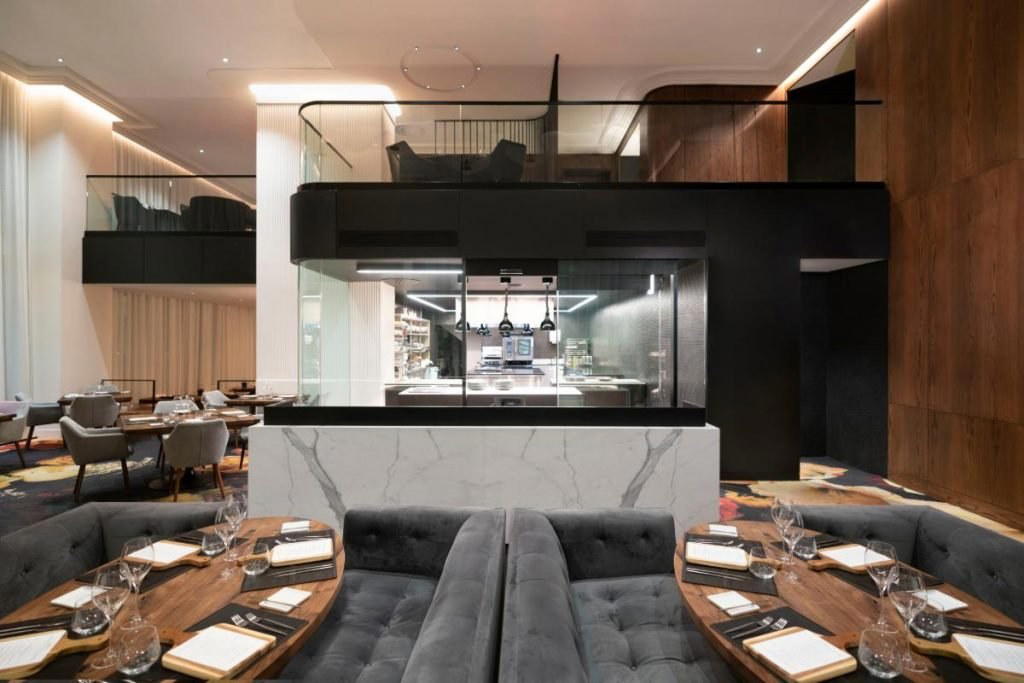
Bright, contemporary spaces with abundant natural light, neon art accents in the lobby, and thoughtfully curated Québécois artworks creating an inspiring yet welcoming atmosphere.