Bazart occupies a compelling position in Montreal's modern dining scene, where the city's French-inflected culinary tradition meets a more contemporary editorial sensibility. Located on Ottawa Street in Griffintown, the restaurant draws comparison with the mid-to-upper tier of Montreal's modern cuisine category, sitting between the accessible ambition of Mastard and the full-scale formality of Toqué. A considered address for anyone mapping the city's current cooking direction.
Pearl is the En Primeur Club membership app — saves, bookings, and concierge access live there. Same editors, same standards.
- Address
- 950 Ottawa St, Montreal, Quebec H3C 1S4, Canada
- Phone
- +14389402560
- Website
- bazart.ca
- Directions
- Get directions
 Saves & bookings on Pearl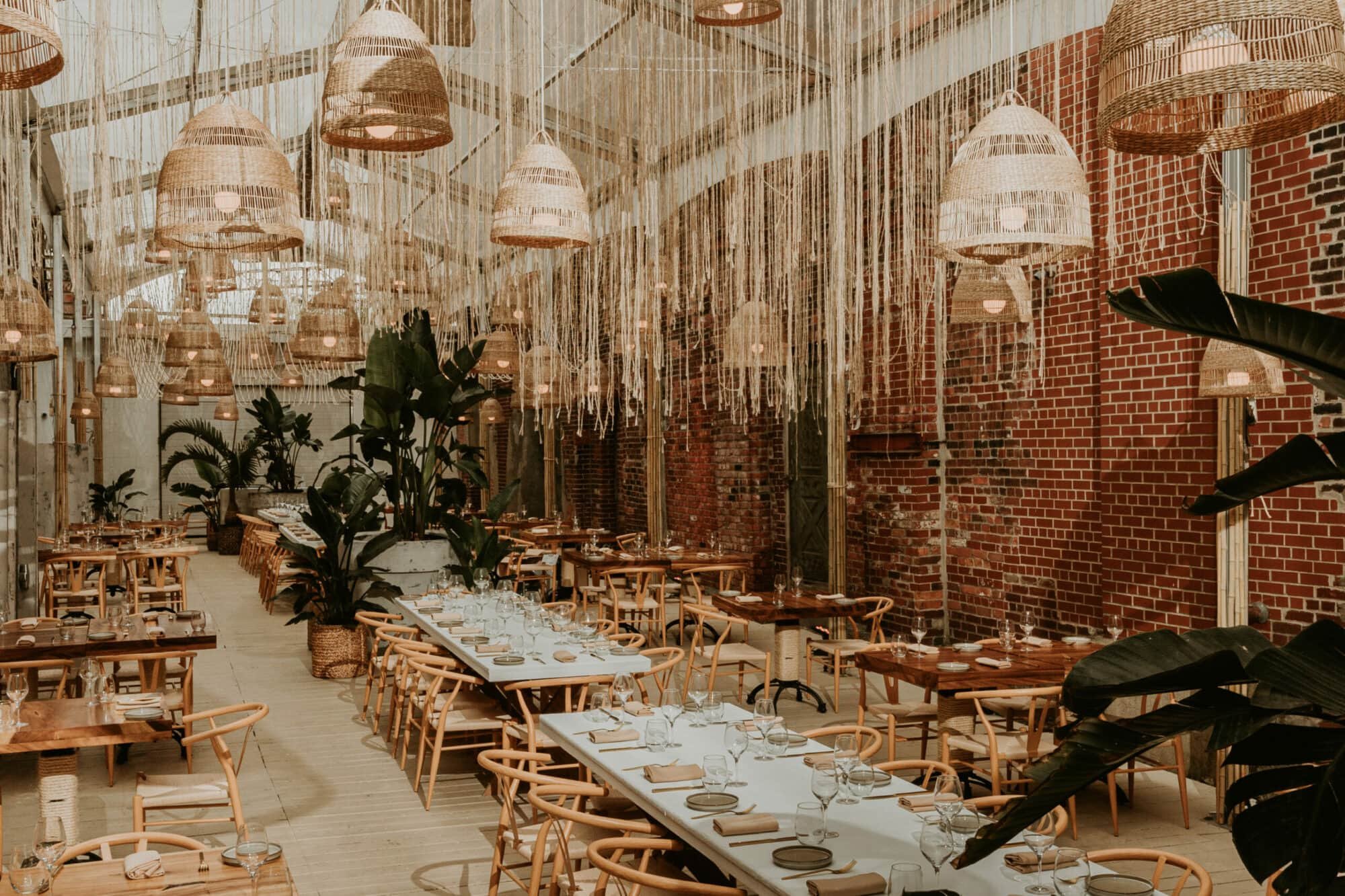
Griffintown's Culinary Shift and Where Bazart Sits Within It
Montreal's dining scene has never been a monolith. The city runs on layers: the brasserie tradition that L'Express has upheld for decades, the deli culture that Schwartz's represents at its most stripped-back, and then the upper register of modern cuisine that venues like Jérôme Ferrer - Europea and Mastard occupy. Bazart, at 950 Ottawa Street, sits inside that modern tier but in a neighbourhood that has itself been rewritten over the past fifteen years.
Griffintown was an industrial quarter before it became one of Montreal's most closely watched residential and commercial corridors. The area's conversion from warehouses and light manufacturing into condominiums and restaurants has produced a restaurant culture that skews younger and less rooted in the traditional French-Québécois canon than, say, the Plateau or Old Montreal. That context shapes what a restaurant in this address needs to be: connected enough to the city's culinary history to be taken seriously, but attuned to a neighbourhood that arrived fairly recently to the table.
The Cultural Roots That Frame Modern Montreal Cooking
Quebec's culinary identity has always been negotiated between two forces. The French classical inheritance, brought over with colonisation and sustained through generations of professional training in Lyonnaise and Parisian kitchens, sits alongside a deeply local ingredient tradition: maple, game, river fish, and winter root vegetables that reflect the province's geography rather than its European antecedents. The most interesting cooking coming out of Montreal right now holds both of those in tension rather than choosing one.
That conversation is not unique to Bazart. You can see it at Sabayon and at 3 Pierres 1 Feu, and in a more radical form at Tanière³ in Quebec City, where hyper-local sourcing has become the organising principle of the entire menu. What distinguishes the current generation of Montreal restaurants from earlier waves is a willingness to let the local ingredient lead, rather than using local produce as garnish for a fundamentally European plate. Bazart operates in that environment, where the reference points are the province's larder as much as the classical brigade system.
How This Address Compares Within the Modern Cuisine Category
The modern cuisine bracket in Montreal is genuinely competitive. At the leading, Toqué retains its reputation as the room where the city's cooking establishment goes to signal its seriousness, and Europea sits nearby in terms of formality and price. Further down the register, Mastard operates at the $$$ tier with a format that is more accessible without becoming casual. Bazart draws comparison with that middle cohort: restaurants that have moved past the bistro model but haven't committed to the full multi-course ceremonial experience.
For diners coming from other Canadian cities, the peer comparisons shift slightly. Alo in Toronto and AnnaLena in Vancouver represent equivalent ambitions in their respective markets, restaurants that sit in the serious-but-not-maximally-formal tier of their city's modern dining hierarchy. The Quebec difference is the province's insistence on a local ingredient narrative that tends to be more specific than what you find in Ontario or British Columbia. That specificity is what gives restaurants in this tier their particular character.
Internationally, the frame shifts again. The precision cooking tradition that venues like Le Bernardin in New York City represent is a different register entirely, and so is the communal-tasting format that Lazy Bear in San Francisco has developed. Montreal's modern cuisine scene sits between those poles: technically serious, but with a warmth in service culture that reflects Québécois hospitality norms rather than the more formal European model.
The Ottawa Street Address: Practical and Contextual
The 950 Ottawa Street address places Bazart in a part of Griffintown that has become increasingly anchored for restaurant traffic. The neighbourhood is walkable from the canal and from several of the larger Griffintown residential developments, which means the dining room draws a mixed crowd: residents eating close to home, and visitors who have made a specific trip. That dual audience tends to produce a room with a different energy than a purely destination restaurant, which can be an advantage for solo diners or smaller groups who want engagement without spectacle.
For visitors building a multi-day Montreal itinerary, Griffintown works well as an evening destination that pairs with time spent in the Old Port or along the Lachine Canal. It is a different experience from dining on the Plateau or in Mile End, where the neighbourhood's character is more established and the restaurant culture more layered. Griffintown is still finding its identity, and some of that energy is present in the rooms of restaurants like Bazart.
Placing Bazart in a Wider Canadian Dining Context
Canada's fine and serious-casual dining scene has grown considerably in ambition over the past decade. Projects like Eigensinn Farm in Singhampton and Fogo Island Inn Dining Room in Joe Batt's Arm represent the extreme of hyper-local and destination-driven dining. Closer in format to Bazart are places like Restaurant Pearl Morissette in Lincoln and Narval in Rimouski, both of which operate in the serious-cooking-outside-major-urban-centres mode that has become one of the more interesting stories in Canadian restaurants. Bazart, in contrast, operates in a city with a dense competitive set, which tends to keep standards sharp and pricing more transparent.
Other venues worth considering alongside Bazart for a Montreal visit include Abu el Zulof, which represents a different culinary tradition entirely, and the various addresses covered in our full Montreal restaurants guide. Montreal rewards the kind of itinerary that moves across categories and neighbourhoods rather than staying within a single register.
Know Before You Go
- Address: 950 Ottawa Street, Griffintown, Montreal, Quebec H3C 1S4
- Neighbourhood: Griffintown, walkable from the Lachine Canal and Old Port
- Category: Modern cuisine, mid-to-upper Montreal dining tier
- Price tier: Comparable to the $$$ bracket occupied by peers like Mastard
- Context: Sits within a competitive modern cuisine bracket that includes Sabayon and 3 Pierres 1 Feu
How Bazart Montréal compares with similar nearby venues.
| Venue | Cuisine | Price |
|---|---|---|
| Le Serpent | Mediterranean Cuisine | $$$ |
| Place Carmin | French | $$$ |
At a Glance
- Bohemian
- Elegant
- Lively
- Trendy
- Sophisticated
- Group Dining
- Celebration
- Date Night
- Special Occasion
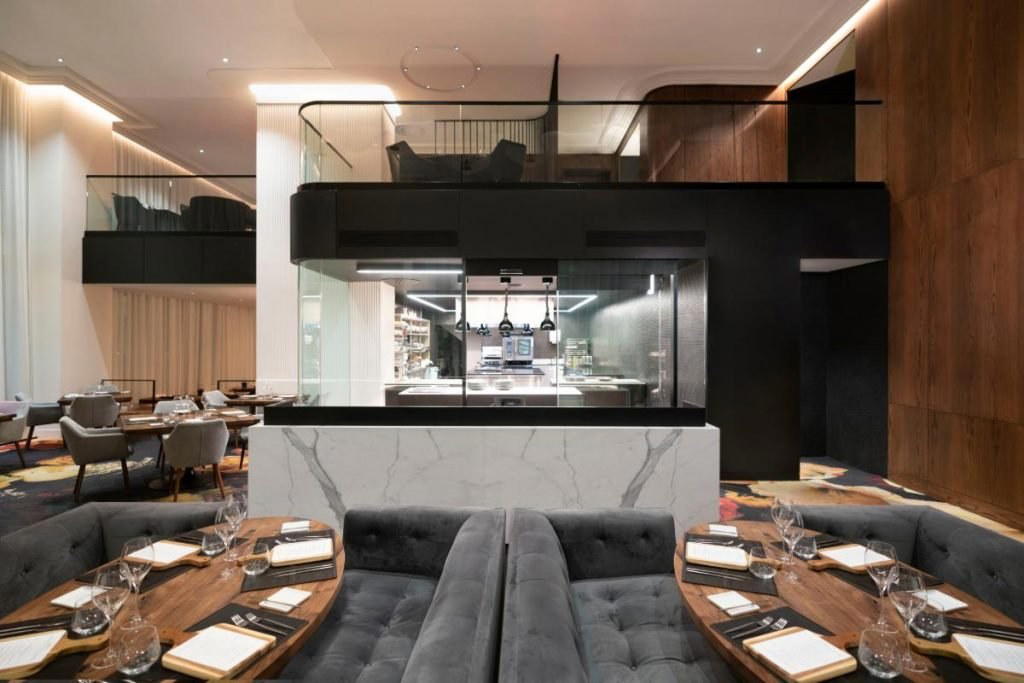
- Open Kitchen
- Terrace
- Historic Building
- Design Destination
- Live Music
- Craft Cocktails
- Extensive Wine List
- Natural Wine
- Local Sourcing
- Farm To Table
Current opening hours
- Monday
- Closed
- Tuesday
- Closed
- Wednesday
- Closed
- Thursday
- 5 PM–12 AM
- Friday
- 5 PM–1 AM
- Saturday
- 5 PM–1 AM
- Sunday
- Closed
Hours can change for holidays and private events. Last verified .
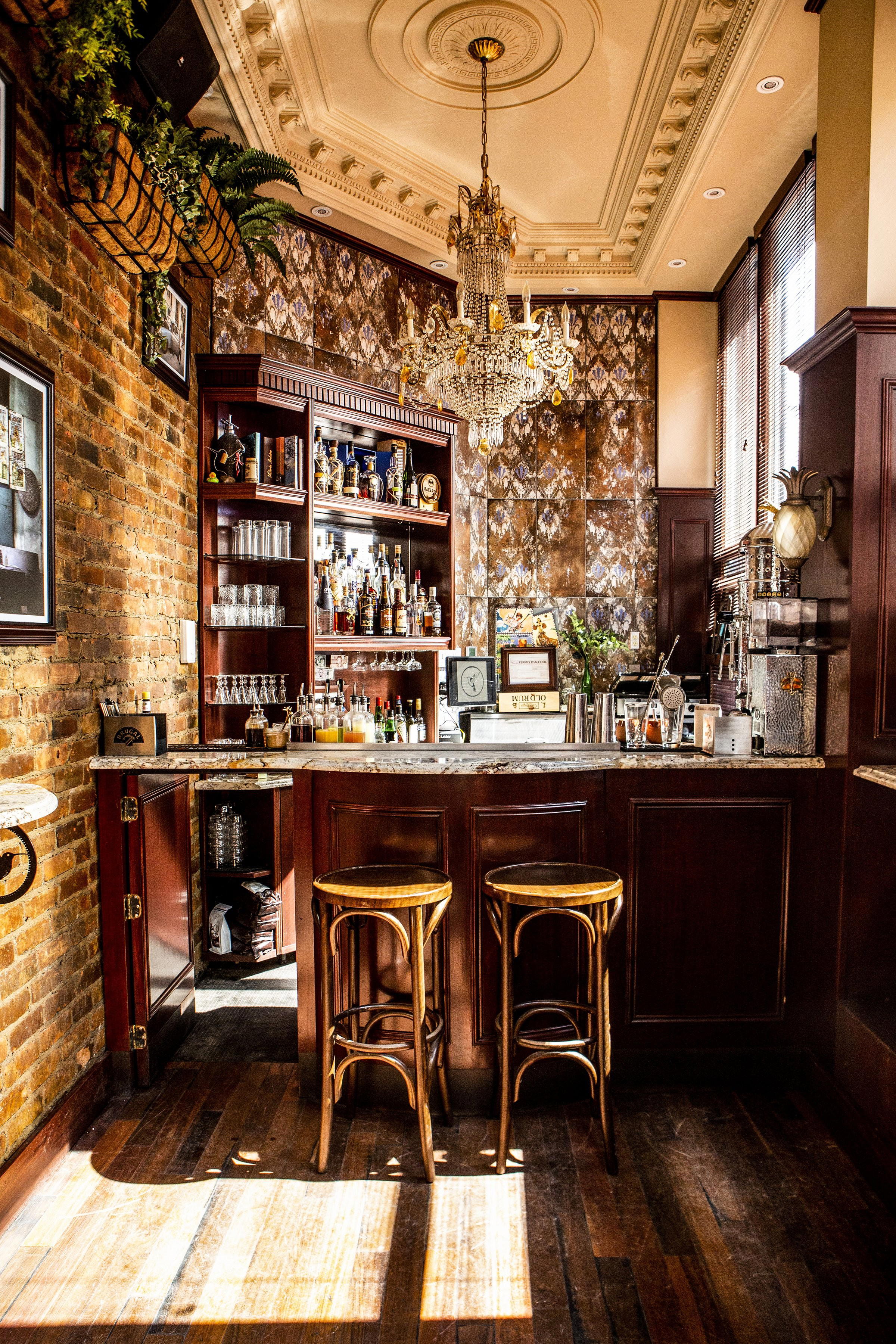
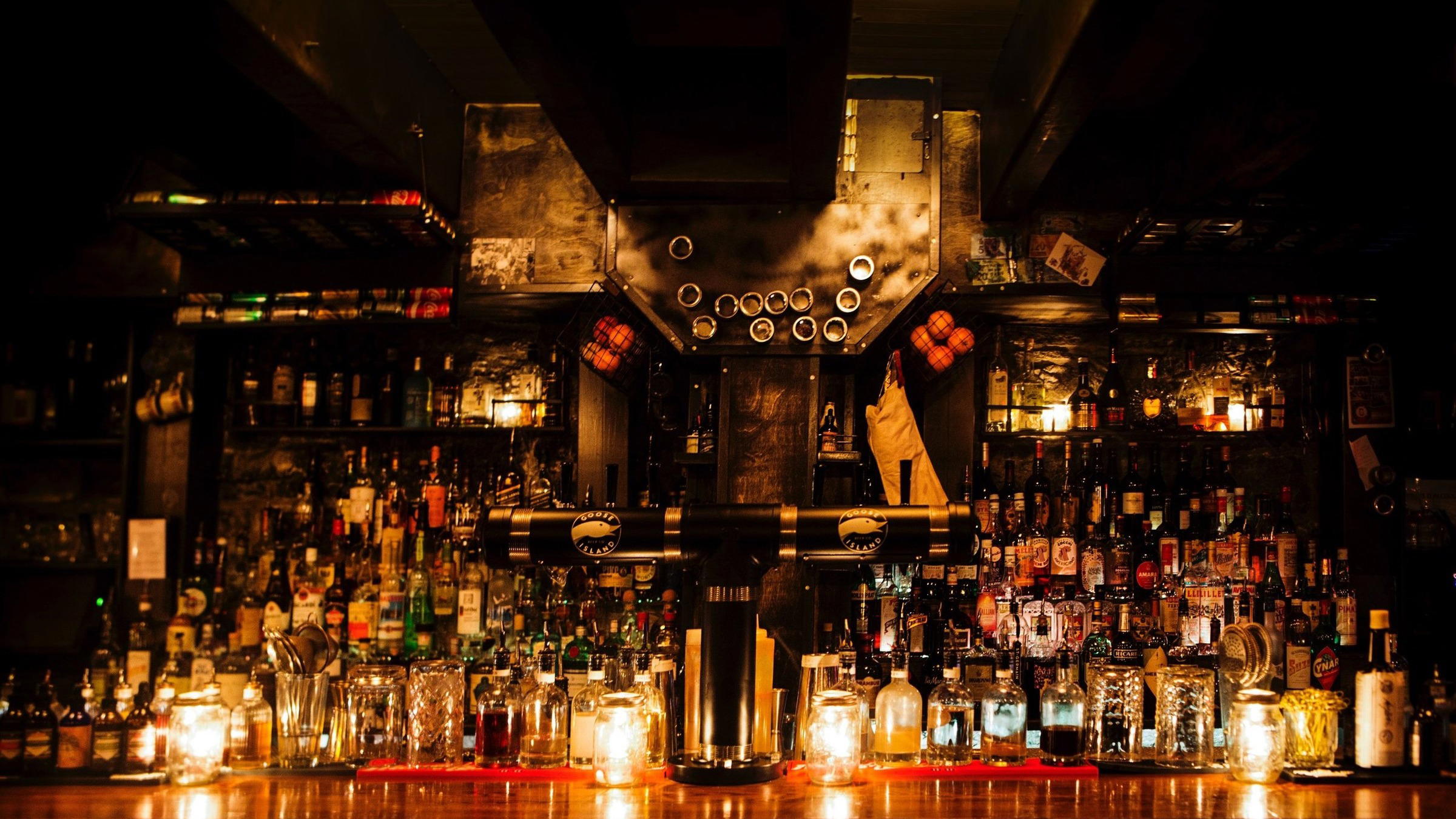
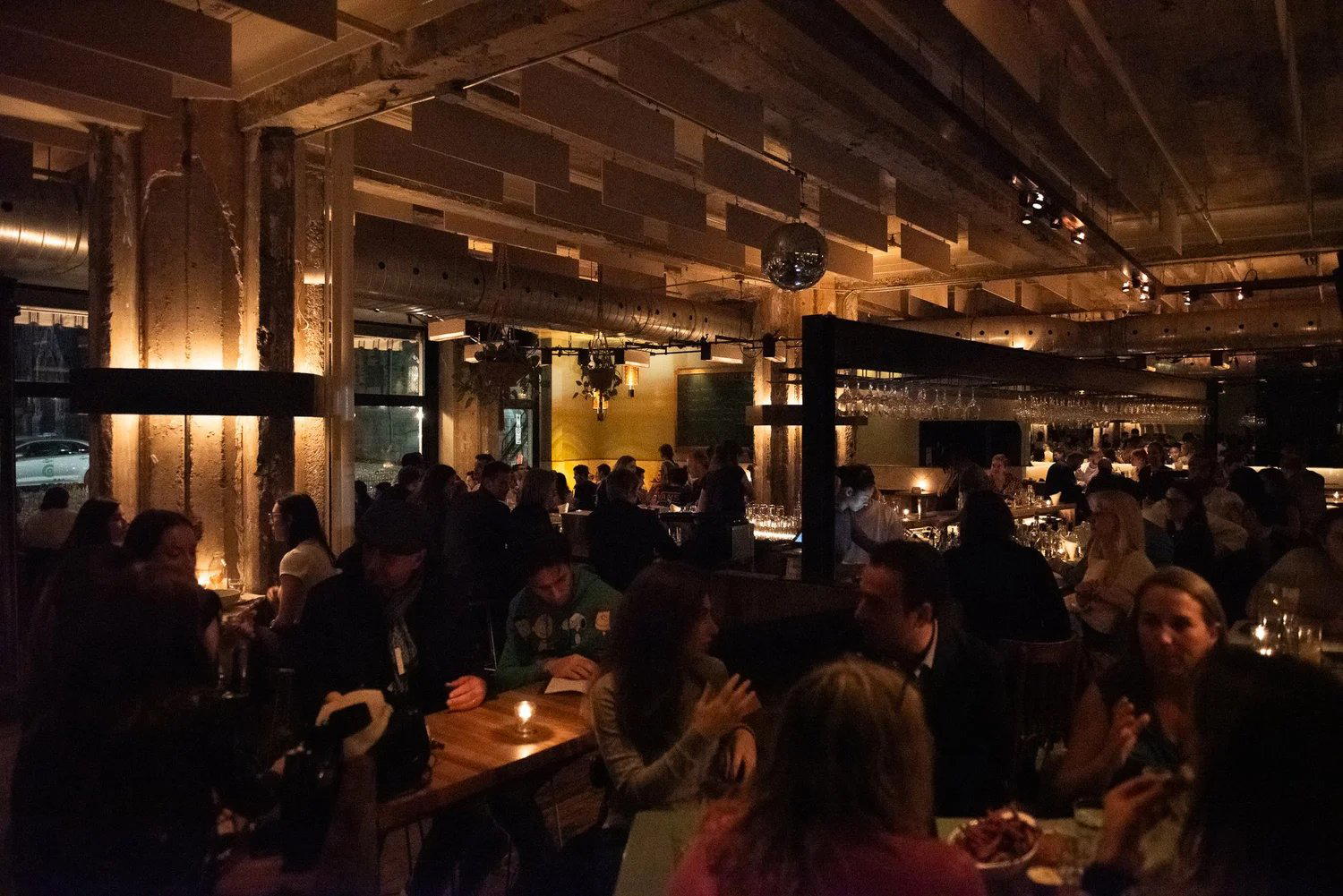
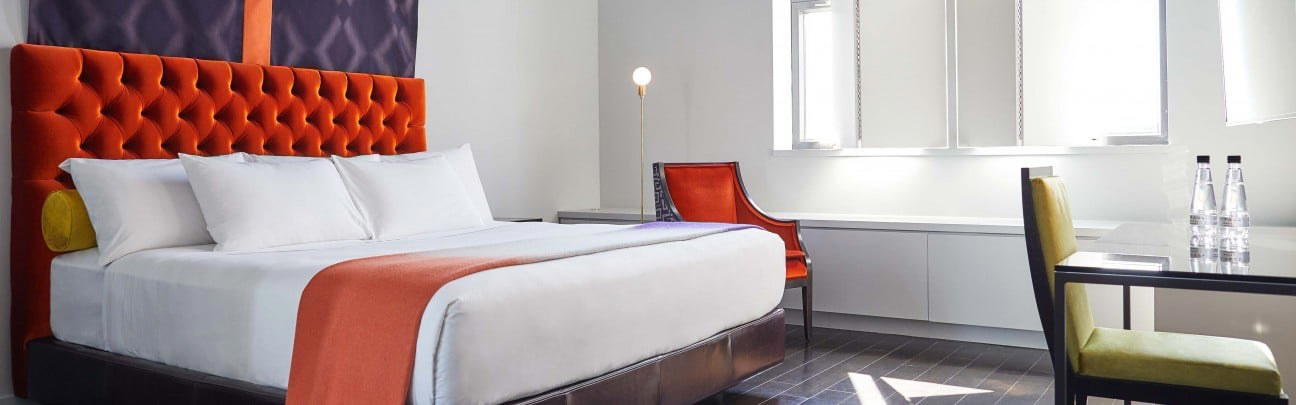
Lively, light-filled space inspired by beach culture of Mykonos, Ibiza, and Tulum; transforms throughout the day with meticulous design details creating an immersive urban oasis.
Know Before You Go
- Getting there
- 950 Ottawa St, Montreal, Quebec H3C 1S4, Canada