Our verdict
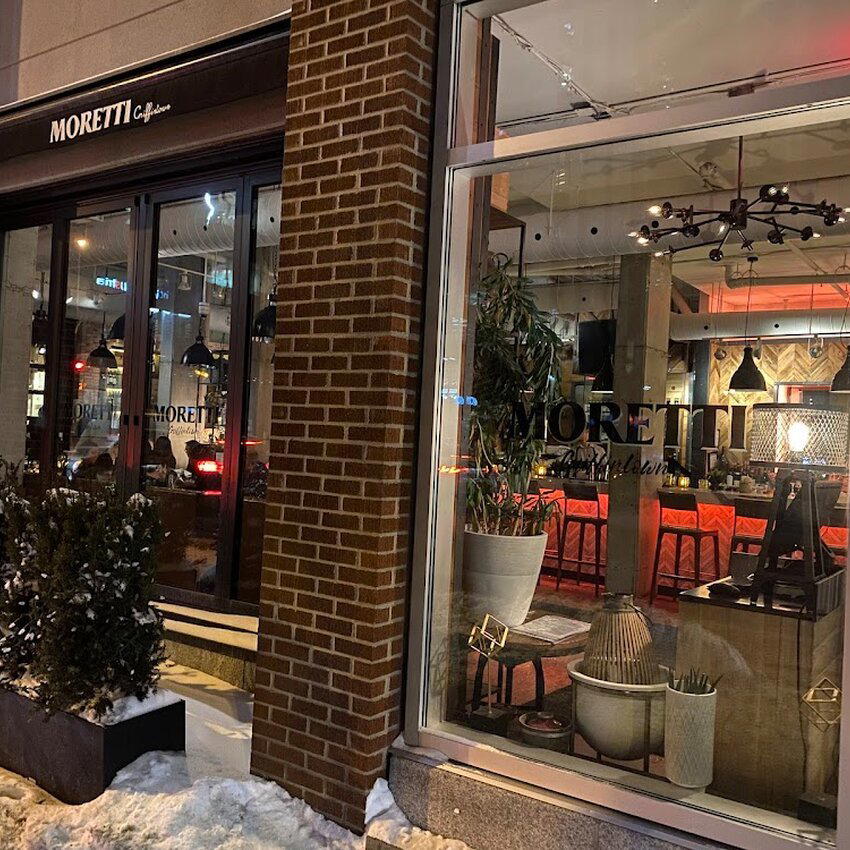
On Wellington Street in Montreal's Griffintown, Moretti Griffintown sits at the intersection of Italian culinary tradition and Quebec regional sourcing — a neighbourhood address with a cooking register that positions it among the city's ingredient-forward mid-tier.

Pearl is the En Primeur Club membership app — saves, bookings, and concierge access live there. Same editors, same standards.
- Address
- 1059 Wellington St, Montreal, Quebec H3C 1V6, Canada
- Phone
- (514) 954-0000
- Hours
- Mon–Wed 5–10 PMThu–Sat 5–11 PMSun 5–10 PM
- Website
- pizzeriamoretti.com
- Directions
- Get directions
- Booking
- Book on OpenTable
The menu
What to order
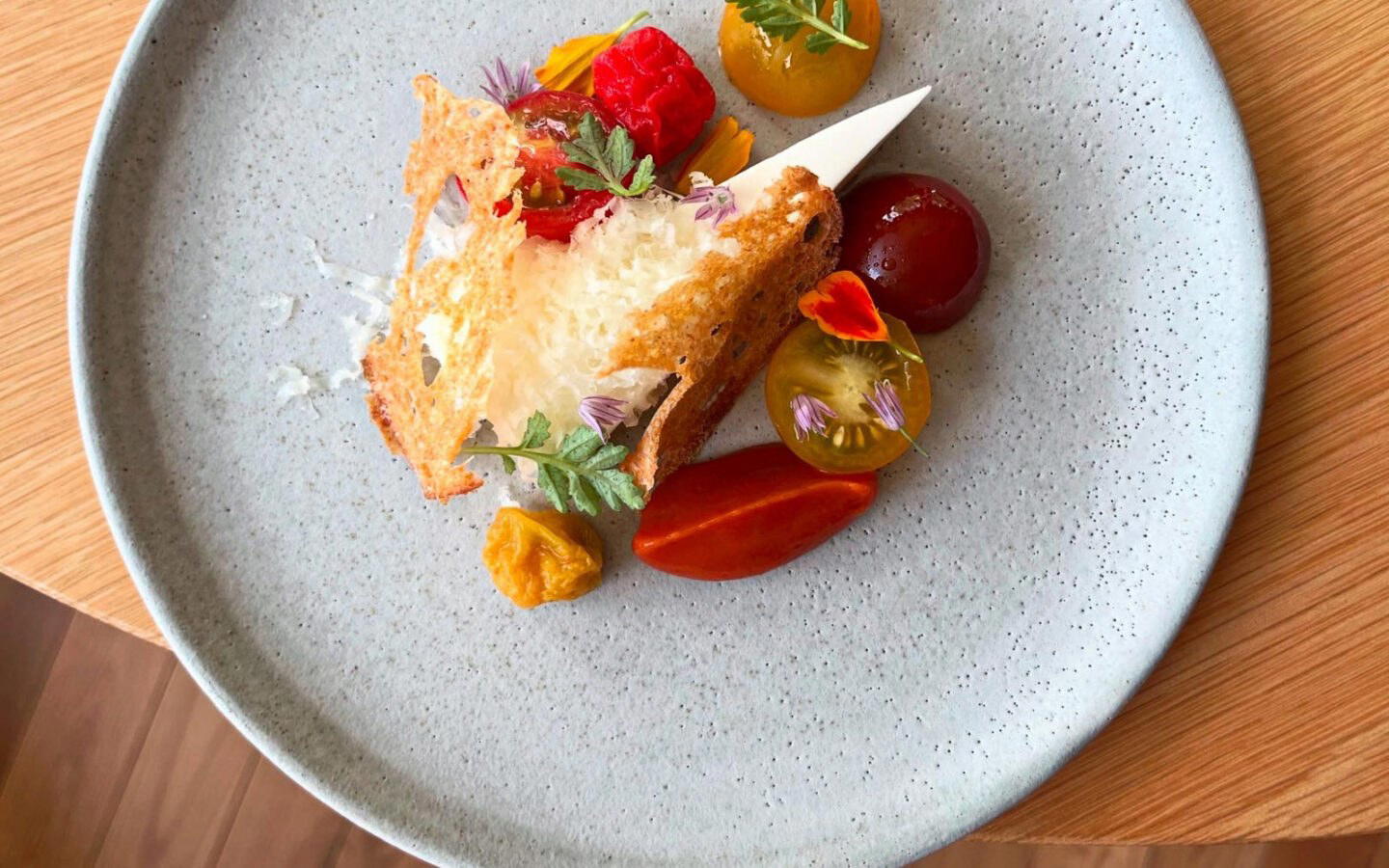
- Pizza Margherita
- Pizza Burrata
- Penne Vodka
Griffintown's Dining Character and Where Moretti Fits
Wellington Street in Griffintown has shifted considerably over the past decade. What was once a light-industrial corridor flanking the Lachine Canal has become one of Montreal's more concentrated stretches of independent dining, where converted brick-and-beam spaces house everything from wine bars to contemporary Italian. The neighbourhood draws a crowd that lives in the new residential towers nearby but eats with the habits of people who grew up in Mile End or Plateau — that is, people with opinions. Moretti Griffintown, at 1059 Wellington St, sits inside that context: an Italian-leaning address in a city that has historically reserved its deepest restaurant loyalties for French bistro culture and the kind of Québécois comfort food associated with places like Aux Anciens Canadiens in Quebec.
The broader Montreal modern dining scene has been pulling in two directions. On one side, there are grand-format tasting rooms — places like Jérôme Ferrer - Europea and the four-dollar-sign French tradition anchored by Toqué. On the other, a mid-tier of precise, ingredient-forward kitchens, Mastard and Sabayon among them, that operate with tighter menus and sharper sourcing instincts. Moretti Griffintown occupies territory closer to that second group: a neighbourhood address with ambitions calibrated to a specific postal code and a specific kind of diner.
Local Ingredients, Global Technique: The Broader Pattern
The tension between imported culinary method and local product is not new in Quebec, but it has intensified as supply chains from regional producers have grown more legible to restaurant kitchens. What makes this tension interesting in Montreal's Italian-influenced category is the directness of the collision: Italian technique, pasta-making traditions from Emilia-Romagna, wood-fired methods from Campania, preserved-food logic from the south, meets Quebec product, which operates on a different seasonal calendar and a different terroir vocabulary entirely. Fiddleheads, sturgeon, wild blueberries from the Saguenay, aged local cheeses from Quebec's now-substantial fromagerie infrastructure: these are the raw materials that sit at the border between the two traditions.
Restaurants working this intersection do not always announce it loudly. The more confident versions fold the local sourcing into the technique so completely that the menu reads simply as the food, without the editorial apparatus of a farm roster printed on the back page. Whether Moretti Griffintown handles the intersection with that kind of restraint is the question that defines how it performs relative to its Griffintown peers. Comparable exercises in the local-plus-technique formula elsewhere in Canada, AnnaLena in Vancouver and Restaurant Pearl Morissette in Lincoln being two clean examples, demonstrate that the approach works well when the sourcing genuinely shapes the cooking rather than decorating it.
The Griffintown Room
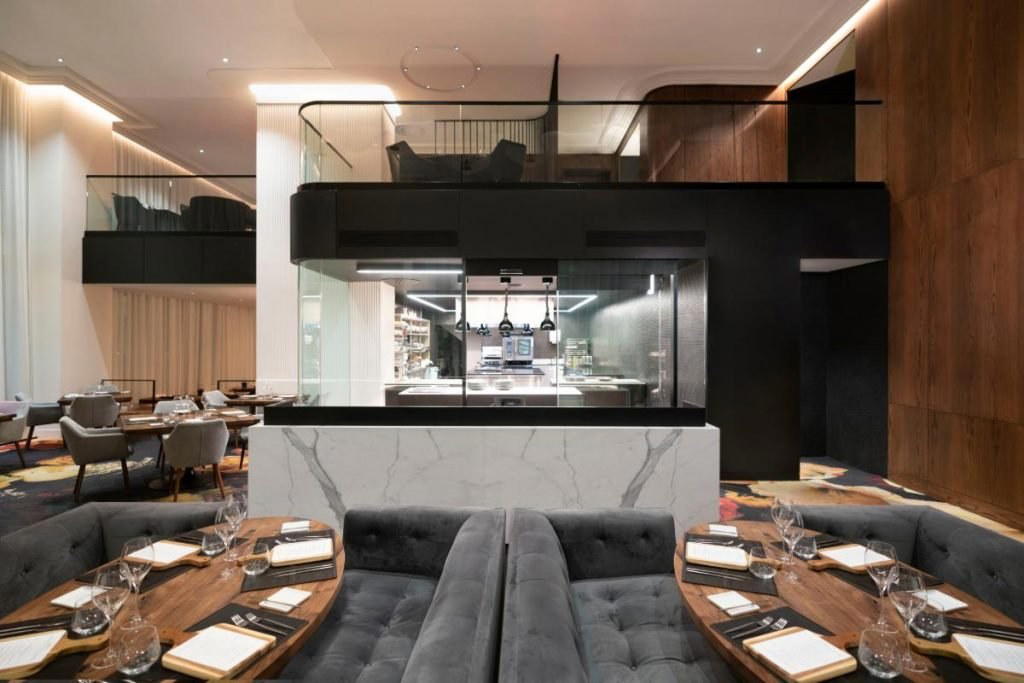
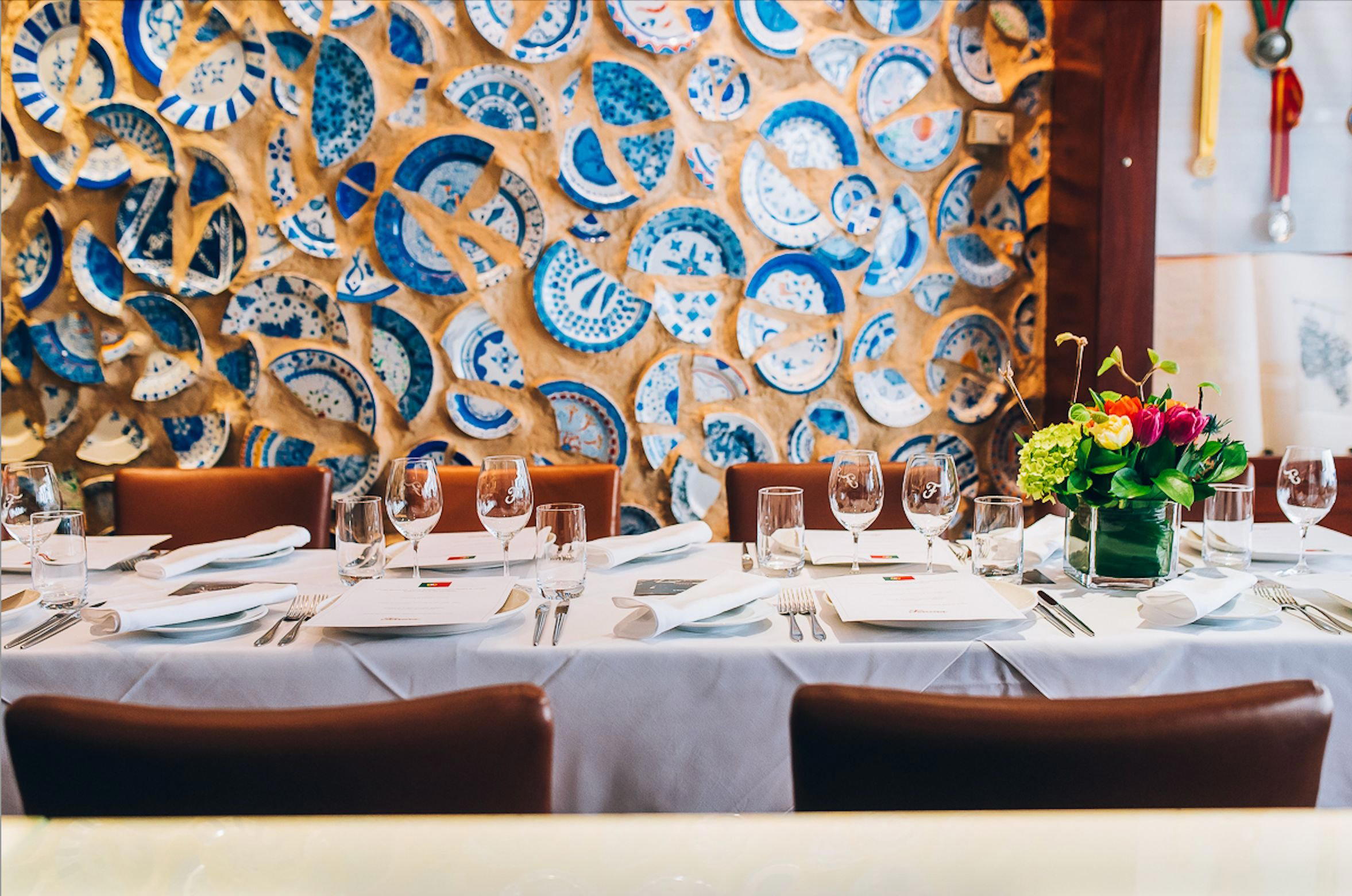
Griffintown's converted industrial architecture tends to produce a particular kind of dining room: high ceilings, exposed structure, hard surfaces that read as honest rather than unfinished. The energy in these rooms is generally louder than comparable spaces in older neighbourhoods, because the buildings were not built for quiet occupation. This is neither a flaw nor a feature in isolation; it depends on what the kitchen sends out and whether the room temperature matches the food. Italian-register cooking, particularly the kind that involves pasta and wine by the glass in convivial portions, tends to sit comfortably in that acoustic envelope.
For practical planning: 1059 Wellington St places Moretti Griffintown within reasonable walking distance of several Griffintown residential towers and a short cab or metro ride from the Old Port. The neighbourhood is navigable on foot in good weather, and Wellington Street itself has enough density of other venues, including 3 Pierres 1 Feu and Abu el zulof nearby, that an evening in the area does not hinge entirely on a single reservation.
How Moretti Griffintown Compares in the Montreal Modern Scene
Montreal's Italian-leaning restaurant category has historically operated below the critical attention given to the French-tradition restaurants, but that gap has been closing. The city's leading dining coverage now treats contemporary Italian addresses with the same scrutiny applied to any fine-dining table. Within Canada more broadly, the benchmark for this kind of cooking, European technique, Canadian product, neighbourhood ambition, has been set by places like Alo in Toronto and, at the wilder end of the sourcing commitment, Tanière³ in Quebec City, which takes local-first sourcing to an almost archaeological level of specificity.
Moretti Griffintown does not pitch itself at that level of conceptual commitment, at least not by geography and neighbourhood positioning. It is a Wellington Street restaurant, which means it must work for a Tuesday dinner as well as a Saturday celebration. That dual-purpose requirement shapes what a kitchen can realistically attempt. For comparison, consider the range of what strong mid-tier addresses accomplish in other Canadian cities: Narval in Rimouski operates with similar local-sourcing discipline in a smaller market, while The Pine in Creemore and Eigensinn Farm in Singhampton show what happens when the ingredient commitment becomes the entire premise of the operation.
At the international level, the technique-first end of the spectrum, places like Le Bernardin in New York City and Atomix in New York City, illustrate how far a kitchen can push technical precision when the concept is singular and the price point allows for it. Moretti Griffintown operates in a different register, but the comparison is useful for locating where the local-ingredient, global-technique dial is set. For the full picture of where Moretti Griffintown sits among Montreal's dining options, our full Montreal restaurants guide maps the complete field.
Planning Your Visit
Griffintown restaurants in this tier tend to be busiest Thursday through Saturday; mid-week reservations at the same calibre of address in this neighbourhood generally carry shorter lead times than weekend slots. Other addresses in the same price tier across Canada, Barra Fion in Burlington and Bearspaw Golf Club in Calgary offer a point of comparison for what weekend demand looks like at neighbourhood-format restaurants with regional standing.
Frequently asked questions
What's the must-try dish at Moretti Griffintown?
At Italian-register kitchens working with Quebec product, pasta and seafood courses tend to be where the local-technique intersection is most evident. Confirm current menu highlights directly with the restaurant before visiting.
How far ahead should I plan for Moretti Griffintown?
If Moretti Griffintown is drawing a neighbourhood crowd in a Wellington Street corridor that has grown competitive, Friday and Saturday slots are likely to move faster than mid-week availability. As a general rule for Montreal restaurants in this tier and neighbourhood, two to three weeks ahead is a reasonable buffer for weekend tables; weeknights often have more flexibility. Check current booking windows through the restaurant directly.
What has Moretti Griffintown built its reputation on?
The restaurant's position on Wellington Street in Griffintown places it within a dining corridor that rewards consistency and ingredient focus. Italian-leaning kitchens in Montreal have built local standing through pasta quality, wine-list curation, and the ability to absorb Quebec seasonal product into a European framework, the combination that defines the most durable addresses in this category.
Can Moretti Griffintown handle vegetarian requests?
Italian-tradition kitchens generally carry enough vegetable-forward technique, pasta with seasonal vegetable preparations, antipasti, cheese courses, to accommodate vegetarians without the menu reading as an afterthought. For specific dietary requirements, confirm directly with the restaurant before booking, as menus in this format shift with season and sourcing availability.
What distinguishes Moretti Griffintown from other Italian-influenced restaurants on Wellington Street?
Griffintown's Wellington Street now holds several Italian-leaning and contemporary addresses, which means differentiation comes down to sourcing relationships, pasta and technique specificity, and room character rather than category alone. Moretti Griffintown's position within that corridor, and how it handles the intersection of Italian culinary method with Quebec regional product, is the lens through which it should be evaluated against its immediate neighbours and against the broader Montreal modern dining conversation anchored by addresses like Mastard and Sabayon.
The Essentials
Comparable venues nearby, for context on price, style, and recognition.
| Venue | Cuisine | Price | Awards | Notes |
|---|---|---|---|---|
| Moretti GriffintownThis venue — the venue you are viewing | Authentic Italian Pizzeria | $30–50 | Not listed | Not listed |
| Restaurant Tbsp. | Mediterranean-inspired Modern Italian | Not listed | Not listed | Quartier international de Montreal, Mediterranean-inspired Modern Italian |
| Restaurant Elena | Contemporary Italian Pizza & Wine Bar | $30–50 | Canada's 100 Best Restaurants #93 | Saint-Henri, Contemporary Italian Pizza & Wine Bar |
| Café Il Cortile | Italian | $50–100 | Not listed | Golden Square Mile, Authentic Italian Trattoria |
| NÖAM | Modern Kosher Italian | Not listed | Not listed | Savane, Modern Kosher Italian |
| GIA VIN & GRILL | Modern Italian Grill | $100–150 | Canada's 100 Best Restaurants #71 | Saint-Henri, Modern Italian Grill |
Details
- Trendy
- Lively
- Cozy
- Modern
- Date Night
- Group Dining
- Casual Hangout
- Open Kitchen
- Craft Cocktails
- Local Sourcing
- A La Carte
- Small Plates
- Vegetarian Friendly
Current opening hours
- Monday
- 5–10 PM
- Tuesday
- 5–10 PM
- Wednesday
- 5–10 PM
- Thursday
- 5–11 PM
- Friday
- 5–11 PM
- Saturday
- 5–11 PM
- Sunday
- 5–10 PM
Hours can change for holidays and private events. Last verified .
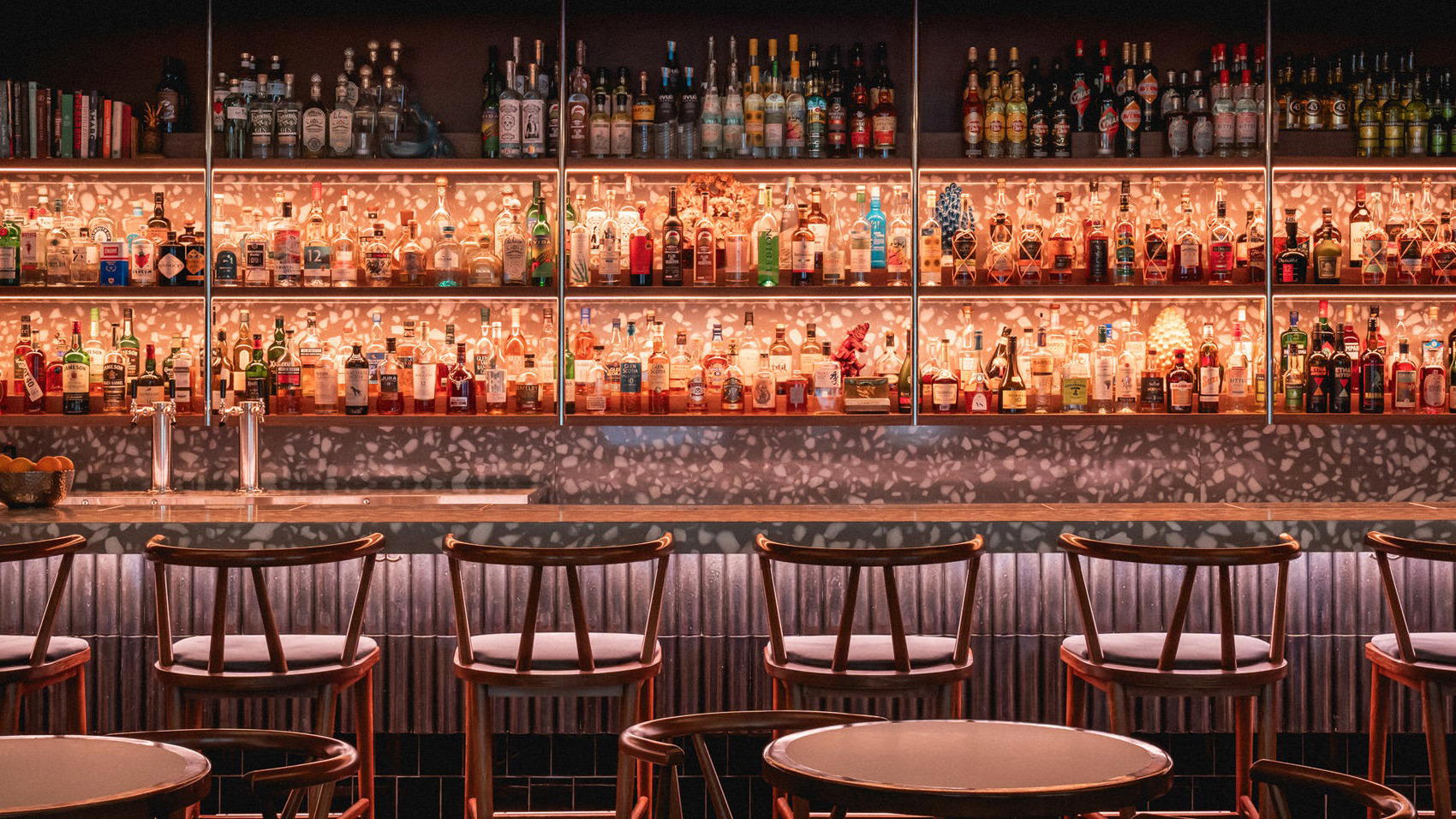
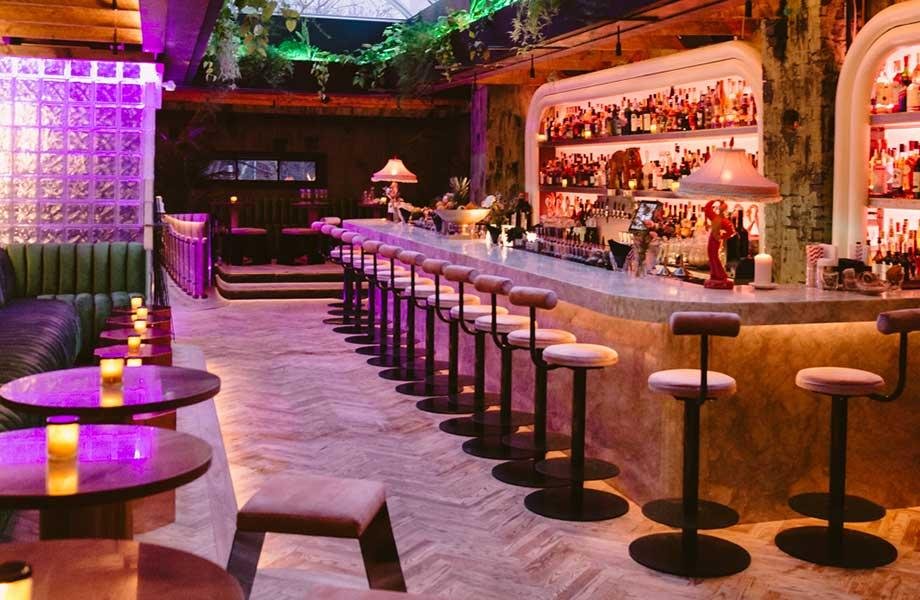
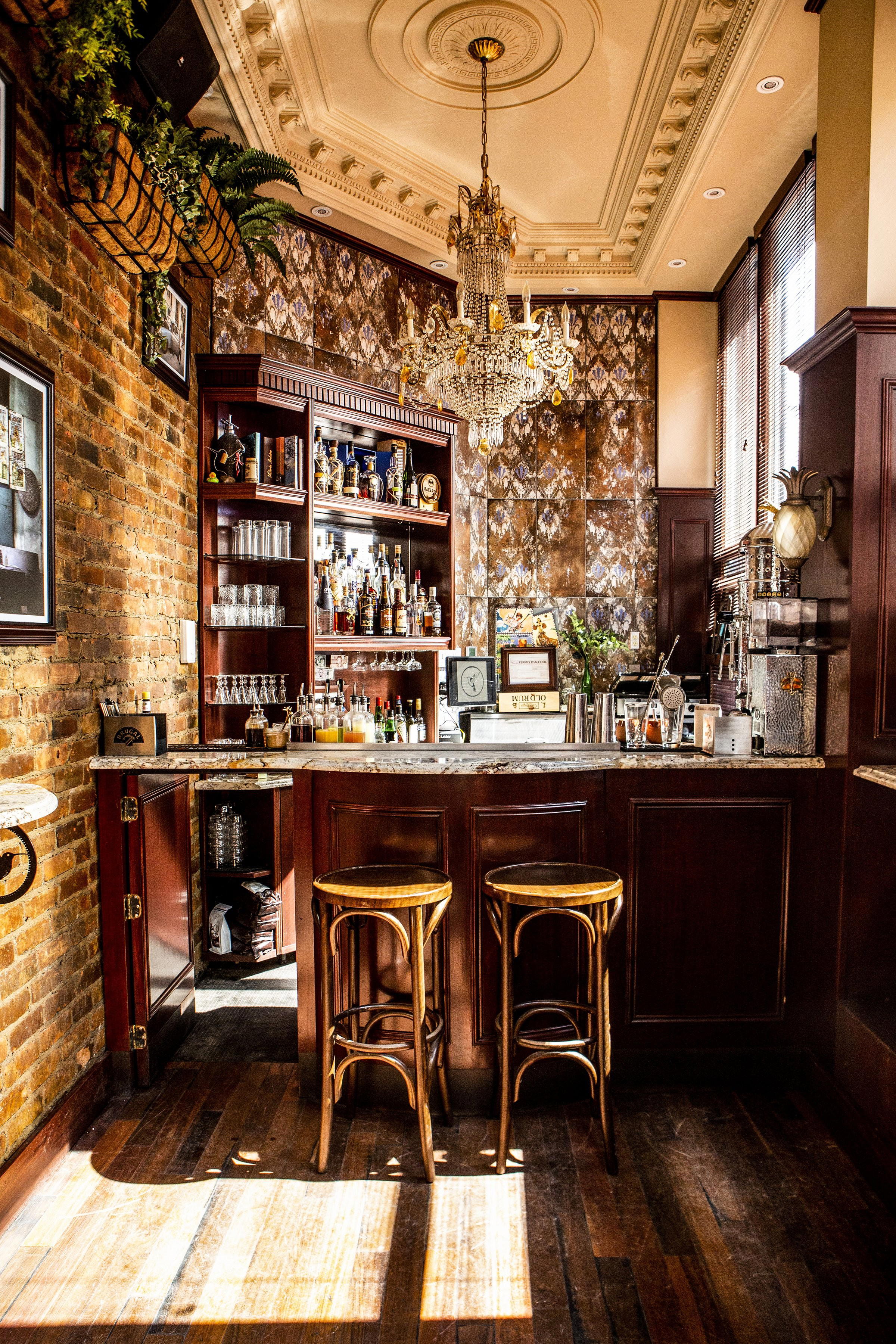
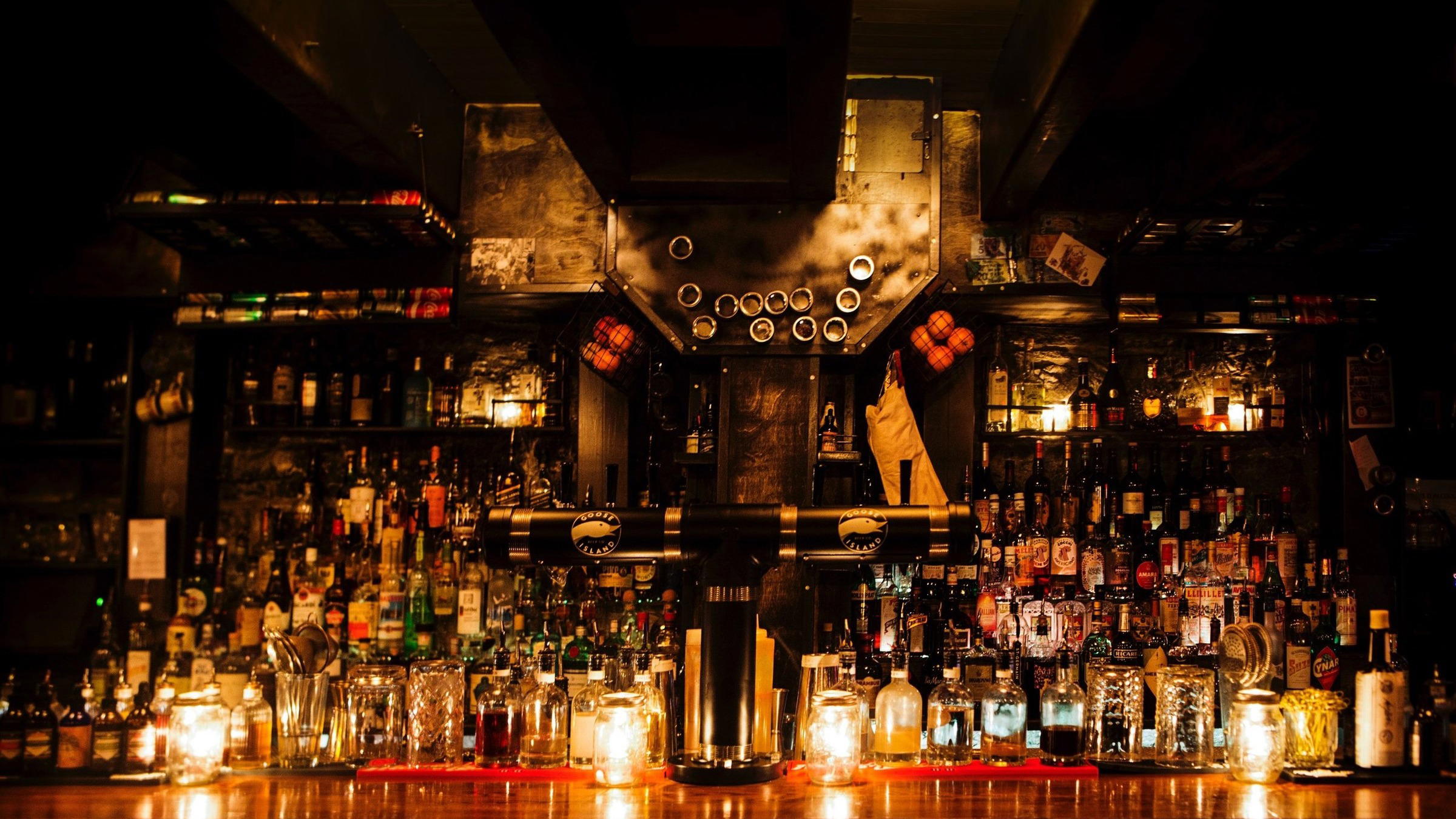
Cozy, lively, and trendy atmosphere with great lighting that becomes lively as the evening unfolds, full of young people and good energy.