
Our verdict
Ranked #393 in the Opinionated About Dining Top Restaurants in Asia list for 2024 and climbing to #427 in 2025, Sushi Ima holds a consistent position among Hong Kong's serious omakase counters. Located on Des Voeux Road Central, it runs both lunch and dinner sessions daily, making it one of the more accessible sushi addresses in a city where counter reservations are often weeks out.

Pearl is the En Primeur Club membership app, where members save venues, book tables and use the concierge.
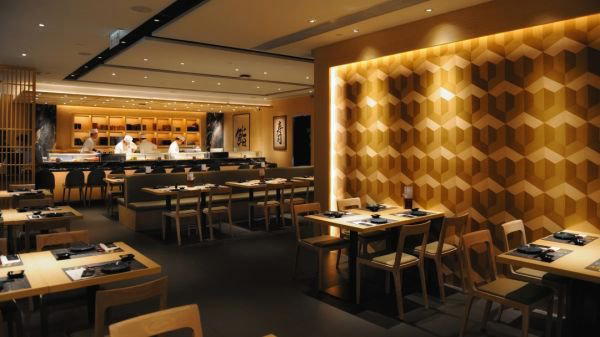
A Counter on Des Voeux Road
Central's ground-floor restaurant strip along Des Voeux Road operates at a different register from the building lobbies and tower-level dining rooms that define much of Hong Kong's premium food scene. At street level, proximity to the MTR and the lunch crowd of the financial district shapes how restaurants position themselves: accessible by foot, direct in format, and expected to perform twice a day across distinct audiences. Sushi Ima, at Shop G2 on Des Voeux Road Central, occupies that position. It is a sushi counter that runs both lunch and dinner service daily, seven days a week, without the closed-on-Mondays rhythm common among its Japanese peers. That consistency, in a city where high-end Japanese restaurants often guard their capacity carefully, says something about how Ima fits into the broader Hong Kong omakase scene.
Where It Sits in the Ranking
Hong Kong's omakase tier has stratified considerably over the past decade. At the leading, counters like Sushi Shikon and Sushi Saito operate with Michelin recognition and the kind of booking lead times that function as a prestige signal in themselves. Below that, a mid-tier of technically serious, critic-acknowledged counters competes on quality and access rather than exclusivity alone. Sushi Ima belongs to this second group. Opinionated About Dining, which runs one of the more data-driven critic aggregation lists in Asia, placed Ima at #393 in its 2024 Leading Restaurants in Asia ranking, after recommending it in 2023. The 2025 edition lists it at #427. The slight shift in numerical position reflects normal list fluctuation across hundreds of covered venues rather than a directional signal about the restaurant's standing; OAD listed it across three consecutive years, which carries more weight than any single rank number. Comparable counters in the Hong Kong sushi tier include Sushi Wadatsumi, Sushi Fujimoto, and Sushi Gin, each occupying a distinct price and format niche within the same critical conversation.
For context, the OAD Asia list aggregates reviews from several hundred professional critics across the region. Appearance at the #393–427 range on that list, across three years, signals a counter that the professional critic community has visited and returned to, not a newcomer riding a single strong season.
Lunch vs. Dinner: The Divide That Matters
At sushi counters operating serious omakase programs, the lunch and dinner sessions rarely deliver the same experience. This is as true in Hong Kong as it is in Tokyo. The economics of midday service demand a leaner format: shorter seatings, a compressed number of pieces, and a price point that can attract the expense-account business lunch without the full ceremony of an evening booking. Evening sessions, by contrast, tend toward longer omakase sequences, more deliberate pacing, and a higher proportion of guests who have specifically chosen the restaurant for the occasion rather than the convenience.
Sushi Ima runs lunch from noon to 3 pm and dinner from 6 to 11 pm daily. The five-hour dinner window is notably long for an omakase counter, where service is typically timed around fixed seatings. That length suggests either multiple dinner seatings or an a-la-carte or partial-omakase option that accommodates walk-in or late-arriving guests. For a counter ranked consistently in the OAD Top 500 in Asia, the lunch session represents a point of access worth considering: it is often easier to secure a midday seat at technically serious counters than a prime evening slot, and in Hong Kong's Central district, the proximity to the financial district makes a lunchtime omakase a plausible weekday format rather than a special occasion reserved for evenings.
If evening pacing and ceremony matter to you, the dinner session is the cleaner choice. If access and value relative to the kitchen's capabilities are the priority, lunch at a counter of Ima's standing is the more pragmatic approach, a pattern that holds across the category from Tokyo's Ginza counters to Singapore's omakase scene, where venues like Shoukouwa and Hamamoto operate similar dual-session models.
The Edomae Tradition in Hong Kong
Hong Kong's appetite for Japanese omakase has produced one of the densest concentrations of serious sushi outside Japan. The city imports fish through Tsukiji and Toyosu networks, and its Japanese restaurant community has historically had access to ingredients that rival what counters in Tokyo work with. The question for any Hong Kong counter is less about ingredient sourcing and more about technical lineage and format discipline. In Tokyo, the Edomae tradition runs through houses like Sushi Kanesaka, Harutaka, and Edomae Sushi Hanabusa, with techniques around aging, marinating, and rice temperature that define the form. Counters like Sukiyabashi Jiro Roppongiten and Sushi Harasho in Osaka represent regional variants on the same discipline. When Hong Kong counters earn consistent OAD recognition, it is typically because they are operating with comparable format discipline, not simply sourcing well. That is the context in which Sushi Ima's three-year OAD presence should be read.
Planning Your Visit
Sushi Ima is on Des Voeux Road Central, a short walk from the Central MTR station and directly accessible from the Sheung Wan corridor. The address is Shop G2, G/F, 4-4A Des Voeux Road Central. The restaurant is open seven days a week, which removes the Monday-closure friction common at many Japanese restaurants in Hong Kong.
Logistics at a Glance
| Detail | Sushi Ima | Typical mid-tier HK omakase | Top-tier HK omakase (e.g. Shikon) |
|---|---|---|---|
| OAD Asia Ranking | #427 (2025), #393 (2024) | Recommended or unranked | Top 100–200 |
| Lunch service | Daily, 12–3 pm | Often weekdays only | Limited or none |
| Dinner service | Daily, 6–11 pm | Daily or 5 days | Daily, fixed seatings |
| Days open | 7 days | 5–6 days | 5–6 days |
| Location | Des Voeux Rd, Central (ground floor) | Varies | Often tower-level or hotel |
For broader dining, hotel, and experience planning in the city, see our full Hong Kong restaurants guide, our full Hong Kong hotels guide, our full Hong Kong bars guide, our full Hong Kong wineries guide, and our full Hong Kong experiences guide.
What to Order at Sushi Ima
What the format context suggests: at a counter ranked consistently in the OAD Top 500 in Asia, the omakase sequence is the primary format, and ordering outside it typically signals a different and less representative experience. At lunch, the omakase is likely compressed relative to the evening, fewer pieces, faster pacing, potentially a narrower selection of aged or marinated preparations. At dinner, the full sequence is the relevant choice. Within omakase sushi at this tier, the kitchen's handling of rice temperature, the balance between vinegar and salt in the shari, and the integration of aged versus fresh neta across the sequence are where technical distinction is visible. These are the elements that OAD critics weight when scoring, and they are better assessed across a full evening sitting than a reduced lunch set. If your priority is understanding what the kitchen is capable of, book the dinner omakase and allow the sequence to run at the kitchen's pace rather than requesting modifications.
Comparable Spots, Quickly
A quick peer check to anchor this venue’s price and recognition.
| Venue | Cuisine | Price | Awards | Notes |
|---|---|---|---|---|
| Sushi ImaThis venue (the venue you are viewing) | Edomae Omakase | $200–300 | Not listed | Not listed |
| 8 1/2 Otto e Mezzo Bombana (Hong Kong) | 3 Michelin-Star Italian Fine Dining | $200–300 | 3 Michelin Stars · World's 50 Best #94 | Italian |
| Ta Vie | Modern French-Japanese Fine Dining | $300–500 | 3 Michelin Stars · World's 50 Best #68 | Japanese - French, Innovative |
| Caprice | Contemporary French Fine Dining | $200–300 | 3 Michelin Stars · World's 50 Best #35 | French, French Contemporary |
| Feuille | Modern Vegetable-Forward French | $200–300 | 1 Michelin Star · World's 50 Best #93 | French Contemporary |
| Neighborhood | Modern French with Asian Influences | $50–100 | 1 Michelin Star · World's 50 Best #24 | International, European Contemporary |
Recognition history
Dated appearances from independent guides and award organizations, with the underlying list record or original source where available.
Opinionated About Dining Top Restaurants in Asia Recommended
Opinionated About Dining
Full recognition history (4 entries)
Opinionated About Dining Top Restaurants in Asia Ranked #427
Opinionated About Dining
Opinionated About Dining Top Restaurants in Asia Ranked #393
Opinionated About Dining
Opinionated About Dining Top Restaurants in Asia Recommended
Opinionated About Dining
Continue exploring
More in Hong Kong
More from Chef Various
Browse all →
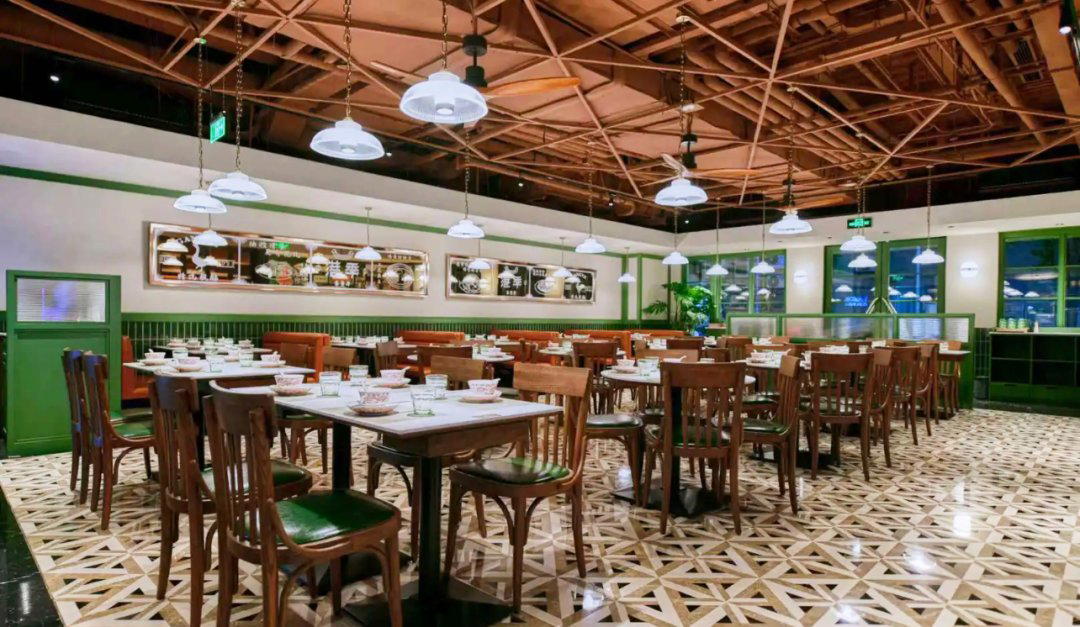
Restaurants in Hong Kong
All restaurants in Hong Kong →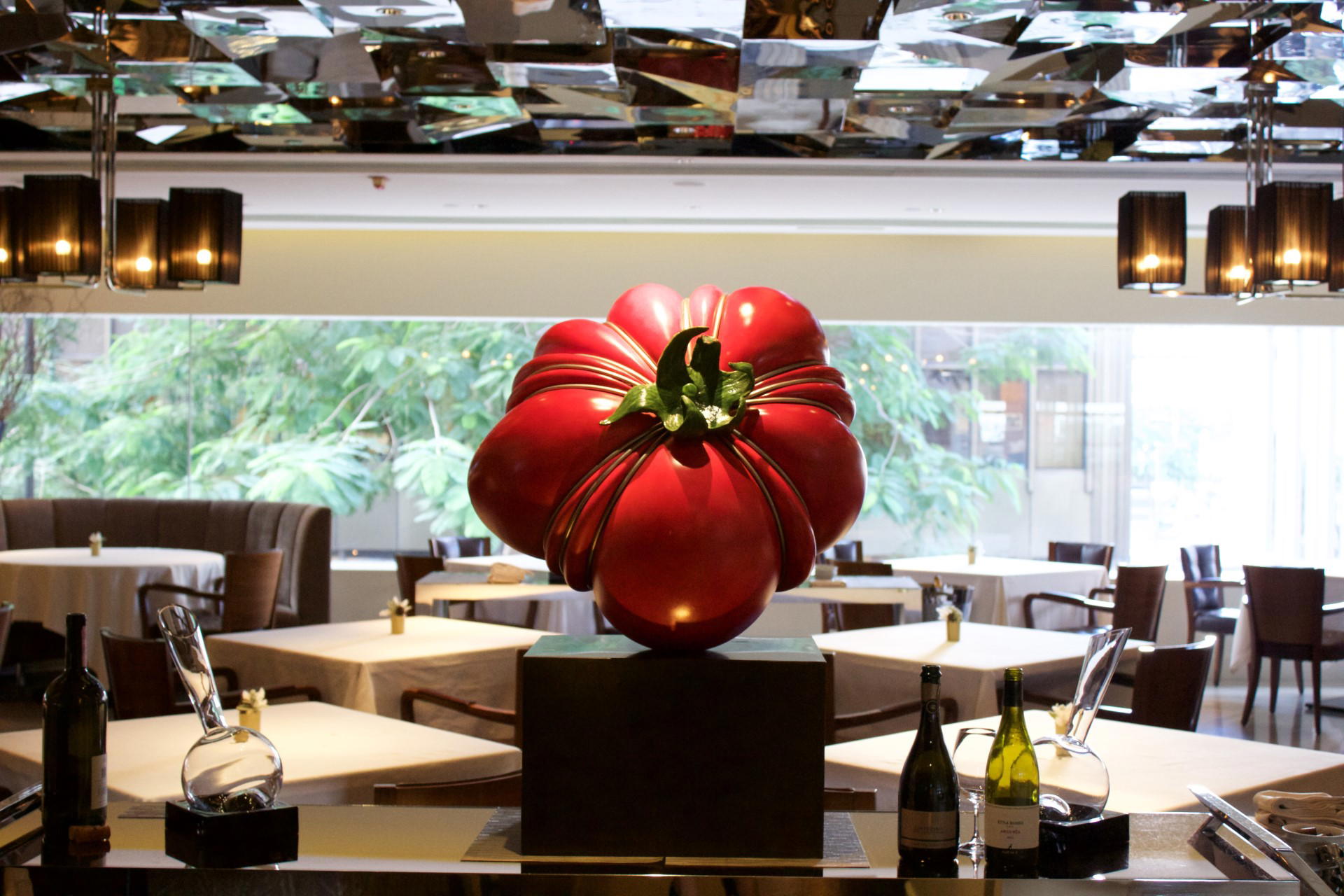
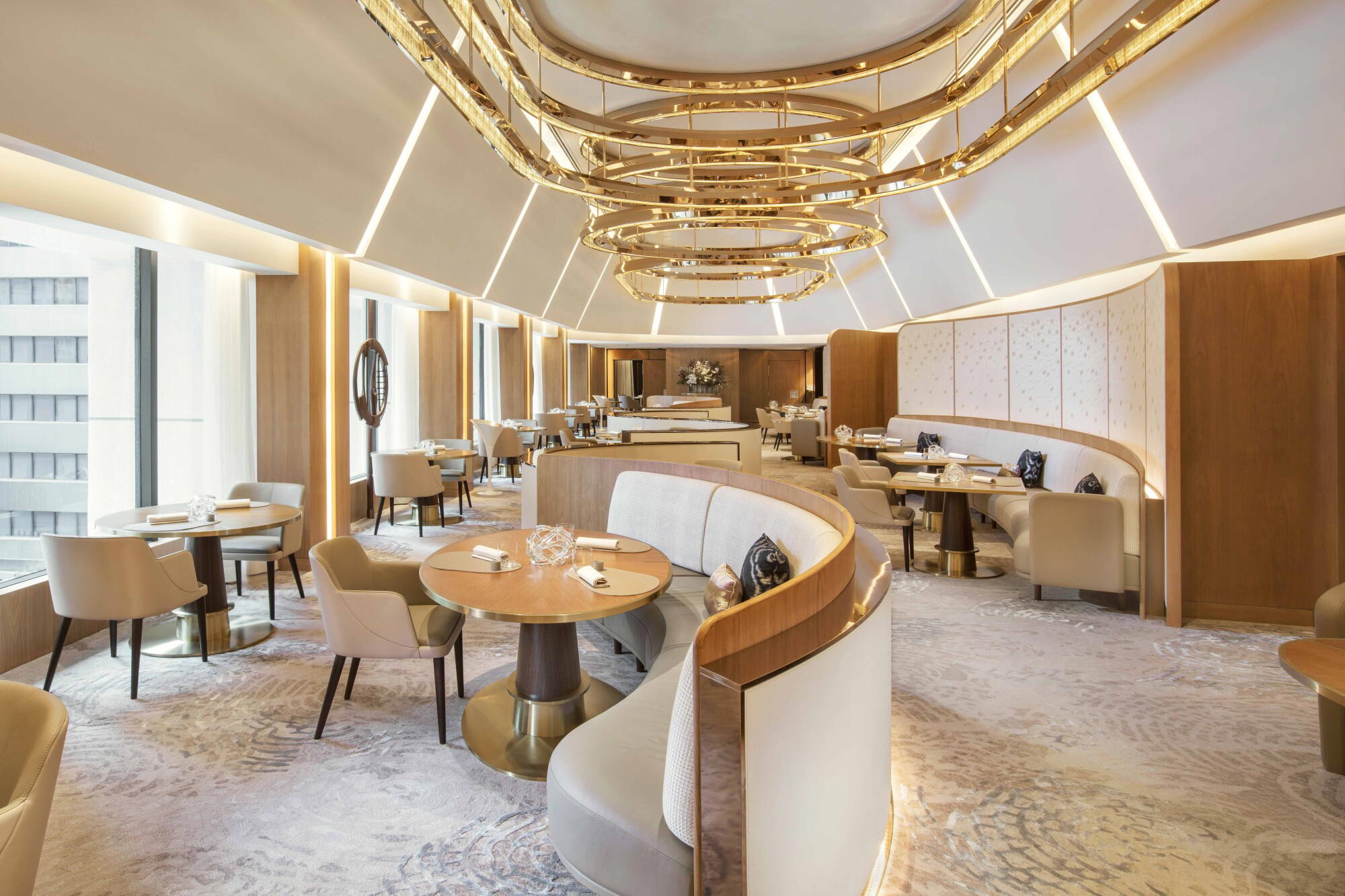
Bars in Hong Kong
All bars in Hong Kong →
Hotels in Hong Kong
All hotels in Hong Kong →
Wineries in Hong Kong
All wineries in Hong Kong →
Details
- Intimate
- Elegant
- Cozy
- Date Night
- Special Occasion
- Chefs Counter
- Sake Program
- Omakase
- Counter Dining
- Vegetarian Friendly
Current opening hours
- Monday
- 12–3 PM, 6–11 PM
- Tuesday
- 12–3 PM, 6–11 PM
- Wednesday
- 12–3 PM, 6–11 PM
- Thursday
- 12–3 PM, 6–11 PM
- Friday
- 12–3 PM, 6–11 PM
- Saturday
- 12–3 PM, 6–11 PM
- Sunday
- 12–3 PM, 6–11 PM
Hours can change for holidays and private events. Hours as of .
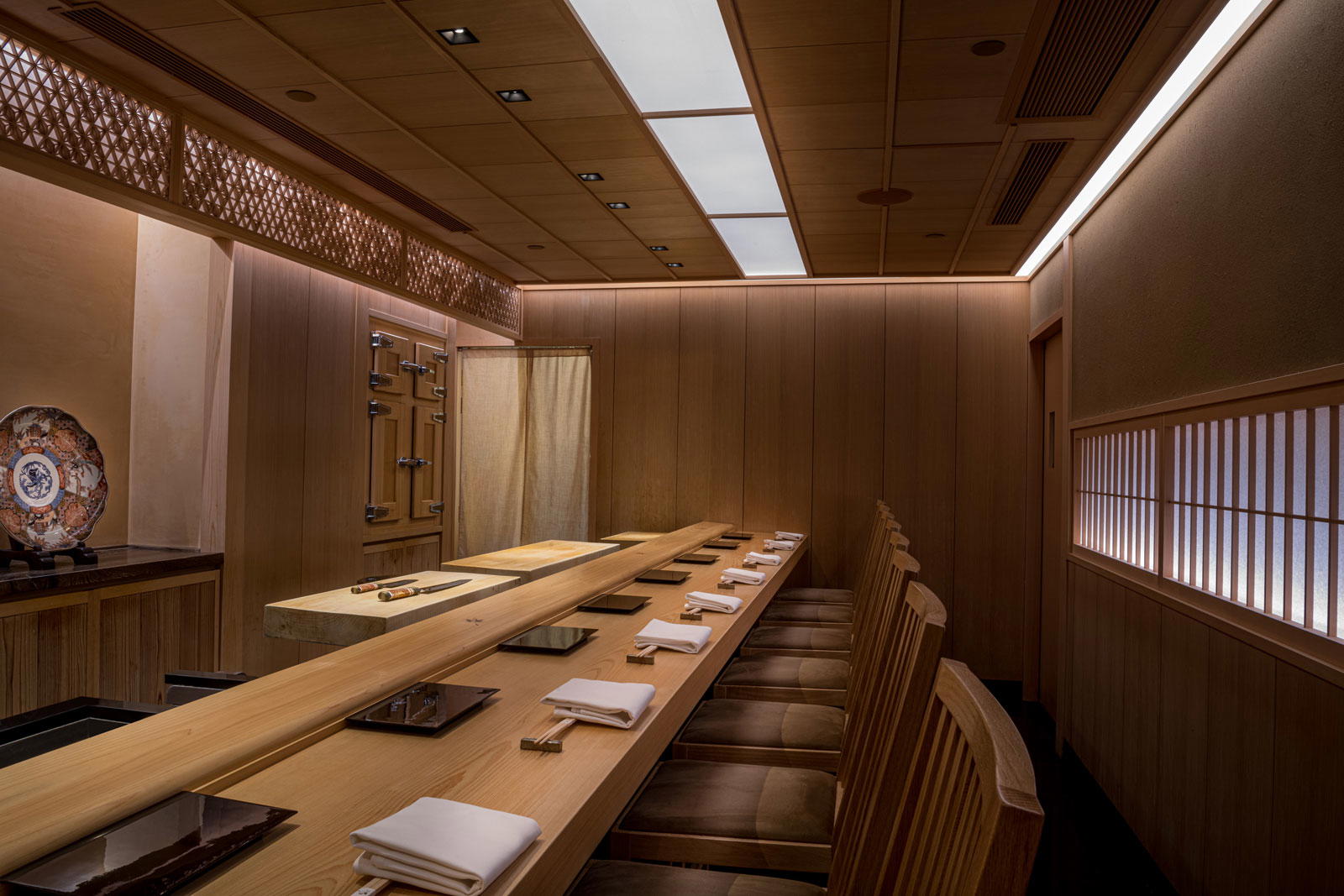
Warm, inviting, and welcoming with a comfortable atmosphere ideal for intimate dinners and conversations.