
Kazumi brings teppanyaki to central Angers with a format rarely found in the Loire Valley: live iron-plate cooking at close range, where preparation and presentation follow the deliberate pacing of Japanese dining ritual. Consecutive Michelin Plate recognition in 2024 and 2025 places it among the city's most consistently regarded international tables, sitting at the €€€ tier alongside Sens and well above the city's affordable bistro circuit.
Pearl is the En Primeur Club membership app — saves, bookings, and concierge access live there. Same editors, same standards.
- Address
- 3 Rue d'Anjou, 49100 Angers, France
- Phone
- +33 2 53 57 21 42
- Website
- restaurant-kazumi.com
- Directions
- Get directions
 Saves & bookings on Pearl
Iron and Silence: Teppanyaki in the Loire
There are cities where a Japanese teppanyaki counter feels completely at home, and cities where it arrives as a studied interruption to the local culinary order. Angers belongs firmly in the second category. The Loire Valley's dining culture runs deep on local produce, Anjou wines, and the kind of regional French cooking represented by addresses like Bouillon Baron and Chez Rémi. Against that backdrop, Kazumi at 3 Rue d'Anjou is doing something structurally different: transplanting a Japanese cooking format defined by proximity, silence, and deliberate heat into a city better known for its charcuterie and Cabernet Franc.
Teppanyaki's appeal has always been rooted in the ritual of watching. The iron plate is not a backdrop; it is the stage. Diners sit close enough to hear the proteins make contact with the steel, to see the shift from raw to seared in real time, to experience temperature as something almost ambient. That format discipline, the pacing, the geometry of service, the cook as performer without theatrics, is what separates teppanyaki at its most considered from the showmanship versions that became popular in Western markets during the 1980s. At its core, the style belongs to a broader Japanese tradition of cooking that communicates restraint through precision.
Recognition in Context
Kazumi has received Michelin Plate recognition in both 2024 and 2025, a signal worth reading carefully. The Michelin Plate is the Guide's marker for good cooking, it confirms technical competence and consistency at a level the inspectors found worth noting, without the additional weight of a star. In a mid-sized French city where the Michelin presence is selective, consecutive Plate recognition carries more signal than it might in Paris or Lyon. It places Kazumi in a tier above the city's casual dining circuit and positions it as one of the addresses in Angers where the kitchen is operating with the consistency that formal recognition demands.
Within Angers's current dining spread, the €€€ price point aligns Kazumi with Sens and with Lait Thym Sel, the creative table that sits at €€€€ and holds a Michelin Star, currently the city's highest-recognised address. Kazumi sits a tier below that in formal award weight, but a tier above the accessible French addresses like Autour d'un Cep and Gribiche. That positioning is accurate: this is a considered, mid-to-upper spend dining decision, not a casual dinner option.8 across 372 reviews reinforces that the kitchen is delivering consistently, not just on occasion.
The Ritual of Teppanyaki
Japanese dining formats have a habit of making time feel structured. Kaiseki sequences courses around seasonal logic; omakase hands pacing entirely to the chef; teppanyaki makes the act of cooking itself the temporal framework. The interval between each preparation, the moment the plate is cleared before the next ingredient arrives at the iron, is not empty time. It is the breath the format requires. In contexts where that rhythm is respected rather than compressed, teppanyaki becomes a genuinely immersive format rather than just an unusual cooking method.
For Angers diners accustomed to the more conversational, bistro-paced service typical of the Loire, that tempo may feel unfamiliar. Meals here do not follow the French tradition of long pauses between courses built around wine and conversation at a separate rate from the food. The teppanyaki format tends to centre attention on the cooking itself, and the leading versions of the format elsewhere, from Ishigaki Yoshida in Tokyo to Hibana by Koki in Hanoi, treat that attentiveness as part of the offer, not a constraint. Whether Kazumi holds to the full discipline of that tradition or adapts it to local expectations is a question the 4.8 rating alone cannot answer, but the consecutive Michelin recognition suggests the kitchen is working within a format it understands.
Angers and Its International Tables
France's regional dining scene has developed a small but consistent strand of Japanese-influenced and Japanese-format restaurants in cities away from the capital. The Loire Valley's accessibility from Paris, under two hours by TGV, has gradually attracted a more internationally curious local dining population, and that shift is visible in what survives at the €€€ tier in cities like Angers. A teppanyaki address maintaining Michelin attention over consecutive years is not an accident of timing; it reflects a stable enough audience to sustain a specialist format in a market that could easily revert entirely to regional French cooking.
For comparison, France's most celebrated addresses, Mirazur in Menton, Troisgros in Ouches, Auberge de l'Ill in Illhaeusern, Bras in Laguiole, and Alléno Paris au Pavillon Ledoyen, operate at a different scale of recognition entirely. Kazumi does not belong in that conversation by award weight. What it represents in the Angers context is more specific: an international format maintaining formal quality recognition in a city that has no particular obligation to support one.
Planning Your Visit
Kazumi sits on Rue d'Anjou in central Angers, within walking distance of the city's main transport connections. At the €€€ tier with consecutive Michelin recognition and a 4.8 score from a substantial review base, this is a table where advance booking is the sensible approach rather than an optional precaution, the format and the recognition together tend to keep specialist restaurants of this type well-occupied, particularly on weekends.
Recognition, Side-by-Side
Comparable venues nearby, for context on price, style, and recognition.
| Venue | Cuisine | Price | Awards | Notes |
|---|---|---|---|---|
| KazumiThis venue — the venue you are viewing | Modern Japanese Teppanyaki with French Seasonal Produce | $$$$ | Michelin Plate | Not listed |
| Le Sourire | Franco-Japanese Fine Dining | $$$ | Michelin Plate | La Doutre |
| L'Ardoise | French Bistro with Mediterranean Influences | $$$ | Bib Gourmand | La Doutre |
| Les Petits Prés | Modern French Fusion | $$$ | Not listed | Ralliement |
| La Table de Clément Paillard | Modern French Gastronomic | $$$ | Michelin Plate | Cathédrale Saint-Maurice |
| Chez Rémi | French Bistronomie | $$ | Michelin Plate | Rue de Frémur |
Recognition history
Dated appearances from independent guides and award organizations, with the underlying list record or original source where available.
Michelin Plate
Michelin
Michelin Plate
Michelin
At a Glance
- Intimate
- Elegant
- Sophisticated
- Date Night
- Special Occasion
- Celebration
- Chefs Counter
- Open Kitchen
- Extensive Wine List
- Beer Program
- Local Sourcing
Current opening hours
- Monday
- 8–11 PM
- Tuesday
- 8–11 PM
- Wednesday
- 8–11 PM
- Thursday
- 8–11 PM
- Friday
- 8–11 PM
- Saturday
- 8–11 PM
- Sunday
- Closed
Hours can change for holidays and private events. Last verified .
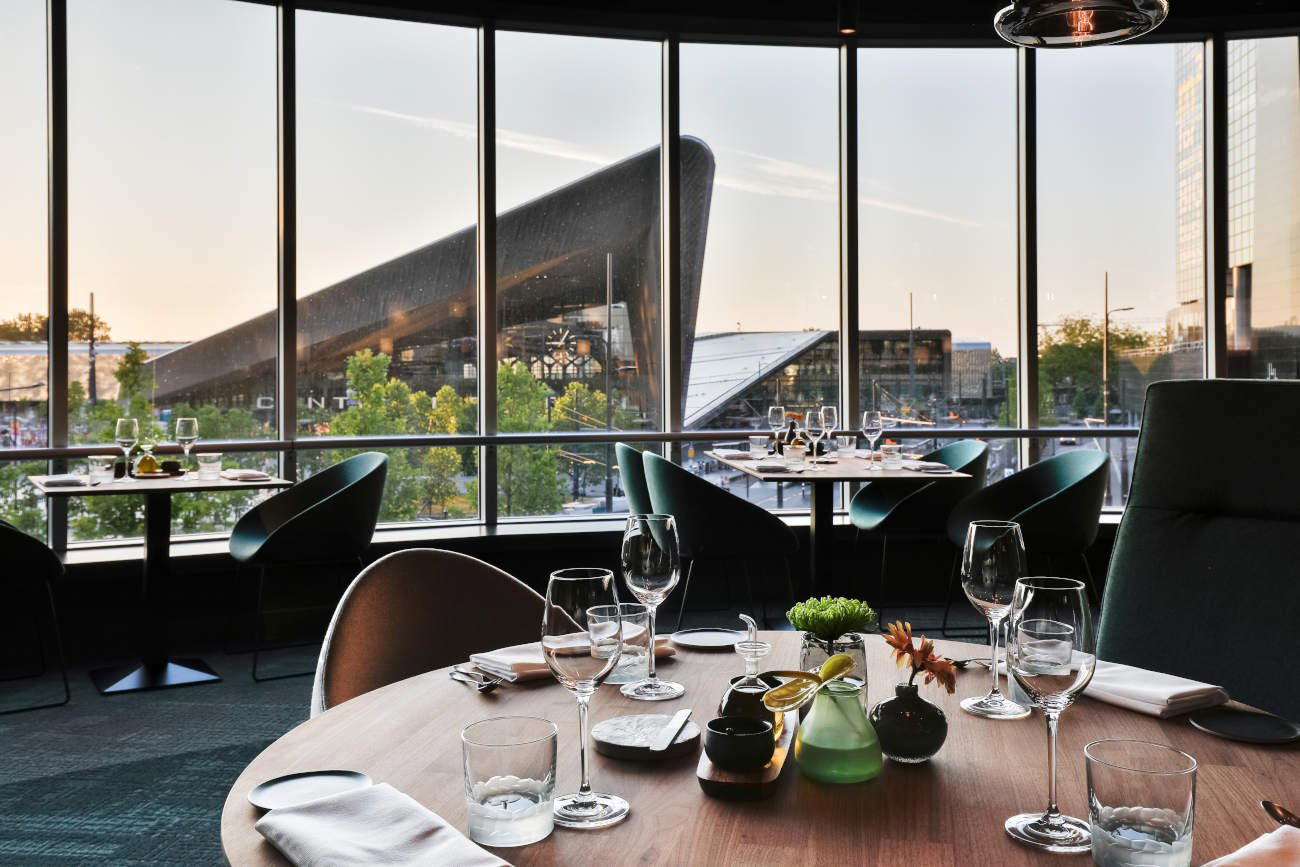
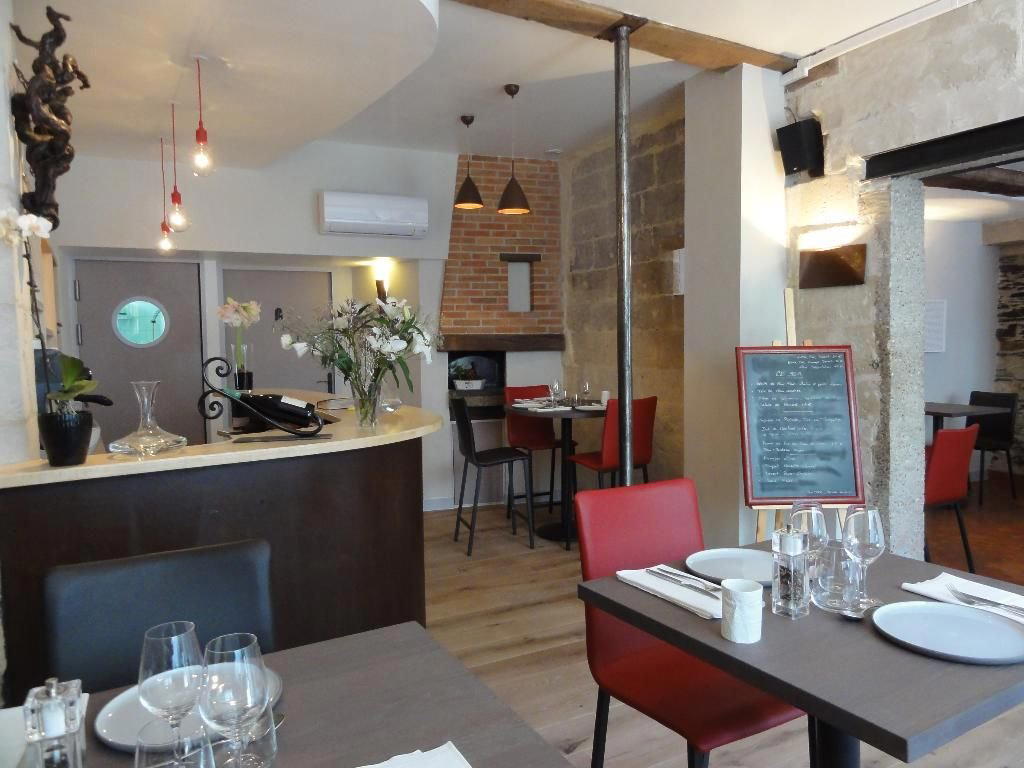
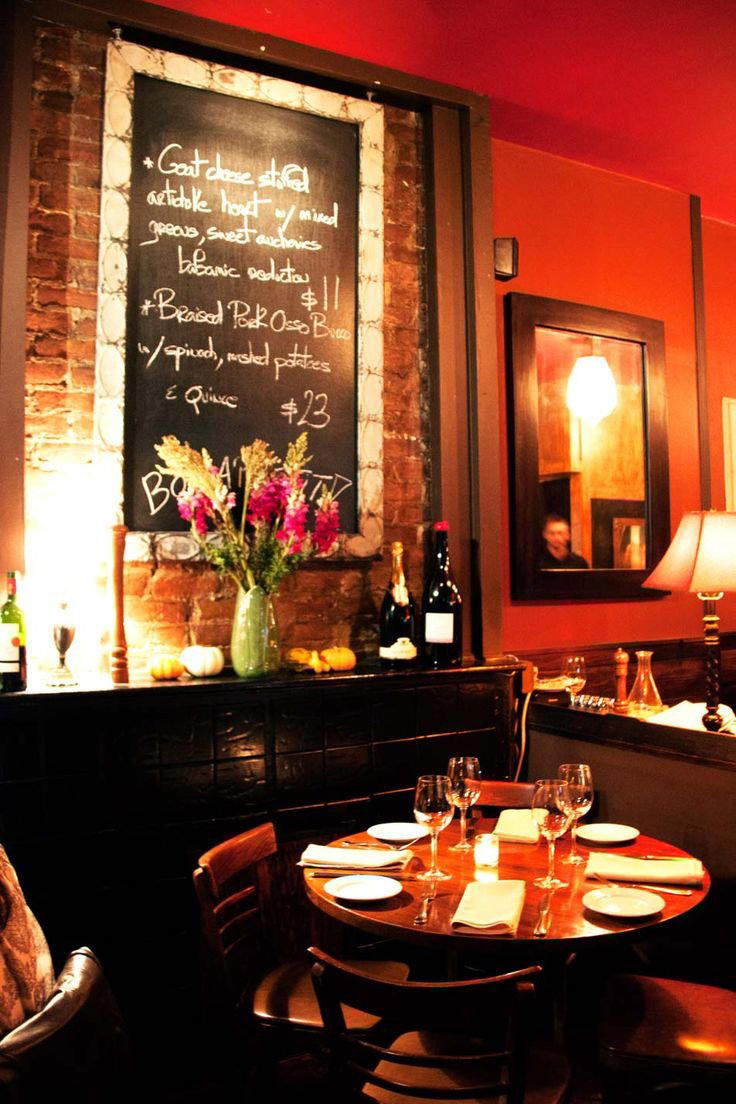
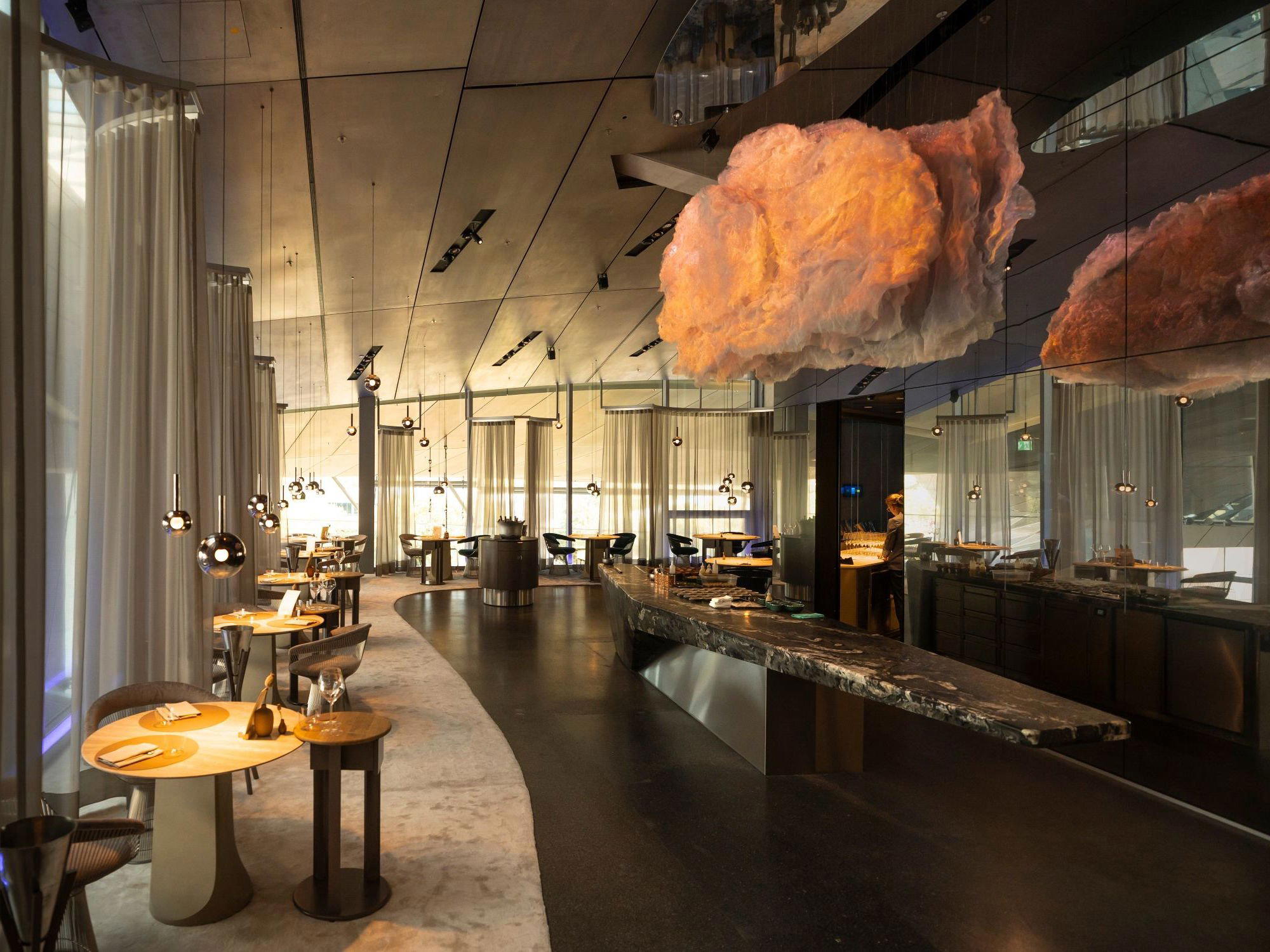
Soft, focused lighting on the open kitchen workspace creates a warm, inviting atmosphere with clean lines and natural materials; intimate counter setting encourages conversation with the chef while maintaining low acoustic levels and a private feel despite central city location.