Tabelog 100 #13
Our verdict
Tempura Kurokawa puts Tsukiji’s fish-market inheritance into a compact tempura and ten-don format, with counter seating, table seating, and a fish-led kitchen profile. Its selection for Tabelog 100 Tempura in 2025 places it in a serious Tokyo category where frying technique, ingredient handling, and room tempo carry more weight than ceremony.

Pearl is the En Primeur Club membership app, where members save venues, book tables and use the concierge.
The menu
What to order
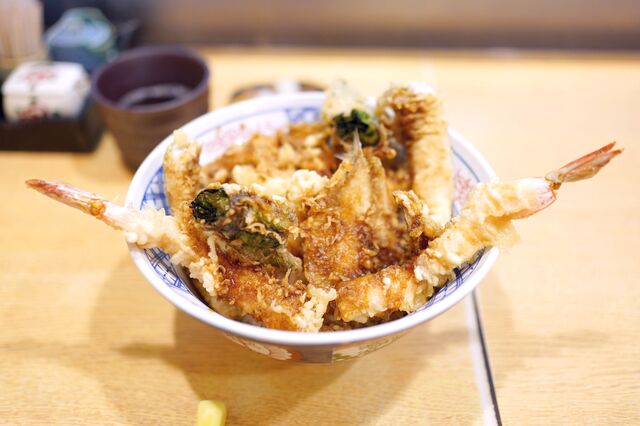
- Kakiage Tendon (seafood tempura rice bowl)
- Tempura tendon sets
- Tempura matcha ice cream
Tokyo changes character block by block: market traffic, low-slung eating houses, polished counters, and small rooms where the sound of frying oil can set the pace of lunch. In that setting, tempura has a particular logic. It is not only a luxury counter cuisine in Tokyo; it is also a working-neighbourhood meal, a ten-don, a quick stop before the next errand, and a test of how well a kitchen can handle ingredients without burying them under batter.
That is the useful frame for Tempura Kurokawa. The listed category is tempura and ten-don, and the restaurant is best read as a specialist rather than a catch-all dining room. Tokyo has grand tempura counters where the meal is structured almost like ceremony, but the city also rewards a different kind of precision: speed, restraint, and a clear sense of format. A focused specialist has to read both as a restaurant with a narrow purpose and as part of Tokyo’s broader everyday dining culture.
Tokyo tempura is judged by timing, not theatre
Tempura looks simple from the outside, which is why it exposes weak kitchens so quickly. The craft depends on batter temperature, oil management, ingredient moisture, sequence, and handoff. In Tokyo’s more formal tempura rooms, the chef’s counter often becomes the whole stage. Elsewhere in the city, the same grammar has a more practical edge, because rice bowls and quick midday meals remain part of the local dining muscle memory.
The recognition that matters here is category-specific: selection for Tabelog 100 Tempura in 2025. That is not a general popularity badge; it places the restaurant inside a narrow Japanese classification where diners compare specialists against other specialists. The Tabelog score listed at 3.67 reinforces the point in a market where high scores are difficult to accumulate, especially in traditional genres with strong local expectations.
The comparison set around Tokyo also clarifies the positioning. Takeno and Chosei An sit within the wider city conversation, while Trattoria Tsukiji Paradiso reaches diners from a different angle rather than a tempura one. Rokkan, listed simply as Japanese, and Fugu Club miyawaki Bettei, focused on pufferfish, show how tightly Tokyo segments by ingredient and format. Tempura Kurokawa belongs to the tempura lane, with frying as the point of judgment rather than raw service, hotpot, or broader casual range.
The focused format makes service part of the cooking
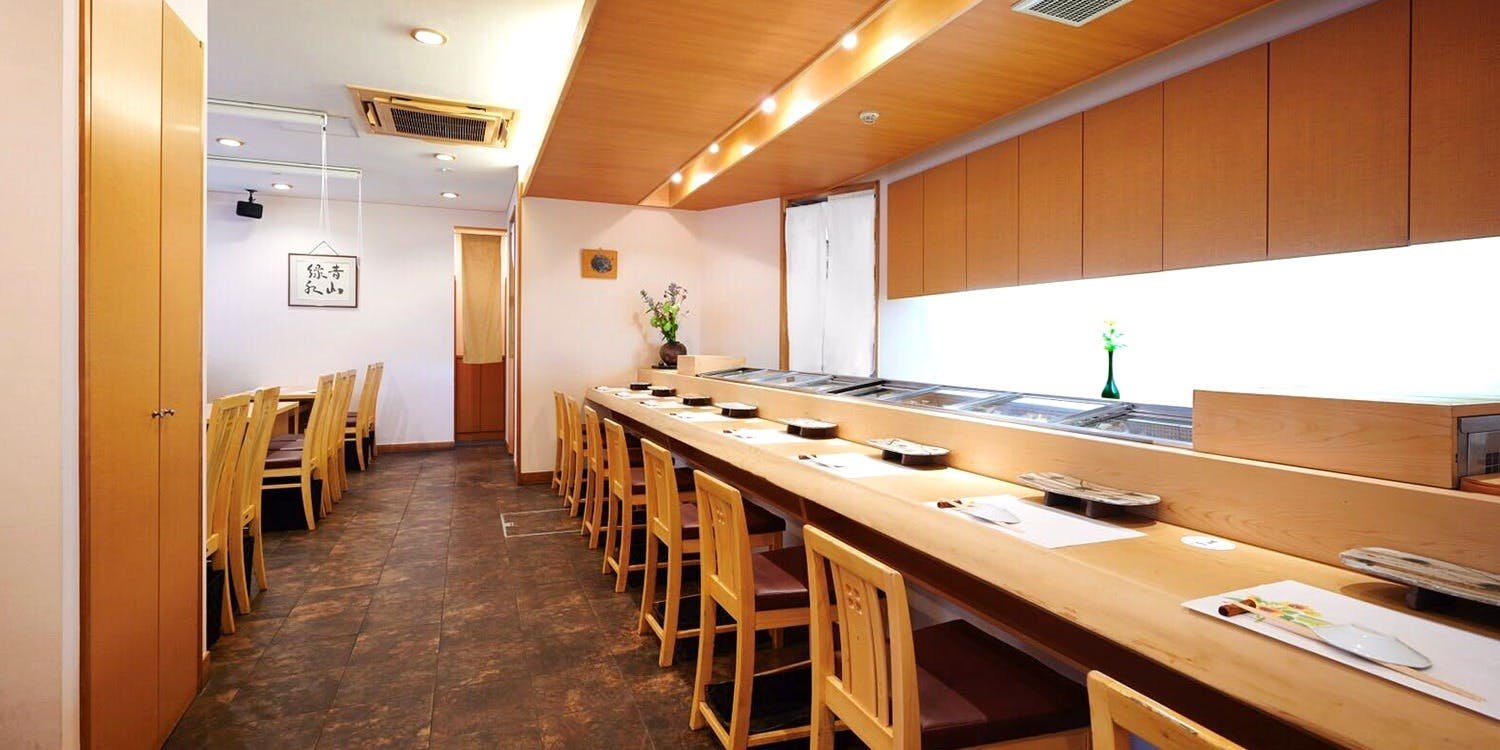
A focused restaurant format changes the work. Kitchen timing, table turns, and front-of-house pacing cannot be separated when the meal depends on food leaving the fryer at the moment it should be eaten. During lunch, the experience can feel practical rather than hushed and ceremonial, which aligns with Tokyo’s everyday specialist model as much as with its luxury counter model. The room’s exact scale may vary by visit and layout, but the team dynamic is not decorative; it is operational.
The practical question for tempura is always pace. Food needs to arrive while texture is still alive, drinks need to support rather than slow the meal, and the room has to absorb different kinds of diners without losing tempo. The point is not a grand performance. It is that a focused tempura restaurant works when the fryer, service, and dining room understand the same rhythm.
Tokyo diners often divide tempura into two mental categories: the rarefied counter and the everyday bowl. Kurokawa can be read between those poles. The presence of ten-don keeps the format grounded, while category recognition places it beyond a casual neighbourhood stop. That middle ground can be revealing, because it has less room for ceremony to mask execution. Batter, oil, rice, ingredients, and service timing have to carry the argument.
How to read it against a wider Tokyo itinerary
For travellers building meals across the city, this is a Tokyo specialist choice rather than a generic checkbox. Pair it with a seafood-heavy day, a city walk, or a morning-to-midday route through Tokyo’s older food culture in general. It makes less sense as a substitute for a formal omakase tempura counter if the goal is extended ceremony. It makes more sense for readers who want to understand how Tokyo’s specialist genres function at a smaller, more practical scale.
The broader itinerary matters because Tokyo can flatten into a parade of famous formats if planned badly: sushi counter, ramen queue, hotel bar, repeat. A sharper route contrasts genres and neighbourhoods. For nearby and citywide restaurant planning, use Our full Tokyo restaurants guide, then set this against other Tokyo dining rooms across different formats and price points. The contrast is the lesson: Tokyo’s dining culture is strongest when specialists are read side by side, not ranked into a single hierarchy.
Visitors planning around the city rather than a single meal can extend that logic through our Tokyo hotels, bars, wineries, and experiences coverage. For a broader Japan and overseas comparison of casual-specialist formats, look at other compact restaurants and focused counters generically rather than treating one famous template as the rule. The useful comparison is not a list of names; it is the way smaller specialist places make a narrow format feel complete.
The editorial case is clear: choose this restaurant for Tokyo context, tempura and ten-don, and the discipline of a focused room where the kitchen and floor have little margin for drift. Tokyo has flashier meals and longer menus. The better question is whether a restaurant teaches something about its city and genre. Here, the answer is in the format: specialist, practical, and tied to the culture around it.
Frequently asked questions
Where is Tempura Kurokawa located?
Tokyo.
Is Tempura Kurokawa expensive?
Pricing at Tempura Kurokawa is listed as Dinner: JPY 8,000 - JPY 9,999; Lunch: JPY 2,000 - JPY 2,999.
Is Tempura Kurokawa reservation-only?
Reservation details are not provided in the supplied listing. Tempura Kurokawa is listed in Tokyo.
What is Tempura Kurokawa known for?
Tempura Kurokawa is known for tempura and ten-don in Tokyo, with Tabelog 100 Tempura recognition in 2025.
Awards and Standing
Side-by-side context: comparable cuisine and price.
| Venue | Cuisine | Price | Awards | Notes |
|---|---|---|---|---|
| Tempura KurokawaThis venue (the venue you are viewing) | Traditional Tempura & Tendon | $20–30 | Tabelog 100 #13 | Not listed |
| Tonkatsu Maruichi (とんかつ丸一) | Tonkatsu Specialist | $20–30 | Tabelog 100 #44 | Fukagawa |
| 六雁 | Modern Japanese Kaiseki with Vegetable Focus | $200–300 | 1 Michelin Star · We're Smart World Top 100 #39 | Chūō |
| Yakitori Miyagawa | Traditional Yakitori Izakaya | $30–50 | Tabelog 100 #47 | Chūō |
| Stone | Japanese Curry & Kissa | $10–20 | Tabelog 100 #29 | Taitō |
| Ochanomizu Ogawa Ken | Japanese Western / Yoshoku Cafe | $10–20 | Tabelog 100 #64 | Bunkyō |
Recognition history
Dated appearances from independent guides and award organizations, with the underlying list record or original source where available.
Tabelog 100 #13 · No. 13
Tabelog · Tabelog 100 - Tempura - 2025