On Liebigstraße in Frankfurt's Westend, Tempaccio Ristorante occupies a address associated with the city's more considered Italian dining. The room draws a neighbourhood crowd that returns for the kitchen's sourcing discipline rather than spectacle. It sits in a tier of Frankfurt Italian restaurants where ingredient provenance and regional Italian tradition carry more weight than menu length.
 Discover on Pearl
Pearl is the En Primeur Club membership app — saves, bookings, and concierge access live there. Same editors, same standards.
- Address
- Liebigstraße 47, 60323 Frankfurt am Main, Germany
- Phone
- +496920733079
- Website
- tempaccio.de
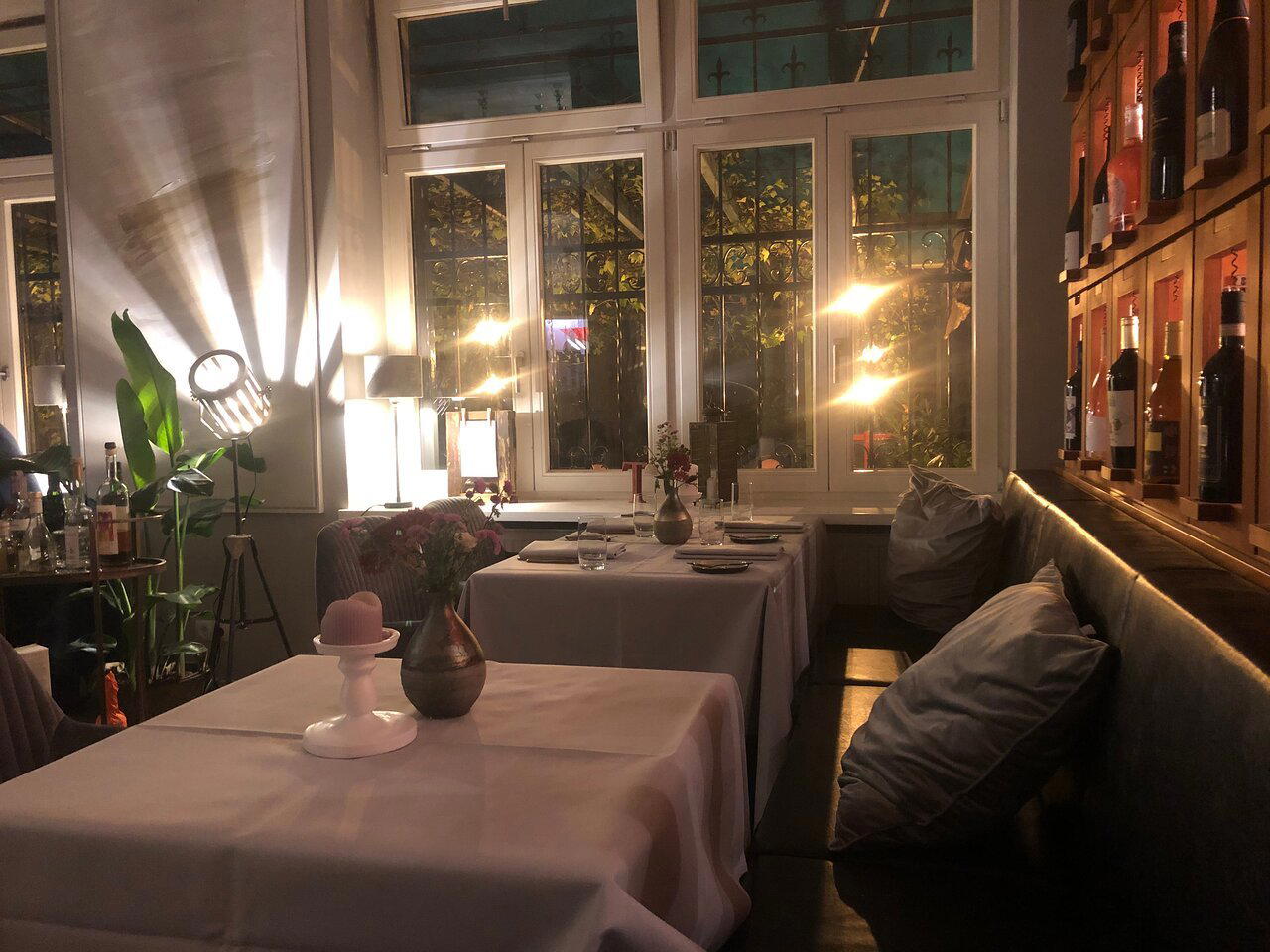
Liebigstraße runs through Frankfurt's Westend with a particular residential confidence, tree-lined, quietly affluent, the kind of street where restaurants survive on return visits rather than passing trade. Tempaccio Ristorante is a modern Northern Italian restaurant at Liebigstraße 47, 60323 Frankfurt am Main, Germany, with a Google rating of 4.6 from 294 reviews and an average spend of about $45 per person. Italian restaurants at this end of Frankfurt tend to compete on the quality of what comes through the kitchen door rather than on theatrics, and Tempaccio reads as part of that tradition.
What Italian Sourcing Actually Means at This Address
The conversation around Italian restaurant quality in German cities has shifted considerably over the past decade. The old framework, where 'authentic' was shorthand for a Nonna's recipe and a tricolore on the awning, has given way to something more demanding. Frankfurt's stronger Italian tables now answer those questions with specificity, and that shift is what separates a credible mid-market Italian from one running on sentiment and margin.
At Tempaccio's address and positioning in the Westend, the expectation from a regular Frankfurter would be precisely that level of sourcing seriousness. The neighbourhood has seen enough restaurant openings to calibrate its standards, and restaurants here that last do so by supplying something consistent and ingredient-driven. Italy's regional diversity makes this approach particularly legible: a kitchen that commits to, say, Puglian olive oil, San Marzano tomatoes with DOP status, and pasta made from high-protein semolina from a specific mill is making editorial decisions about place that show up directly in what arrives at the table.
That specificity is also what connects serious Italian dining in Frankfurt to broader currents in German fine dining. Properties like Aqua in Wolfsburg and Schwarzwaldstube in Baiersbronn have long argued that the difference between good and compelling food is almost entirely decided by procurement decisions made before service begins. The same logic applies at a neighbourhood Italian, perhaps more nakedly, because there is no technique-led elaboration to obscure an indifferent ingredient.
Frankfurt's Italian Dining Tier: Where Tempaccio Fits
Frankfurt's restaurant market has a reasonably clear Italian tier structure. At the accessible end, casual trattorias and pizza operations serve a broad audience; above that, a mid-level of places where pasta is made in-house and the wine list begins to show some Italian regional specificity; above that still, a small group of Italian-influenced fine dining addresses where kitchen ambition and price both climb sharply.
Tempaccio's Westend location places it in the middle and upper-middle of that structure by geography alone. The Westend draws an audience willing to spend for quality, and restaurants there that succeed tend to do so by meeting that expectation rather than by discounting. Comparators within Frankfurt's Italian dining scene include Ariston and ALEJANDRO'S, both of which serve audiences with considered expectations around food and service. Tempaccio operates in the same gravitational field.
For a broader view of where Frankfurt's restaurants sit against the full range of German dining, the gap between a neighbourhood Italian in the Westend and the Michelin-decorated rooms elsewhere in the country is instructive. Vendôme in Bergisch Gladbach, Victor's Fine Dining by Christian Bau in Perl, and Waldhotel Sonnora in Dreis represent one end of the German fine dining spectrum; Tempaccio represents a different register entirely, one where the editorial question is not technique but consistency of sourcing and the pleasure of a room that knows what it is.
The Westend Room: Reading the Environment
Italian restaurants in German financial capitals occupy a particular social function. They are where deals are discussed rather than announced, where client dinners happen when the agenda is relationship rather than presentation. The Westend has historically served that function for Frankfurt's banking and professional community, and a restaurant at this address inherits that context whether it chooses to or not.
What that means in practice: the room at Tempaccio will likely run at a volume that allows conversation without strain, with service pacing calibrated to a two-hour-plus table rather than a rapid turn. Other Frankfurt addresses serving broadly comparable audiences include Allgaiers Restaurant and Ambassel, each of which operates in the register of considered, non-theatrical dining. Tempaccio shares that social register if not necessarily that cuisine.
Elsewhere in Frankfurt, atm by Deli&Grape demonstrates how wine-led programming can reframe an Italian-adjacent offer, and that intersection of bottle quality and kitchen discipline is increasingly the signature move of Frankfurt's more ambitious independent restaurants.
Italian Dining in Context: What Frankfurt Does Well
German cities have historically imported Italian food culture through two channels: the mass-market pizzeria tradition that arrived with postwar labour migration, and a fine dining Italian strand that entered through hotel restaurants and starred kitchens. The interesting development of the past decade is the emergence of a credible middle, independent Italian restaurants that source with seriousness, make pasta from scratch, and build wine lists with actual Italian regional depth rather than Soave-Chianti-Barolo defaults.
Frankfurt's position as a financial hub means it has the purchasing power to support that middle tier in a way that many German cities cannot. It also means the audience has enough international exposure to notice the difference between a kitchen that treats sourcing as a marketing claim and one that actually reflects it in the food. Tempaccio operates in that scrutinised environment, which for a serious restaurant is not a liability but a clarifying pressure.
For readers who want to compare what Italian-influenced sourcing discipline looks like at the decorated end of the German dining spectrum, JAN in Munich and ES:SENZ in Grassau both show how ingredient provenance becomes a structural argument rather than a garnish when a kitchen commits to it fully. The contrast with a neighbourhood Italian is instructive precisely because it clarifies what each format is actually optimised to deliver. At the international level, Le Bernardin in New York City and Atomix in New York City represent how sourcing narratives operate at the summit of global fine dining, providing a useful reference point for understanding how sourcing discipline scales. Closer to home, Restaurant Haerlin in Hamburg and Schanz in Piesport round out the German picture across regions. CODA Dessert Dining in Berlin offers a different angle on how format-led thinking changes the dining proposition entirely.
Know Before You Go
- Address: Liebigstraße 47, 60323 Frankfurt am Main, Germany
- Neighbourhood: Westend, Frankfurt
- Phone: Contact details not currently listed, check directly with the venue
- Website: Not currently listed, search the venue name directly for current booking options
- Booking: Advance reservation advised for the Westend at weekends; weekday lunch may allow walk-in
- Price tier: Consistent with Westend mid-to-upper-mid Italian dining; its listed spend is about $45 per person
Where It Fits
Comparable venues nearby, for context on price, style, and recognition.
| Venue | Cuisine | Price | Awards | Notes |
|---|---|---|---|---|
| Tempaccio RistoranteThis venue — the venue you are viewing | Modern Northern Italian | $$$ | , | |
| Reuter's | Modern Italian Mediterranean | $$$ | , | Palmengarten |
| Settimo Cielo | Italian Seafood | $$$ | , | Palmengarten |
| La Scuderia | Authentic Italian | $$$ | , | Goethehaus |
| L'Unico | Authentic Italian | $$$ | , | Goethehaus |
| Ciro il lattaio | Authentic Italian Pinsa and Pasta | $$ | , | Roemerberg |
Continue exploring
More in Frankfurt
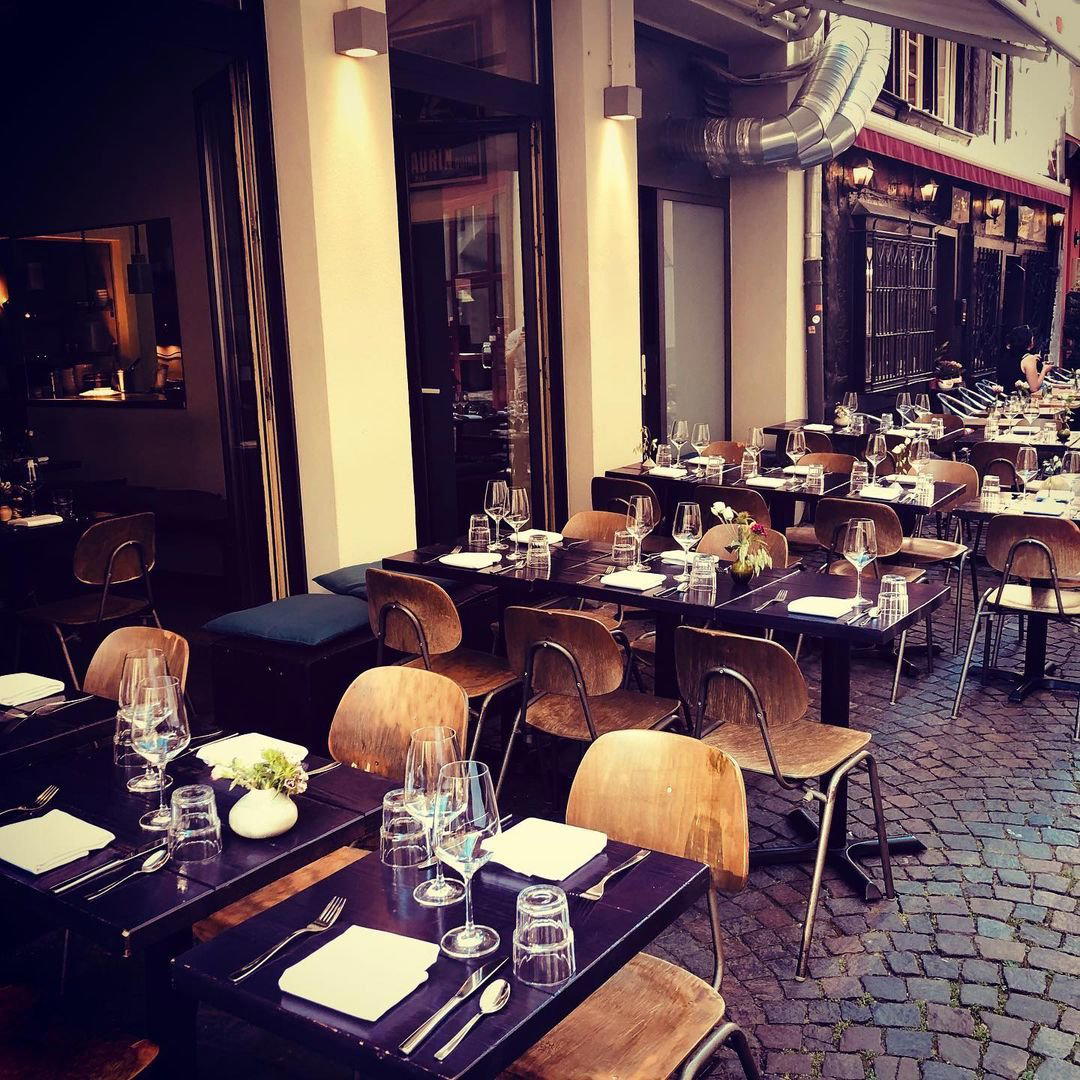
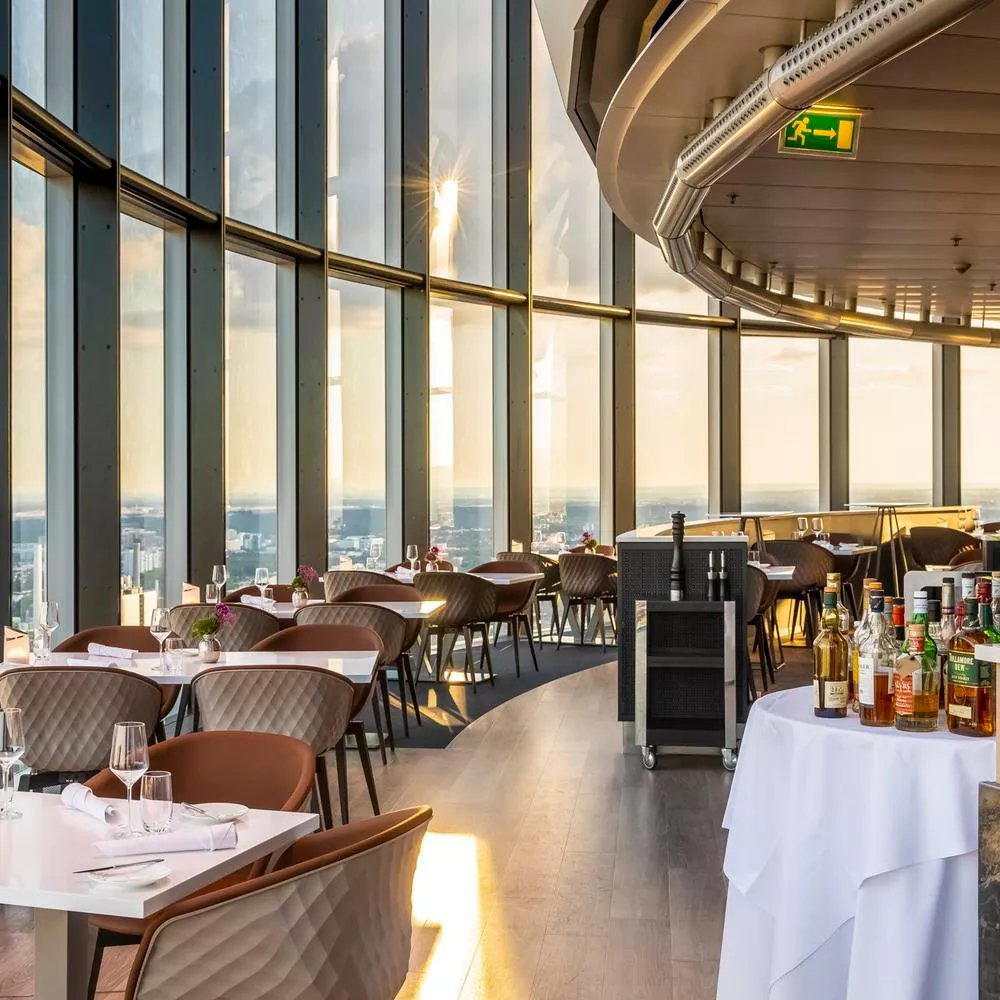
Restaurants in Frankfurt
Browse all →
Bars in Frankfurt
Browse all →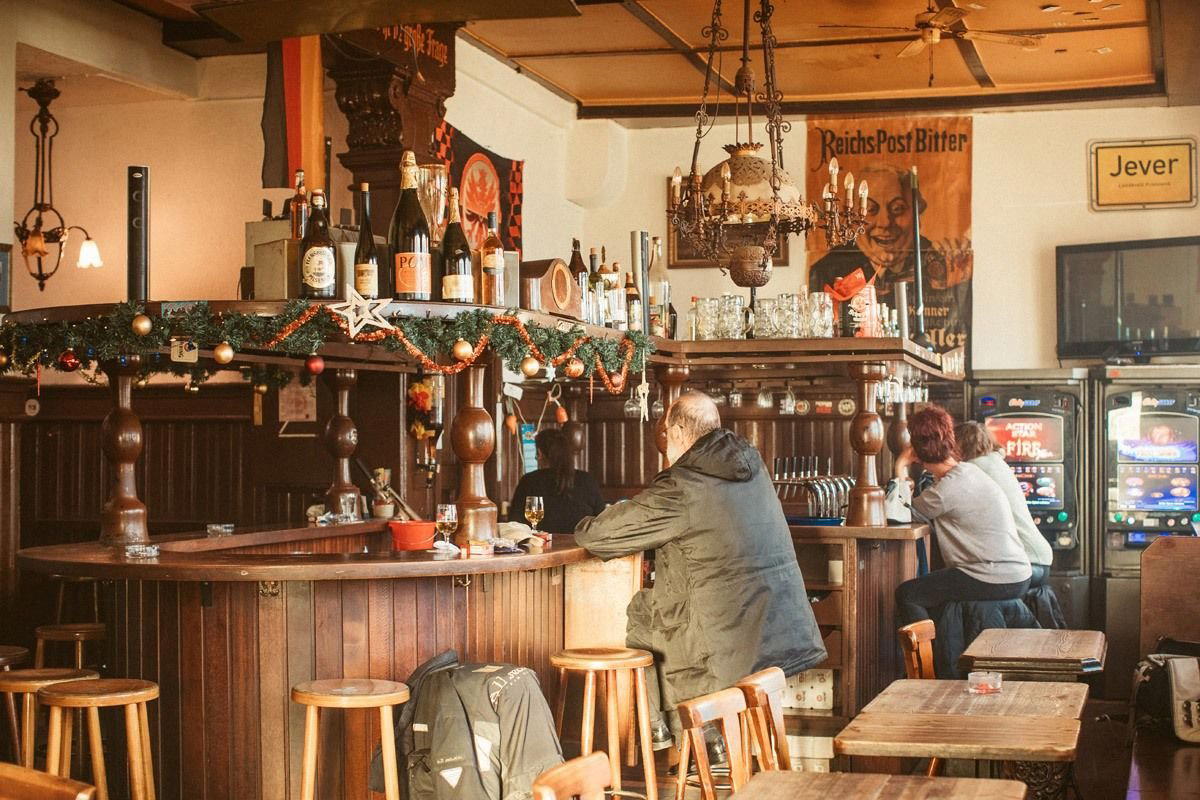
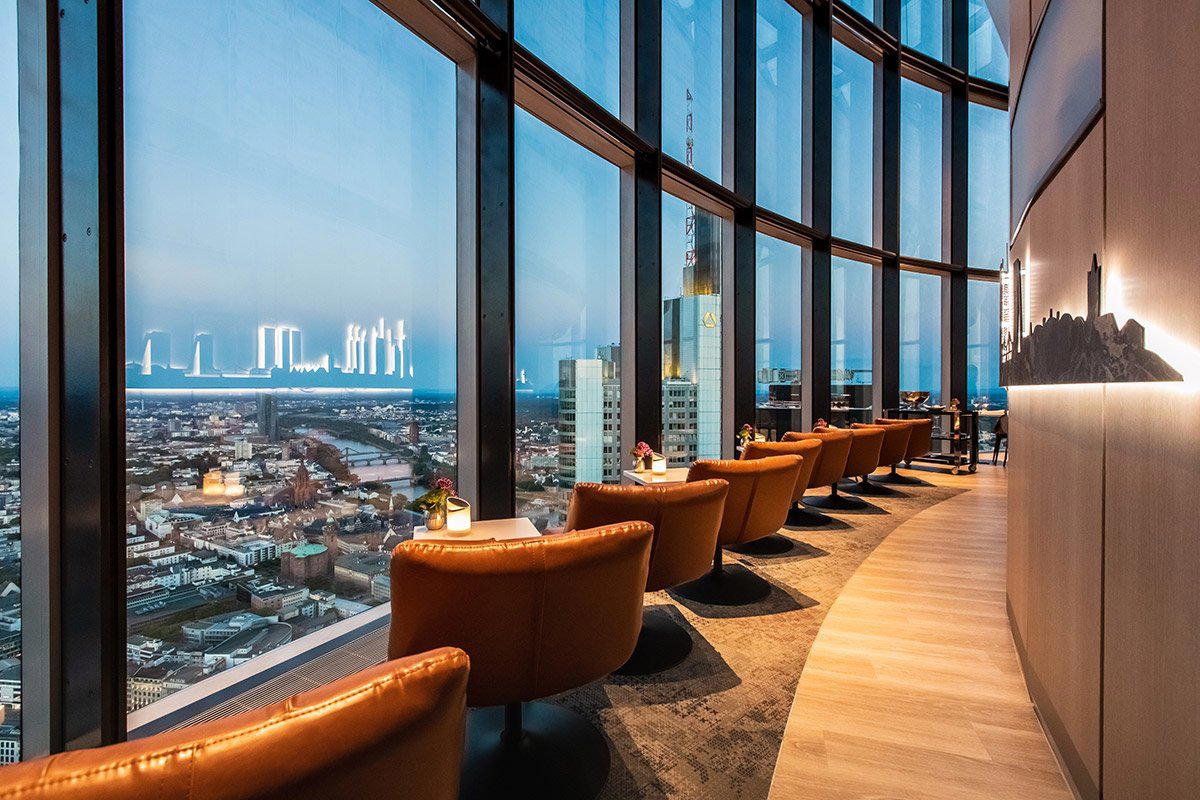
Hotels in Frankfurt
Browse all →
At a Glance
- Cozy
- Elegant
- Date Night
- Garden
- Garden
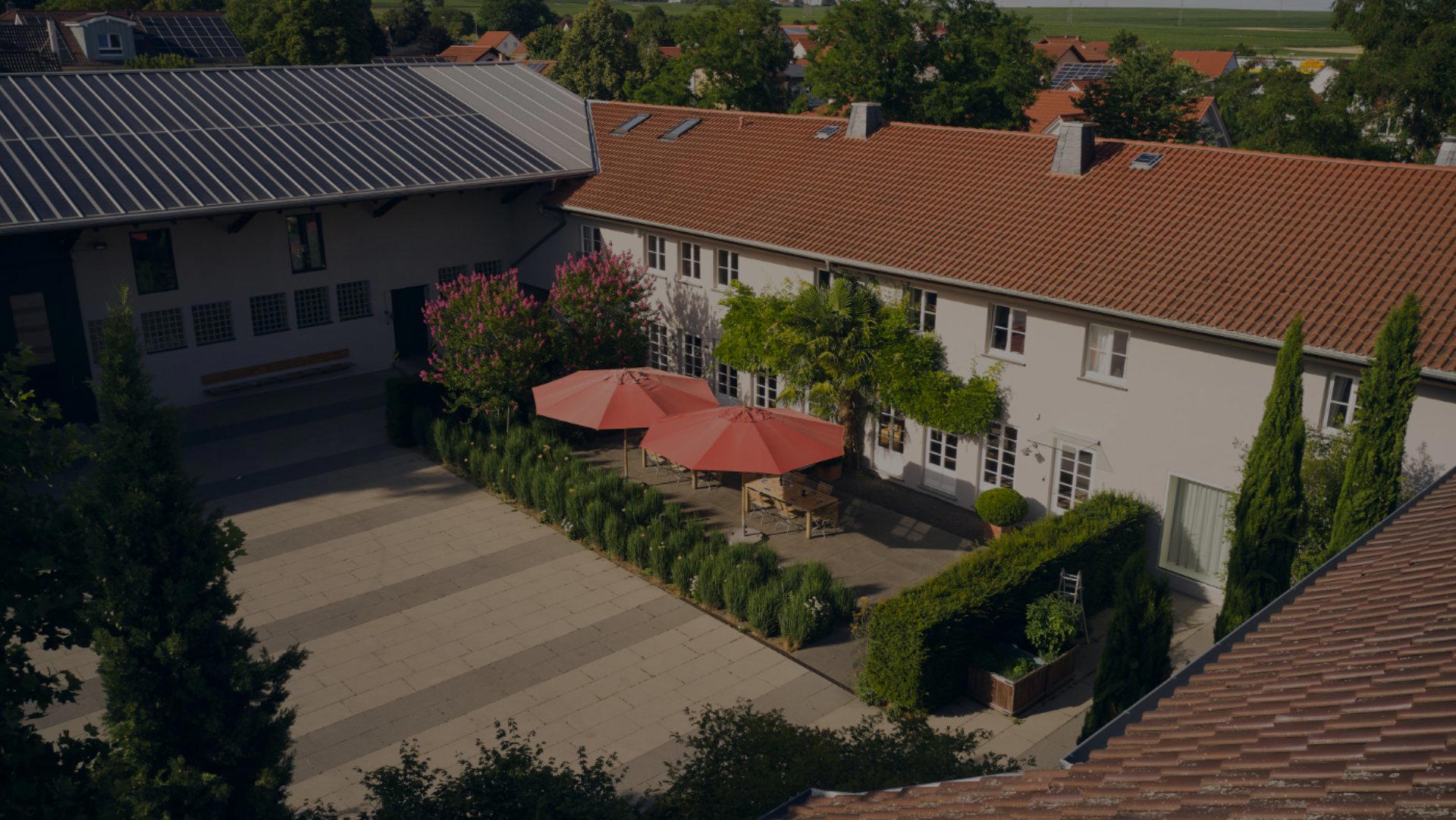
Cozy atmosphere with a wonderful garden, moderate noise, and elegant casual vibe.