
European Curry KEN sits in Sapporo’s compact but serious curry circuit, where European-style roux, Japanese curry-shop pacing, and Hokkaido’s produce culture meet without fine-dining theatre. Its Tabelog Curry EAST “Tabelog 100” selections in 2019, 2020, 2023, and 2024 place it among the region’s recognized curry specialists rather than general comfort-food counters.
Pearl is the En Primeur Club membership app — saves, bookings, and concierge access live there. Same editors, same standards.
- Address
- 1 Chome-2-17 Kita 15 Johigashi, Higashi Ward, Sapporo, Hokkaido 065-0015, Japan
- Phone
- +81 11-752-7555
- Website
- s.tabelog.com
 Saves & bookings on Pearl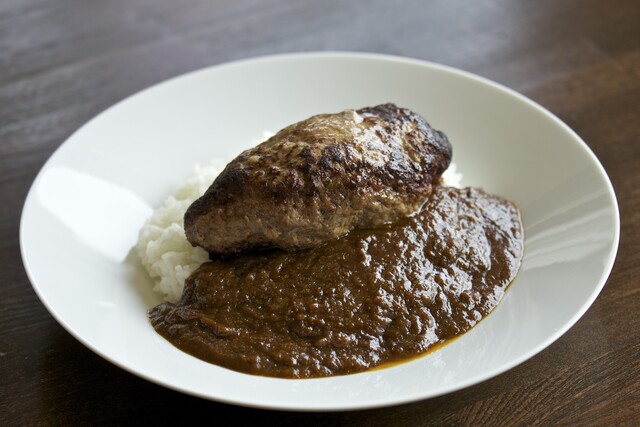
Approaching a Sapporo curry shop in Higashi Ward feels different from entering the soup-curry rooms that dominate many visitor itineraries. The mood is quieter, more local, and closer to daily dining than tourist performance. European-style curry in Japan has its own grammar: darker roux, long-cooked sauce, rice as anchor, and toppings that often make one plate a complete meal. In Hokkaido, the format carries extra charge because the island’s agriculture shapes how diners read curry: potatoes, dairy, onions, beef, pork, and wheat are not decorative regional talking points, but the pantry logic behind much of Sapporo’s casual food culture.
European Curry KEN belongs to that lineage. Its listed category is curry and hamburger steak, placing the cooking closer to Japan’s yoshoku tradition than to Indian curry or Sapporo’s soup-curry boom. Yoshoku, the Japanese adaptation of Western dishes, rewards sauce work and consistency over novelty. A curry shop in this mode is judged less by theatrical plating than by whether the roux has enough depth to carry rice, meat, and vegetables without turning heavy. That is the useful lens here: not a novelty stop, but a specialist in a city where curry has split into distinct schools.
European-style curry in a soup-curry city
Sapporo is often shorthand for soup curry, a local style built around thinner broth, layered spice, vegetables, and rice served separately. European-style curry runs on another track: thicker, more sauce-driven, and closer to the counter-meal habits of Japanese railway towns, department-store basements, and neighborhood restaurants. It does not compete with soup curry on aroma or heat; it depends on structure. The sauce must cling, the rice stay central, and the topping feel integrated rather than assembled.
That distinction explains why European Curry KEN’s Tabelog Curry EAST “Tabelog 100” recognition in 2019, 2020, 2023, and 2024 matters. Tabelog’s curry selections are not luxury awards, which is their value here. They reward consistency, local demand, and category definition across everyday restaurants where a meal is measured in plates, not tasting-menu courses. A 3.65 Tabelog score also places the restaurant in a serious tier for a casual specialist, especially in a genre where diners compare repeatable comfort rather than elaborate technique.
The Sapporo comparison set confirms the point. Curry Tamashii Destroyer, Picante, and Sapporo Fujiya sit in the same broad low-price curry band, while Marutaka Ramen and Ramen Hoppeya reflect the city’s adjacent noodle economy at an even leaner spend. The decision is not curry versus ramen in the abstract; it is whether the meal should be about broth, spice, or roux. For readers mapping the city by category, 175°DENO Tantanmen Sapporo kitaguchi ten frames Sapporo’s heat-and-noodle axis, while [Curry Senmon Ten] Maruyama Kyoju., Ajanta Indo Curry Ten, and Ajanta Sohonke show how broad the city’s curry vocabulary has become.
Why Hokkaido makes this style matter
Ingredient sourcing is not decorative in Hokkaido; it is why many simple formats taste more grounded here than elsewhere. The island’s food identity is tied to dairy, vegetables, wheat, seafood, and meat, and curry absorbs those strengths without calling attention to them. European-style curry does not need luxury ingredients. It needs onions cooked into sweetness, fat managed properly, and a sauce with enough body to support a hamburger-steak format when that side of the menu appears.
The category pairing is significant. Curry and hamburger steak share a yoshoku vocabulary: browned surfaces, sauce, rice, and plates built for appetite rather than ceremony. In Sapporo, the style gives visitors a counterpoint to seafood markets, jingisukan, ramen, and soup curry. It also reminds diners that Hokkaido is not only raw product or headline ingredients. Some of its strongest everyday cooking turns agricultural abundance into repetition: lunch plates, set meals, curry rice, and small restaurants with tight menus.
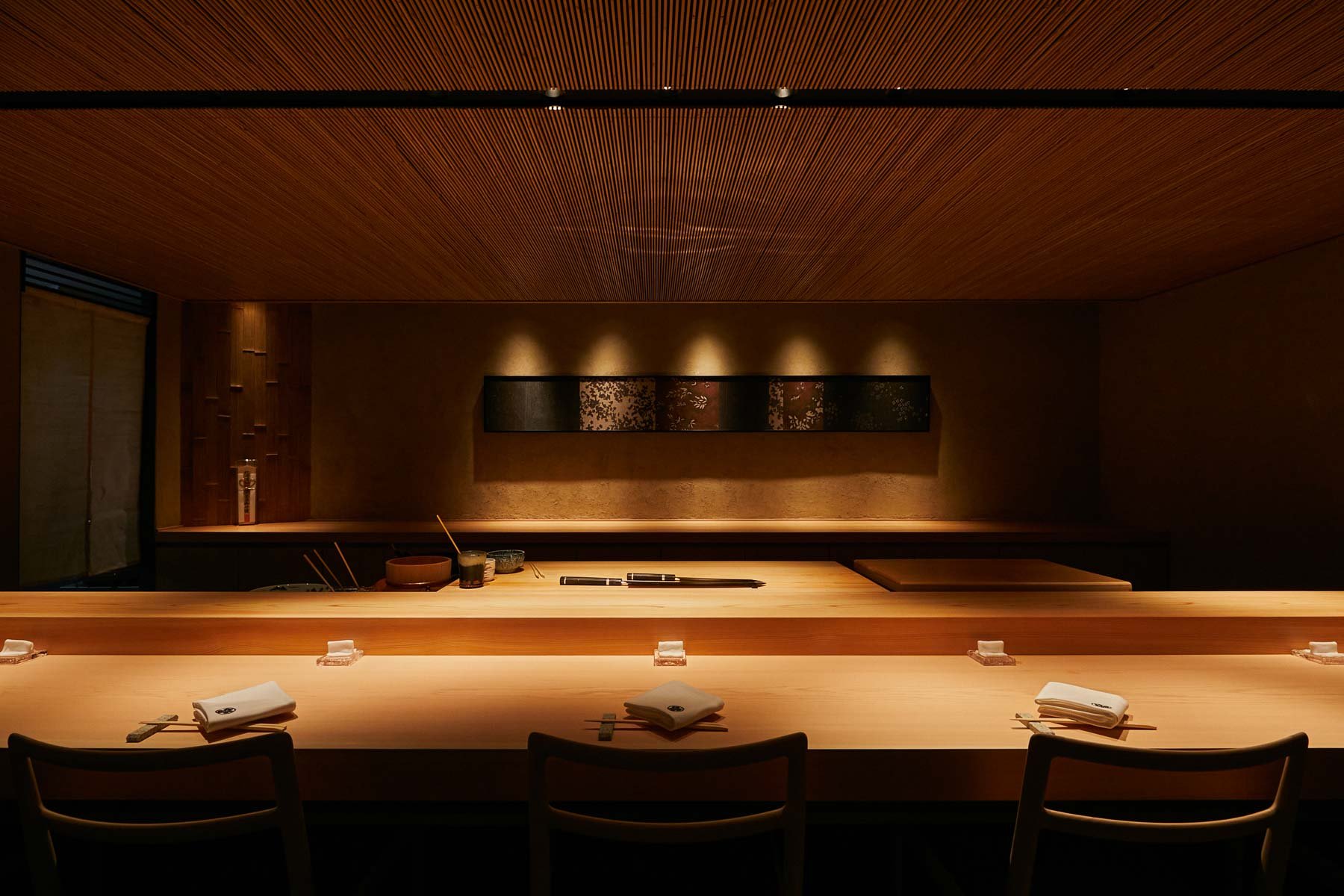
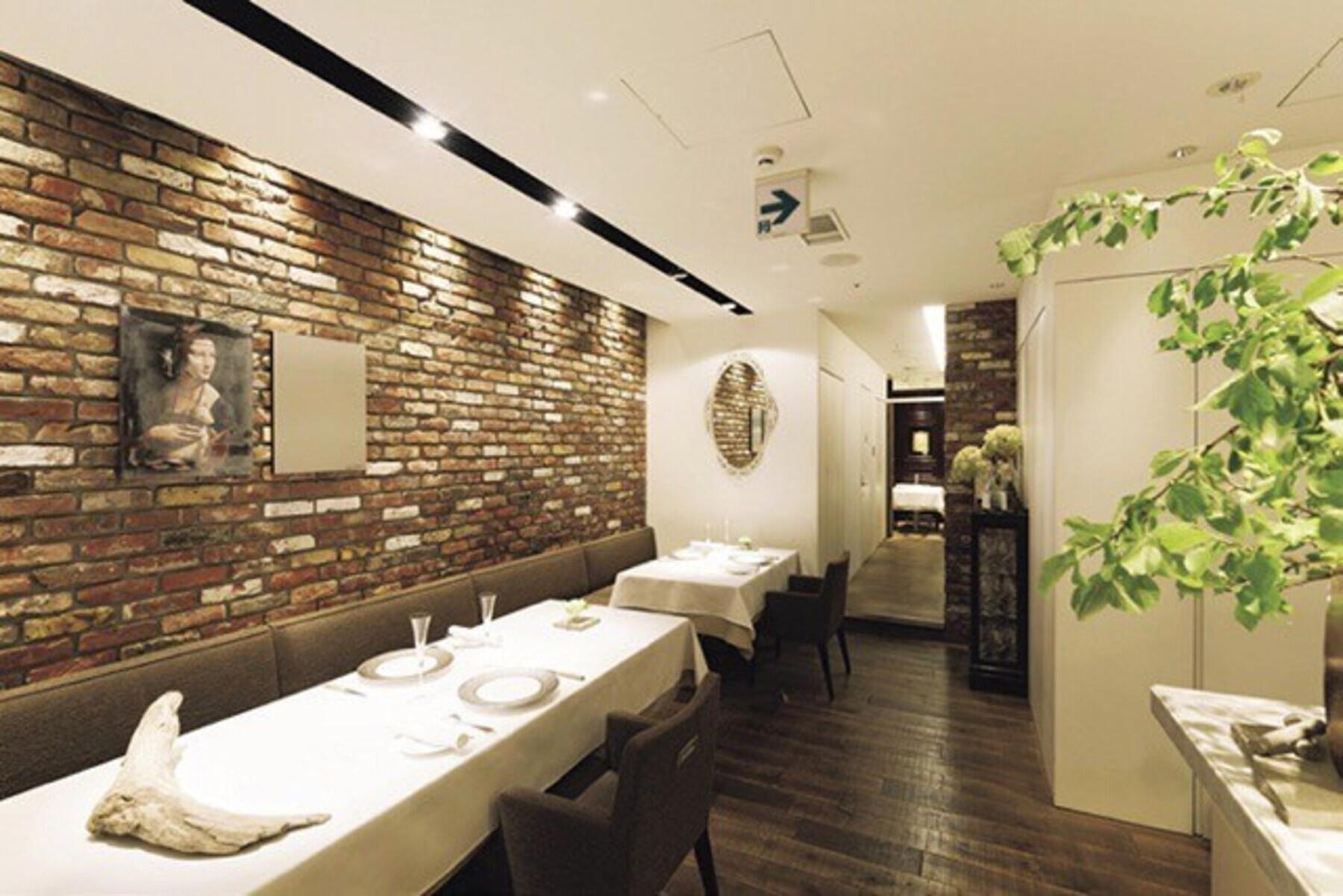
The room scale reinforces that reading. With 17 seats, including counter seating and tables, this is a compact specialist, not a large-format restaurant. Counter seats suit solo dining, and the absence of private rooms keeps the experience everyday. No-smoking status and take-out service add to the practical neighborhood feel. These details matter because curry at this level depends on turnover and regulars. A large dining room would change the rhythm; a small one keeps the format close to the kitchen and plate.
How to place it on a Sapporo food itinerary
European Curry KEN is strongest when Sapporo is read beyond the obvious first meals. It is not for a formal evening or chef-led narrative. It is for understanding how the city’s casual food culture handles sauce, rice, and regional pantry logic. That is a sharper reason to go than chasing a generic recommendation. The repeat Tabelog Curry EAST “Tabelog 100” selections provide the trust signal; the format explains why it belongs in a serious itinerary.
Travelers building a broader city plan should treat curry as one part of Sapporo’s dining map, not a single box to tick. Our full Sapporo restaurants guide gives the wider restaurant frame, while Our full Sapporo hotels guide, Our full Sapporo bars guide, Our full Sapporo wineries guide, and Our full Sapporo experiences guide connect meals with the rest of the trip. For wider Japan comparison outside Hokkaido, the archive ranges from Aigues Vives to -Grilled beef Sukiyaki- KAMAKURA TANUKIAN 鎌倉 たぬき庵 in Kamakura. 鮪と炭火焼き うお炭 秋葉原店 in Tokyo.cafe in Osaka.know in Kumamoto, (Shoku) Vietnam in Kawasaki, and [ki:] in Kyoto. Overseas, Jōdo Saké Bar in Los Angeles and Onigiri Time in Pasadena show how Japanese casual formats translate when rice, sauce, and snack culture leave Japan.
The verdict is simple: a specialist curry address for readers who care about the mechanics of everyday Japanese dining. The draw is not spectacle. It is how a compact Sapporo room, a yoshoku-adjacent menu, and repeated category recognition point to curry culture with more range than the city’s soup-curry reputation suggests.
Comparison Snapshot
Comparable venues to calibrate price, style, and recognition.
| Venue | Cuisine | Price | Notes |
|---|---|---|---|
| European Curry KENThis venue — the venue you are viewing | European-style Japanese curry | $$ | Not listed |
| Picante | Sapporo soup curry | $$ | Kita |
| Ramen Sapporo Ichiryuan | Hokkaido miso ramen | $$ | Chūō |
| Kuroiwa Curry Hanten | Sapporo spice curry & Japanese curry house | $$ | Chūō |
| CAN CUN | Sapporo soup curry bar with Mexican resort vibe | $$ | Chūō |
| Umi Hachikyo Honten | Hokkaido seafood izakaya | $$ | Chūō |
Recognition history
Dated appearances from independent guides and award organizations, with the underlying list record or original source where available.
Tabelog 100 #95 · No. 95
Tabelog · Tabelog 100 - Curry - EAST - 2024


At a Glance
- Cozy
- Quiet
- Classic
- Solo
- Casual Hangout
- Family
- Group Dining
- Standalone
Current opening hours
- Monday
- 11:30 AM–3:30 PM, 5:30–9:30 PM
- Tuesday
- 11:30 AM–3:30 PM, 5:30–9:30 PM
- Wednesday
- 11:30 AM–3:30 PM, 5:30–9:30 PM
- Thursday
- 11:30 AM–3:30 PM, 5:30–9:30 PM
- Friday
- 11:30 AM–3:30 PM, 5:30–9:30 PM
- Saturday
- 11:30 AM–9:30 PM
- Sunday
- 11:30 AM–9:30 PM
Hours can change for holidays and private events. Last verified .
The dining room is described as a calm, relaxed space with a simple, classic interior and a generally quiet, laid‑back atmosphere suitable for solo diners and small groups.