
Ichimonji Curry Ten belongs to Sapporo’s serious curry circuit rather than its tourist dining lane: a small Shiroishi Ward address with 11 seats, counter seating, take-out, and repeated Tabelog Curry 100 recognition from 2017 through 2024. The appeal is less about spectacle than category discipline, with pricing in the JPY 1,000–1,999 range and a location near Nango Juhatchome that puts the meal firmly in everyday Sapporo rather than hotel-district dining.
Pearl is the En Primeur Club membership app — saves, bookings, and concierge access live there. Same editors, same standards.
- Address
- Japan, 〒003-0026 Hokkaido, Sapporo, Shiroishi Ward, Hondori, 17-chome Minami−2−4 ストーンヒル本通17
- Phone
- +81 11-846-3038
- Website
- tabelog.com
 Saves & bookings on Pearl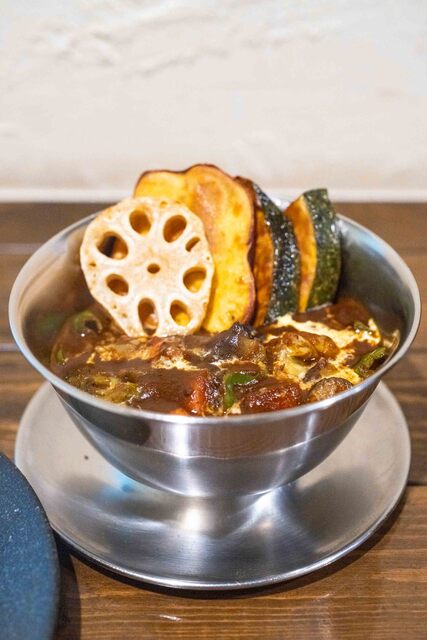
Shiroishi Ward changes a Sapporo curry meal before the first order. This is not Susukino’s late trains, neon, and bar-hopping, nor the station-front pattern of quick bowls between shopping and airport transfers. Around Nango Juhatchome, the city feels residential and workday practical, which suits curry: a cuisine built in Japan as comfort, habit, and local preference rather than ceremony. Ichimonji Curry Ten fits that register, a compact 11-seat room whose format signals focus over breadth.
Sapporo curry culture is often reduced by visitors to soup curry, but the city’s map is wider: spice-forward Japanese curry, Indo-curry houses, soup curry rooms with custom heat levels, and yoshoku-adjacent plates borrowing from Western-style restaurant cooking. In that spread, Ichimonji Curry Ten reads as a neighbourhood specialist with national category validation: it was selected for Tabelog Curry EAST “Tabelog 100” in 2024, with earlier selections across 2023, 2022, 2020, 2019, 2018, and 2017. Recurrence matters more than one badge because curry rankings in Japan reward consistency, local loyalty, and category clarity.
Shiroishi curry, away from the station-front dining script
The location gives the meal its editorial meaning. Central Sapporo restaurants often compete at once for travellers, office workers, and nightlife traffic; Shiroishi addresses tend to serve a narrower audience returning because the cooking fits routine. Counter seating, a small seat count, no private rooms, and a curry-only category create a room where the choice is not whether to linger over a broad menu, but whether this style of curry earns the detour from the centre.
Price places the restaurant in a democratic but demanding tier. At JPY 1,000–1,999 for both lunch and dinner, the benchmark is repeatability, not fine dining polish. In Sapporo, that level is unforgiving because locals have ample ramen, soup curry, jingisukan, and casual sushi alternatives. A curry shop here must be habit-worthy, not merely novel. Compared with Pore Pore and Spice&mill, also in the JPY 1,000–1,999 band, Ichimonji Curry Ten occupies a similar everyday-specialist lane. Yoshoku Konoyoshi Kiyotaku kitano ten runs higher at dinner, while Kuriya belongs to another spending universe. The comparisons show how narrow and competitive casual curry is.
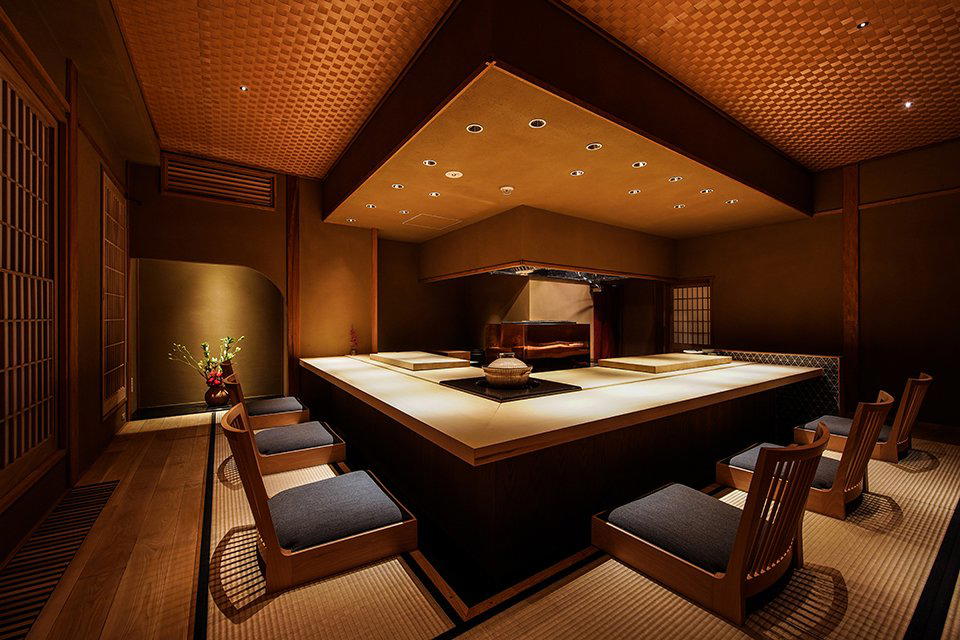
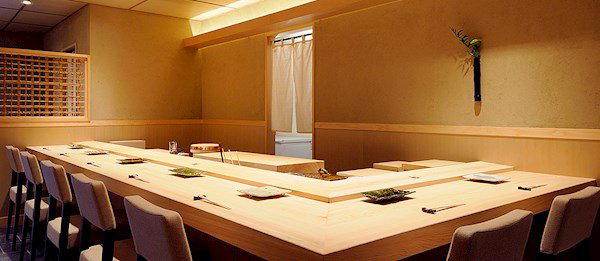
The small scale changes expectations. Eleven seats, including counter places and two-person tables separated by dividers, make the meal closer to a focused neighbourhood counter than a group restaurant. For travellers planning Sapporo around high-recognition dining, this is a low-price, low-capacity format; the friction is timing, seat turnover, and willingness to leave central circuits, not luxury scarcity. It needs no hotel-concierge narrative: it belongs to Japan’s tradition of serious small shops doing one category with enough discipline to earn repeat attention.
What the Tabelog Curry 100 signal says about the plate
Tabelog’s Curry 100 lists matter because Japanese curry is too broad for a single style standard. An EAST selection places a restaurant among a curated group across eastern Japan, not only Sapporo. The restaurant’s 2024 selection, plus earlier appearances, suggests durable reputation in a field where diners compare spice structure, rice balance, portion logic, service speed, and value with forensic attention. The award does not imply formality or expense; it signals category relevance beyond the immediate neighbourhood.
That distinction helps visitors arriving in Hokkaido expecting only regional produce narratives. Curry has another grammar: urban, adaptable, personal to each shop, yet governed by shared expectations. A plate must satisfy quickly, hold heat and texture, and justify itself against dozens of casual meals nearby. In Sapporo, where winter sharpens appetite and transit shapes dining choices, curry can be utilitarian and expressive. The restaurant’s appeal sits in that overlap between practical meal and specialist cooking.
The absence of a public chef story is not a weakness here. Many Japanese curry addresses are judged less by biography than by plate, room, and regularity of service. Chef mythology can distract from the real traveller decision: is this worth prioritising over soup curry near Odori, ramen around Sapporo Station, or a longer dinner in Susukino? For curry-focused diners, yes, if the aim is to understand the city’s everyday specialist side rather than collect only central, high-production meals.
How to place it in a Sapporo eating itinerary
The restaurant works as a corrective to over-planned Sapporo dining. The city rewards big-ticket seafood counters and polished hotel restaurants, but compact shops in residential wards also carry its personality. Pairing this meal with a broader curry and spice crawl gives a sharper read on local taste than treating it as a standalone trophy stop. For contrast, [Curry Senmon Ten] Maruyama Kyoju. and Ajanta Indo Curry Ten show other parts of the city’s curry spectrum, while Ajanta Sohonke extends the comparison through another long-running curry reference point. 175°DENO Tantanmen Sapporo kitaguchi ten is not curry, but belongs to the same casual specialist conversation: a focused bowl shop where spice, heat, and repeat custom define the experience.
For a longer Sapporo plan, separate meal types by neighbourhood rather than stack everything in the centre. Our full Sapporo restaurants guide maps the wider dining field, while Our full Sapporo hotels guide, Our full Sapporo bars guide, Our full Sapporo wineries guide, and Our full Sapporo experiences guide help build the surrounding trip without forcing every meal into one district. Aigues Vives adds another Hokkaido food reference for travellers looking beyond curry, though in a different rhythm and setting.
Japan’s casual specialists are worth reading across cities. The same attention to narrow formats appears in places as different as -Grilled beef Sukiyaki- KAMAKURA TANUKIAN 鎌倉 たぬき庵 in Kamakura. 鮪と炭火焼き うお炭 秋葉原店 in Tokyo.cafe in Osaka.know in Kumamoto, (Shoku) Vietnam in Kawasaki, and [ki:] in Kyoto. Outside Japan, Jōdo Saké Bar in Los Angeles and Onigiri Time in Pasadena show how focused Japanese formats travel and change in another dining culture. Seen that way, the restaurant is not a curiosity on Sapporo’s edge; it is part of a broader pattern in which small, category-led restaurants carry more cultural information than their price suggests.
Compact Comparison
Comparable venues to anchor price and recognition.
| Venue | Cuisine | Price | Notes |
|---|---|---|---|
| Ichimonji Curry TenThis venue — the venue you are viewing | Shiroishi, Sapporo Japanese curry house | $$ | Not listed |
| Yoshoku Konoyoshi Kiyotaku kitano ten | Kiyota, Japanese Yoshoku | $$ | Not listed |
| Tezukuri Hamburger Steak Kobo Toshi | Not listed | $$ | Chūō, Handmade Japanese hamburger steak (yōshoku) |
| 麺屋 菜々兵衛 | Not listed | $$ | Shiroishi-ku, Sapporo Chicken Paitan Ramen |
| soup curry yellow | Chūō, Sapporo soup curry specialist | $$ | Not listed |
| SOUL STORE | Chūō, Sapporo soup curry house | $$ | Not listed |
Recognition history
Dated appearances from independent guides and award organizations, with the underlying list record or original source where available.
Tabelog 100 #89 · No. 89
Tabelog · Tabelog 100 - Curry - EAST - 2024


At a Glance
- Cozy
- Intimate
- Solo
- Casual Hangout
- After Work
- Standalone
Current opening hours
- Monday
- 11 AM–2:30 PM, 5:30–8 PM
- Tuesday
- 11 AM–2:30 PM, 5:30–8 PM
- Wednesday
- Closed
- Thursday
- 11 AM–2:30 PM, 5:30–8 PM
- Friday
- 11 AM–2:30 PM, 5:30–8 PM
- Saturday
- 11 AM–2:30 PM, 5:30–8 PM
- Sunday
- Closed
Hours can change for holidays and private events. Last verified .
A small, non-smoking neighborhood curry shop with only 11 seats, simple counter and table seating, and a relaxed, low-key atmosphere that feels cozy but can be bustling at peak lunch and dinner hours.