Taste of the Caribbean
Our verdict
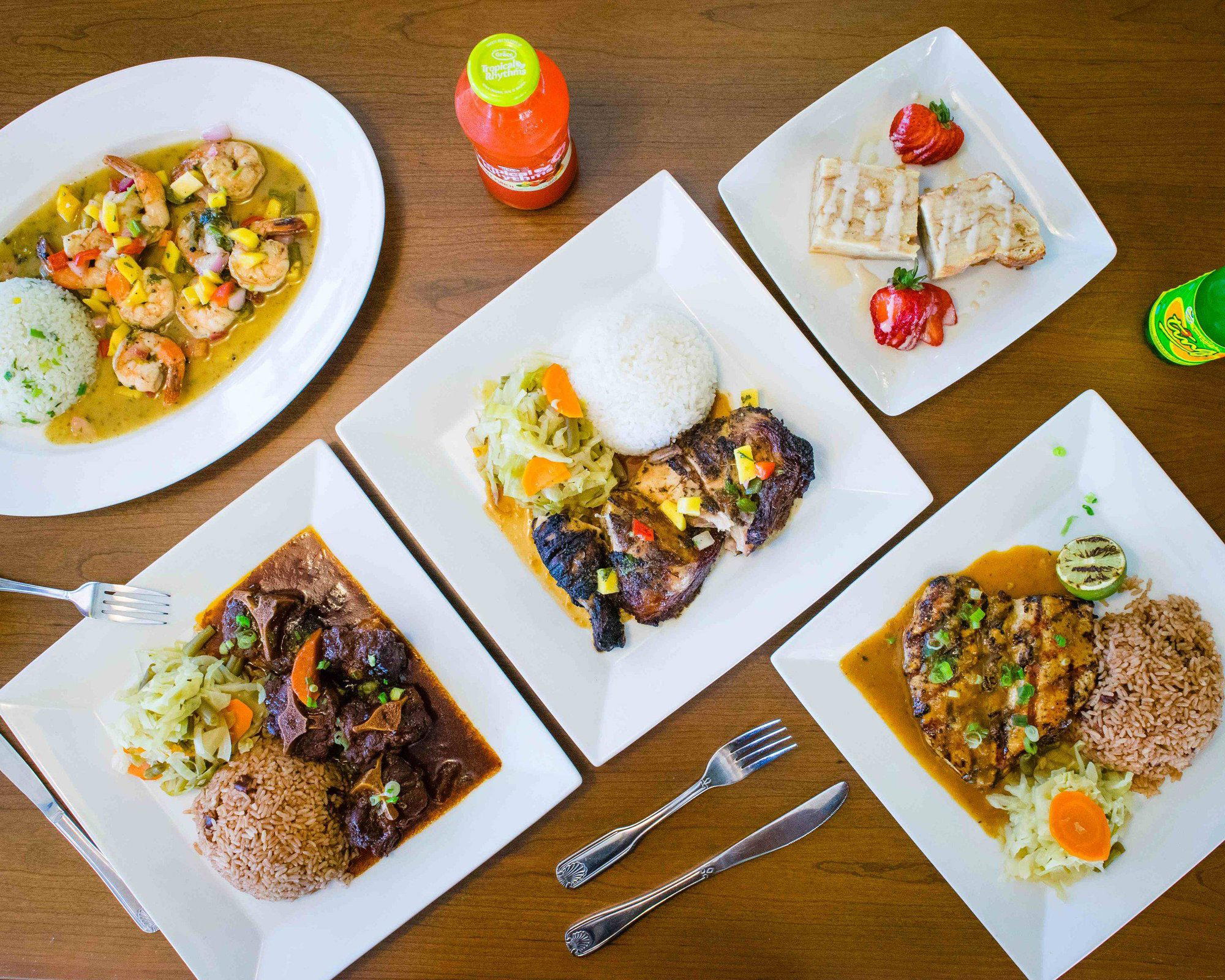
Taste of the Caribbean serves Authentic Jamaican Caribbean dishes such as Jerk Chicken, Oxtail, and Ackee and Salt Fish, with beer program support, live music, and a lively casual room.

Pearl is the En Primeur Club membership app, where members save venues, book tables and use the concierge.
The menu
What to order
- Jerk Wings
- Jerk Chicken
- Curried Shrimp with Rice & Peas
- Curry Goat
- Oxtail
- Roast Fish
- Ackee and Salt Fish
East Jefferson and the Caribbean Corridor
The stretch of East Jefferson Street running through Seattle's Central District carries one of the city's more layered culinary identities. Historically a hub for the African American community, the neighbourhood has absorbed successive waves of immigration and cultural exchange, and its restaurant row now holds West African, Southern, and Caribbean kitchens within a few blocks of each other. Taste of the Caribbean, at 1212 E Jefferson St, sits inside that pattern rather than apart from it. The address places it squarely in a part of Seattle where food is bound to community history in ways that the more commercially polished dining districts further downtown are not.
Caribbean cooking occupies an unusual position in Seattle's restaurant scene. The city has developed considerable depth in Japanese, Vietnamese, and contemporary Pacific Northwest cuisine, with counters like Joule pushing New Asian formats and institutions like Canlis holding long-established New American ground. Caribbean food, by contrast, remains a specialist category here, one with a small but consistent following and very few venues operating at any scale. That relative scarcity gives a place like Taste of the Caribbean a particular kind of gravity in the neighbourhood.
What Caribbean Cooking Means in This Context
As a culinary tradition, Caribbean food draws from an unusually broad range of sources: West African technique, Spanish and French colonial influence, South Asian spicing brought by indentured labourers, and the indigenous ingredients of the islands themselves. The result is a cuisine that resists easy categorisation. Jerk seasoning, rice and peas, oxtail braise, ackee preparations, roti, and doubles all sit within the same broad category, but reflect different island traditions with distinct flavour profiles and cooking methods.
In American cities with large Caribbean diaspora populations, like New York or Miami, these distinctions are well understood by a broad dining public. In Seattle, the community is smaller and the cuisine is less parsed by the wider restaurant conversation. That means a Caribbean restaurant on East Jefferson is serving multiple roles simultaneously: neighbourhood resource, cultural anchor, and introduction point for diners who have limited prior reference. The comparison set for Taste of the Caribbean is less a set of peer restaurants in the same neighbourhood and more a dispersed group of American cities where Caribbean food has achieved greater critical visibility, from Emeril's in New Orleans, which has long worked with Caribbean-influenced flavours, to the broader coastal dining cultures of cities that have absorbed these traditions more fully.
The Neighbourhood as Context
The Central District location is not incidental. The neighbourhood's culinary character has been shaped by decades of community-led dining rather than developer-driven restaurant clusters. That produces a different kind of dining environment than you find at Seattle's more trafficked food destinations. The atmosphere on this stretch of East Jefferson tends toward the local and functional rather than the curated and performative. Restaurants here are embedded in the community in the way that city-centre dining rarely manages.
For a visitor arriving from outside the neighbourhood, the approach along East Jefferson reads differently than the approaches to Seattle's higher-profile dining districts. There is no valet queue, no neon branding visible from a distance. The street-level presence is lower-key, and the dining room, when you arrive, is likely to feel like a place that serves regulars first and destination diners second. That hierarchy is worth understanding before you go. It shapes the experience in ways that have nothing to do with the food's quality and everything to do with what the room is optimised for.
For a broader view of how this fits into Seattle's wider restaurant picture, the EP Club Seattle restaurants guide maps the city's dining by neighbourhood and category. Other addresses worth cross-referencing include 1415 1st Ave, 1744 NW Market St, and 2963 4th Ave S for a sense of how the city's independent restaurant culture distributes across different areas.
Caribbean Food and the American Fine-Dining Conversation
Caribbean cuisine has rarely intersected with the American fine-dining tier in the way that other global traditions have. The venues that dominate critical conversation in the United States, from Le Bernardin in New York City to Alinea in Chicago, The French Laundry in Napa, Providence in Los Angeles, and Blue Hill at Stone Barns in Tarrytown, work within European or contemporary American frameworks. More recent additions to that critical tier, including Atomix in New York City and Addison in San Diego, have expanded the conversation but not yet into Caribbean territory in any sustained way. Places like Lazy Bear in San Francisco, Single Thread Farm in Healdsburg, and The Inn at Little Washington represent different strands of American fine dining that have similarly not converged with Caribbean traditions. Even internationally, venues like 8 1/2 Otto e Mezzo Bombana in Hong Kong reflect the dominance of European frameworks in the global prestige tier.
This is relevant context because it explains why Caribbean restaurants in American cities tend to operate outside the awards and ratings infrastructure that would otherwise provide external benchmarks. The absence of Michelin coverage or major awards recognition in this category is a feature of the awards system's own priorities rather than a statement about the cooking. Diners who rely on those signals to calibrate their expectations will need to recalibrate here.
Planning Your Visit
Confirm current hours and availability directly before visiting.
| Factor | Taste of the Caribbean | Canlis | Joule |
|---|---|---|---|
| Neighbourhood | Central District / E Jefferson | Queen Anne | South Lake Union |
| Cuisine | Caribbean | New American | New Asian |
| Format | Neighbourhood restaurant | Fine dining, reservation-led | Contemporary dining |
| Booking | Confirm directly | Advance reservation required | Advance reservation advised |
| Awards | Not confirmed | Established fine-dining recognition | Critically noted |
Frequently asked questions
What dish is Taste of the Caribbean famous for?
Check directly with the restaurant for current offerings before visiting.
Can I walk in to Taste of the Caribbean?
Walk-in availability at neighbourhood Caribbean restaurants in Seattle varies by day and time of service. Given the venue's Central District location and community-focused format, walk-ins may be feasible outside peak weekend hours, but this has not been verified. If you are travelling specifically for this restaurant, confirming ahead by phone or in person is the practical course.
What has Taste of the Caribbean built its reputation on?
What is clear from its address and neighbourhood context is that it operates in a part of Seattle with a strong community-dining culture, where restaurants typically earn local loyalty through consistency and connection to the neighbourhood rather than through critical endorsement or marketing. Caribbean cuisine in Seattle occupies a specialist position in a city whose dining conversation is dominated by other traditions, which gives any sustained Caribbean restaurant on East Jefferson a meaningful role in the local food culture by default.
How does Taste of the Caribbean fit into Seattle's broader Caribbean dining scene?
Caribbean restaurants remain a small category in Seattle relative to the city's depth in Japanese, Vietnamese, and contemporary American formats. The Central District has historically been the neighbourhood most associated with food cultures tied to Seattle's African American community, making East Jefferson a more contextually grounded address for Caribbean cooking than a restaurant in, say, Capitol Hill or Belltown would be. For diners whose primary exposure to Caribbean food has been in New York or Miami, where the genre has more critical visibility, a Seattle neighbourhood spot like this offers a different and more locally embedded version of the same tradition.
Pricing, Compared
Comparable venues nearby, for context on price, style, and recognition.
| Venue | Cuisine | Price | Notes |
|---|---|---|---|
| Taste of the CaribbeanThis venue (the venue you are viewing) | Authentic Jamaican Caribbean | $20–30 | Not listed |
| Rumba | Caribbean Rum Bar | $20–30 | Pike/Pine, Caribbean Rum Bar |
| Bongos | Authentic Caribbean | $20–30 | Phinney Ridge, Authentic Caribbean |
| Capitale Pizzeria | Modern Neapolitan Pizza with Global Twists | $20–30 | Broadway, Modern Neapolitan Pizza with Global Twists |
| DeLaurenti Food & Wine | Italian Specialty Deli & Café | $10–20 | Pike Place Market, Italian Specialty Deli & Café |
| A.K. Pizza | New York-Style Pizza | $30–50 | Othello, New York-Style Pizza |
Continue exploring
More in Seattle
Restaurants in Seattle
All restaurants in Seattle →
Bars in Seattle
All bars in Seattle →


Details
- Lively
- Energetic
- Bohemian
- Cozy
- Casual Hangout
- Group Dining
- Late Night
- After Work
- Live Music
- Standalone
- Beer Program
- A La Carte
- Family Style
- Rum
- Tropical Cocktails
- Pescatarian Friendly
Current opening hours
- Monday
- Closed
- Tuesday
- 1–9 PM
- Wednesday
- 1–9 PM
- Thursday
- 1–9 PM
- Friday
- 1–9 PM
- Saturday
- 1–9 PM
- Sunday
- 1–9 PM
Hours can change for holidays and private events. Hours as of .
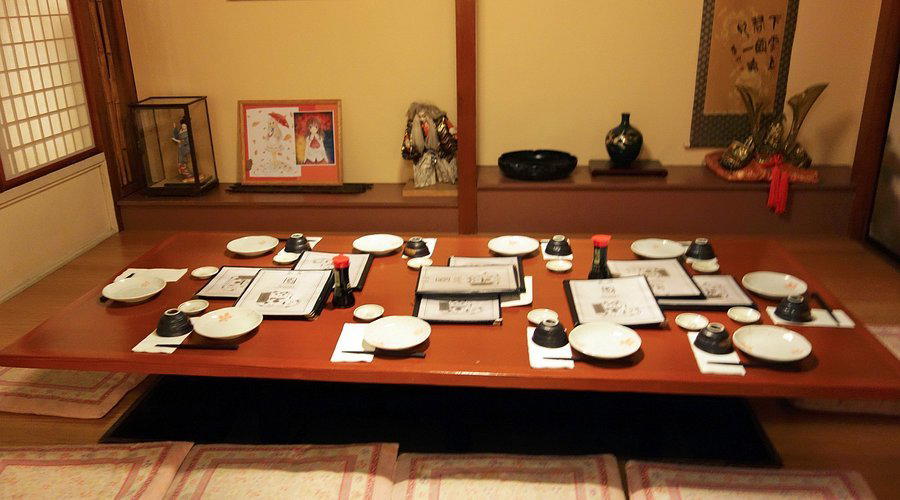
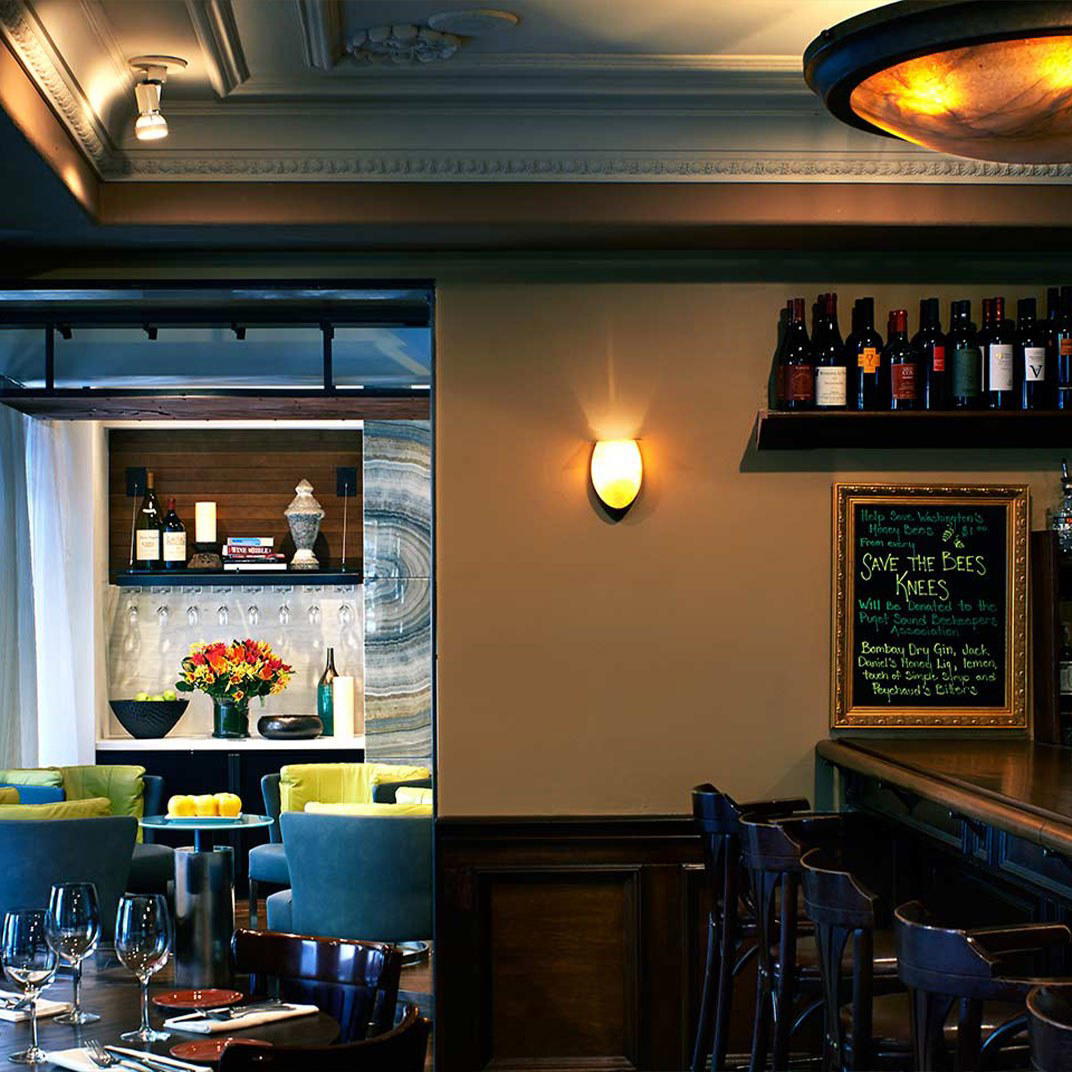
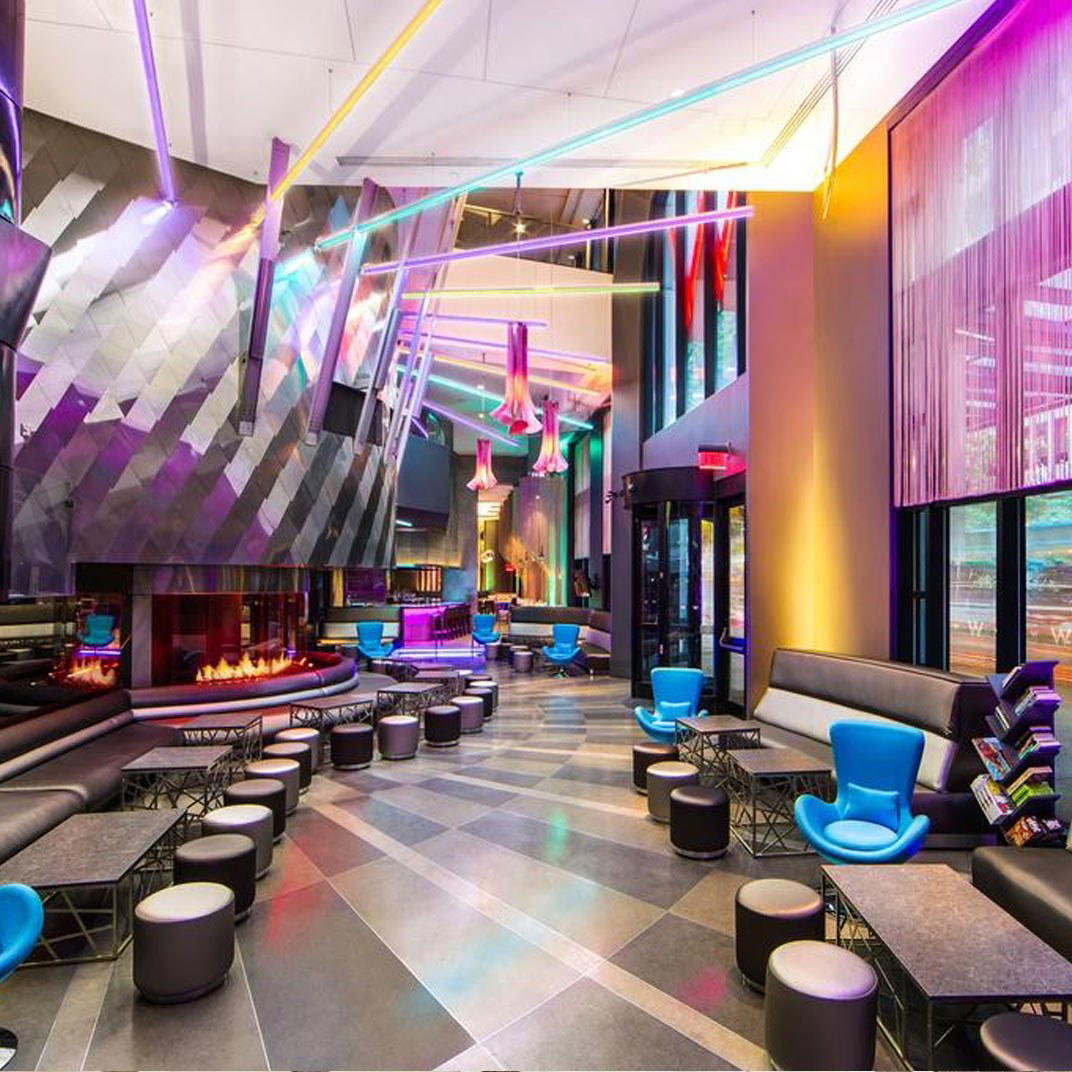
Laid-back atmosphere with reggae beats, lively island vibes, and warm hospitality; fluorescent mural of fruits and beaches creates a festive Caribbean setting.