Fairmont Olympic Hotel - Seattle


La Liste Top Hotels · Virtuoso Luxury Hotel Partner
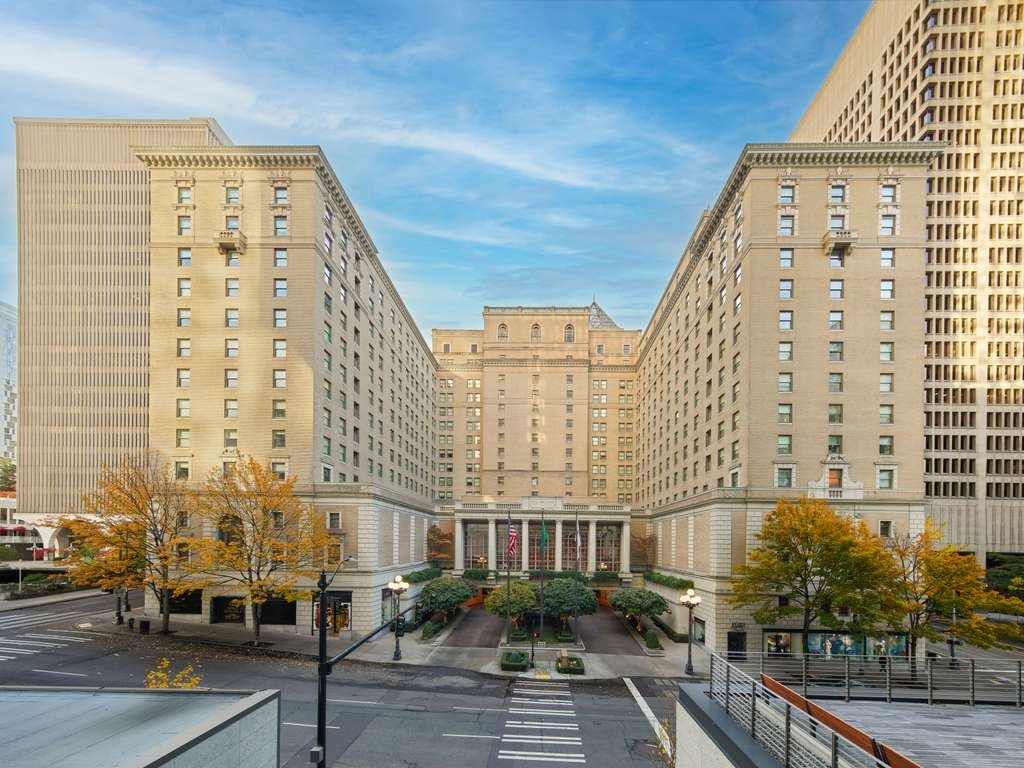
Operating from its University Street address since 1924, the Fairmont Olympic is Seattle's most historically significant hotel — listed on the National Register of Historic Places and awarded 90 points by La Liste Top Hotels 2026. With 450 rooms and suites, a transformed lobby drawing on classical materiality, and a century of hosting dignitaries and heads of state, it anchors the upper tier of downtown Seattle accommodation.

Pearl is the En Primeur Club membership app — saves, bookings, and concierge access live there. Same editors, same standards.
- Address
- 411 University St, Seattle, WA 98101
- Phone
- (206) 621-1700
- Website
- fairmont.com
- Directions
- Get directions
A Century of Civic Weight in Downtown Seattle
Grand historic hotels in American cities tend to occupy one of two positions: they either coast on their heritage or actively maintain it. The Fairmont Olympic, operating from 411 University Street since 1924, sits decisively in the second camp. Built on the original site of the University of Washington's first campus, the hotel carries a civic significance that most downtown properties simply cannot manufacture. That history is not merely decorative — La Liste's 2026 rankings awarded the property 90 points, placing it within a competitive tier that includes major urban flagships across North America.
Seattle's upper accommodation market has consolidated around a small cluster of properties capable of handling international leisure travelers, executive business clients, and event-scale hospitality simultaneously. The Four Seasons Hotel Seattle and Lotte Hotel Seattle compete in broadly the same tier, but neither carries the Fairmont Olympic's depth of institutional record. Over a century, the hotel has received royalty, heads of government, and cultural figures whose visits have become part of Seattle's public memory. That accumulation of occasion is a different kind of credential from a recent renovation or a new F&B concept.
Architecture as Argument
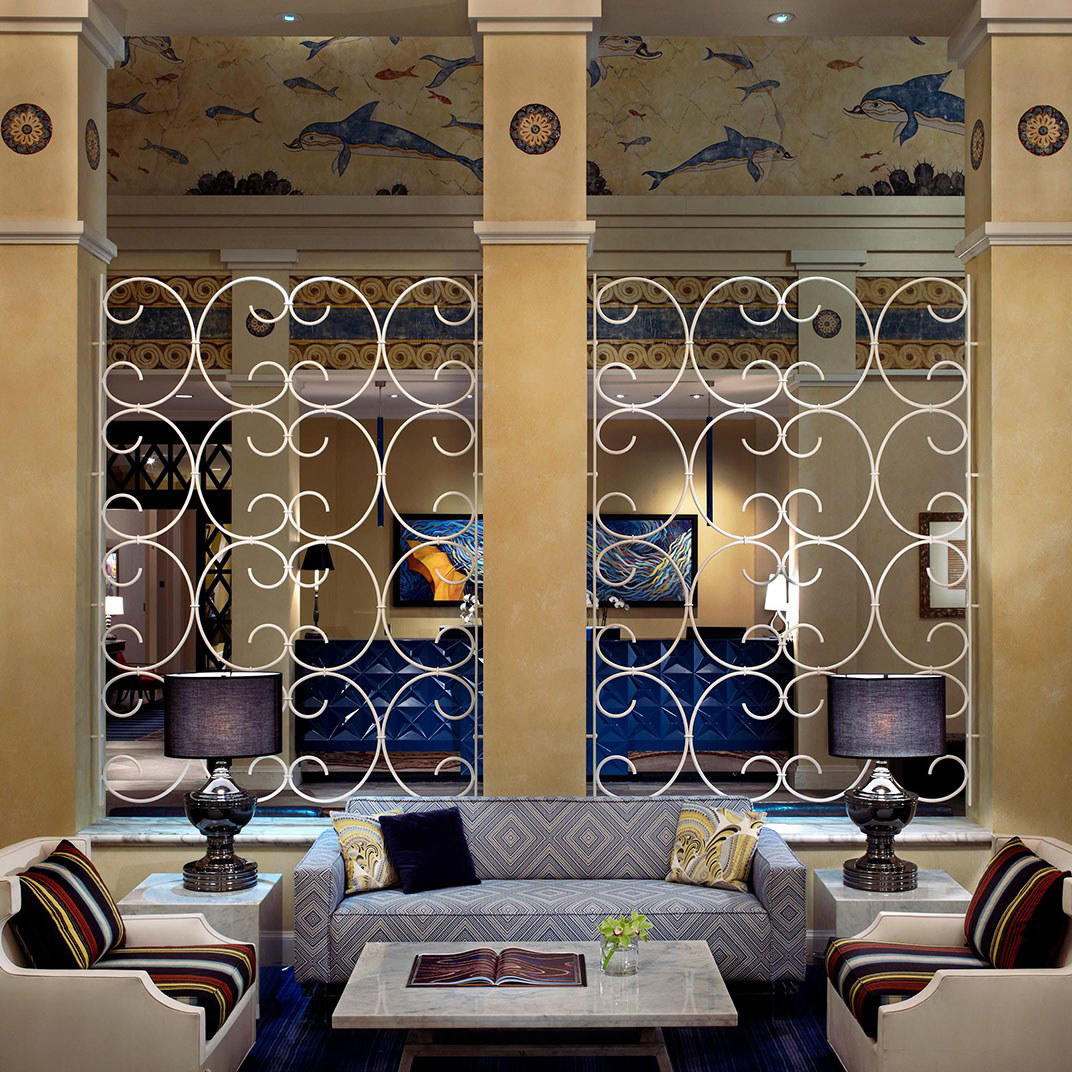
The lobby renovation at the Fairmont Olympic was executed as a narrative exercise rather than a cosmetic refresh. Classical references appear through texture and material rather than overt pastiche — the space reads as a deliberate conversation between the building's 1920s bones and a contemporary sensibility. For a property of this age and footprint, that balance is harder to achieve than it appears. Many historic hotels in the United States have lost their spatial coherence through successive renovation cycles that strip out period detail without replacing it with anything structurally coherent. The Fairmont Olympic's lobby avoids that outcome, which matters practically: arrival is the first editorial statement a hotel makes, and this one is composed.
Among comparable historic-tier properties in North America, the approach here aligns with what Raffles Boston pursues in its own market, a careful layering of contemporary hospitality standards over an architectural identity that pre-dates them. Both operate within the same general logic: the building's history is the asset, and the renovation's job is to make it legible without flattening it.
The Room Composition and Suite Weighting
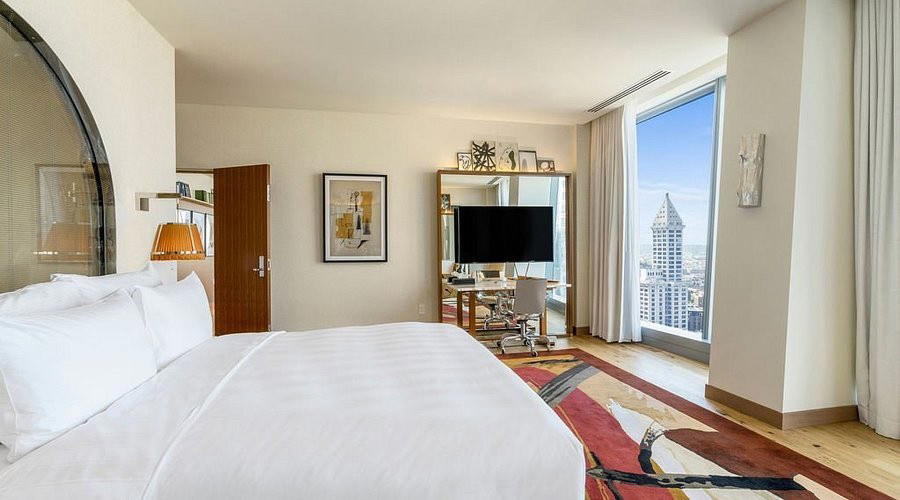
The Fairmont Olympic holds 450 guestrooms and suites across its inventory. Notably, half of that inventory is suite product, an unusually high proportion for a city-centre hotel at this scale. That ratio shapes the guest profile: travelers who want defined separation between sleeping and working or living areas are the intended user, and the format delivers on that with sliding barn-style doors separating the bedroom from the living room in suite configurations. Bathrooms are oversized relative to typical downtown hotel standards, and living and work areas are described as well-defined rather than combined into a single ambiguous space.
For the question of which room configuration to prioritise: the suite product is the stronger case. The 50% suite weighting is a deliberate positioning signal, and the spatial logic, a separated living room, a dedicated sleeping zone, makes more sense for multi-night stays or for guests who use hotel rooms as working environments during the day. Standard guestrooms are positioned as suitable for shorter visits or single-purpose stays, but the hotel's identity tilts toward the suite experience.
By comparison, properties like Hotel 1000 or Hotel Sorrento offer their own distinct takes on Seattle accommodation, the former with a more contemporary tech-forward format, the latter with a boutique residential character, but neither matches the Fairmont Olympic's combination of historic scale and suite-weighted inventory.
Seattle's Cultural Infrastructure from This Address
The hotel's University Street location places guests within reach of a dense cluster of Seattle's major cultural institutions. Pike Place Market operates 365 days a year and sits within walkable distance, functioning as both a food market and a genuine working public institution rather than a tourist reconstruction. The Space Needle, at 520 feet, offers unobstructed panoramic views across Elliott Bay, the Cascade and Olympic mountain ranges, and the downtown grid. Chihuly Garden and Glass presents a substantial survey of Dale Chihuly's practice in a purpose-built environment adjacent to the Needle. The Pacific Science Center and the Museum of Pop Culture (formerly EMP) extend the cultural range considerably for guests with broader interests.
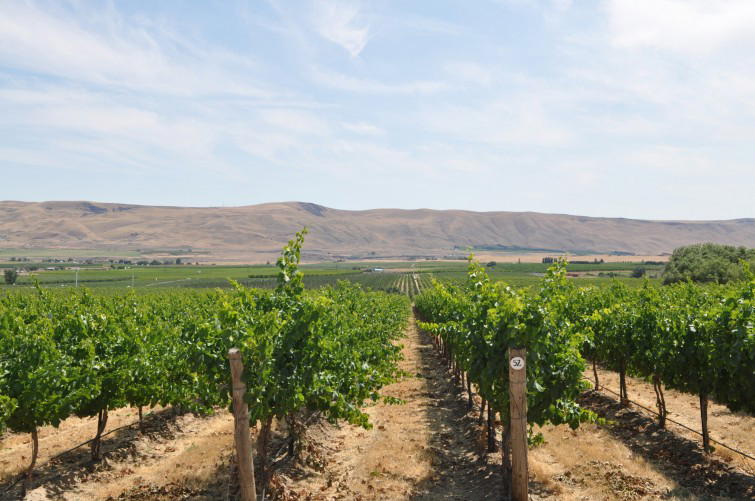
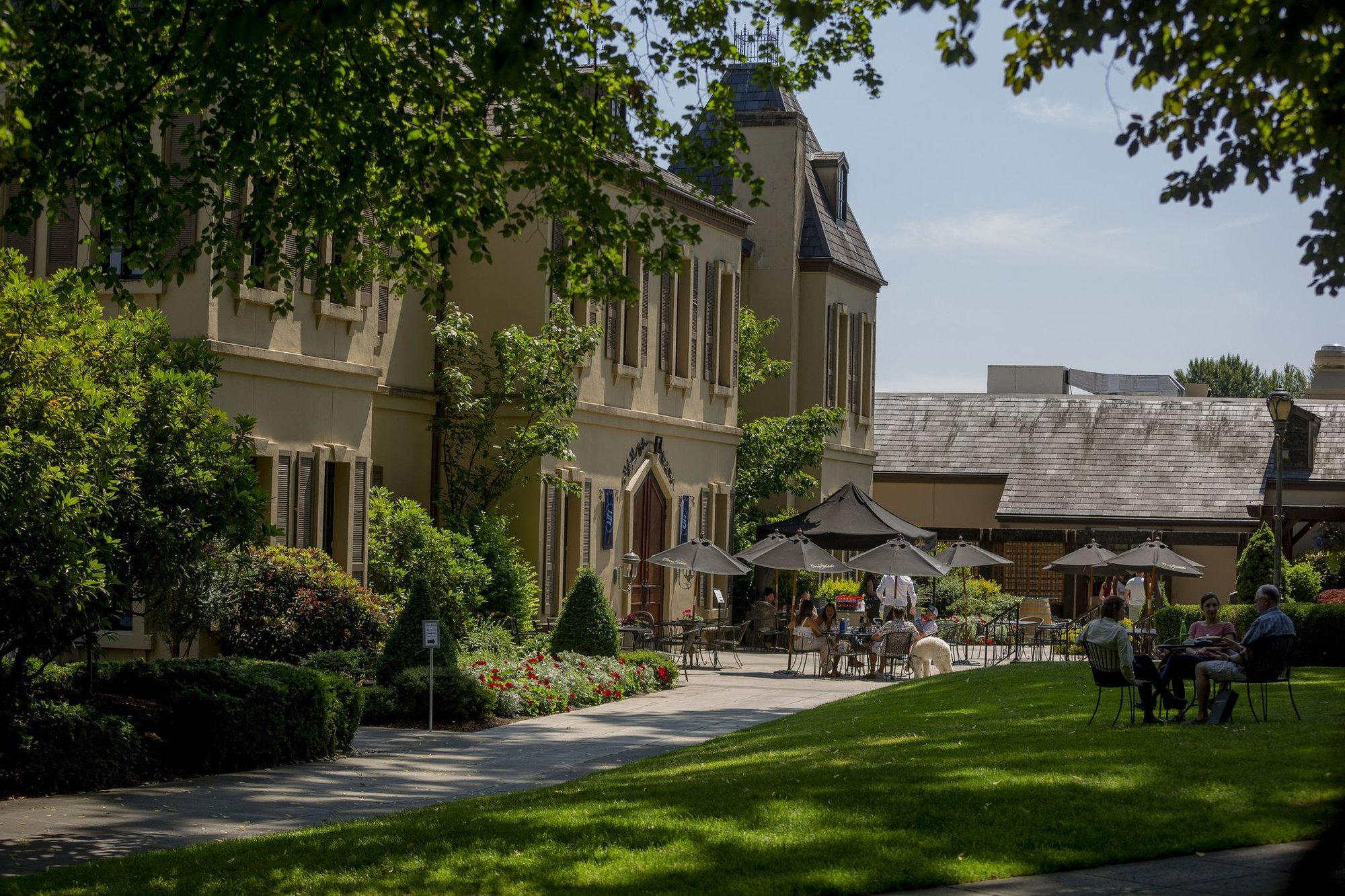
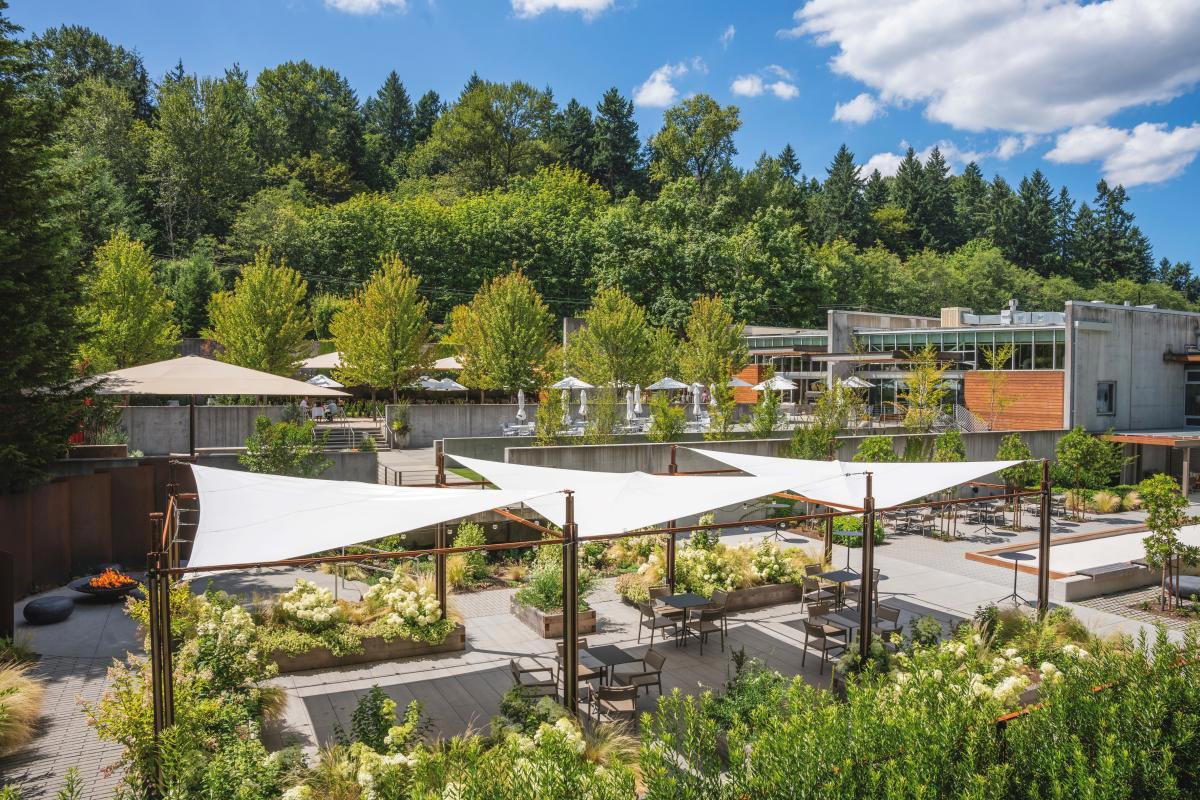
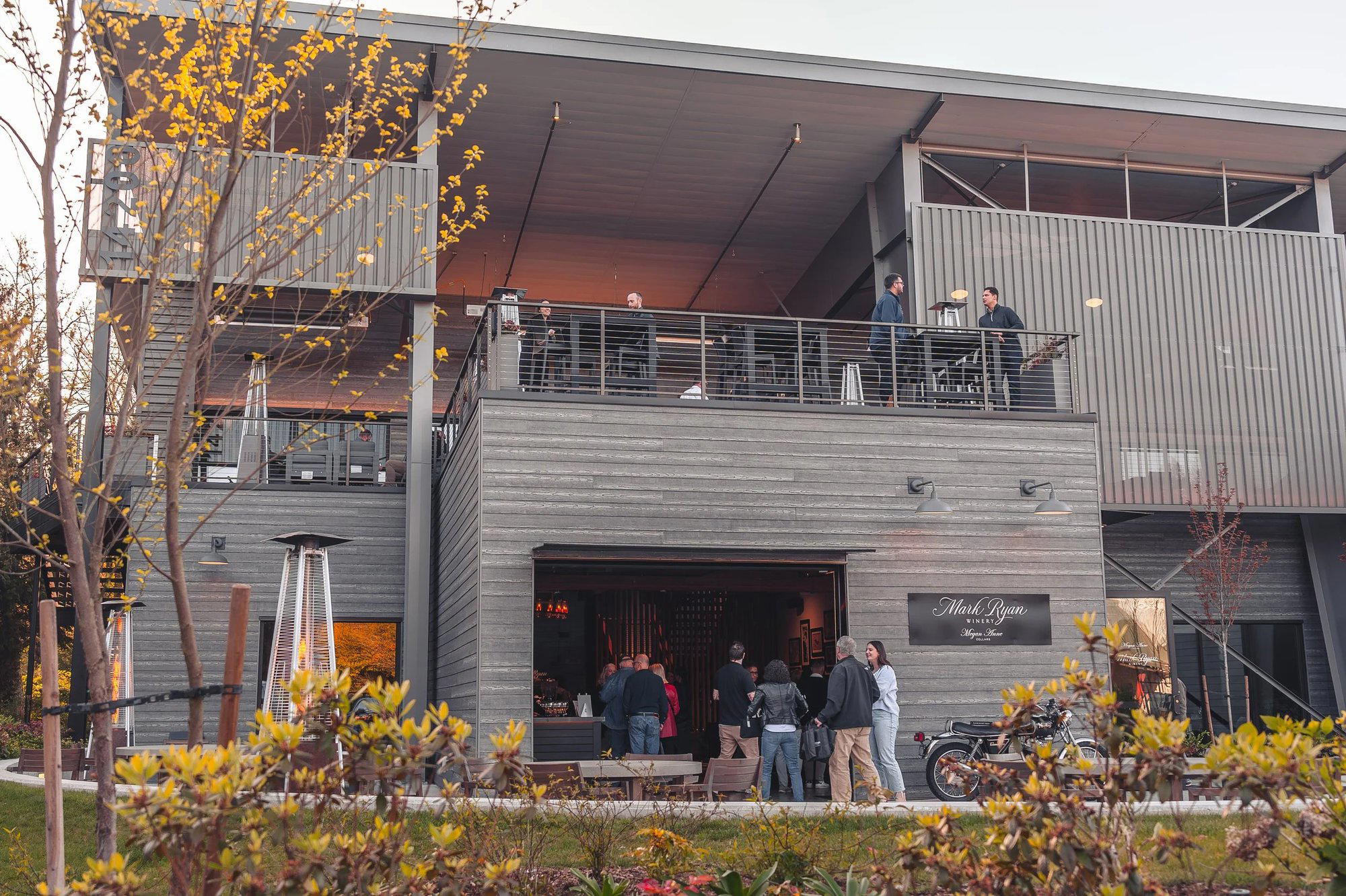
For wine-focused travelers, Woodinville Wine Country sits approximately 30 minutes northeast, a wine-producing corridor that houses over 110 wineries and tasting rooms drawing from appellations across Washington State. The Pacific Northwest wine region has grown significantly in critical standing over the past two decades, and Woodinville functions as its accessible hub from Seattle. Day-long whale watching tours that circumnavigate Whidbey Island and pass through the San Juan Islands operate from the city and remain one of the more distinctive outdoor experiences tied to Seattle's marine geography.
The hotel also positions itself as a logical base for Pacific Northwest regional travel more broadly. The Fairmont Empress in Victoria, British Columbia is reachable by ferry in approximately 3.5 hours, a pairing that gives guests access to two historically significant Fairmont properties across the border. For travelers assembling a Pacific Northwest itinerary, the routing makes geographic sense. Other Fairmont properties in Vancouver extend the same logic further north.
Who This Hotel Works For
The Fairmont Olympic draws a cross-section that reflects its position: high-end leisure travelers and international visitors who want central location and established hotel infrastructure; executive business travelers for whom the suite product's work-sleep separation is functionally useful; and couples whose itinerary prioritises access to the city's cultural and culinary offerings. The hotel is also pet-friendly, which widens the leisure demographic meaningfully.
For travelers comparing options across Seattle's upper accommodation tier, the Fairmont Olympic's case rests on three factors that peers cannot replicate: its National Register of Historic Places listing, its 100-year record of hosting significant occasions, and its suite-weighted room mix at a scale that smaller boutique properties, Ace Hotel Seattle, Hotel Ballard, or 11th Avenue Inn, operate well below. The Hotel Five occupies a different price and format category entirely.
Across the broader US market, the Fairmont Olympic's combination of historic designation, central urban location, and institutional scale places it in a cohort that includes properties like The Fifth Avenue Hotel in New York City, hotels where the building itself carries cultural weight independent of the current operator. For those whose travel priorities run toward landscape-driven or resort formats, Post Ranch Inn in Big Sur, Amangiri in Canyon Point, or Auberge du Soleil in Napa serve a different function entirely. The Olympic's argument is urban and historical, not environmental.
Reservations at the Fairmont Olympic are handled through standard Fairmont booking infrastructure. For a full map of Seattle's dining and accommodation options across price tiers, see our full Seattle restaurants guide.
A Lean Comparison
Comparable venues nearby, for context on price, style, and recognition.
| Venue | Price | Awards | Notes |
|---|---|---|---|
| Fairmont Olympic Hotel - SeattleThis venue — the venue you are viewing | $300–500 | La Liste Top Hotels · Virtuoso Luxury Hotel Partner | Not listed |
| Four Seasons Hotel Seattle | Not listed | Michelin Guide New Hotels New Hotel · Michelin Selected | Seattle Waterfront, Luxury urban waterfront hotel with Pacific Northwest touches. |
| Hotel Ballard | $200–300 | Not listed | Adams, luxury boutique in historic neighborhood |
| Hotel Max | $200–300 | Michelin Selected | Denny Triangle, playfully boutique with artistic and musical influences |
| The Edgewater Hotel | $200–300 | Not listed | Seattle Waterfront, Over-water luxury property blending rock 'n' roll legacy with Pacific Northwest charm. |
| Inn at the Market | $200–300 | Michelin Selected | Seattle Waterfront, Modern Pacific Northwest boutique hotel blending contemporary design with regional character and heritage charm. |
Recognition history
Dated appearances from independent guides and award organizations, with the underlying list record or original source where available.
La Liste Top Hotels
La Liste
Virtuoso Luxury Hotel Partner
Virtuoso
Continue exploring
More in Seattle
Hotels in Seattle
Browse all →
Bars in Seattle
Browse all →
Restaurants in Seattle
Browse all →
Details
- Elegant
- Sophisticated
- Classic
- Well Known
- Romantic Getaway
- Business Trip
- Anniversary
- Celebration
- Family Vacation
- Historic Building
- Destination Spa
- Waterfront
- Garden
- Terrace
- Panoramic View
- Wi Fi
- Pool
- Spa
- Fitness Center
- Room Service
- Concierge
- Business Center
- Valet Parking
- EV Charging
- Restaurant
- Skyline
- Street Scene
- Wheelchair Accessible
- Elevator
- Accessible Restroom
- Accessible Parking
- Step Free Entrance
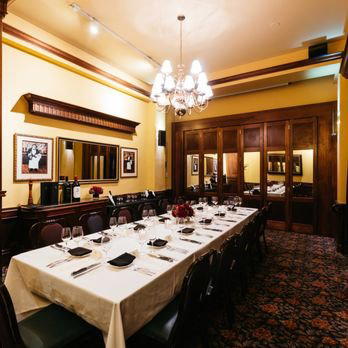
Old world elegance with refined service blending classic charm and modern luxury; light-filled art-deco restaurant spaces with soaring ceilings and serene room décor in cream, blue, and grey tones.