Our verdict
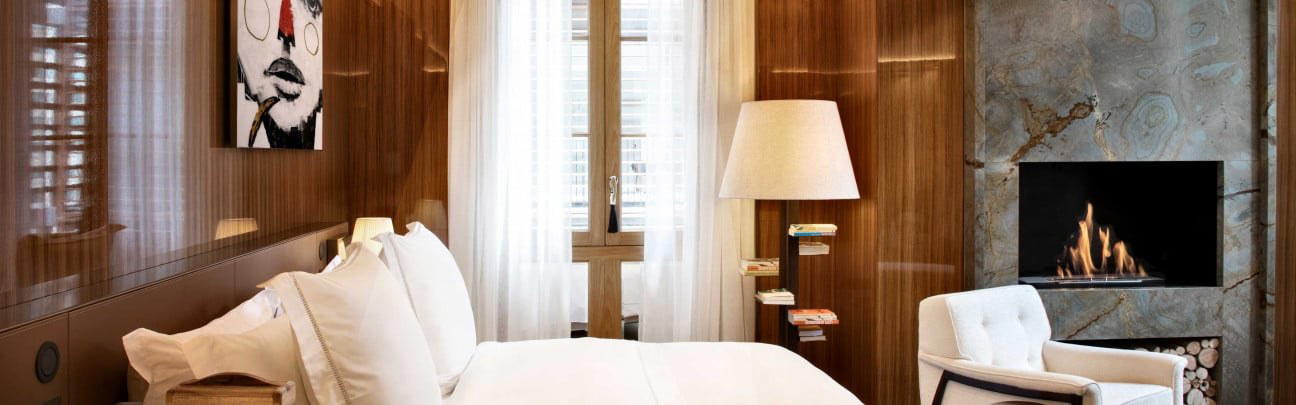
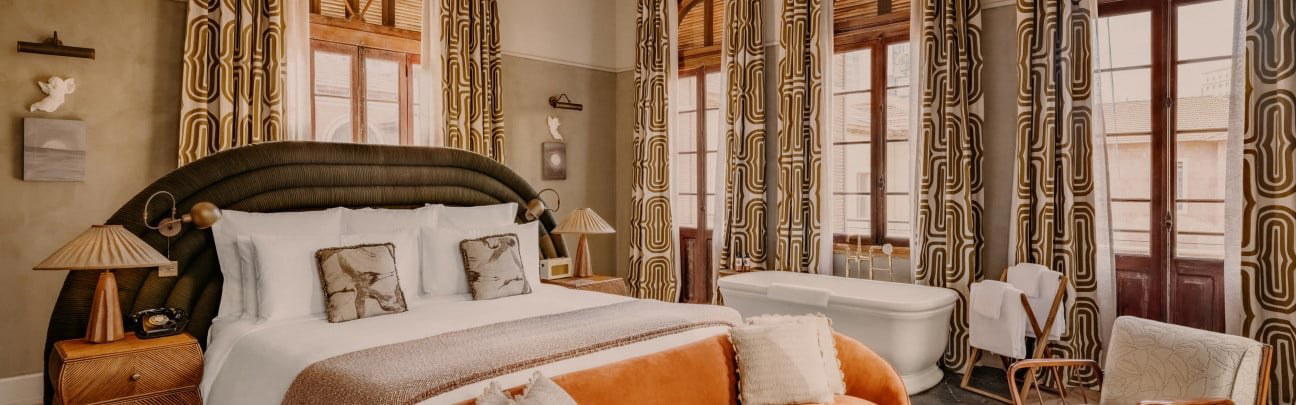
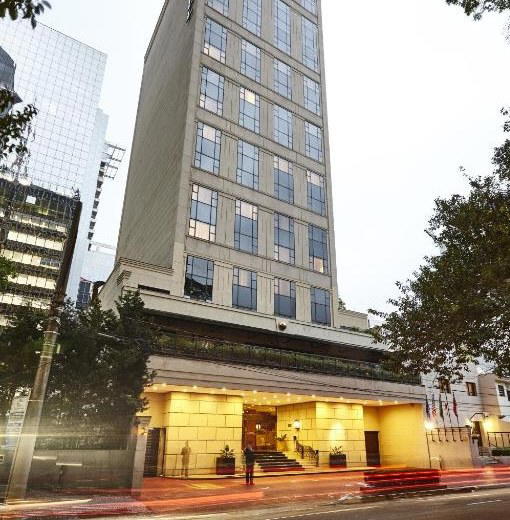
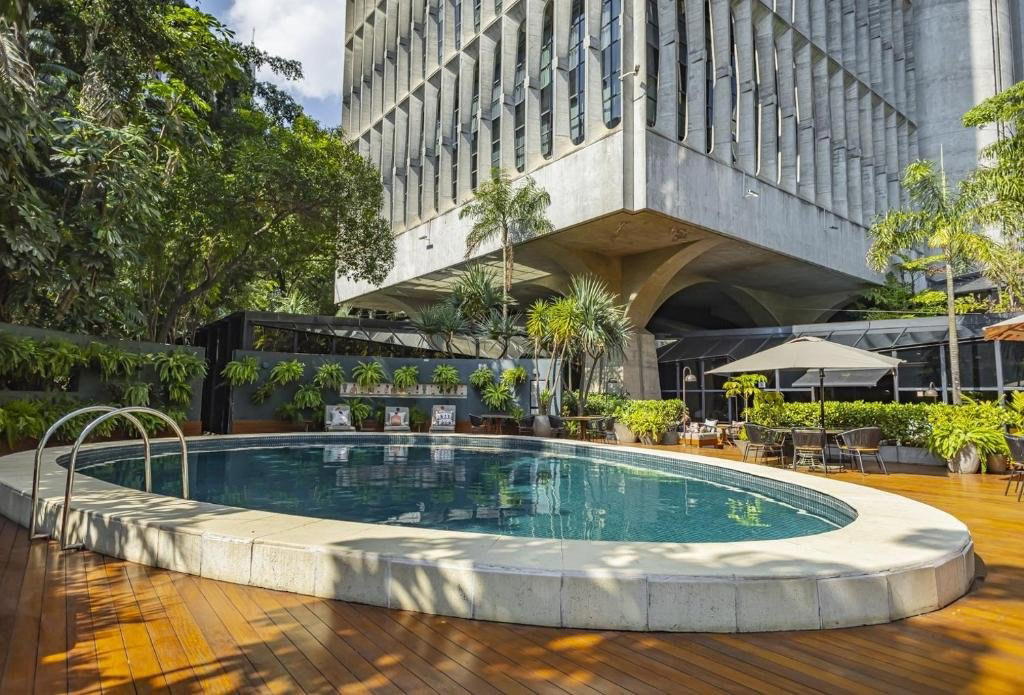
Tanka Restaurante occupies a significant address in São Paulo's Liberdade district, operating out of the Kyoto Hotel on Praça da Liberdade, the historic center of Brazil's Japanese immigrant community. The setting places the restaurant inside one of the city's most culturally specific neighborhoods, where Japanese-Brazilian identity has shaped local food culture for over a century. For visitors seeking to understand that tradition at table, the address alone carries weight.

Pearl is the En Primeur Club membership app, where members save venues, book tables and use the concierge.

Liberdade and the Long Arc of Japanese-Brazilian Dining
São Paulo's Liberdade district has functioned as the organizational center of Japanese-Brazilian life since the early twentieth century, when the first wave of Japanese immigrants arrived in Brazil to work the coffee plantations of the interior. What began as a transit neighborhood gradually became a permanent cultural anchor, and its food culture evolved accordingly: from simple home cooking shared in tenement kitchens to the layered, hybridized cuisine that now defines the neighborhood's most considered restaurants. Praça da Liberdade, the square at the heart of the district, sits at the geographic and symbolic middle of that story.
Tanka Restaurante operates from within the Kyoto Hotel on Praça da Liberdade, at number 149. That address is not incidental. In a city where restaurants increasingly locate themselves in the expanded dining corridors of Jardins, Itaim Bibi, or Pinheiros, neighborhoods that house venues like D.O.M. and Evvai, a restaurant planted inside Liberdade is making a statement about context and rootedness that few others in the city's premium tier can claim so directly.
The Hotel-Restaurant Format in São Paulo's Dining Scene
Hotel restaurants in São Paulo occupy a complicated position. The city's most celebrated tables, those associated with chefs whose work drives conversation at the level of Tuju or Maní, are almost uniformly standalone operations, unbundled from accommodation. Hotel dining here tends to function as a convenience proposition rather than a destination in its own right. The Kyoto Hotel's positioning in Liberdade complicates that pattern: a hotel embedded in a neighborhood with genuine culinary identity has access to a legitimizing context that a generic business hotel in Itaim cannot manufacture.
The question for any hotel-restaurant in this city is whether it draws from its neighborhood or merely references it. Liberdade's food culture, across its ramen counters, izakayas, confeitarias selling wagashi, and the weekly Sunday market on the praça itself, gives Tanka a deep well to draw from, if the kitchen chooses to. That relationship between place and plate is what separates restaurants that belong to a neighborhood from those that simply occupy a building within it.
Planning a Visit: What to Know Before You Go
Practical information for Tanka Restaurante is limited in current distribution channels: no phone number, no booking platform link, and no published hours are available through standard travel databases at the time of writing. That absence of readily accessible booking infrastructure places the restaurant in a category that requires more legwork than São Paulo's better-documented dining addresses. Visitors accustomed to securing reservations through platforms like TheFork or directly through a restaurant's own site will need to approach this one differently.
The most reliable route for a hotel restaurant in this position is direct contact through the Kyoto Hotel itself, at Praça da Liberdade, 149. Front desk staff at hotel properties can typically facilitate dining reservations and confirm current hours, a useful approach when the restaurant's own digital presence is thin. For travelers arriving in São Paulo without a fixed itinerary, this also means that walk-in availability may be more plausible here than at fully booked destination restaurants. The contrast with venues like Fame Osteria, where reservation windows can extend weeks out, is notable.
Liberdade is accessible by metro on the Linha 1-Azul (Blue Line), with the Liberdade station placing visitors directly at the edge of the praça. For travelers coming from Jardins or the Paulista corridor, the journey is direct. The neighborhood rewards time spent: the Sunday fair on Praça da Liberdade, which typically runs from early morning, offers one of the more concentrated expressions of Japanese-Brazilian food culture in the city, a useful frame for understanding what any restaurant in this district is working within or against.
Where Tanka Sits in the City's Broader Dining Architecture
São Paulo's restaurant scene is large enough that any single venue exists within multiple overlapping competitive sets. At the neighborhood level, Tanka competes with the informal and mid-range operators that define Liberdade's accessible, everyday dining character. At the hotel-restaurant level, it sits alongside properties that serve a mix of hotel guests and local walk-ins. At the Japanese-Brazilian cuisine level, if that is indeed the kitchen's orientation, given the hotel's name and address, it enters a conversation that runs from casual gyudon counters to the refined Japanese-influenced tasting menus that have become one of São Paulo's signatures.
For context on that broader scene, the city's creative dining extends well beyond its most-discussed addresses. Lasai in Rio de Janeiro offers a point of comparison for how Brazilian chefs at the top of the market are thinking about produce-driven cooking, while restaurants like Atomix in New York City illustrate how Asian-origin cuisines can function at the highest critical level when execution and intention align. Closer to home, São Paulo's own full restaurant landscape rewards research before any trip, given how quickly the city's dining tier reshuffles.
Brazil's restaurant culture beyond São Paulo also provides useful scale. From Bistro Fitz Carraldo in Manaus to Cantina Pozzobon in Santa Maria, regional operators across the country demonstrate that serious cooking is not confined to the country's two largest cities, a fact that makes São Paulo's dominance of the critical conversation feel increasingly provisional. For visitors whose Brazil itinerary extends beyond São Paulo, Arte e Café Imperial in Angra dos Reis and Casa da Picanha Penedo in Itatiaia offer regional alternatives worth noting.
Frequently asked questions
What should I order at Tanka Restaurante?
How hard is it to get a table at Tanka Restaurante?
What's the defining dish or idea at Tanka Restaurante?
Can Tanka Restaurante adjust for dietary needs?
Does Tanka Restaurante justify its prices?
Is Tanka Restaurante a good option for experiencing Japanese-Brazilian cuisine in São Paulo?
Recognition, Side-by-Side
Comparable venues nearby, for context on price, style, and recognition.
| Venue | Cuisine | Price | Awards | Notes |
|---|---|---|---|---|
| Tanka RestauranteThis venue (the venue you are viewing) | Asian Buffet (Japanese, Chinese, Korean, Thai) | $20–30 | Not listed | Not listed |
| Osaka Japanese Cusine | Nikkei Japanese-Peruvian Fusion | Not listed | Not listed | Pinheiros |
| Izakaya Issa | Authentic Japanese Izakaya | $20–30 | Not listed | Liberdade |
| Restaurante Aizomê | Modern Japanese Kaiseki | $30–50 | Not listed | Vila Bela Vista |
| Daiki Sushi | Classic Japanese Sushi | $20–30 | Not listed | Moema |
| Sushi Guen | Traditional Japanese Sushi | $30–50 | La Liste Top Restaurants | Liberdade |
Continue exploring
More in São Paulo
Restaurants in São Paulo
All restaurants in São Paulo →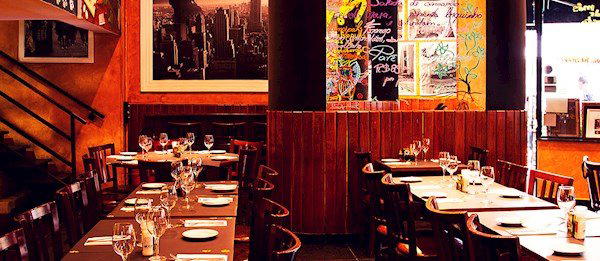
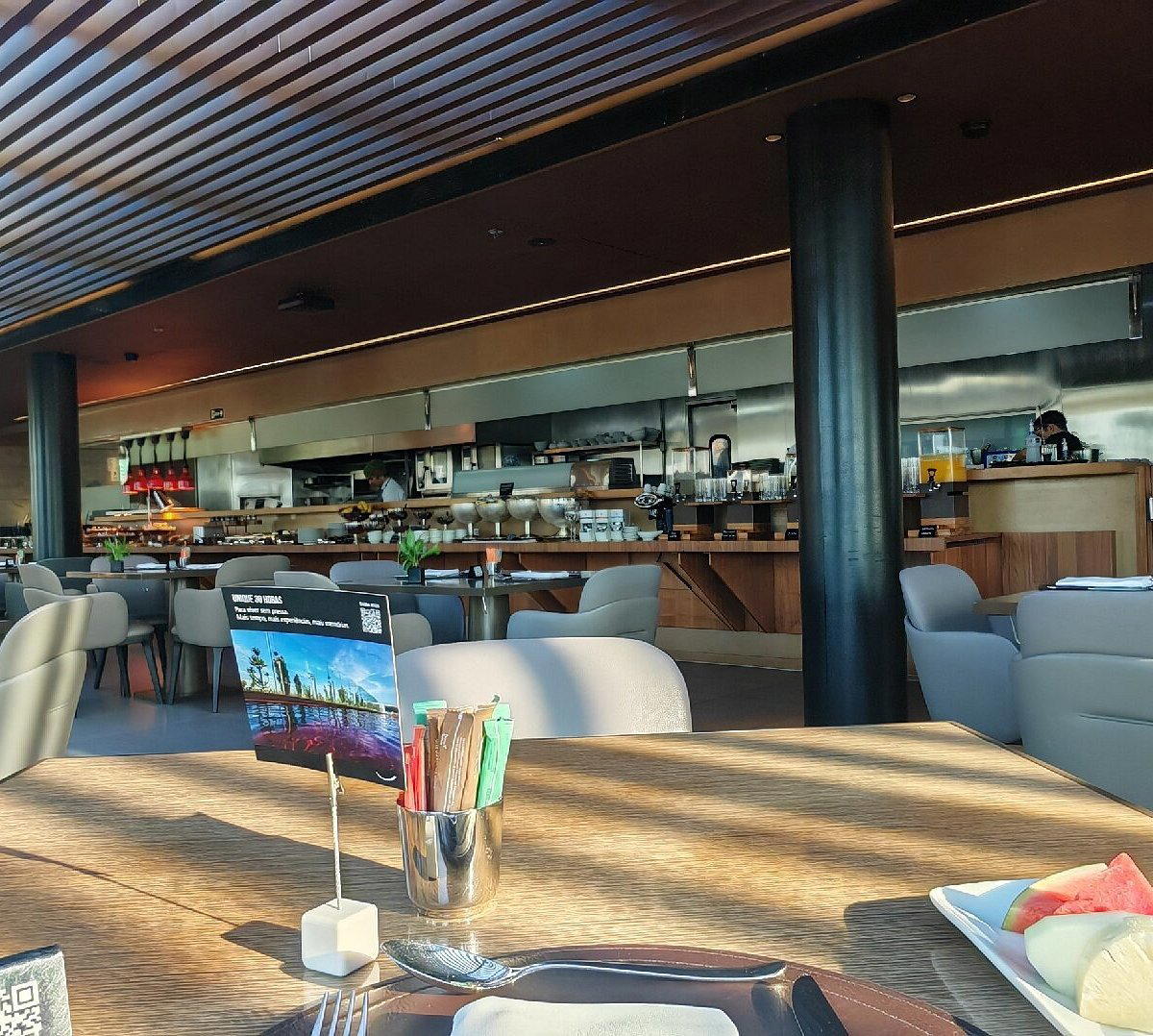
Details
- Cozy
- Lively
- Group Dining
- Casual Hangout
- Family
- Open Kitchen
- Buffet
- Vegetarian Friendly
Current opening hours
- Monday
- Closed
- Tuesday
- 11:30 AM–3 PM, 6–10 PM
- Wednesday
- 11:30 AM–3 PM, 6–10 PM
- Thursday
- 11:30 AM–3 PM, 6–10 PM
- Friday
- 11:30 AM–3:30 PM, 6–10:30 PM
- Saturday
- 11:30 AM–3:30 PM, 6–10:30 PM
- Sunday
- 11:30 AM–3:30 PM, 6–10 PM
Hours can change for holidays and private events. Hours as of .
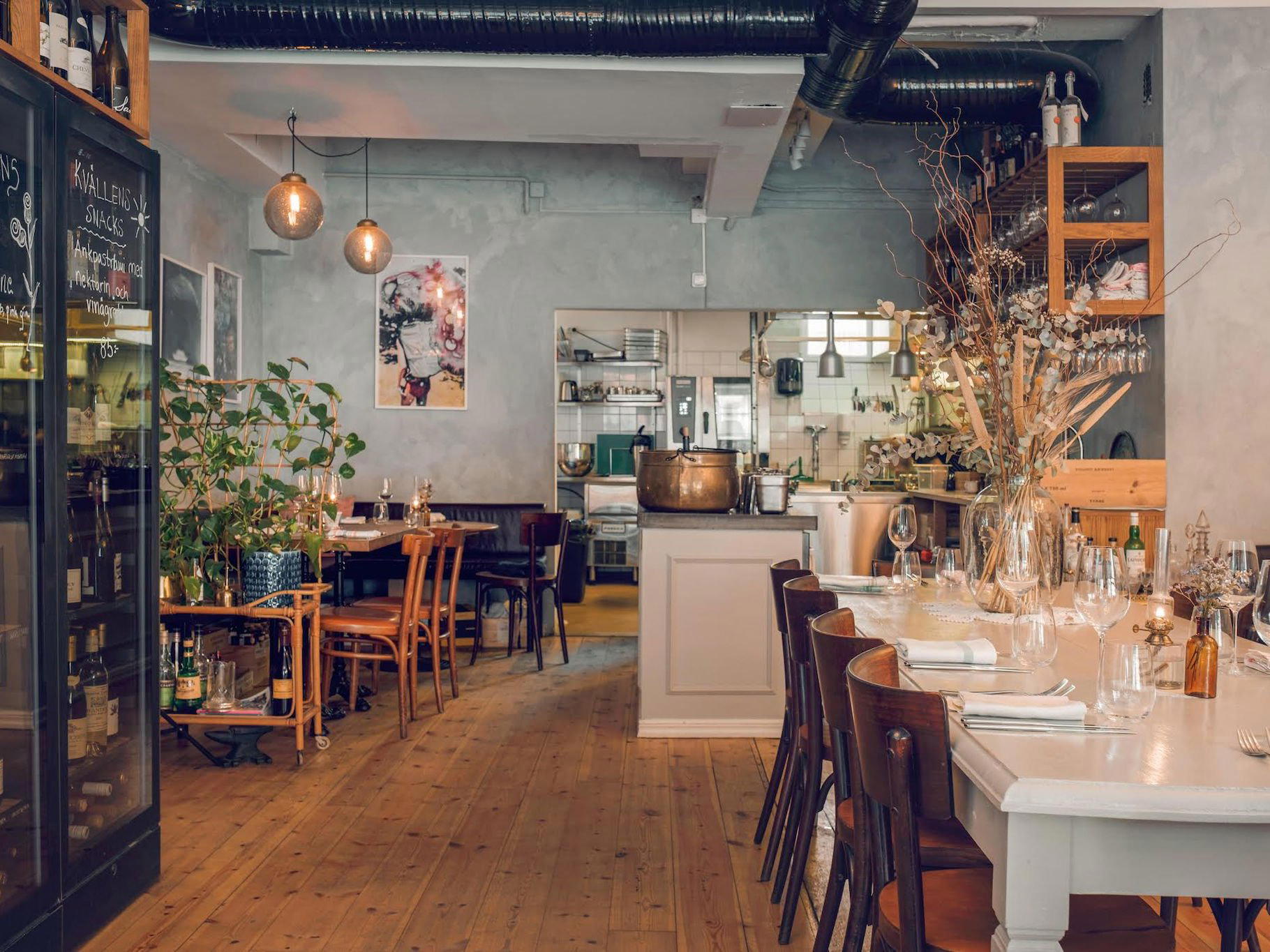
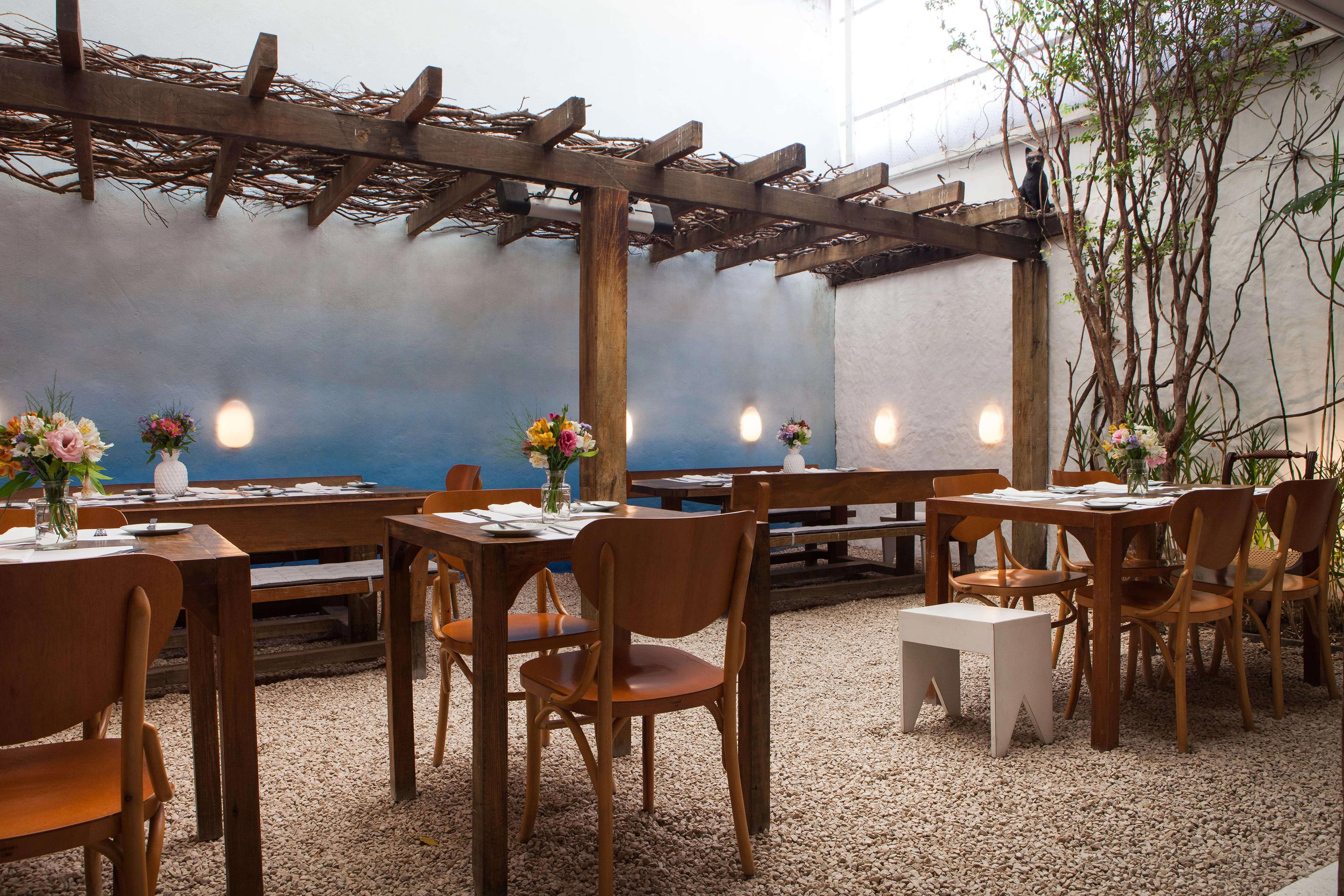
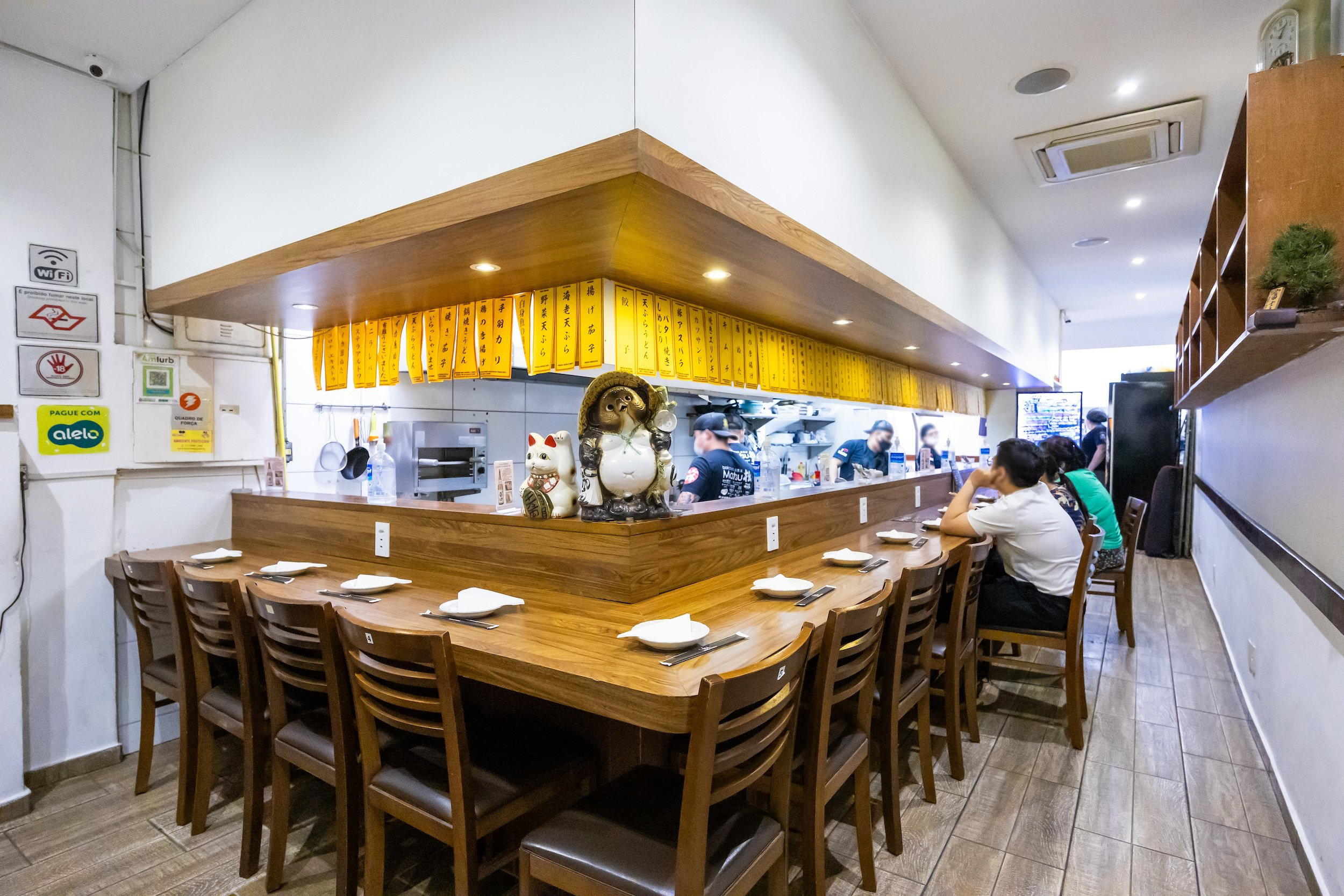
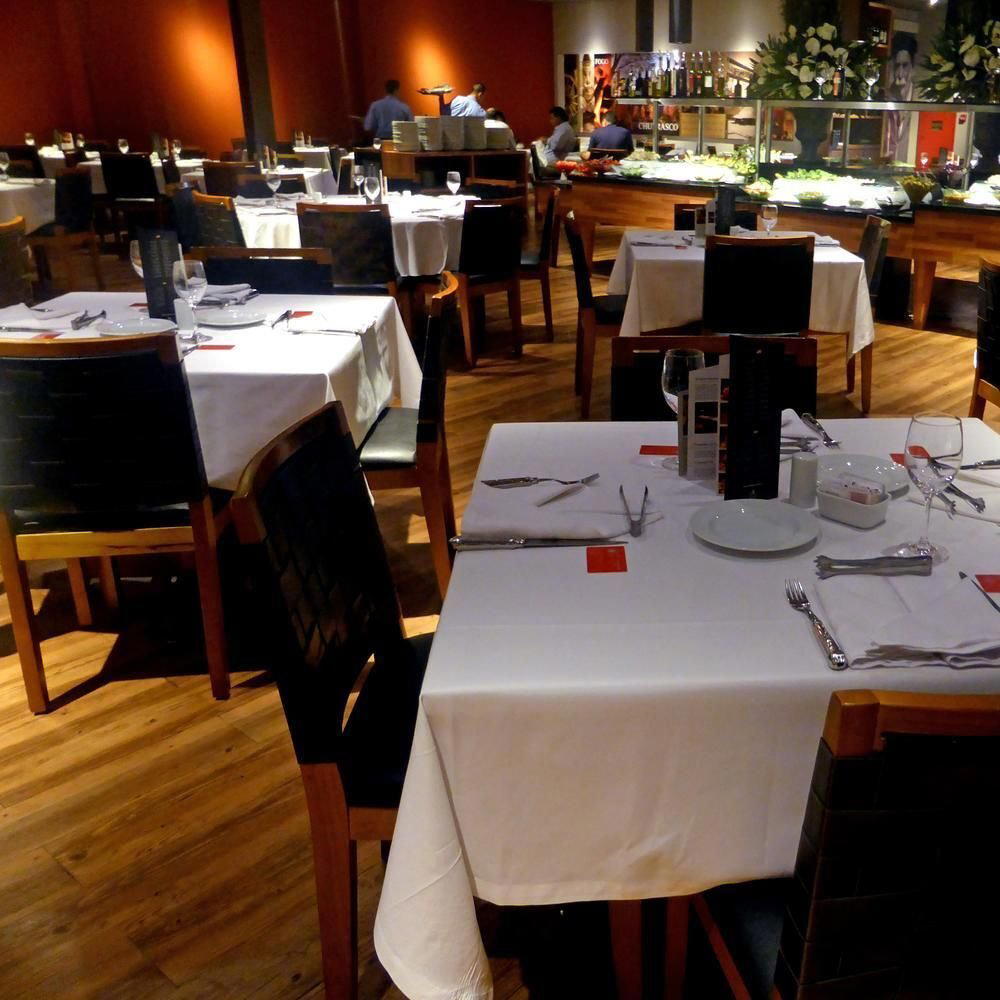
Cozy atmosphere in the lively Liberdade district with a bustling buffet setup.