
Sushi Guen on Rua Manoel Da Nóbrega occupies a specific niche in São Paulo's Japanese dining scene: a Brazilian interpretation of sushi that places local produce inside a Japanese structural framework. Recognised on La Liste's Top Restaurants list in both 2025 and 2026, the address draws a loyal local following,100 reviews.
Pearl is the En Primeur Club membership app — saves, bookings, and concierge access live there. Same editors, same standards.
- Address
- Rua Manoel Da Nóbrega, 76, São Paulo, SP 04001-000, Brazil
- Phone
- +55 11 5461-0787
- Website
- instagram.com
- Directions
- Get directions
 Saves & bookings on Pearl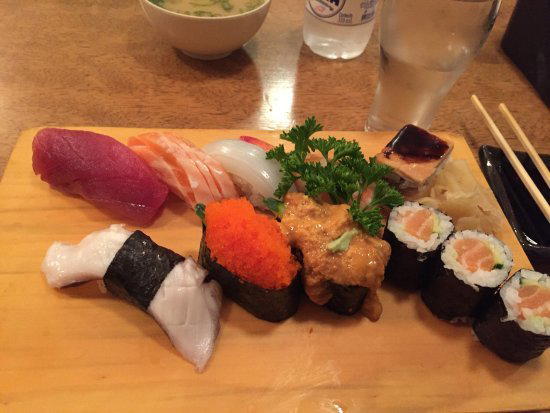
Where Japanese Discipline Meets Brazilian Produce
São Paulo's Japanese community is the largest outside Japan, a fact that has shaped the city's relationship with sushi for over a century. What began as immigrant home cooking has evolved into a distinct culinary category: Brazilian sushi, which borrows the structural grammar of Japanese technique while drawing on the extraordinary breadth of local ingredients. Sushi Guen, on Rua Manoel Da Nóbrega in Paraíso, sits within that tradition and represents the tier of the category that has attracted international critical attention.
The address sits in a neighbourhood that functions as a connective tissue between Jardim Paulista and Vila Mariana, an area where mid-scale restaurants and specialist dining rooms coexist without the self-conscious glamour of Jardins further north. The physical setting is understated by design, a deliberate contrast to the flashier nikkei formats that have proliferated across the city over the past decade. In São Paulo's Japanese dining scene, that restraint is itself a positioning signal.
The Brazilian Sushi Argument
The term "Brazilian sushi" covers a wide range, from casual temaki bars to technically demanding counters that apply classical Japanese frameworks to Amazonian fish, Cerrado produce, and Atlantic seafood. The interesting question is not whether local ingredients belong inside Japanese forms, but how rigorously those forms are maintained when the raw materials change.
At the more disciplined end of the category, the challenge is sourcing. Japan's leading sushi counters are built around ingredient relationships developed over generations, with suppliers who understand the precise specifications of a particular chef's aging or temperature protocols. Replicating that infrastructure in São Paulo requires both local agricultural knowledge and a willingness to work with suppliers unfamiliar with Japanese quality standards. The restaurants that succeed in this space tend to operate as much like procurement operations as kitchens.
Sushi Guen's La Liste recognition in both 2025 (78.5 points) and 2026 (76 points) places it in the company of addresses that have attracted the attention of the French-organised global ranking system. La Liste aggregates data from Michelin guides, regional publications, and local critic surveys across more than 600 sources, which makes its rankings a useful cross-referenced signal rather than a single-perspective judgment. For a Brazilian sushi address to appear on that list at all marks it as operating at a level that extends beyond the local nikkei dining circuit.
For context, São Paulo's most decorated creative addresses, including D.O.M. and Tuju, have anchored their reputations on exactly this intersection of imported technique and Brazilian terroir. Maní operates in a similar register with a Brazilian-international creative approach. Sushi Guen pursues that same principle inside a Japanese structural framework rather than a European one.
São Paulo's Japanese Dining Spectrum
The city's Japanese dining scene now runs across at least four distinct tiers. At the entry level, temakeria chains and casual nikkei spots serve a broad population for whom sushi is everyday food rather than a special occasion. A mid-range tier covers neighbourhood sushi restaurants operating at $$-$$$ price points with menus that mix Japanese standards and Brazilian adaptations. Above that sits a premium category where addresses like Jun Sakamoto have built reputations on classical Japanese technique. And then there is the category that restaurant occupies: Brazilian sushi interpreted at a level of ambition that attracts international critical frameworks.
This stratification matters because it sets the competitive context. The restaurant is not competing with a temakeria, nor is it simply importing Japanese omakase formats unchanged. It occupies a specific niche where Brazilian identity is not a compromise but the editorial point.
The Broader São Paulo Scene
São Paulo's restaurant culture has matured significantly over the past decade. The city now supports a range of internationally recognised addresses across multiple cuisines, from the contemporary Italian work at Evvai to the Italian-contemporary approach at Fame Osteria. This diversity matters because it establishes the competitive environment in which a specialist address like Sushi Guen has to earn its reputation. Paulistano diners are accustomed to high technical standards across multiple cuisines, which raises the baseline expectation for any address that positions itself at a premium level.
Beyond São Paulo, Brazil's fine dining circuit extends to addresses like Lasai in Rio de Janeiro, Manga in Salvador, and Orixás North Restaurant in Itacaré, each working through a different regional lens. The thread connecting them is the same question the restaurant addresses in its own idiom: what happens when rigorous technique encounters the specific conditions of Brazilian geography and produce.
Internationally, the tension between imported method and local ingredient has produced particularly discussed restaurants of the past decade. Le Bernardin in New York built its reputation on French classical seafood technique applied to Atlantic product. Atomix, also in New York, represents a Korean framework reinterpreted through American sourcing. The restaurant participates in the same global conversation, from a specifically Brazilian position.
Know Before You Go
Address: Rua Manoel Da Nóbrega, 76, São Paulo, SP 04001-000, Brazil
Awards: La Liste Leading Restaurants 2026 (76pts); La Liste Leading Restaurants 2025 (78.5pts)
6 out of 5 (1,194 reviews)
Neighbourhood: Paraíso, between Jardim Paulista and Vila Mariana
Hours: Not confirmed; verify directly before visiting
Related guides: Our full São Paulo restaurants guide | São Paulo hotels | São Paulo bars | São Paulo wineries | São Paulo experiences
Recognition, Side-by-Side
Comparable venues nearby, for context on price, style, and recognition.
| Venue | Cuisine | Price | Awards | Notes |
|---|---|---|---|---|
| Sushi GuenThis venue — the venue you are viewing | Traditional Japanese Sushi | $$$ | Not listed | Not listed |
| Kosushi | Modern Japanese Sushi | $$$ | Michelin Plate | Itaim Bibi |
| Restaurante Sushi Hiroshi | Traditional Japanese Sushi | $$$ | Not listed | Santana |
| Goya Zushi | Traditional Japanese Omakase | $$$ | Michelin Plate | Jardim Paulista |
| Tanka Restaurante | Asian Buffet (Japanese, Chinese, Korean, Thai) | $$ | Not listed | Se |
| Ohka | Modern Japanese Cuisine | $$$$ | Not listed | Pinheiros |
Recognition history
Dated appearances from independent guides and award organizations, with the underlying list record or original source where available.
La Liste Top Restaurants
La Liste
La Liste Top Restaurants
La Liste
Continue exploring
More in São Paulo
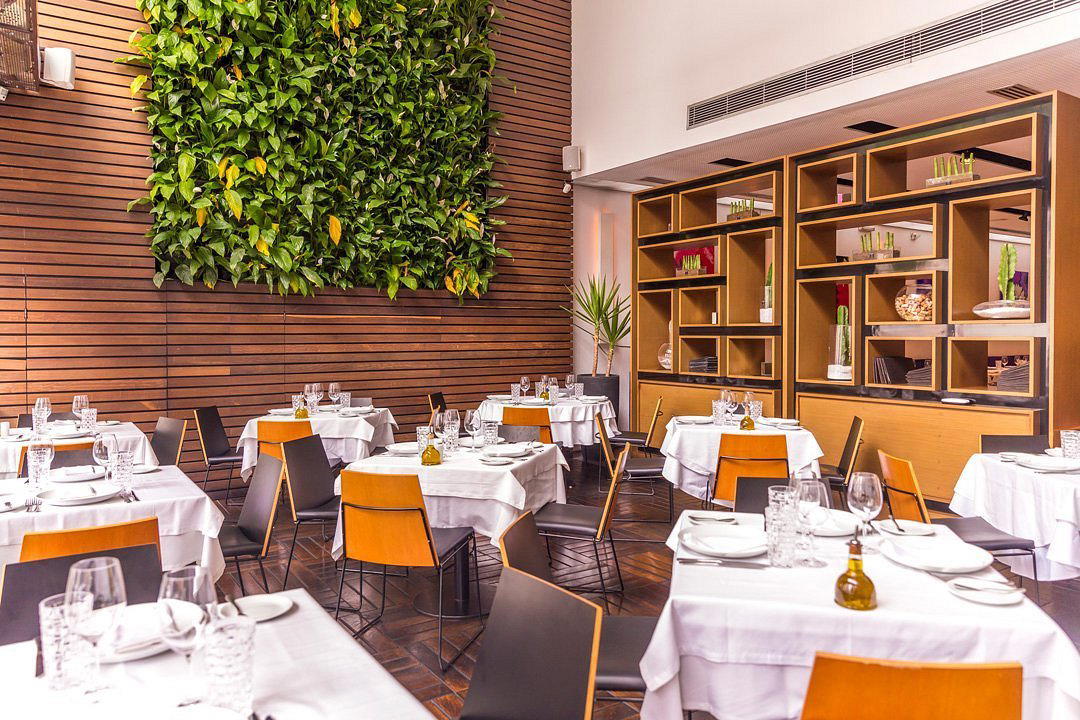
Restaurants in São Paulo
Browse all →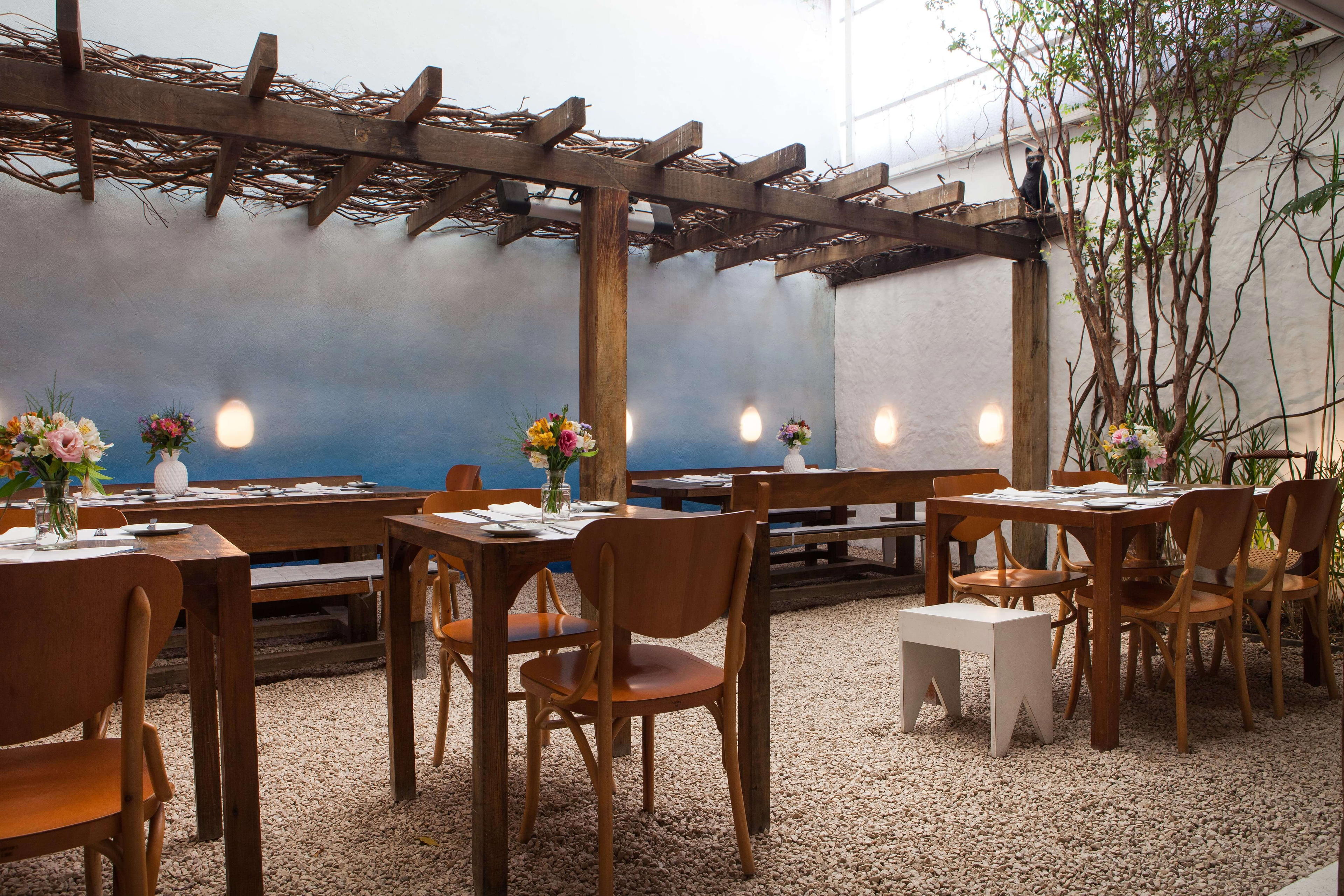
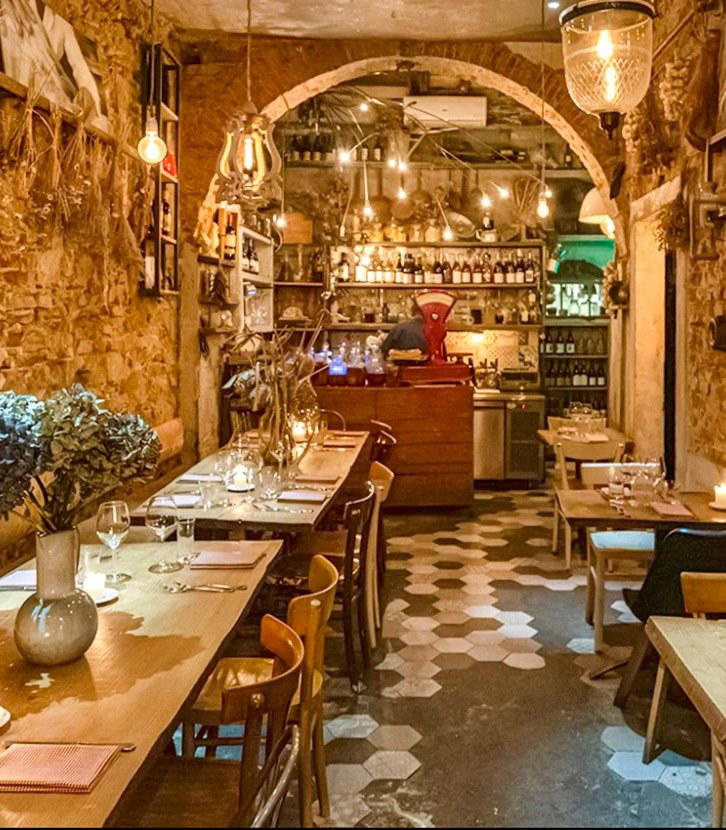
Bars in São Paulo
Browse all →




At a Glance
- Classic
- Intimate
- Cozy
- Date Night
- Business Dinner
- Solo
- Chefs Counter
- Sake Program
Current opening hours
- Monday
- 11:30 AM–2:30 PM, 6–10 PM
- Tuesday
- 11:30 AM–2:30 PM, 6–10 PM
- Wednesday
- 11:30 AM–2:30 PM, 6–10 PM
- Thursday
- 11:30 AM–2:30 PM, 6–10 PM
- Friday
- 11:30 AM–2:30 PM, 6–10:30 PM
- Saturday
- 11:30 AM–2:30 PM, 6–10:30 PM
- Sunday
- Closed
Hours can change for holidays and private events. Last verified .
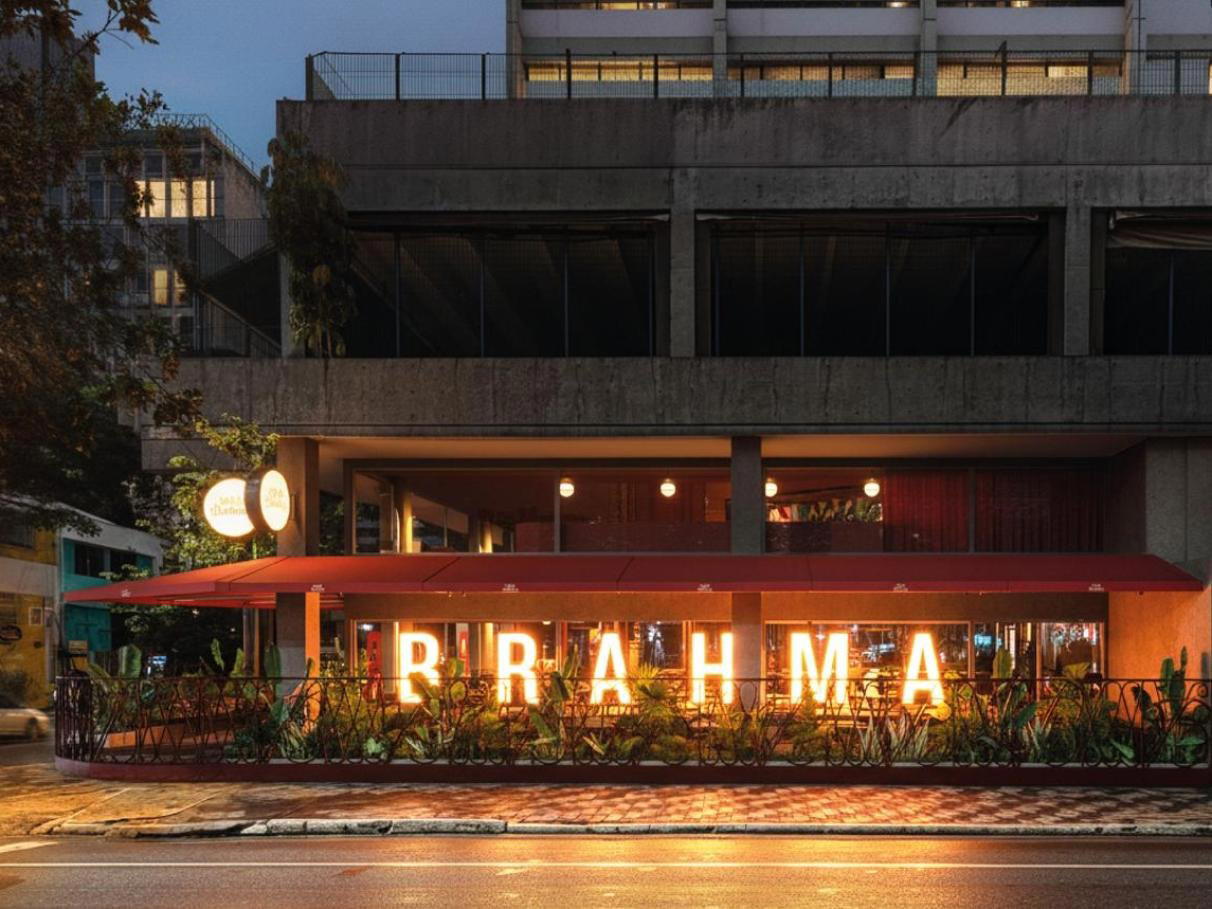
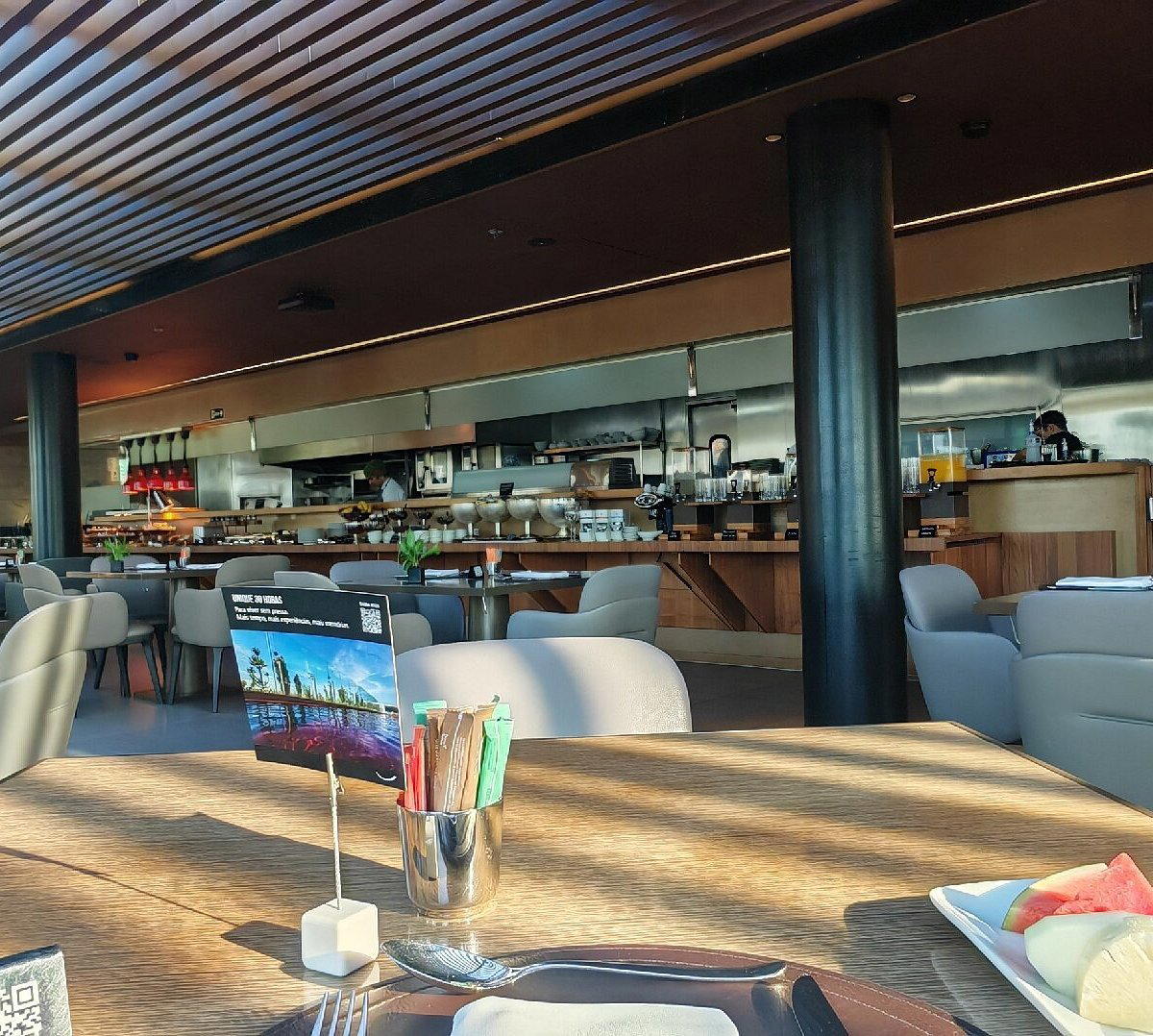
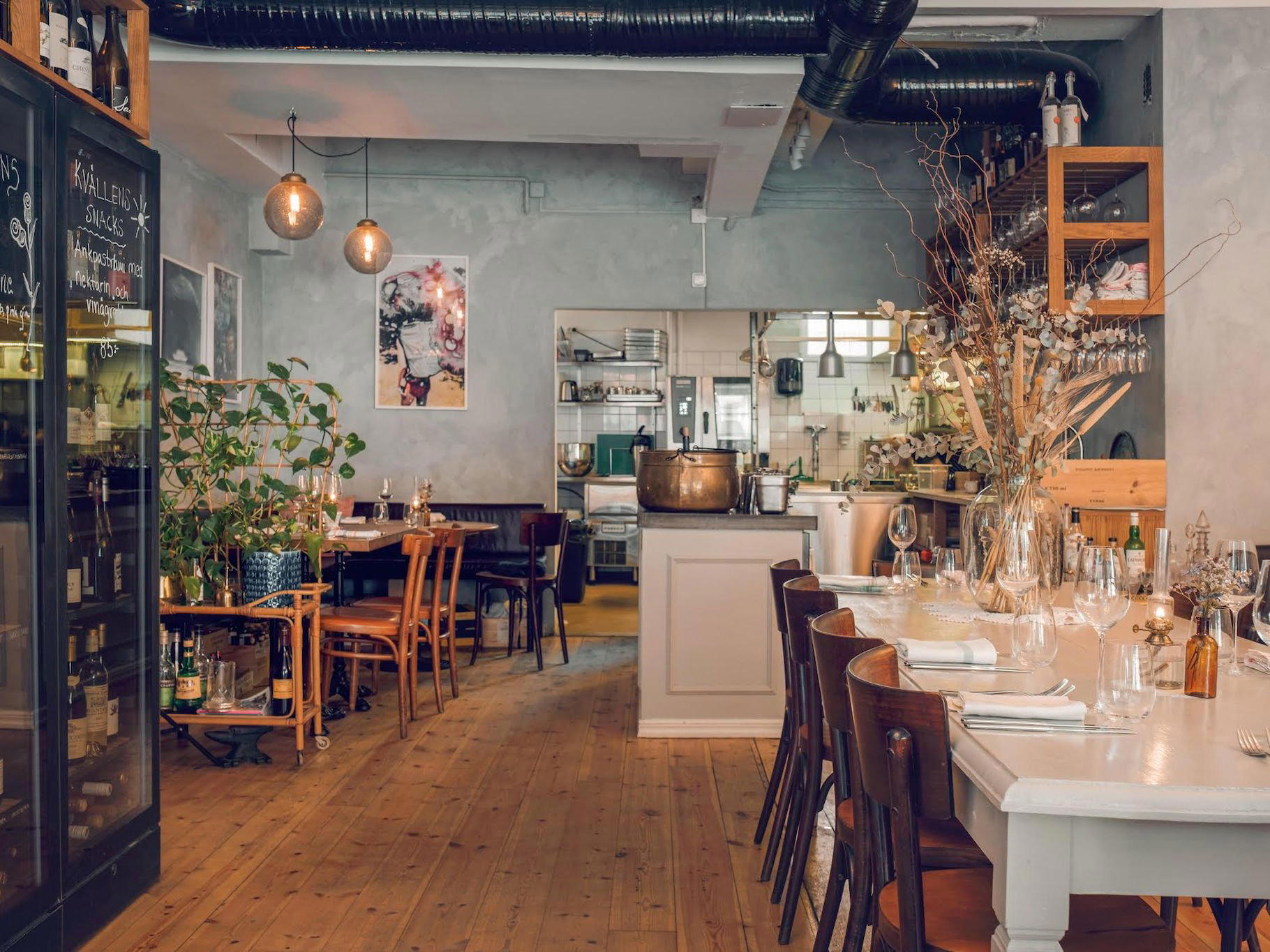
Low-lit sushi counter with functional lighting focused on the bar, calm and authentic atmosphere with wood surfaces and direct sightlines to chefs.