
1 Michelin Star
Our verdict
Murakami holds two consecutive Michelin stars (2024 and 2025) and sits at the sharper end of São Paulo's Japanese contemporary scene, where European technique and Brazilian produce meet in a format that rewards repeat visits. Located on Alameda Lorena in Jardins, it operates in the same price tier as the city's other starred rooms and draws a crowd that books ahead. Chef Hans Neuner's European fine-dining lineage gives the kitchen a distinct angle within the genre.

Pearl is the En Primeur Club membership app — saves, bookings, and concierge access live there. Same editors, same standards.
- Address
- Alameda Lorena, 1186 - Jardins, São Paulo - SP, 01424-001, Brazil
- Phone
- +55 11 3064-8868
- Hours
- Mon–Sat 12–3 PM, 7–11:30 PMSun Closed
- Website
- murakamimu.com
- Directions
- Get directions
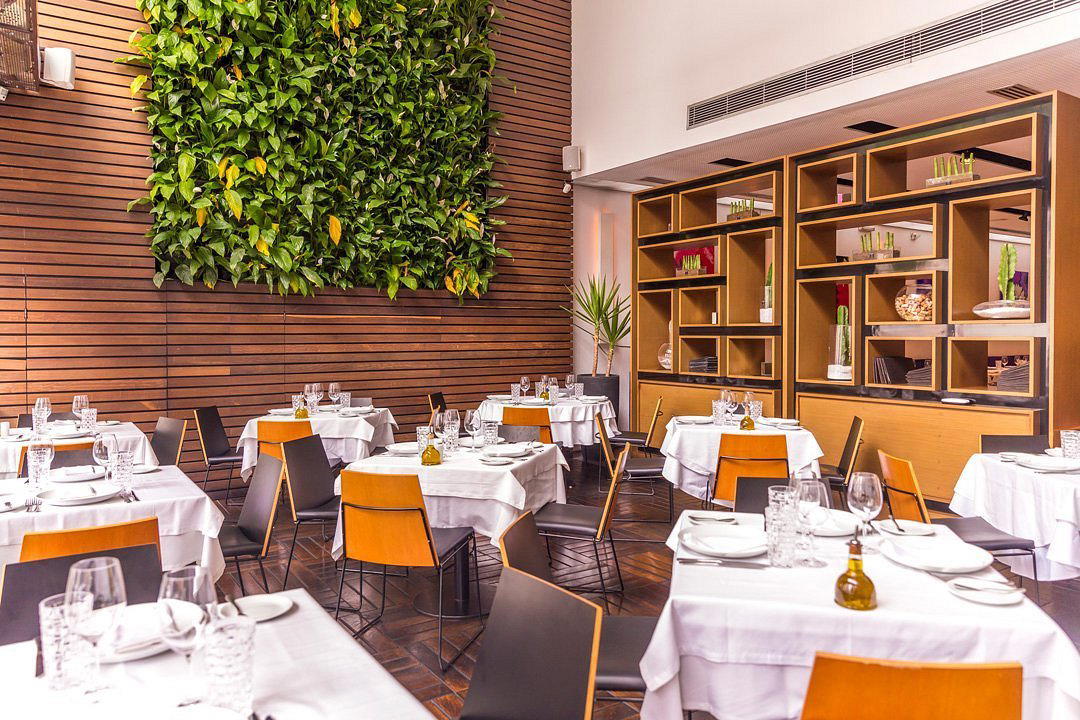
Where Jardins Sets the Scene
Alameda Lorena runs through the residential core of Jardins, one of São Paulo's most densely starred neighbourhoods for serious dining. The street carries a particular kind of quiet confidence: low-rise buildings, mature trees, and addresses that tend to reward the effort of tracking them down. Arriving at number 1186, there is no theatrical marquee or neon signage competing for attention. The entry is measured, the interior restrained in the way that rooms designed around a tasting format tend to be, where the architecture steps back to let the sequence of plates take precedence. This is the physical register in which Murakami operates: deliberate, composed, and calibrated to a particular kind of attention.
Japanese Contemporary in a Brazilian Kitchen
São Paulo's Japanese-Brazilian community is the largest outside Japan, a demographic fact that has shaped the city's food culture for over a century. What that history produced is not a single cuisine but a layered negotiation between Japanese discipline and Brazilian abundance, playing out across sushi counters in Liberdade, izakayas in Vila Madalena, and, at the upper tier, restaurants like Murakami that take the contemporary omakase or tasting-menu format as their structural frame and ask what happens when the ingredients are Brazilian rather than imported.
The Japanese contemporary category, internationally, is defined by exactly this tension: classical Japanese technique (knife work, fermentation, temperature precision, ingredient restraint) applied to produce that was never part of the original culinary vocabulary. In Tokyo or Osaka, the answer is hyper-local Japanese produce sourced at premium. In São Paulo, the raw material list expands dramatically: Amazonian fish, cerrado fungi, tropical citrus, and cuts from Brazilian cattle that have no Japanese-market equivalent.
The Michelin inspectors' sustained recognition across two consecutive years signals consistency, which in tasting-menu formats is at least as important as the initial creative idea.
Hans Neuner and the European Fine-Dining Thread
The European fine-dining tradition that informs Murakami's kitchen is worth contextualising as a trend rather than as biography. Over the past decade, a number of the most technically rigorous Japanese contemporary restaurants outside Asia have been led or significantly shaped by chefs whose primary training came through European brigade systems: the classical French or Portuguese fine-dining pipeline that emphasises sauce work, mise en place discipline, and an almost architectural approach to plate construction. When that training meets Japanese flavour logic, the results tend to be more precise than the average fusion exercise, because both traditions share a deep commitment to technique over improvisation.
Chef Hans Neuner belongs to that cohort. His profile in the context of Murakami is less about personal journey and more about what his European credentials imply for the kitchen's methodology: a preference for structured tasting sequences, an attention to temperature and texture that mirrors Japanese kaiseki logic, and a willingness to treat non-Japanese produce with the same reverence a Tokyo chef might reserve for domestic wagyu or Hokkaido sea urchin. Peer venues operating in the same register include The Japanese Restaurant in Andermatt and Eika in Taipei, both of which navigate similar intersections between Japanese format and non-Japanese culinary traditions.
The São Paulo Starred Tier: Where Murakami Sits
São Paulo's Michelin ecosystem has matured significantly over the past five years. The city now maintains a cohort of starred rooms across multiple cuisine categories, and the competitive dynamics between them have sharpened. At the $$$$ price tier, Murakami operates alongside Evvai (Contemporary Italian, also at the leading price bracket) and D.O.M. (Modern Brazilian Creative, a long-standing reference point in the city's fine-dining conversation). Maní sits at $$$ and represents the Brazilian-international creative register at a slightly more accessible price point.
What distinguishes Murakami within this group is the specificity of its culinary frame. Where D.O.M. and Maní work within a broadly Brazilian creative identity, and Evvai within an Italian one, Murakami operates in the more technically exacting Japanese contemporary format, which carries its own set of constraints and expectations around pacing, sequence, and ingredient treatment. The nearest genre comparison in the city would be Jun Sakamoto, though that room operates at $$$ and within a more traditional sushi register rather than the tasting-menu format. For readers building a broader picture of Michelin-level dining in Brazil, Lasai in Rio de Janeiro provides a useful reference from a different city, and Tuju in São Paulo adds another creative angle within the local scene.
Local Ingredients, Global Technique: The Editorial Case
The most useful lens for understanding Murakami is also the most widely applicable one in contemporary fine dining: what happens when a kitchen brings internationally trained technique to bear on produce that is inescapably local. Brazil's biodiversity is, in raw terms, among the greatest of any single country. The cerrado biome alone produces ingredients that have no European or Japanese equivalent, and the Amazon basin continues to yield fish species, herbs, and fruits that São Paulo's serious kitchens are only beginning to incorporate systematically.
Japanese contemporary technique, with its emphasis on minimal intervention and ingredient-first presentation, is arguably better suited to handling unfamiliar produce than French-derived cuisine, which tends to transform ingredients through long cooking and layered saucing. A Japanese approach asks: what is this ingredient at its clearest expression? That is a useful question to ask of a cerrado mushroom or an Amazonian river fish that has no established preparation tradition in European or Japanese cooking. Murakami's sustained Michelin recognition suggests the kitchen has found answers that satisfy inspectors trained on the most rigorous global standards.
This intersection places Murakami in a broader Brazilian creative moment. Restaurants like Manga in Salvador and Orixás North Restaurant in Itacaré are working through similar questions from different regional and culinary starting points. Mina in Campos do Jordão brings its own regional specificity. Murakami's distinction within this national conversation is the strictness of its Japanese format, which imposes a discipline that shapes every decision about ingredient selection and presentation.
Planning a Visit
Murakami is on Alameda Lorena, 1186 in Jardins, São Paulo, a neighbourhood well served by rideshare and within walking distance of the city's main Jardins hotel cluster. Advance booking is advisable; at this tier and with consecutive Michelin stars, tables at preferred times tend not to remain available on short notice. Jacket or smart dress is the conventional standard at rooms of this category, though specifics are best confirmed when booking. For readers planning a fuller São Paulo programme, Fame Osteria offers a contrasting Italian contemporary register, while Primrose in Gramado and Castelo Saint Andrews in Gramado are worth noting for those extending into southern Brazil.
EP Club's full city resources cover the broader São Paulo picture: our full São Paulo restaurants guide, our full São Paulo hotels guide, our full São Paulo bars guide, our full São Paulo wineries guide, and our full São Paulo experiences guide provide the full context for building an itinerary around a meal at this level.
Frequently asked questions
What's the must-try dish at Murakami?
Murakami operates within the Japanese contemporary tasting-menu format, which means the menu sequence is the product rather than any individual dish in isolation. The kitchen holds a Michelin star for 2024 and 2025, and Chef Hans Neuner's European fine-dining background shapes the technical approach across the entire progression. The most instructive thing to try is the full sequence as the kitchen intends it: the intersection of Japanese technique and Brazilian produce is the argument being made, and it requires the full context of the meal to read clearly. Readers seeking specific current menu details should contact the restaurant directly, as tasting formats at this level change with seasonal availability and the kitchen's evolving direction.
At-a-Glance Comparison
| Venue | Cuisine | Price | Awards | Notes |
|---|---|---|---|---|
| MurakamiThis venue — the venue you are viewing | Modern Japanese Omakase | $100–150 | 1 Michelin Star | Not listed |
| Evvai | Modern Italian-Brazilian Fusion | $200–300 | 3 Michelin Stars · World's 50 Best #95 | Contemporary Italian, Modern Cuisine |
| D.O.M. | Modern Brazilian Amazonian Fine Dining | $150–200 | 2 Michelin Stars · World's 50 Best #74 | Modern Brazilian, Creative |
| Maní | Modern Creative Brazilian | $50–100 | 1 Michelin Star · World's 50 Best #67 | Brazilian - International, Creative |
| Jun Sakamoto | Japanese Omakase | $100–150 | 1 Michelin Star · La Liste Top Restaurants | Sushi, Japanese |
| A Casa do Porco | Modern Brazilian Pork-Centric | $30–50 | Michelin Bib Gourmand · World's 50 Best #25 | Regional Brazilian, Brazilian |
Recognition history
Dated appearances from independent guides and award organizations, with the underlying list record or original source where available.
Michelin 1 Star
Michelin
Full recognition history (3 entries)
Michelin 1 Star
Michelin
Michelin 1 Star
Michelin
Continue exploring
More in São Paulo
Restaurants in São Paulo
Browse all →
Bars in São Paulo
Browse all →

Details
- Intimate
- Elegant
- Sophisticated
- Modern
- Minimalist
- Date Night
- Special Occasion
- Business Dinner
- Solo
- Chefs Counter
- Open Kitchen
- Sake Program
- Omakase
- Tasting Menu
- Counter Dining
- Sake
- Vegetarian Friendly
Current opening hours
- Monday
- 12–3 PM, 7–11:30 PM
- Tuesday
- 12–3 PM, 7–11:30 PM
- Wednesday
- 12–3 PM, 7–11:30 PM
- Thursday
- 12–3 PM, 7–11:30 PM
- Friday
- 12–3 PM, 7–11:30 PM
- Saturday
- 12–3 PM, 7–11:30 PM
- Sunday
- Closed
Hours can change for holidays and private events. Last verified .
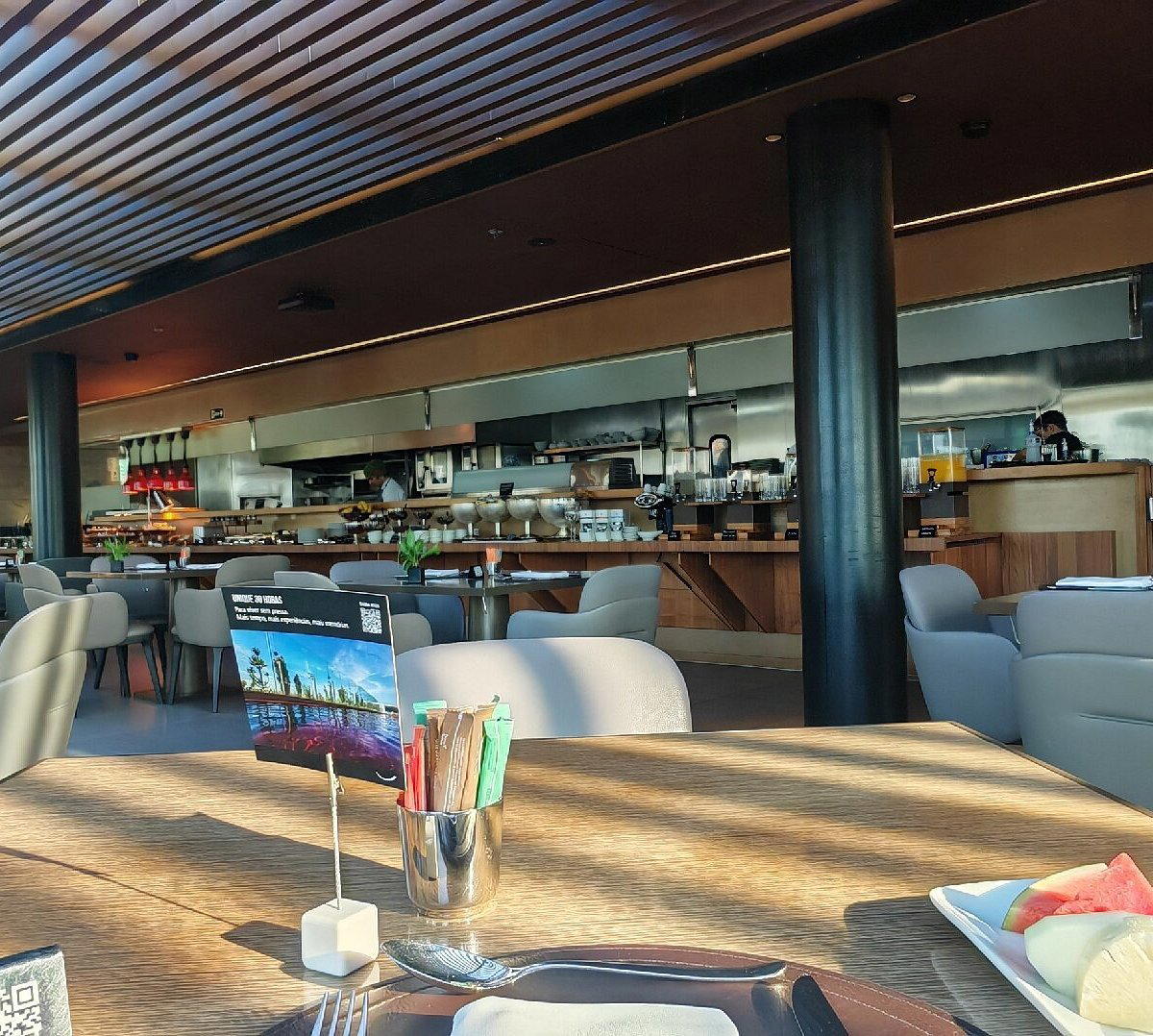
Serene and intimate with designer decor, featuring a large elongated counter for observing chefs, creating a relaxing yet elegant atmosphere.