In Jardim Paulista, Restaurante Aizomê occupies a quietly influential position in São Paulo's Japanese-Brazilian dining tradition, a cuisine that runs deeper here than anywhere else in the Americas. The address on Alameda Fernão Cardim places it within walking distance of several of the city's most serious kitchens, yet the restaurant draws a distinct clientele shaped by decades of nikkei culinary exchange. An address worth understanding before you visit.
Pearl is the En Primeur Club membership app — saves, bookings, and concierge access live there. Same editors, same standards.
- Address
- Alameda Fernão Cardim, 39 - Jardim Paulista, São Paulo - SP, 01403-020, Brazil
- Phone
- +551122221176
- Website
- aizome.com.br
- Directions
- Get directions
 Saves & bookings on Pearl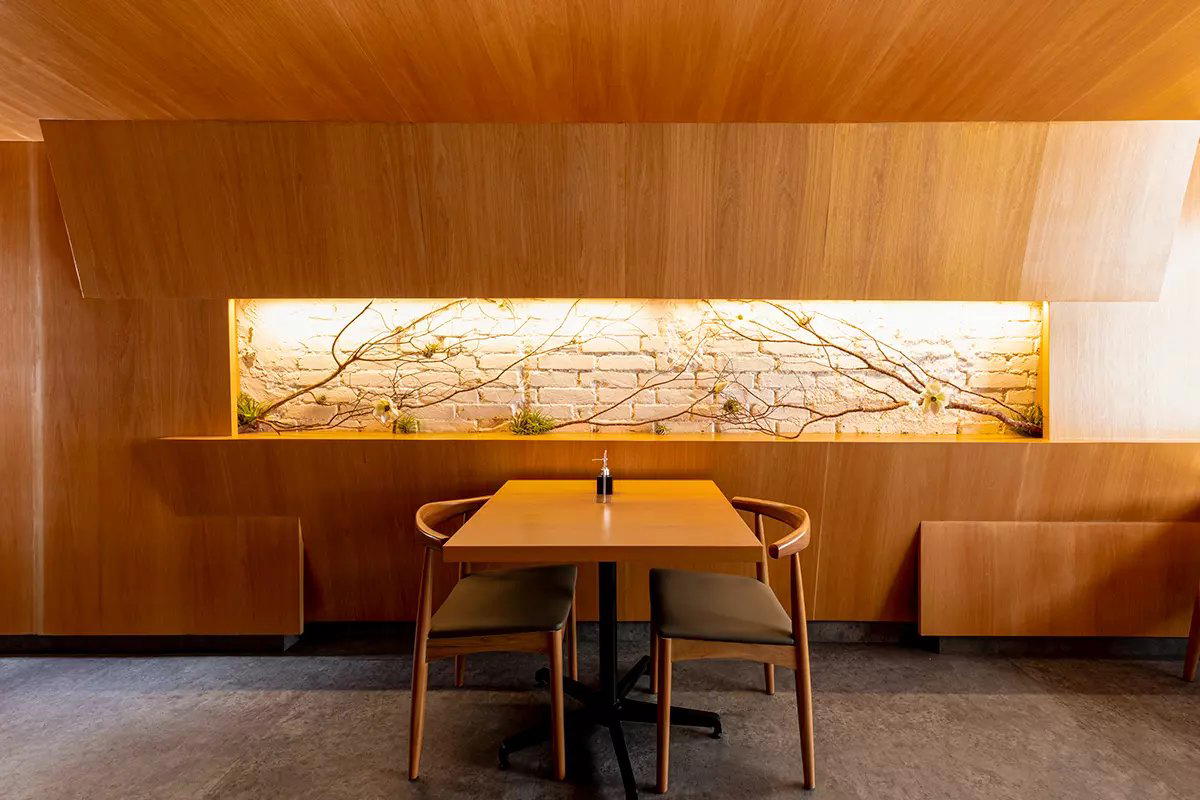
Where Japanese-Brazilian Cuisine Finds Its Seriousness
Jardim Paulista is not São Paulo's flashiest dining district, but it is one of its most consistent. The neighbourhood sits between the commercial density of Avenida Paulista and the residential calm of Jardim Europa, and its restaurant addresses tend to attract guests who return rather than guests who photograph. Alameda Fernão Cardim, where Restaurante Aizomê occupies number 39, carries that same character: low-key from the street, specific in purpose, and shaped by a local dining culture that values continuity over novelty.
The broader context matters here. São Paulo holds the largest Japanese diaspora population outside Japan, a community established across generations that has produced a distinct culinary tradition, nikkei cuisine, which fuses Japanese technique and ingredient logic with Brazilian produce and social rhythm. This is not fusion in the casual sense. It is a cuisine with decades of internal development, its own hierarchies, and its own critical standards. Aizomê operates squarely within that tradition, which places it in a different competitive conversation from the Brazilian-creative restaurants that draw international attention further across the city.
The Service Architecture That Shapes the Room
In Japanese-inflected dining rooms operating at this level, the collaboration between kitchen, floor, and wine programme carries unusual weight. The cuisine's emphasis on restraint and balance means that misalignment between what arrives on the plate and what is poured in the glass, or between the pacing a server sets and the rhythm a chef intends, registers more obviously than it might in a louder, more assertive format. Restaurants working in this register depend on teams who read a table without prompting and who understand that saying less is often the more technically demanding choice.
This team dynamic is part of what distinguishes Aizomê's positioning among São Paulo's nikkei addresses. The dining room on Alameda Fernão Cardim is designed for a specific kind of interaction: attentive without theatre, informed without lecture. Front-of-house staff in this category of restaurant are expected to carry knowledge of both Japanese culinary logic and Brazilian ingredient seasonality, since the menu draws from both traditions simultaneously. That dual literacy is rarer than it sounds, and it is part of what a repeat visitor comes back for. For comparison, the broader movement toward collaborative, precision-oriented service is visible across São Paulo's serious kitchens, from the omakase-influenced counters in Liberdade to the tasting-menu formats at addresses like Tuju and Evvai.
Nikkei Cuisine and Its Place in São Paulo's Restaurant Hierarchy
São Paulo's fine dining conversation is often dominated by the Brazilian-creative tier: addresses like D.O.M. and Maní that have built international profiles around native ingredients and contemporary technique. Nikkei restaurants occupy a parallel track, one that receives less international press coverage but commands serious local loyalty. The cuisine sits between two demanding traditions, and the restaurants that execute it well tend to be more technically exacting than their profiles suggest.
At the Brazilian-creative tier, the reference points are Amazonian produce, fermentation, and narrative around Brazilian identity. At the nikkei tier, the reference points are knife technique, raw ingredient quality, temperature control, and the management of umami across a meal's arc. These are different skill sets, and São Paulo has produced practitioners of real depth in both. Aizomê belongs to the nikkei conversation, which means its comparable set includes the serious Japanese-Brazilian addresses in Liberdade and Pinheiros rather than the tasting-menu circuit that feeds the 50 Best ecosystem. For readers exploring the wider Brazilian dining scene, Lasai in Rio de Janeiro offers a useful point of comparison for how the country's serious kitchens approach seasonal produce from different angles.
What the Address Tells You About the Guest
Jardim Paulista restaurants at this register draw a predominantly local, repeat-visit clientele. The neighbourhood does not see high tourist foot traffic, and the restaurants that sustain themselves here do so through accumulated trust rather than discovery-driven bookings. That dynamic shapes the entire experience: the room is calibrated for guests who know what they want, who have likely eaten here before, and who are not arriving with the expectation of being surprised by the format itself.
This is a meaningful distinction from the tasting-menu addresses that have built international reputations in São Paulo. Those restaurants, by design, attract a mix of local regulars and international visitors seeking a specific kind of high-profile experience. Aizomê's Jardim Paulista address suggests a different compact with its guest: less performance, more craft, and an assumption of return visits. The Fame Osteria model in the same city offers an instructive parallel in how neighbourhood-anchored restaurants build loyalty through consistency rather than spectacle.
Planning Your Visit
Alameda Fernão Cardim 39 in Jardim Paulista is accessible from central São Paulo by taxi or rideshare in under fifteen minutes from most of the city's hotel concentrations, and the neighbourhood is walkable from the Trianon-Masp metro station. For a restaurant operating in this tradition, booking ahead is advisable regardless of the day of the week; nikkei addresses at this level in São Paulo tend to fill on both weekday lunches and weekend dinners, driven by corporate and regular clientele rather than tourist demand. For readers building a broader São Paulo itinerary, compare neighbourhood dining across the city. Readers interested in Italy-influenced São Paulo dining will also find useful context at Evvai, while the broader Latin American fine dining conversation extends from São Paulo's creative kitchens to Rio, with Lasai as a southern anchor.
How It Stacks Up
Comparable venues nearby, for context on price, style, and recognition.
| Venue | Cuisine | Price | Notes |
|---|---|---|---|
| Restaurante AizomêThis venue — the venue you are viewing | Modern Japanese Kaiseki | $$$ | Not listed |
| Sushi Guen | Traditional Japanese Sushi | $$$ | Liberdade |
| Iroha Sushi Leopoldina Restaurante Japonês | Japanese Sushi and Rodízio | $$ | Vila Leopoldina |
| Temakeria Paulista | Japanese Temaki & Sushi | $$ | Agua Rasa |
| Daiki Sushi | Classic Japanese Sushi | $$ | Moema |
| Trattoria Fasano | Southern Italian Trattoria | $$$ | Itaim Bibi |
Continue exploring
More in São Paulo
Restaurants in São Paulo
Browse all →
Bars in São Paulo
Browse all →

At a Glance
- Cozy
- Elegant
- Modern
- Intimate
- Date Night
- Special Occasion
- Business Dinner
- Open Kitchen
- Design Destination
- Hotel Restaurant
- Sake Program
Current opening hours
- Monday
- 11:30 AM–2:30 PM, 6–10 PM
- Tuesday
- 11:30 AM–2:30 PM, 6–10 PM
- Wednesday
- 11:30 AM–2:30 PM, 6–10 PM
- Thursday
- 11:30 AM–2:30 PM, 6–10 PM
- Friday
- 11:30 AM–2:30 PM, 6–10 PM
- Saturday
- 11:30 AM–2:30 PM, 6–10 PM
- Sunday
- Closed
Hours can change for holidays and private events. Last verified .
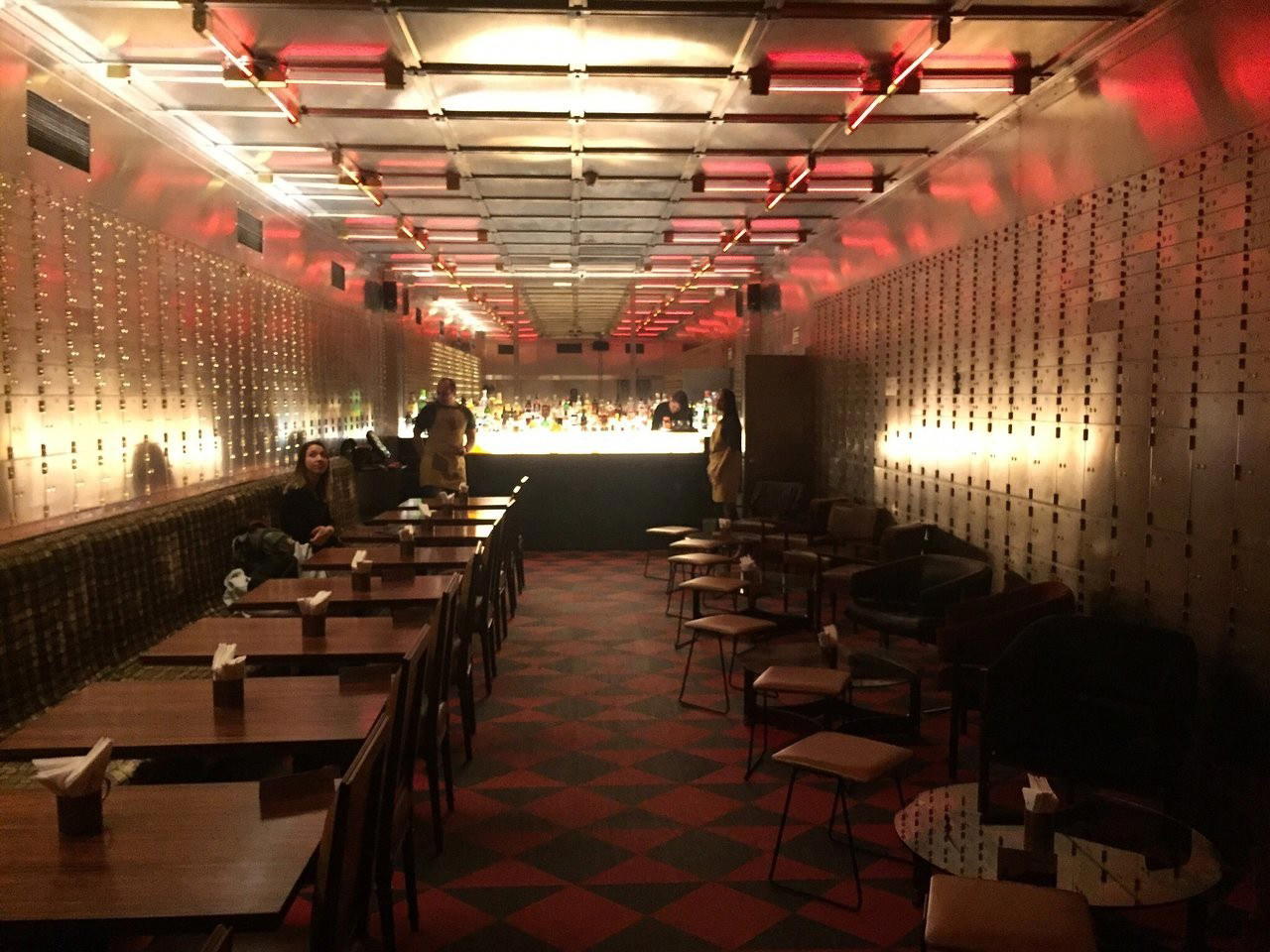
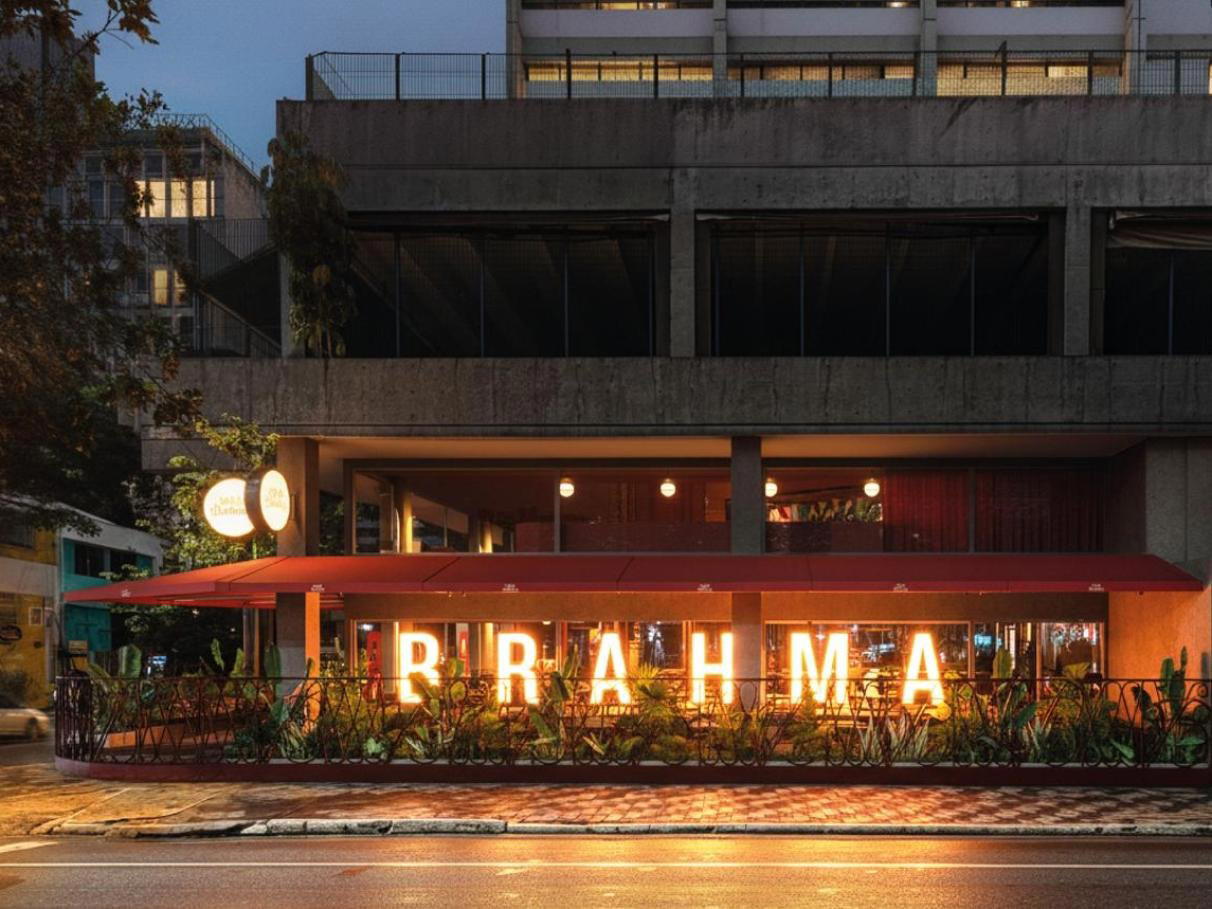
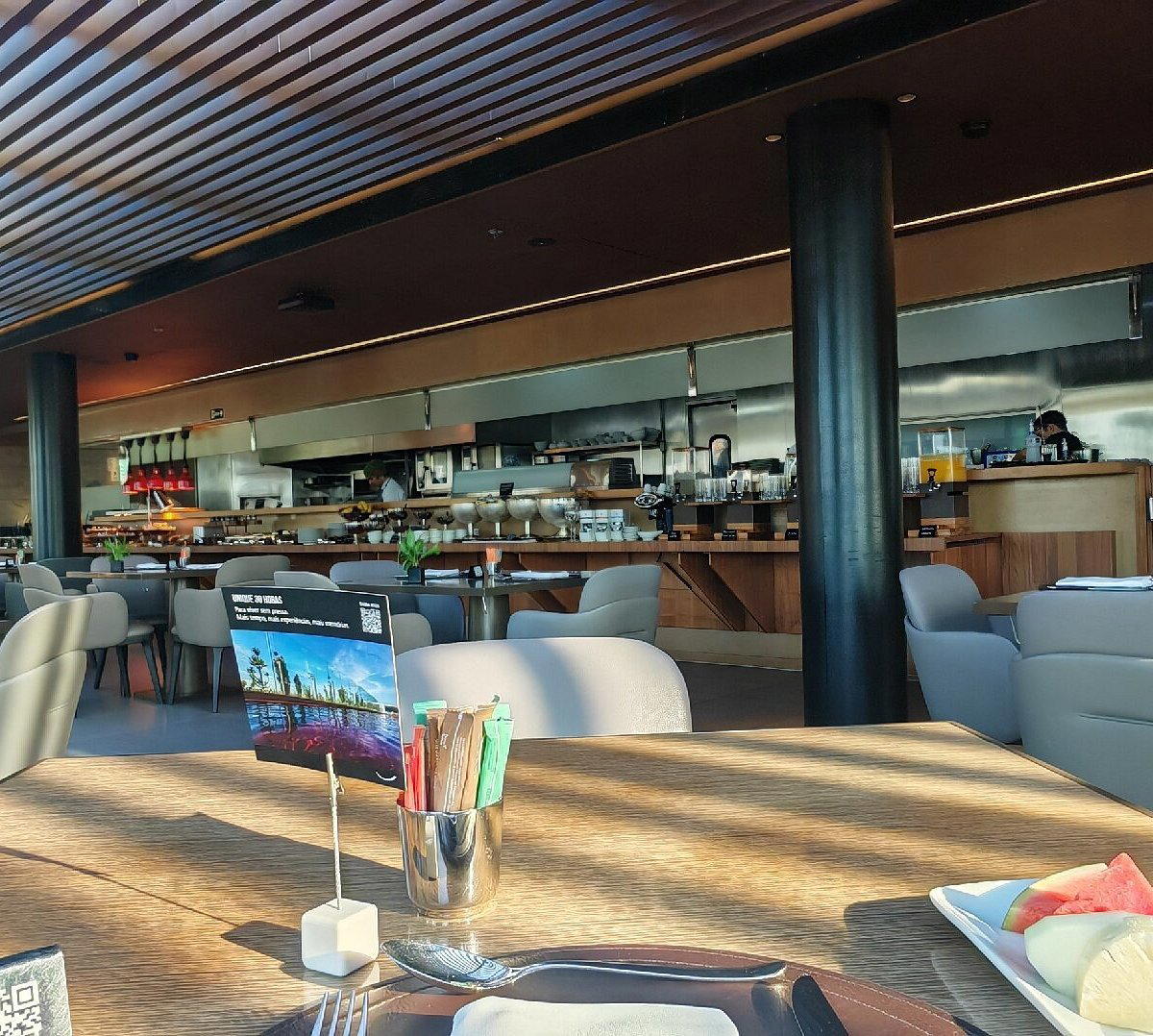
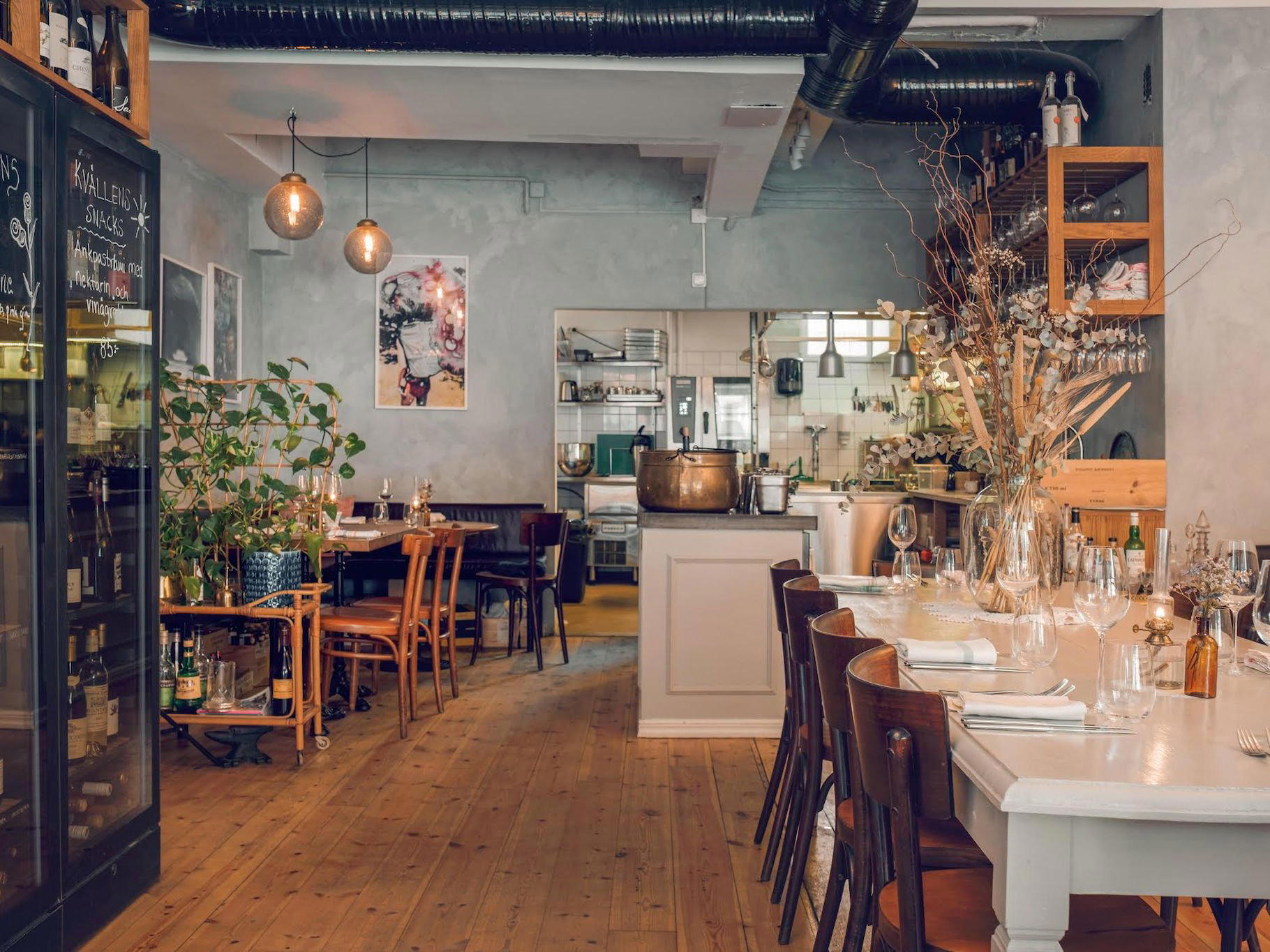
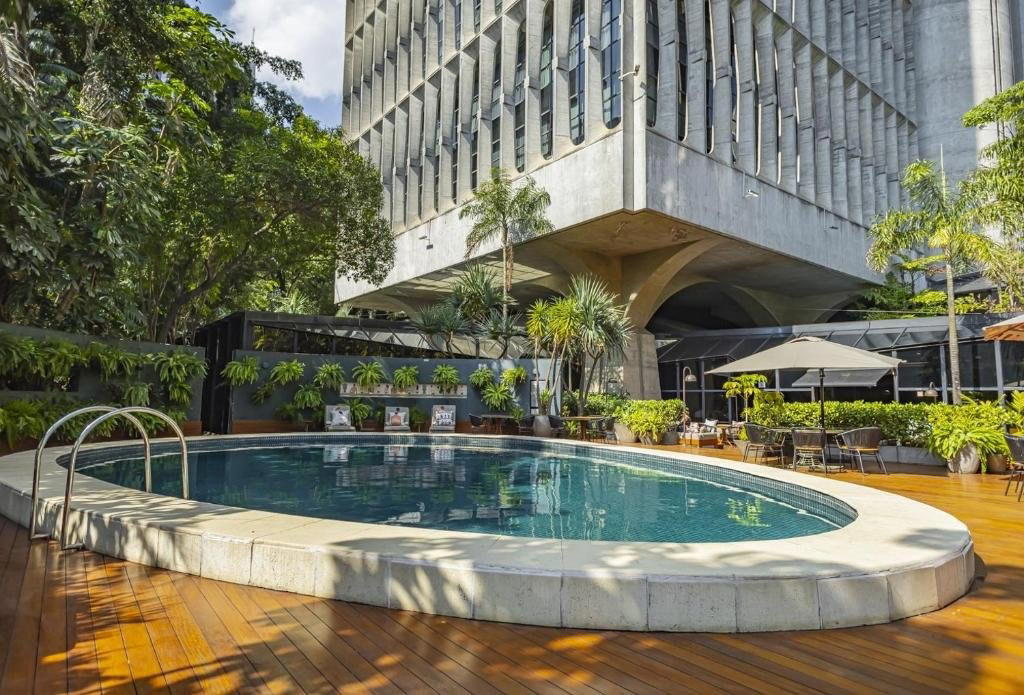
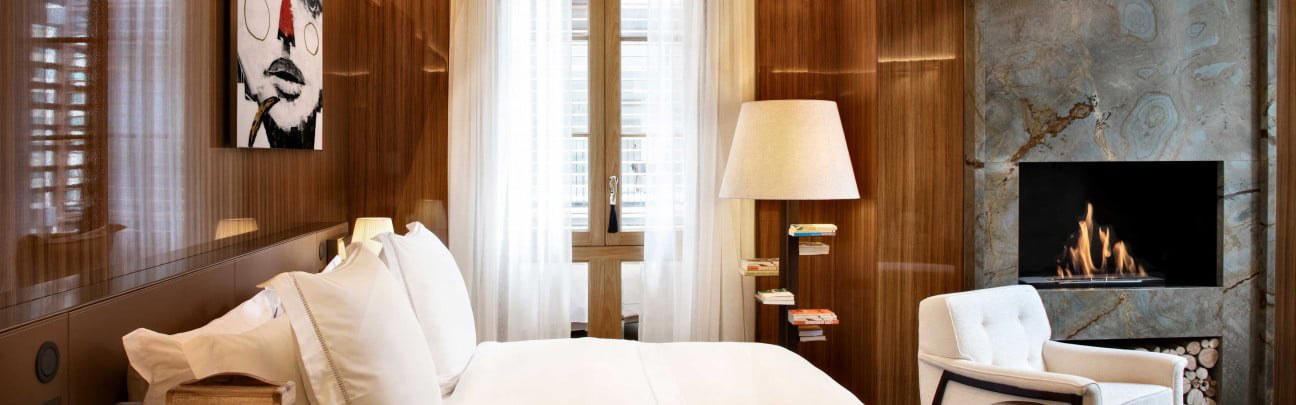
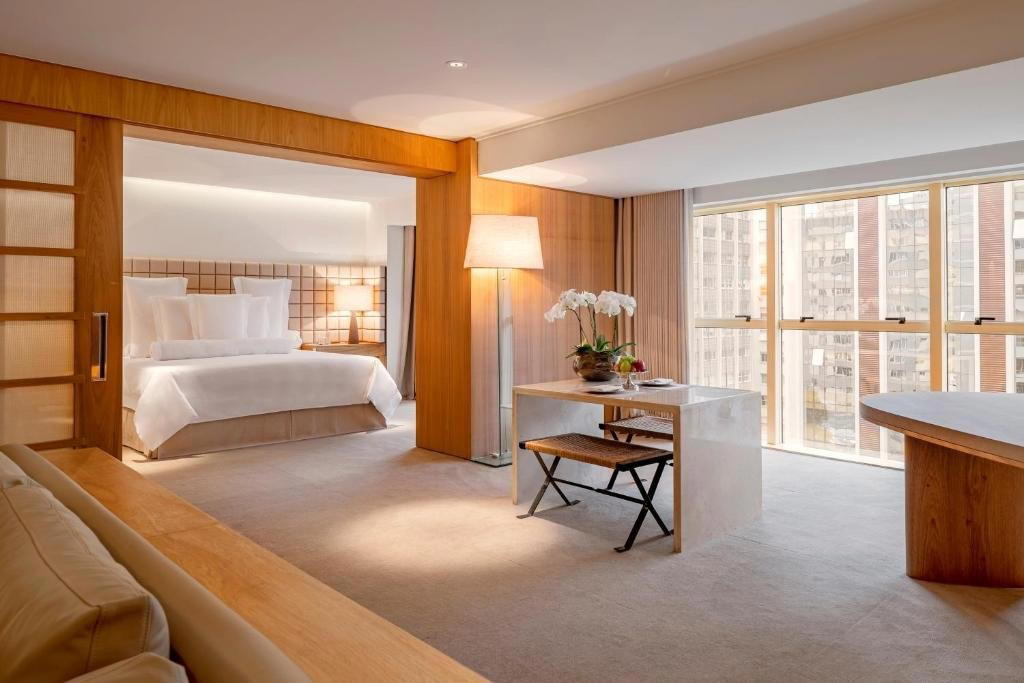
Clean lines, open spaces, and abundant natural light creating a modern Asian luxury atmosphere with a cozy and discreet feel.