Izakaya Issa occupies a narrow shopfront on Rua Barão de Iguape in Liberdade, São Paulo's Japanese quarter, placing it inside one of South America's most concentrated pockets of Japanese food culture. The format follows the izakaya tradition of shared plates, informal pacing, and table-led drinking, positioning it well below the city's high-end sushi counters and alongside Liberdade's more casual Japanese operators.
Pearl is the En Primeur Club membership app — saves, bookings, and concierge access live there. Same editors, same standards.
- Address
- Rua Barão de Iguape, 89 - Liberdade, São Paulo - SP, 01507-001, Brazil
- Phone
- +551132088819
- Website
- instagram.com
- Directions
- Get directions
 Saves & bookings on Pearl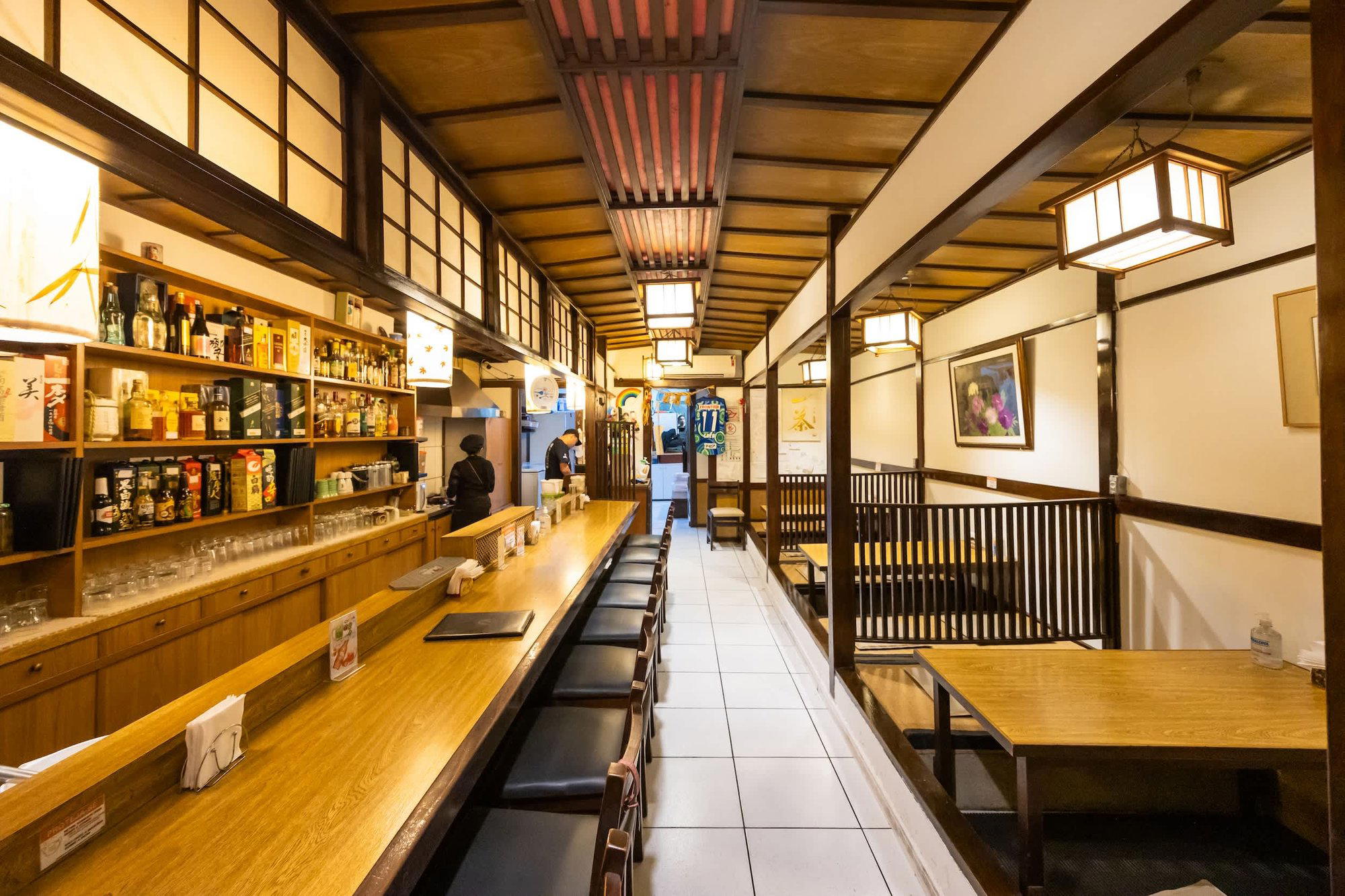
Liberdade and the Izakaya Tradition in São Paulo
São Paulo's Liberdade district has carried the largest Japanese diaspora community outside Japan for most of the twentieth century, and the neighbourhood's food culture reflects that depth across multiple registers. At one end sit formal sushi counters like Maní's Japanese-inflected contemporaries; at the other, a cluster of izakayas, ramen shops, and teishoku houses that operate on an entirely different logic. Izakaya Issa is an authentic Japanese izakaya in São Paulo's Liberdade district, with a casual dress code, a recommended reservation policy, and an average price of about $25 per person. It sits within the latter tradition, where the organising principle is not the tasting menu or the chef's counter but the table, the shared plate, and the rhythm of a meal that expands or contracts around the group's pace.
The izakaya format itself is worth understanding before you arrive. In Japan, the category covers anything from standing bars attached to train stations to seated neighbourhood restaurants with deep sake lists, but the constant is the relationship between drinking and eating: food exists to accompany drink, portions are sized for sharing, and the meal has no fixed endpoint. São Paulo's Liberdade izakayas have adapted that structure to a Brazilian dining rhythm, which typically runs later and lingers longer, making the format a natural fit. Izakaya Issa's address on Rua Barão de Iguape places it on one of Liberdade's primary restaurant corridors, where foot traffic from the neighbourhood's long-established Japanese-Brazilian community provides a different baseline clientele than the Itaim Bibi or Jardins restaurants drawing São Paulo's expense-account crowd.
Where Izakaya Issa Sits in São Paulo's Japanese Dining Tier
São Paulo's Japanese dining scene has stratified considerably over the past decade. The upper bracket, occupied by omakase counters and destination sushi bars, now competes on a regional basis with operations in Rio and internationally with what Atomix in New York or Tokyo's neighbourhood counters represent. Below that tier, a mid-market of sushi restaurants and fusion operations serves the city's broader appetite for Japanese food. The izakaya category occupies a distinct position: less formal than the mid-market sushi houses, more culinarily focused than fast casual, and anchored in a specific social function that the other tiers don't address.
The restaurant is part of a Liberdade cohort that operates on neighbourhood logic rather than destination logic. The comparison set is not D.O.M. or Evvai, which work within São Paulo's trophy dining circuit, nor Tuju's creative tasting format. The relevant peers are the other izakayas and casual Japanese houses within walking distance on the same street. In that context, the address on Rua Barão de Iguape is an asset: the street is established, the neighbourhood anchors the credibility of any Japanese operator, and the foot traffic from Liberdade's resident community functions as a continuous quality signal in a way that a Jardins address simply cannot replicate.
The Service Dynamic in an Izakaya Setting
The editorial angle that matters most in an izakaya is not the kitchen alone but the coordination between kitchen and floor. In the izakaya format, the front-of-house carries unusual weight: the meal's pacing, the order in which dishes arrive, and the suggestions around drink pairings are managed table-side rather than through a fixed tasting sequence. A skilled floor team at an izakaya effectively co-authors the meal with the guest, reading the table's appetite and adjusting accordingly. This is a different skill set than fine dining service, which follows a choreographed sequence, and it is harder to sustain consistently at lower price points where staffing margins are tighter.
The drink dimension reinforces this. Izakayas that take their format seriously maintain a sake list calibrated to the food rather than a generic imported wine selection, and the floor team's ability to guide guests through that list, differentiating junmai from honjozo, explaining the regionality of different rice varieties, is part of what separates a well-run izakaya from a casual Japanese restaurant that happens to serve beer and edamame. São Paulo's better izakayas have deepened their sake programmes in parallel with growing Brazilian consumer interest in Japanese spirits and fermented beverages, a trend that mirrors what happened in Australian and European cities with significant Japanese diaspora populations roughly a decade earlier.
For the visitor coming from São Paulo's more formal dining circuit, from the structured Italian of Fame Osteria or the contemporary Brazilian of Lasai in Rio, the izakaya register requires a recalibration. The meal works well when it is allowed to move at its own pace, when ordering is iterative rather than planned upfront, and when the interaction with the floor team is treated as part of the experience rather than a transaction.
Planning a Visit to Izakaya Issa
Rua Barão de Iguape is accessible from central São Paulo and falls within the walkable core of Liberdade, which means the area is navigable without a car if you are based in the city centre or arriving via metro from Jardins or Paulista. Liberdade station on Line 1 connects directly to the neighbourhood. The street itself is most active from mid-evening, and the izakaya format rewards arriving without fixed time pressure: the meal is designed to stretch, not to be completed on a schedule.
Cost and Credentials
Comparable venues nearby, for context on price, style, and recognition.
| Venue | Cuisine | Price | Notes |
|---|---|---|---|
| Izakaya IssaThis venue — the venue you are viewing | Liberdade, Authentic Japanese Izakaya | $$ | Not listed |
| Restaurant Sushi Isao | Se, Traditional Japanese Buffet | $$$ | Not listed |
| Restaurante Aizomê | Vila Bela Vista, Modern Japanese Kaiseki | $$$ | Not listed |
| El Soares - Sabores Mexicanos | Tucuruvi, Authentic Mexican Taqueria | $$ | Not listed |
| Temakeria Paulista | Agua Rasa, Japanese Temaki & Sushi | $$ | Not listed |
| Iroha Sushi Leopoldina Restaurante Japonês | Not listed | $$ | Vila Leopoldina, Japanese Sushi and Rodízio |
Continue exploring
More in São Paulo
Restaurants in São Paulo
Browse all →
Bars in São Paulo
Browse all →
At a Glance
- Cozy
- Intimate
- Casual Hangout
- Open Kitchen
- Sake Program
Current opening hours
- Monday
- 11 AM–2:30 PM, 6–9:30 PM
- Tuesday
- 11 AM–2:30 PM, 6–9:30 PM
- Wednesday
- Closed
- Thursday
- 11 AM–2:30 PM, 6–9:30 PM
- Friday
- 11 AM–2:30 PM, 6–9:30 PM
- Saturday
- 11 AM–3 PM, 6–9:30 PM
- Sunday
- 11 AM–3 PM, 6–8:30 PM
Hours can change for holidays and private events. Last verified .
Cozy and chill atmosphere reminiscent of Japan, with shoe-removal entry and attentive staff.